18 Best Tips for a Maximalist Garden Border
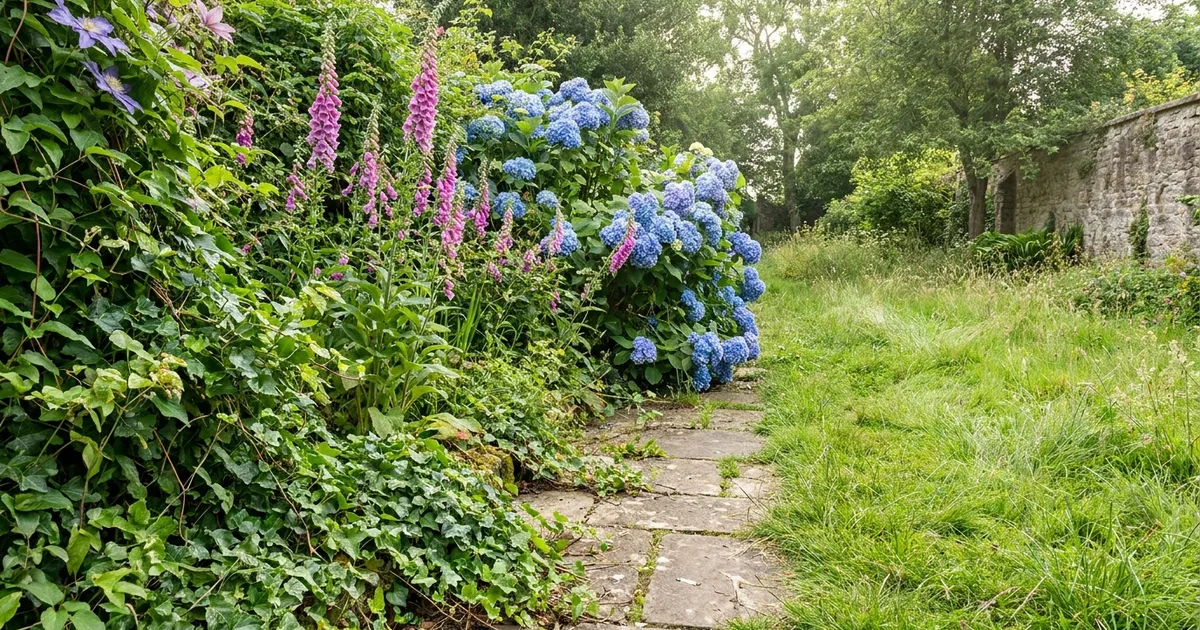
Maximalist gardening rejects the strict control of modern minimal landscaping in favor of absolute visual abundance. This approach packs every square inch of the garden border with clashing colors massive textures and towering blooms. The goal is to create a lush overgrown sanctuary that feels completely immersive and slightly wild.Achieving this look without it dissolving into a messy weed patch requires hidden structure and careful layering. You must strategically place massive anchor plants and utilize intense color repetition to organize the chaos. It is a joyful energetic design style that celebrates the absolute chaotic beauty of nature.
What’s inside this article
- Massive Anchor Shrubs
- Ignore Traditional Spacing
- Clashing Color Combinations
- Towering Vertical Spikes
- Oversized Tropical Foliage
- Trailing Front Edges
- Repetitive Color Weaving
- Self-Seeding Chaos
- Climbing Vertical Vines
- Hidden Dark Foliage
- Mix Edibles with Ornamentals
- Succession Planting Density
- Chartreuse Highlighting
- Structural Winter Seedheads
- Massive Drifts Not Singletons
- Hidden Structural Supports
- Scent Layering
- Embrace the Clutter
Massive Anchor Shrubs
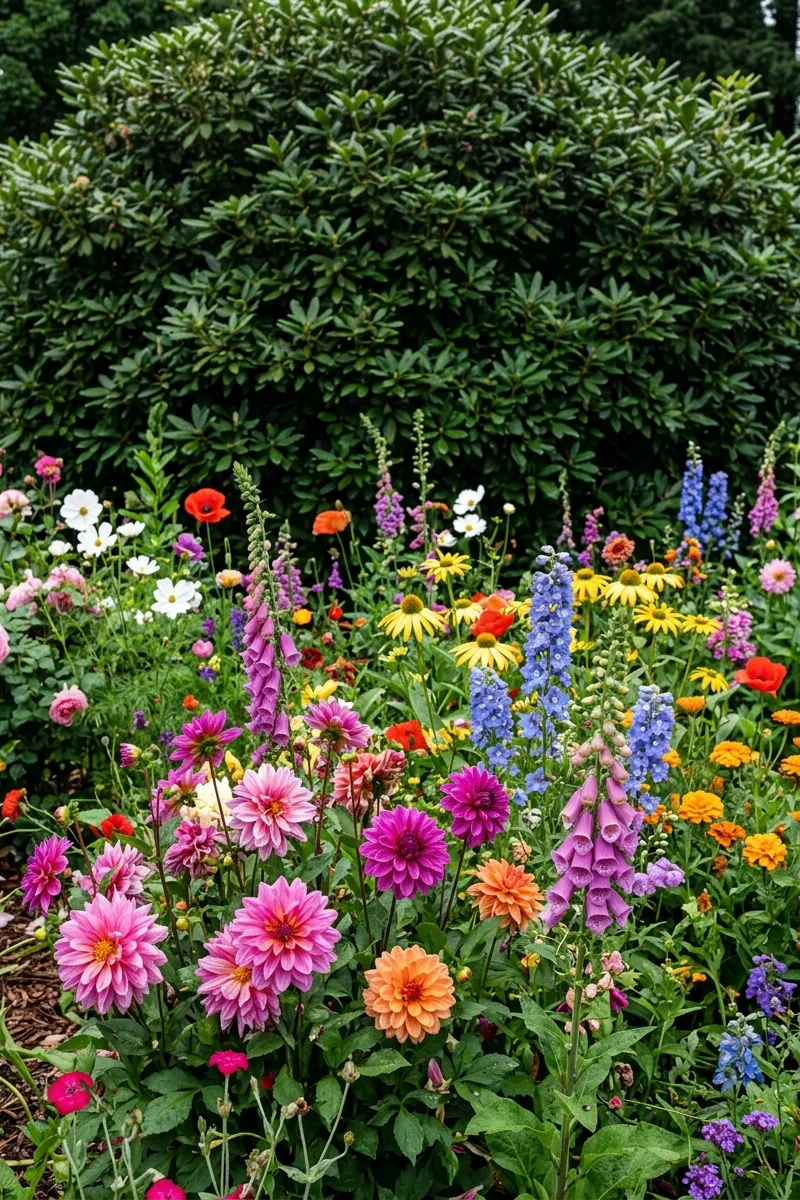
A border packed entirely with delicate flimsy flowers will quickly look like a disorganized messy field. You must establish permanent heavy visual weight by planting massive anchor shrubs at the back of the bed. Large evergreens or bulky hydrangeas provide critical dark green backdrops that make the bright colors in front of them pop brilliantly. These dense structural plants hold the entire chaotic composition together visually acting as the heavy frame for the wild artwork. They ensure the border maintains shape and volume even when the summer flowers die back completely.
Ignore Traditional Spacing
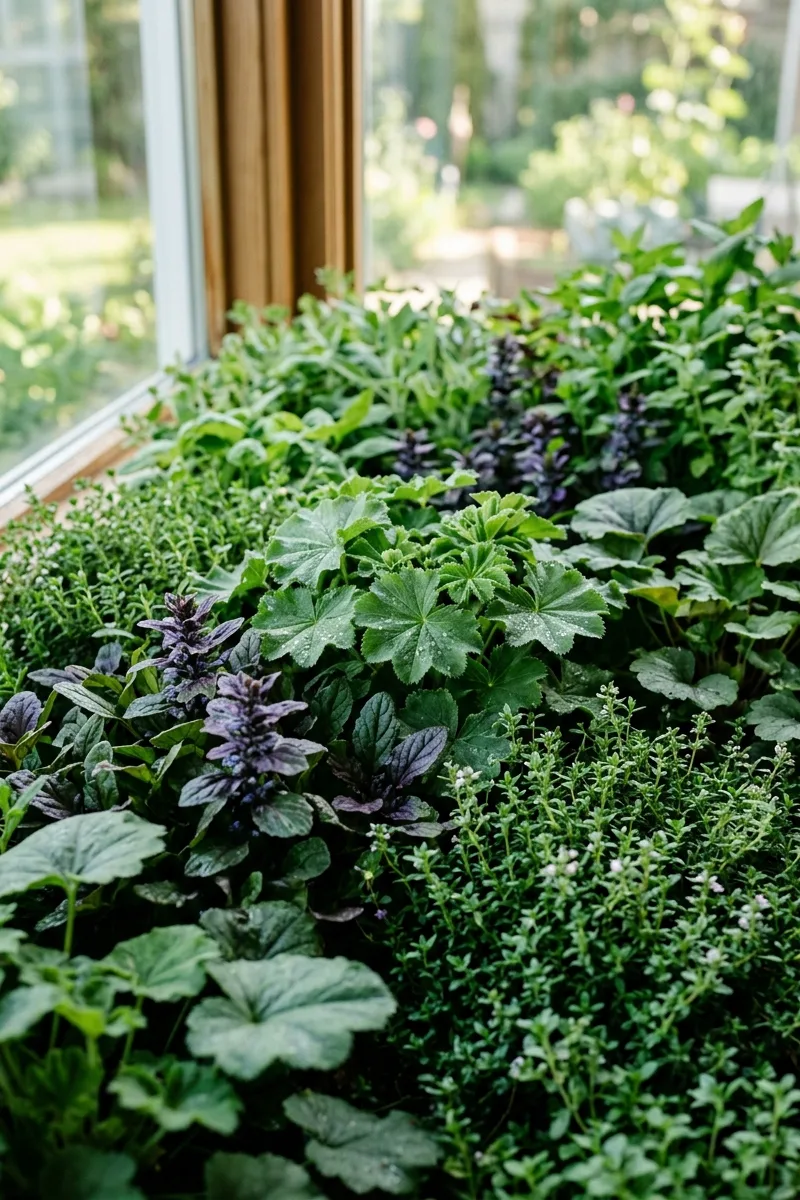
The standard nursery tags telling you to space plants two feet apart do not apply to the maximalist aesthetic whatsoever. To achieve the lush overgrown look you must pack plants tightly together forcing them to weave and intertwine naturally. This aggressive high-density planting strategy eliminates open patches of dirt completely suppressing weeds through total shade coverage. The plants will naturally battle for sunlight creating a beautifully tangled competitive canopy. This dense jungle approach is the absolute core secret to creating a border that feels overwhelmingly abundant and heavily established instantly.
Clashing Color Combinations
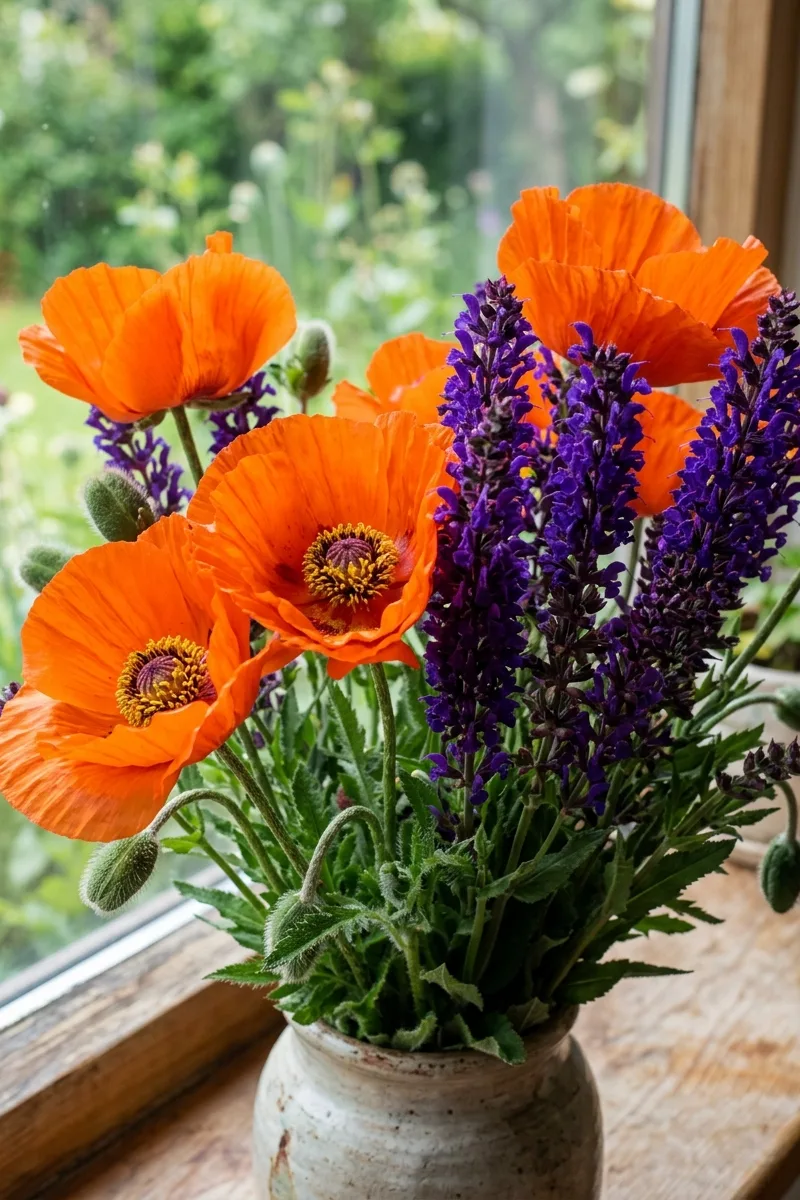
Polite restrained color palettes have absolutely no place in a true maximalist garden design. You must intentionally pair highly contrasting shocking colors together to create massive visual vibration and energy. Planting neon orange poppies directly next to deep violet salvia forces the eye to stop and process the intense jarring combination. This fearless approach to color eliminates the boring predictability of traditional pastel borders. Embracing these loud aggressive clashes generates a joyful energetic atmosphere that defines the wild uninhibited nature of this specific landscaping style perfectly.
Towering Vertical Spikes
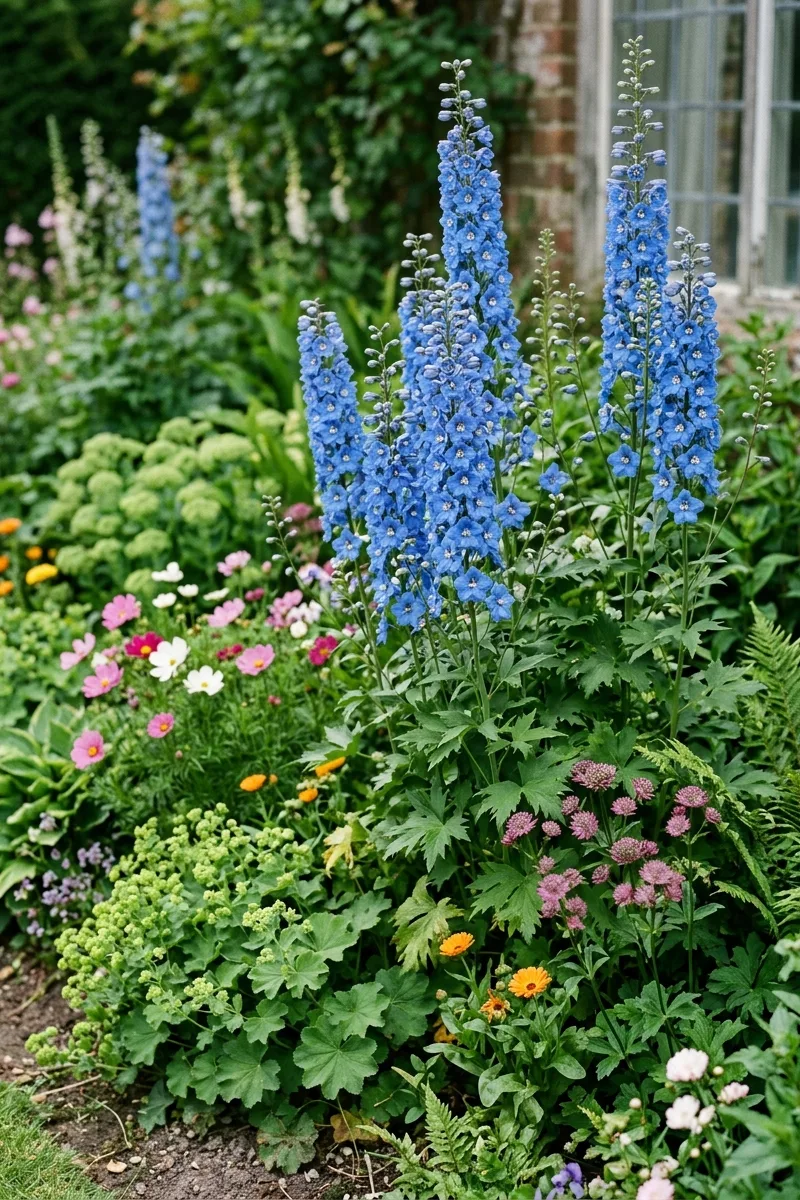
A border composed entirely of round mounding plants looks flat and visually heavy regardless of how many colors you use. You must aggressively puncture this heavy mass by introducing towering vertical spikes that shoot straight up toward the sky. Massive stalks of delphiniums foxgloves or hollyhocks draw the eye upward immediately changing the entire scale of the garden. These aggressive vertical lines provide crucial architectural tension breaking up the chaotic horizontal sprawl perfectly. They add necessary dramatic height making the border feel imposing expansive and highly dynamic visually.
Oversized Tropical Foliage
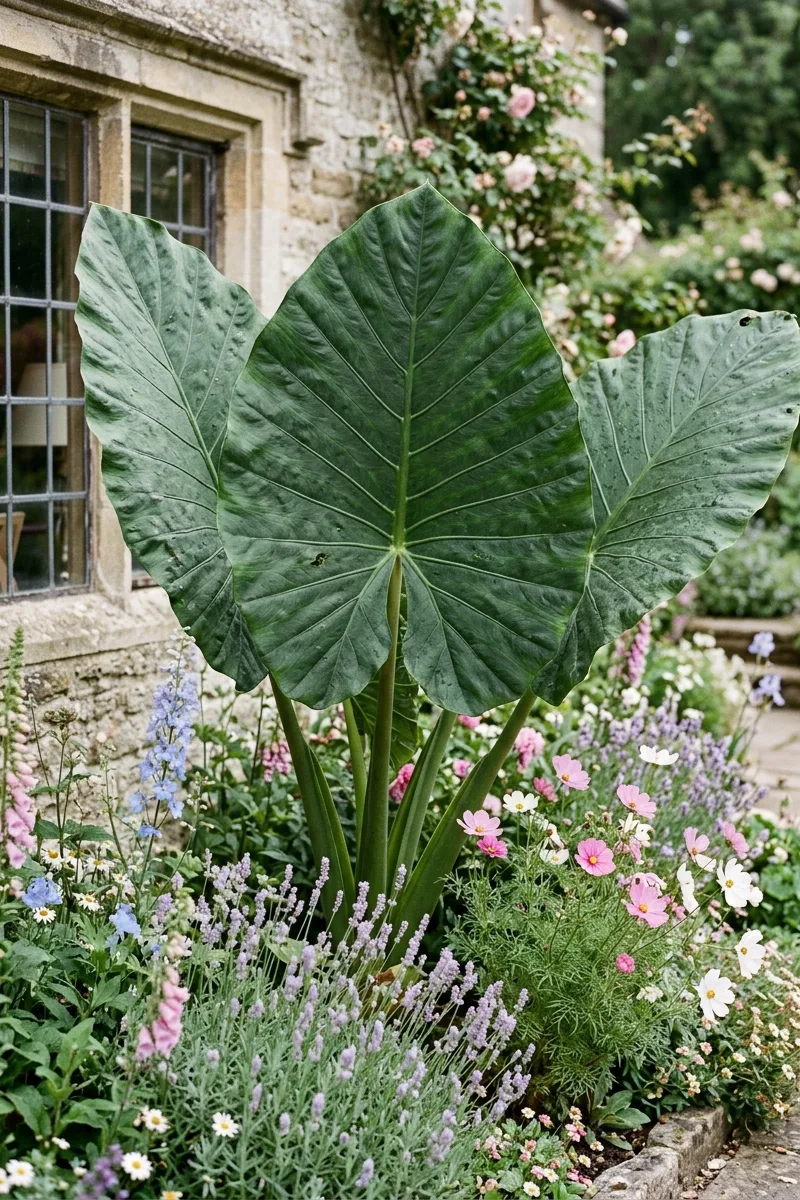
Integrating plants with absurdly large leaves introduces an unexpected sense of exotic scale to a traditional garden setting. Tucking a massive elephant ear or a huge hosta into a bed of delicate daisies creates brilliant shocking textural contrast. These gigantic flat leaves provide necessary visual resting spots breaking up the frantic busyness of thousands of tiny flower petals. The sheer size of the foliage makes the border feel like a wild overgrown jungle rather than a polite suburban yard. This bold foliage choice guarantees massive immediate impact.
Trailing Front Edges
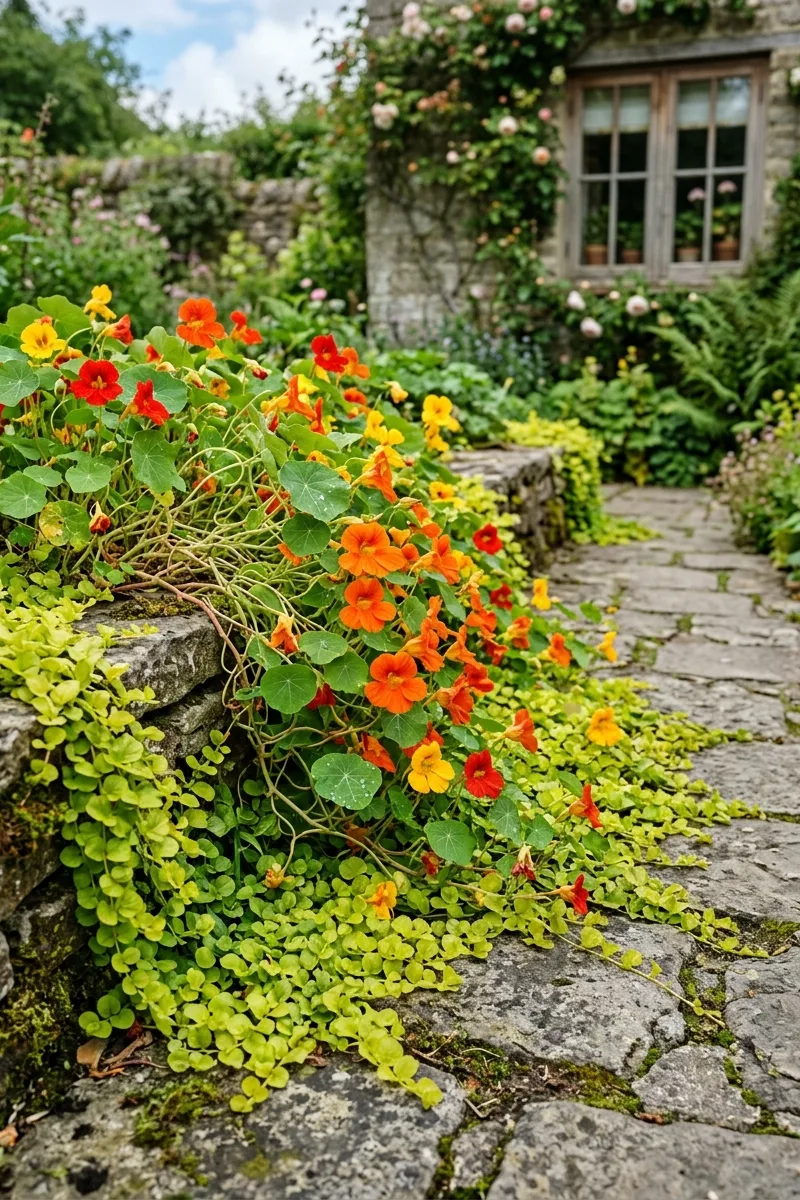
A maximalist border cannot be contained by neat tidy edging lines or crisp plastic borders. You must plant aggressive trailing varieties at the very front of the bed and allow them to spill heavily out onto the pathways. Creeping jenny or trailing nasturtiums blur the sharp architectural lines of the hardscaping completely. This chaotic overflow makes the garden look as though it is actively consuming the entire yard. It reinforces the wild untamed aesthetic heavily proving that nature is completely in charge of the lush landscape.
Repetitive Color Weaving
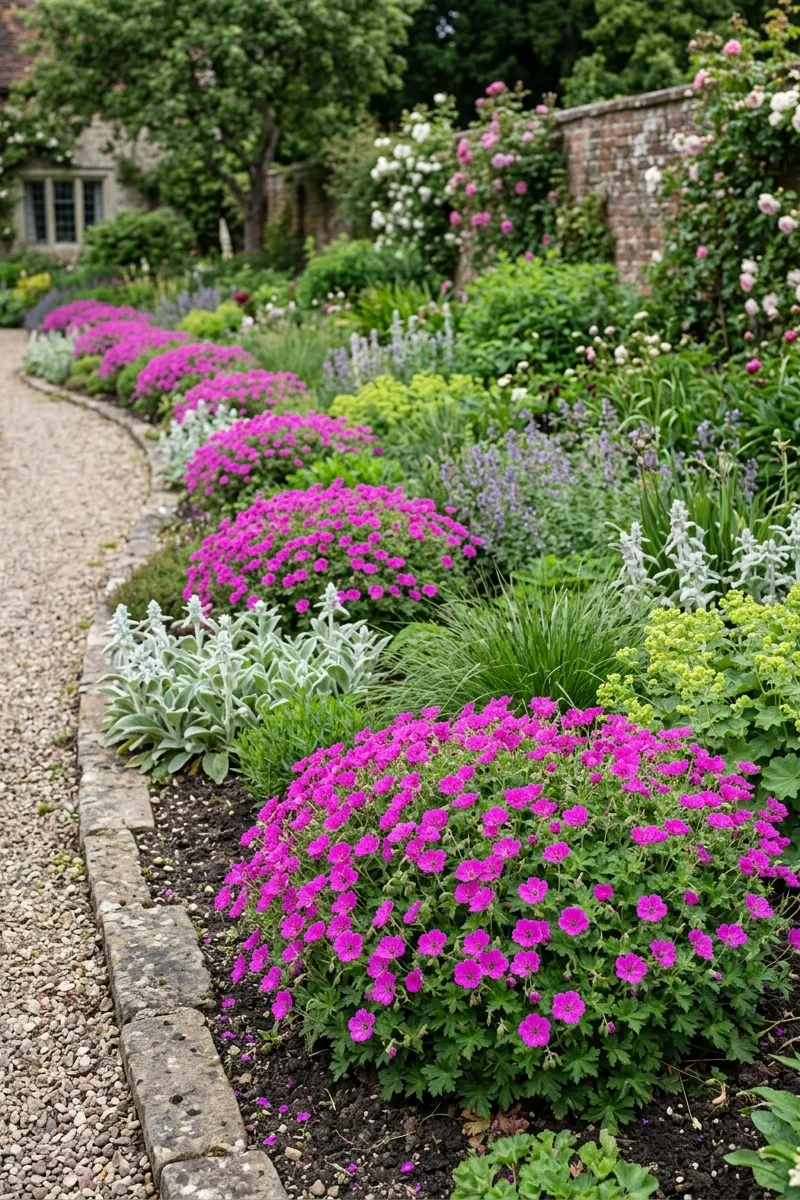
Without a hidden structural rhythm a highly diverse maximalist border quickly devolves into a visually exhausting chaotic mess. You must organize the chaos by taking one specific bright color and repeating it evenly down the entire length of the bed. Weaving a bright magenta or sharp yellow consistently through the sprawling layout provides a crucial subconscious roadmap for the eye to follow. This deliberate repetition ties the disparate clashing elements together into a single cohesive composition. It is the invisible designer trick that makes the wild mess look entirely intentional.
Self-Seeding Chaos
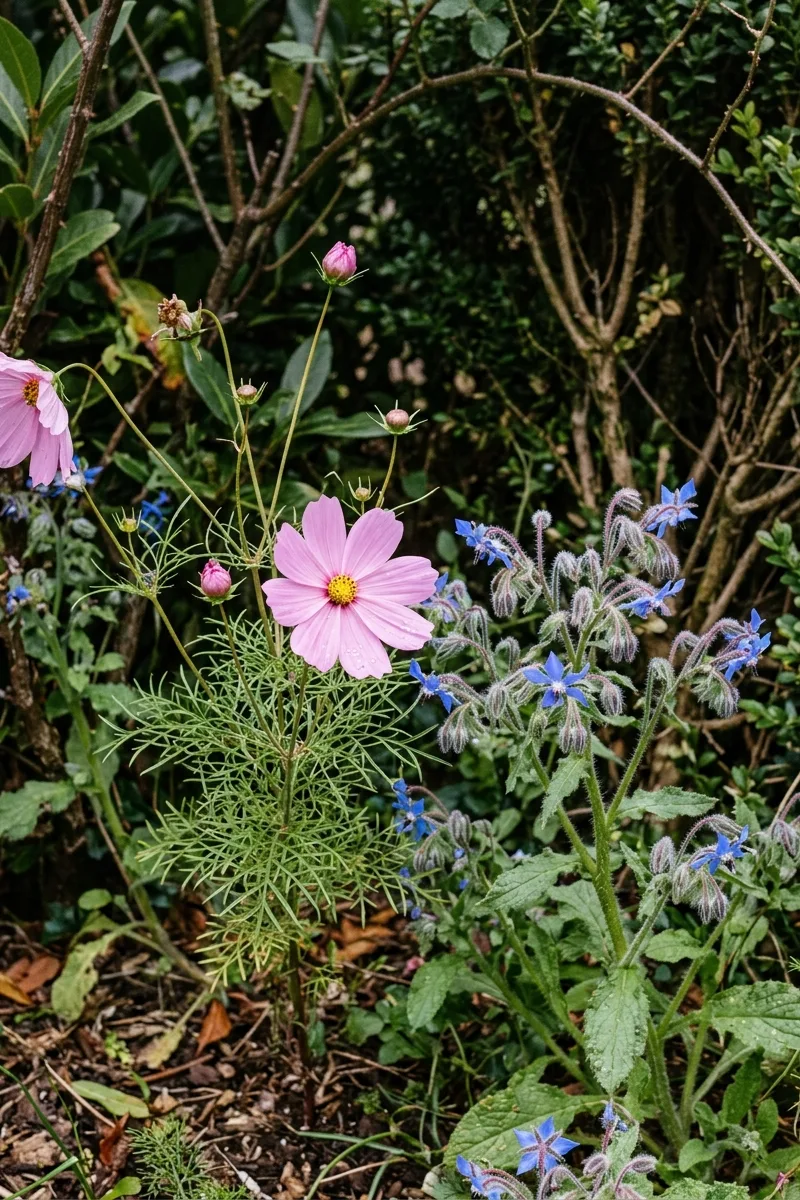
Relinquishing total control is the final philosophical step required to achieve true maximalist beauty. You must encourage aggressive self-seeding annuals like cosmos borage or nigella to spread their seeds wherever they land organically. Allowing these delicate flowers to pop up randomly in unexpected cracks and corners provides a deeply authentic wildness that cannot be planned or planted manually. This spontaneous chaotic growth fills any tiny remaining gaps with soft beautiful texture. It ensures the garden evolves and looks slightly different every single year naturally.
Climbing Vertical Vines
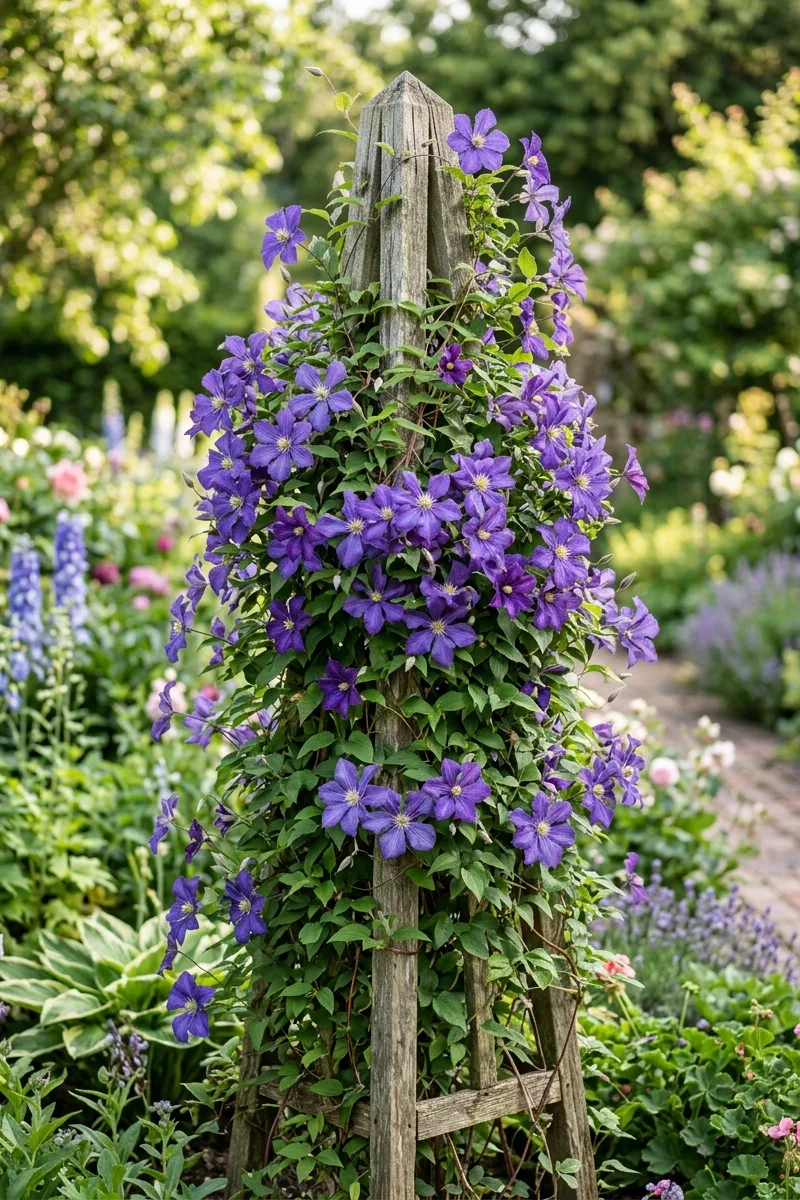
Maximizing the border requires treating the vertical airspace as valuable planting territory not just the ground soil. Installing tall wooden obelisks or heavy iron tuteurs directly in the middle of the bed provides critical structure for aggressive climbing vines. Allowing clematis or morning glories to scramble up these towers adds massive isolated columns of color high above the lower mounds. This layered vertical integration stacks the floral impact heavily making the entire border feel overwhelmingly dense and lush from top to bottom completely.
Hidden Dark Foliage
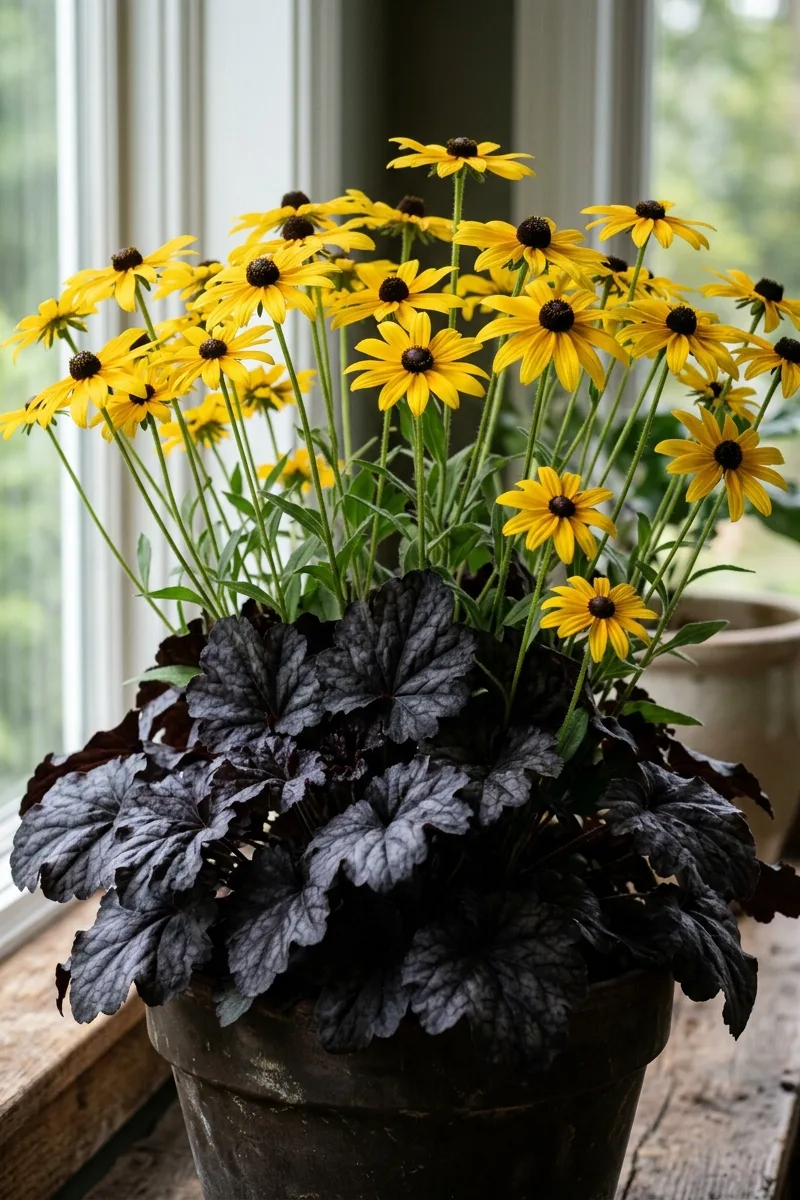
A border consisting entirely of bright neon colors and pale greens lacks the necessary depth to hold visual interest for long. You must strategically hide pockets of extremely dark near-black foliage deep within the chaotic layout. A dark heuchera or dark-leaved dahlia acts as a structural visual void anchoring the bright chaotic blooms securely. These moody shadows prevent the bright colors from floating away ensuring the design remains sophisticated and heavily grounded. This intense contrast is absolutely essential for making the loud colors appear even brighter and more aggressive.
Mix Edibles with Ornamentals
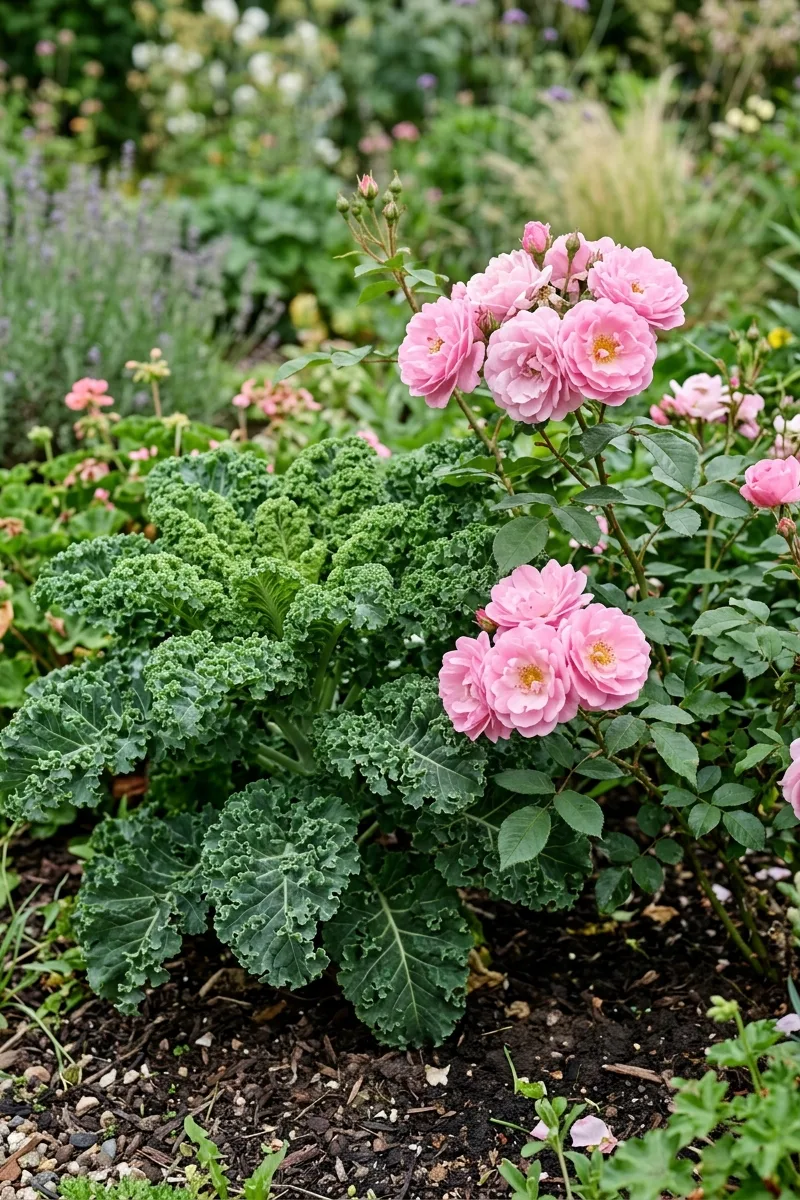
Separating the vegetable garden from the flower beds is a rigid traditional rule that maximalism ignores completely. Integrating large architectural edibles directly into your ornamental borders adds incredible unexpected texture and volume. The massive ruffled leaves of kale or the delicate feathery fronds of fennel look absolutely stunning when planted next to classic roses or lilies. This mixing technique creates a highly productive beautiful chaotic tapestry that challenges boring traditional landscaping norms. It maximizes the utility and the visual intrigue of the border simultaneously.
Succession Planting Density
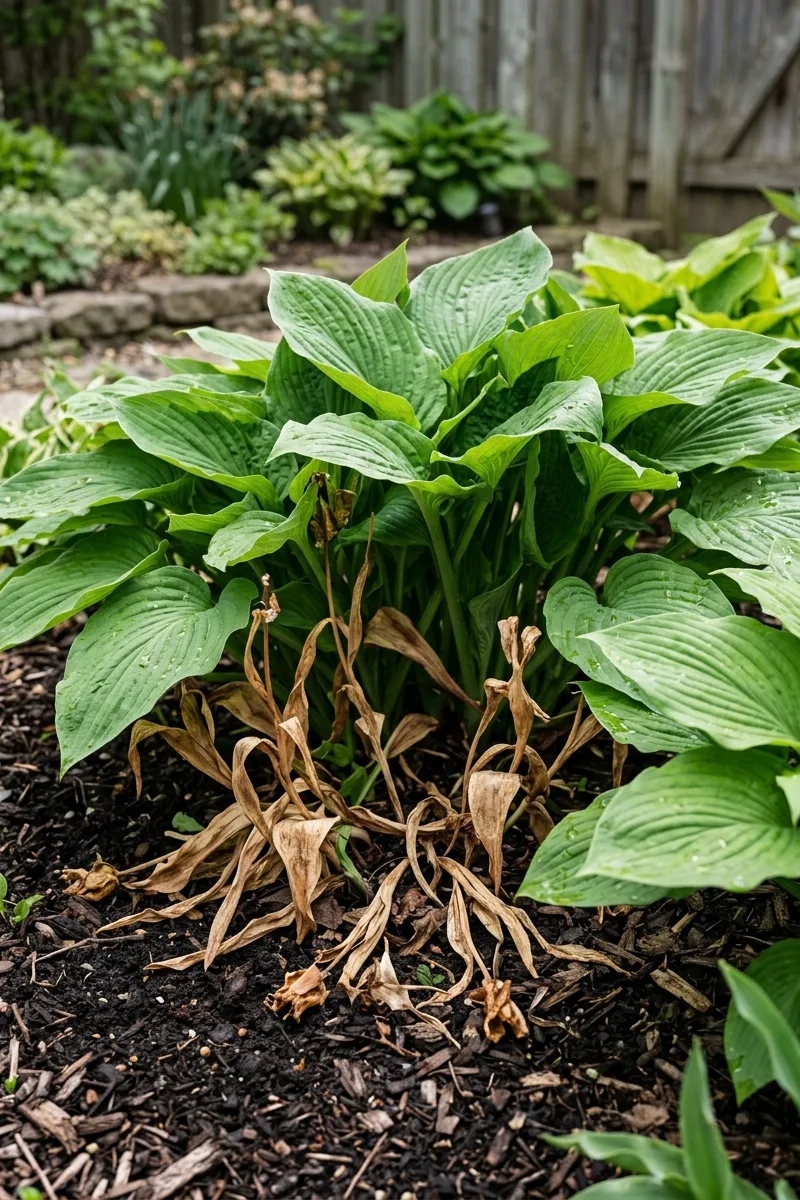
A true maximalist border must look incredibly lush and packed from early spring until the final autumn frost. This requires ruthless layered succession planting placing summer-blooming perennials directly on top of early spring bulbs. As the tulips die back and turn brown the aggressive emerging foliage of the summer plants completely hides the mess. This highly stacked density ensures there is never an empty bare spot or an awkward transitional phase in the bed. The border remains a constant evolving explosion of color and life all year long.
Chartreuse Highlighting
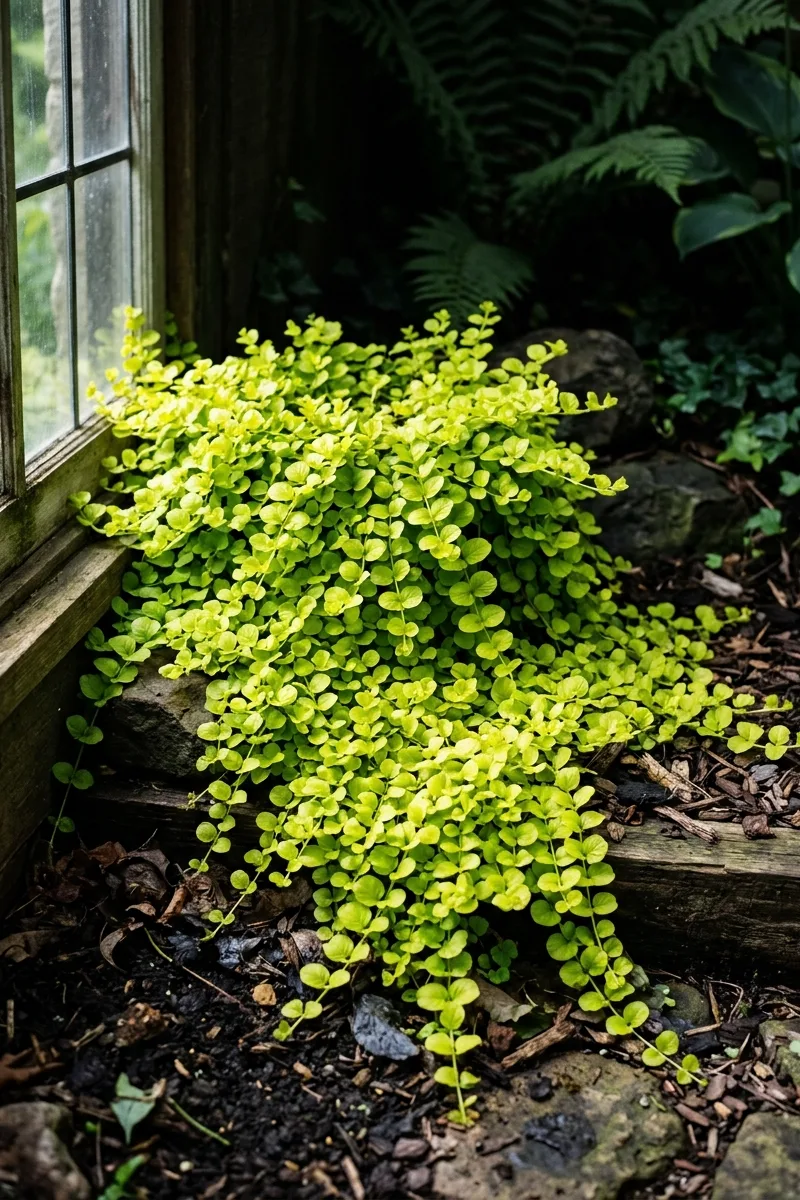
When a densely packed border becomes too heavy or dark you need a specific color to inject immediate artificial-looking light. Introducing splashes of bright neon chartreuse foliage acts like a massive highlighter cutting through the moody shadows brilliantly. Plants like golden creeping jenny or bright hostas grab the eye instantly and provide incredible high-voltage contrast against dark purples and reds. This sharp acidic green color energizes the entire composition making the wild chaotic planting look highly intentional and fiercely modern rather than just messy.
Structural Winter Seedheads

The maximalist philosophy extends completely into how you manage the garden during the dormant winter months. Refuse to cut down the dead stalks in autumn leaving the rigid brown seedheads standing tall through the snow. These architectural skeletons provide massive structural beauty and crucial texture when all the bright colors have vanished entirely. They catch the frost beautifully and feed wintering birds providing incredible kinetic life during the coldest months. This approach proves the border relies on strong foundational shapes not just temporary colorful flower petals.
Massive Drifts Not Singletons
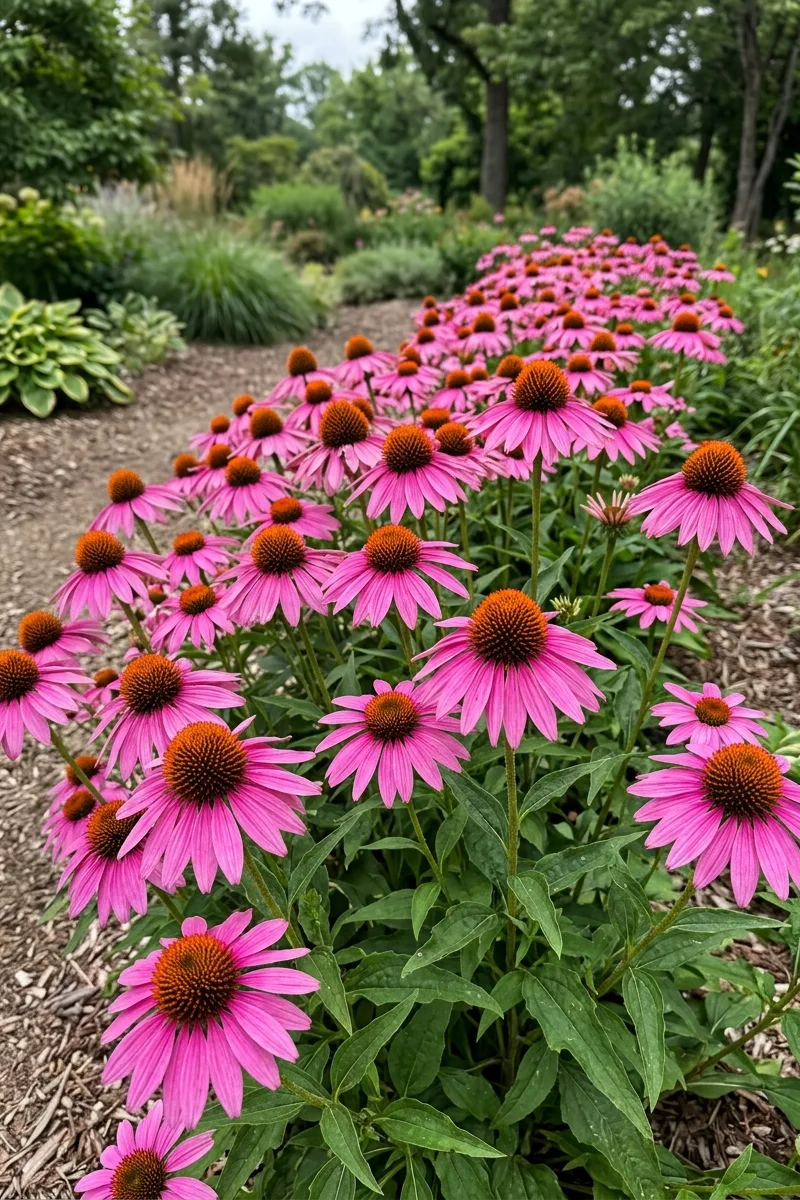
Buying one of everything at the nursery results in a highly stressful chaotic polka-dot garden that the eye cannot process easily. You must commit to buying plants in massive bulk planting sweeping drifts of ten or twenty identical specimens tightly together. These huge unbroken waves of single colors provide massive sweeping drama that defines true maximalist scale. The large blocks organize the wildness preventing the border from looking like a messy confused collection. This heavy repetition is the critical difference between a manic hoarder and a master landscape designer.
Hidden Structural Supports
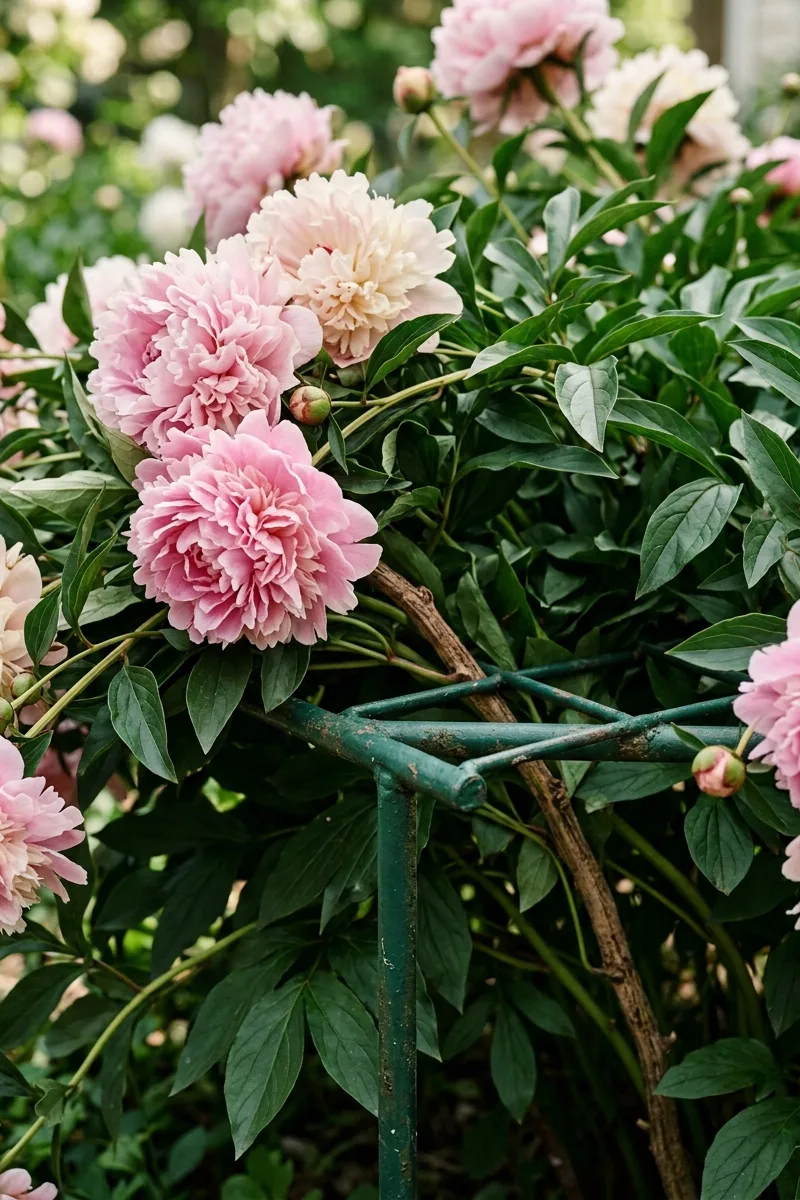
Pushing plants to grow aggressively massive means they will inevitably collapse under their own heavy weight after a severe rainstorm. You must proactively install heavy-duty metal grow-through supports and thick stakes early in the spring before the plants get large. As the foliage explodes it completely hides this rigid internal scaffolding maintaining the illusion of wild unsupported growth. This hidden engineering guarantees the border remains standing tall and majestic rather than flopping into a sad rotten mess on the ground. It is the invisible backbone of the aesthetic.
Scent Layering
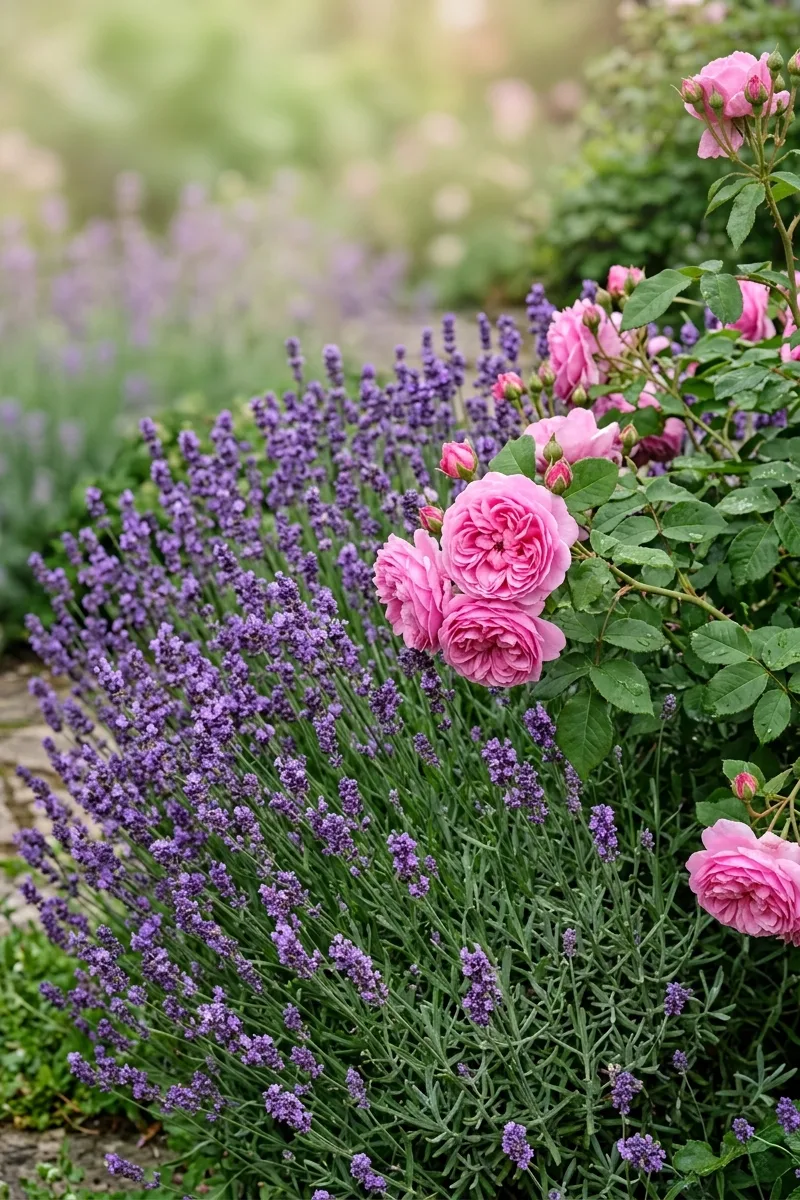
A true maximalist experience overwhelms all the senses completely not just the eyes. You must aggressively layer highly fragrant plants throughout the dense border to create an intoxicating immersive physical environment. Mixing heavily scented classic roses with sharp lavender and sweet jasmine ensures the air is constantly thick with perfume. This invisible aromatic layer changes as you walk down the path adding incredible unseen complexity to the garden. It transforms the outdoor space from a simple visual display into a deeply overwhelming luxurious sanctuary entirely.
Embrace the Clutter
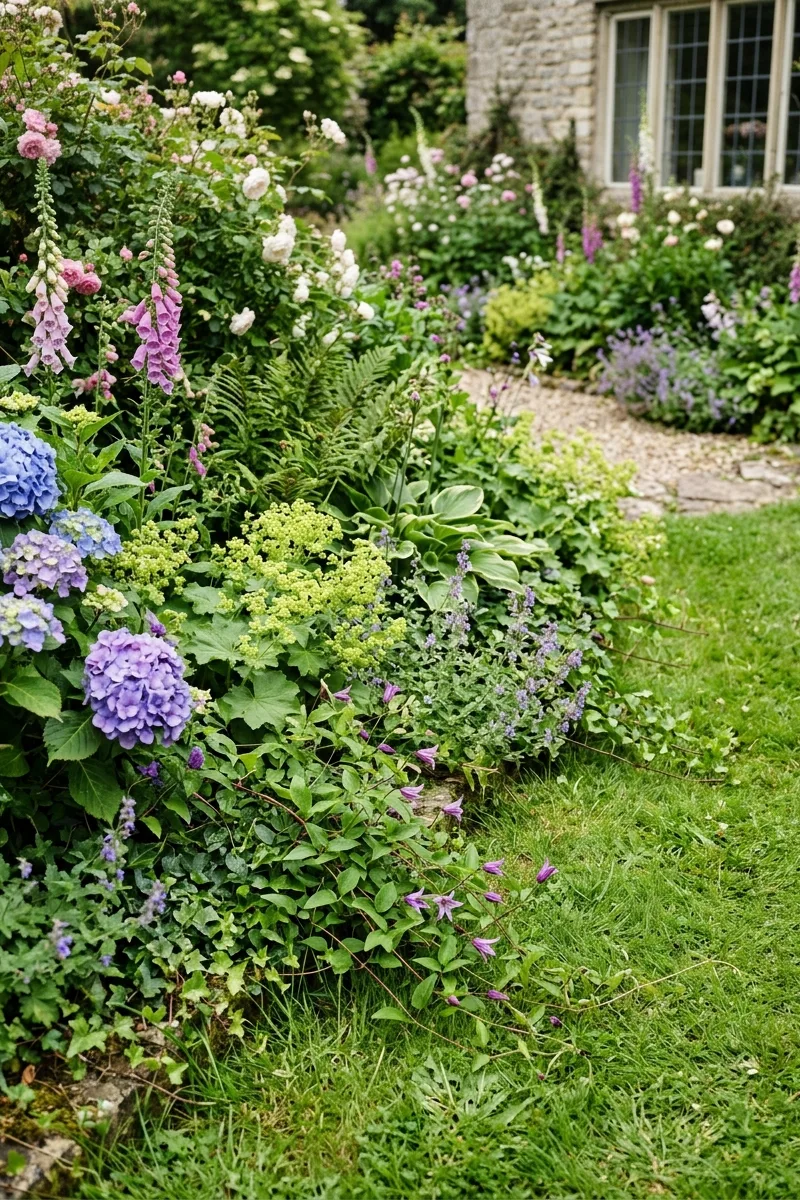
The final and most difficult requirement of this style is entirely psychological. You must actively suppress the urge to trim prune and control the rampant chaotic growth happening in the beds. Allow the plants to weave together flop over slightly and consume the negative space aggressively. Accept that some smaller plants will be bullied and shaded out by larger stronger neighbors naturally. Embracing this competitive wild clutter is the only way to achieve the genuine heavily overgrown lush romantic aesthetic that defines maximalist gardening completely.
Inspiration gallery recap
Tap any image to open the slideshow — use arrows or swipe to browse.