19 Best Gravel Gardening Ideas for Beginners
Gravel gardening completely eliminates the need for water-hungry lawns and constant heavy mulching. This dry landscaping method relies on thick layers of crushed stone to suppress weeds retain soil moisture and provide a clean modern background for drought-tolerant plants. It is the ultimate low-maintenance solution for contemporary homes.Successfully building a gravel garden requires proper ground preparation and disciplined plant selection. By focusing on architectural plants that thrive in sharp drainage you can create a striking architectural landscape. It is a permanent durable aesthetic that requires minimal intervention.
What’s inside this article
- Deep Gravel Layers
- Skip Weed Fabrics
- Angular Crushed Stone
- Washed Stone Selection
- Planting in the Dirt
- Drought Tolerant Species
- Architectural Agaves
- Steel Edging Borders
- Scattered Boulders
- Minimal Plant Density
- Self-Seeding Naturals
- Warm Toned Stone
- Hidden Drip Lines
- Stepping Stone Paths
- Washing the Dust
- Seasonal Debris Cleanup
- Mound Planting Technique
- Lighting the Boulders
- Embrace the Evolution
Deep Gravel Layers
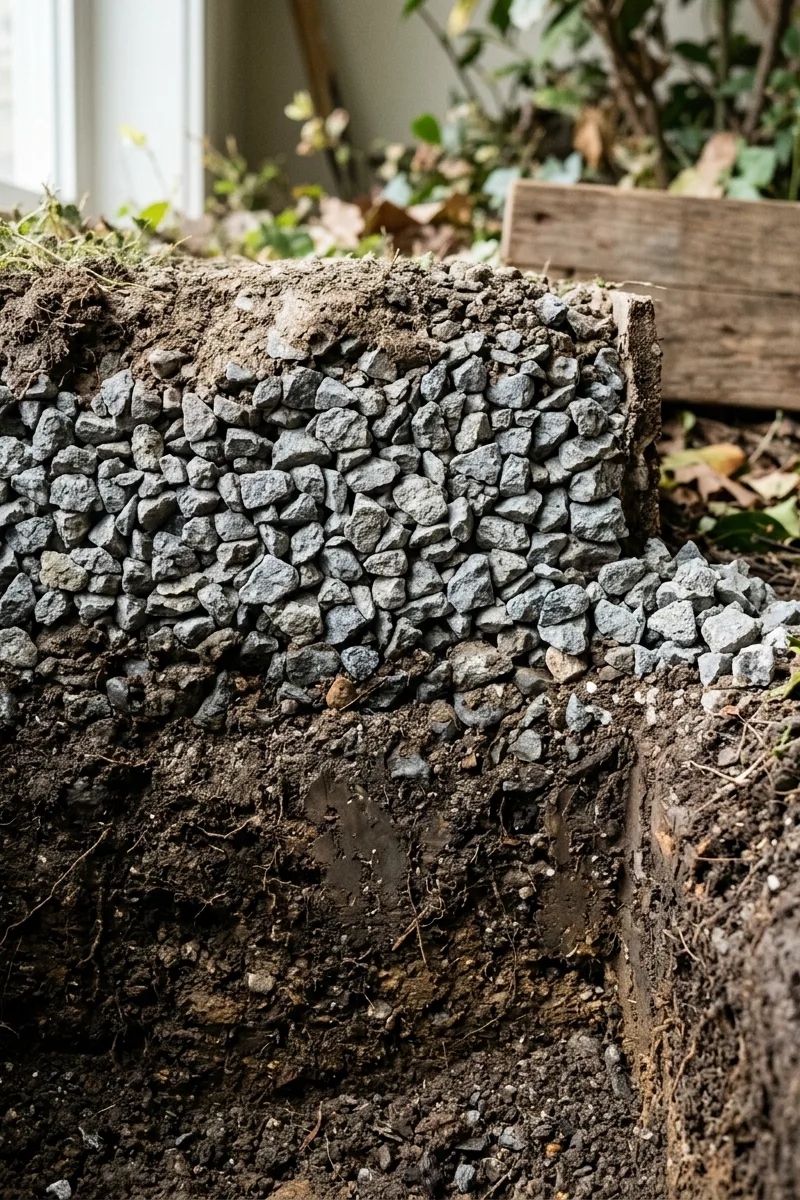
The absolute key to a successful gravel garden is applying an extremely thick layer of stone. Spreading four to five inches of crushed gravel physically stops weed seeds from reaching the dirt below. This massive heavy layer eliminates the need for problematic plastic weed barriers completely. It locks essential moisture deep in the earth preventing rapid evaporation during hot summer days. This deep foundation is the primary reason these gardens require virtually zero maintenance once properly installed.
Skip Weed Fabrics
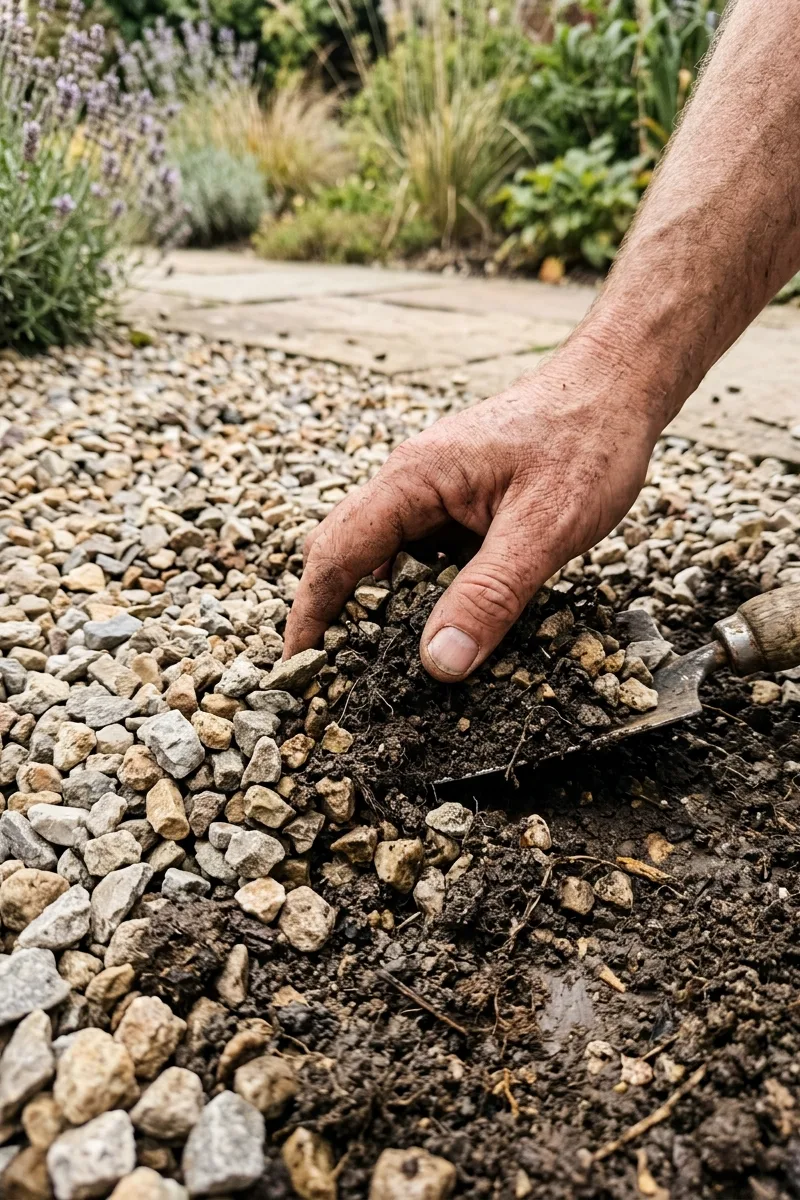
Using synthetic landscape fabric under gravel is a terrible outdated landscaping mistake. Dirt inevitably blows onto the plastic allowing weeds to sprout directly in the shallow gravel layer where they are impossible to pull. The fabric prevents beneficial organic matter from reaching the soil starving your plants over time. Allowing the deep gravel to interact directly with the earth creates a much healthier natural environment. This guarantees the long-term success and low maintenance reality of the dry garden.
Angular Crushed Stone
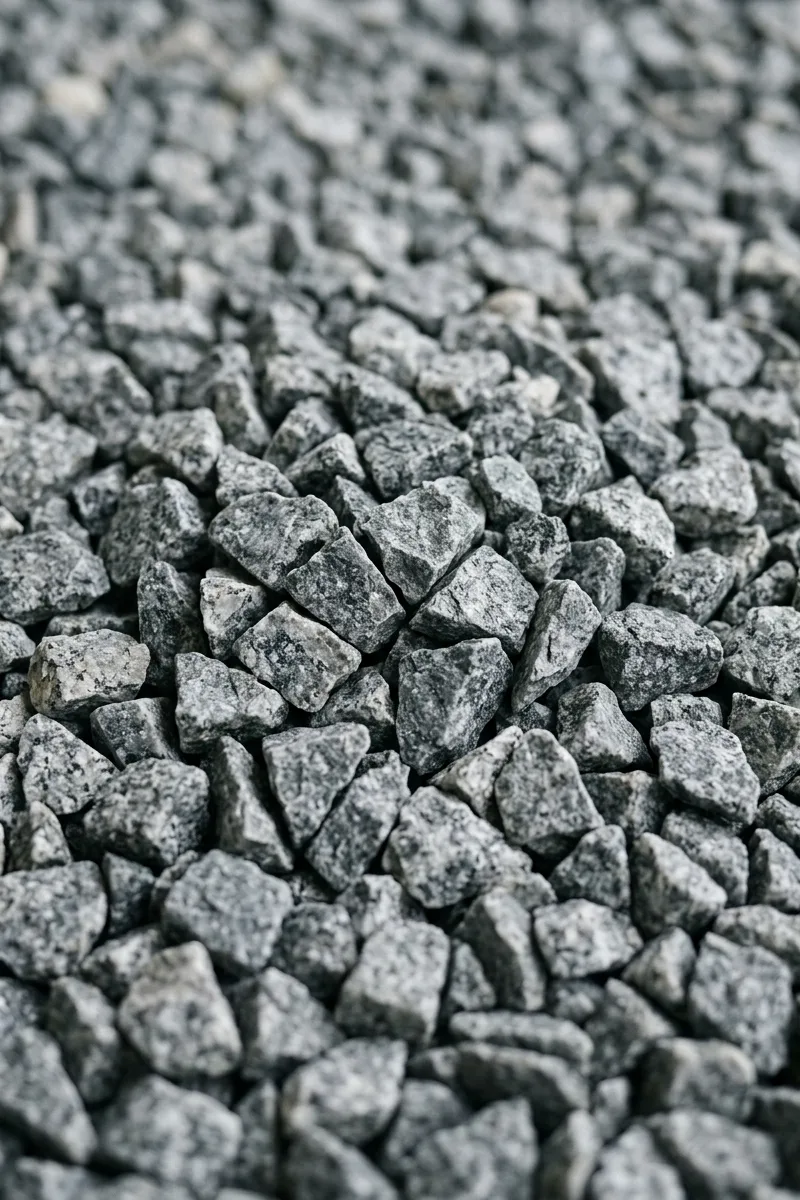
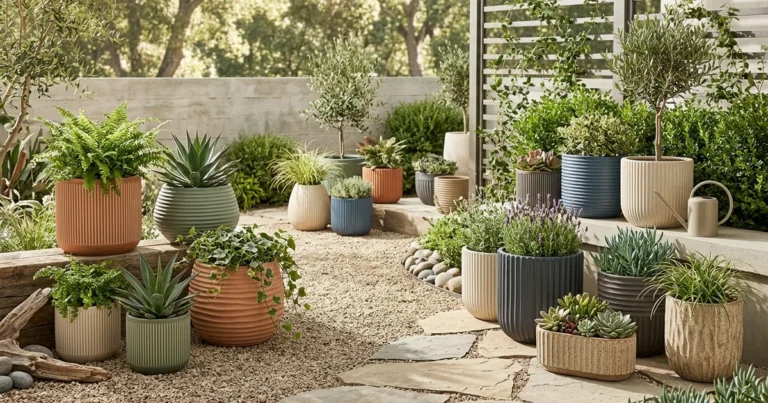
Selecting the correct type of stone dictates how functional your garden will actually be daily. You must choose sharp angular crushed stone rather than smooth rounded river rocks or pea gravel. Angular stones lock together tightly underfoot creating a solid stable surface that is easy to walk across or roll a wheelbarrow over. Smooth stones shift constantly making walking incredibly frustrating and messy. This specific material choice ensures your hardscaping is highly practical and structurally sound forever.
Washed Stone Selection
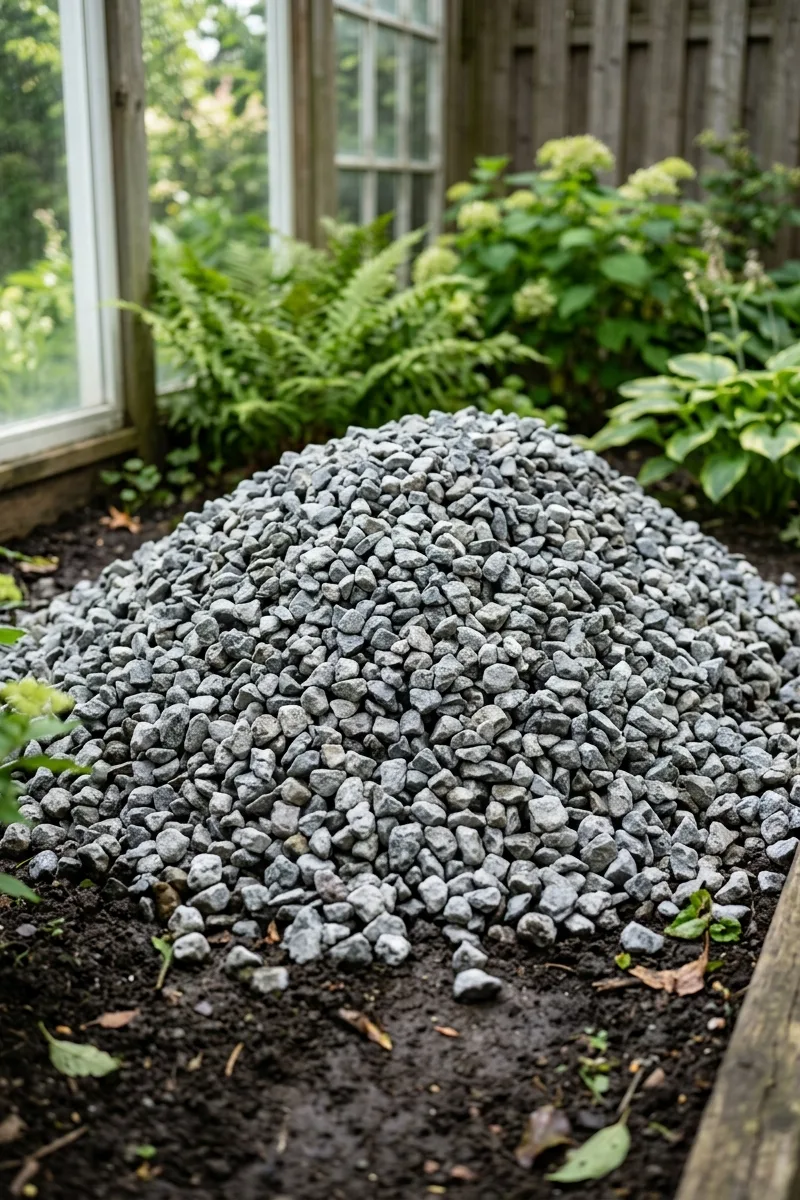
Purchasing the cheapest gravel often results in a garden full of weeds very quickly. You must insist on washed gravel that has the fine dust and dirt completely rinsed away at the quarry. Unwashed gravel contains fines that essentially act as soil allowing weed seeds to germinate directly in the stone layer immediately. Starting with a perfectly clean sterile rock surface is the only way to achieve the pristine low-maintenance look. It is worth the slight extra upfront cost.
Planting in the Dirt
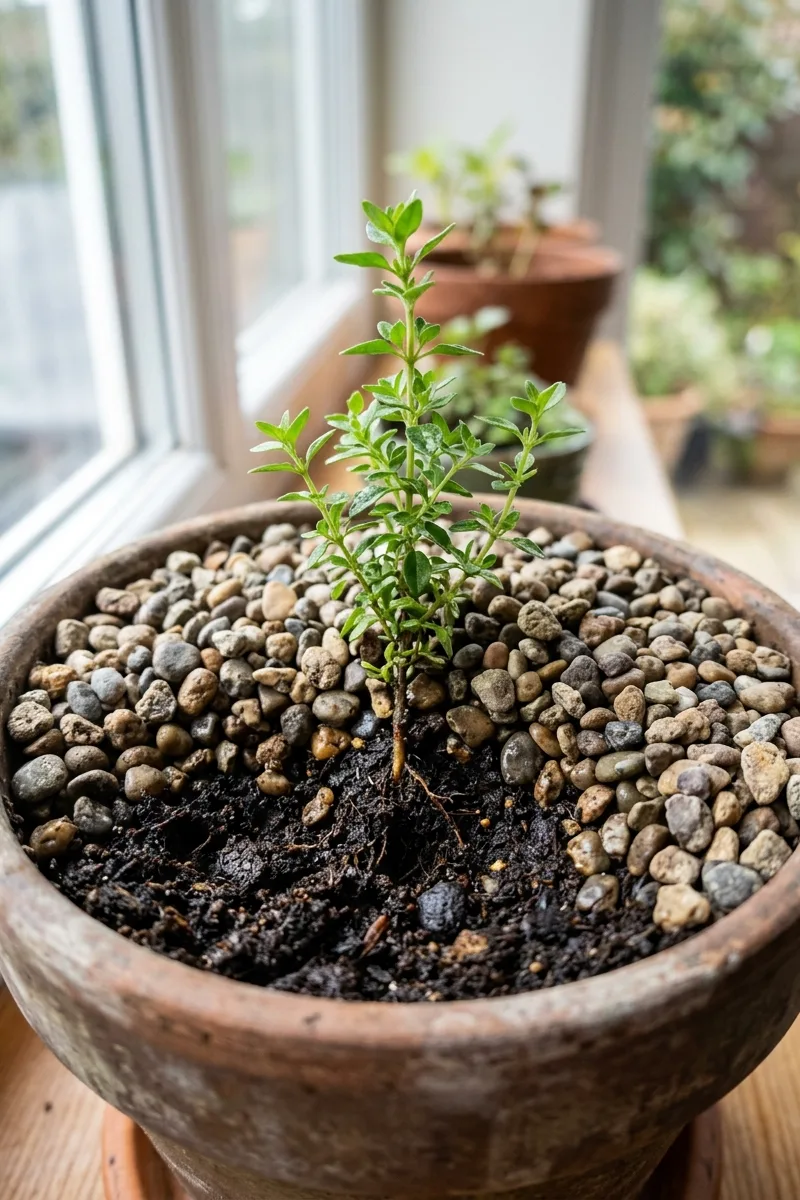
When adding plants to this system you must dig completely through the rock layer into the earth below. The root ball of the new plant must sit firmly in the actual soil never suspended in the dry gravel. After planting carefully push the gravel back around the base of the stem to cover the dirt entirely. This ensures the plant has access to nutrients while the gravel protects the crown from rotting. Proper installation guarantees survival in this harsh environment.
Drought Tolerant Species
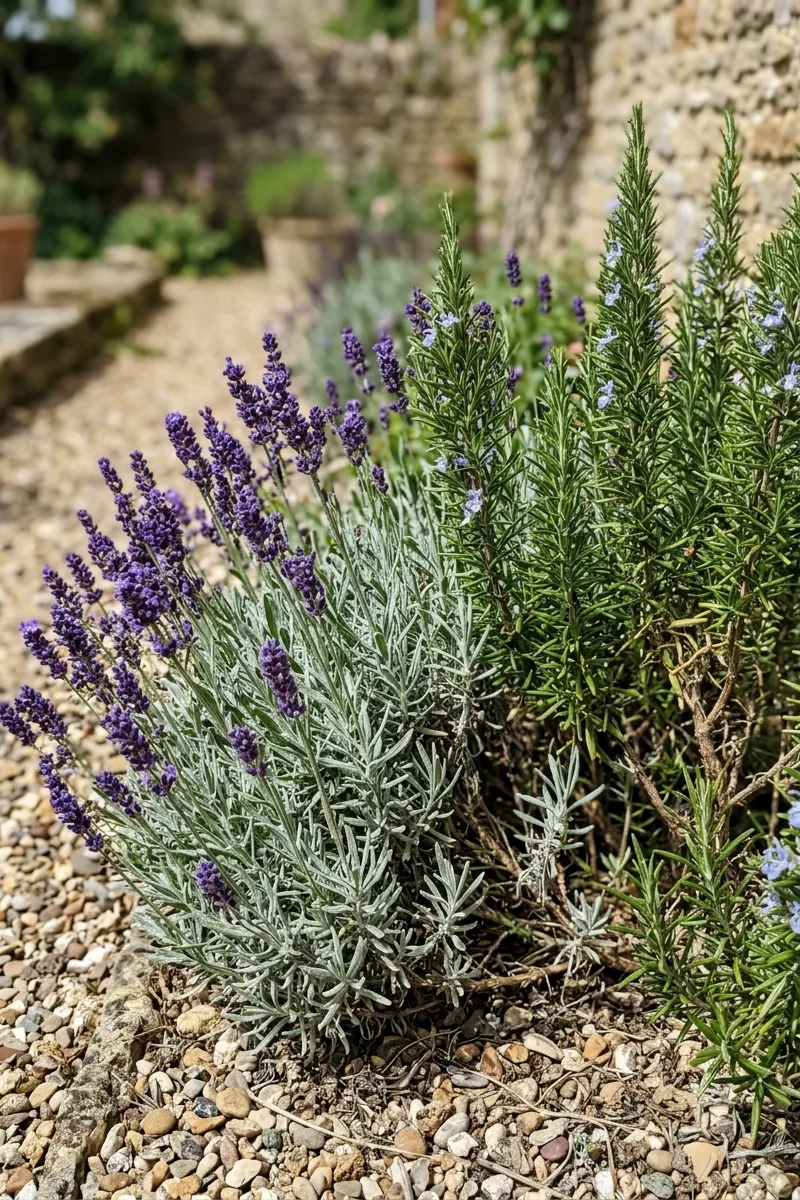
A gravel garden is not a suitable environment for delicate water-loving tropical plants or hostas. You must strictly select drought-tolerant species that naturally thrive in sharp drainage and high heat environments. Mediterranean herbs like lavender rosemary and tough ornamental grasses are absolute perfect candidates. These rugged plants establish deep root systems and require almost zero supplemental watering once established. This strict curation ensures the landscape remains lush and beautiful without constantly battling the dry harsh conditions of the rock bed.
Architectural Agaves
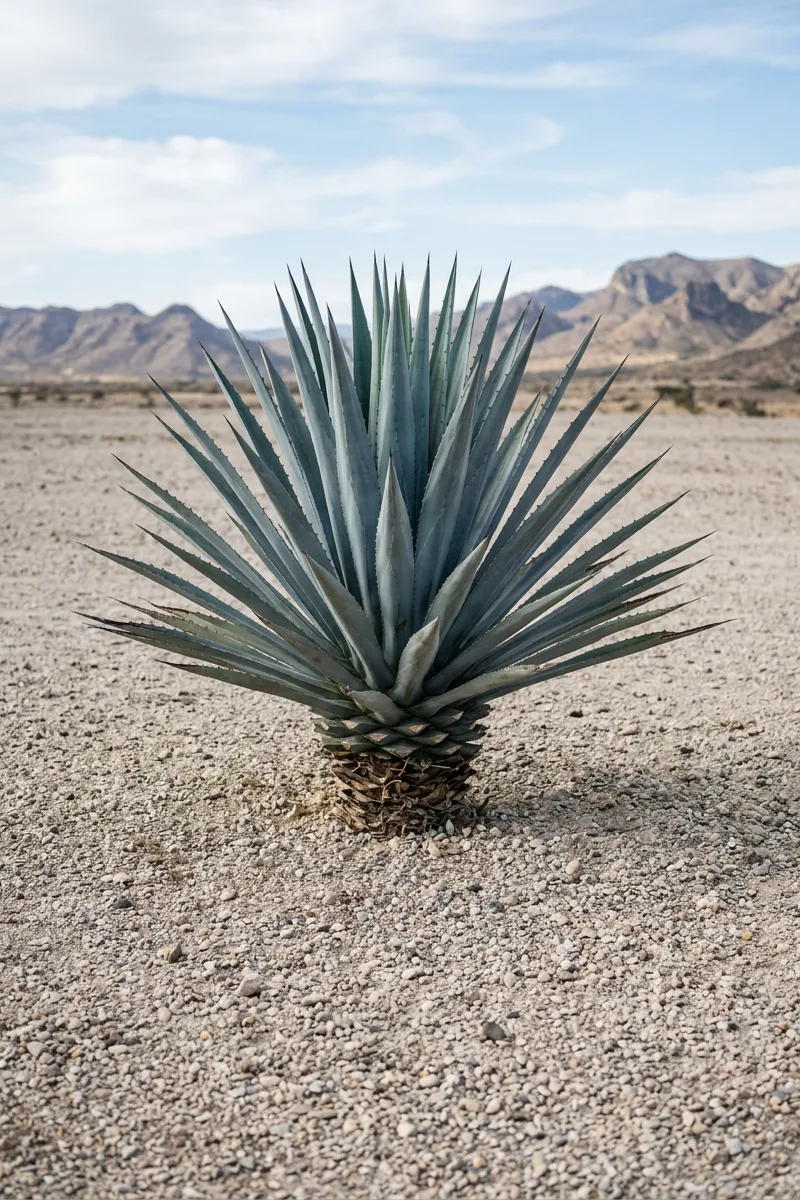
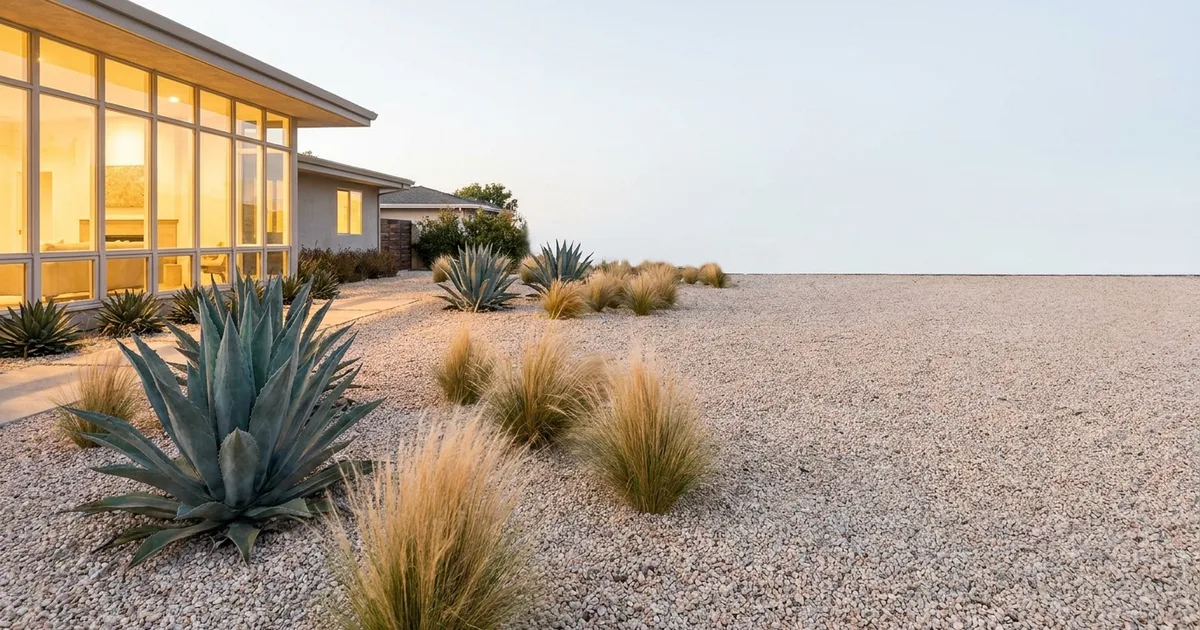
The stark clean background of a gravel bed highlights the physical shape of plants brilliantly. Utilizing highly architectural specimens like massive agaves or yuccas provides stunning graphic focal points. The rigid sharp lines of these desert plants contrast beautifully with the chaotic texture of the crushed stone below them. These heavy structural plants anchor the entire design making the minimalist layout feel intentional and highly styled. They act as permanent living sculptures requiring absolutely zero daily maintenance.
Steel Edging Borders
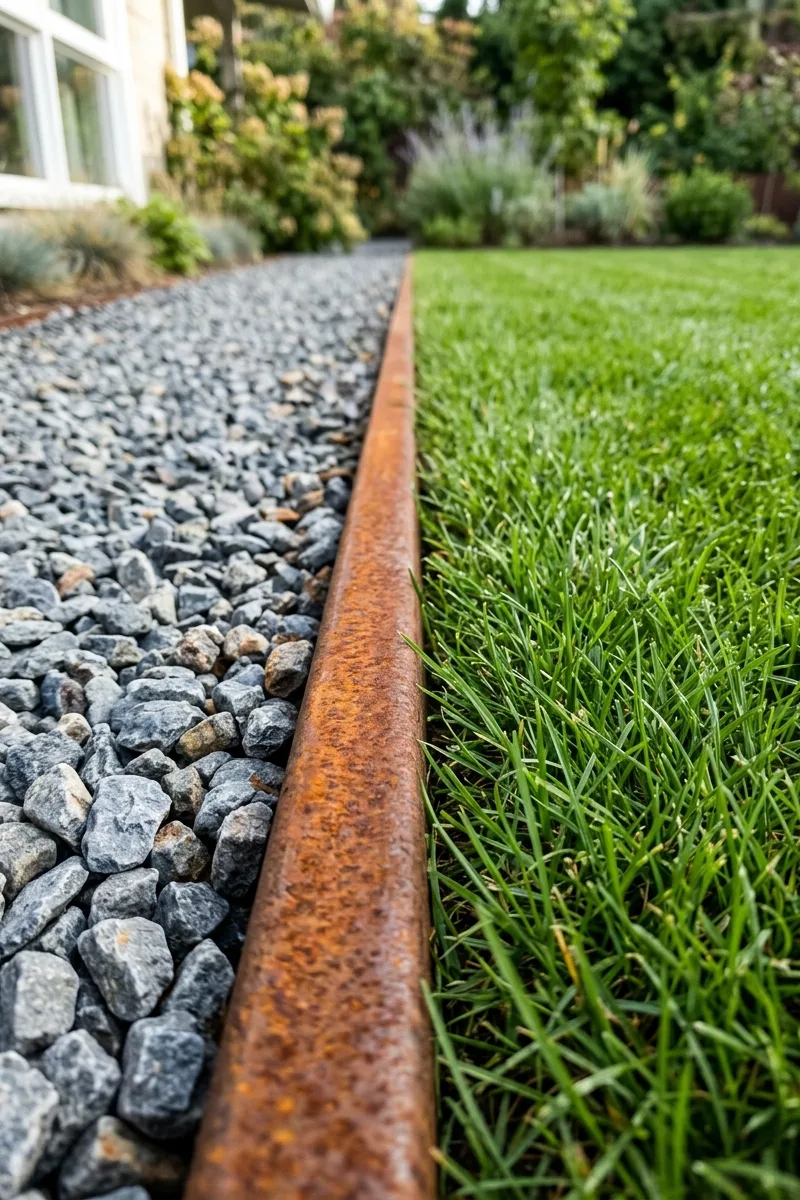
Containing the shifting gravel is absolutely necessary to keep the design looking sharp and intentional over time. Installing heavy-duty steel edging creates a rigid unbreakable barrier between the rock beds and surrounding walkways or lawns. Allowing the steel to rust naturally into a deep warm orange tone adds beautiful industrial contrast against pale gray stone. This thin metal profile provides a highly modern invisible edge that holds the massive weight of the gravel securely forever.
Scattered Boulders
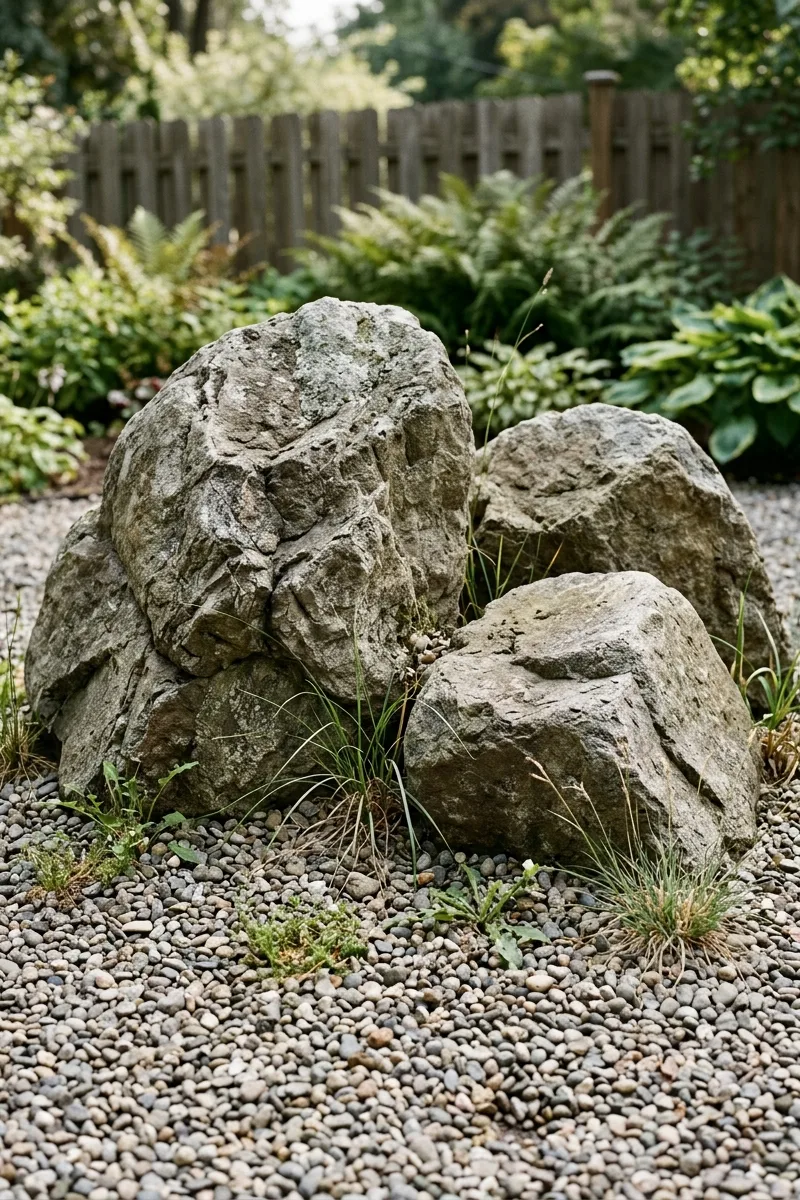
A large flat expanse of identical small gravel can look incredibly boring and visually flat without intervention. Integrating massive heavy boulders breaks up the monotony and adds crucial vertical height to the hardscaping. Burying the bottom third of the boulder into the gravel makes the rock look like a natural permanent outcropping rather than a dropped decoration. These massive stones provide visual anchors and create fascinating micro-climates of shade for smaller sensitive plants growing near their bases.
Minimal Plant Density
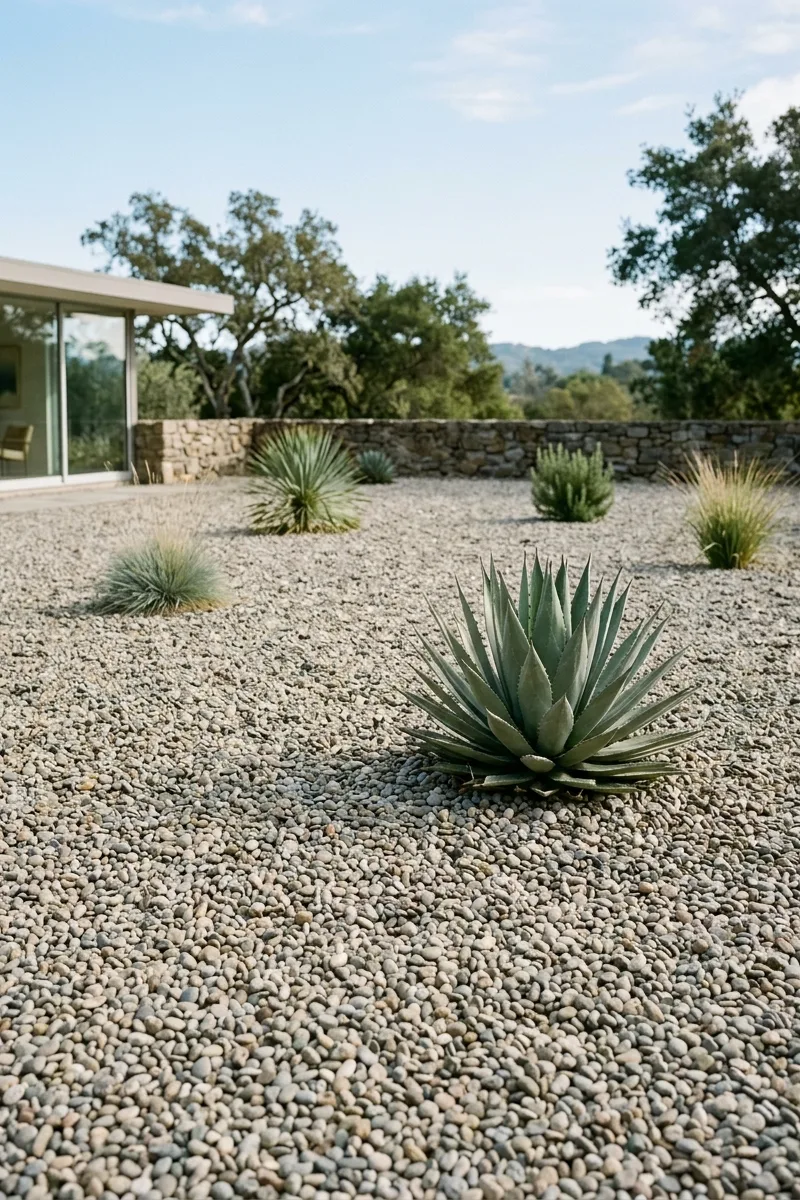
Traditional English gardens rely on packing plants tightly together to cover every inch of soil completely. A modern gravel garden requires the exact opposite approach embracing massive amounts of negative space. Spacing your plants widely apart allows the beautiful texture of the crushed stone to remain the primary visual element. This strict minimalism highlights the unique shape of every single plant clearly. It prevents the garden from looking overgrown ensuring the architecture of the space remains clean.
Self-Seeding Naturals
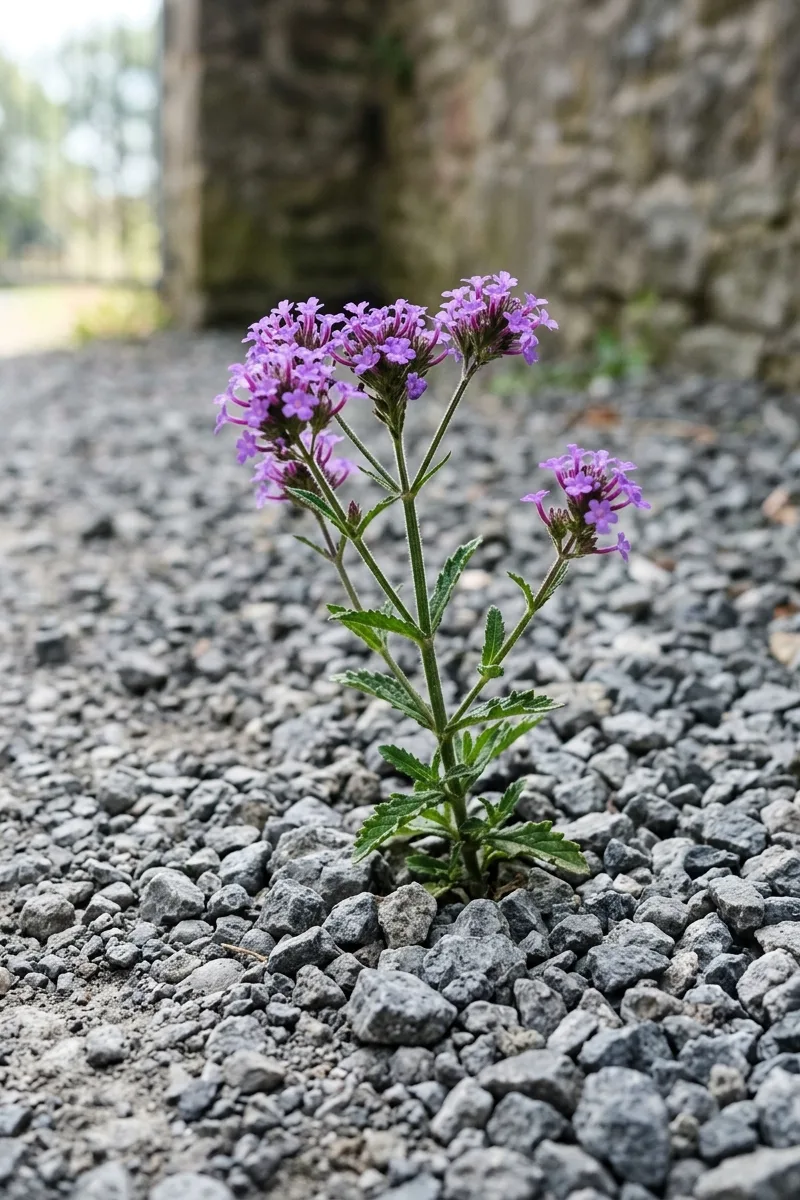
While the overall aesthetic is strict allowing certain tough plants to self-seed softens the harsh edges perfectly. Plants like verbena or Mexican feather grass will occasionally drop seeds that manage to root in the deep gravel. Allowing these spontaneous volunteers to remain adds a beautiful organic wildness that contrasts the rigid layout. This natural colonization makes the garden look established and deeply integrated with the local ecology. It is a highly controlled way to embrace beautiful chaotic nature.
Warm Toned Stone
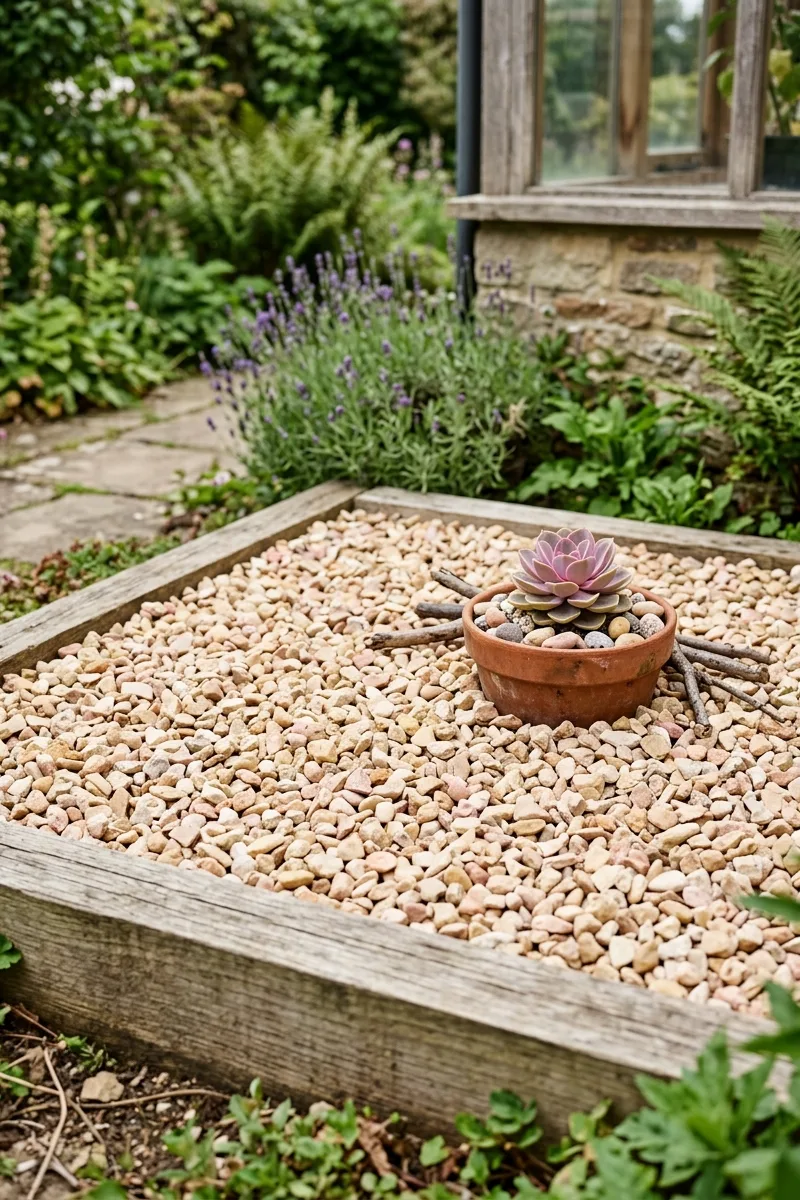
The color of the gravel dictates the entire emotional temperature of the outdoor space completely. Cold gray or stark white stone can feel incredibly harsh and blindingly bright in full summer sun. Choosing a gravel blend with warm beige tan or soft pink undertones creates a much more inviting comfortable atmosphere. These earthy colors absorb light gently and pair beautifully with the muted greens of drought-tolerant plants. This careful material selection elevates the space from a commercial parking lot to a luxury garden.
Hidden Drip Lines
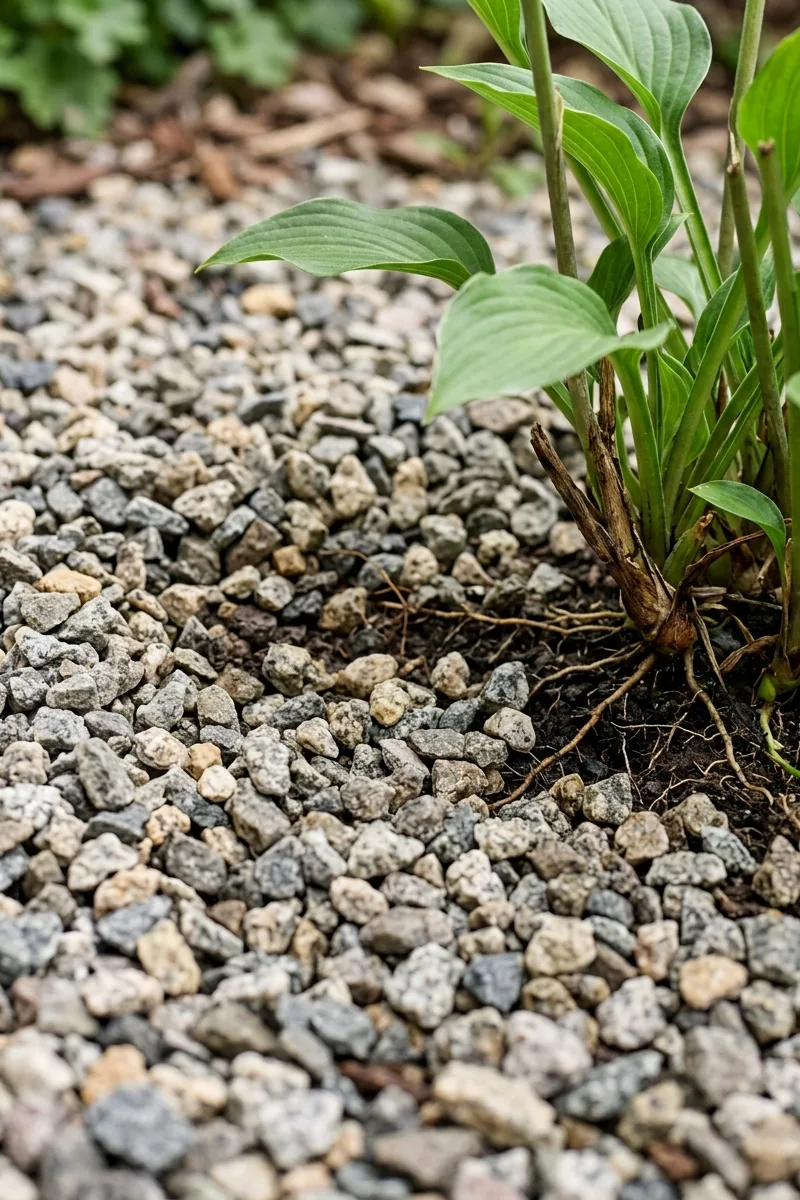
Even drought-tolerant plants require consistent water during their first year of establishment in the ground. Running a targeted drip irrigation system ensures survival without wasting water on the empty stone areas. Burying the thin black tubing completely beneath the top layer of gravel keeps the aesthetic incredibly clean and professional. This hidden infrastructure automates your success and prevents ugly plastic pipes from ruining the minimalist design. It is a vital invisible upgrade for long-term health.
Stepping Stone Paths
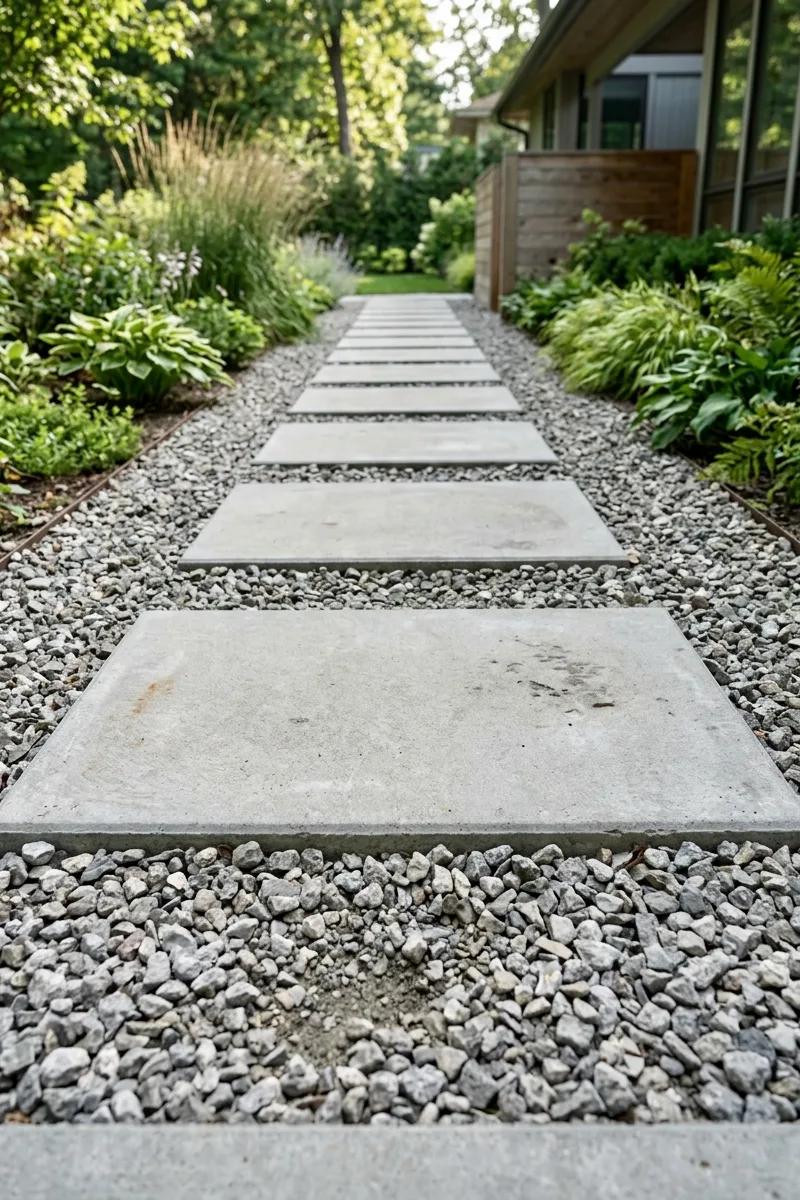
While crushed gravel is walkable adding dedicated hardscape paths improves the daily functionality of the space significantly. Sinking large smooth concrete pavers or thick flagstones flush into the gravel creates a clean undeniable walkway. The stark contrast between the smooth pavers and the rough surrounding stone adds massive architectural interest. This defined path guides visitors through the garden safely without kicking gravel everywhere. It provides a highly structured graphic element that anchors the entire landscape layout perfectly.
Washing the Dust

The final step of installation is crucial for achieving the pristine finished look immediately. Even washed gravel arrives with a slight layer of fine stone dust from transportation and dumping. Using a high-pressure hose to aggressively wash down the entire gravel bed pushes this dust deep into the ground. This reveals the true vibrant colors of the stones and leaves the surface looking incredibly sharp and clean. This simple final rinse transforms a dusty construction site into a stunning modern garden.
Seasonal Debris Cleanup
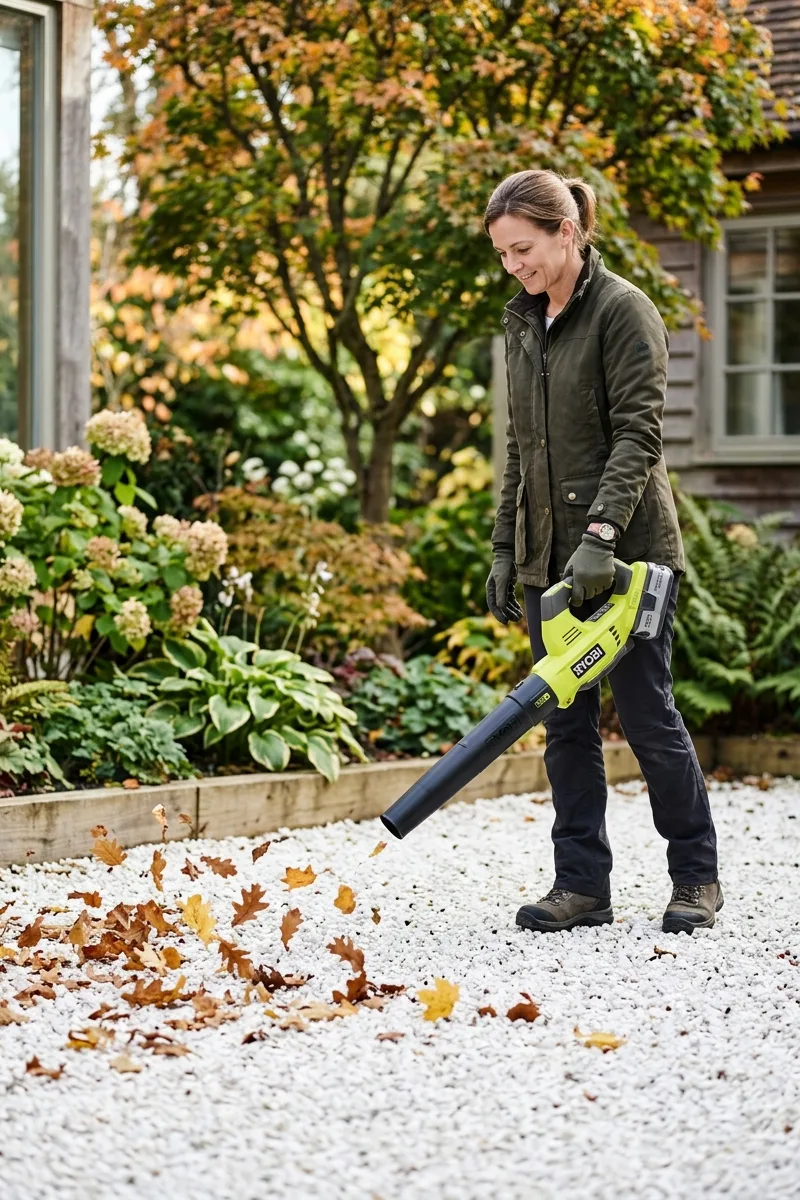
While pulling weeds is rare keeping the gravel surface clear of organic debris is essential for long-term success. If autumn leaves are allowed to rot on top of the stones they will create soil allowing weeds to grow eventually. Using a lightweight leaf blower on a low setting easily removes dry leaves without disturbing the heavy rocks below. Performing this quick cleanup a few times a year maintains the sterile pristine look. It is the only recurring maintenance this brilliant garden requires.
Mound Planting Technique
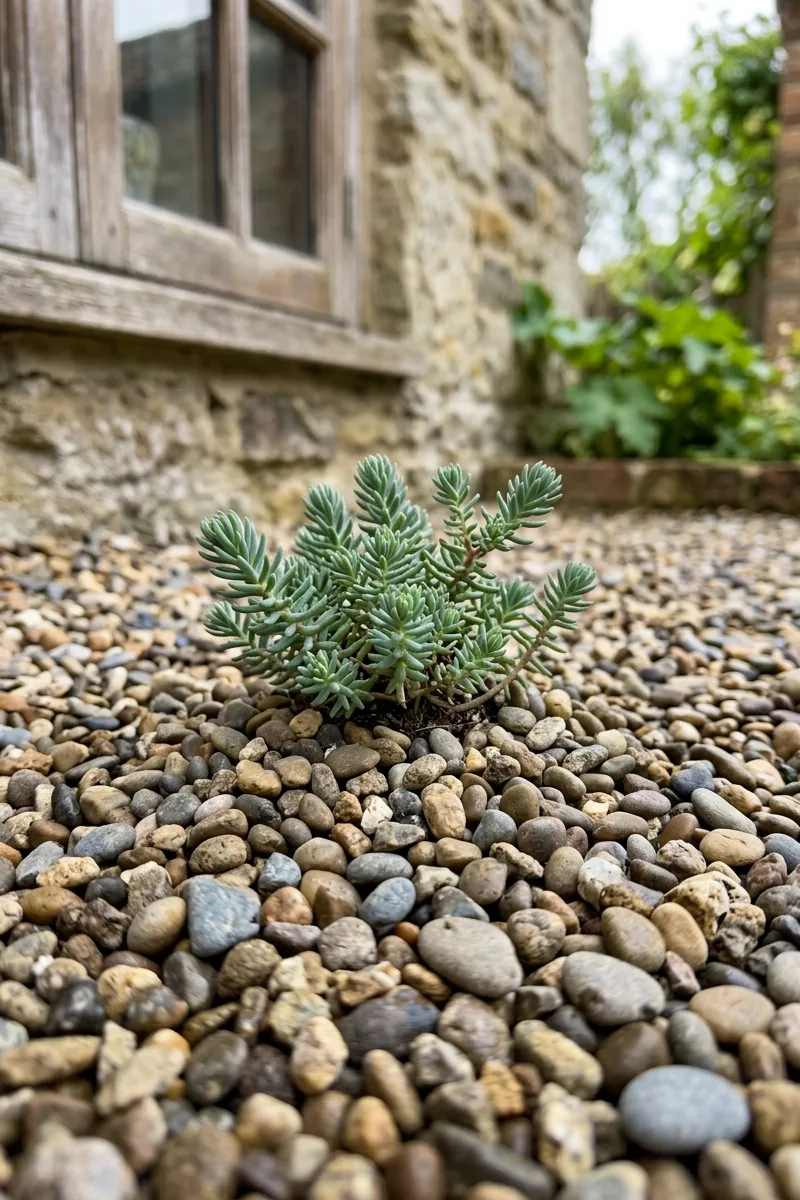
For plants highly sensitive to winter rot implementing a specialized planting technique guarantees survival in wet climates. Planting the root ball on a slight raised mound of soil before applying the gravel ensures rapid water runoff. This hidden hill forces water away from the delicate crown of the plant preventing fungal diseases and rot completely. The thick gravel layer hides the mound entirely maintaining the flat seamless look of the garden surface. It is a professional landscaping secret for difficult dry-loving species.
Lighting the Boulders
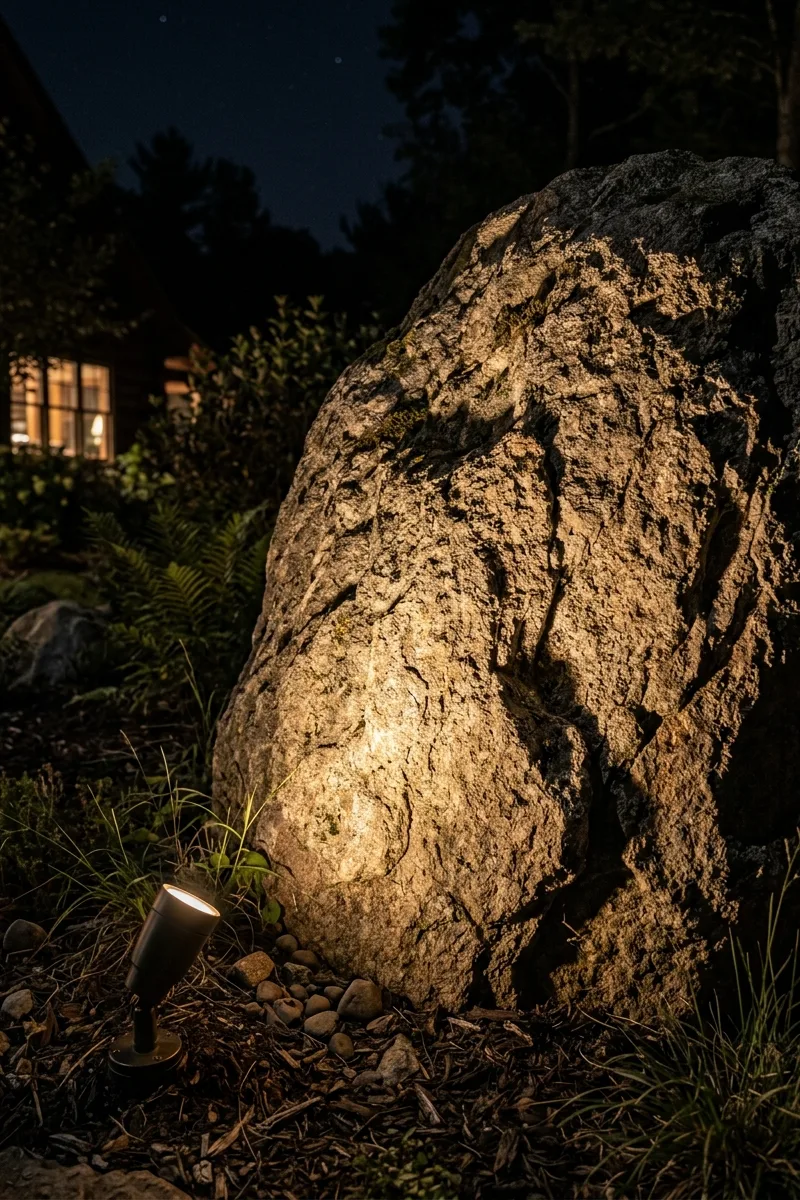
Because the garden lacks massive vertical trees you must rely on hardscaping to provide nighttime drama. Installing hidden LED uplights at the base of your large boulders creates stunning sculptural shadows after dark. The grazing light highlights the rough texture of the stone and the sharp edges of the gravel beautifully. This strategic illumination turns heavy inert objects into dramatic glowing focal points. It ensures your minimalist landscape looks incredibly sophisticated and highly designed twenty-four hours a day.
Embrace the Evolution
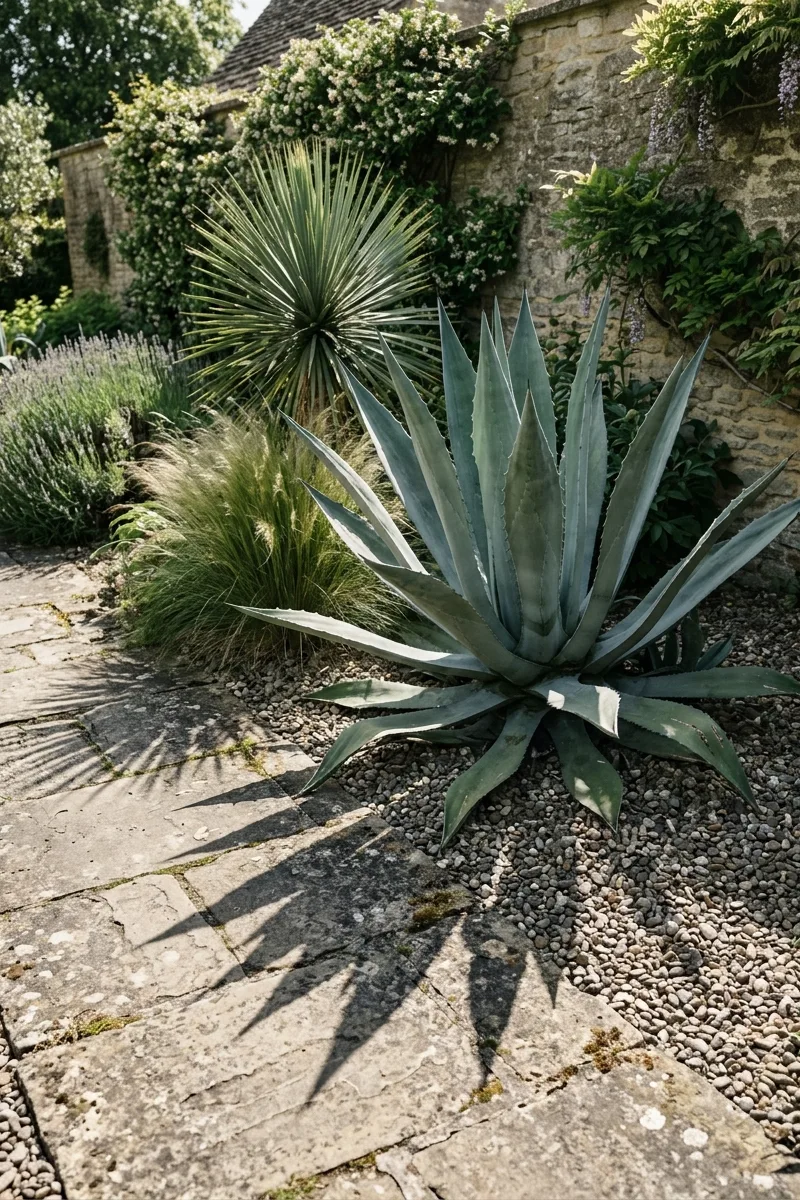
A newly installed gravel garden can look slightly sparse and overly stark during its first year. You must possess the patience to let the tough architectural plants grow into their permanent massive forms. As the agaves widen and the grasses thicken the balance between plant and stone becomes perfectly harmonious. The gravel itself will weather slightly settling into a permanent solid foundation. Trusting this slow evolution is the final requirement for achieving the ultimate low-maintenance modern sanctuary.
Inspiration gallery recap
Tap any image to open the slideshow — use arrows or swipe to browse.