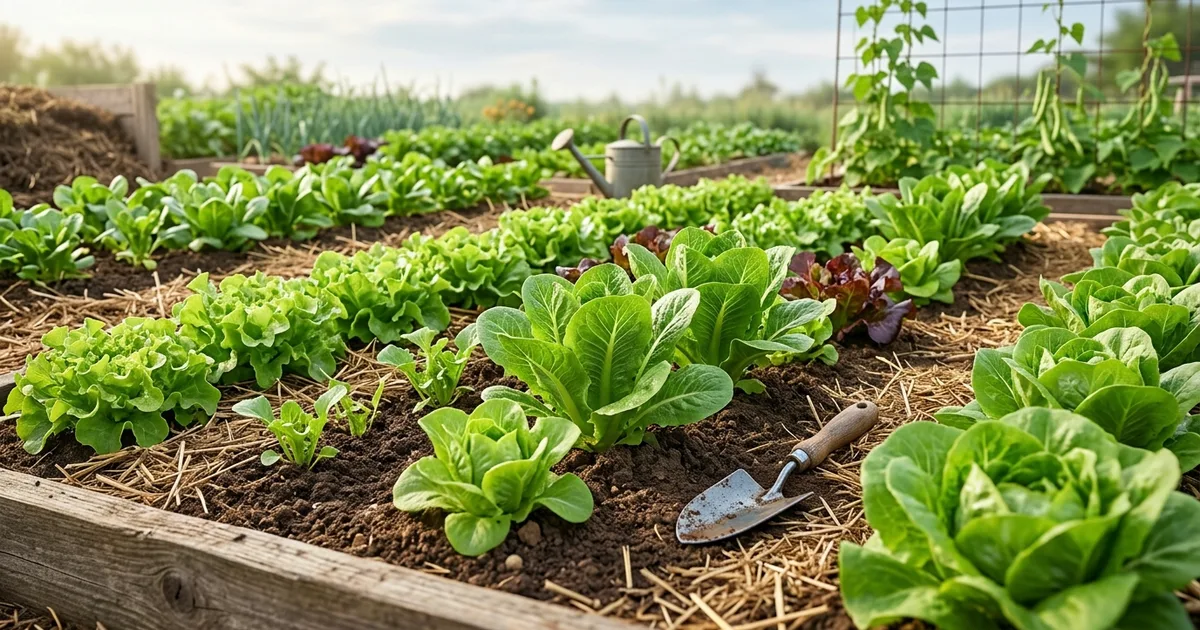
15 Growing Lettuce Tips for a Successful Harvest
Growing your own lettuce is one of the most rewarding and easy gardening projects you can start. There is nothing quite like the taste of a fresh, crisp leaf you’ve grown yourself. With just a little know-how, you can have a continuous supply of greens for your salads.
We have compiled 15 essential tips to help you grow lettuce successfully, from planting the first seed to harvesting your final crop. Let’s get your garden started.
What’s inside this article
- Choose the Right Lettuce Variety
- Plant Seeds in Succession
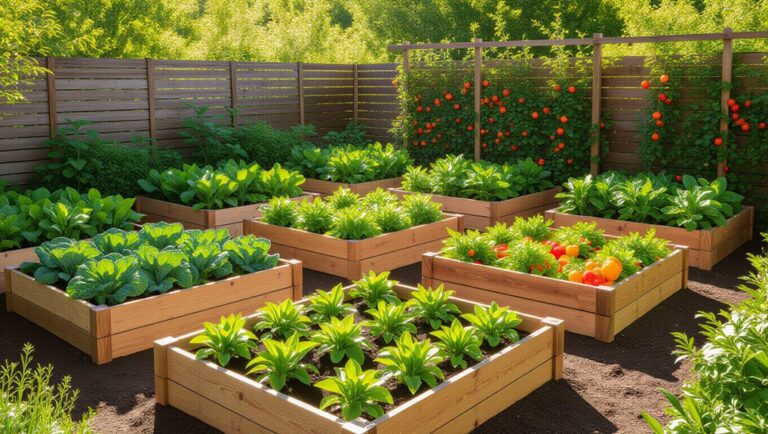
- Prepare Rich, Well-Draining Soil
- Provide Plenty of Sunlight
- Water Consistently and Deeply
- Mulch to Retain Moisture
- Protect Against Pests with Netting
- Companion Plant with Herbs and Flowers
- Fertilize to Encourage Growth
- Harvest in the Early Morning
- Use the ‘Cut-and-Come-Again’ Method
- Store Properly in the Fridge
- Protect from Bolting in Heat
- Thin Seedlings for Stronger Growth
- Keep Leaves Dry to Prevent Disease
Choose the Right Lettuce Variety
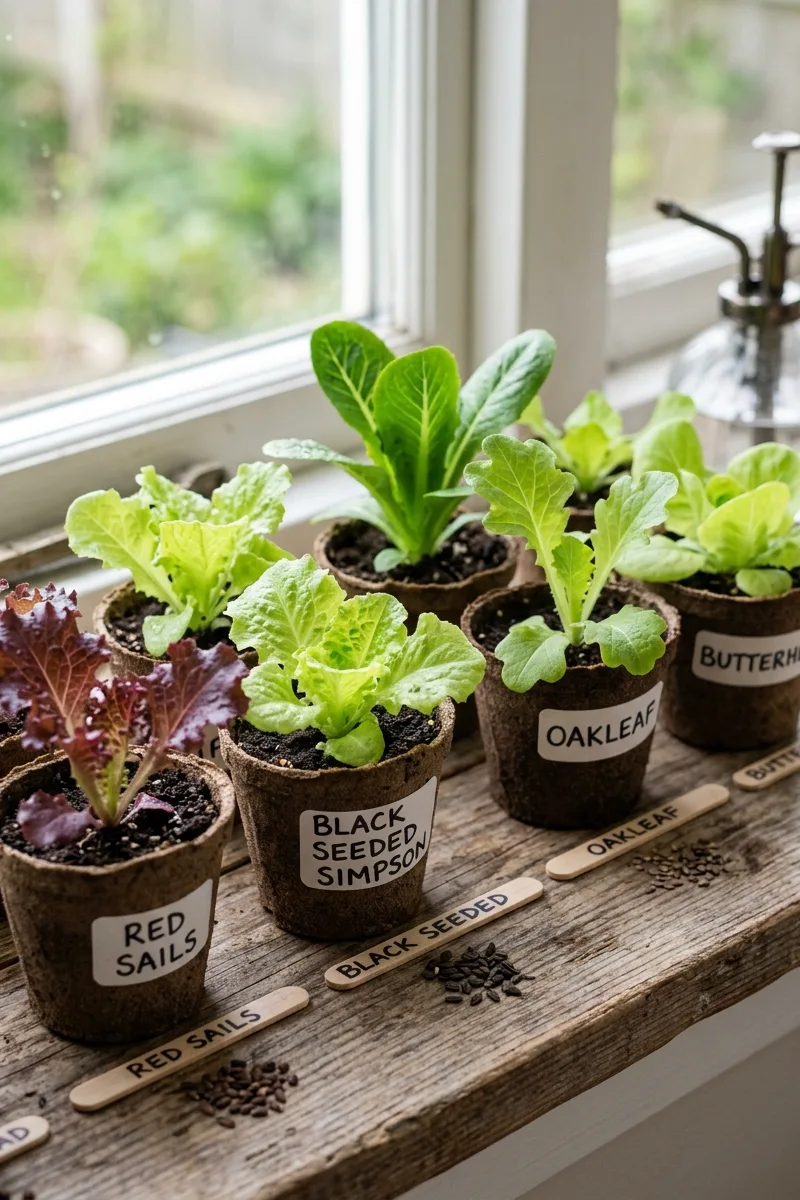
Not all lettuce is the same. The first step to a great harvest is choosing the right variety for your climate and taste. Leaf lettuce is the easiest to grow and matures quickly. Romaine is a great choice for a crispier texture. For hot climates, look for heat-tolerant varieties like ‘Jericho’ or ‘Nevada’.
Plant Seeds in Succession
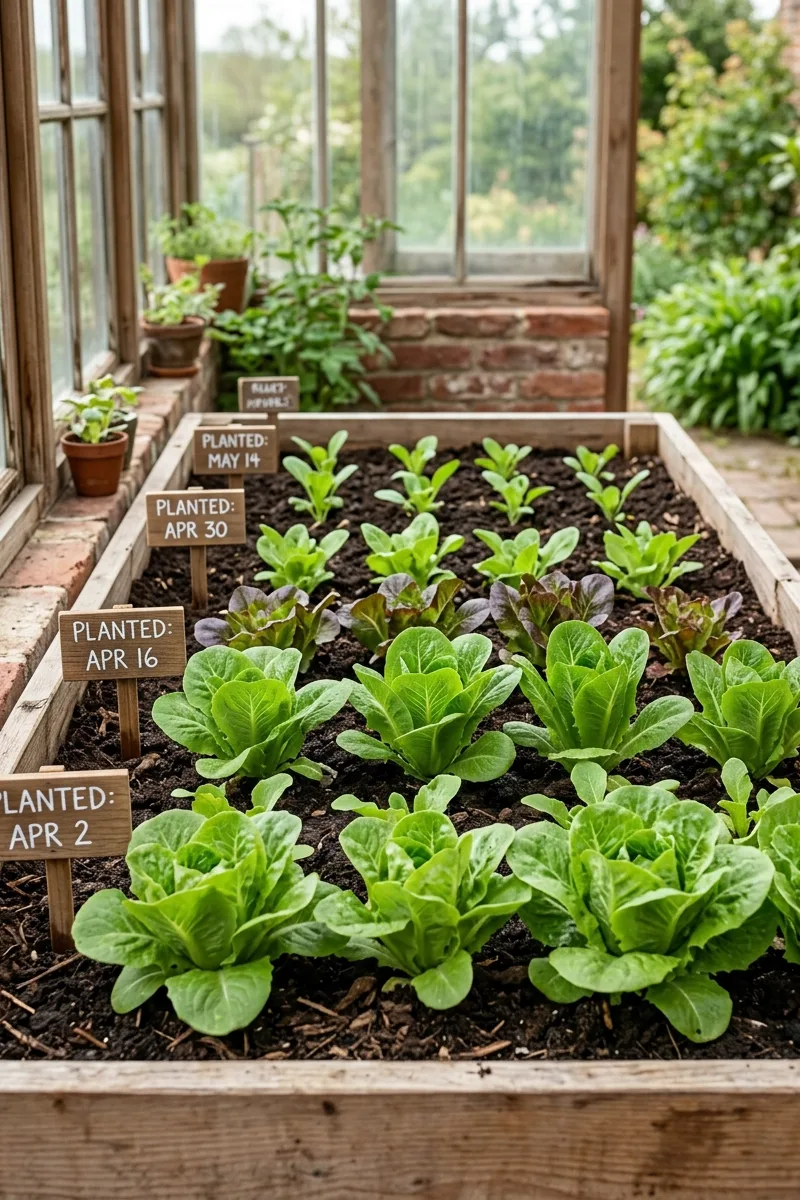
To enjoy a continuous supply of lettuce, don’t plant all your seeds at once. Instead, practice succession planting. This means planting a small batch of seeds every two weeks. This way, as one batch is finishing, the next will be ready for harvest. It is the best way to avoid a single, overwhelming glut of lettuce.
Prepare Rich, Well-Draining Soil
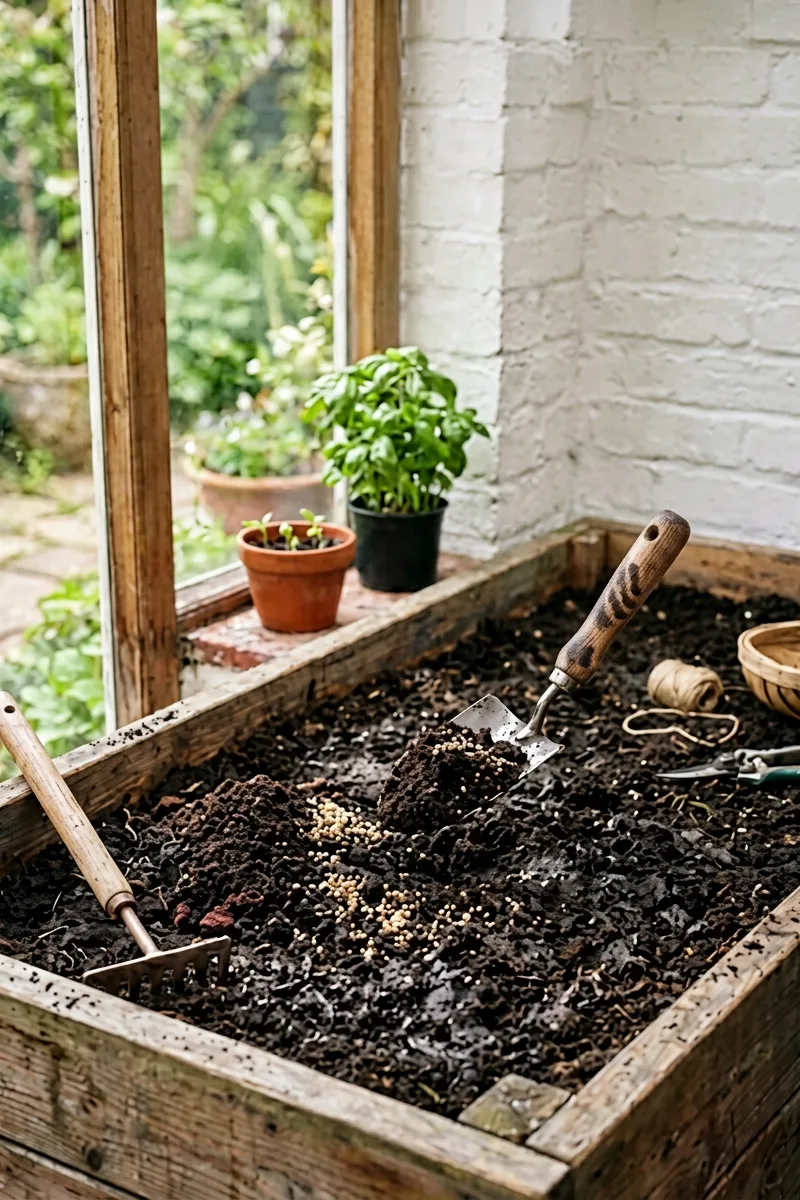
Lettuce prefers rich, well-draining soil. Before planting, work plenty of organic compost into your garden beds. This will improve drainage and provide essential nutrients. A soil pH of 6.0 to 6.8 is ideal. Good soil is the foundation for healthy, flavorful leaves.
Provide Plenty of Sunlight
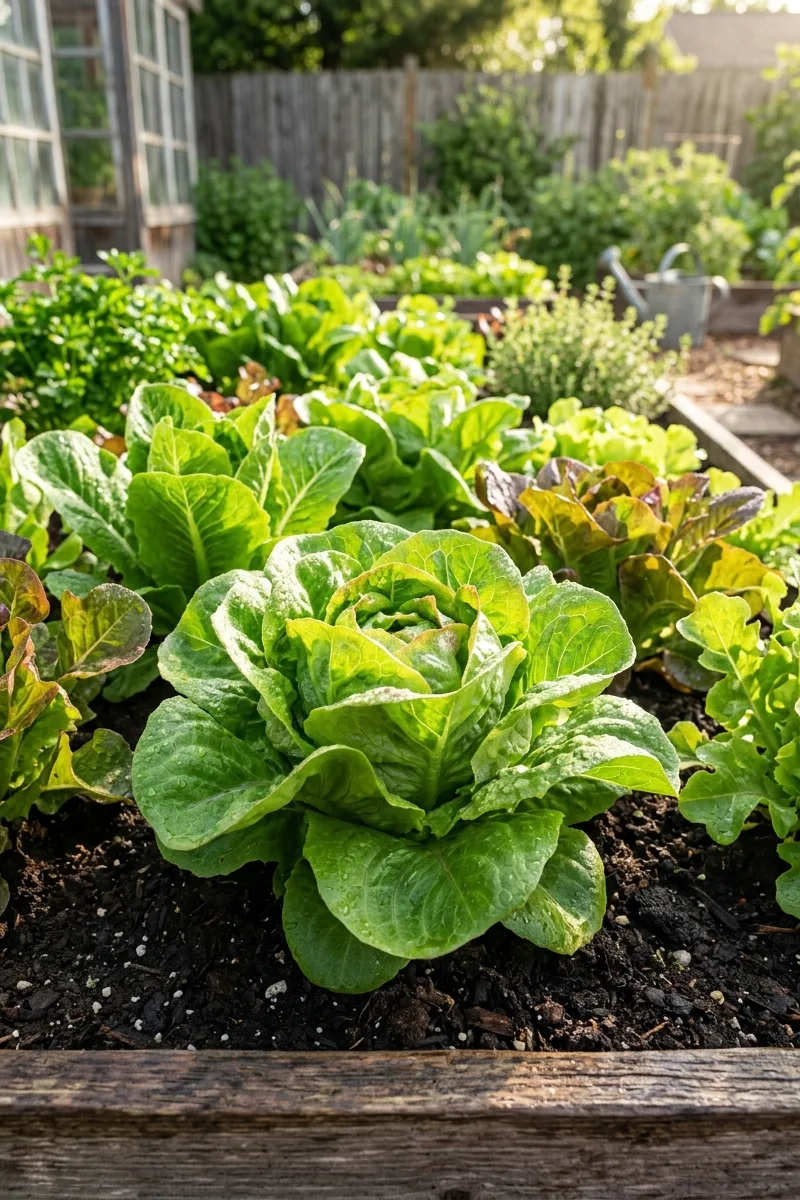
Lettuce loves the sun but can also tolerate a bit of shade. For the best growth, aim for a spot that receives at least 6 hours of direct sunlight per day. If you are in a very hot climate, some afternoon shade will be beneficial to prevent the plant from bolting, or going to seed.
Water Consistently and Deeply
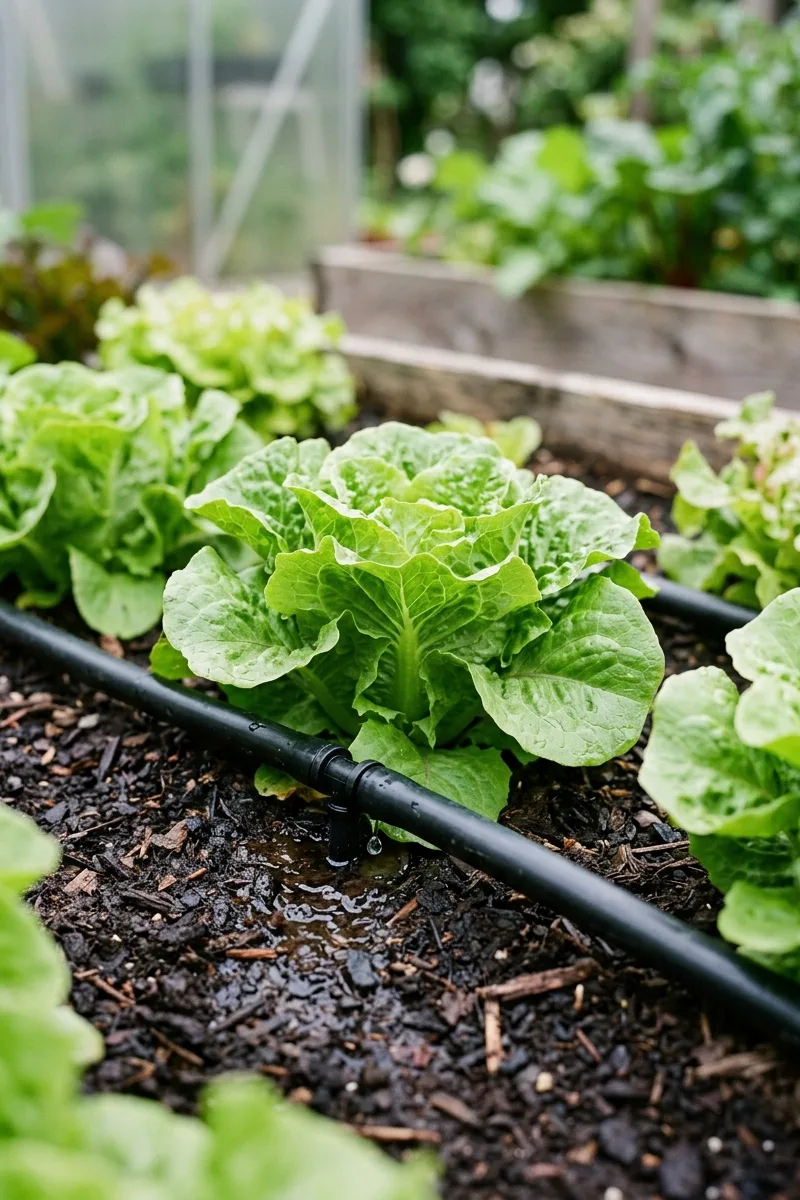
Consistent watering is key to growing crisp lettuce. The soil should be kept evenly moist but not waterlogged. A lack of water will make the leaves bitter and tough. Water in the morning to give the leaves time to dry before nightfall, which can prevent disease.
Mulch to Retain Moisture
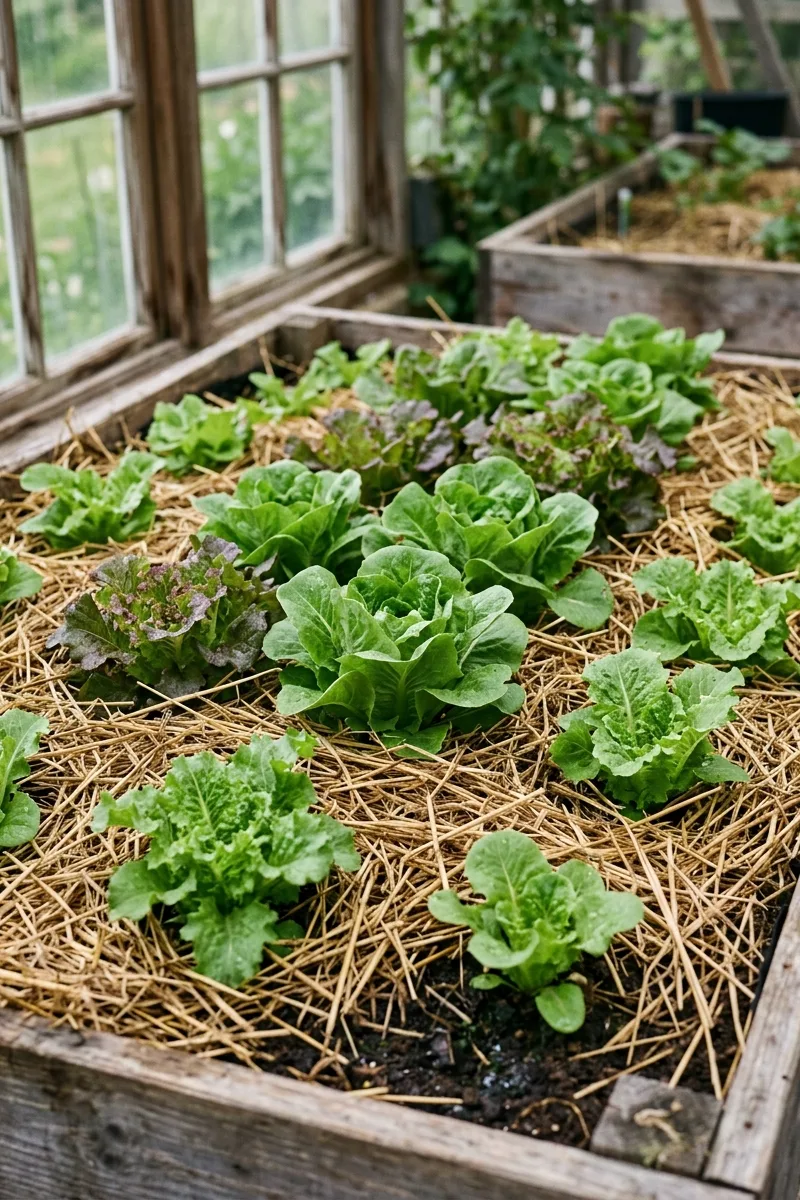
Mulching is a fantastic way to conserve water and keep your lettuce happy. Spread a layer of straw or organic mulch around your lettuce plants. This will help retain soil moisture, suppress weeds, and keep the soil cool, all of which contribute to happier, healthier plants.
Protect Against Pests with Netting
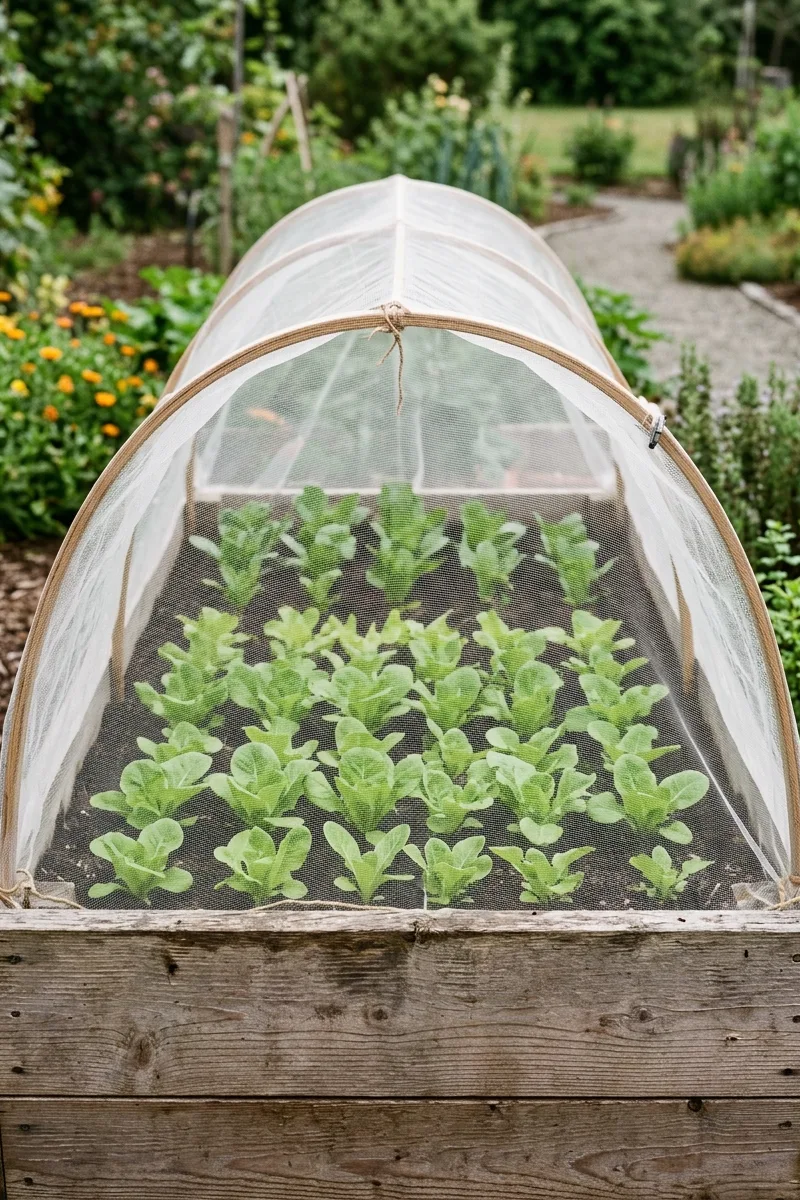
Lettuce is a favorite snack for a variety of garden pests. To protect your crop, cover your plants with a fine insect netting or row cover, especially when they are young. This is the best organic method to keep aphids, flea beetles, and other hungry bugs at bay.
Companion Plant with Herbs and Flowers
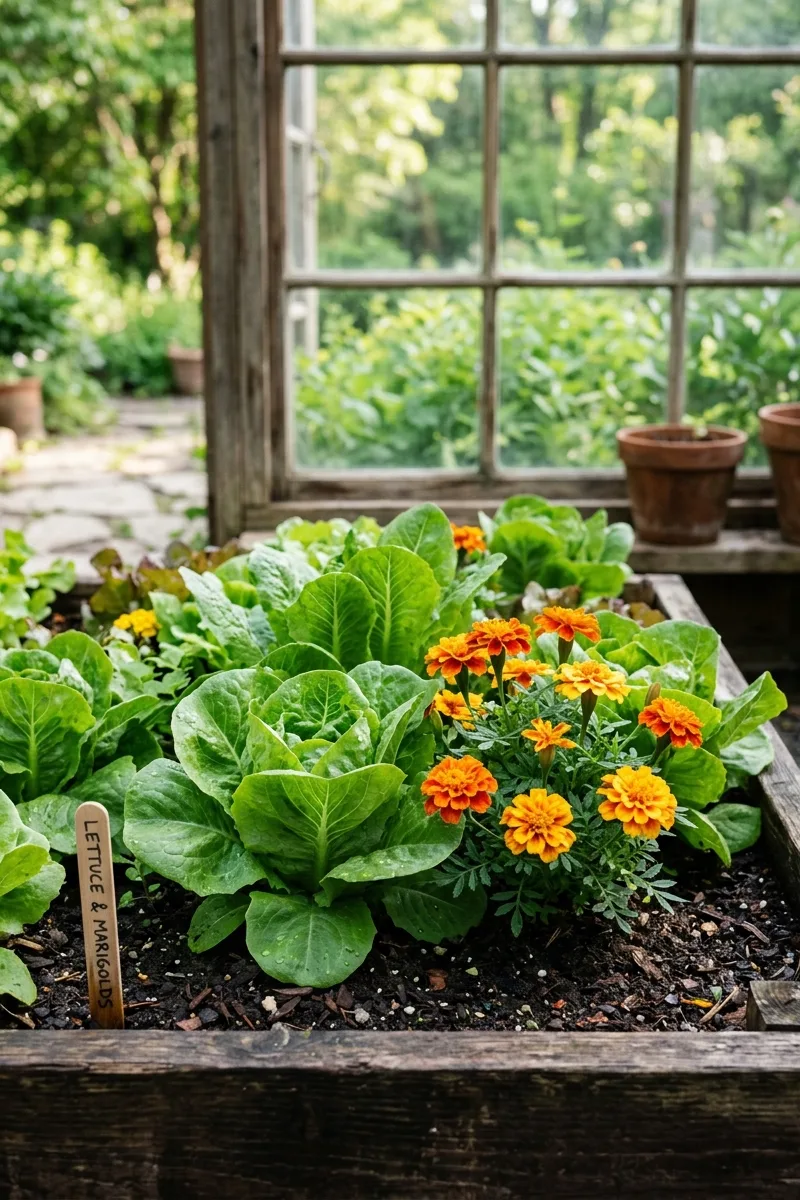
Companion planting is a great natural defense for your garden. Planting lettuce with marigolds, chives, and garlic is thought to deter pests. The strong scents of these companions can mask the smell of the lettuce, making it harder for pests to find.
Fertilize to Encourage Growth
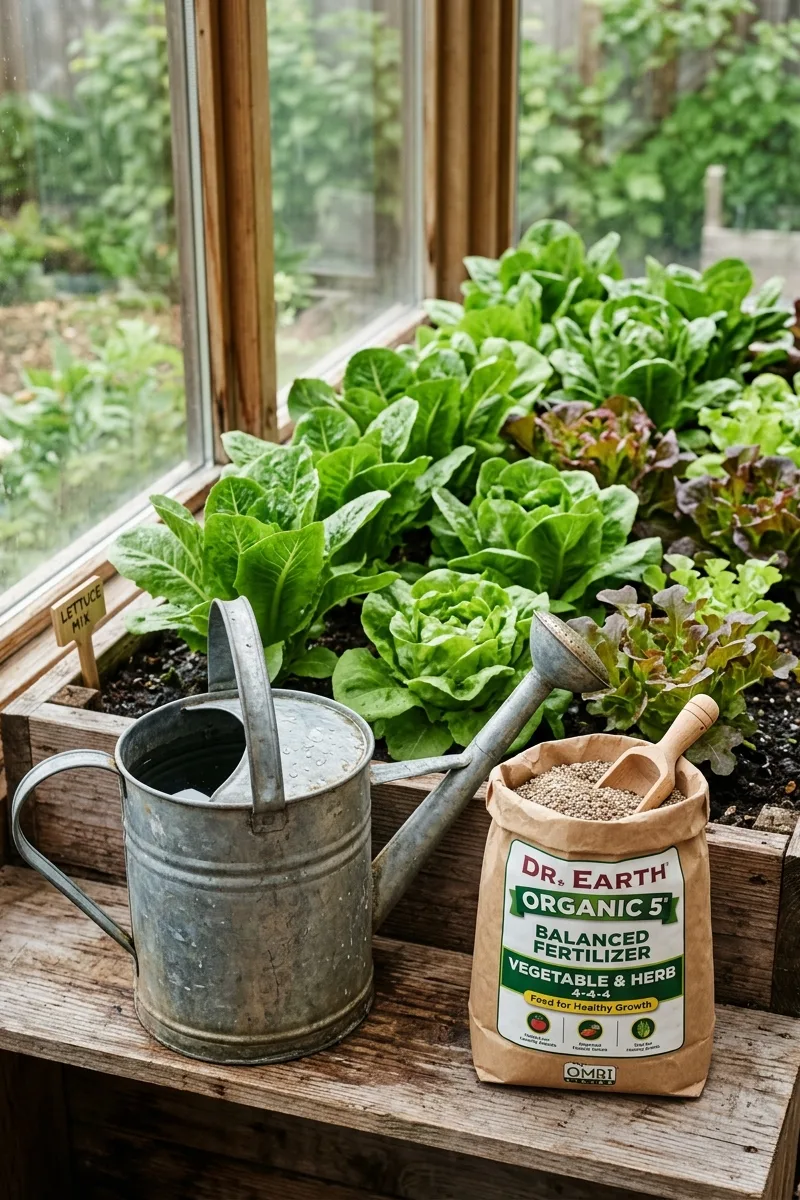
To encourage robust growth, feed your lettuce plants with a balanced liquid fertilizer a few weeks after planting. A fish emulsion or a seaweed extract is a great organic option. A light feeding every few weeks will provide the nutrients your plants need to produce abundant, flavorful leaves.
Harvest in the Early Morning
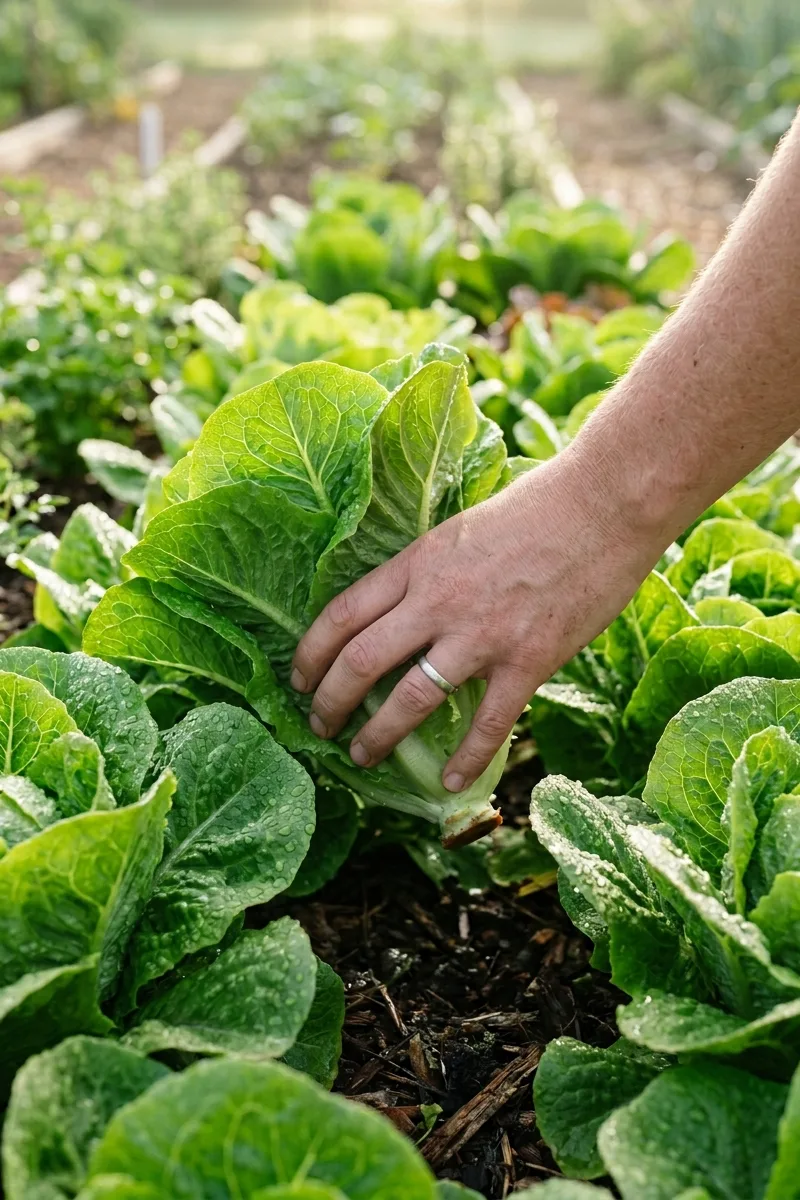
The best time to harvest lettuce is early in the morning. The leaves will be at their most turgid and crisp after the cool night air. Washing and storing them immediately will help to maintain their freshness. This is the secret to enjoying the best-tasting salad.
Use the ‘Cut-and-Come-Again’ Method
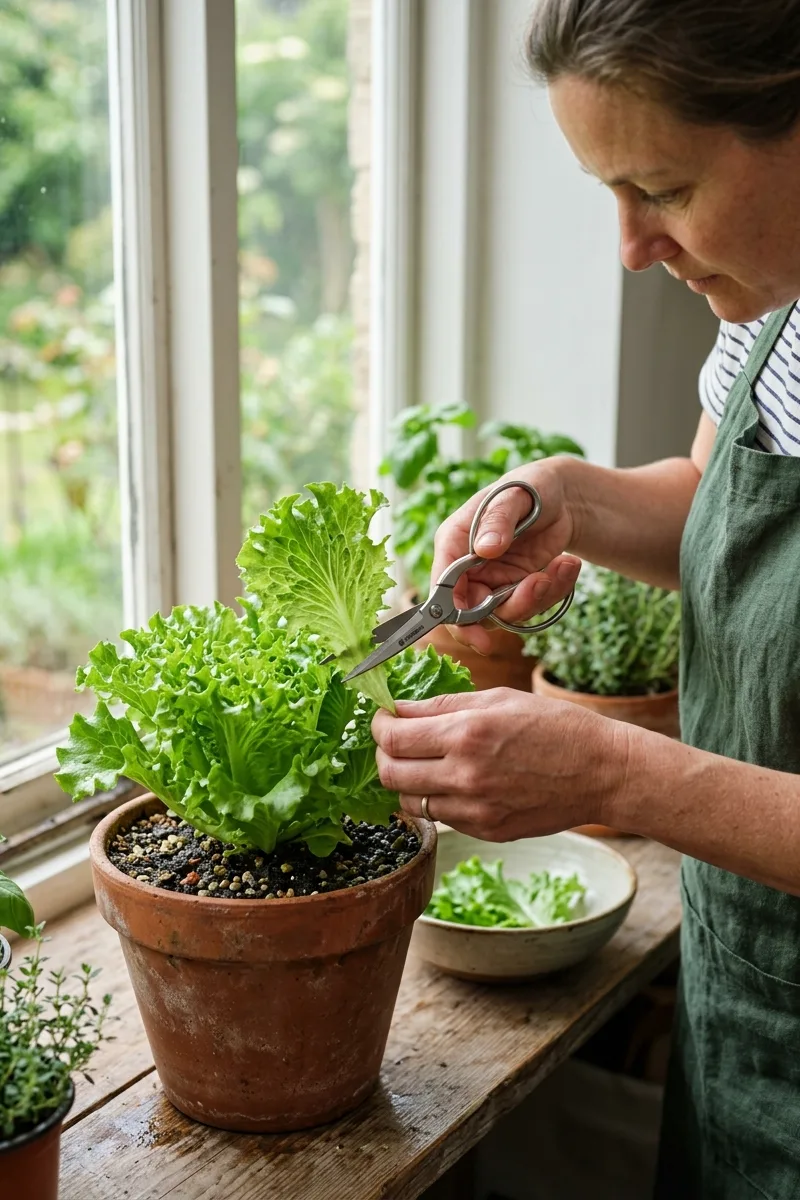
For a continuous harvest, use the ‘cut-and-come-again’ method. Instead of pulling up the whole plant, simply snip off the outer leaves as you need them. The center of the plant will continue to grow and produce more leaves. This can extend your harvest for several weeks.
Store Properly in the Fridge
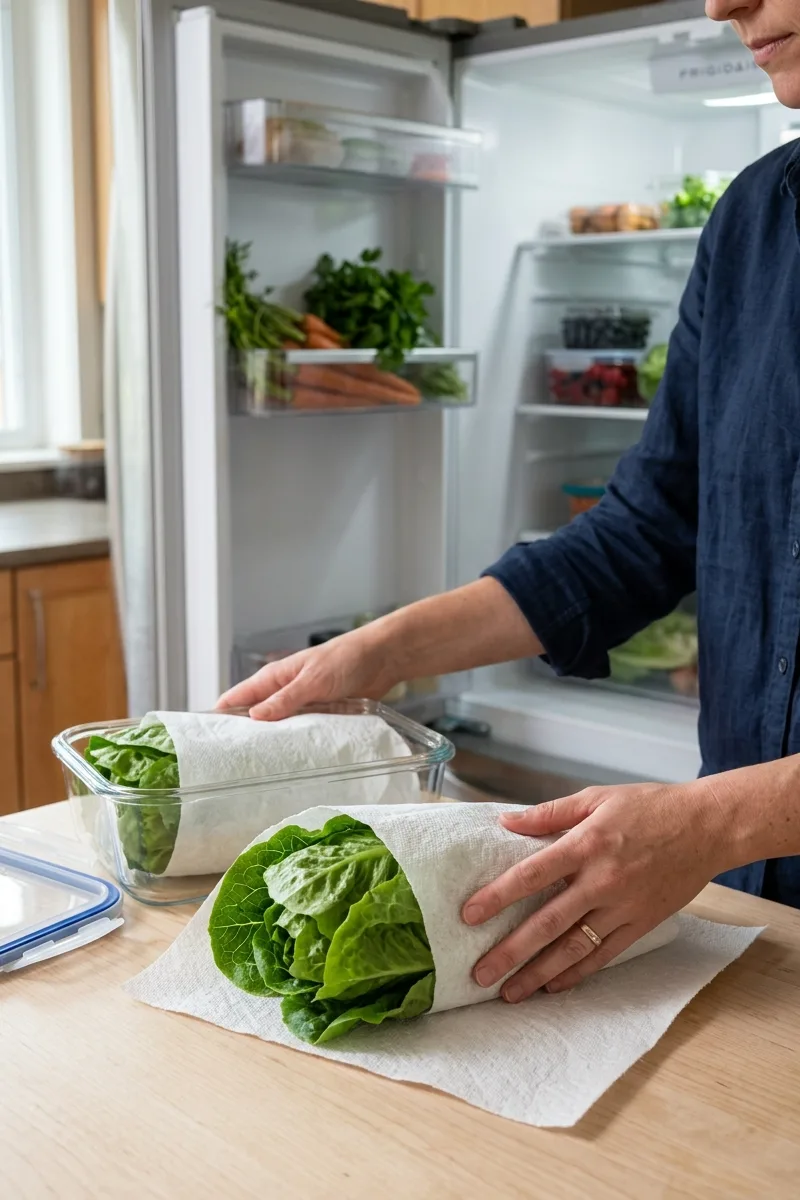
To keep your freshly harvested lettuce crisp, wash the leaves and dry them thoroughly. Then, wrap them in a dry paper towel and place them in a sealed container in the refrigerator. The paper towel will absorb excess moisture and keep the leaves fresh for up to a week.
Protect from Bolting in Heat
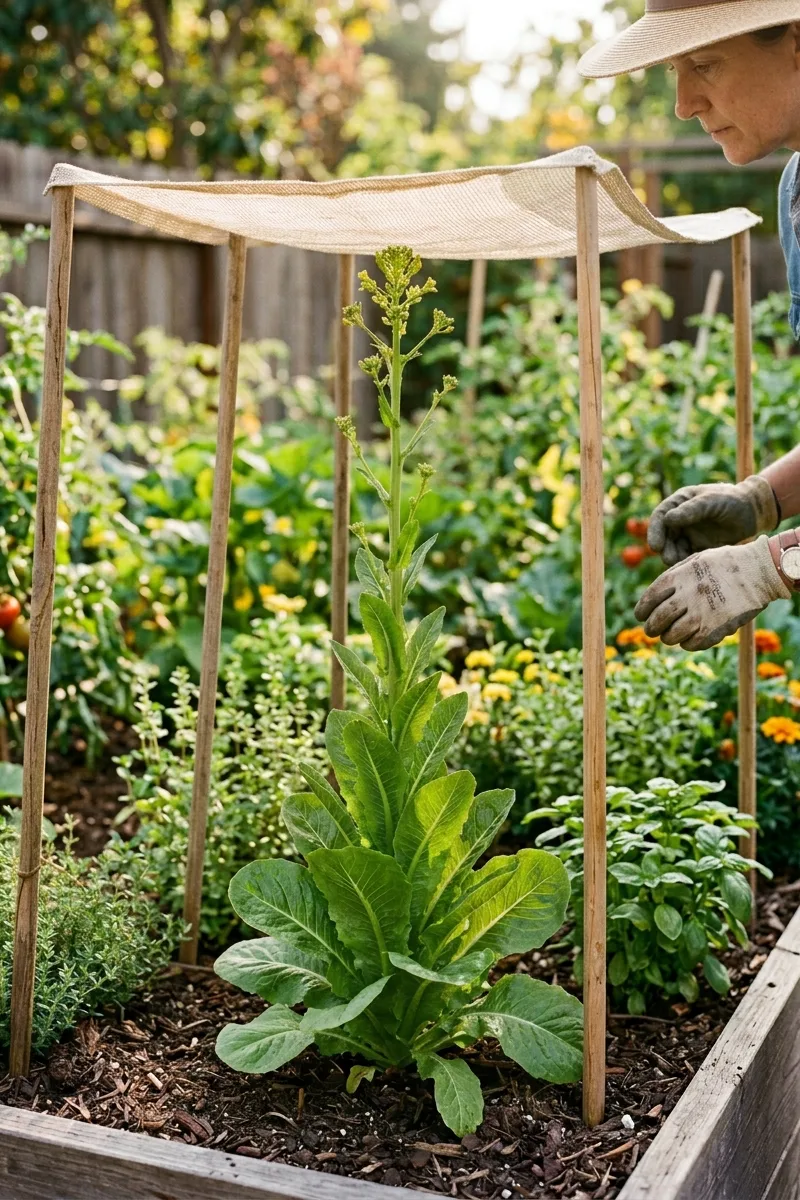
Bolting is when your lettuce goes to seed and becomes bitter. This happens in hot weather. To delay bolting, provide your plants with some shade during the hottest part of the day. You can also choose bolt-resistant varieties to extend your growing season.
Thin Seedlings for Stronger Growth
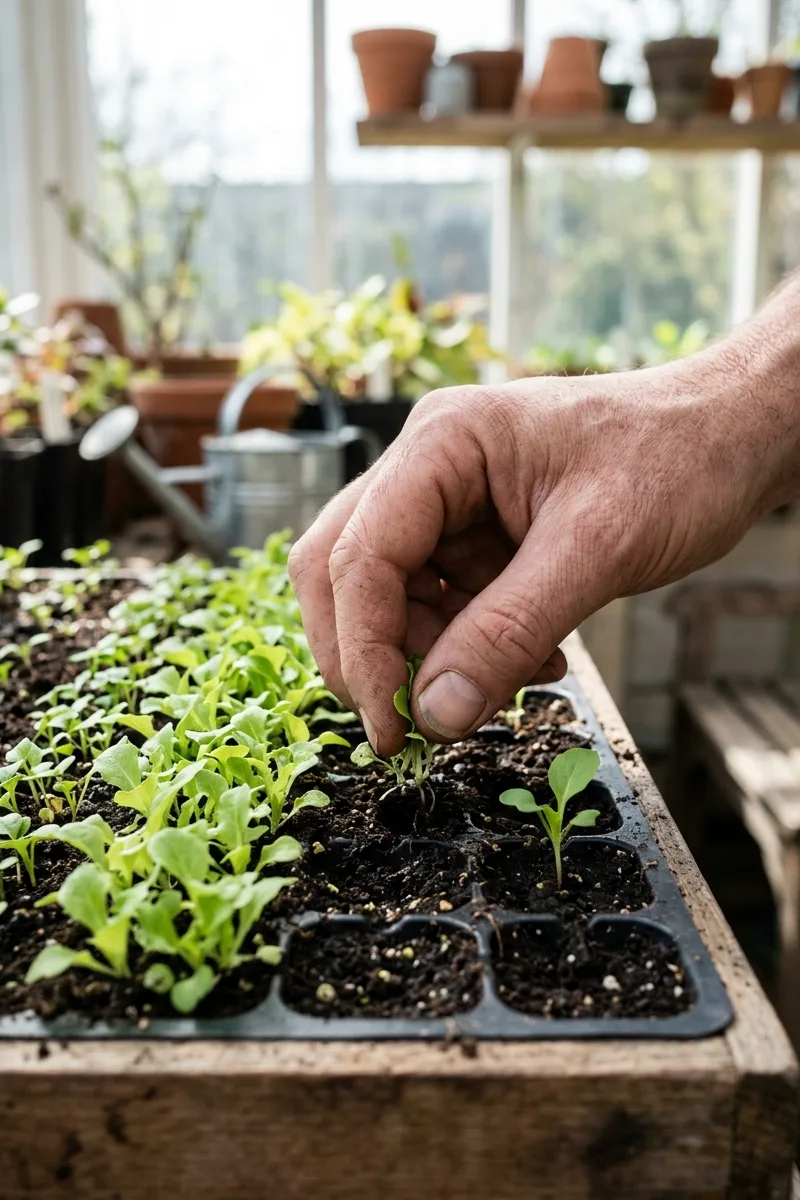
It is essential to thin your lettuce seedlings once they are a few inches tall. Overcrowding will lead to weak, leggy plants with small leaves. Thin them to about 6-8 inches apart. This gives each plant enough room to develop a full, robust head of leaves.
Keep Leaves Dry to Prevent Disease
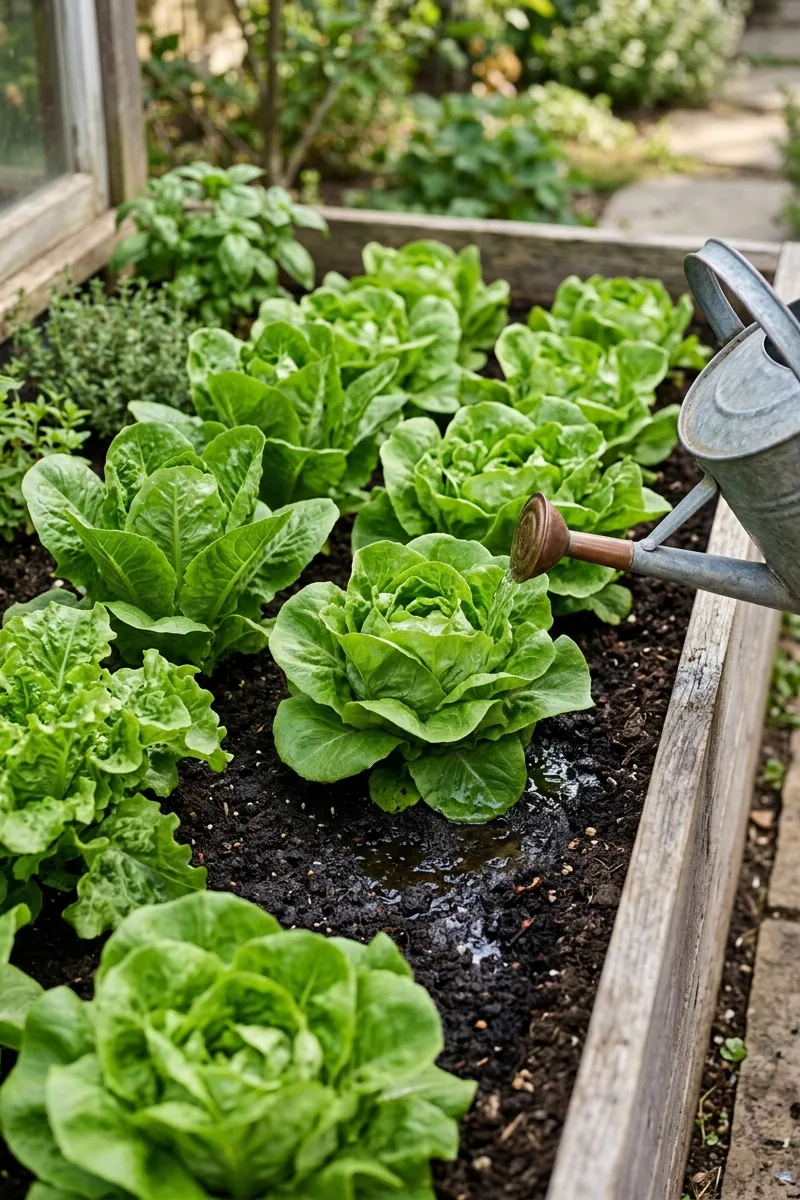
Watering from above can leave moisture on the leaves, which can promote fungal diseases. Always water your lettuce plants at the base, using a soaker hose or drip irrigation. Keeping the foliage dry is one of the most effective ways to prevent common garden diseases.
Inspiration gallery recap
Tap any image to open the slideshow — use arrows or swipe to browse.