14 Best Softened Garden Structures
Brand new garden structures like pergolas fences and retaining walls often look incredibly harsh and disconnected from the natural landscape initially. The secret to making these heavy architectural elements feel established and permanent is active softening. By utilizing aggressive climbing plants and trailing ground covers you can blur the rigid lines completely.This integration technique transforms a stark wooden box into a beautiful romantic living ruin. It requires selecting the right plants to consume the architecture slowly turning functional hardscaping into the most stunning organic features of your entire yard.
What’s inside this article
- Wisteria on Pergolas
- Creeping Fig on Walls
- Trailing Rosemary over Edges
- Clematis on Fences
- Moss on Stone Paths
- Climbing Hydrangea on Brick
- Erigeron in Stair Cracks
- Trumpet Vine on Arbors
- Soften with Ornamental Grasses
- Boston Ivy on Exteriors
- Sinking the Fire Pit
- Aged Copper Trellises
- Overgrown Gateways
- Hiding the Utilities
Wisteria on Pergolas
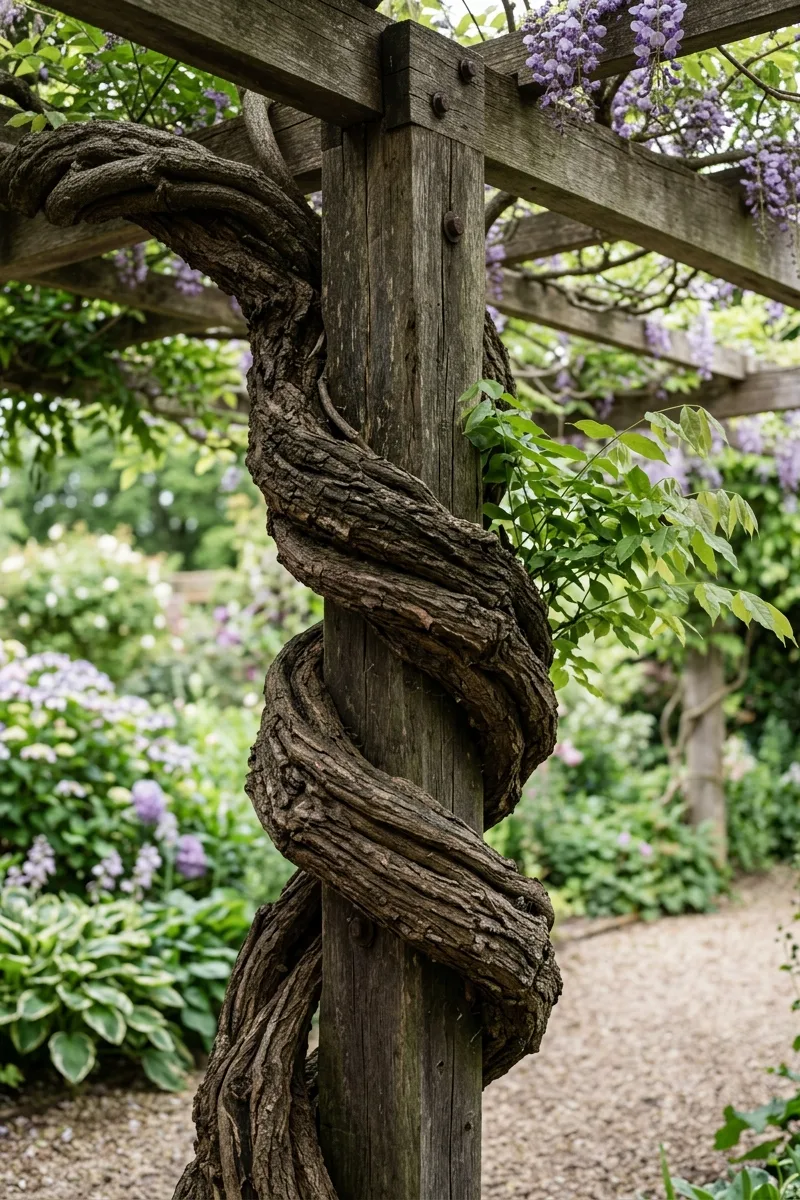
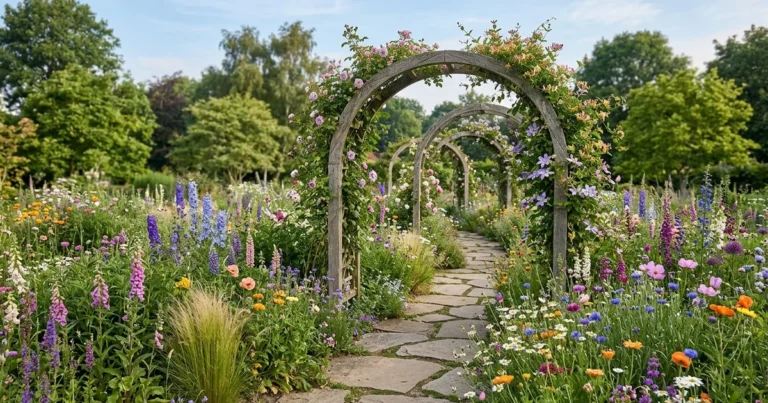
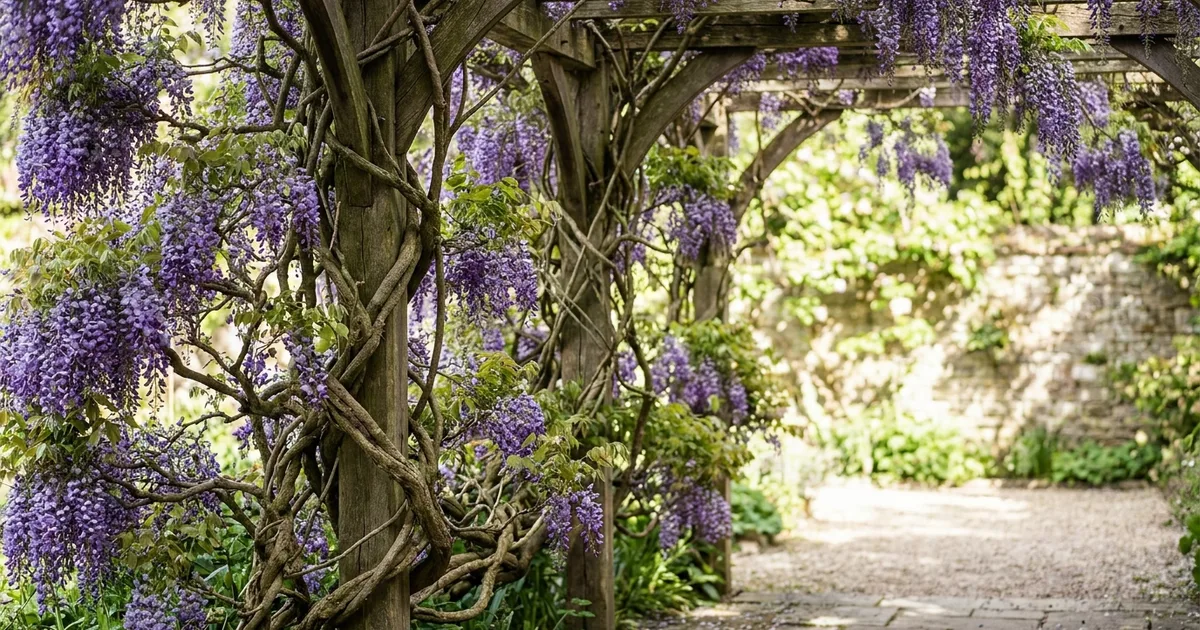
A bare wooden pergola looks like an unfinished construction project until it is properly consumed by nature. Training an aggressive woody vine like wisteria up the primary posts changes the structure into a massive living canopy instantly. The thick twisting trunks of the vine grip the sharp corners softening the rigid architecture beautifully and permanently. When it explodes with dripping flowers it transforms the heavy wooden frame into a breathtaking romantic destination. This aggressive plant requires a heavily built structure making the pergola feel essential rather than purely decorative.
Creeping Fig on Walls
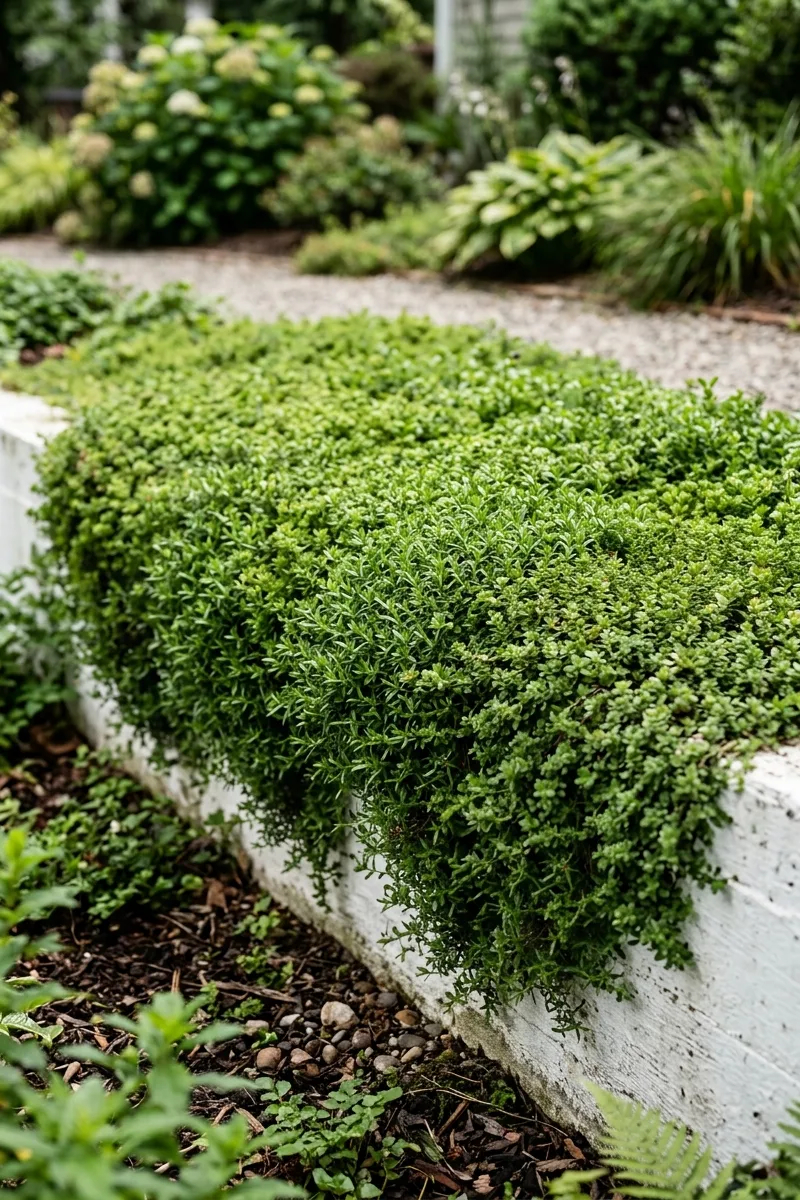
Ugly concrete retaining walls represent massive dead spaces in a garden layout. Covering these harsh vertical surfaces with creeping fig hides the ugly masonry behind a tight neat layer of brilliant green foliage. This specific plant glues itself flat against the wall creating a velvet-like texture that softens the hard boundary completely. It turns an industrial necessary wall into a beautiful living green hedge without requiring any floor space. This highly controlled softening technique is perfect for tight modern courtyards demanding clean but lush architectural solutions.
Trailing Rosemary over Edges
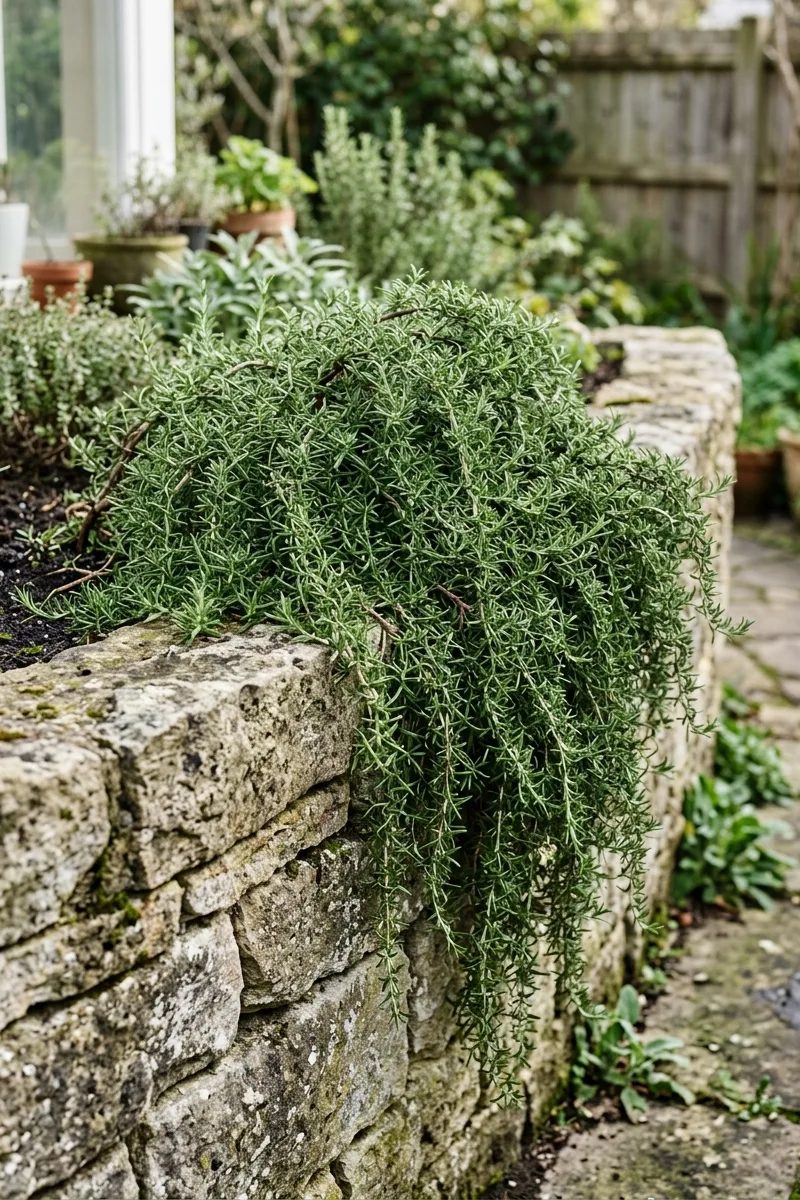
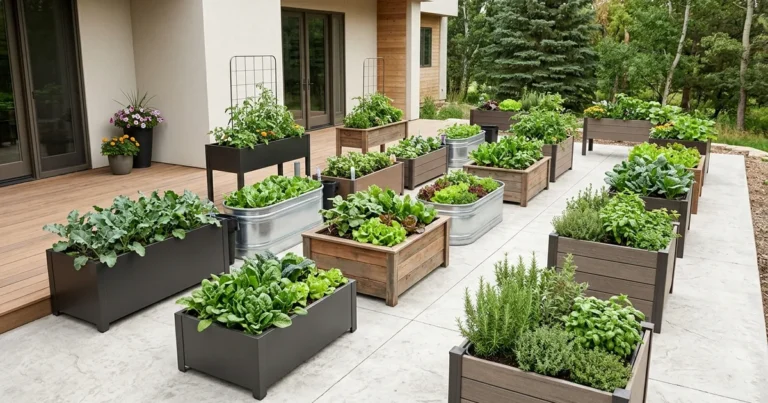
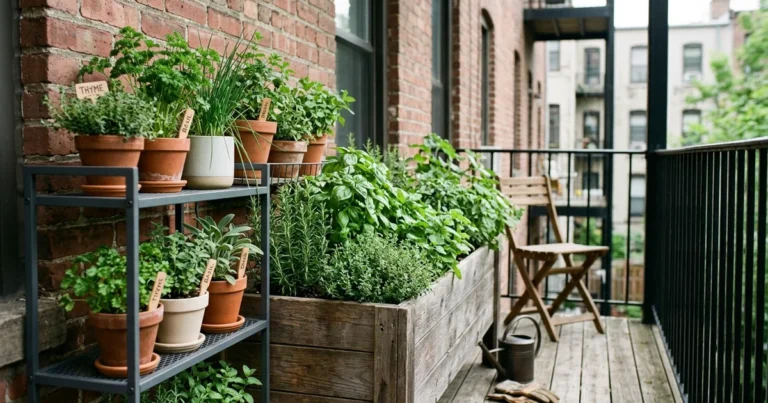
The sharp right angles of raised planter boxes can make a garden look overly rigid and highly manufactured. Planting trailing varieties of rosemary or thyme along the extreme front edge allows the foliage to cascade heavily over the sides. This cascading green curtain blurs the harsh horizontal line where the stone meets the air breaking the geometric severity perfectly. It grounds the tall structures making them feel anchored and deeply integrated into the surrounding soil. This highly aromatic addition adds necessary wildness to strict geometric garden designs.
Clematis on Fences
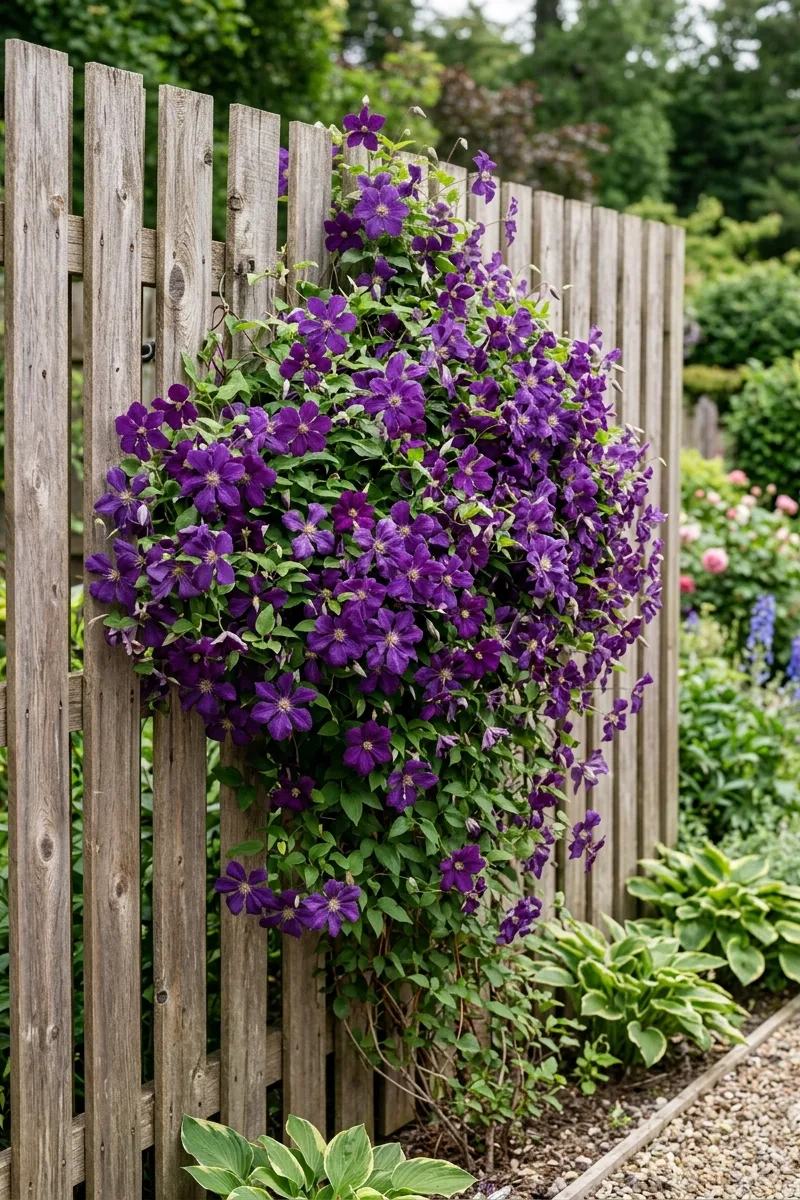
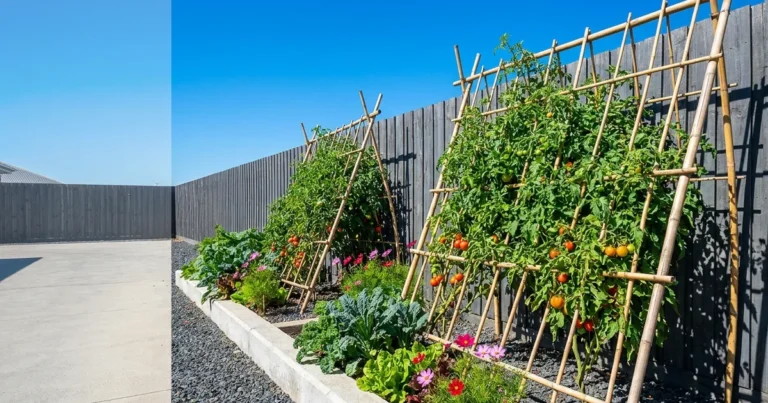
A long solid wooden privacy fence often feels like an oppressive blank wall enclosing the yard aggressively. Using a lightweight trellis wire to guide delicate clematis vines across the flat wood softens this massive vertical plane brilliantly. The delicate leaves and massive colorful star-shaped flowers break up the monotonous wooden slats creating incredible visual depth. This climbing technique does not damage the wood structure but provides a beautiful organic interruption. It makes the perimeter of the property feel like a lush boundary rather than a strict rigid barrier entirely.
Moss on Stone Paths
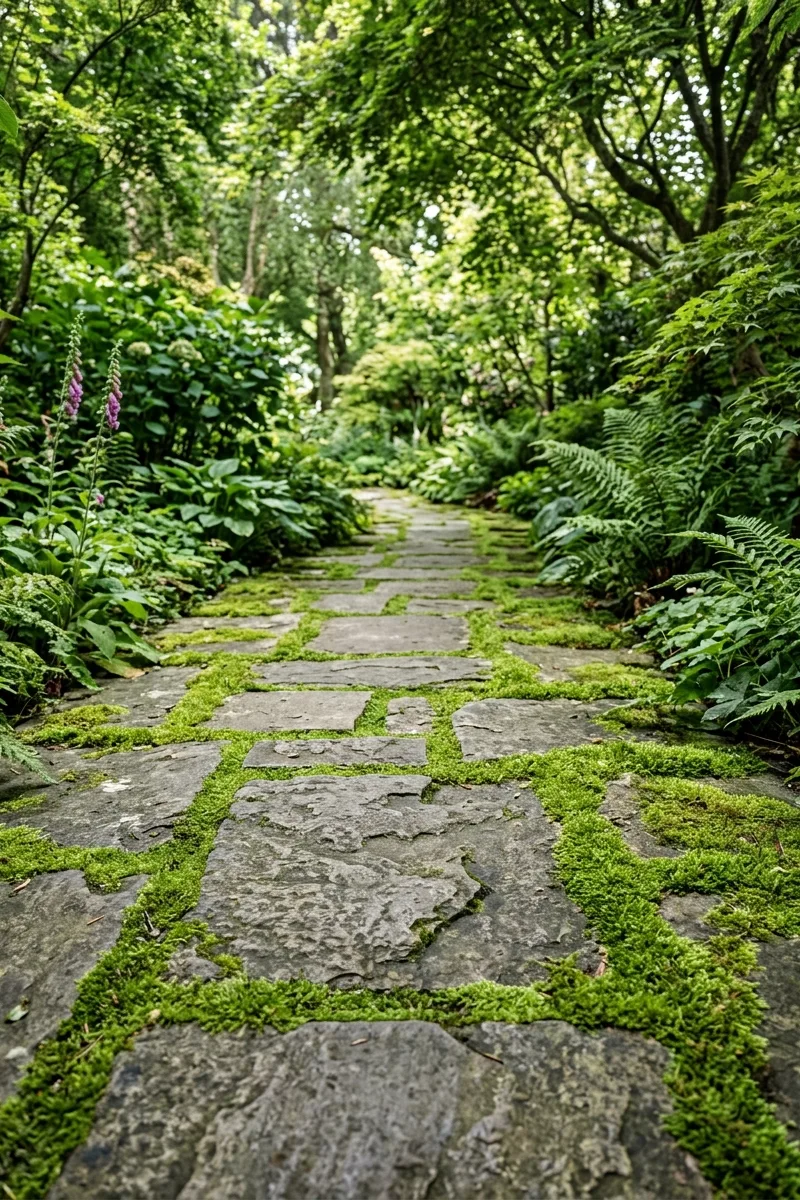
Brand new stone pathways look completely disconnected from the landscape until nature reclaims the gaps. Encouraging soft green moss to grow in the joints between the heavy pavers softens the entire hardscape surface immediately. The bright green velvety texture contrasts brilliantly against the cold gray stone making the path look centuries old. This living mortar blurs the sharp cut edges of the flagstones integrating the pathway deeply into the damp earth. It is a subtle quiet detail that adds massive historical romance to shady garden corners perfectly.
Climbing Hydrangea on Brick
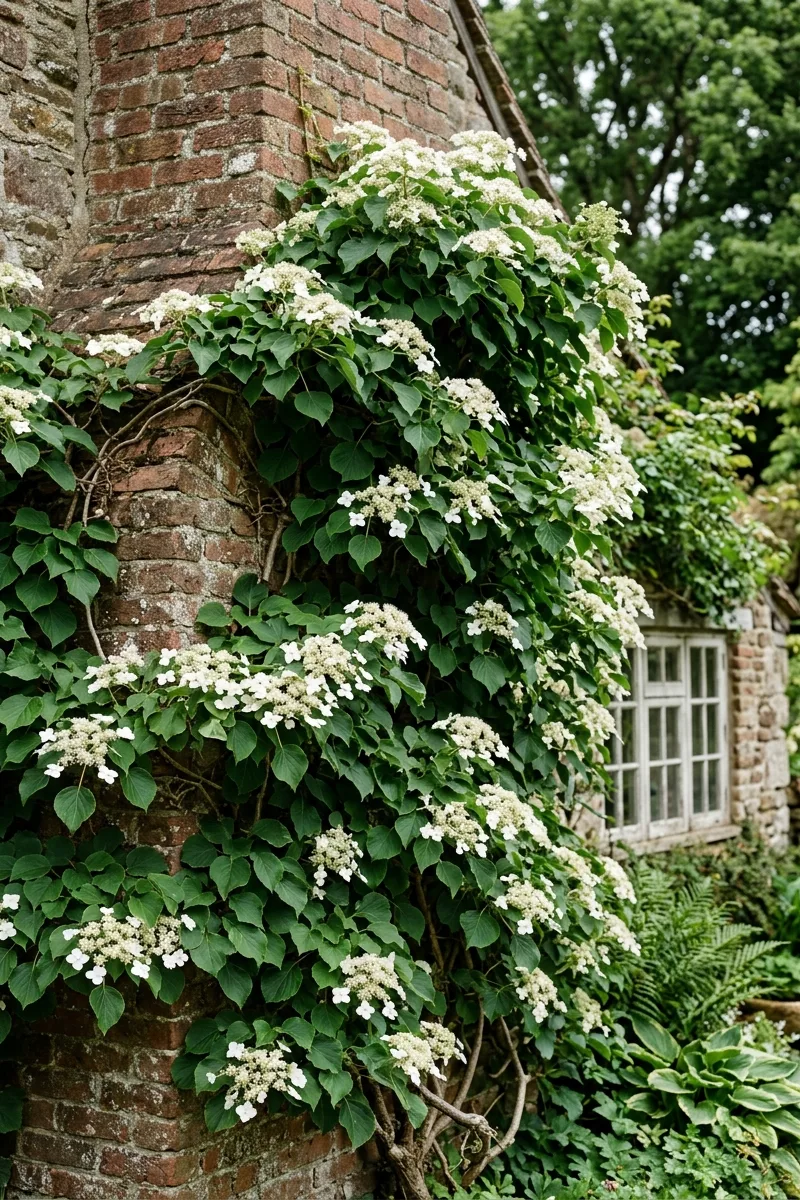
Massive flat brick walls on the side of a house can look stark and uninviting. Planting a heavy climbing hydrangea allows the architecture to be consumed gracefully by thick dark green foliage and massive white blooms. This particular vine uses aerial roots to grip the brick directly requiring absolutely no artificial trellis support. The heavy three-dimensional texture it adds breaks up the flat masonry adding incredible architectural volume and deep shadows. It grounds the massive house heavily making the entire building look perfectly nestled into the lush mature landscaping.
Erigeron in Stair Cracks
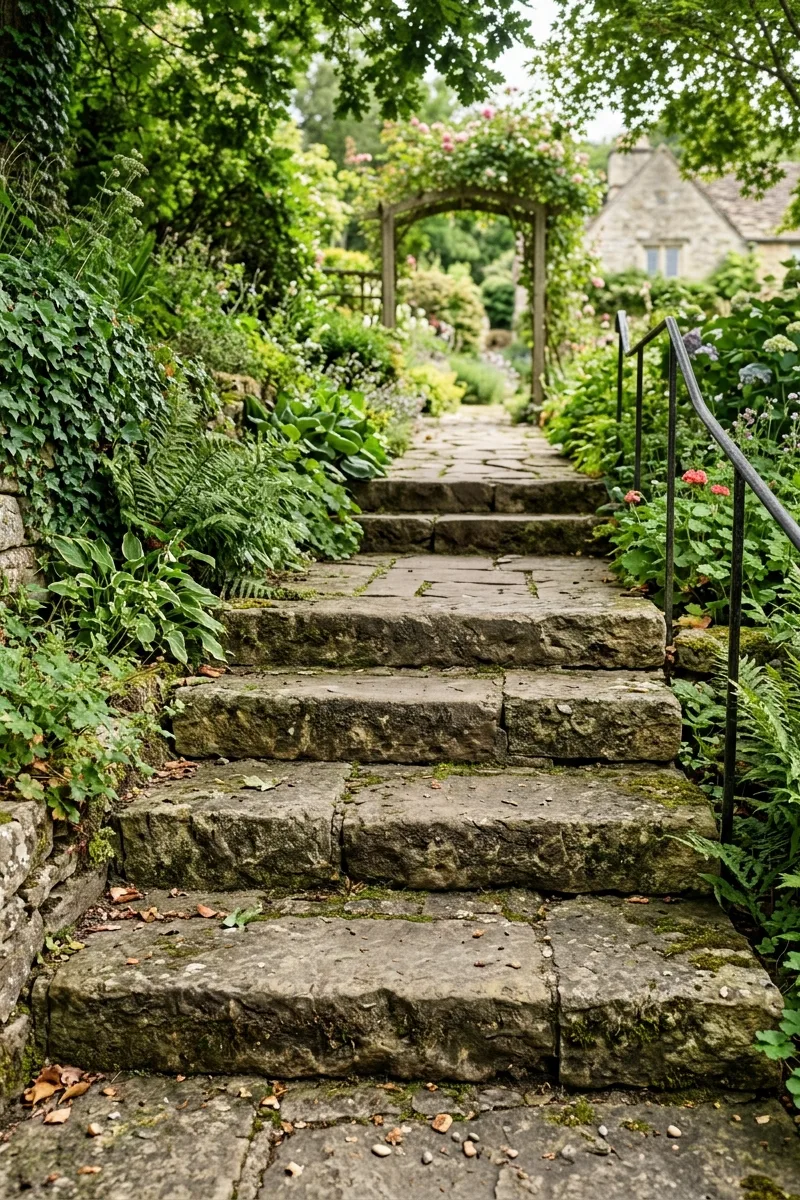
Severe stone staircases can feel imposing and incredibly harsh in a soft romantic garden setting. Allowing tiny aggressive plants like Mexican fleabane to seed themselves directly into the cracks between the risers softens the brutalist architecture instantly. The chaotic explosion of tiny daisy-like flowers spilling over the sharp stone edges makes the staircase look beautifully ruined and reclaimed. This highly intentional lack of maintenance creates a deeply authentic cottage aesthetic. It proves that allowing nature to slightly destruct your perfect hardscaping yields the most stunning elegant visual results.
Trumpet Vine on Arbors
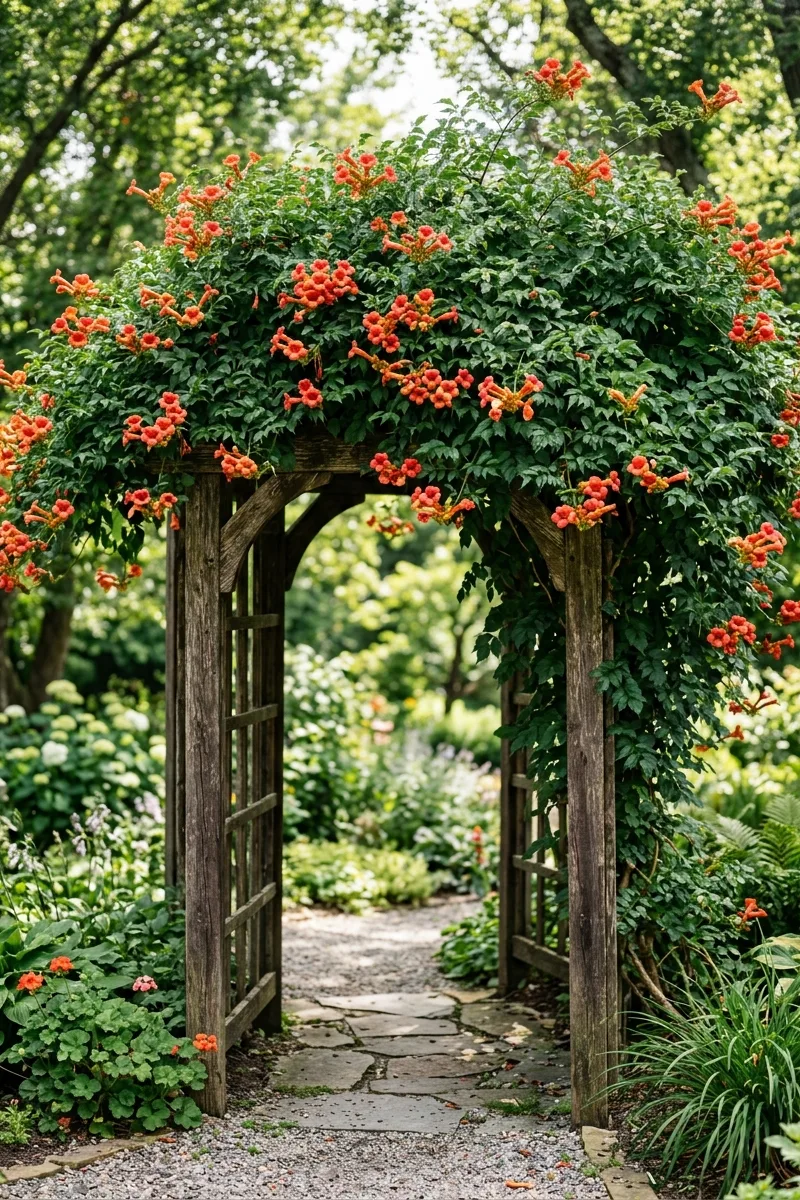
A freestanding garden arbor looks small and insignificant until it is supporting massive organic weight. Planting an aggressive heavy trumpet vine at the base ensures the thin wooden structure is completely consumed rapidly. The dense foliage and bright orange flowers turn a cheap wooden arch into a massive heavy living architectural threshold. The sheer volume of the plant softens the rigid shape creating a wild overgrown tunnel effect that draws the eye powerfully. This aggressive planting strategy makes simple structures feel monumental and incredibly important to the garden layout.
Soften with Ornamental Grasses
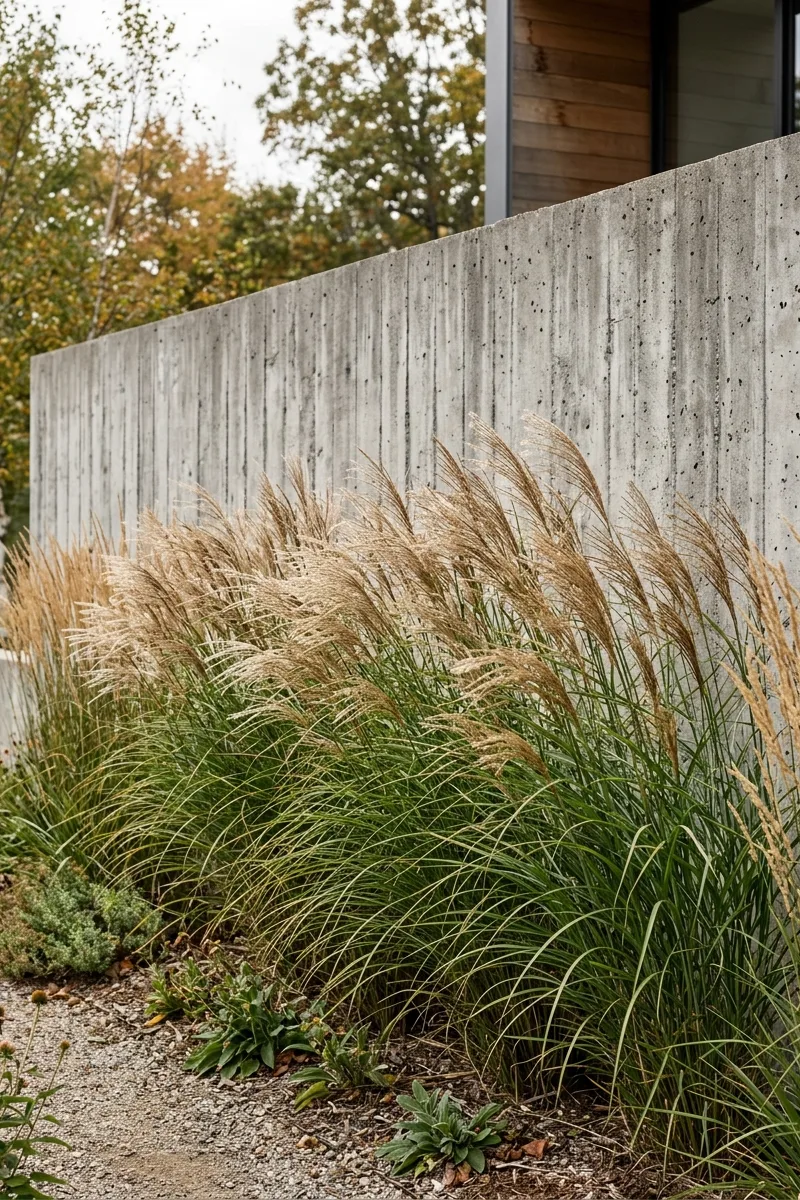
When you cannot grow vines directly on a surface you must soften the structure by planting heavily in front of it. Placing a dense row of tall feathery ornamental grasses directly against a stark concrete wall breaks up the rigid gray mass perfectly. The soft kinetic movement of the grasses swaying in the wind contrasts sharply with the unyielding immovable concrete behind them. This layering technique blurs the harsh architectural boundary without requiring the plant to attach to the wall. It is a brilliant modern solution for softening heavy brutalist hardscaping.
Boston Ivy on Exteriors
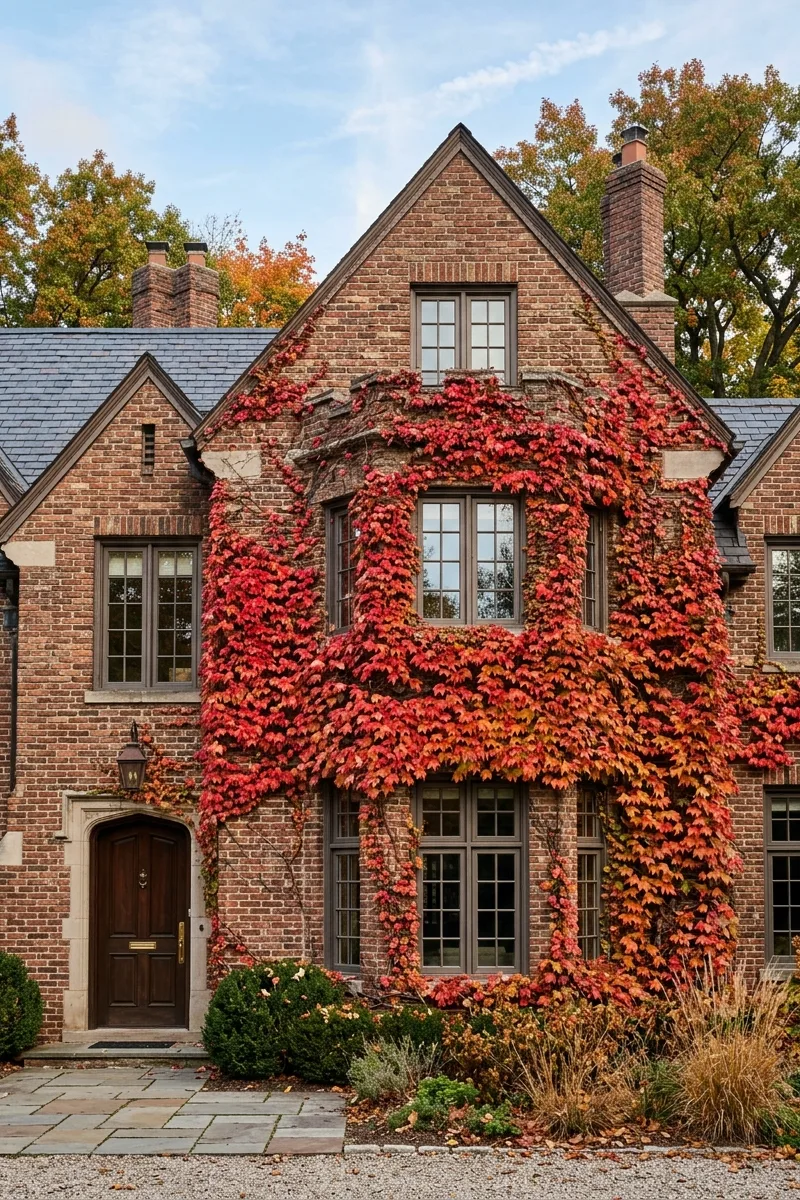
Allowing a classic vine to cover the exterior of your home blends the ultimate architectural structure directly into the garden. Boston ivy provides a tight neat layer of green that turns blindingly red in the autumn adding massive seasonal drama. This living skin softens the sharp corners of the house making the rigid building feel like a natural organic extension of the yard itself. It establishes an undeniable sense of deep history and Ivy League elegance instantly. This bold commitment to integration is the ultimate architectural softening technique completely.
Sinking the Fire Pit
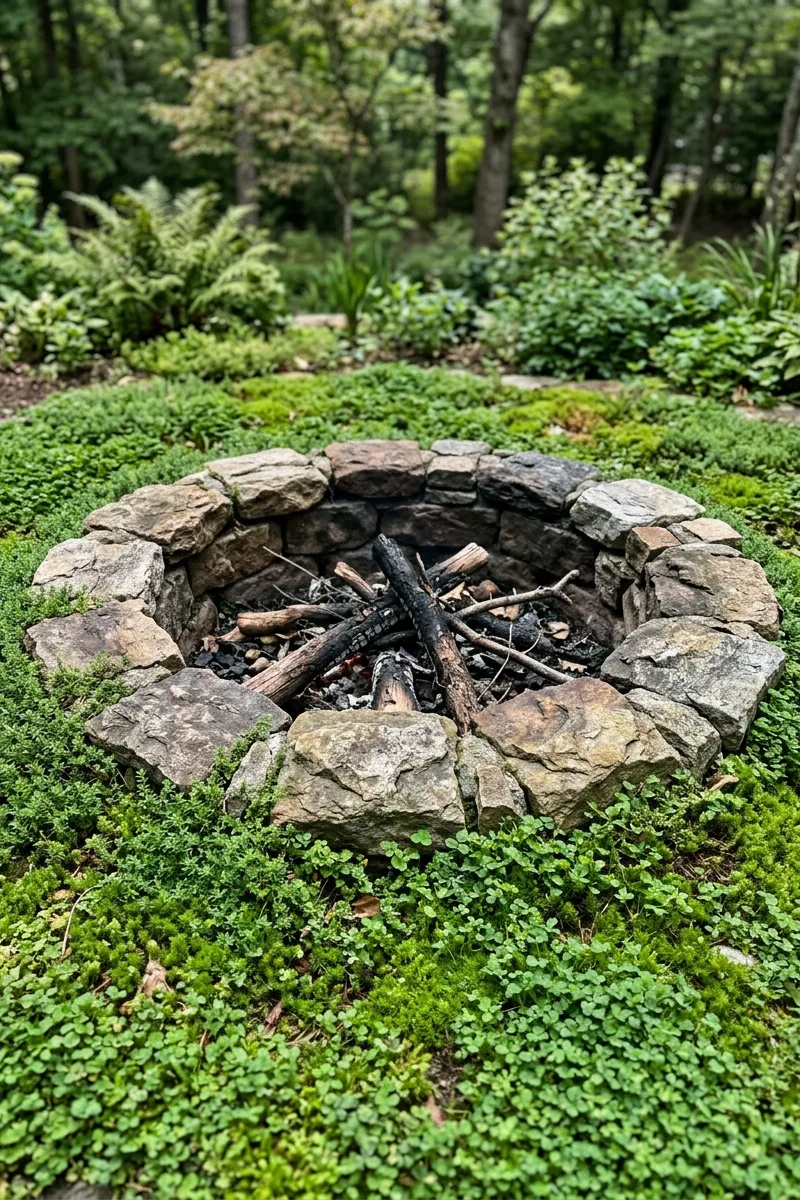
Tall bulky stone fire pits often look like ugly volcanic craters disrupting the smooth flow of a patio or lawn. Building the fire pit low and sinking it slightly below grade reduces its harsh visual profile entirely. Bringing soft ground cover plants directly up to the edge of the sunken stone ring blurs the boundary between the fire feature and the yard. This integrated approach makes the heavy stone structure feel like a natural depression in the earth rather than an artificial towering obstacle. It ensures the garden remains open and highly cohesive.
Aged Copper Trellises
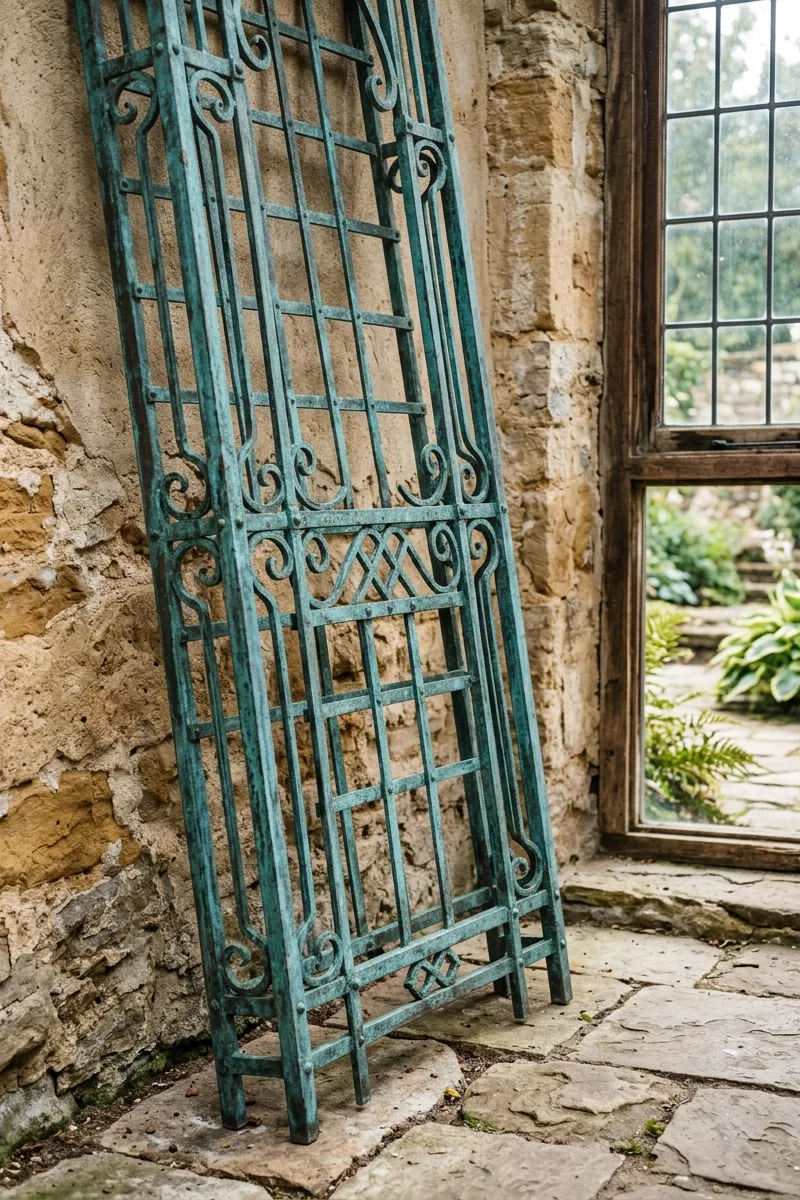
When a structure is not yet fully covered by plants the material it is made of must be visually soft and beautiful on its own. Choosing heavy copper for your trellises and obelisks ensures the architecture adds romantic value immediately. As the copper ages outdoors it develops a stunning bright blue-green patina that blends perfectly with garden foliage. This natural weathering process softens the harsh metallic shine completely turning a structural support into a beautiful piece of aged art. It guarantees the garden looks established even while waiting for vines to grow.
Overgrown Gateways
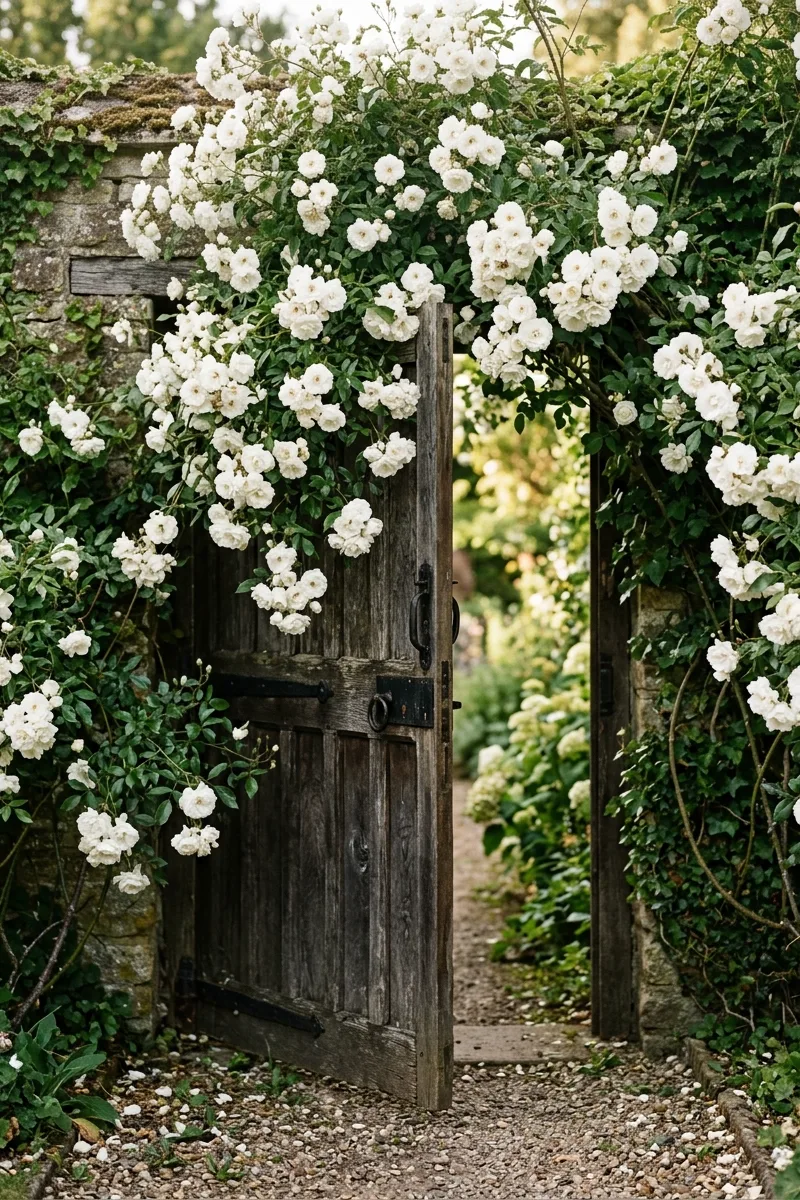
A highly visible functional gate can look overly strict and unwelcoming if kept too clean and manicured. Allowing massive climbing roses to spill heavily over the top and sides of the wooden frame softens the strict boundary beautifully. The chaotic thorny growth and delicate flowers make the entrance feel like a secret forgotten portal rather than a strict security feature. This intentional overgrowth forces visitors to brush past the foliage physically immersing them in the garden experience immediately upon entering. It is a highly romantic welcoming architectural intervention.
Hiding the Utilities
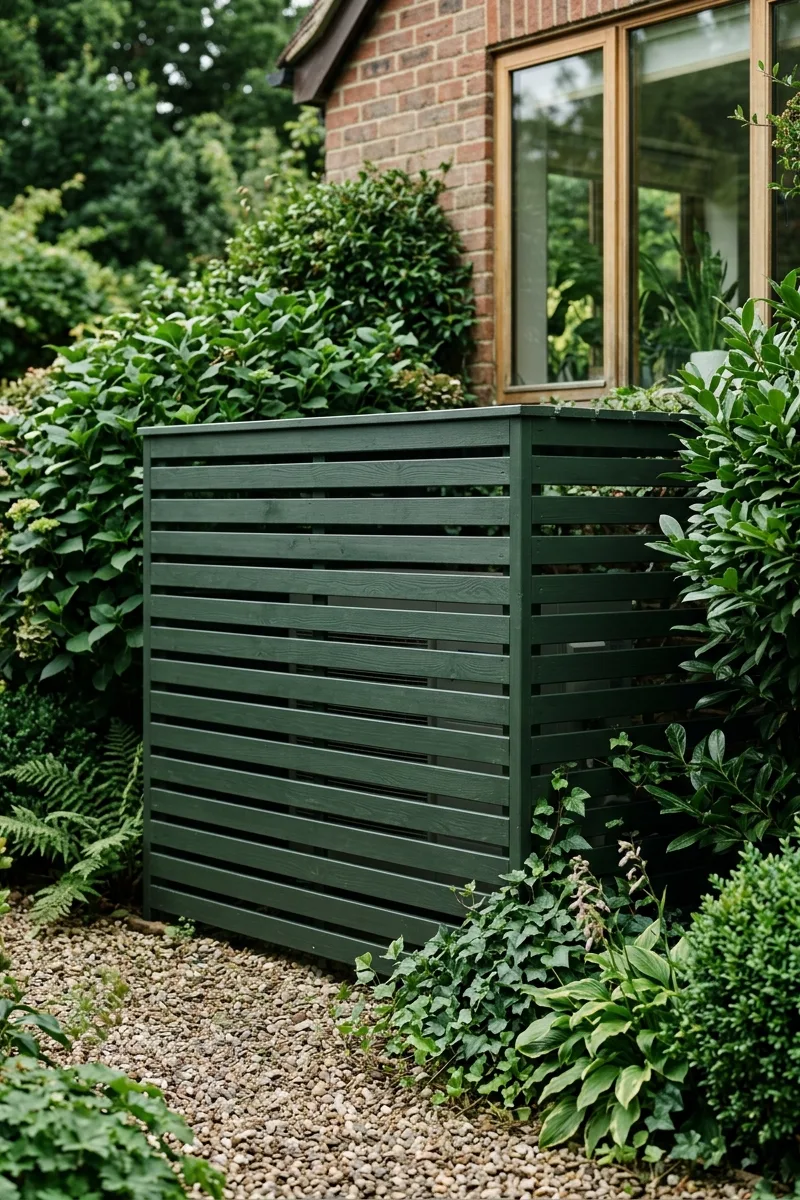
Ugly modern utilities like air conditioning units and pool pumps destroy the romantic illusion of a garden instantly. Building simple slatted wooden screens to hide these necessary machines is a crucial architectural requirement. Painting the screens a dark black-green color forces them to recede into the shadows completely disappearing from view. Planting soft evergreen shrubs directly in front of the screens blurs their rigid wooden lines integrating them fully into the landscape. This defensive landscaping technique ensures the mechanical realities of the home never ruin the soft peaceful garden aesthetic.
Inspiration gallery recap
Tap any image to open the slideshow — use arrows or swipe to browse.