15 Best Dark Sky Gardening Ideas
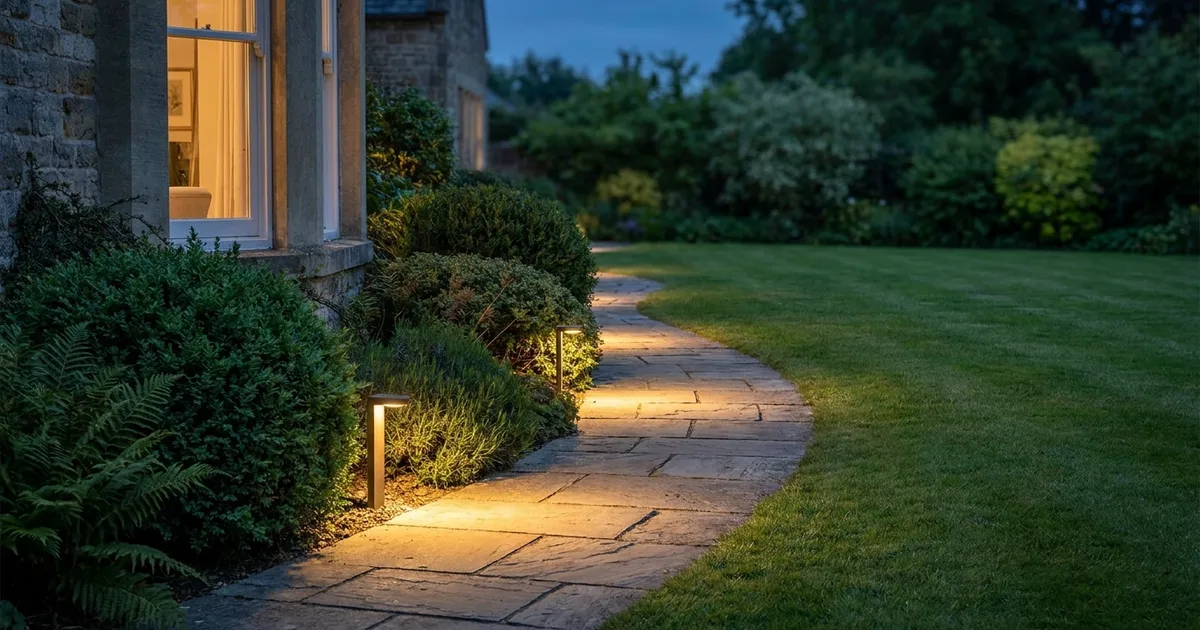
Dark sky gardening actively rebels against the trend of blasting residential yards with stadium-level security lighting. This ecological approach focuses on creating a beautiful usable nighttime space while strictly minimizing light pollution. Over-lighting disrupts crucial nocturnal wildlife navigation and ruins our ability to see the stars.Designing for the dark requires a delicate restrained touch. You will rely on deeply warm low-lumen fixtures focused entirely downward to guide footsteps safely. This method creates a highly dramatic moody landscape defined by beautiful deep shadows and soft glowing accents rather than harsh blinding glare.
What’s inside this article
- Strictly Downward Lighting
- Ultra Warm Color Temperatures
- Low Lumen Outputs
- Planting White Night Blooms
- Motion Sensor Security
- Eliminate Tree Uplighting
- Highly Scented Evening Plants
- Use Reflective Hardscaping
- Step Lighting Integration
- Zone Lighting Controls
- Dark Painted Fencing
- Water Feature Reflection
- Embrace Deep Shadows
- Shielded Wall Sconces
- Low Profile Path Lights
Strictly Downward Lighting
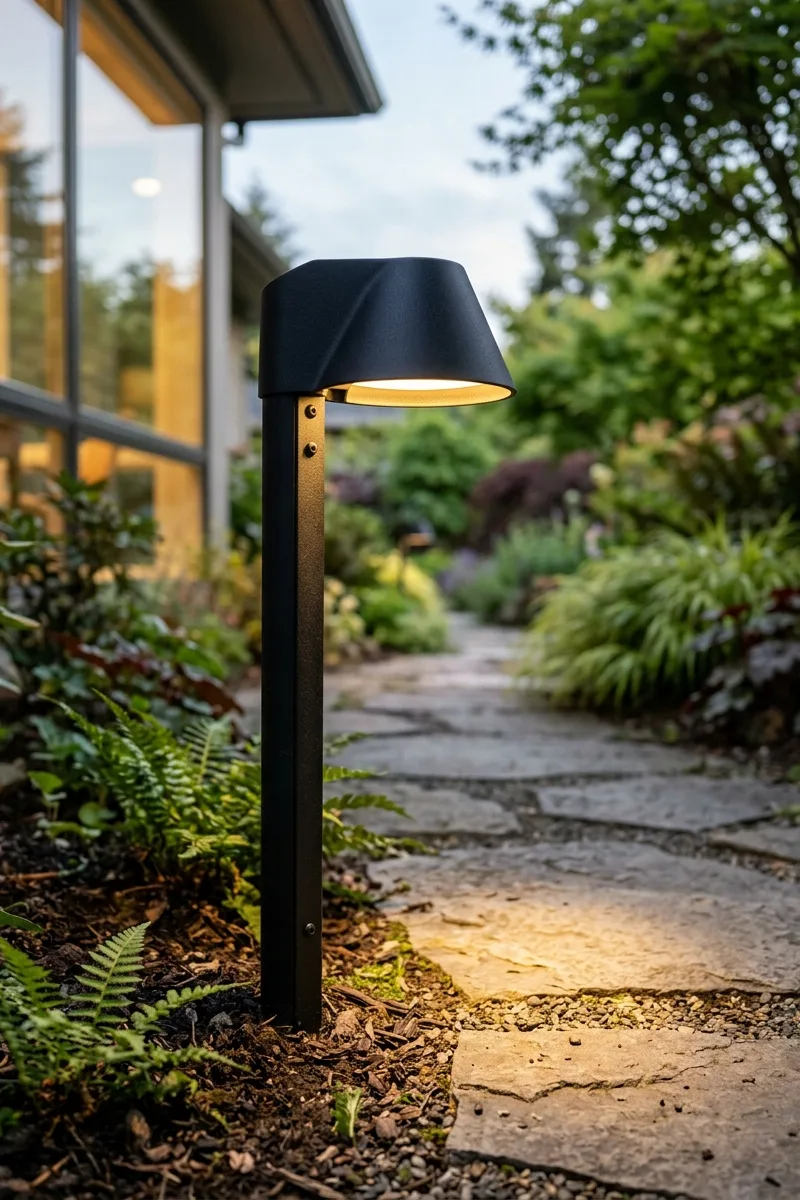
The absolute foundation of dark sky design is eliminating all light that shines upward into the atmosphere uselessly. Every single fixture in the yard must feature a solid opaque hood that forces the beam strictly downward toward the ground. This strict shielding prevents blinding glare and stops light pollution from ruining the night sky overhead. It ensures that the illumination only hits the path or patio where it is actually required for human safety. This disciplined approach immediately changes the garden from a glaring nuisance into a deeply respectful ecological sanctuary.
Ultra Warm Color Temperatures
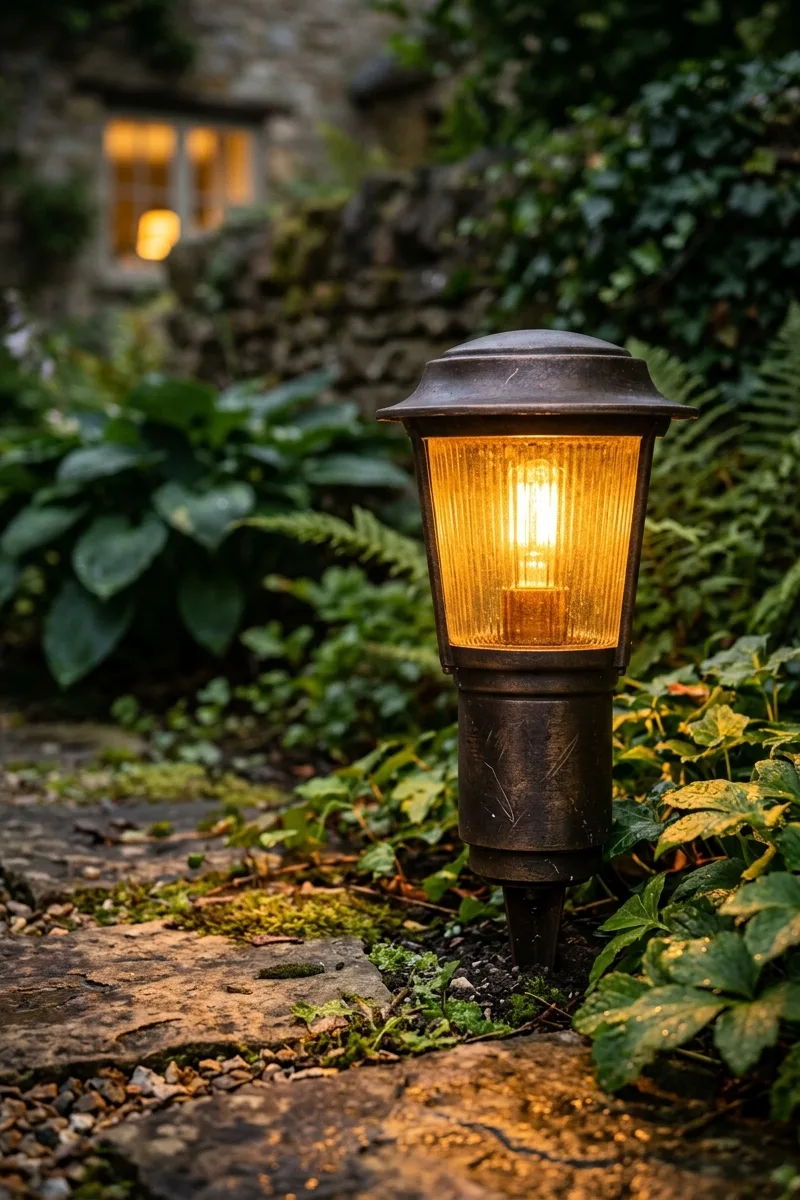
The color temperature of your bulbs impacts both the aesthetic mood and the local wildlife significantly. Harsh blue-white LED lights scatter widely in the atmosphere and severely disrupt the natural circadian rhythms of nocturnal insects and birds. You must exclusively select bulbs with an ultra-warm amber color temperature of 2700 Kelvin or lower. This deep yellow glow mimics the soft light of a campfire creating a highly inviting cozy atmosphere. It protects the ecology while making the garden feel incredibly relaxed and visually comfortable during late evening hours perfectly.
Low Lumen Outputs
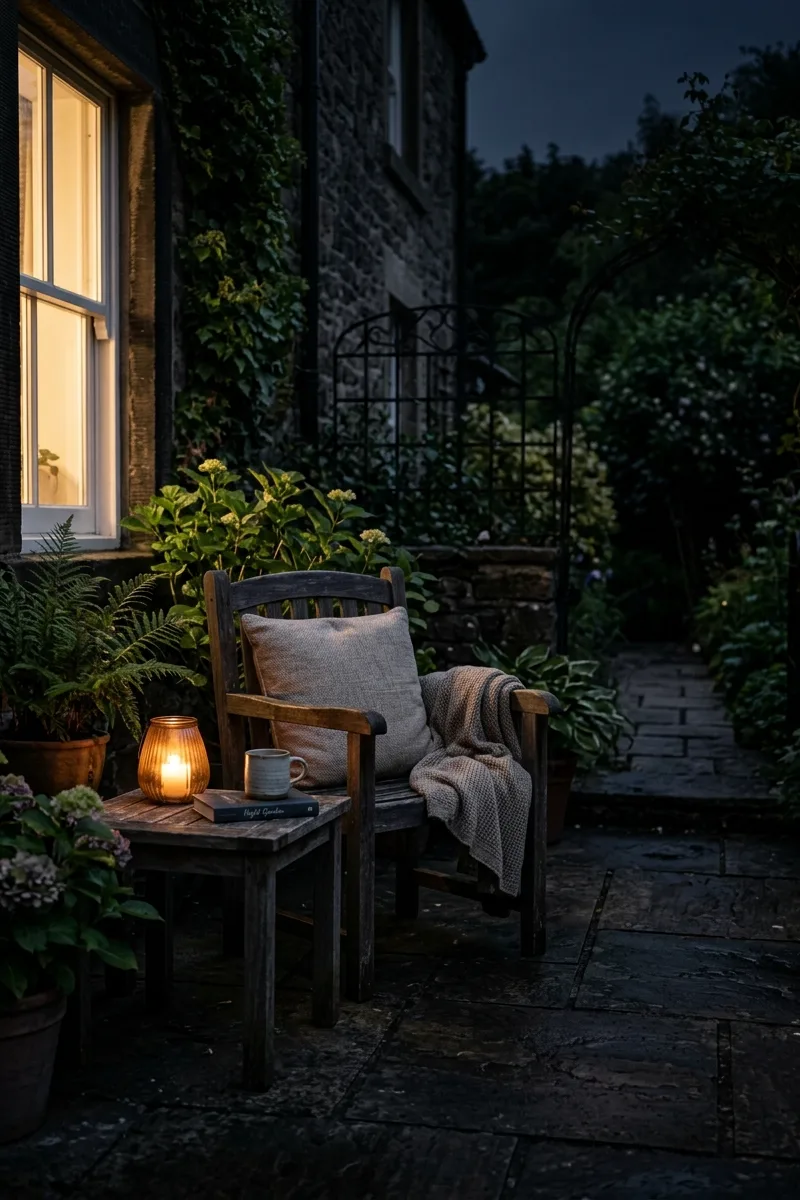
Most residential landscapes are drastically over-lit ruining the mysterious beauty of the night entirely. Dark sky gardening requires dropping the brightness level of every fixture to the absolute minimum required for basic safe navigation. Using very low lumen bulbs forces your eyes to adjust naturally to the darkness revealing subtle shadows and moonlight. This restrained lighting strategy creates a highly dramatic intimate environment rather than a flatly illuminated commercial space. Embracing the darkness intentionally is the secret to making the outdoor areas feel like a true peaceful nighttime retreat.
Planting White Night Blooms
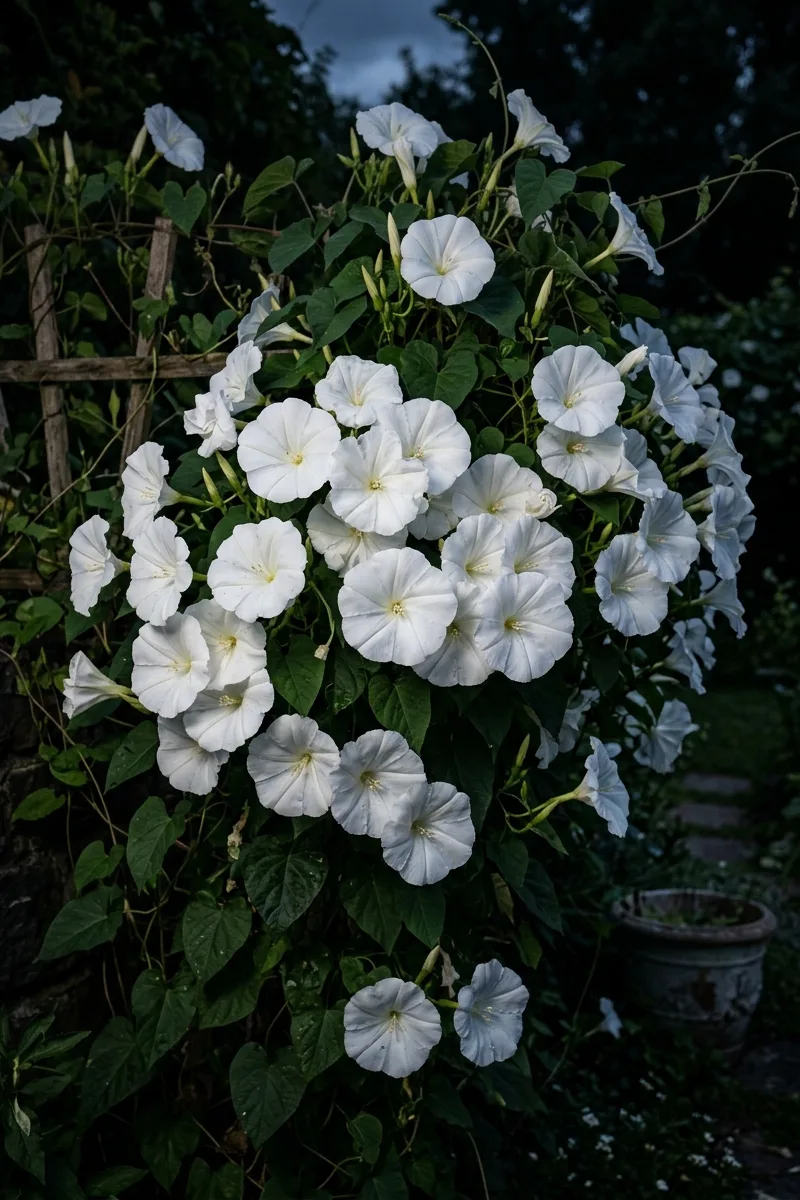
You do not need electricity to make a garden glow beautifully after the sun goes down. Planting specific night-blooming species with stark white petals creates a stunning natural luminescence. Flowers like moonflowers or white nicotiana open in the evening and reflect whatever tiny amount of ambient moonlight exists in the yard. These massive white blooms act as glowing beacons drawing the eye through the dark landscape effortlessly. They are highly functional natural light sources that also attract crucial nocturnal pollinators like sphinx moths supporting the ecosystem actively.
Motion Sensor Security
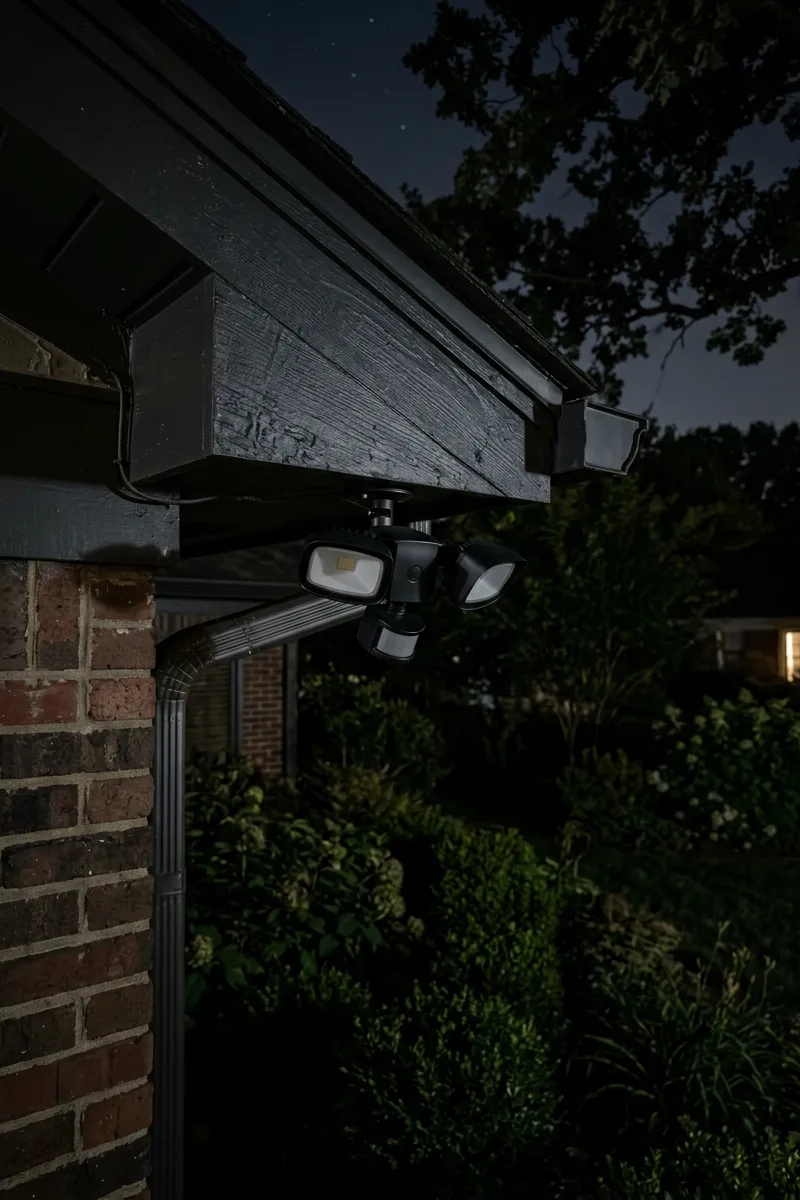
Leaving bright security floodlights burning continuously all night destroys the dark sky effort entirely and is ecologically devastating. If bright safety lighting is absolutely required it must be wired strictly to highly sensitive motion detectors. This ensures the harsh light only blasts the yard for brief necessary moments when actual movement occurs. Keeping the property dark by default provides safe uninterrupted hunting grounds for owls and bats. It is a vital compromise that maintains human security without permanently ruining the nocturnal habitat you are trying to protect.
Eliminate Tree Uplighting
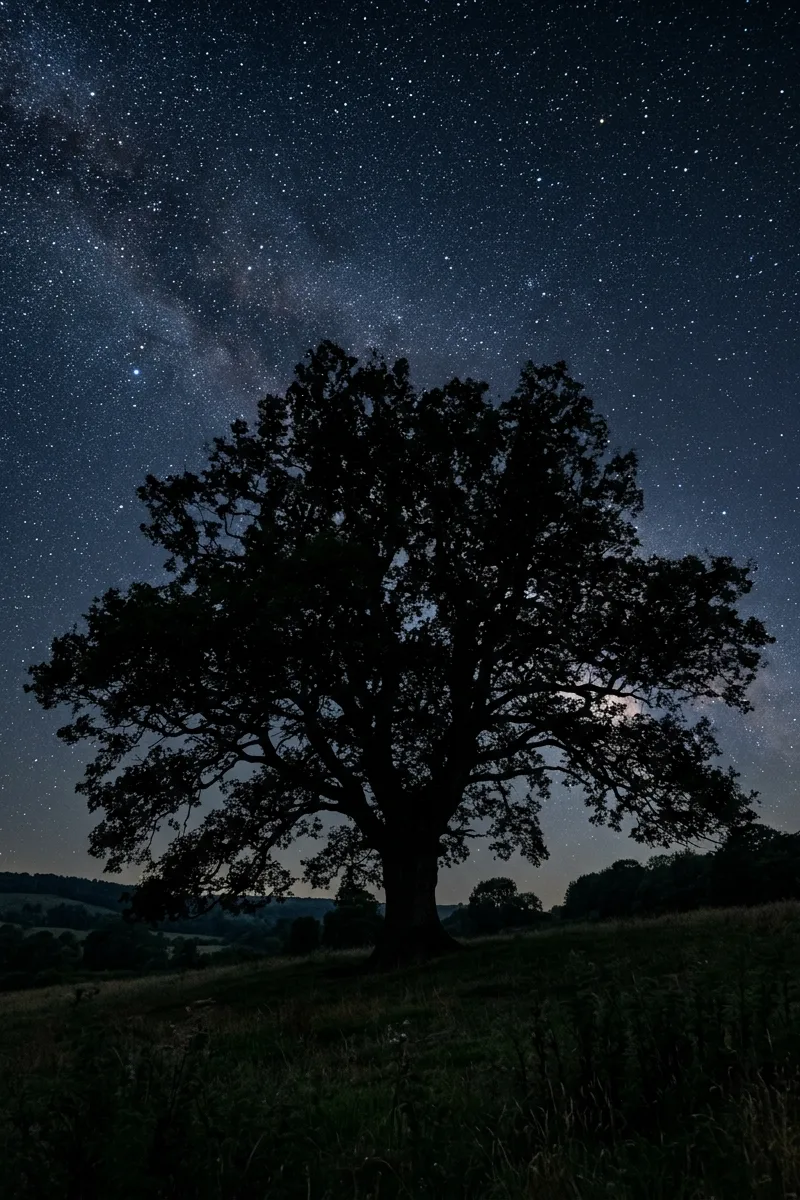
Sticking spotlights in the dirt and blasting light straight up into tree canopies is a massive dark sky violation. This popular landscaping trick blinds passing birds and destroys the dark safety of the branches where wildlife sleeps. You must remove all decorative uplighting completely allowing your massive trees to return to dark mysterious silhouettes against the stars. Embracing the heavy dark structure of unlit trees adds incredible gothic beauty to the yard. It proves you value the actual living ecology of the tree over a cheap theatrical lighting effect.
Highly Scented Evening Plants
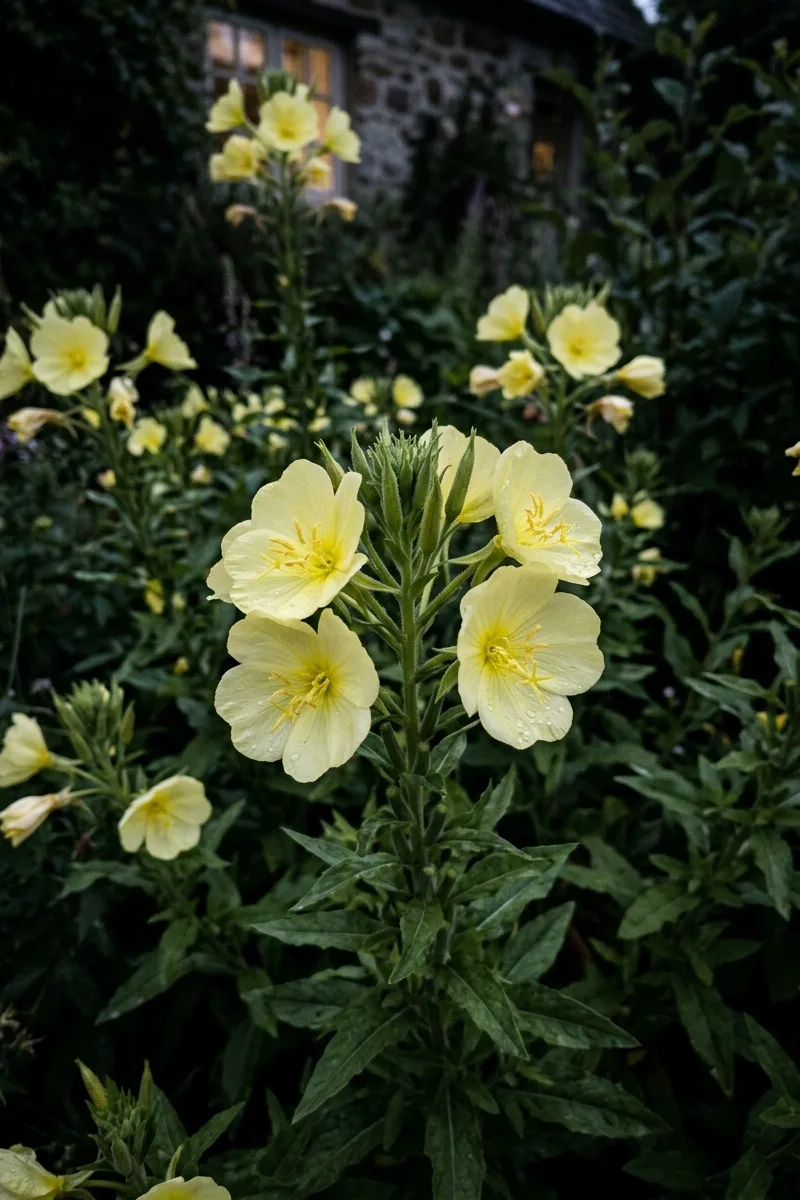
Because visual input is drastically reduced in a dark garden you must design heavily for the other senses. Integrating plants that release their heavy fragrance exclusively at night transforms the sensory experience of the space completely. Planting night-blooming jasmine or evening primrose near your patio seating fills the dark air with intoxicating heavy perfumes. This invisible aromatic layer guides you through the yard and creates a deeply immersive luxurious atmosphere. It is an essential design element that makes the darkness feel welcoming and romantic rather than frightening.
Use Reflective Hardscaping
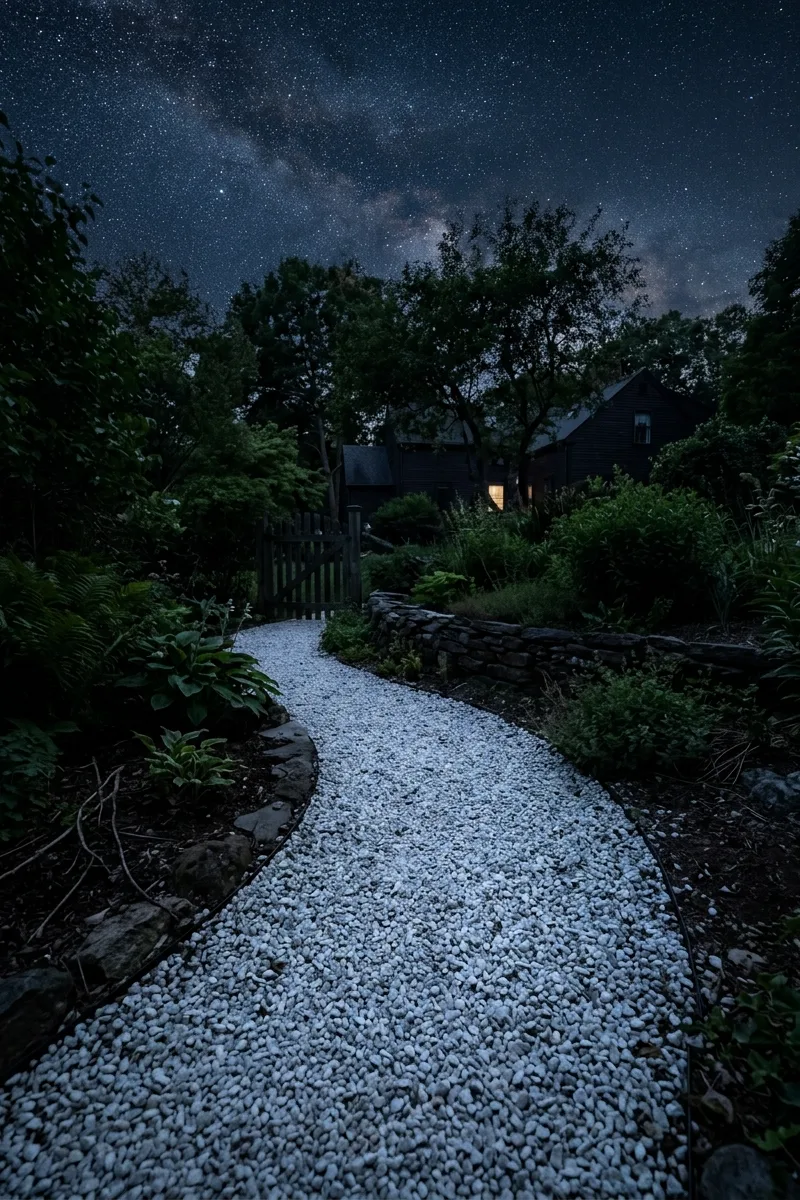
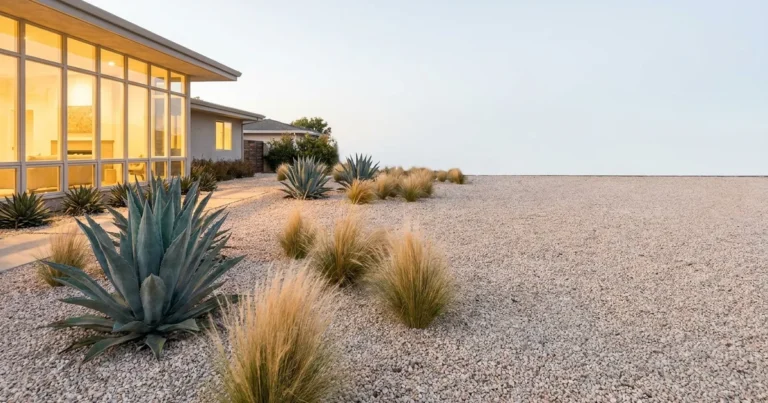
If you keep the lighting extremely low you must rely on your hardscaping materials to help guide footsteps safely. Choosing very pale or white crushed gravel for pathways utilizes natural reflection brilliantly. The light-colored stone catches ambient starlight and the faint glow from the house clearly illuminating the path without a single electrical bulb. This passive lighting technique is completely free zero-maintenance and highly ecologically responsible. It creates a beautiful glowing ribbon that weaves softly through the deep shadows of the overgrown garden borders effortlessly.
Step Lighting Integration
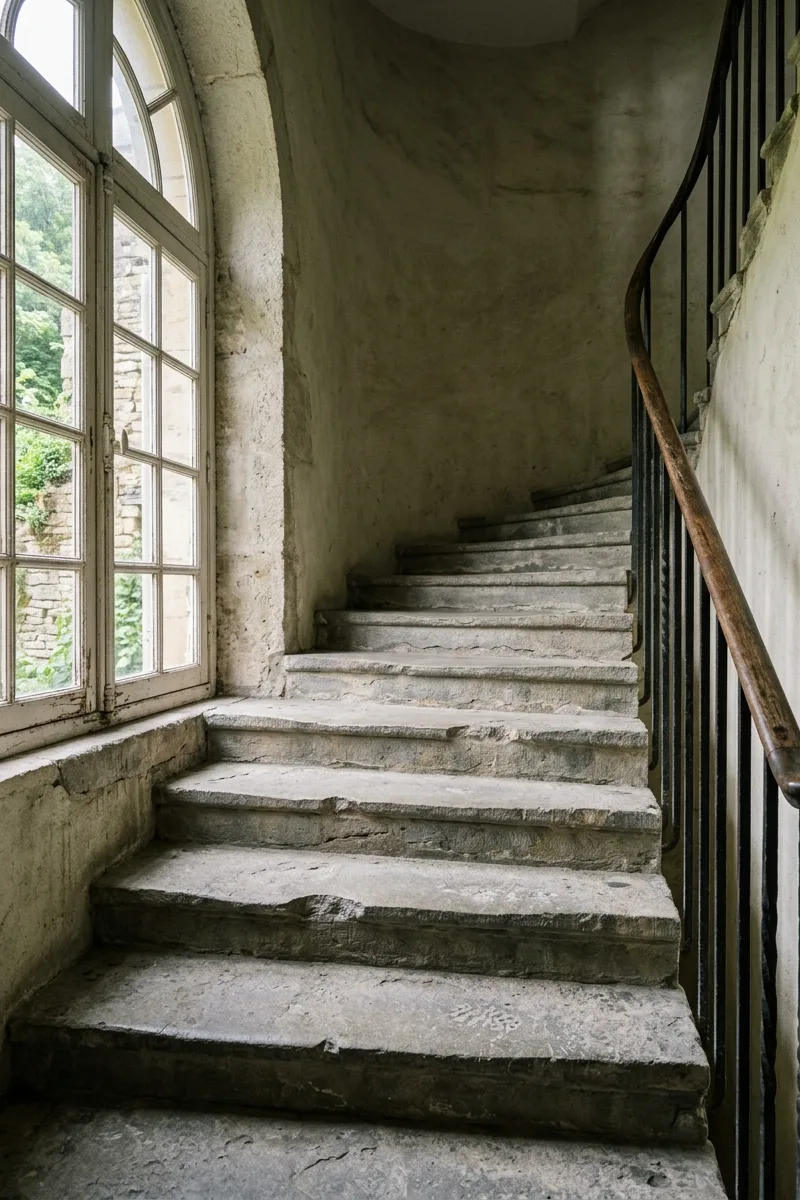
Navigating stairs in the dark is dangerous but lighting them poorly creates blinding glare that ruins night vision instantly. The correct approach is integrating tiny shielded lights directly into the vertical risers or tucked under the lip of the treads. This hidden placement washes the flat step surface with a highly controlled pool of soft light without ever hitting the eye directly. It provides absolute necessary safety while maintaining the strict low-light aesthetic of the surrounding yard perfectly. This is a critical high-end architectural detail for dark skies.
Zone Lighting Controls

You rarely need the entire garden illuminated all at once for a simple evening on the patio. Wiring your outdoor lighting into distinct isolated zones gives you absolute control over the light pollution you generate. You can light just the dining area while leaving the deep garden paths completely dark for wildlife. This smart technological integration ensures you only consume energy and emit light exactly where human activity is actively occurring. It is a highly practical responsible way to manage a large complicated landscape design effectively.
Dark Painted Fencing
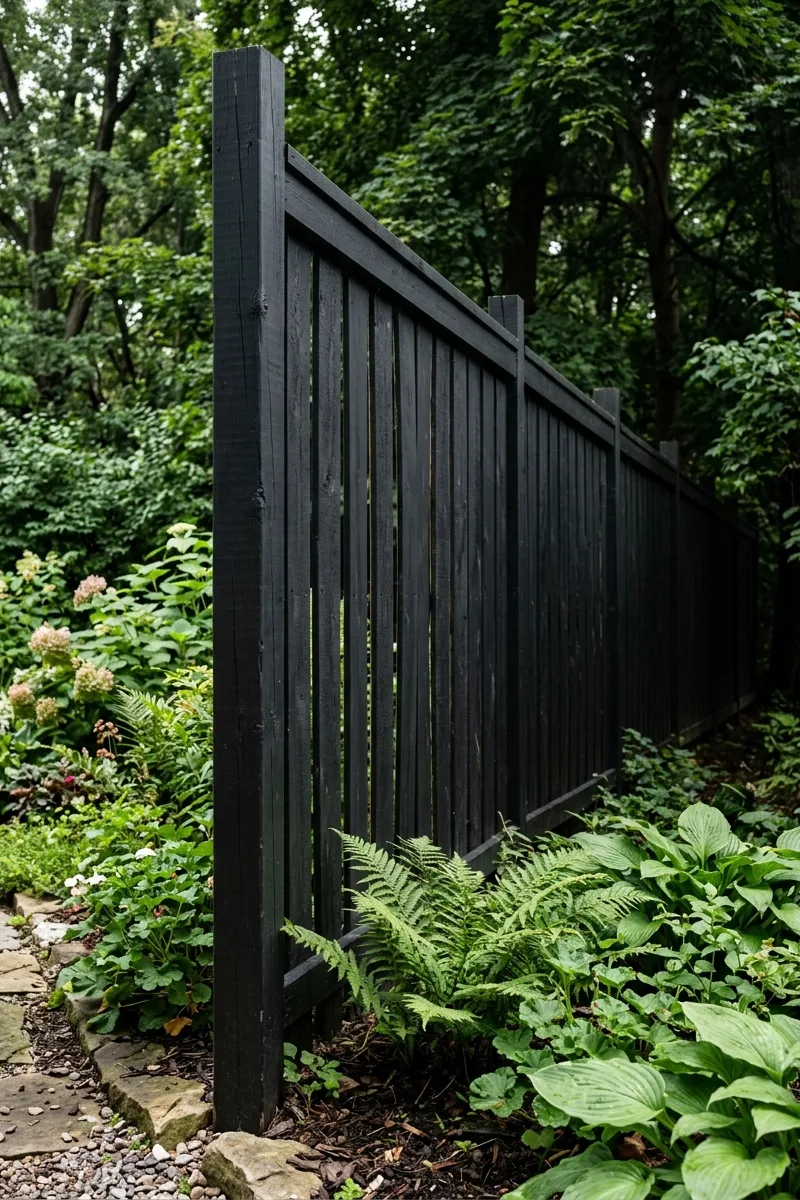
Bright white vinyl fences reflect stray light aggressively bouncing neighbor’s security lights back into your carefully darkened sanctuary. Painting your perimeter fencing a flat matte black or deep charcoal gray solves this problem instantly. The dark surface absorbs ambient light acting like a black hole that visually deletes the boundary of the yard at night. This technique makes the garden feel infinitely larger and significantly more isolated from the surrounding noisy neighborhood. It is the ultimate backdrop for making your glowing white night flowers pop brilliantly.
Water Feature Reflection
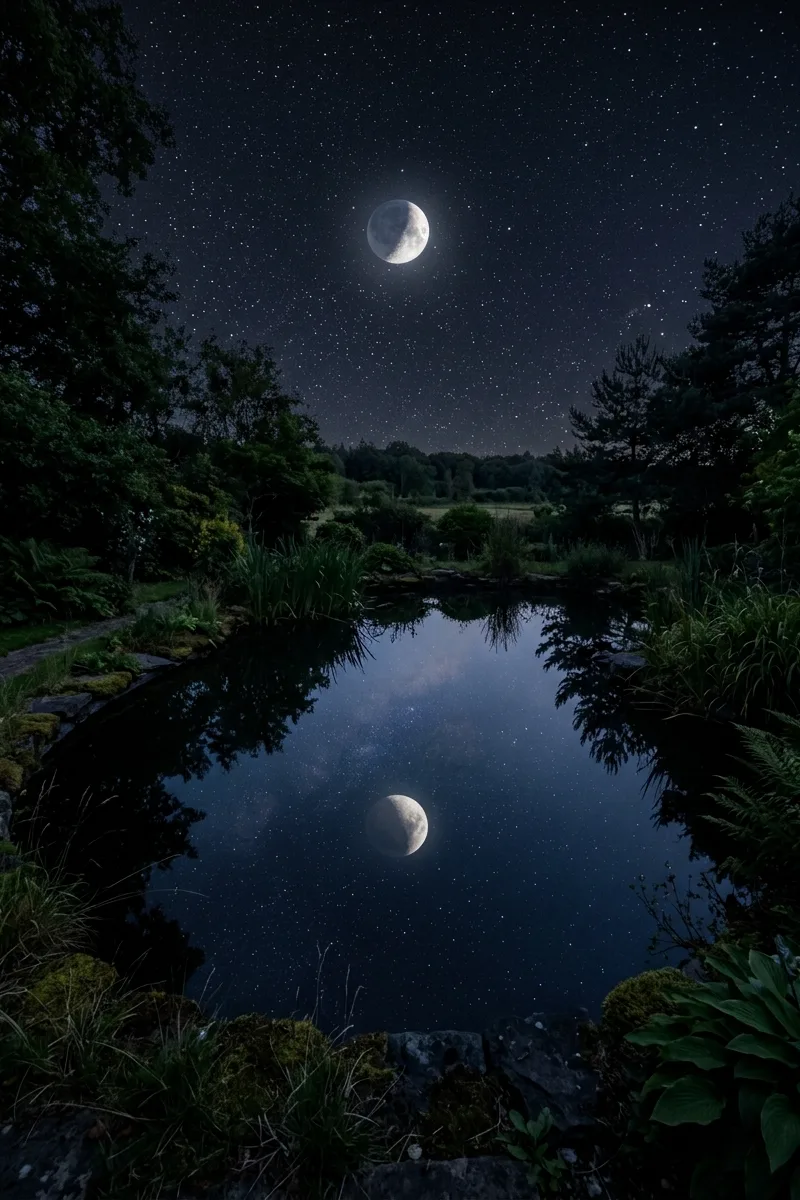
Placing glowing underwater lights inside a pond destroys the natural beauty of the water and disorients aquatic life completely. Instead you should leave the water feature completely dark and allow it to act as a massive natural mirror. A still dark pond reflects the stars the moon and the silhouette of the trees beautifully adding incredible optical depth to the yard. The gentle sound of the moving water provides a crucial sensory anchor in the dark environment. This passive natural approach is infinitely more sophisticated than tacky artificial glowing fountains.
Embrace Deep Shadows
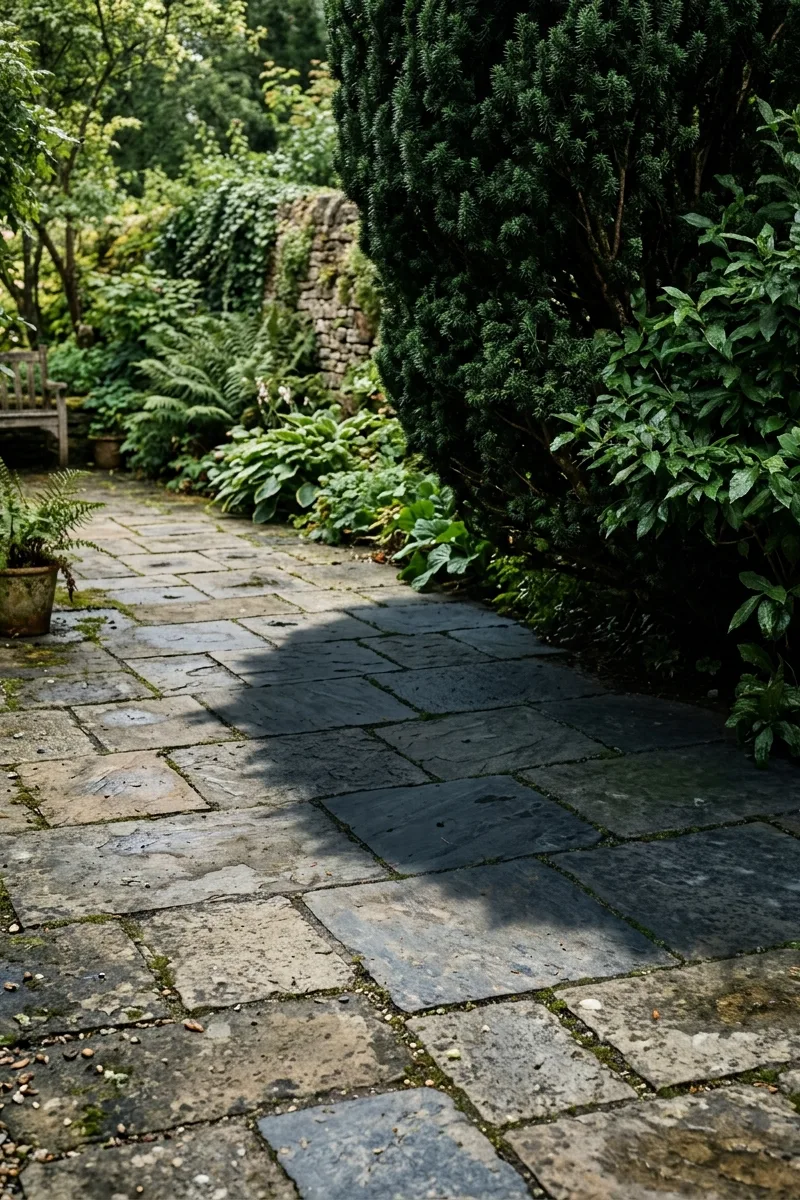
The most important element in dark sky design is not the light but the intentional lack of it. You must learn to embrace massive deep shadows as crucial architectural features within the layout. Leaving large sections of the borders completely pitch black provides safe undisturbed resting areas for wildlife. These heavy voids create intense visual contrast making the small pools of amber light look incredibly warm and inviting. Accepting darkness as a positive design choice is the psychological shift required to master this ecological aesthetic entirely.
Shielded Wall Sconces
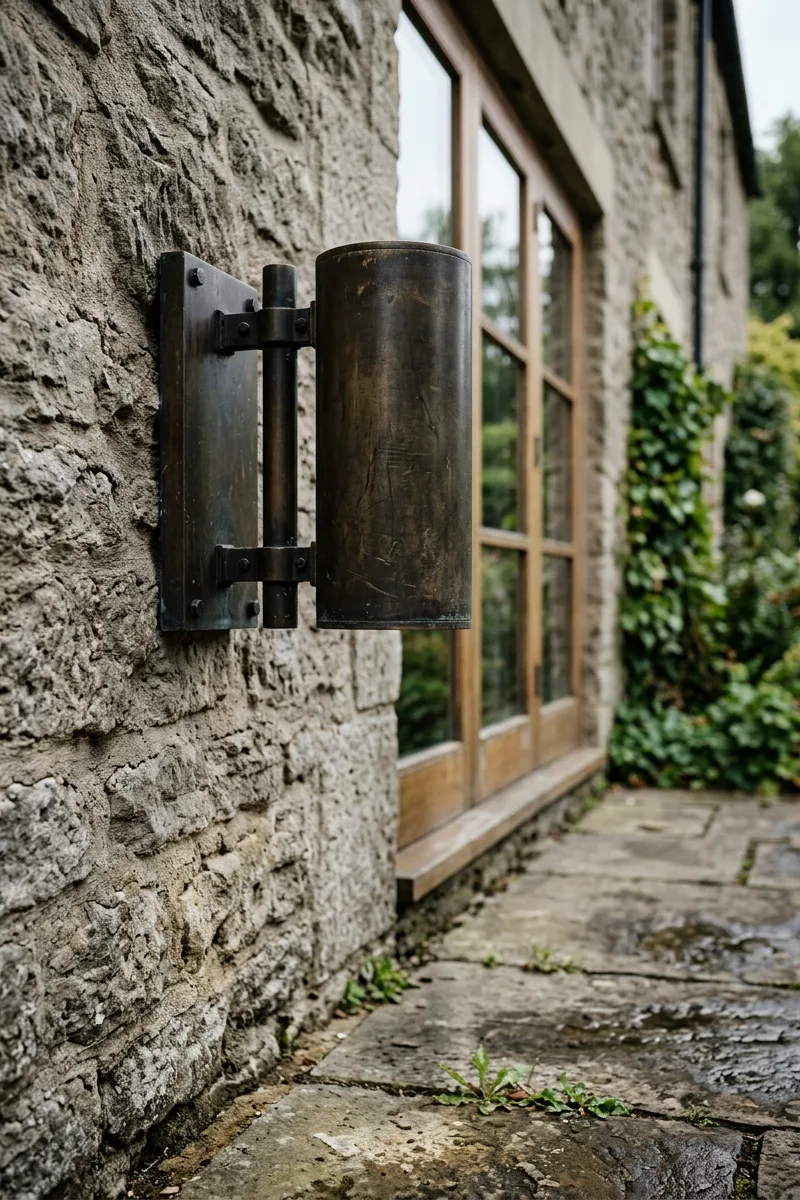
The lighting attached directly to the house is often the worst offender for light pollution in any neighborhood. Upgrading standard glass carriage lights to fully shielded dark sky compliant cylinder sconces makes a massive difference immediately. These sleek modern fixtures house the bulb deeply inside a metal tube firing a highly targeted cone of light straight down the wall. This provides necessary ambient glow for the patio without throwing any lateral glare into the yard or the sky. It is a sleek architectural upgrade that signals your ecological commitment.
Low Profile Path Lights

Tall pathway lights spread illumination too widely and look like an ugly runway cutting through the landscaping. Choosing extremely low-profile fixtures that sit mere inches above the dirt keeps the light exactly where it belongs. Hiding these tiny fixtures partially within the foliage ensures you only see the beautiful glowing effect rather than the metal hardware itself. This restrained installation technique creates a magical subtle glow that guides you safely while maintaining the deep mysterious atmosphere of the surrounding garden borders flawlessly.
Inspiration gallery recap
Tap any image to open the slideshow — use arrows or swipe to browse.