19 Rewilding Secrets Using Keystone Plants
Rewilding your garden is about surrendering strict control and allowing native ecology to re-establish itself right outside your door. The absolute fastest way to achieve a thriving wildlife habitat is by utilizing keystone plants. These specific native powerhouses support hundreds of times more life than imported ornamental species.By planting these ecological anchors you create a foundational food web that brings massive kinetic energy to your yard. The design shifts from manicured static green lawns to a chaotic beautiful moving landscape. It is a powerful deeply rewarding approach to modern landscaping.
What’s inside this article
- Plant Native Oaks
- Embrace Goldenrod
- Layer Native Asters
- Leave the Leaves
- Incorporate Native Willows
- Plant Wild Sunflowers
- Shrink the Lawn
- Add Native Plums
- Tolerate Plant Damage
- Build Brush Piles
- Plant Joe-Pye Weed
- Avoid Cultivars
- Group in Drifts
- Include Native Grasses
- Provide Bare Soil
- Allow Natural Seeding
- Install Deadwood
- Delay Spring Cleanup
- Plant Native Vines
Plant Native Oaks
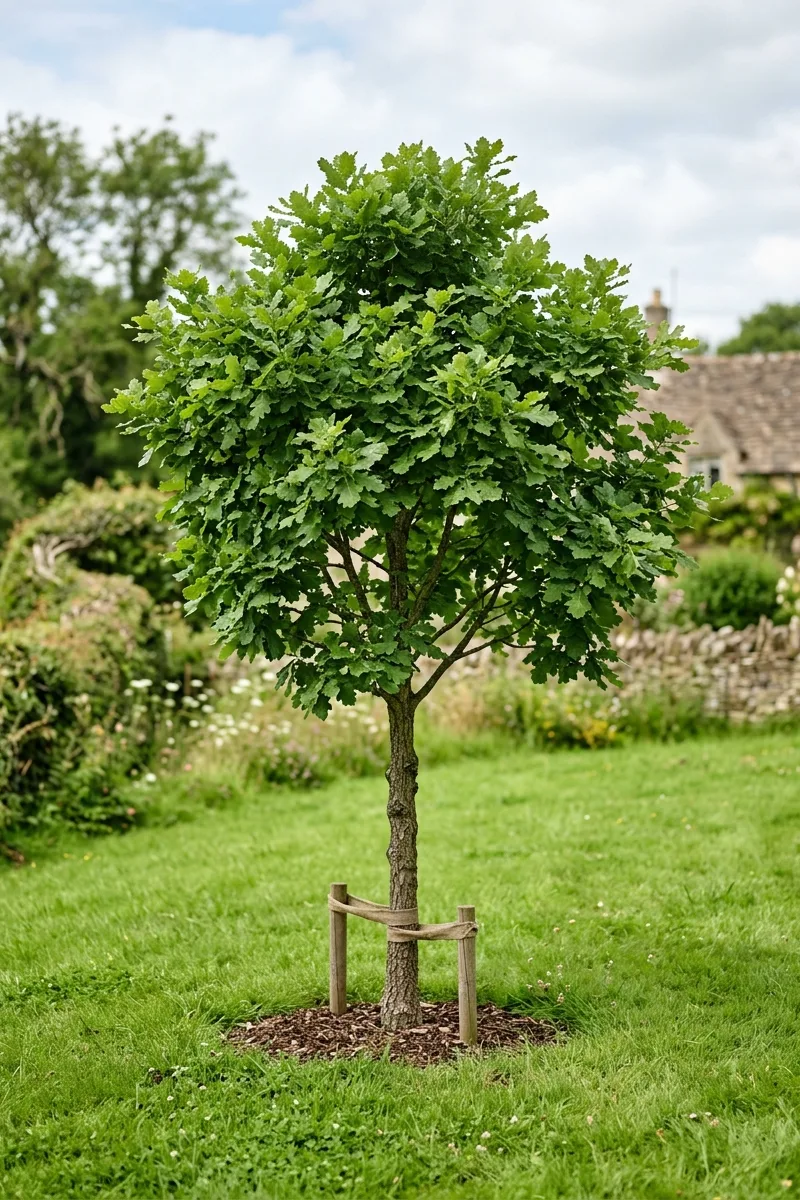
If you only have space to add one single tree to your property you must plant a native oak. Oaks are the undisputed kings of the keystone plant world supporting hundreds of different caterpillar species locally. This massive insect population forms the absolute base of the food web feeding thousands of passing and nesting birds. The deep shade and heavy leaf litter they eventually provide create entirely new micro-climates below them. Planting an oak is the single most powerful ecological intervention you can make in any residential yard instantly.
Embrace Goldenrod
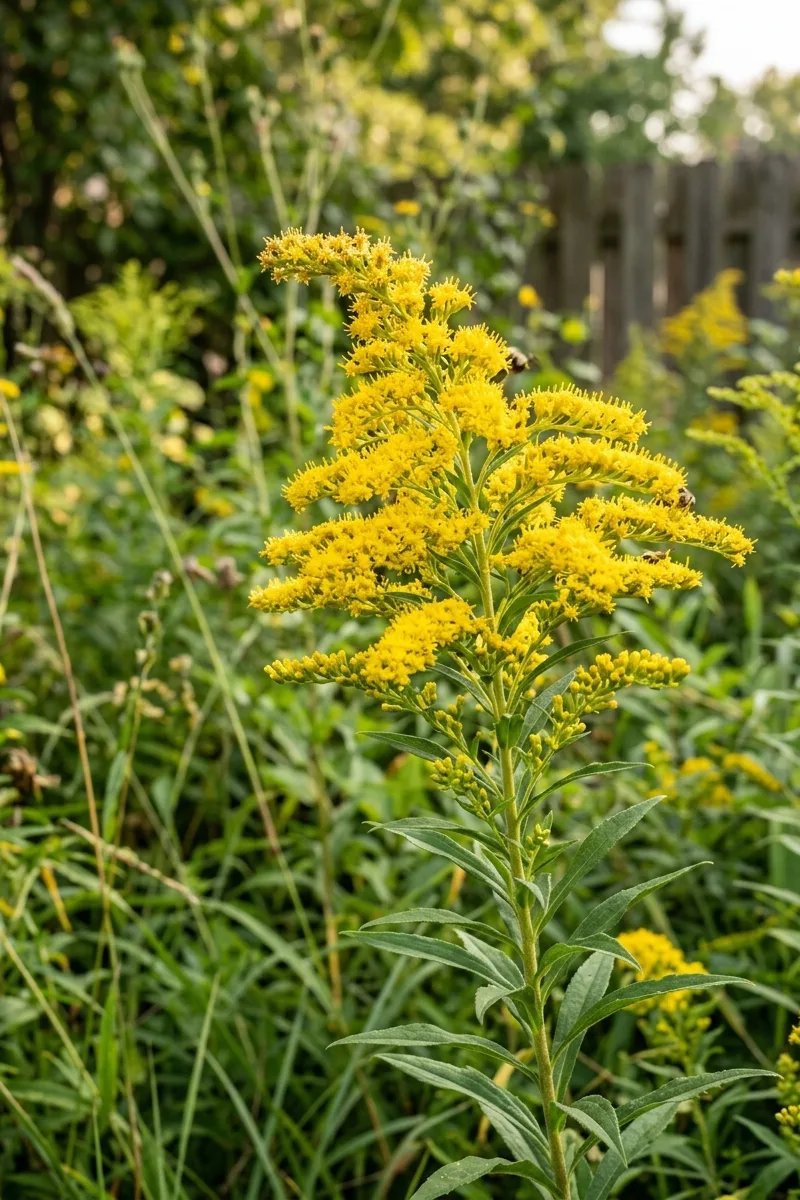
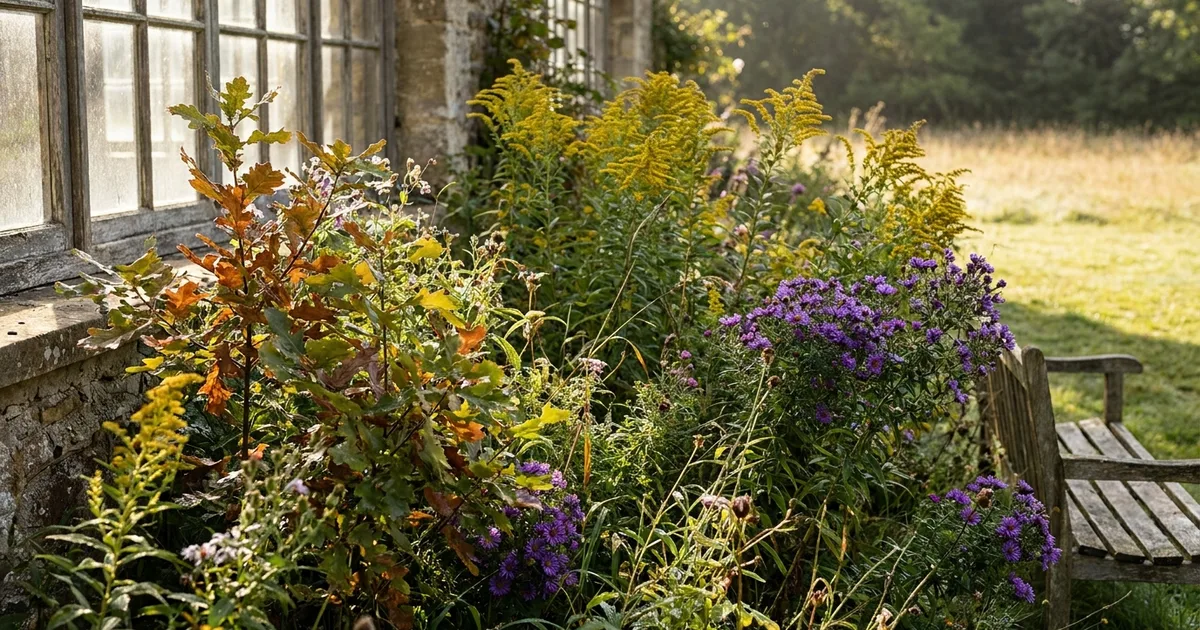
Goldenrod is often unfairly blamed for allergies but it is actually an incredibly vital late-season food source for pollinators. This tough native perennial produces massive spikes of bright yellow flowers when most other plants have died back entirely. It provides critical nectar and pollen for migrating insects preparing for long winter journeys. Planting thick patches of goldenrod brings explosive color and literal buzzing life to the autumn garden. It is a rugged aggressive grower that outcompetes weeds naturally reducing your required maintenance significantly.
Layer Native Asters
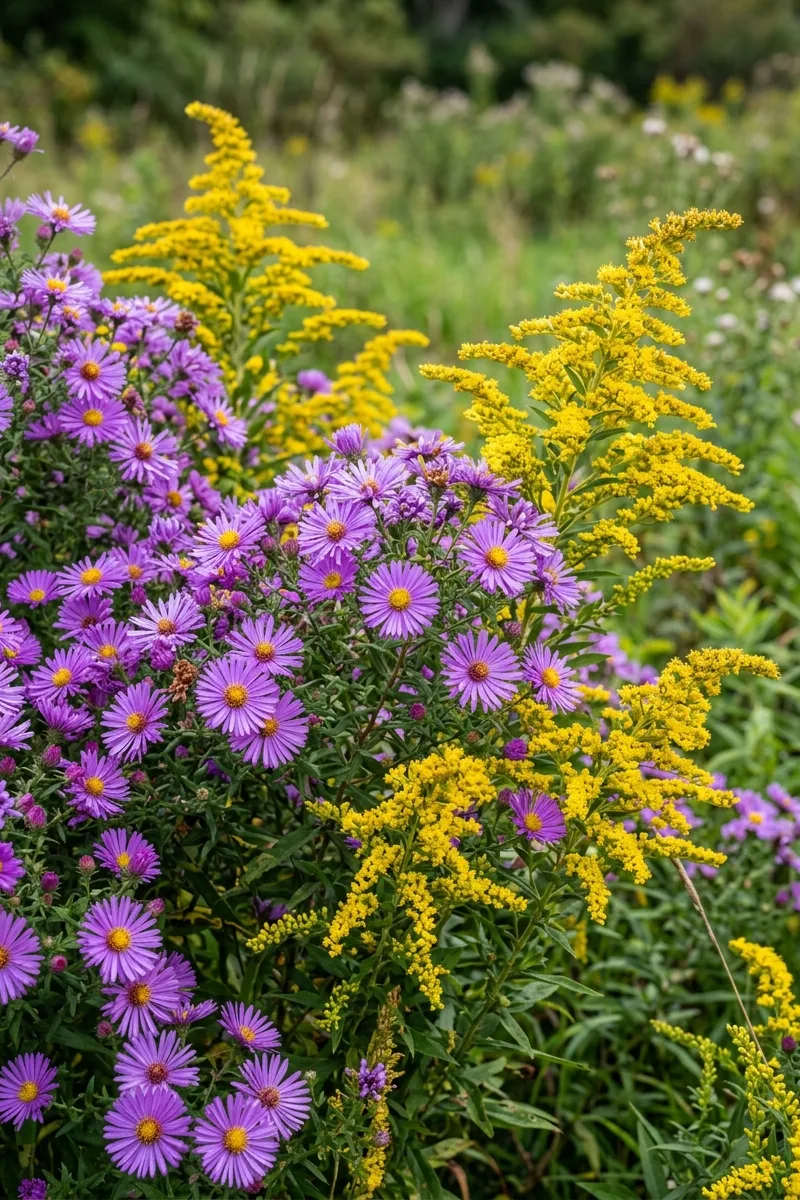
Pairing asters with goldenrod creates a stunning visual contrast while providing a massive ecological buffet. Native asters bloom in cool shades of purple and blue offering a crucial late-season food source alongside the yellow flowers. These bushy perennials form dense mounds of color that look incredible in a wild unmanicured border design. They are notoriously tough requiring almost no supplemental watering once established in the soil. Layering these specific plants together guarantees your garden remains a vibrant active sanctuary well into the cold autumn months.
Leave the Leaves
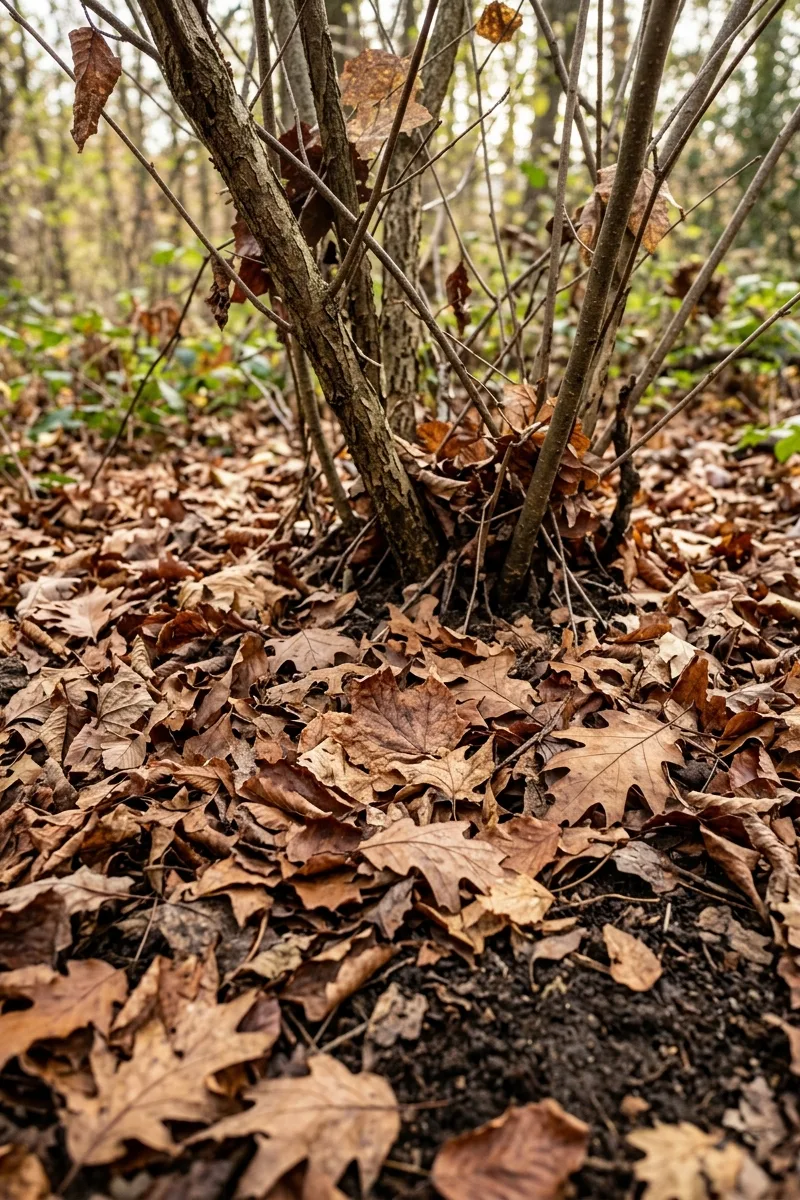
Rewilding requires a complete shift in how you view autumn garden maintenance and cleanliness. Raking up and throwing away fallen leaves destroys the winter habitat for countless beneficial insects and moths. Leaving a thick layer of natural leaf litter on your garden beds provides crucial insulation and shelter during freezing temperatures. This decaying organic matter also acts as a free natural fertilizer improving soil structure massively as it breaks down. Embracing this slightly messy aesthetic is absolutely essential for supporting the life your keystone plants attract.
Incorporate Native Willows
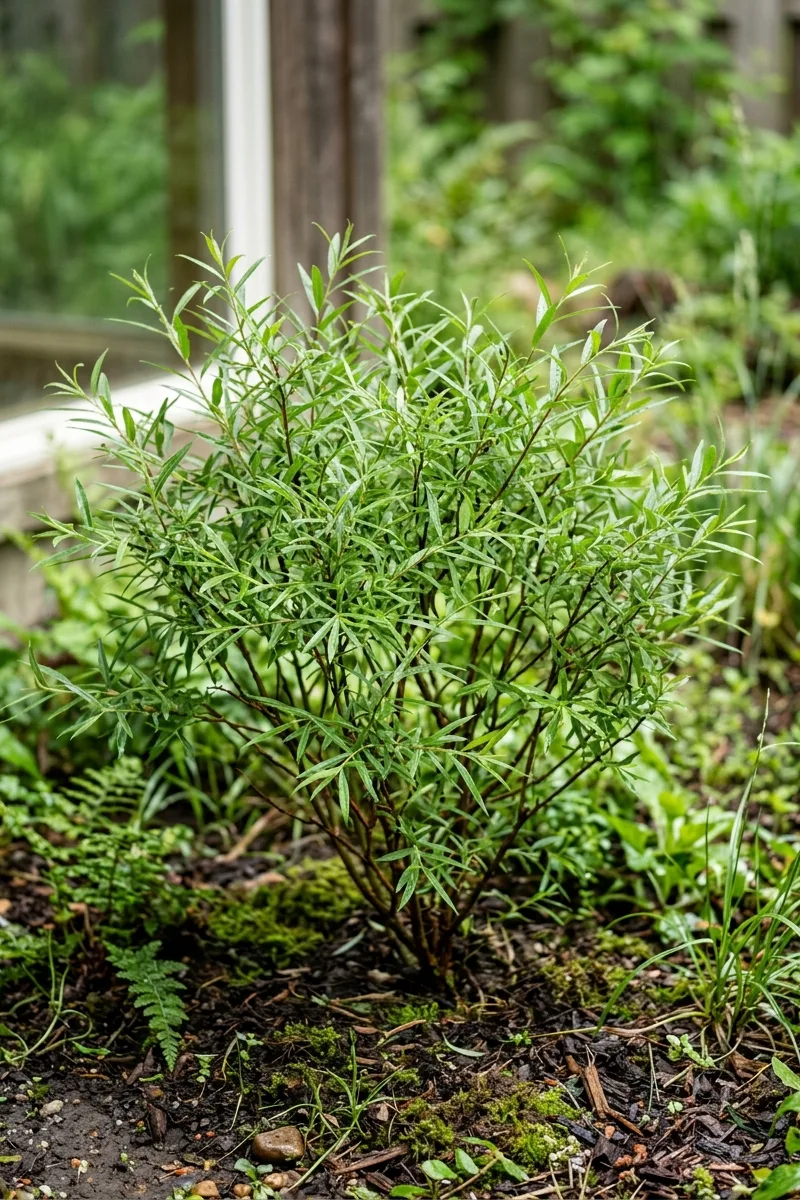
For areas of the yard that stay frustratingly wet native willows offer an incredibly powerful ecological solution. Willows are massive keystone plants that thrive in damp difficult soil where other plants rot and die. They are among the very first plants to bloom in early spring providing critical early pollen for waking insects. Their fast aggressive growth rate makes them excellent for creating quick natural privacy screens or stabilizing muddy slopes. Utilizing them turns a problematic wet zone into a highly productive thriving ecological hotspot brilliantly.
Plant Wild Sunflowers
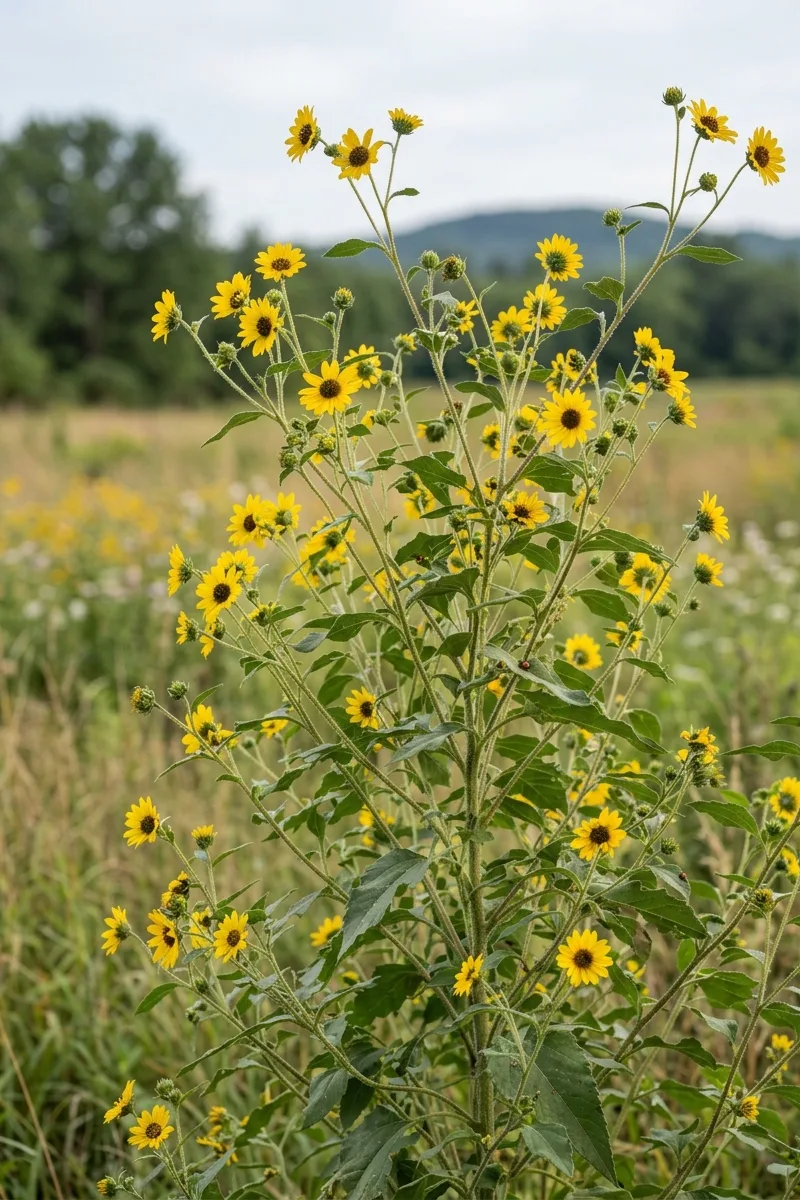
Skip the giant single-stem hybrid sunflowers and plant the multi-branching wild native varieties instead. Native sunflowers produce dozens of smaller blooms over a much longer period providing a sustained food source. They are absolute magnets for specialized native bees that rely entirely on their specific pollen to survive. In the fall the heavy seed heads provide crucial high-fat food for wintering birds directly from the stalk. These tall chaotic plants add massive vertical structure and a beautiful untamed aesthetic to the back of your garden borders.
Shrink the Lawn
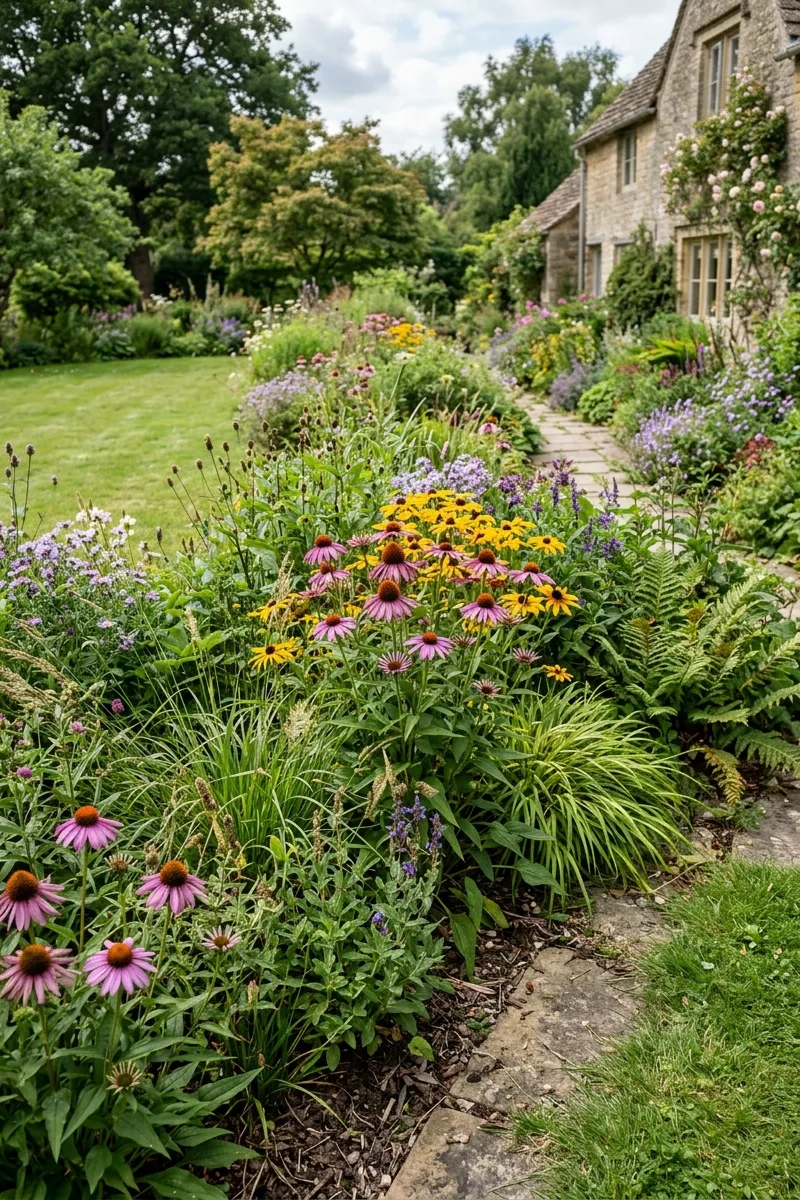
Traditional manicured turf grass is an ecological dead zone offering zero food or shelter for native wildlife. The first physical step in rewilding is actively expanding your garden borders and shrinking the sterile lawn footprint. Replacing just a few square feet of grass with dense keystone shrubs increases the biodiversity of the yard exponentially. This reduces the time money and water you spend mowing and maintaining a useless green carpet. Converting lawn into wild thickets is the most impactful spatial change you can make instantly.
Add Native Plums
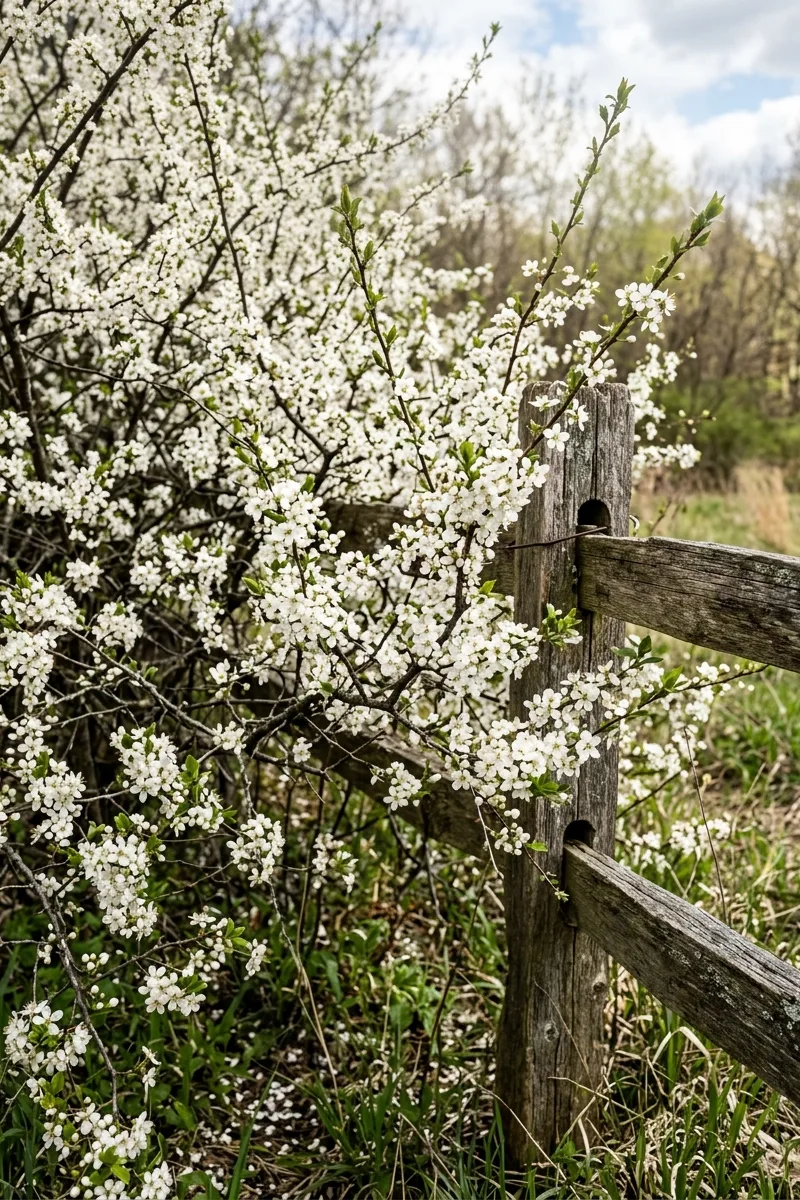
Native fruit trees like wild plums or cherries are absolute ecological powerhouses that look stunning in a residential landscape. These small trees explode with white or pink blossoms in early spring supporting massive populations of emerging pollinators. They naturally form dense thickets that provide excellent protective cover and nesting sites for small birds. The tart fruit they produce in late summer feeds local wildlife reliably before winter sets in. Integrating these small flowering trees adds immense seasonal beauty and crucial structural biology to the yard.
Tolerate Plant Damage
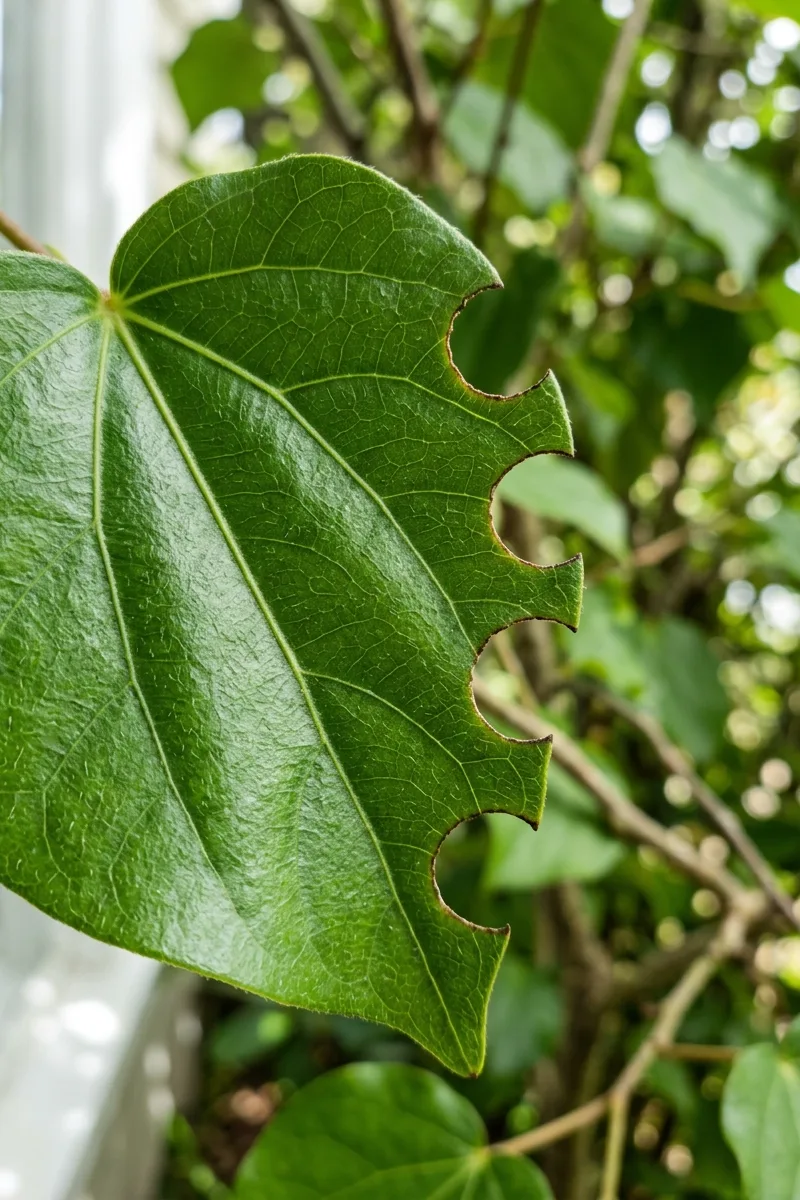
A successful rewilded garden is one where the plants are actively being eaten by native insects daily. You must retrain your eye to view chewed leaves and holes as absolute signs of ecological success rather than failures. Spraying pesticides to keep leaves looking perfectly intact destroys the exact food web you are trying to build. Healthy keystone plants evolved to withstand heavy grazing and will continue to thrive despite the damage. Accepting this imperfect ragged aesthetic is the necessary psychological shift required for true ecological gardening.
Build Brush Piles
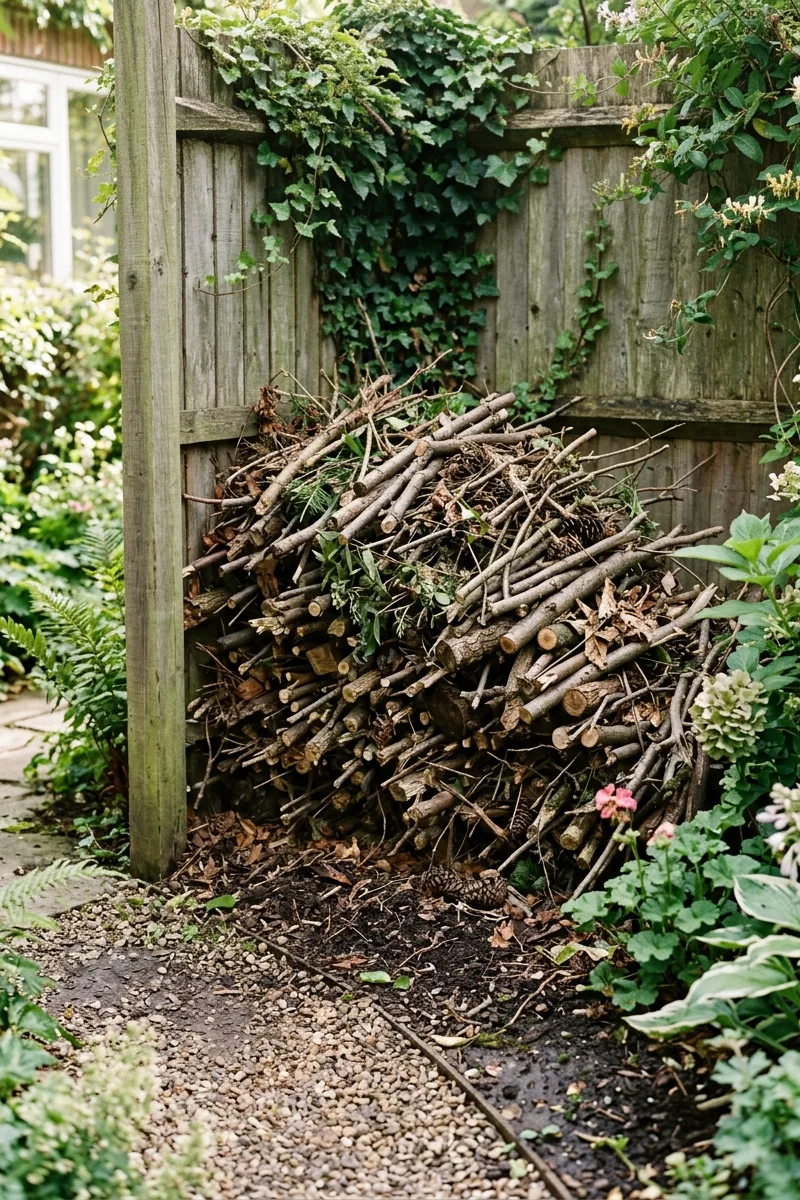
Instead of bagging and removing fallen branches or pruned limbs stack them intentionally in a quiet corner of the yard. A dedicated brush pile is an incredibly valuable piece of architectural habitat for overwintering insects and small mammals. This dense tangle of wood provides immediate protection from severe weather and passing predators. As the wood slowly breaks down it feeds the fungal networks in the soil improving the earth below it. This zero-cost addition brings immediate structural shelter to the ground level of your rewilded landscape.
Plant Joe-Pye Weed
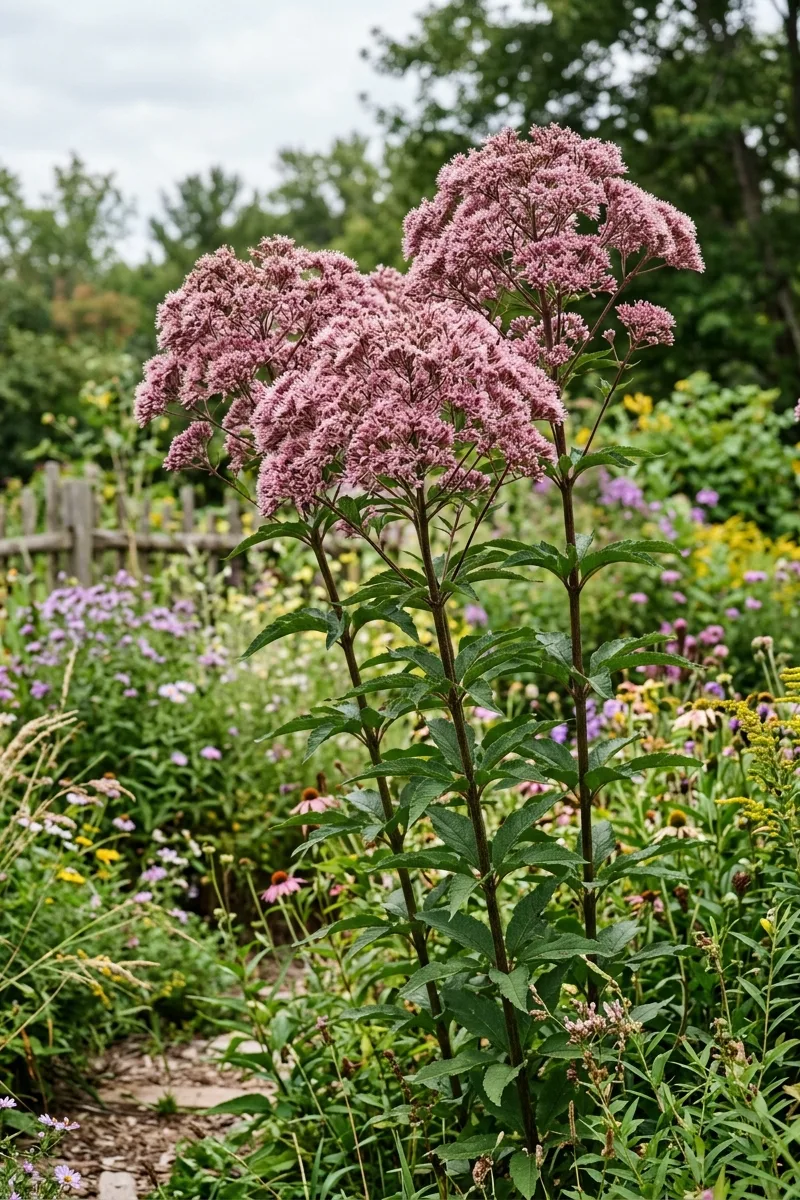
For dramatic architectural height and massive ecological value Joe-Pye weed is an unbeatable native perennial choice. This towering plant can reach seven feet tall producing enormous dusty pink flower heads in late summer. It acts as an absolute beacon for passing butterflies drawing incredible kinetic energy into the garden visually. The thick sturdy stalks add crucial vertical structure that remains standing well into winter providing visual interest through the snow. It is a bold structural plant that anchors a wild garden layout beautifully and effectively.
Avoid Cultivars
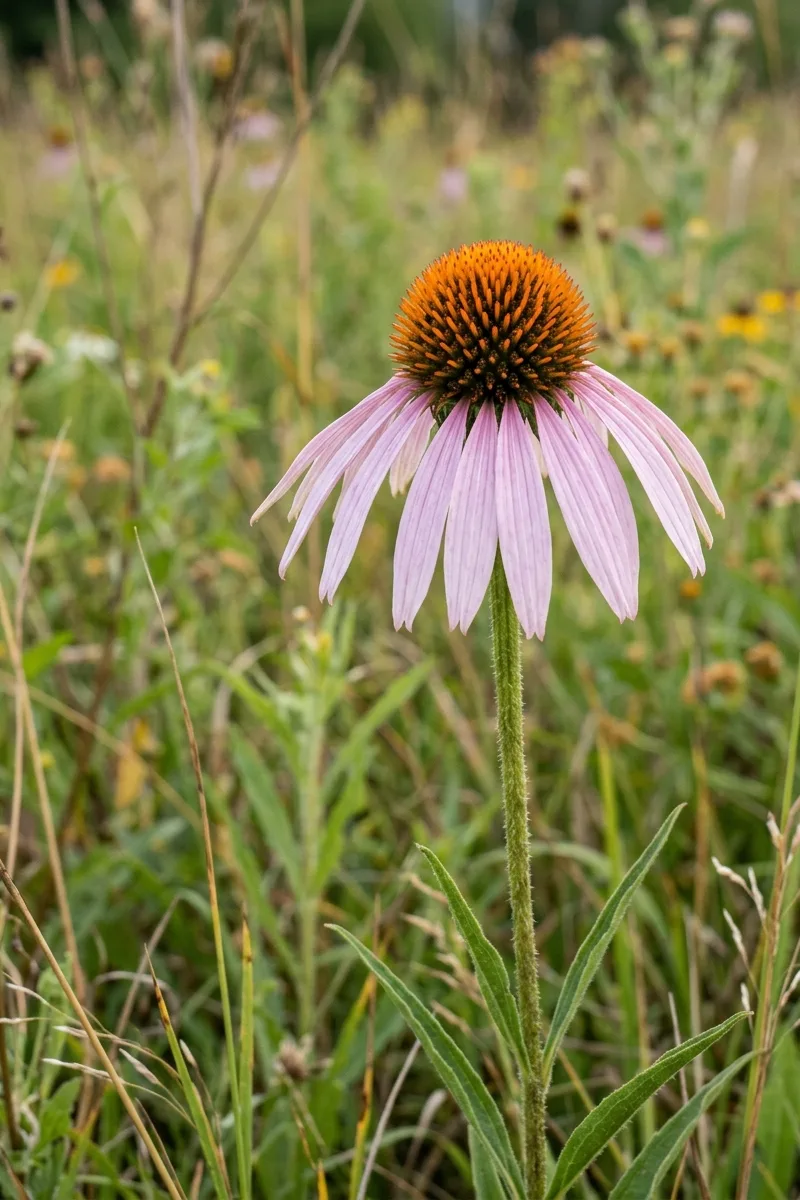
When purchasing native plants you must prioritize the wild straight-species over highly bred nursery cultivars whenever possible. Plants bred for double blooms or strange unnatural leaf colors often lose their ecological value entirely during the breeding process. Insects may not recognize the altered flower shapes or the modified leaves may lack the necessary nutrients they require. Seeking out plain unmodified native plants guarantees you are providing the exact food source local wildlife evolved to eat. This strict purchasing rule ensures your rewilding efforts are actually ecologically functional.
Group in Drifts
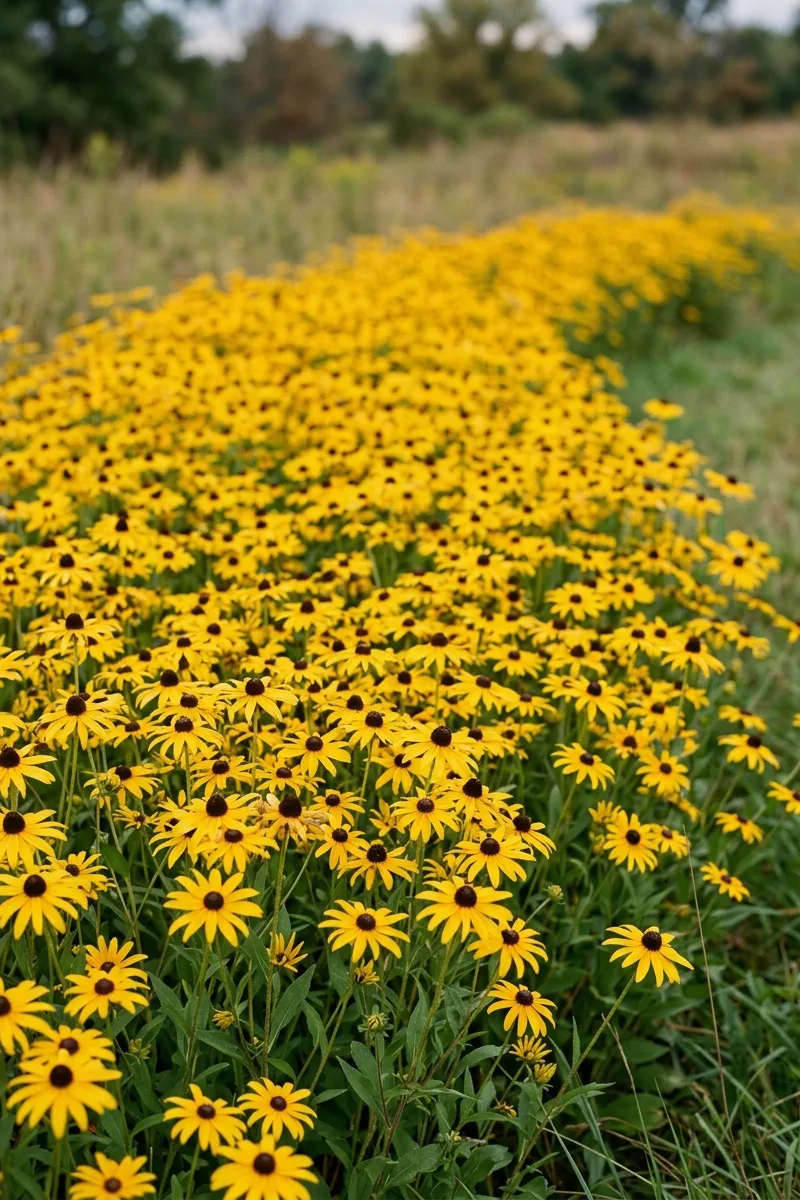
Planting one of everything creates a chaotic visual mess and makes foraging incredibly difficult for passing insects. You must plant your keystone species in large tight drifts of at least five or seven identical plants together. These massive blocks of color act as highly visible landing pads for pollinators flying quickly overhead. This grouping technique also provides the bold structured look necessary to make a wild garden feel intentionally landscaped rather than abandoned. It is the secret to balancing wild ecology with pleasing human aesthetics successfully.
Include Native Grasses
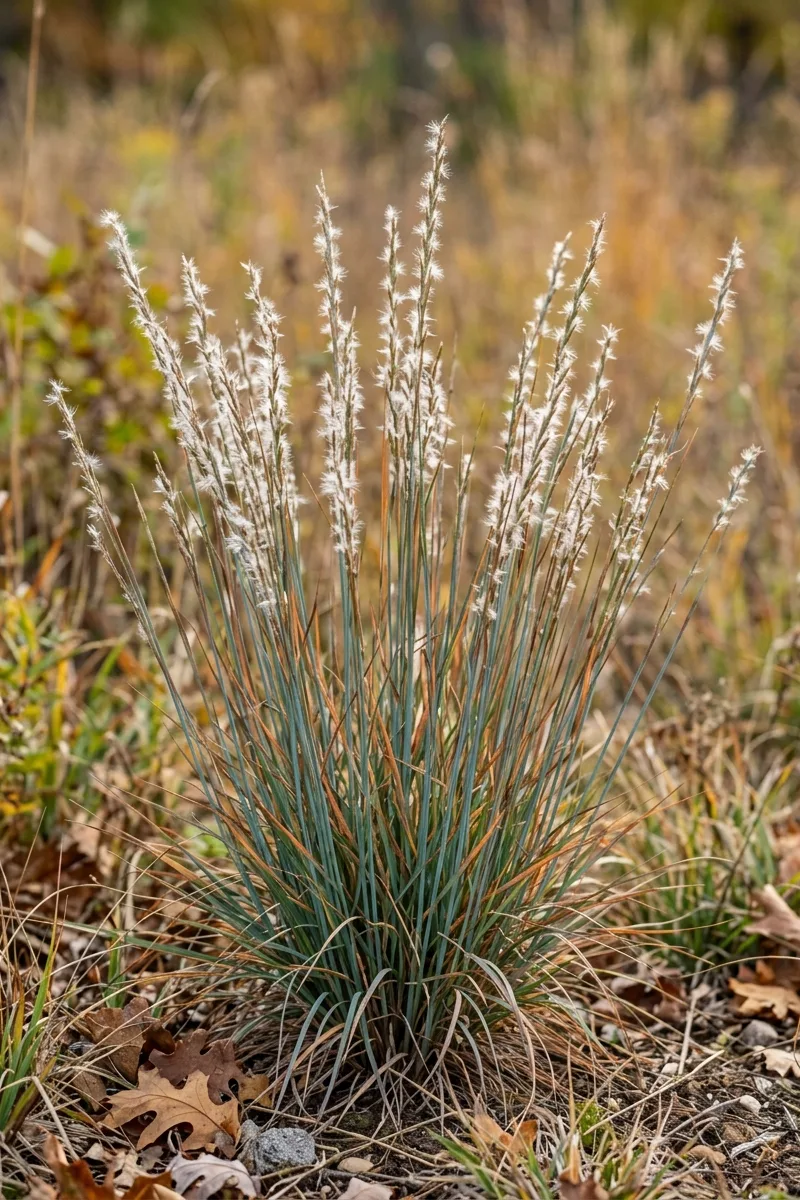
A landscape entirely composed of broadleaf flowers lacks structural integrity and winter visual interest completely. Integrating tough native bunch grasses like little bluestem or switchgrass provides necessary contrasting texture and physical support. These deep-rooted grasses hold the soil together and prop up taller floppy flowers preventing the garden from collapsing after heavy rain. They provide crucial nesting material and overwintering sites deep within their dense crowns. Native grasses act as the essential architectural glue that holds the chaotic rewilded flower beds together physically and visually.
Provide Bare Soil
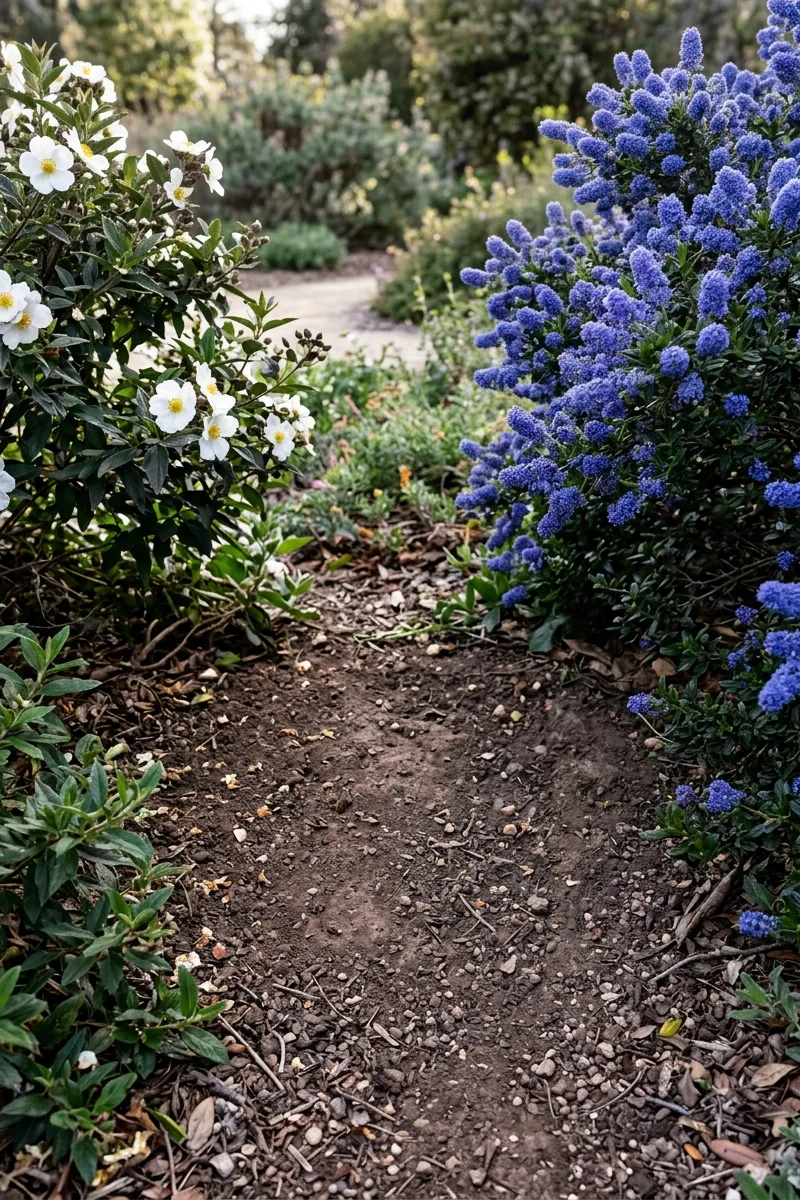
While mulch suppresses weeds it also prevents ground-nesting native bees from accessing the dirt they need to survive. Leaving a few small intentional patches of bare un-mulched soil in sunny dry areas provides critical habitat directly. You do not need massive dirt patches just a few clear inches tucked quietly between large shrubs. This invisible intervention supports an entirely different class of vital pollinators that cannot utilize standard wooden bee hotels. It proves that sometimes the best ecological action is doing absolutely nothing to the ground.
Allow Natural Seeding
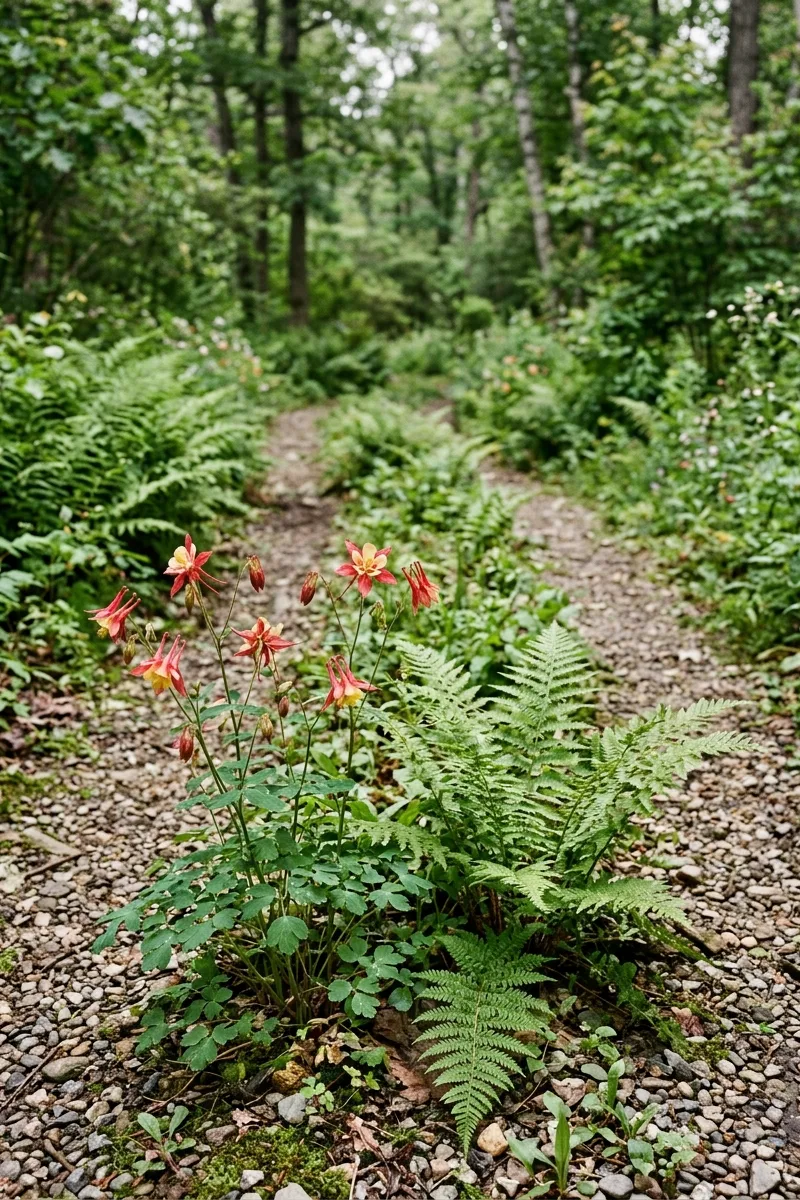
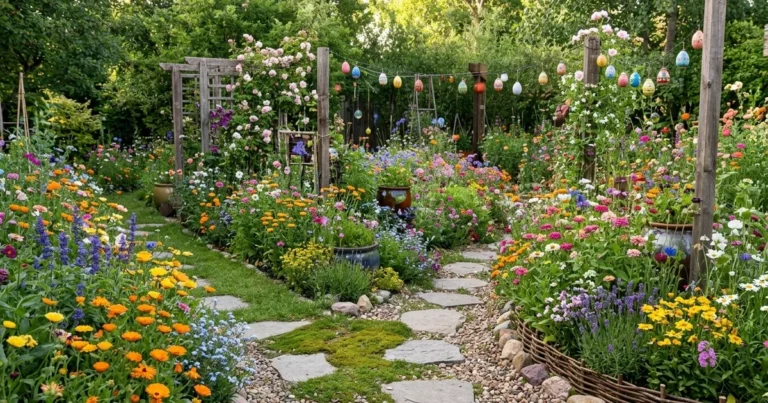
True rewilding requires giving up the strict control of deciding exactly where every single plant must grow. Allowing your native plants to drop seeds and naturalize where they want creates a truly resilient self-sustaining landscape. When a flower seeds itself into a gravel path or a rock wall let it stay there. This spontaneous organic growth softens the hardscaping and makes the garden look genuinely established and integrated with nature. Relinquishing this control is the final deeply rewarding step in creating a truly wild beautiful sanctuary.
Install Deadwood
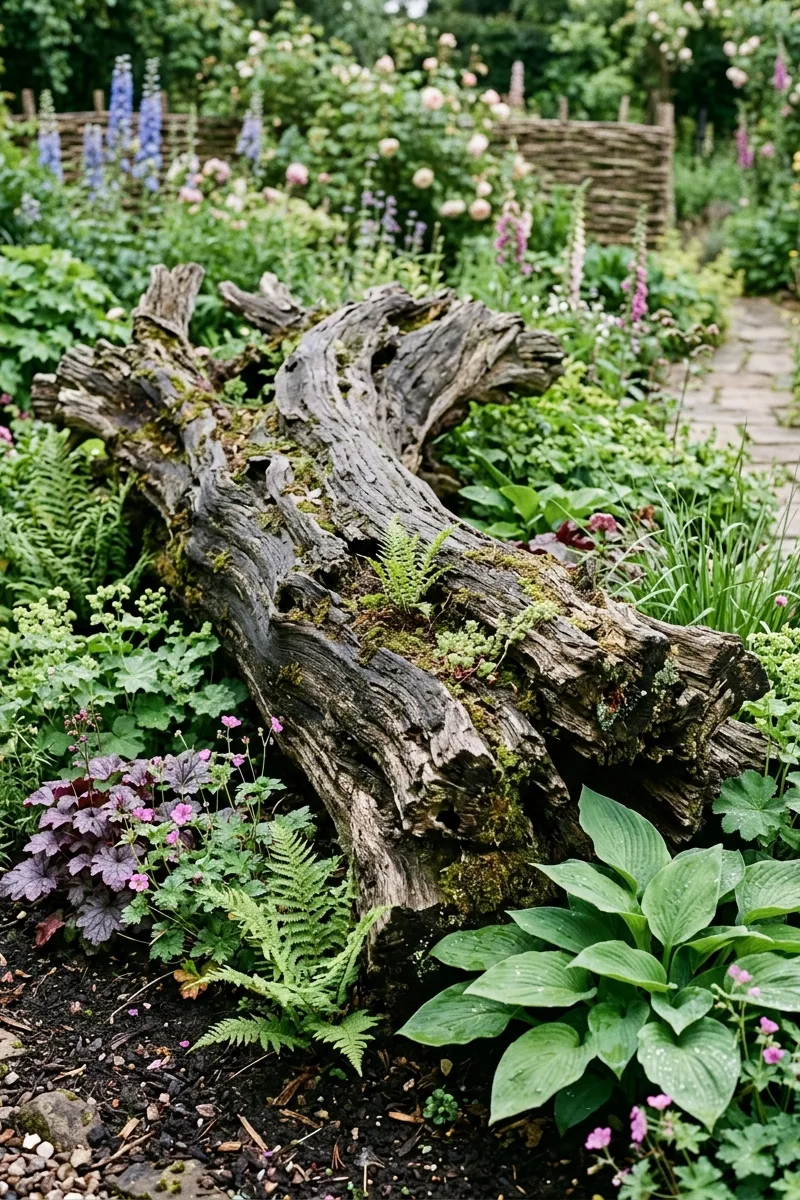
Standing dead trees or large fallen logs are some of the rarest and most valuable habitats in modern residential areas. Integrating a massive piece of beautifully weathered deadwood into your borders acts as a stunning sculptural focal point. This decaying wood acts as a slow-release sponge holding moisture and feeding complex fungal networks crucial for plant health. It provides absolute premium real estate for woodpeckers and cavity-nesting native insects. This rugged architectural addition proves your garden prioritizes deep biological health over sterile perfection completely.
Delay Spring Cleanup
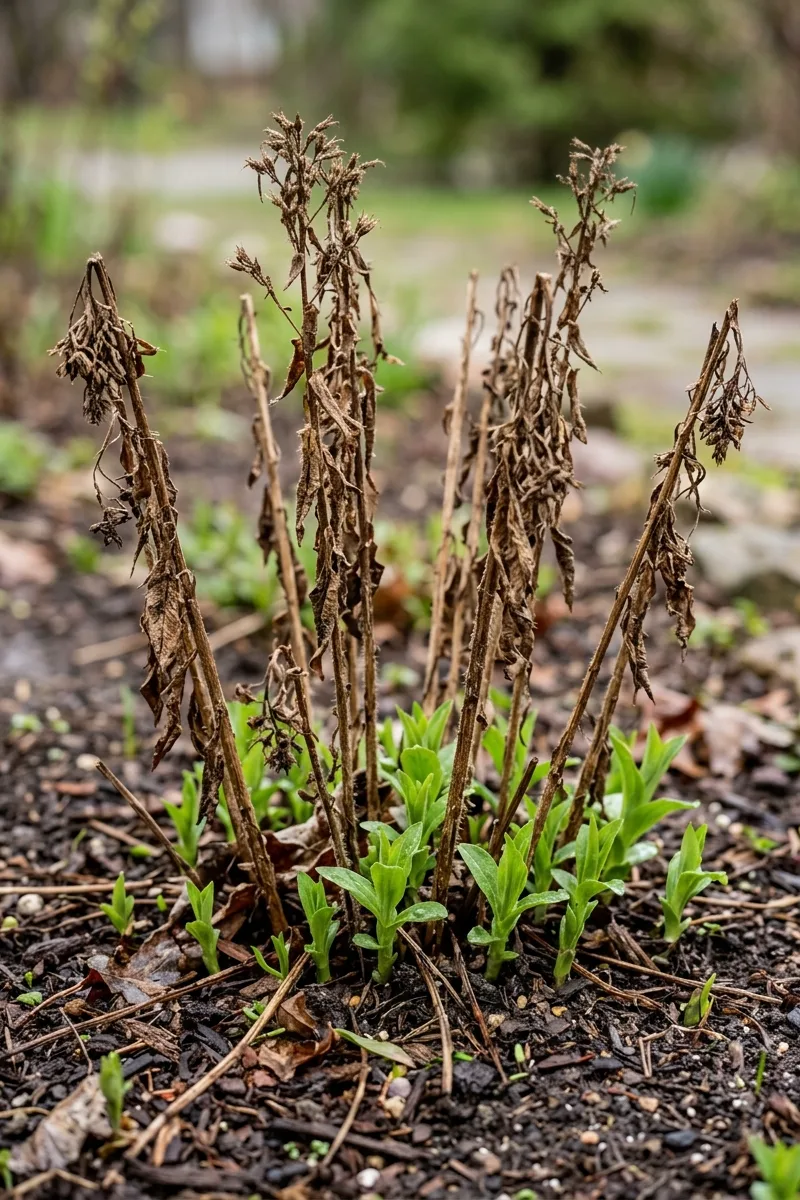
Cutting down all the dead hollow flower stalks on the first warm day of spring destroys hibernating insects entirely. You must delay your garden cleanup until the weather is consistently warm enough for these beneficial bugs to emerge safely. Leave the tall brown stalks standing as long as possible allowing the new green growth to hide them naturally. This requires patience and a tolerance for a slightly messy transitional aesthetic in March and April. This disciplined waiting period ensures the habitat you built survives to reproduce the next season.
Plant Native Vines
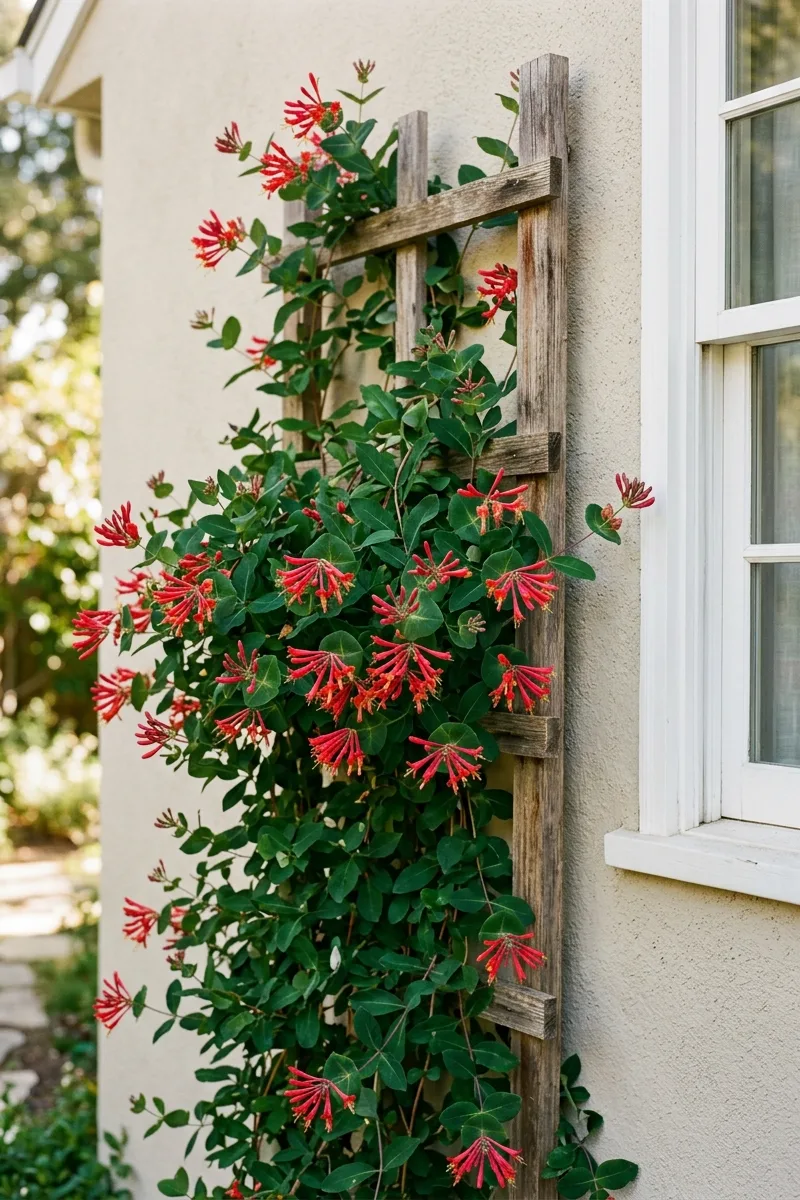
Utilizing vertical space aggressively multiplies the ecological footprint of your small yard significantly. Planting aggressive native vines like trumpet honeysuckle or Virginia creeper covers ugly fences and empty walls with dense productive foliage. These climbing plants offer highly protected nesting sites away from ground predators and massive amounts of nectar for hummingbirds. The vertical wall of green creates a deeply immersive enveloped feeling in the garden. It is a highly efficient way to stack habitat vertically without consuming any precious ground-level square footage.
Inspiration gallery recap
Tap any image to open the slideshow — use arrows or swipe to browse.