15 Raised Garden Bed Designs for a Beautiful Vegetable Garden
Raised garden beds are the backbone of a productive vegetable garden. They improve drainage, extend the growing season, and make planting and harvesting easier on your back. With the right design, they can also be a beautiful feature in your yard.
These 15 raised bed designs range from simple wooden boxes to more elaborate setups with trellises and seating. Whether you’re a first-time gardener or looking to upgrade your existing layout, you’ll find a design that fits your space, budget, and style.
What’s inside this article
- Classic Cedar Planter Box
- Corrugated Metal Beds
- Vertical Tiered Planters
- Keyhole Garden Bed
- Hugelkultur Beds
- Cinder Block Beds
- Arched Trellis Bed
- Herb Spiral Bed
- Redwood Planter with Bench
- Double-Decker Raised Beds
- Live Edge Timber Beds
- Modular Square Foot Beds
- Stone Wall Beds
- Mobile Planter Boxes
- Black Metal Raised Beds
Classic Cedar Planter Box
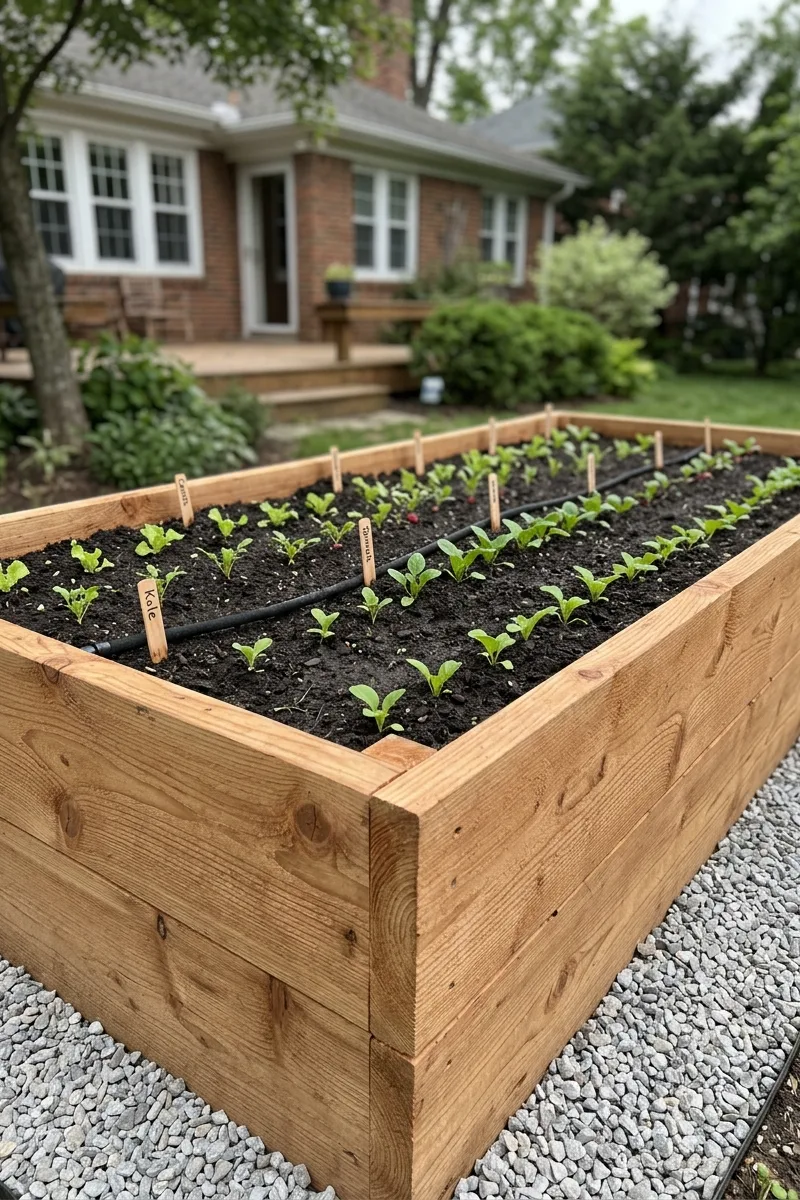
Cedar is the gold standard for raised beds. It’s naturally rot-resistant and insect-repellent. A simple rectangular box, 4 feet wide by 8 feet long and 12 inches deep, is easy to build and gives you plenty of space for vegetables. Use 2-by-6 boards stacked two high to reach the ideal depth. Cedar will weather to a handsome silver-grey, looking even better with age.
Corrugated Metal Beds
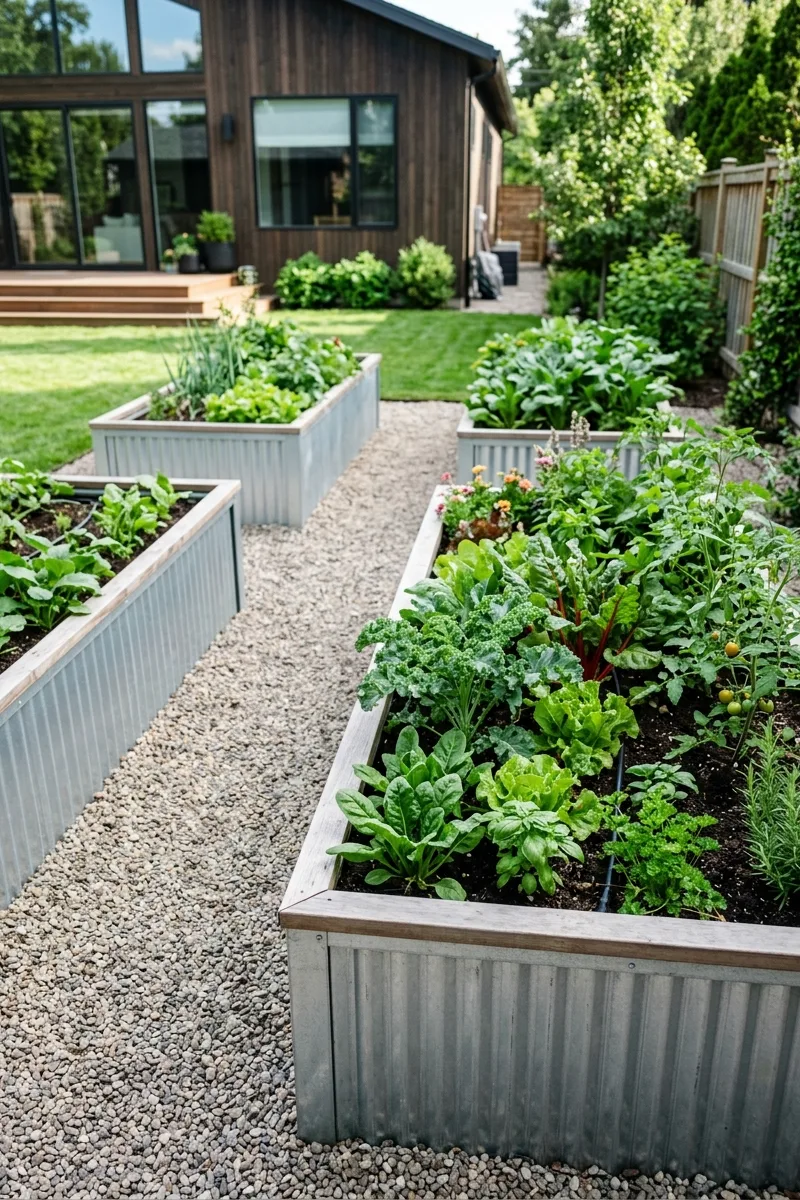
Corrugated metal brings a sleek, contemporary look to vegetable gardening. The galvanized steel panels are durable, resistant to rust, and they heat up faster than wood in spring. Use interlocking panels to create custom shapes with very little construction required. The metallic finish contrasts beautifully with green foliage, making the plants the star of the show.
Vertical Tiered Planters
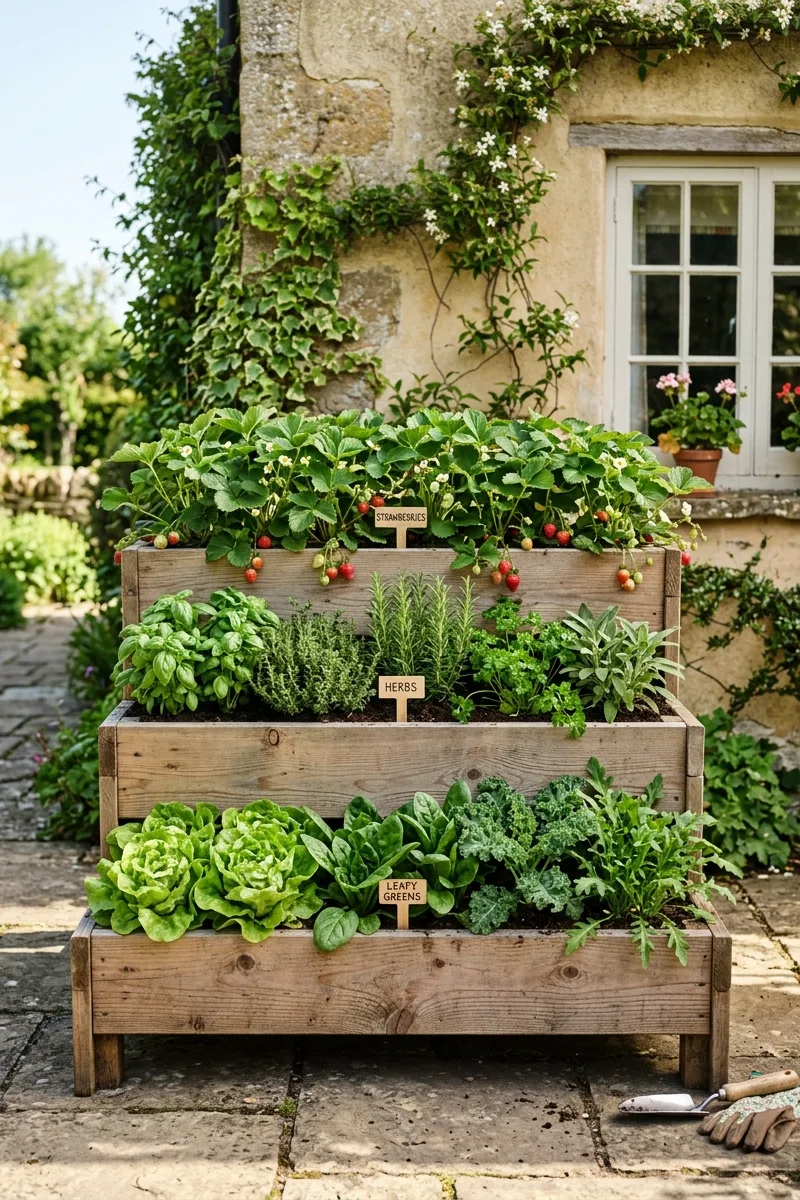
Tiered planters maximize your growing space in a small footprint. Stack three or four rectangular boxes, each slightly smaller than the one below. This creates a stair-step effect that gives every plant access to sunlight. Use the top level for sun-loving crops like strawberries and the lower levels for greens and herbs that appreciate a bit of shade from the higher tiers.
Keyhole Garden Bed
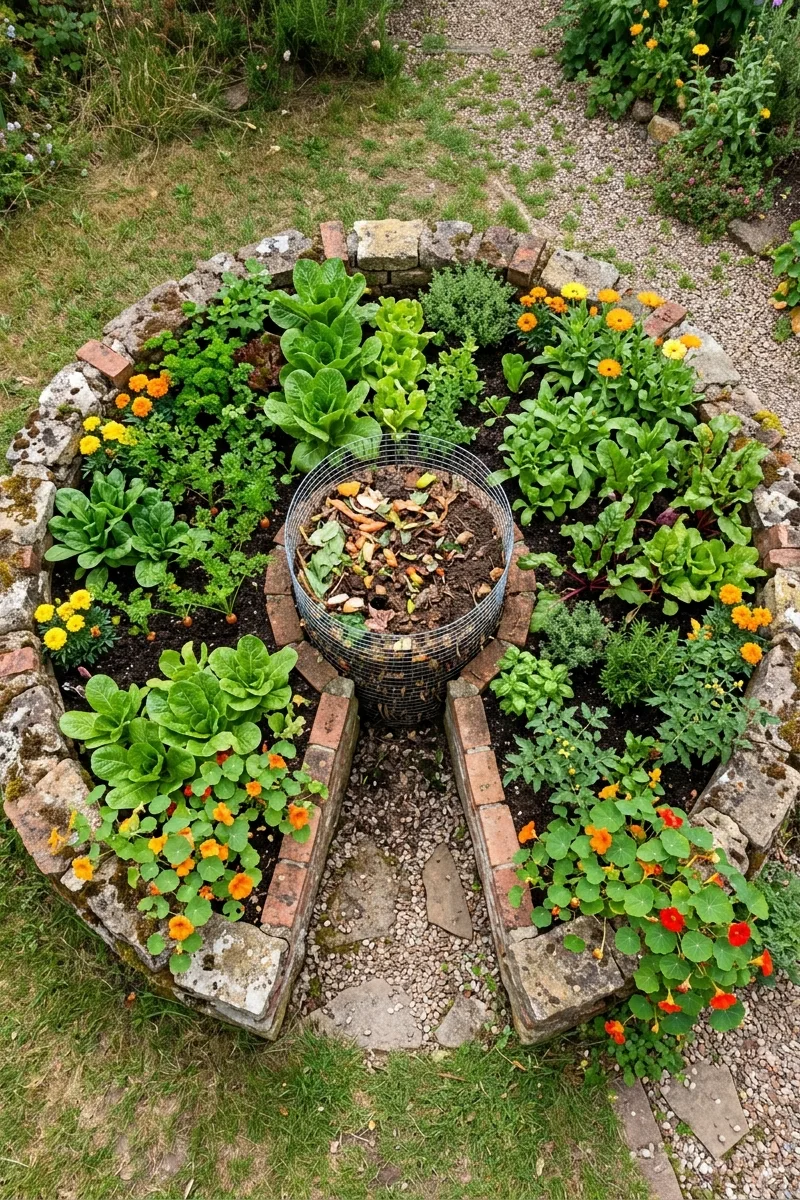
The keyhole garden is an ancient design that’s incredibly efficient. The bed is circular with a wedge-shaped path leading to a central basket where you add compost and kitchen scraps. The nutrients leach out to the surrounding soil, feeding the plants. The shape allows you to reach every part of the bed without stepping on the soil, which keeps the structure loose and healthy.
Hugelkultur Beds
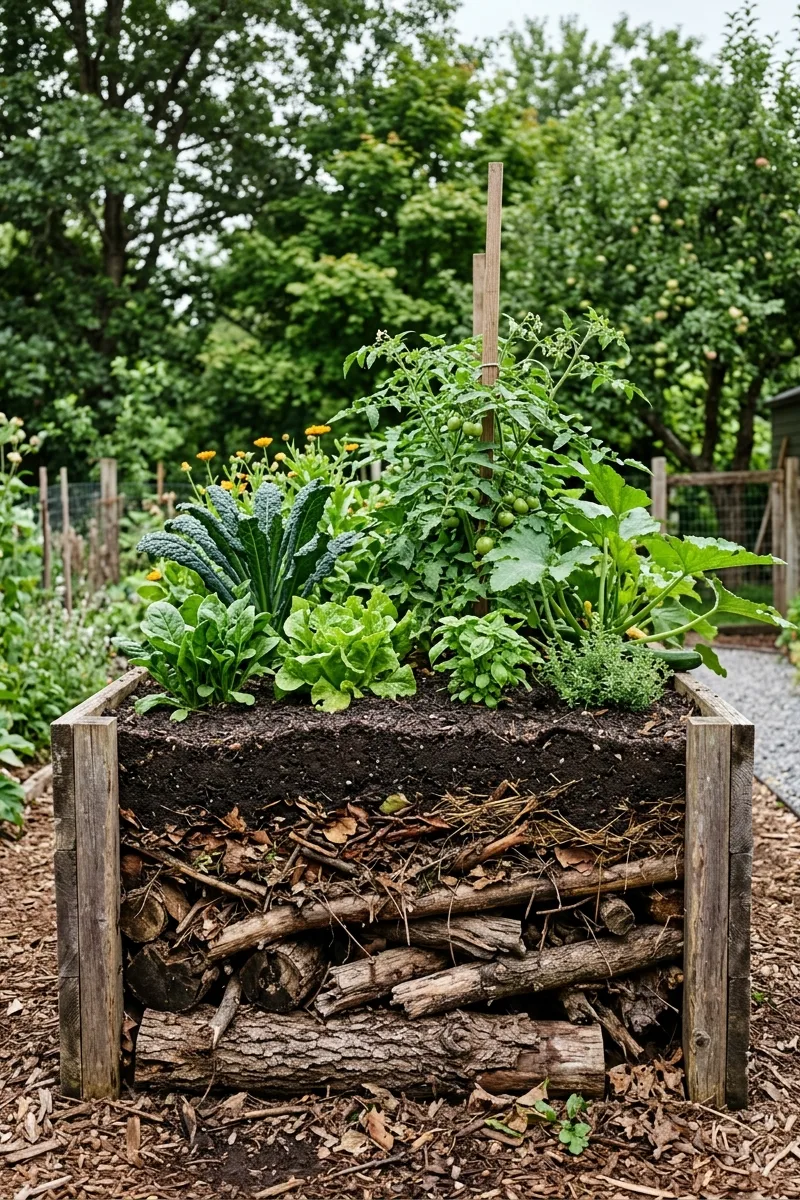
Hugelkultur beds are raised beds built over a base of rotting logs and branches. As the wood decomposes, it releases nutrients and retains water like a giant sponge. Build the mound up to 3 feet high with large logs at the bottom and smaller branches above. Cover with a layer of grass clippings, then top with good garden soil. The beds will produce for years with minimal watering.
Cinder Block Beds
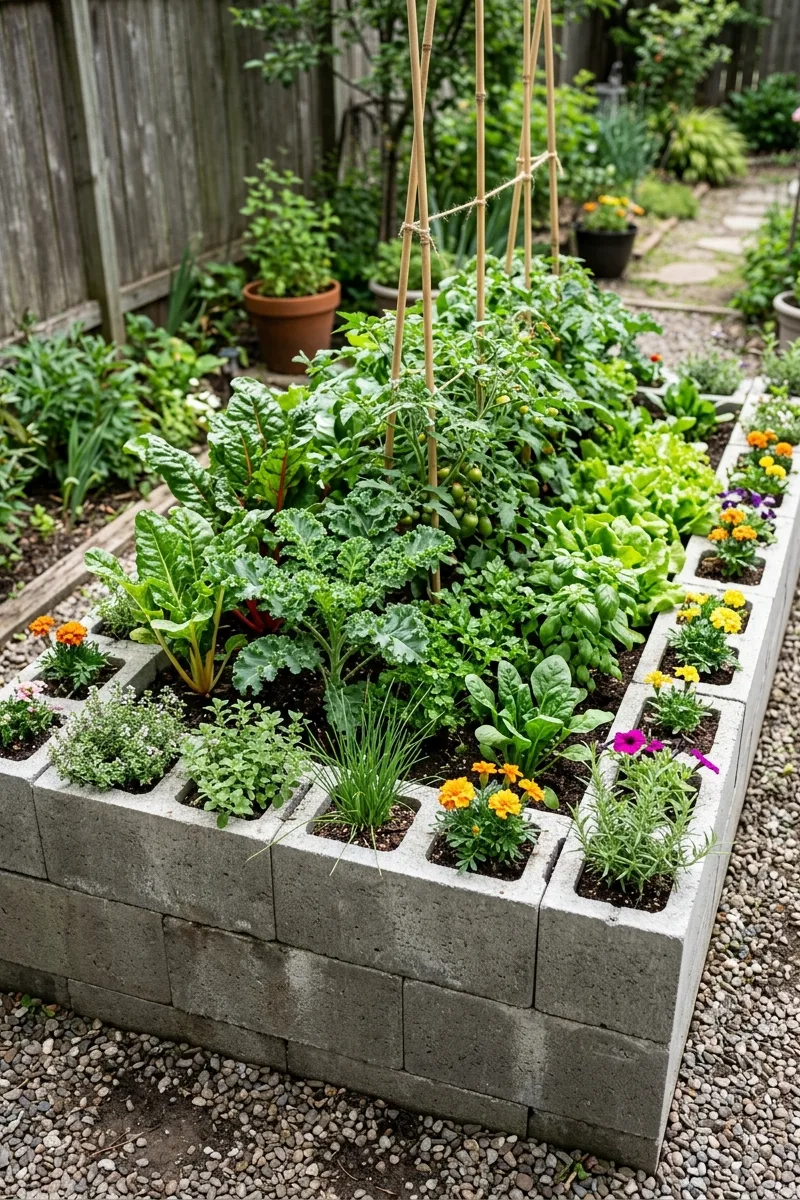
Cinder block beds are affordable and easy to assemble. Stack the blocks two high in a rectangle without mortar. The hollow cavities can be filled with soil and used to grow small herbs or marigolds, which also helps keep the structure stable. The grey of the blocks recedes into the background, letting the colorful vegetables take center stage.
Arched Trellis Bed
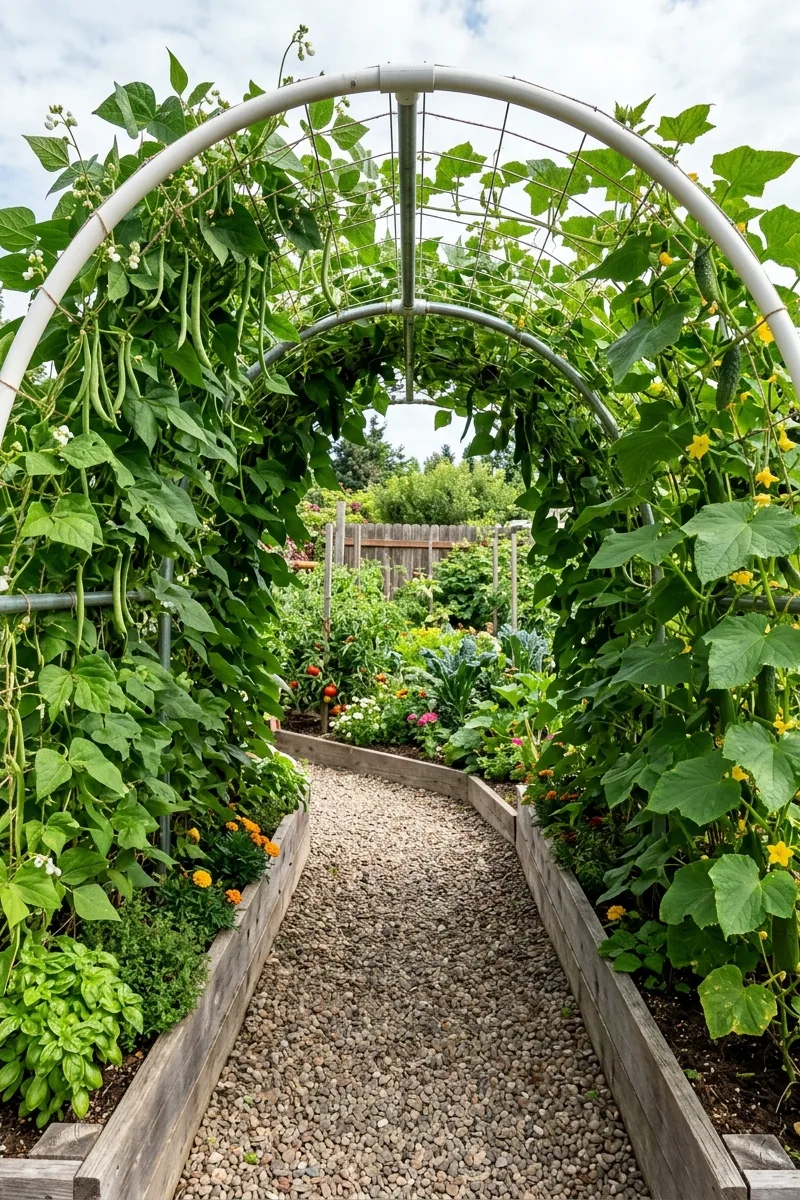
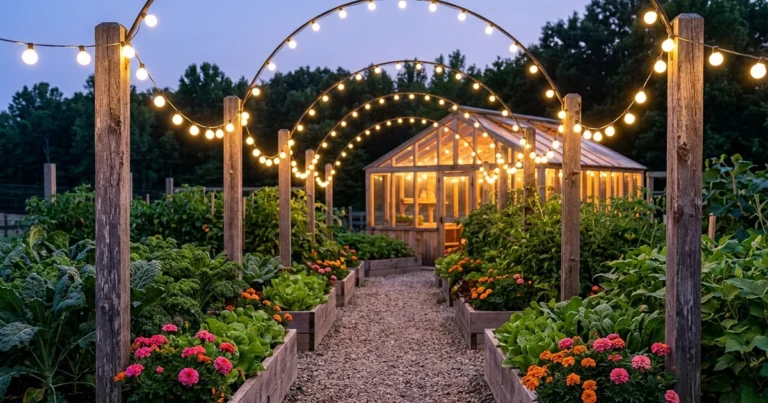
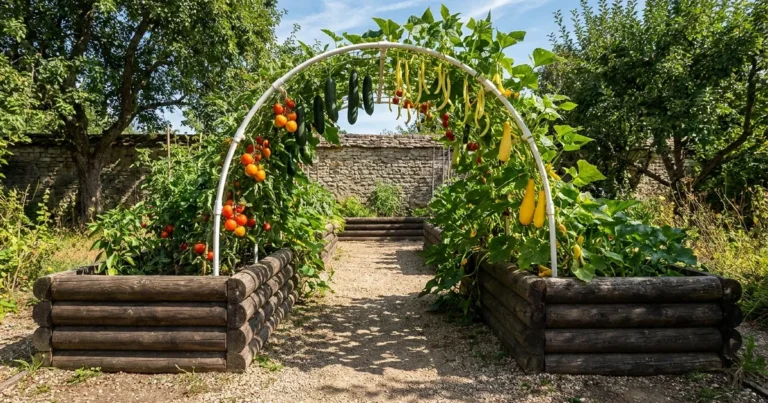
Add an arched trellis to a raised bed to grow vining crops vertically. Bend PVC pipe or metal conduit into an arch and secure the ends into the soil. Plant beans, cucumbers, or tomatoes at the base. The plants climb the arch, creating a green tunnel and lifting the fruit off the ground. This setup also provides shade for any lettuces growing beneath the arch.
Herb Spiral Bed
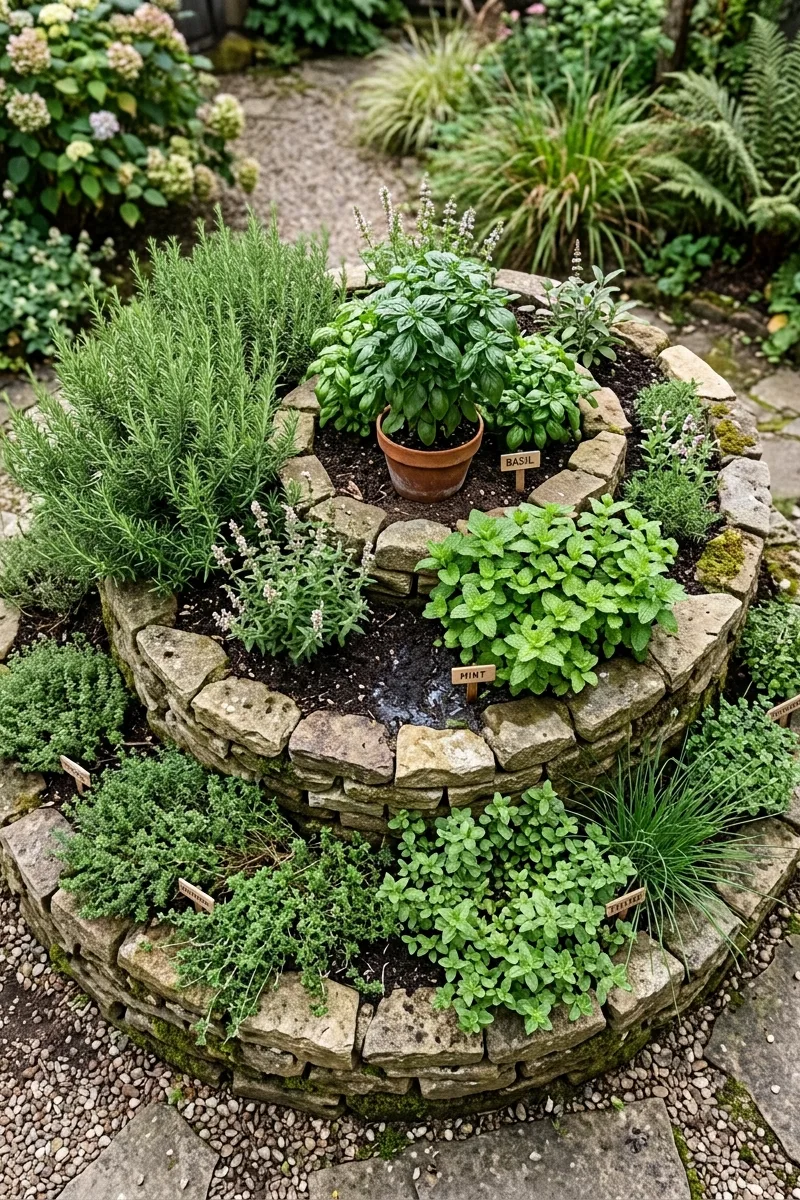
An herb spiral is a sculptural raised bed that creates different microclimates. The stones spiral upward, creating a taller center that’s drier and sunnier and lower edges that are cooler and moister. Plant mediterranean herbs like rosemary and thyme near the top, moisture-loving mint in the bottom, and everything else in between. It’s an efficient use of space and a garden feature in itself.
Redwood Planter with Bench
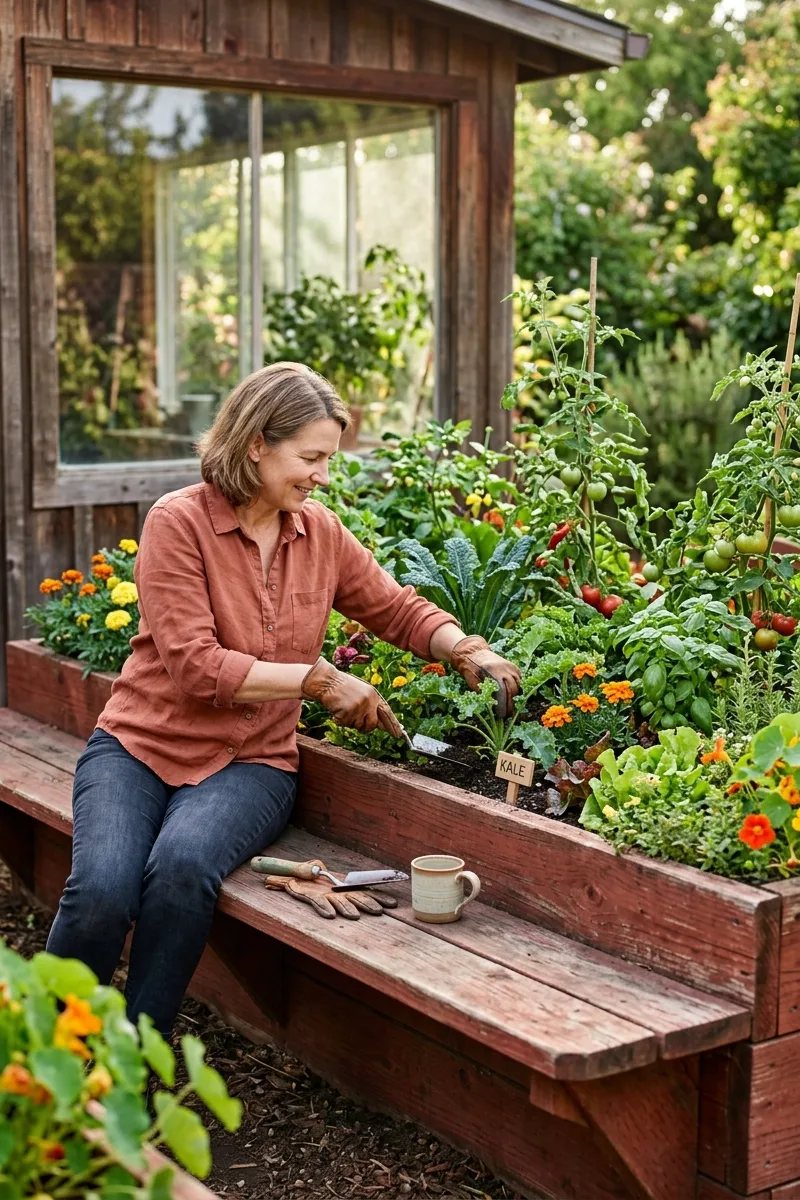
Redwood resists rot and weathers to a beautiful color. Add a wide bench to one side of the bed for a practical and inviting design. The bench gives you a place to sit while you weed or harvest, making gardening more accessible. The combination of rich wood, vegetables, and flowers creates a space that feels more like a garden room than a utilitarian vegetable patch.
Double-Decker Raised Beds
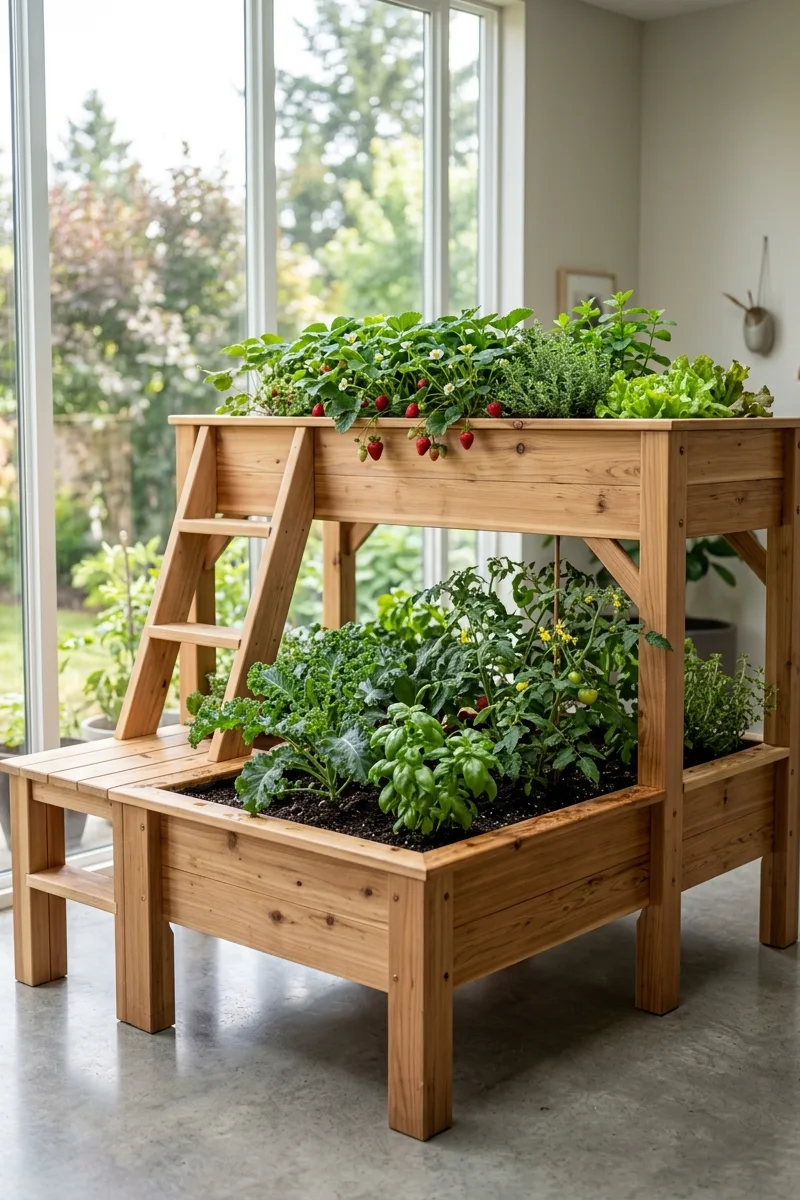
Double-decker beds are perfect for gardeners with limited mobility. The lower bed sits at ground level while the upper bed is raised to a comfortable working height. Both levels are built into one structure. Plant the lower bed with larger vegetables and the upper bed with herbs and greens that you harvest frequently. The design reduces bending and makes the garden more accessible.
Live Edge Timber Beds
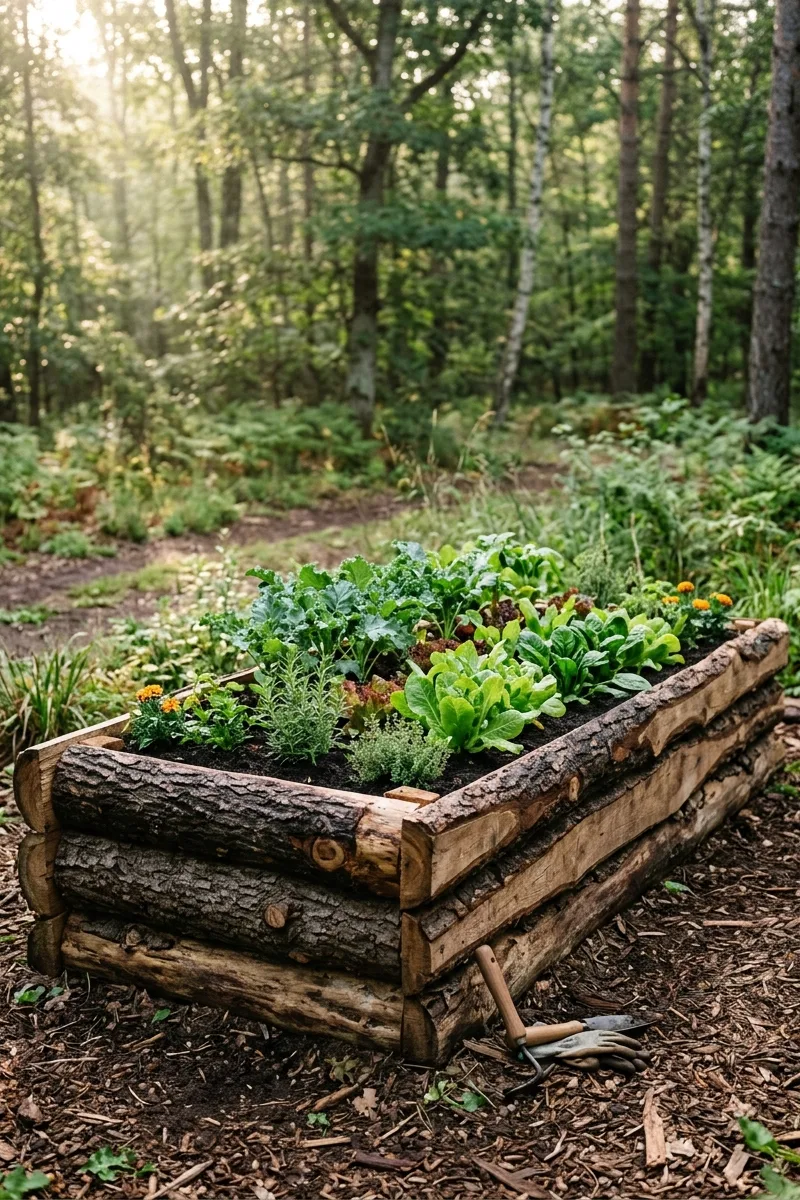
For a truly rustic look, use whole logs or rough-cut timber with the bark still on. The natural shapes and edges create a bed that looks like it’s always been in the landscape. Cedar, redwood, or locust logs are best as they are rot-resistant. The irregular forms contrast beautifully with the orderly rows of vegetables growing inside.
Modular Square Foot Beds
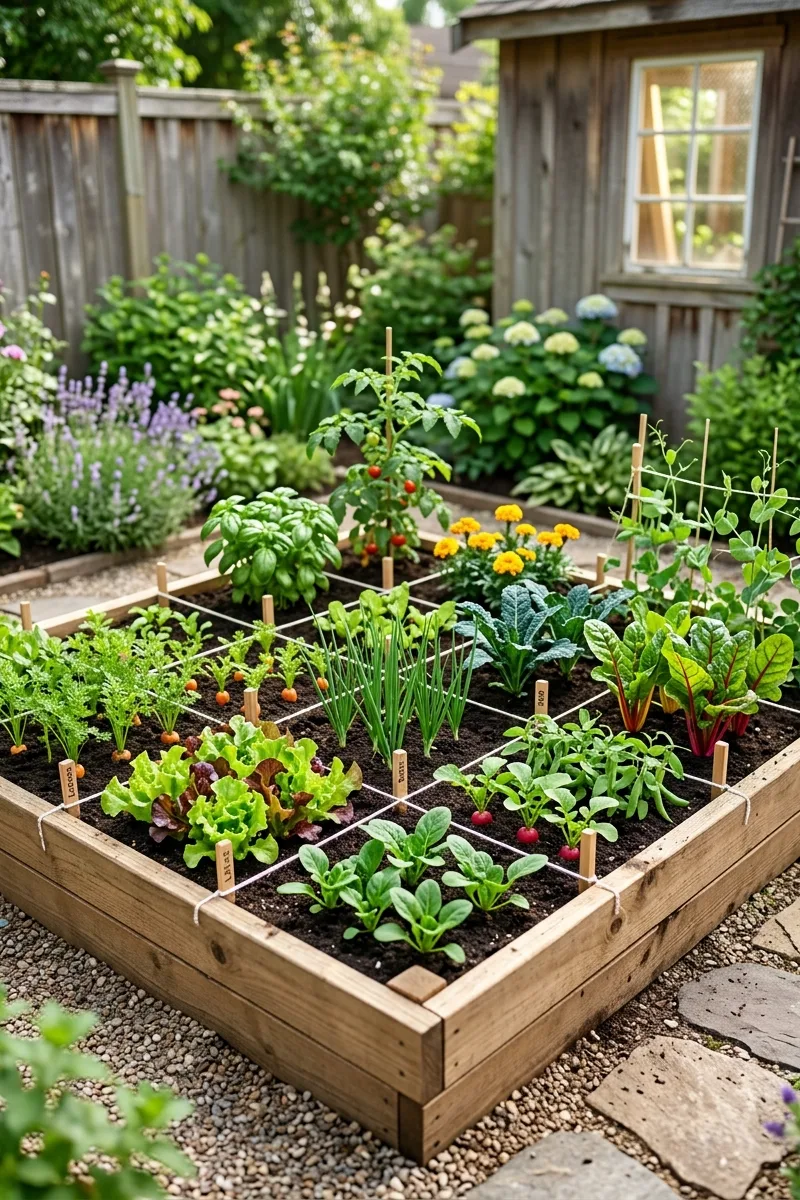
Modular square-foot beds make planning and planting simple. Build small 4-by-4-foot boxes and divide them into one-foot squares. Plant each square with a different crop. The small dimensions are easy to reach and maintain. The modular design allows you to add more beds as your gardening skills grow. This is a great option for new gardeners who want to feel organized and productive.
Stone Wall Beds
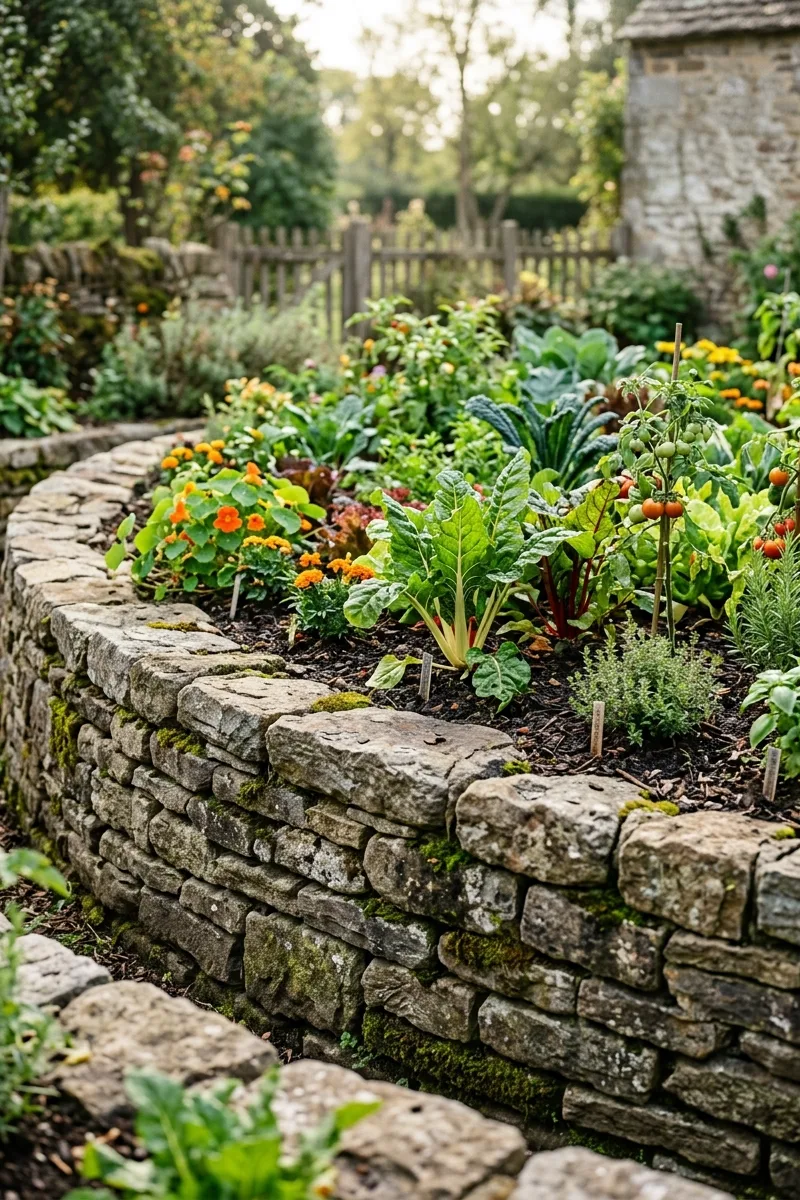
Dry-stack stone walls create beautiful, long-lasting raised beds. Stack stone without mortar, using gravity to keep the wall in place. The gaps between the stones provide natural drainage. The stone absorbs heat during the day and releases it at night, keeping the soil warm. This is a labor-intensive but incredibly rewarding project that adds permanent value to your garden.
Mobile Planter Boxes
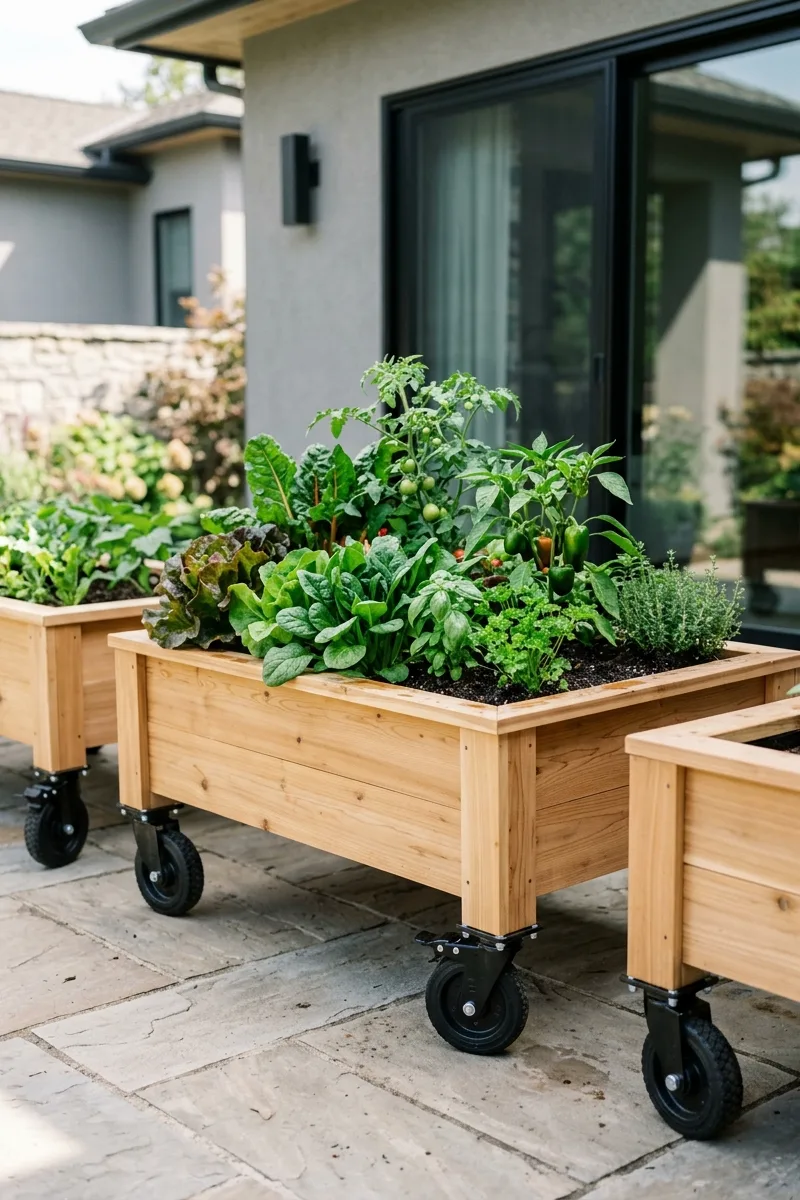
Planter boxes on wheels are a great solution for patios and rental homes. Build standard raised beds and add heavy-duty casters to the bottom. The wheels let you move the plants to chase the sun or to rearrange your outdoor space. Make sure to use locking casters to keep the bed in place when the vegetables are heavy with fruit.
Black Metal Raised Beds
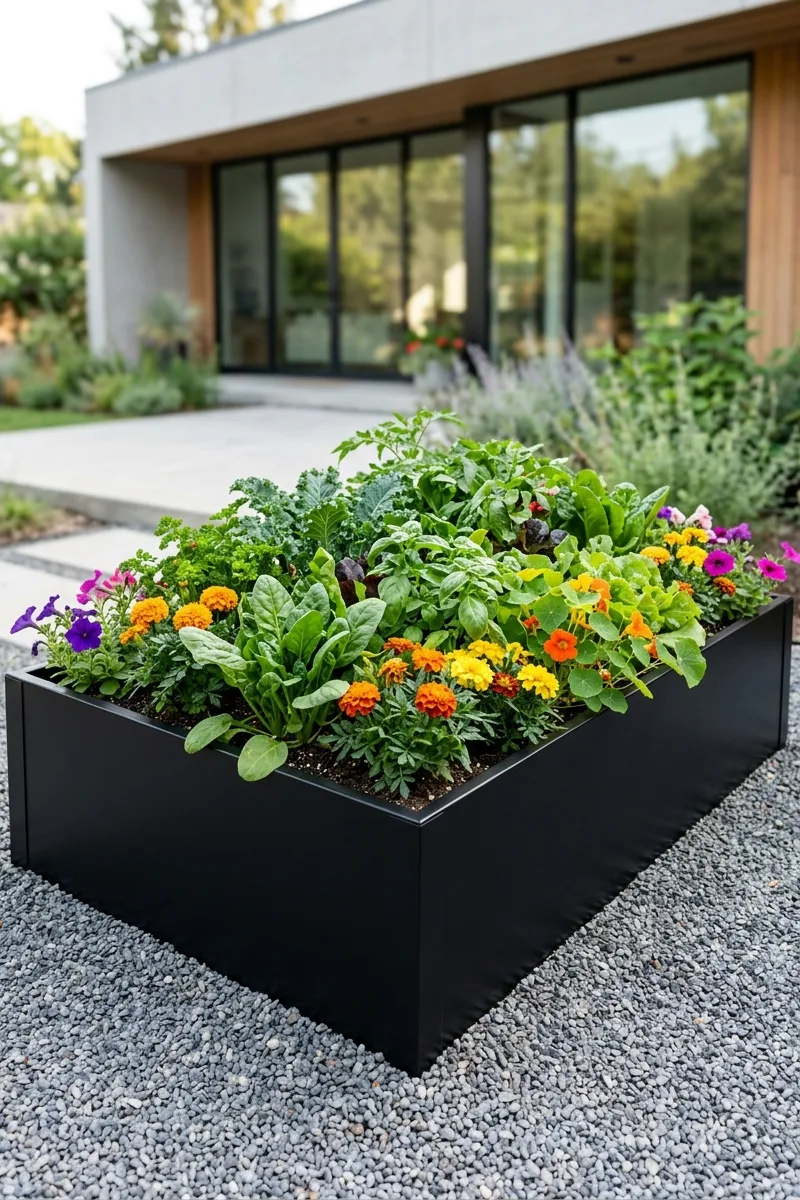
Black metal beds are the definition of contemporary garden design. Powder-coated steel in a matte black finish creates a dramatic contrast with green foliage and colorful flowers. The smooth, sleek lines look architectural and work well in modern landscapes. The dark color also absorbs heat, warming the soil for an early spring start. These beds are durable and will keep their shape for decades.
Inspiration gallery recap
Tap any image to open the slideshow — use arrows or swipe to browse.