19 Front Yard Flower Bed Designs to Boost Curb Appeal
Your front yard flower bed is the first thing visitors notice. A well-designed bed can dramatically boost your home’s curb appeal and make your property feel welcoming. The right combination of plants, colors, and textures creates an inviting first impression.
These 19 flower bed designs range from low-maintenance solutions to more elaborate displays. Whether you’re looking for a simple refresh or a complete landscape overhaul, these ideas will help you create a front yard that you’ll love coming home to.
What’s inside this article
- Cottage Garden Mix
- All-White Moon Garden
- Hot Color Annuals Bed
- Low-Maintenance Perennial Bed
- Shade Garden Bed
- Rock Garden with Succulents
- Formal Boxwood and Tulip Bed
- Meadow-Style Native Bed
- Drought-Tolerant Mediterranean Bed
- Tropical Flair Bed
- Butterfly Garden Bed
- Corner Triangle Bed
- Edging with Low Hedges
- Seasonal Bed Rotation
- Street-Side Kerb Bed
- White and Silver Bed
- Planting in Repetition
- Bulb Lawn
- Vertical Element Bed
Cottage Garden Mix
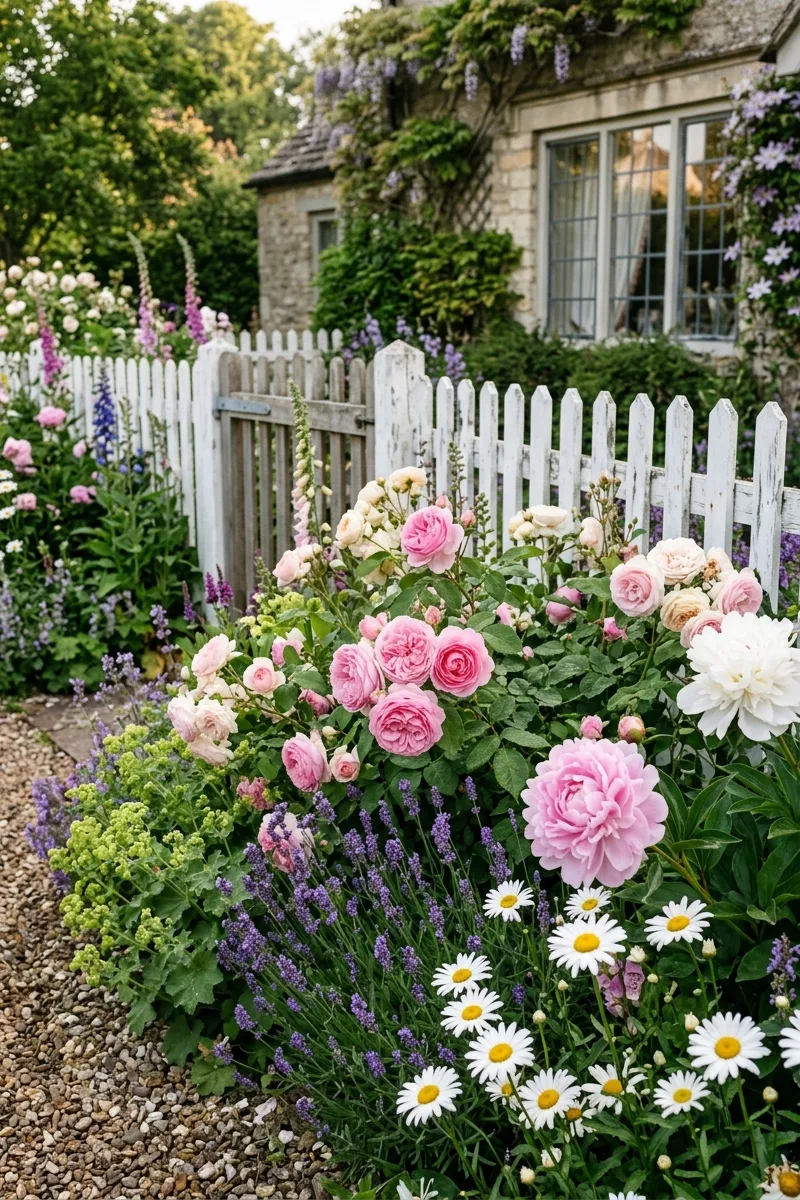
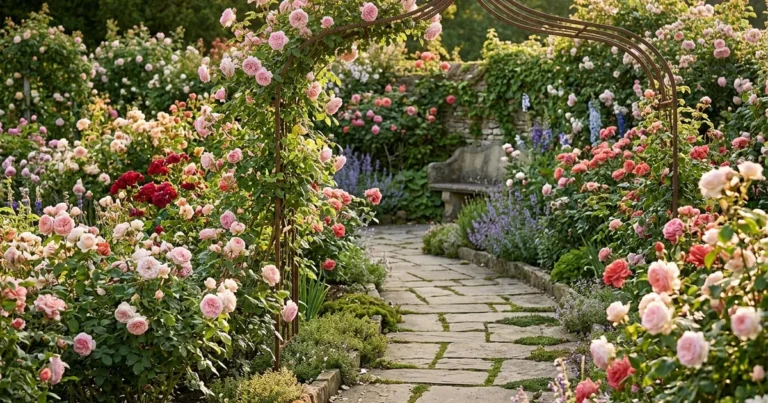
A cottage garden bed is informal, romantic, and packed with flowers. Mix roses, peonies, lavender, and daisies for a classic English garden look. Plant in drifts rather than rows for a natural feel. The dense planting suppresses weeds and keeps the soil moist, which is good for the plants and low-maintenance for you. This style works beautifully in front of a wood or brick home.
All-White Moon Garden
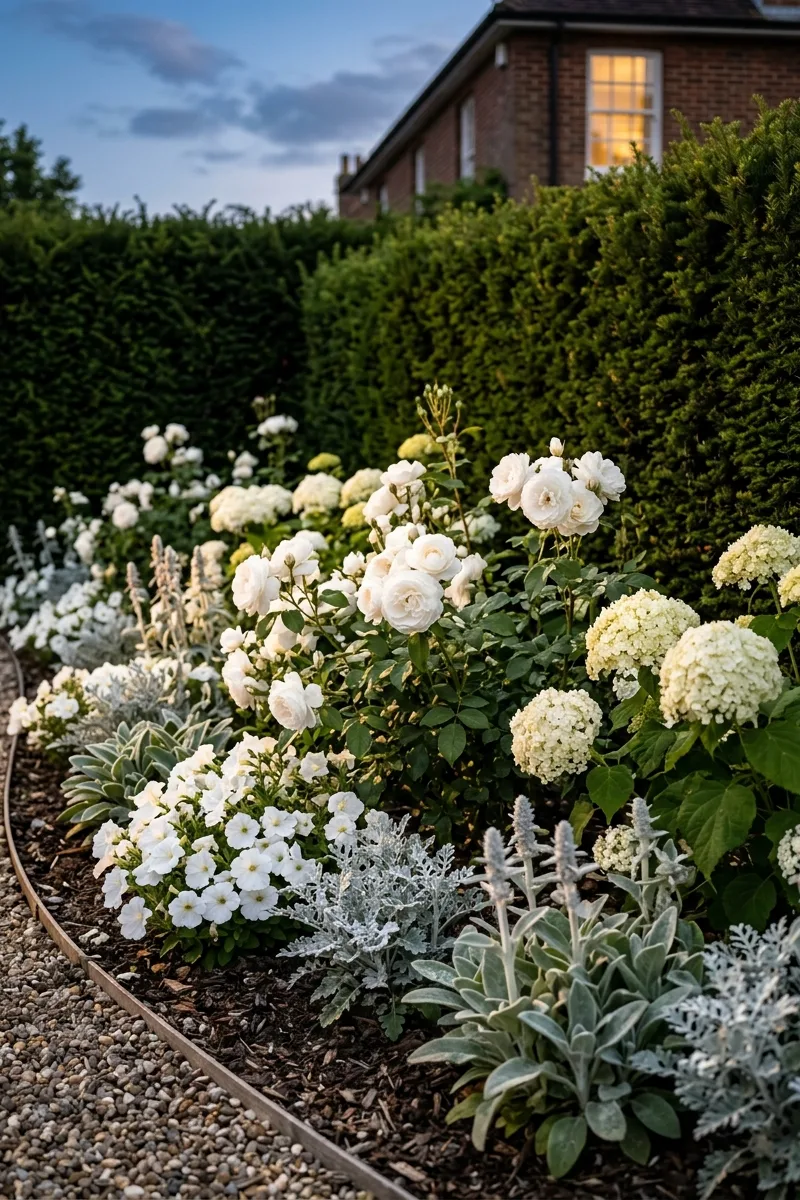
A monochromatic white flower bed is striking and sophisticated. Use white roses, petunias, hydrangeas, and alyssum, mixed with silver-leaf plants like dusty miller for contrast. The bed pops against dark siding or green hedges and comes alive in the evening light. This design works well with modern and traditional home styles and always feels clean and classic.
Hot Color Annuals Bed
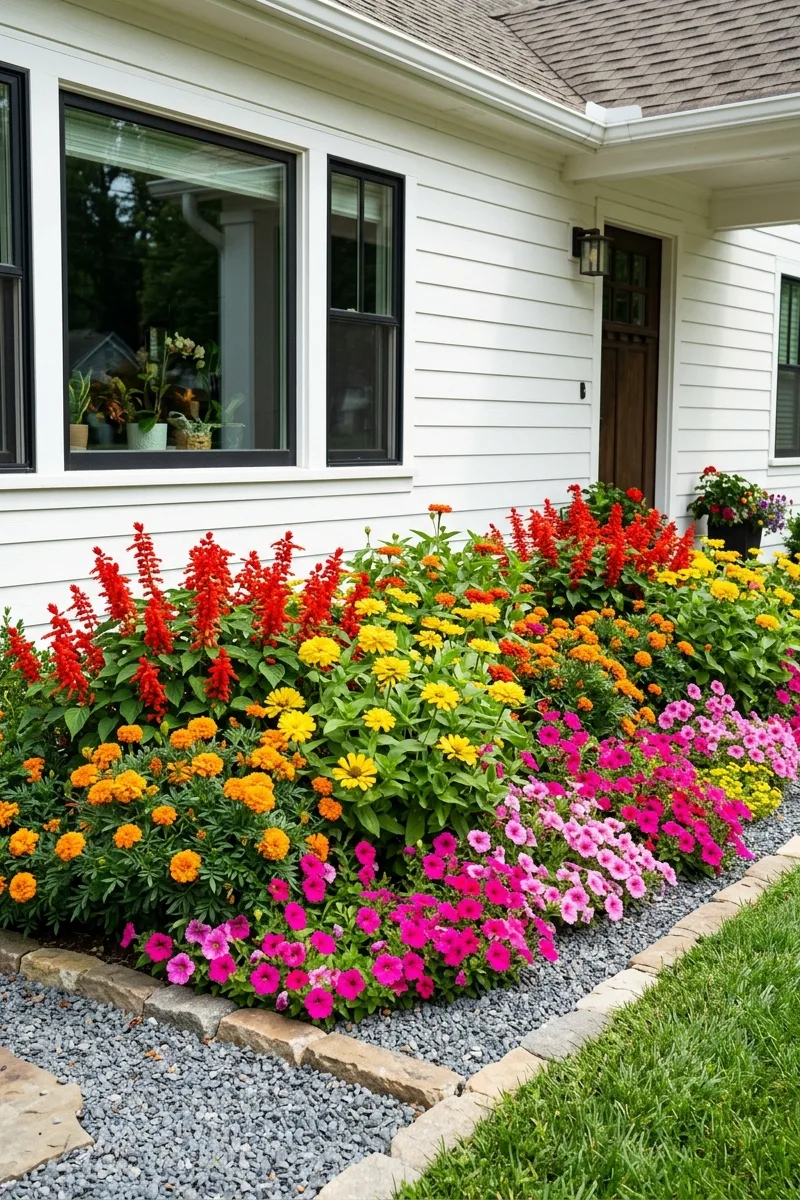
Annuals let you change your color scheme every year. For maximum impact, use hot colors like red, orange, and yellow. These colors advance visually, making the bed feel closer to the house and drawing the eye to the entry. Plant in large groupings of each color for a professional look. This bed requires regular watering but pays off with continuous bloom through summer.
Low-Maintenance Perennial Bed
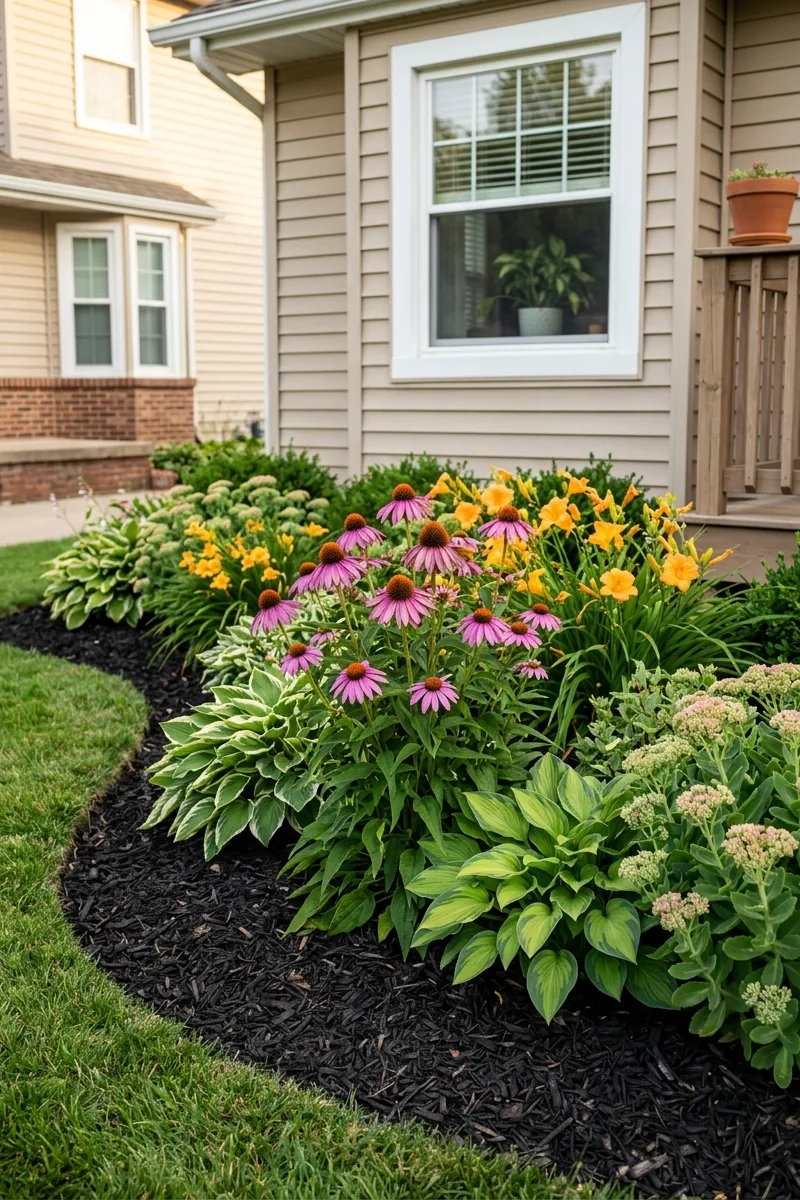
If you want color without a lot of work, perennials are your answer. Daylilies, coneflowers, sedum, and hostas are tough, drought-tolerant, and bloom reliably. They come back year after year, and you only need to cut them back in late winter. Space them correctly so they fill in and crowd out weeds. This is a low-cost, long-term approach that looks established and beautiful.
Shade Garden Bed
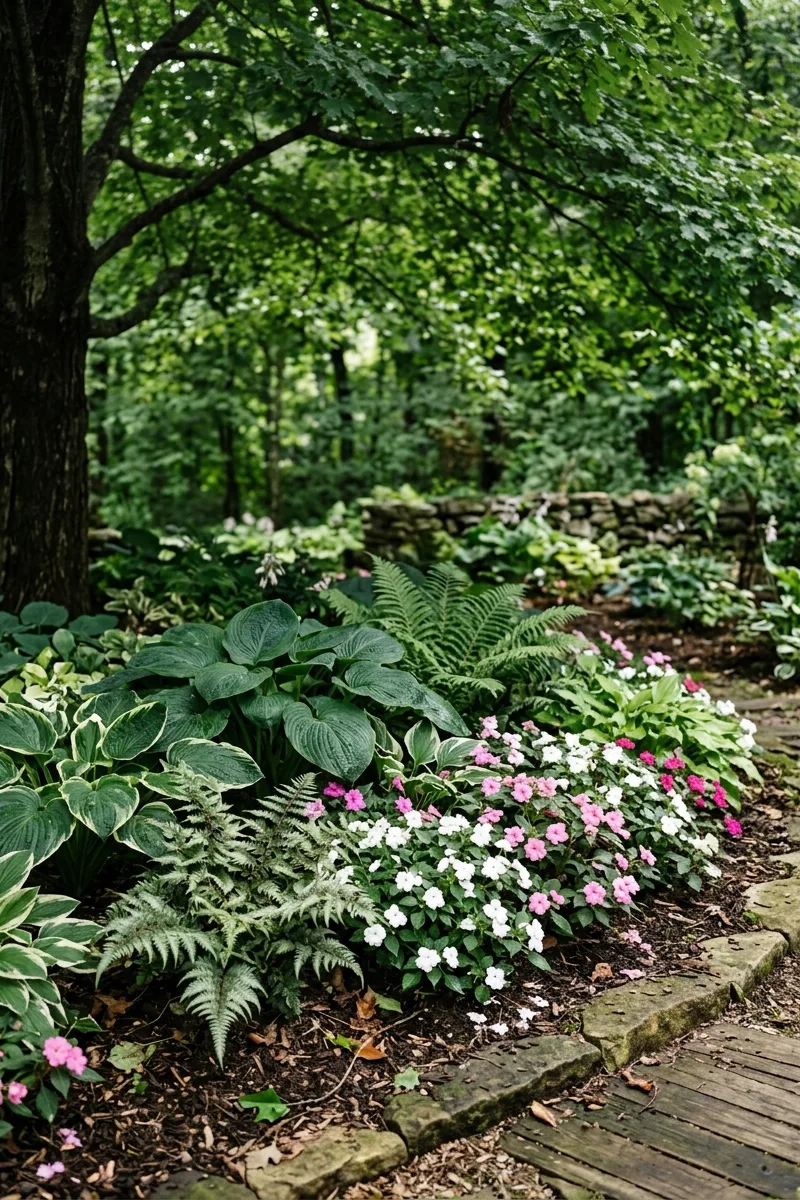
Shady front yards can still have a stunning flower bed. Ferns, hostas, and impatiens thrive with minimal direct sun. The varied shades of green in the foliage create interest without a lot of flowers. Add a few light-colored ornaments or a birdbath to brighten the space. This bed stays fresh and lush even in the heat of summer when sunny beds might fade.
Rock Garden with Succulents
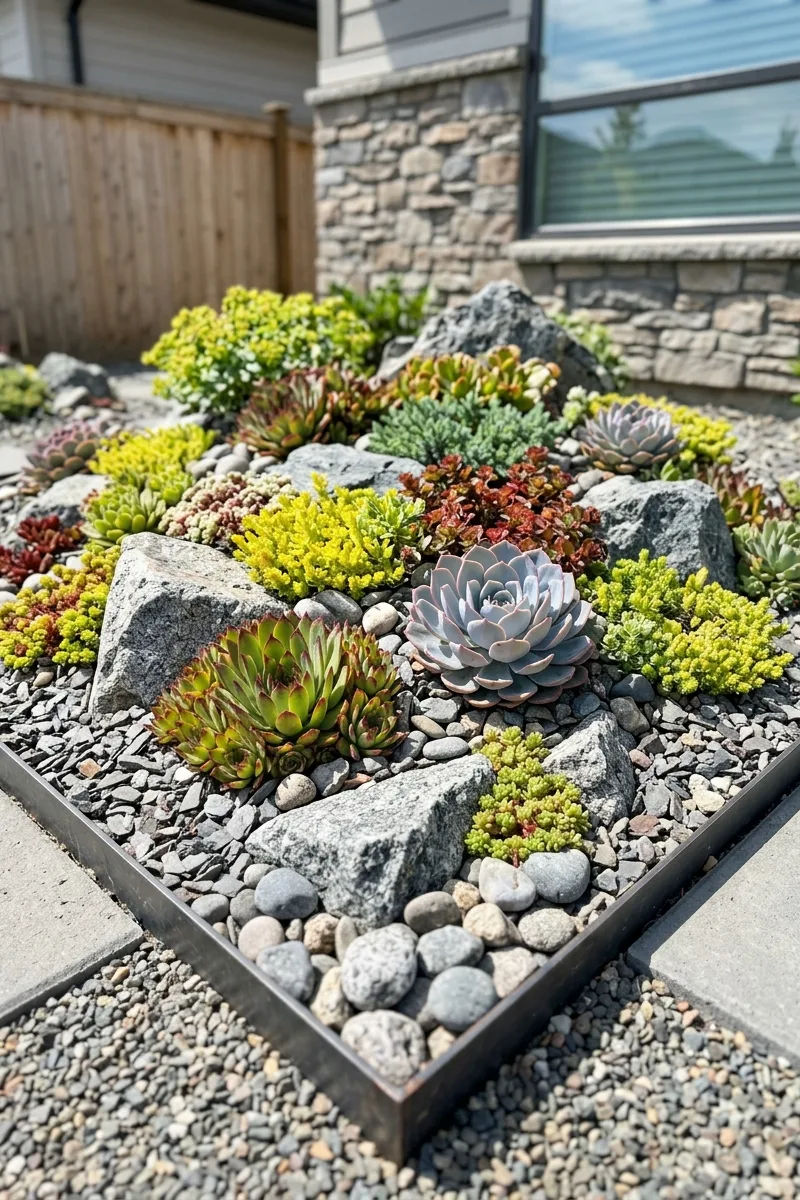
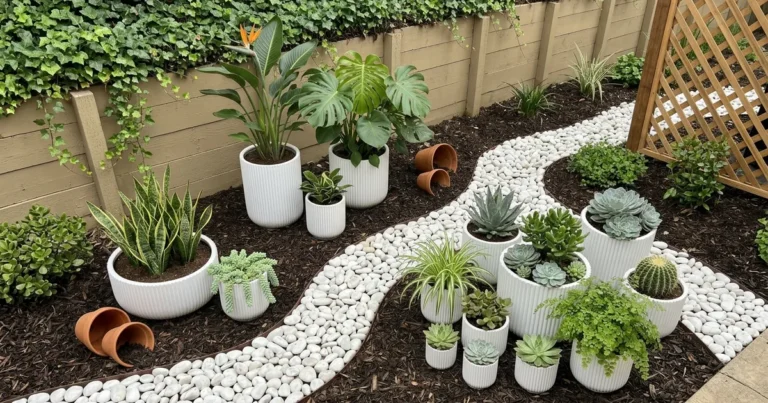
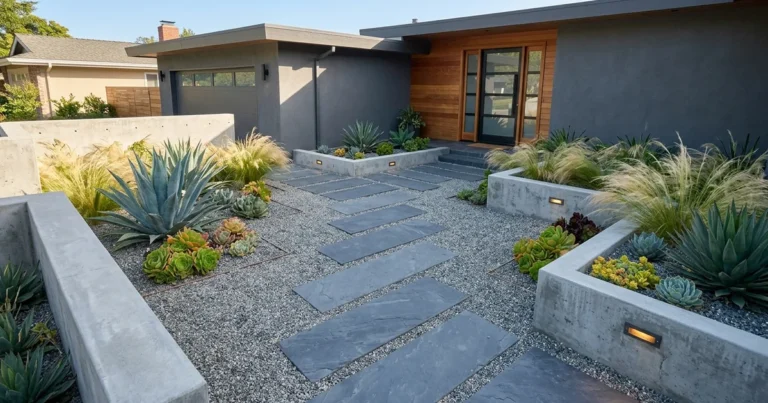
Rock gardens are perfect for hot, dry front yards. Succulents and alpine plants need very little water and are extremely low-maintenance. Arrange smooth stones of varying sizes with the plants tucked between them. The stone mulch helps retain soil moisture and suppresses weeds. This modern look works best with contemporary or mid-century homes.
Formal Boxwood and Tulip Bed
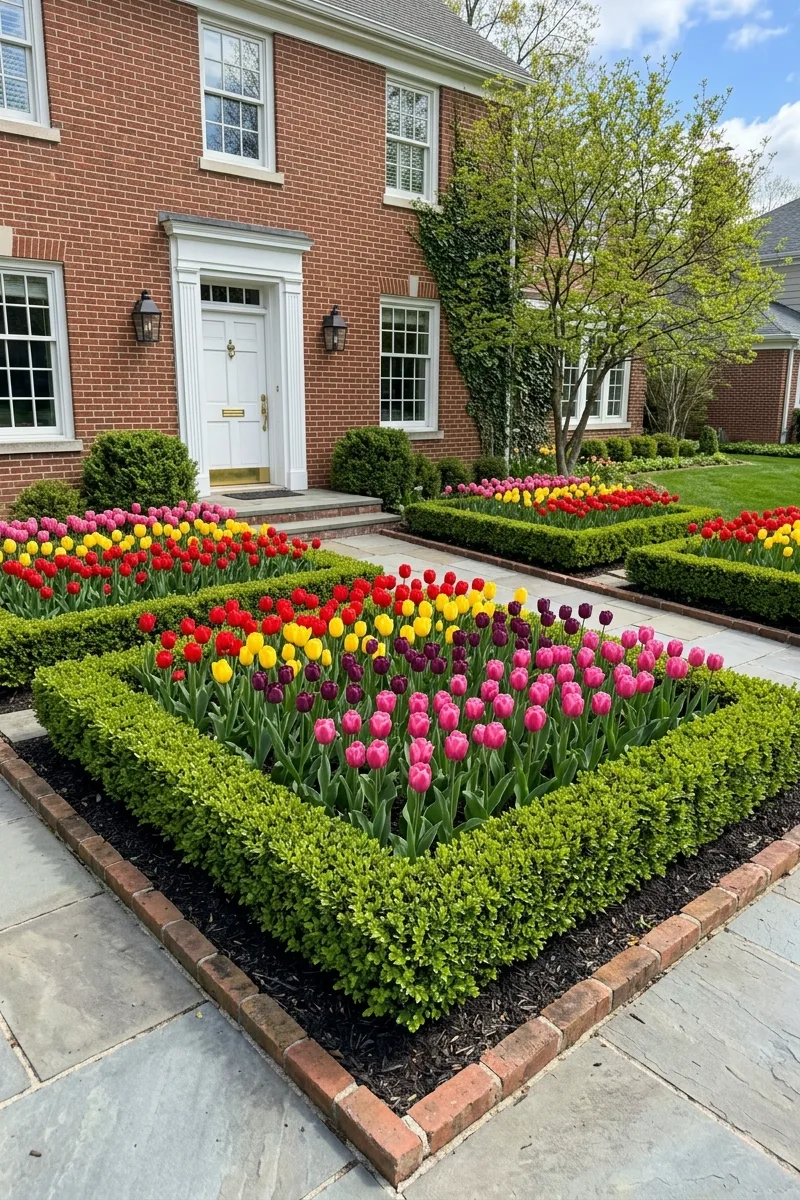
A formal bed creates a neat, symmetrical look that works with traditional homes. Plant boxwood in a clean geometric shape, then fill the interior with a vibrant tulip display in spring. The contrast between the structured boxwood and the bright tulips is classic and elegant. Replace the tulips with summer annuals to maintain the look through the warmer months.
Meadow-Style Native Bed
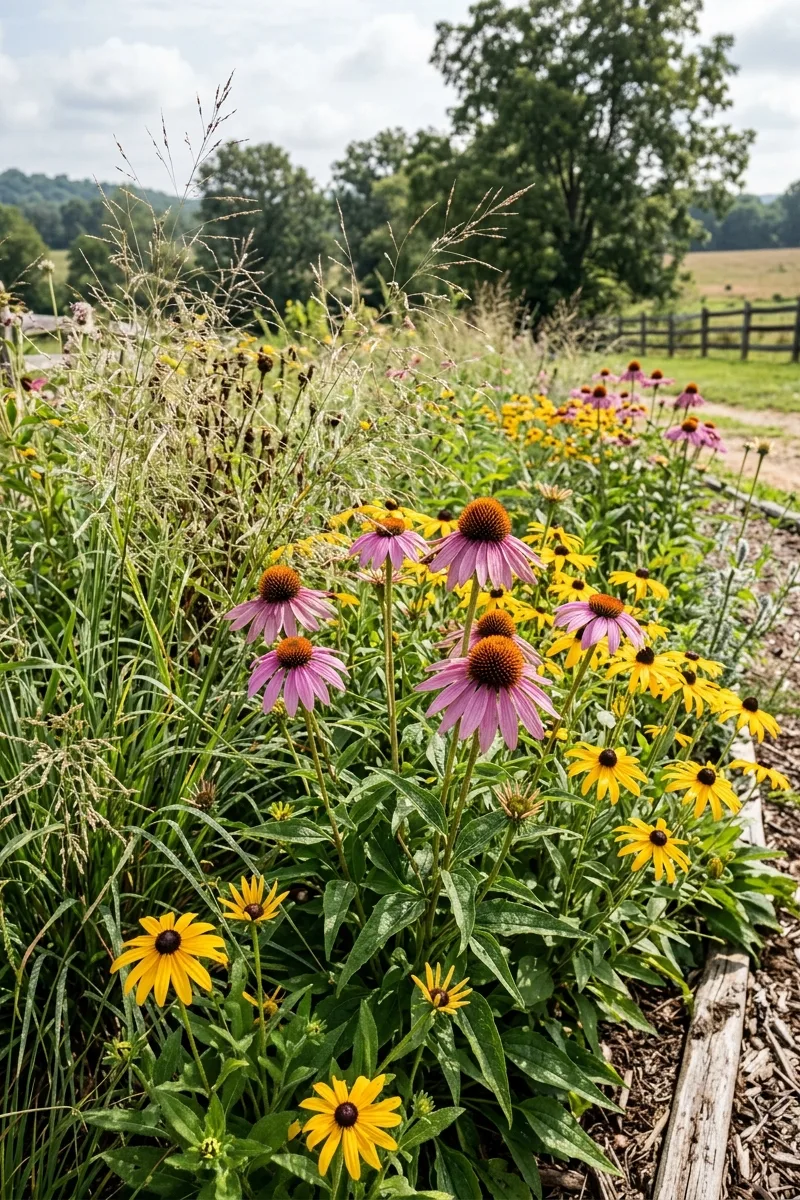
Native wildflowers and grasses create a meadow look that supports local pollinators. Black-eyed susans, purple coneflowers, and switchgrass are tough and require almost no water once established. Plant in large drifts for a naturalized look. The seed heads provide winter interest and food for birds. This is a beautiful, low-maintenance choice for a relaxed, natural front yard.
Drought-Tolerant Mediterranean Bed
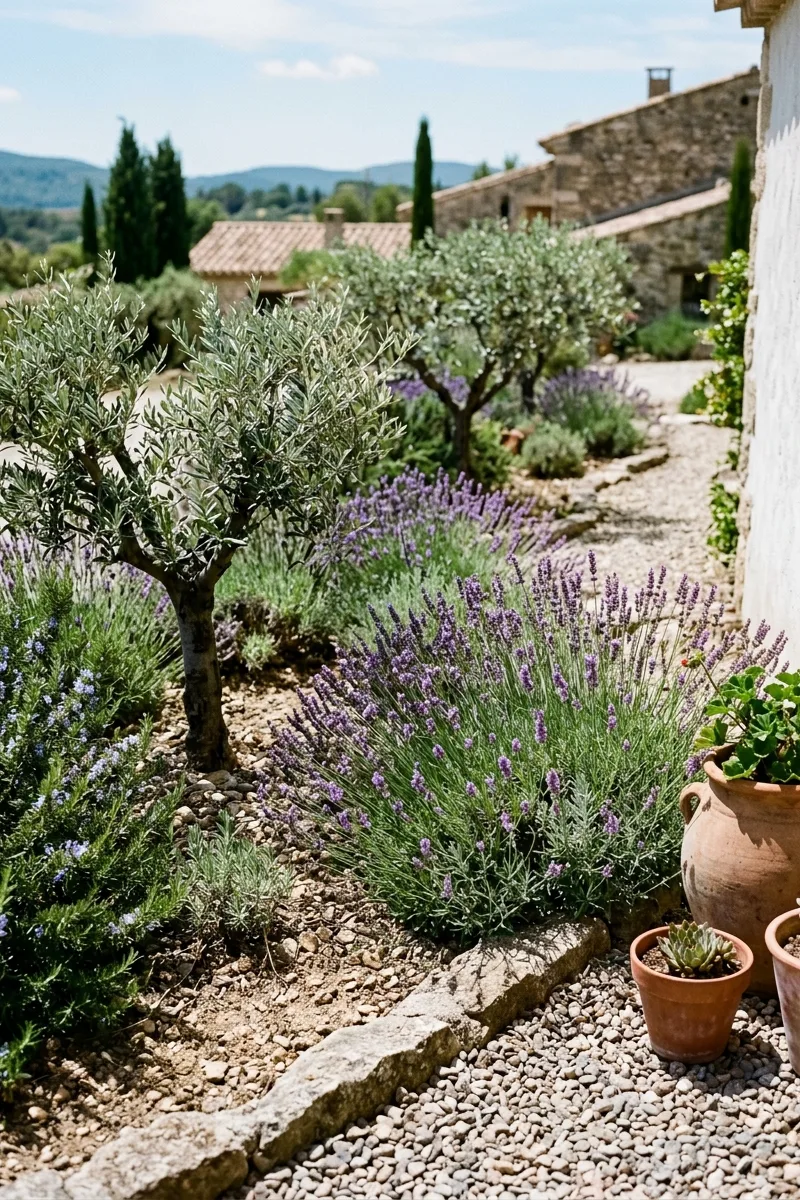
Mediterranean plants are perfect for dry climates. Lavender, rosemary, and olive trees have grey-green foliage that’s fragrant and beautiful. Use gravel mulch to mimic the Mediterranean hillsides and to keep the soil warm. This bed looks lush and green despite needing very little water. The low, mounded shapes complement Spanish or ranch-style homes.
Tropical Flair Bed
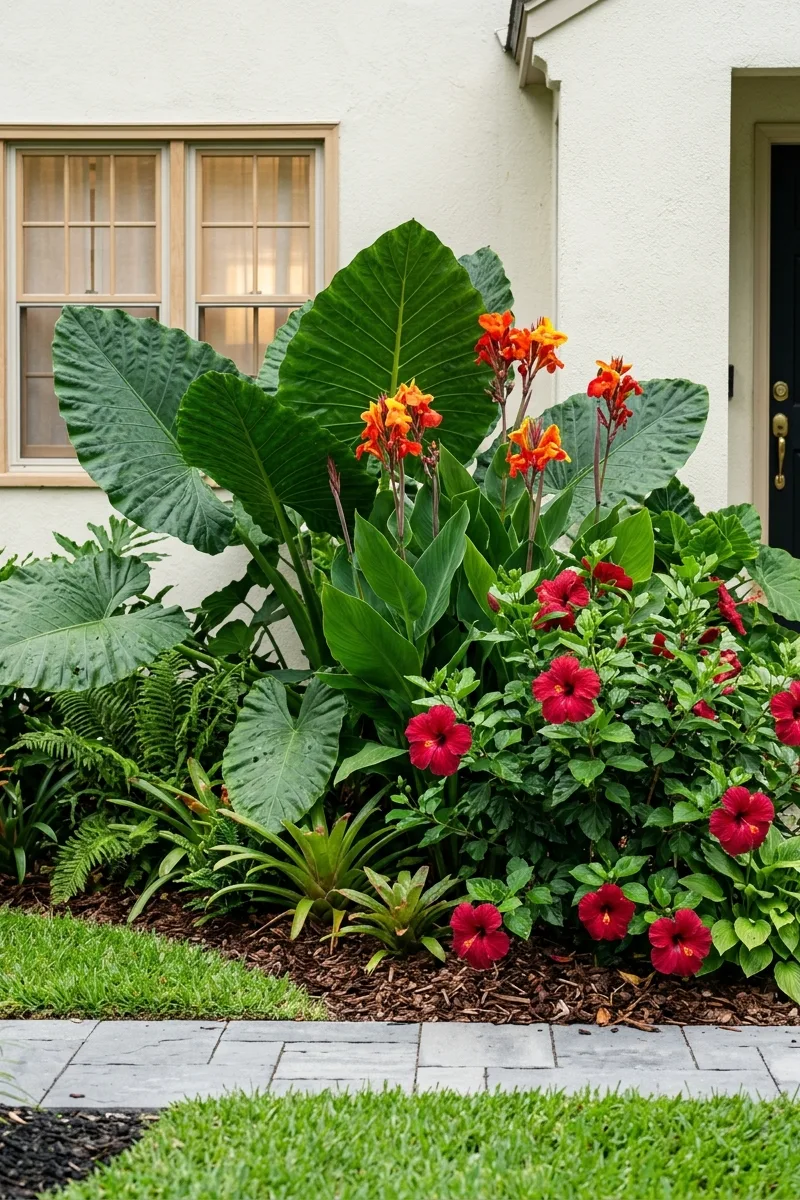
Make a bold statement with tropical foliage plants. Canna lilies, elephant ears, and hibiscus have massive, colorful leaves and dramatic flowers. Use them in groups for maximum impact. Tropical plants are often annuals in northern climates, but they grow fast and reward you with a showy display. This bed adds a vacation vibe to any home.
Butterfly Garden Bed
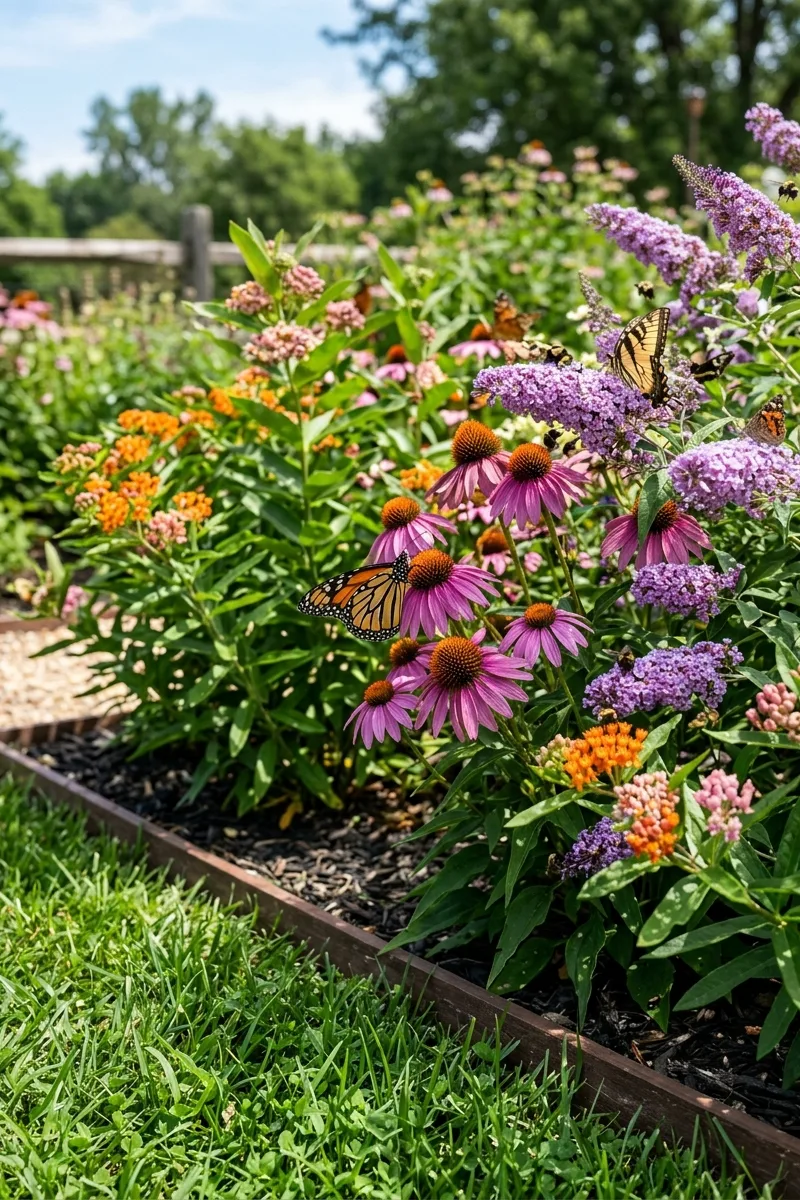
Design your front bed to attract butterflies and you’ll get a living, moving garden. Plant milkweed for monarchs, butterfly bush for swallowtails, and purple coneflowers for all species. These plants also provide bright, long-lasting color. The butterflies add an extra layer of beauty and interest that brings the garden to life. This is a colorful and purposeful bed choice.
Corner Triangle Bed
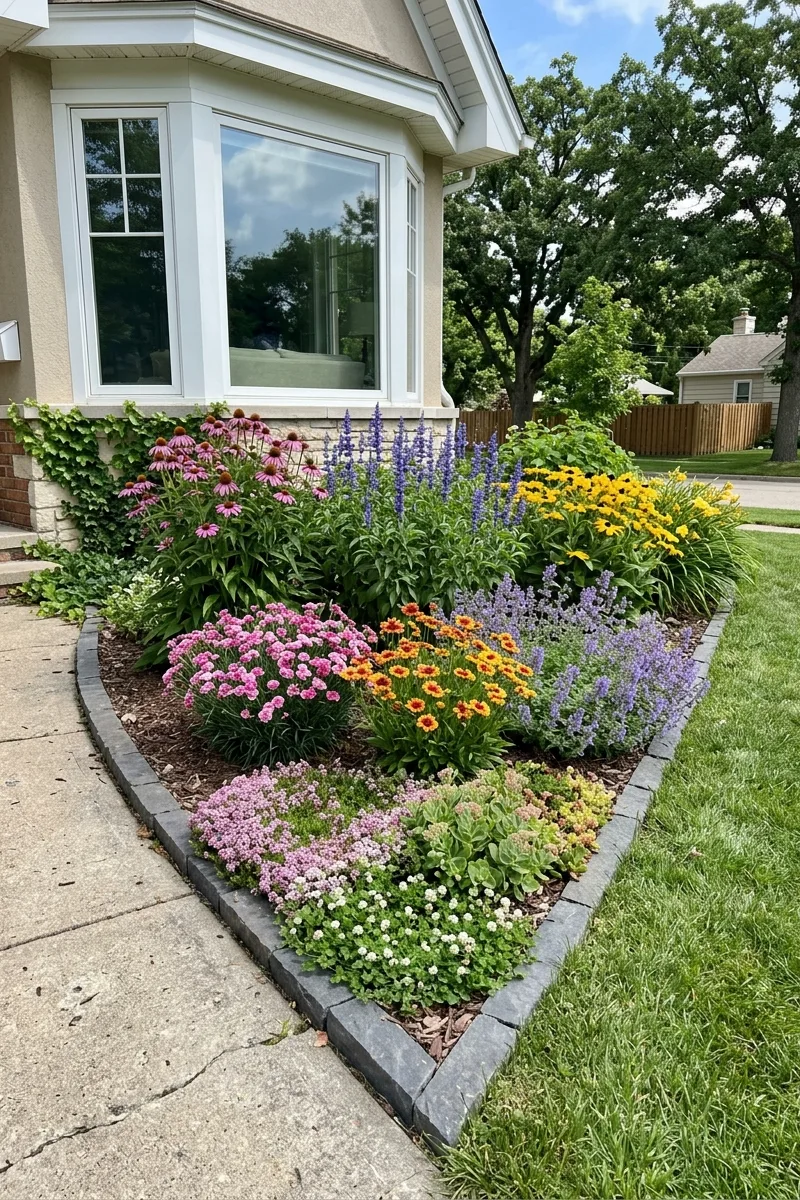
The corner of your front yard is a great spot for a triangular bed. Use the triangle layout to create depth: place the tallest plants at the back corner, mid-sized plants in the middle, and a low ground cover along the front edge. This arrangement ensures every plant is visible and creates a layered, full look that softens the corner of your property.
Edging with Low Hedges
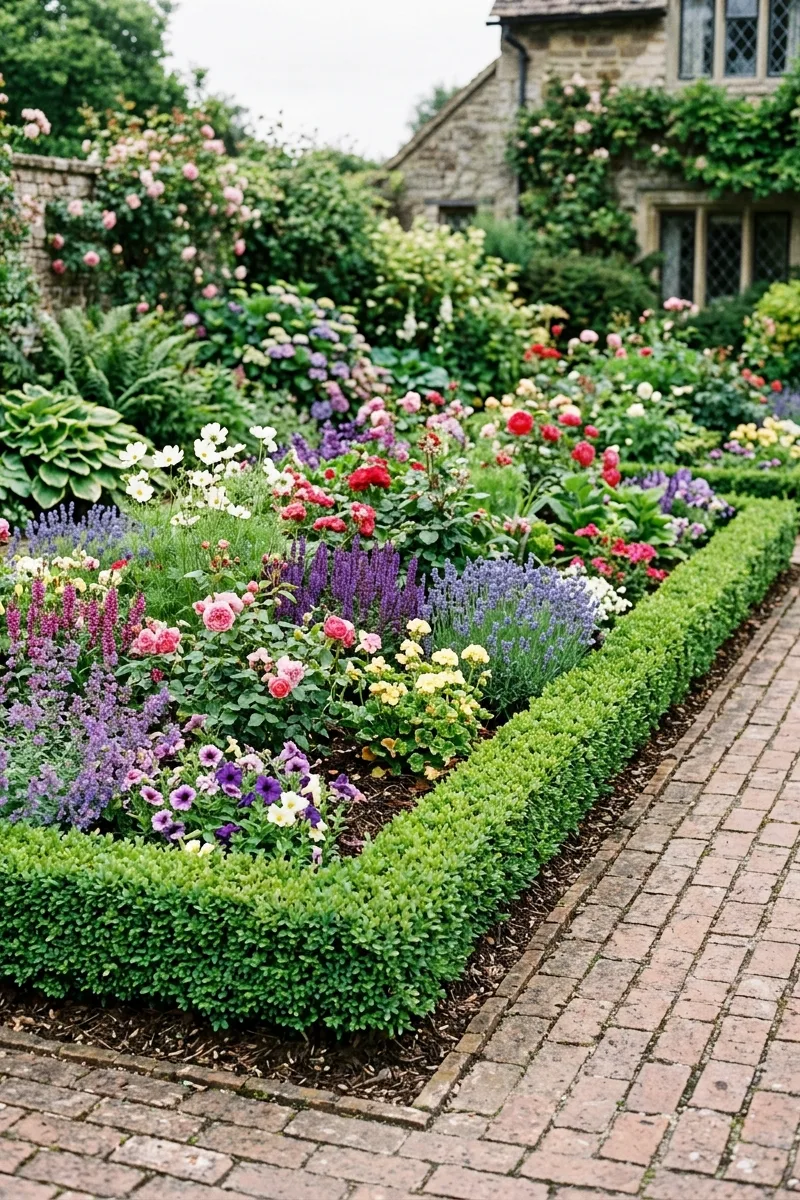
A low boxwood hedge provides an evergreen border that defines your flower bed and keeps the design neat through every season. The hedge is a crisp, formal edge that contrasts with the colorful flowers inside. It also prevents grass from creeping into the bed. This classic combination creates a structured, timeless look that enhances any home style.
Seasonal Bed Rotation
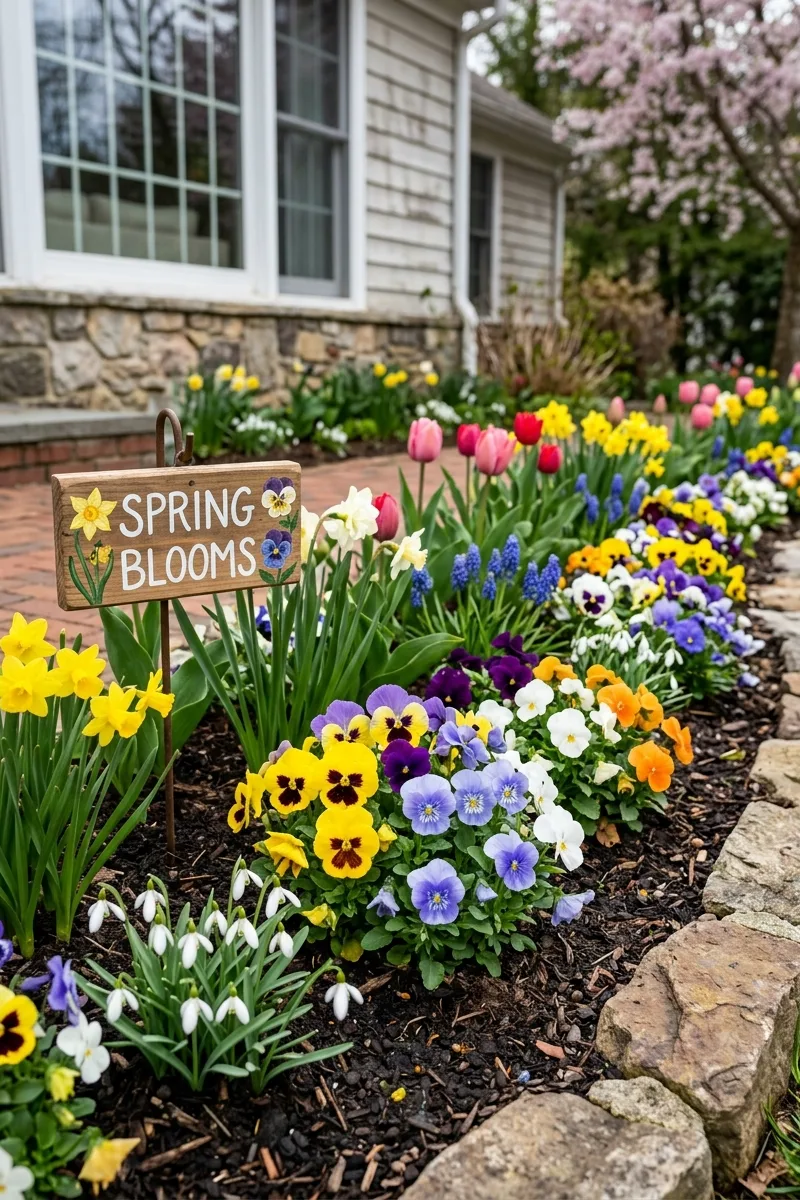
Keep your front bed looking fresh all year by rotating seasonal plants. Plant bulbs and pansies for spring, then swap in petunias and zinnias for summer. In fall, replace the annuals with mums and ornamental cabbage. This approach means you’re always working on the bed, but the constant change creates a dynamic display that neighbors will notice.
Street-Side Kerb Bed
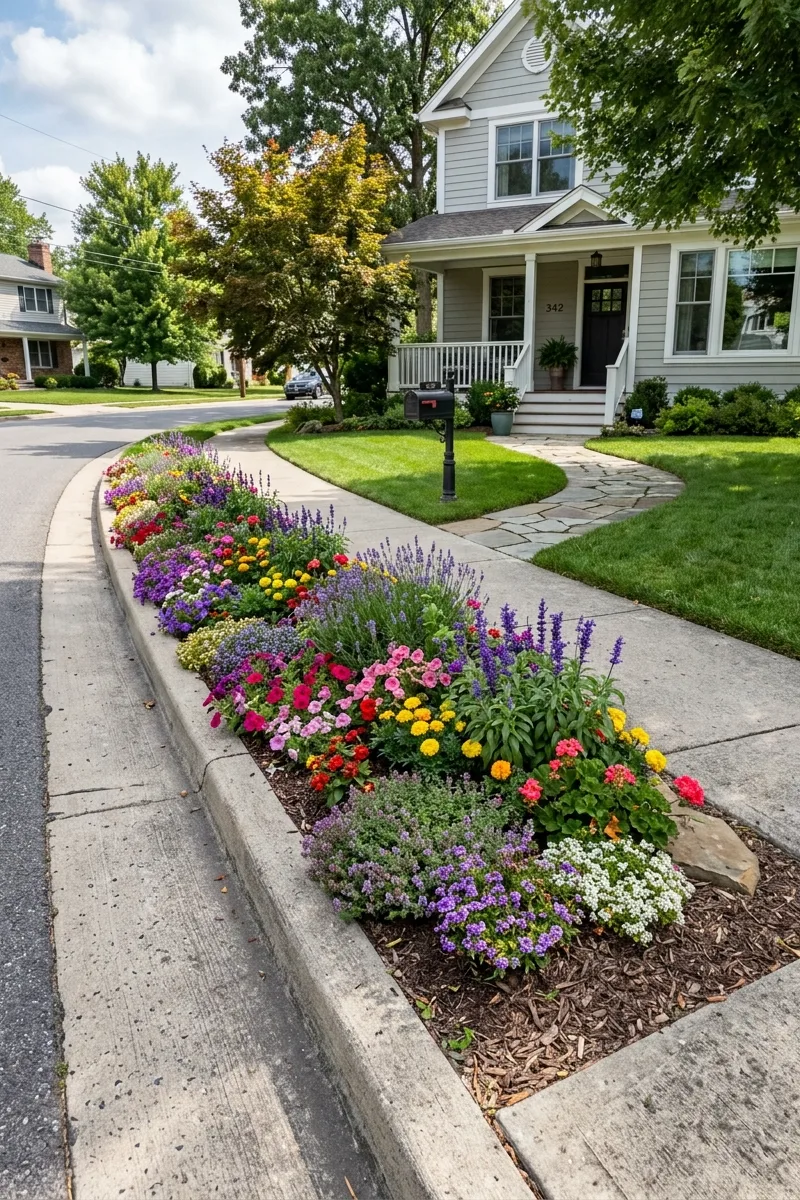
The strip between the pavement and the street is a prime spot for a low flower bed. Choose tough, drought-tolerant plants that can handle road salt and pollution. Blanket flowers, sedum, and portulaca are good choices. Keep the plants low, under 18 inches, to ensure visibility for drivers. This narrow bed can add a huge pop of color to your curb appeal.
White and Silver Bed
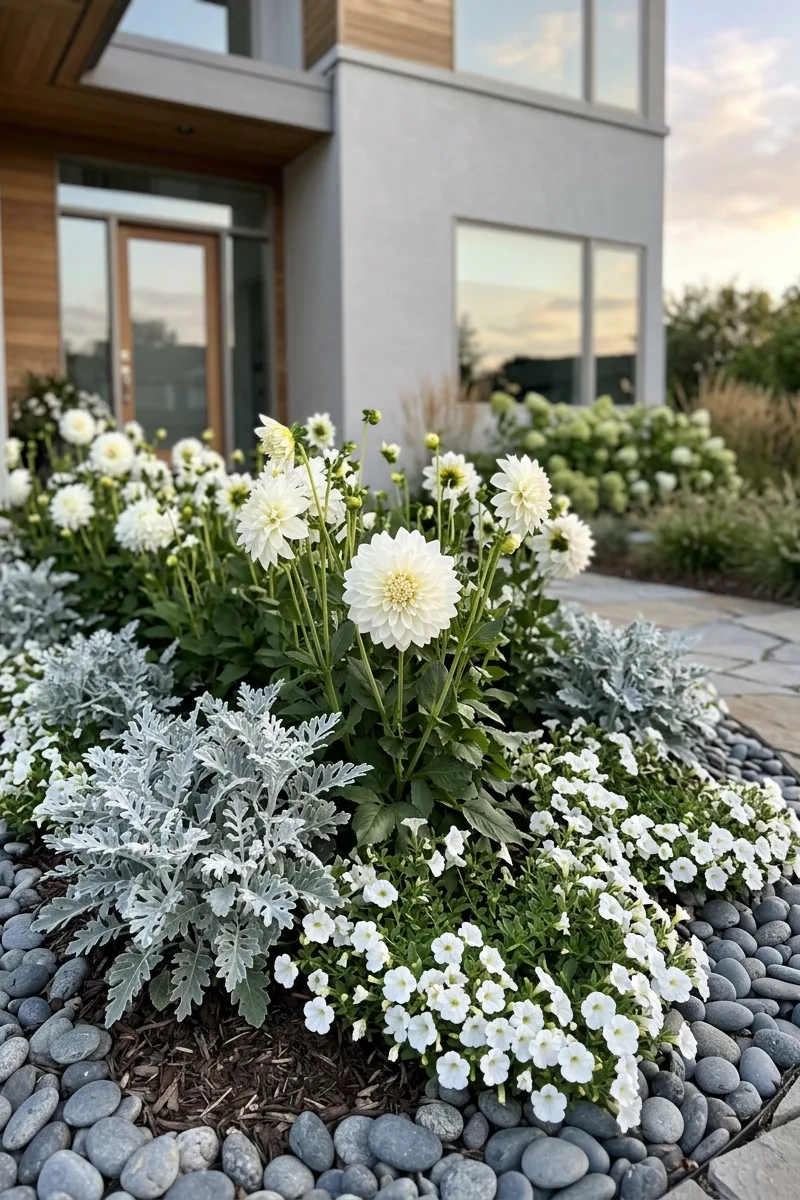
White and silver plants create a soft, elegant look that’s especially effective in modern landscapes. The combination feels both contemporary and classic. This monochromatic scheme is also very forgiving; it’s hard to make white and silver clash with anything. It stands out beautifully against dark house colors and green lawns.
Planting in Repetition
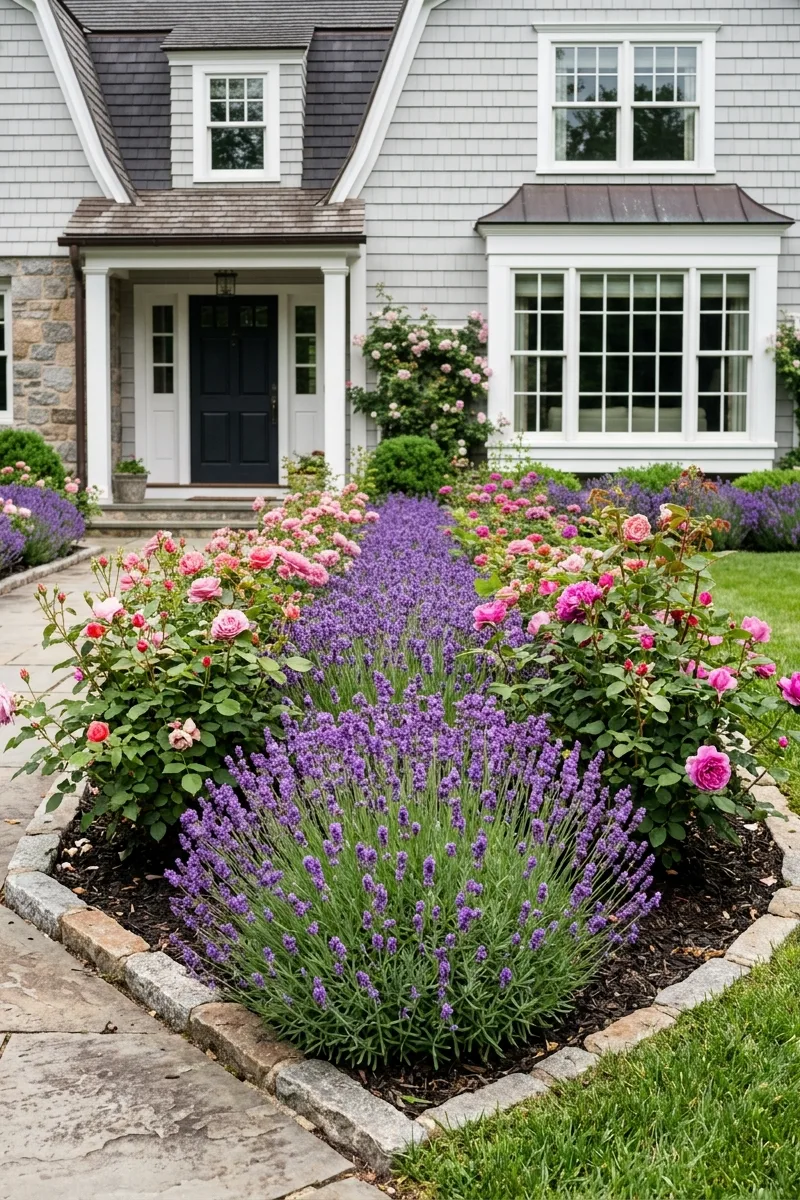
Repeating the same plant in groups creates rhythm and unity in your bed. Instead of using 20 different plants, choose three to five varieties and repeat them across the space. The repetition makes the design feel intentional and cohesive. This approach is especially good for long, narrow beds where the repetition draws the eye along the length of the bed.
Bulb Lawn
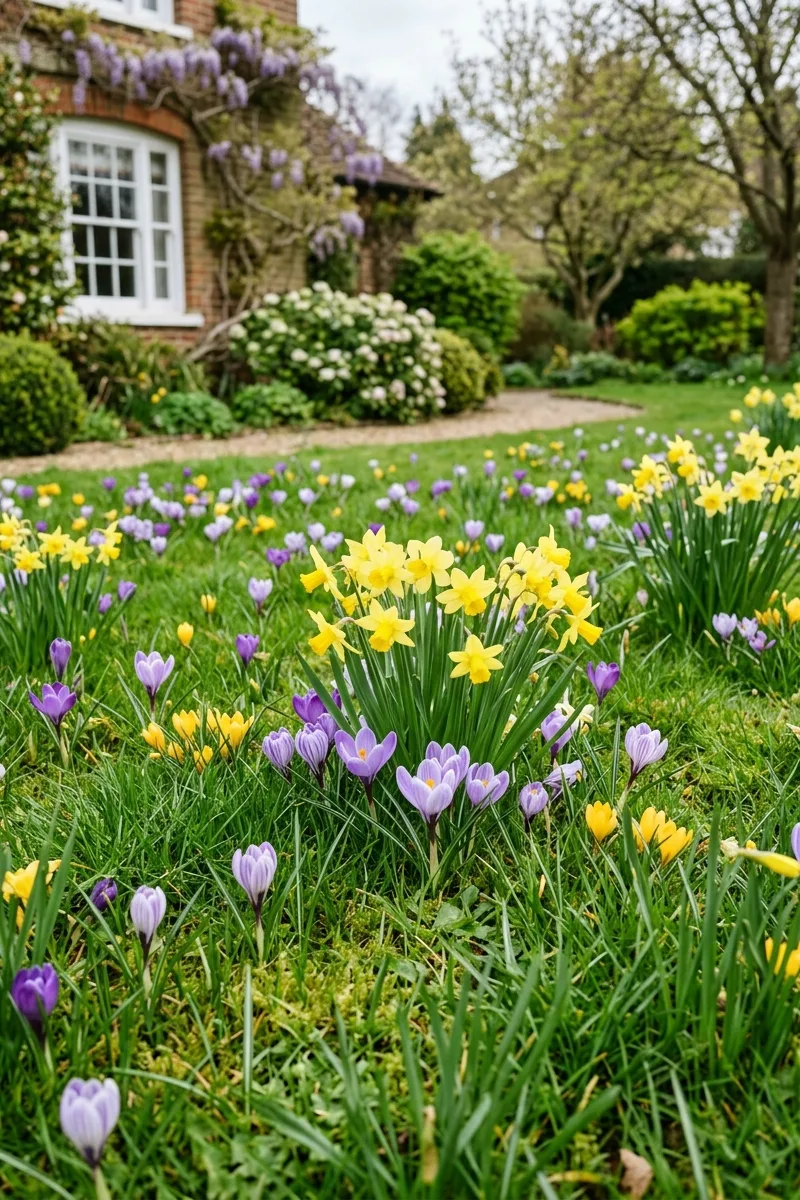
A bulb lawn is a beautiful and unusual front yard feature. Plant bulbs like crocus or miniature daffodils directly into the turf. When spring arrives, the flowers emerge through the grass for a naturalized meadow look. The bulbs are gone before the grass needs its first mowing of the year. This is a delightful way to start the gardening season.
Vertical Element Bed
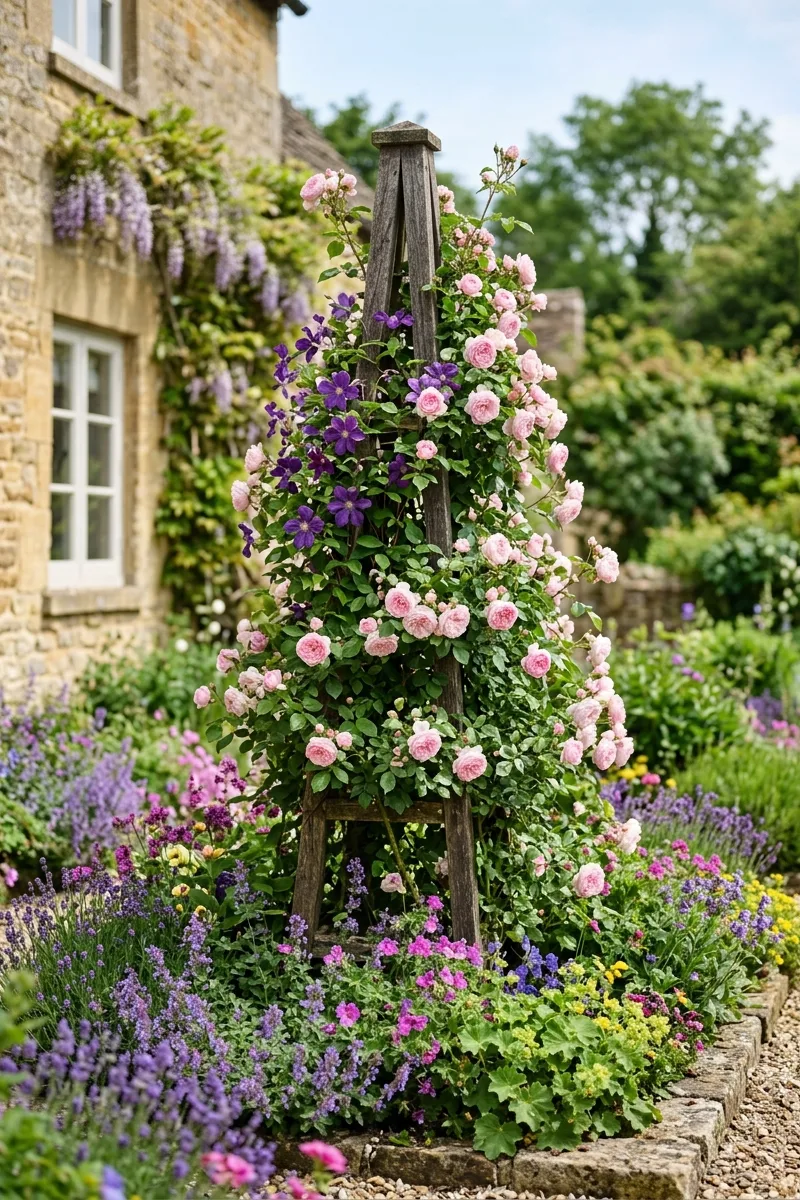
Add a vertical element to your flower bed to draw the eye upward. An obelisk, a small trellis, or even a rose arch can add height to an otherwise flat bed. Train a climbing rose or clematis up the structure for a beautiful vertical display. This creates a focal point that adds drama and dimension, making your front yard look more professionally designed.
Inspiration gallery recap
Tap any image to open the slideshow — use arrows or swipe to browse.