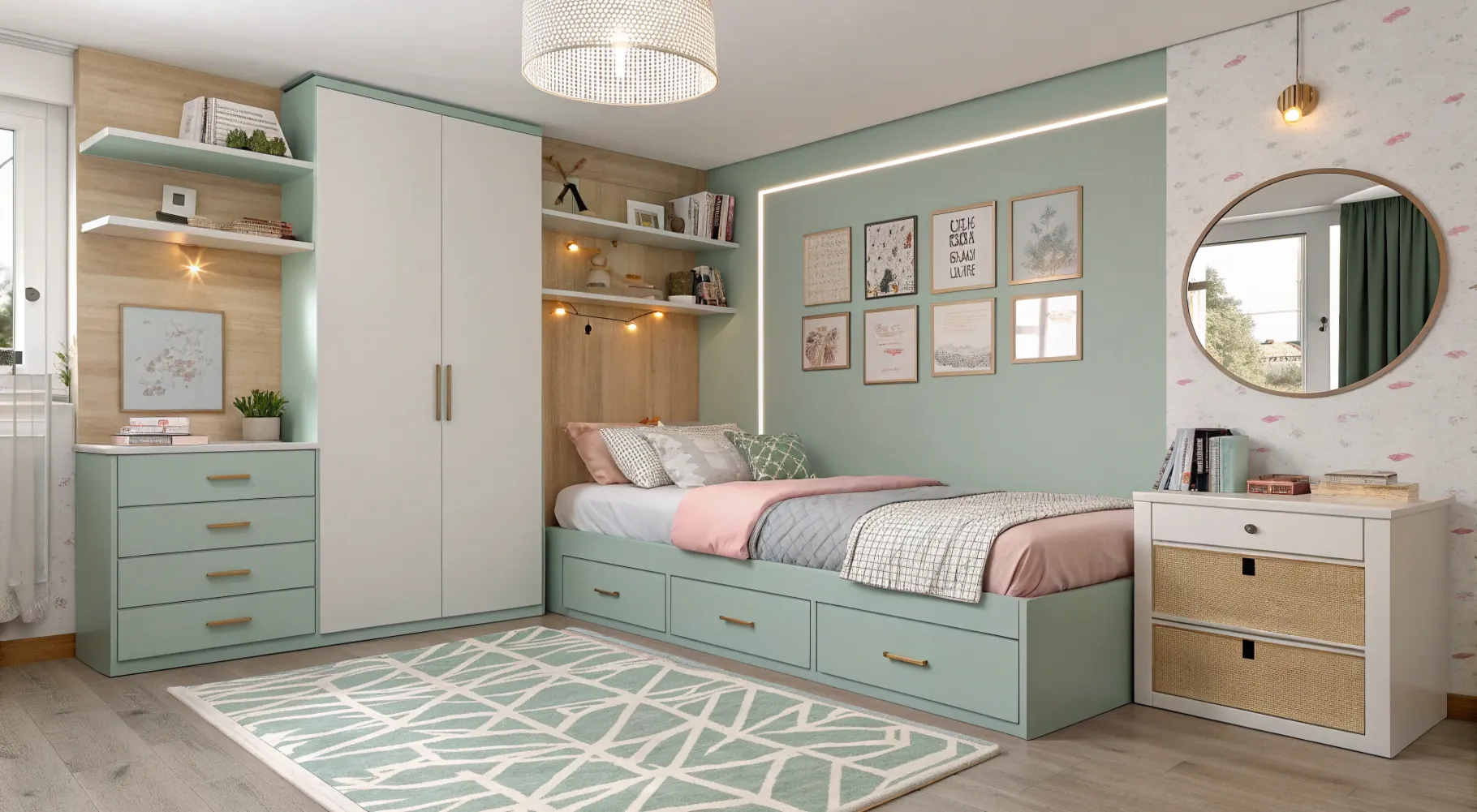
14 Small Bedroom Makeover Ideas for Bigger Impact
Introduction
Small bedrooms can feel cozy and intentional with the right layout and styling. These 14 ideas focus on maximizing function, minimizing visual clutter, and enhancing comfort so your bedroom feels like a calm sanctuary. Each suggestion includes a practical tip and a sensory note to help you create a space that feels both efficient and restful.
1. Light Walls and White Bedding for Airy Feel
Paint walls in a soft white or pale neutral and use crisp white bedding to reflect light and create visual space. Practical tip: add a single accent pillow in a muted tone to avoid starkness. Sensory note: the cool touch of cotton sheets and the brightness of white walls promote calm.

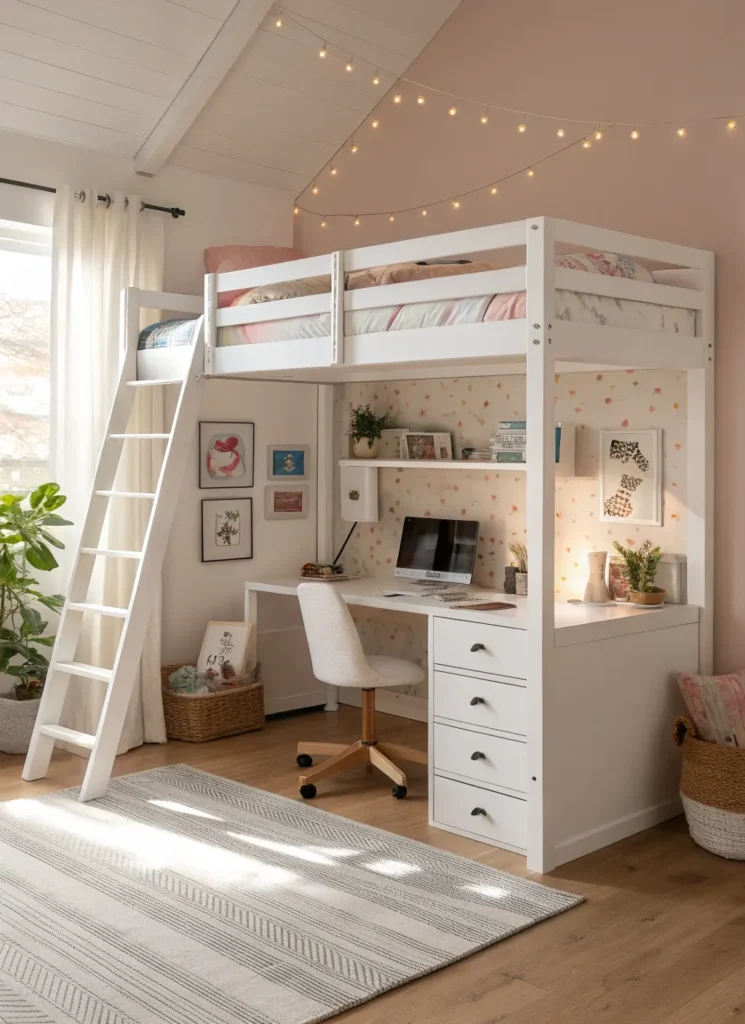
2. Loft Bed with Desk or Storage Below
Install a loft bed to free up floor space for a desk, dresser, or seating area. Practical tip: use the space beneath thoughtfully to avoid visual overload. Sensory note: the open space beneath the bed makes the room feel taller and freer.
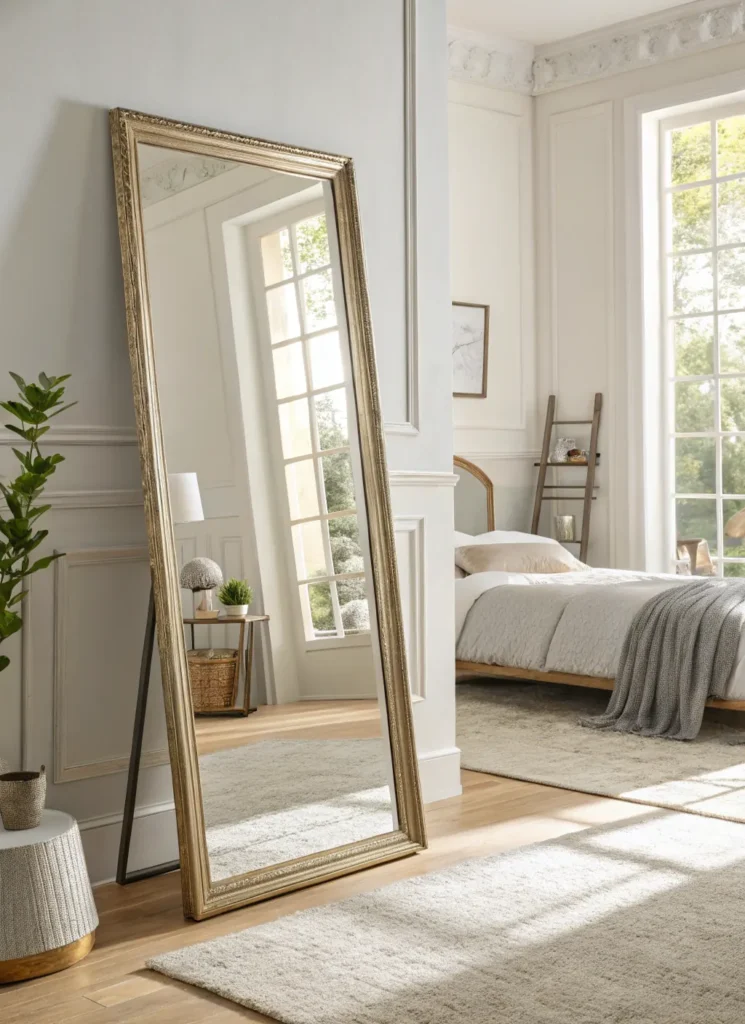
3. Full-Length Mirror to Reflect Light
Place a full-length mirror opposite a window to bounce natural light and create depth. Practical tip: lean the mirror or use a slim frame to save wall space. Sensory note: the reflected light and view make mornings feel brighter.
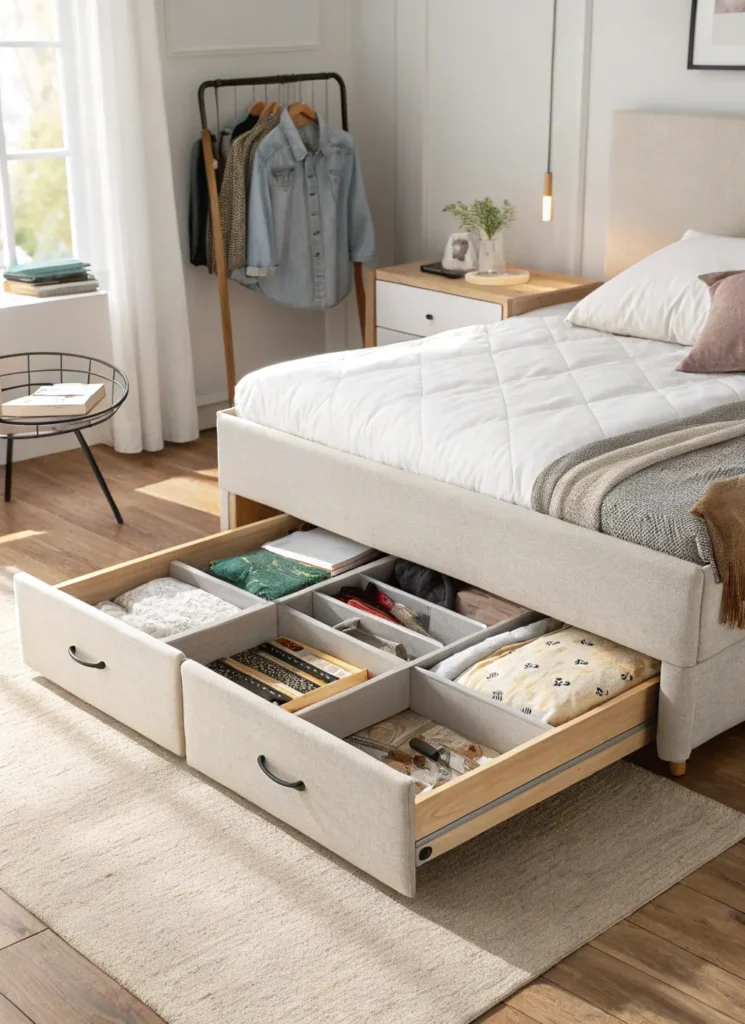
4. Under-Bed Storage Drawers
Use shallow under-bed storage drawers for seasonal clothing or extra linens to keep floors clear. Practical tip: opt for rolling drawers for easy access. Sensory note: the smooth glide of drawers keeps clutter tucked and peace restored.
5. Floating Nightstands to Reduce Bulk
Mount slim floating nightstands to save floor space and keep surfaces clear. Practical tip: add a small lamp and one book for function without bulk. Sensory note: the clean lines and open floor feel make the room seem larger.
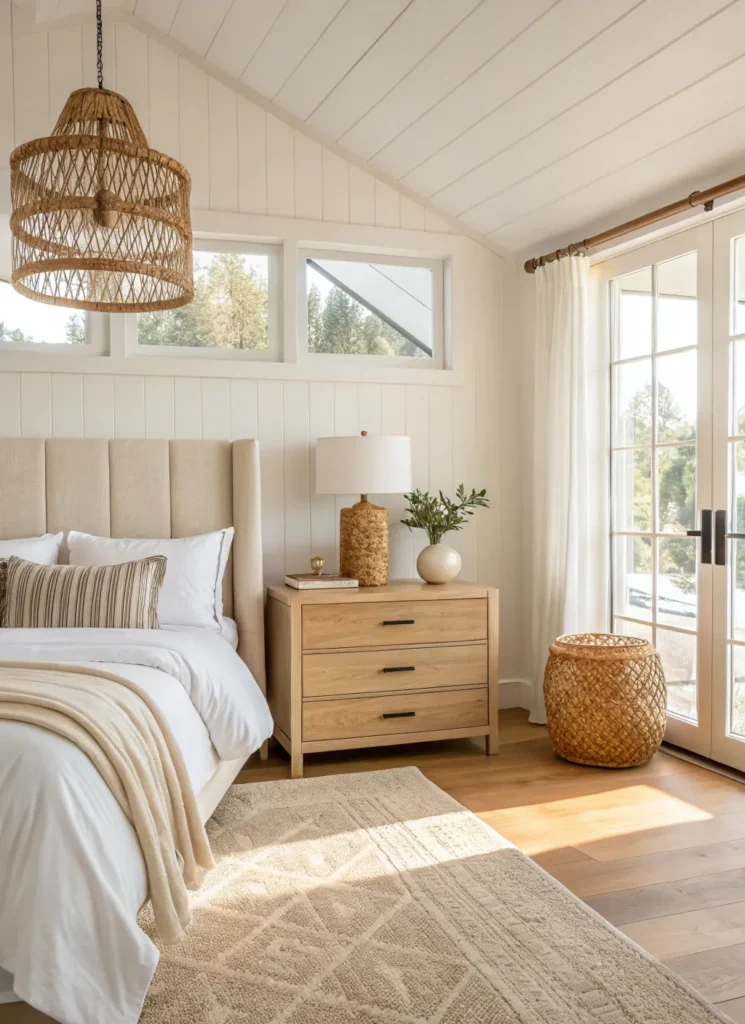
6. Vertical Shelving for Display and Storage
Install tall, narrow shelves to display books, plants, or small decor without taking up floor space. Practical tip: keep shelves minimal to avoid visual clutter. Sensory note: the vertical rhythm draws the eye upward and opens the room.
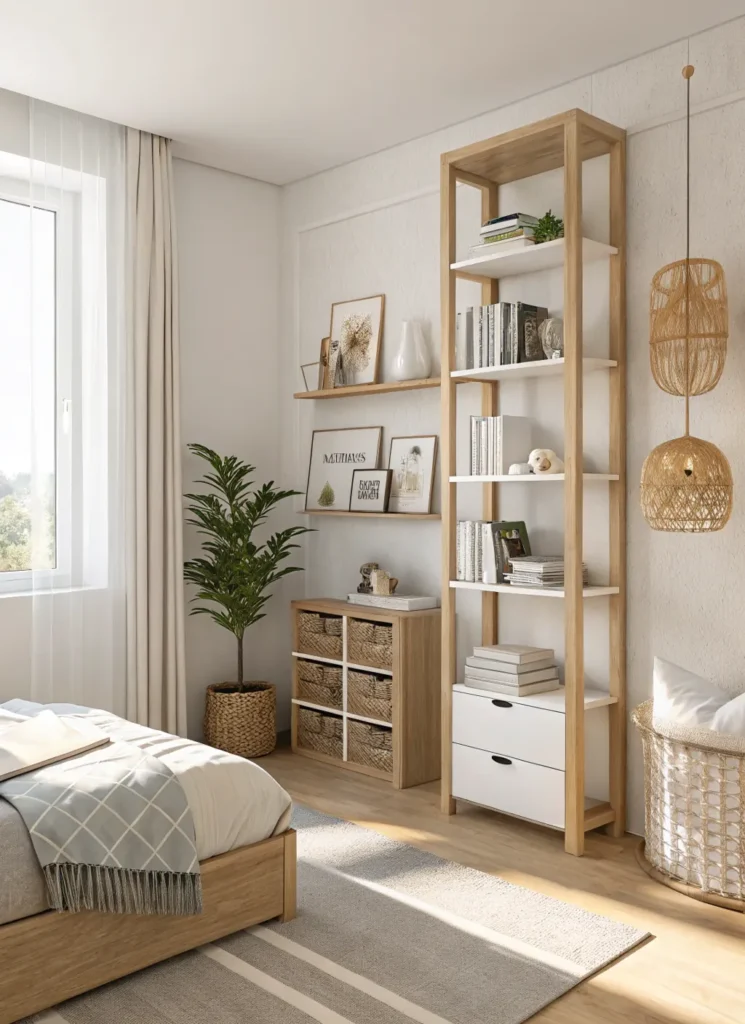
7. Light Filtering Curtains for Privacy and Glow
Use light-filtering curtains in a soft neutral to maintain privacy while allowing daylight in. Practical tip: hang curtains higher than the window frame to create height. Sensory note: the soft diffusion of light feels warm and restful.

8. Multi-Functional Ottoman at Foot of Bed
Use a storage ottoman at the foot of the bed for extra seating and hidden storage. Practical tip: choose a size proportional to the bed to maintain balance. Sensory note: the soft cushion invites a moment of rest at day’s end.
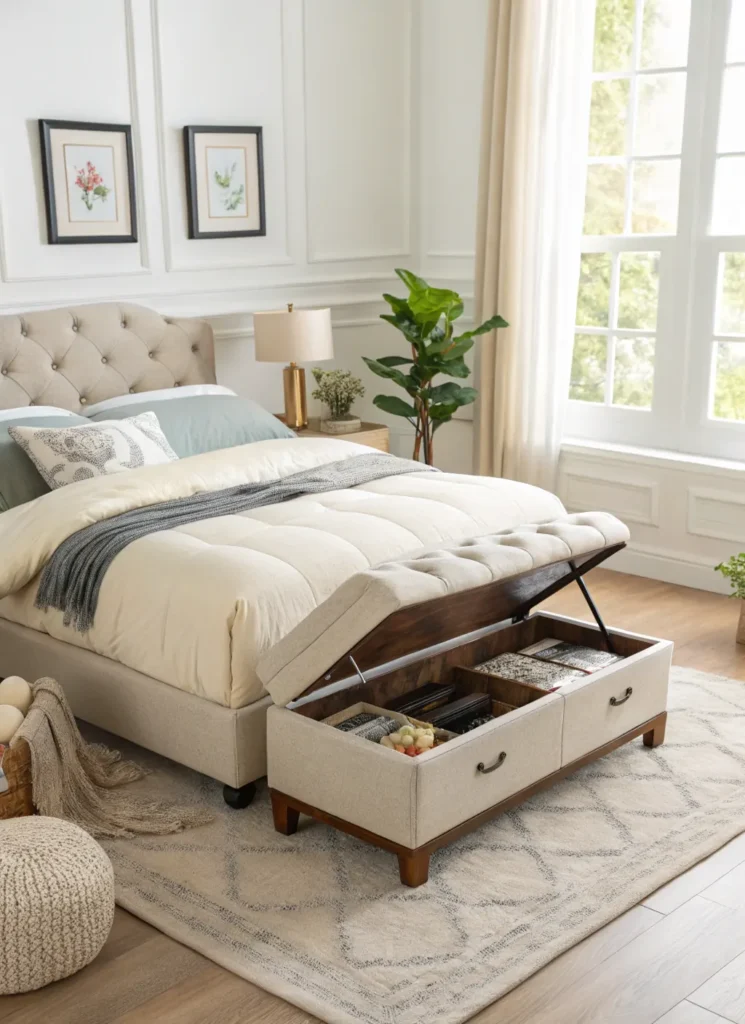
9. Recessed Lighting for Bright Even Glow
Install recessed lights or use clip-on pucks for even, shadow-free illumination without bulky fixtures. Practical tip: use dimmers to adjust light for mood. Sensory note: the even glow supports calm bedtime routines.
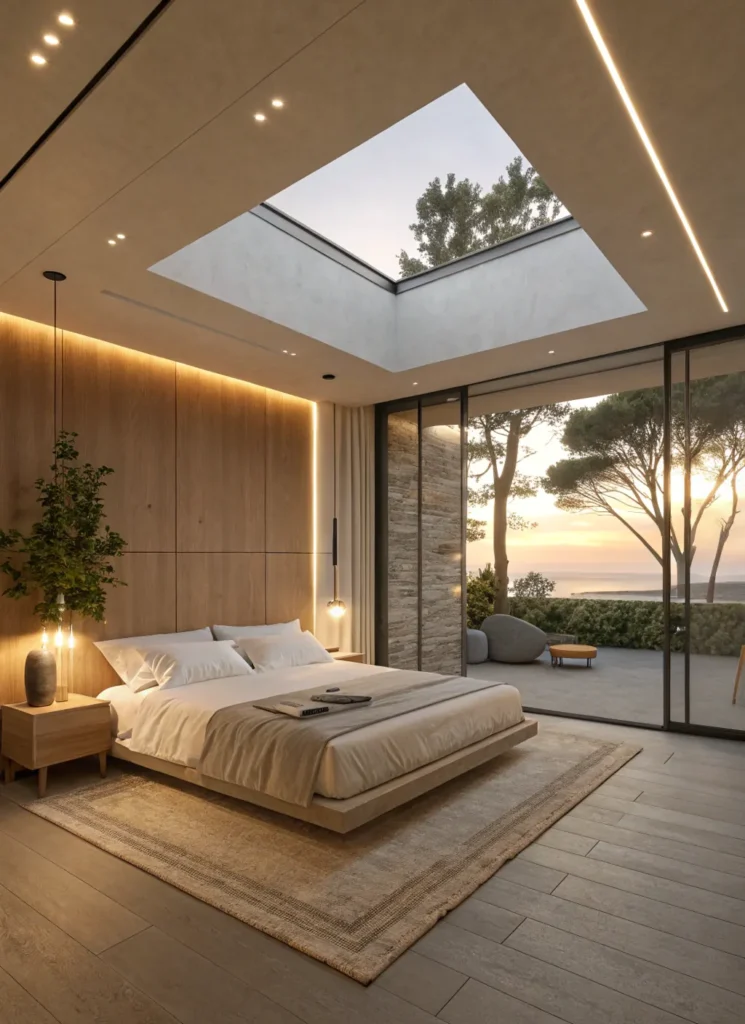
10. Minimal Wall Art for Visual Rest
Hang one or two small pieces of calming wall art to avoid visual overload. Practical tip: choose frames in a consistent finish for cohesion. Sensory note: a single quiet image can center the eye and soothe the mind.
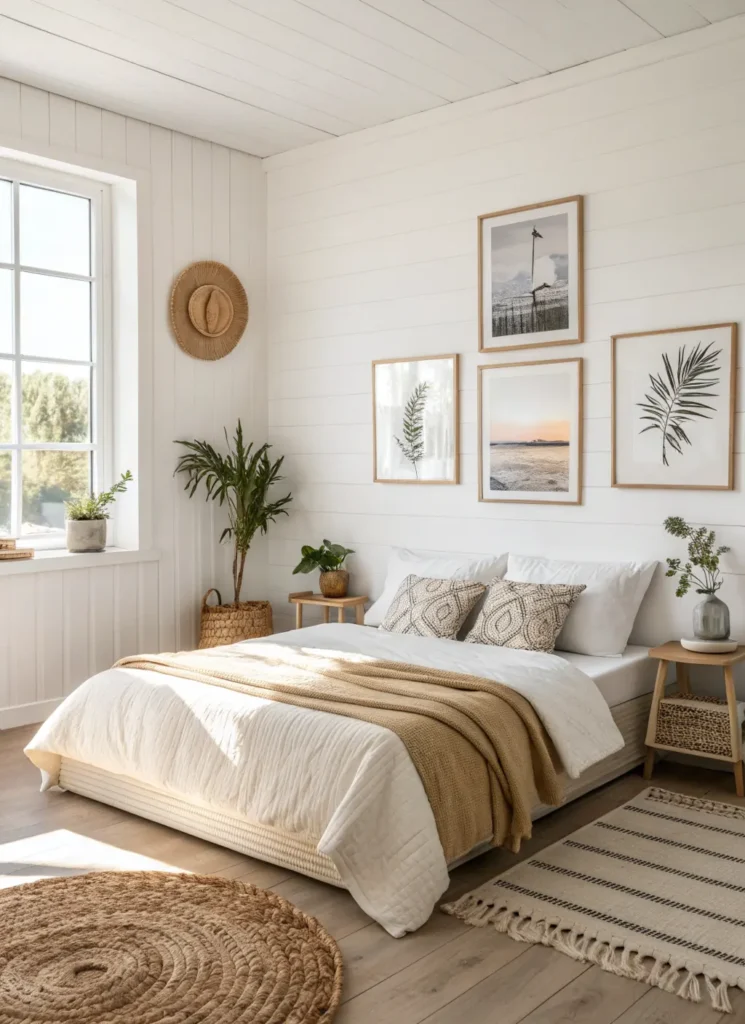
11. Narrow Dresser with Vertical Lines
Choose a narrow dresser with vertical lines or handles to draw the eye upward and save width. Practical tip: keep the top clear except for a small lamp or plant. Sensory note: the vertical lines subtly lift the room’s perceived height.
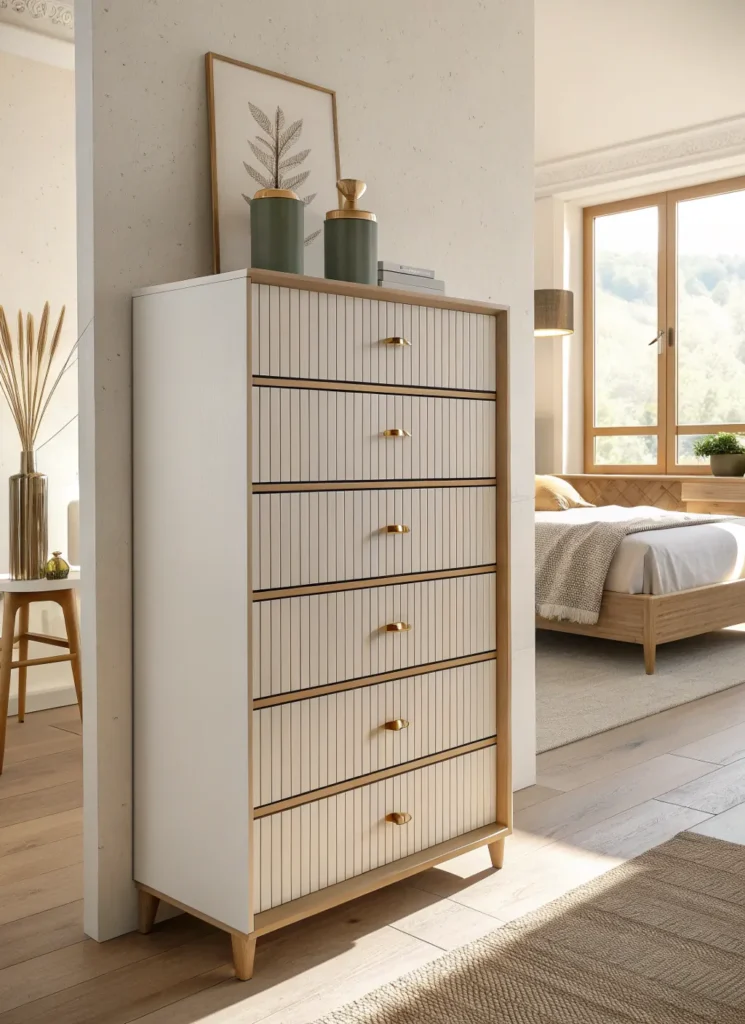
12. Soft Rug to Define Sleep Zone
Place a small, soft rug under the bed to define the sleep area and add warmth. Practical tip: choose a low-pile rug for easy cleaning. Sensory note: the softness underfoot adds comfort to bare mornings.
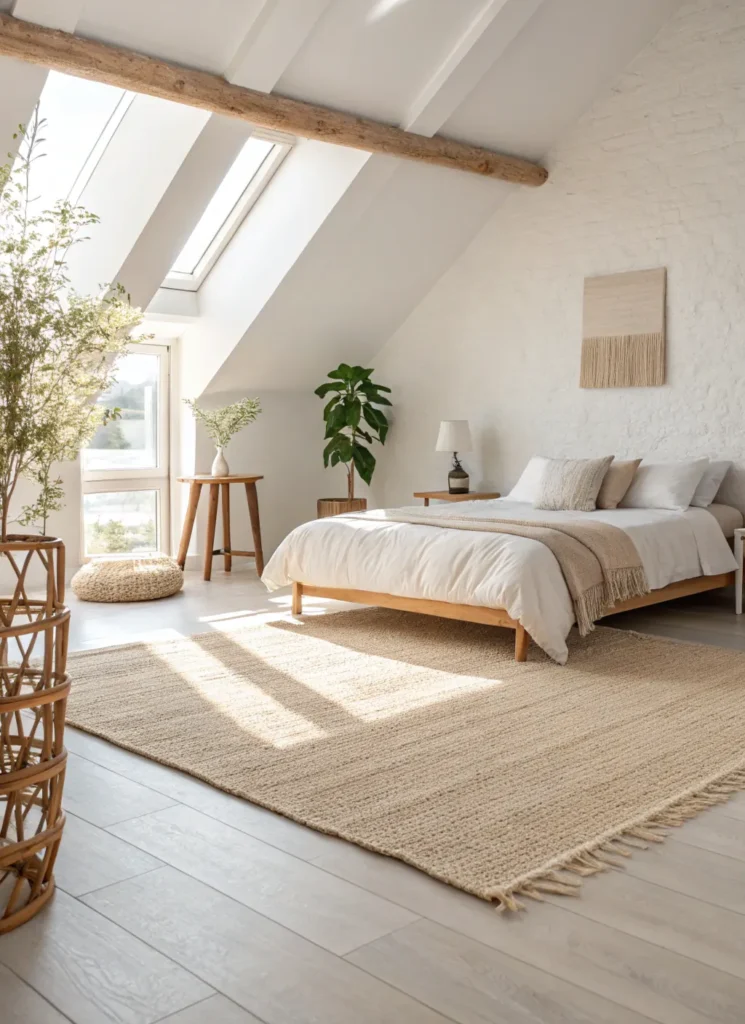
13. Hidden Tech Solutions for Clutter-Free Charging
Use a charging station or cord organizer to keep tech clutter hidden and outlets accessible. Practical tip: mount a small shelf or box near outlets for organization. Sensory note: the absence of visible cords promotes calm and order.
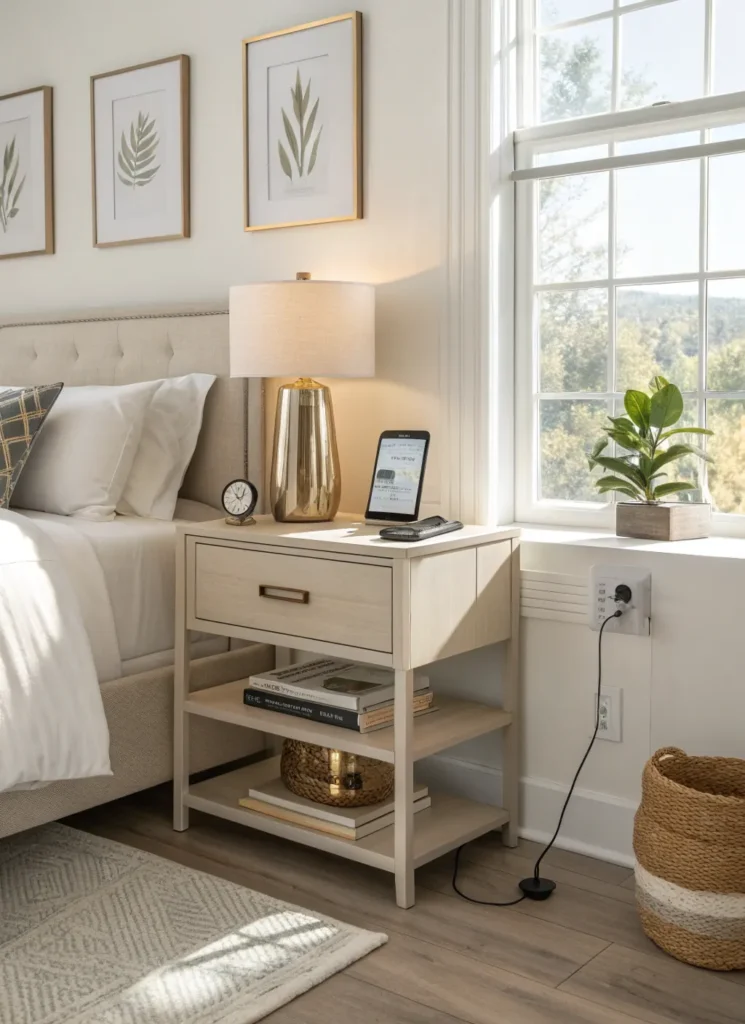
14. Plants for Life Without Crowding
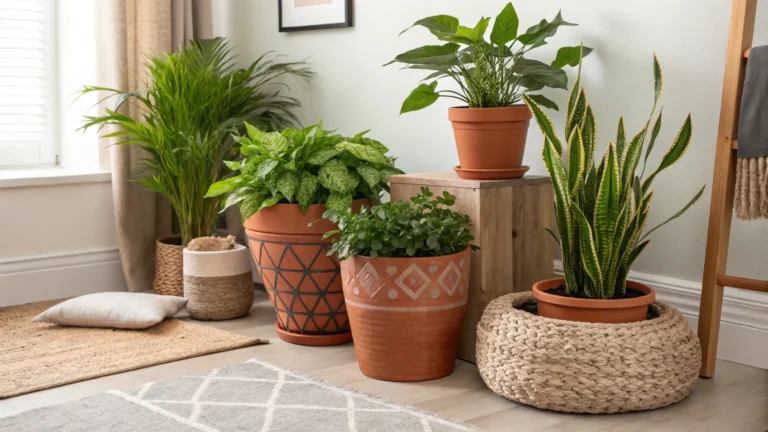
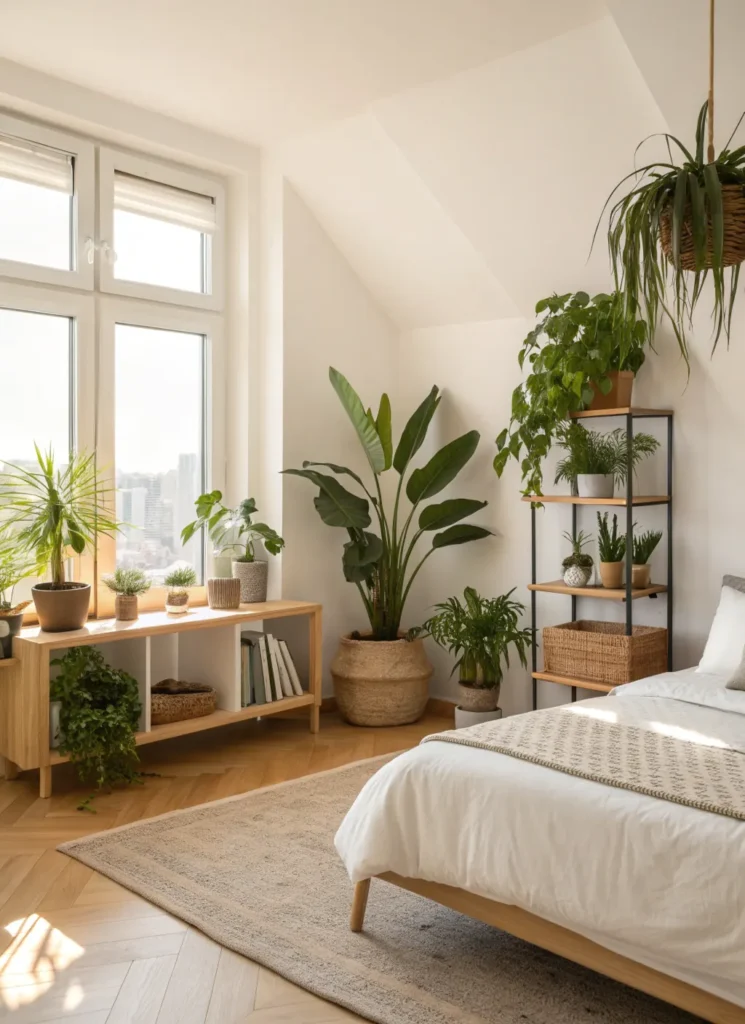
Add one or two small plants like a pothos or snake plant to bring life without crowding surfaces. Practical tip: use wall-mounted planters to save space. Sensory note: the green presence adds vitality and softens hard edges.
Common Mistakes to Avoid
– Overfurnishing which crowds the room and reduces function.
– Using dark colors that absorb light and shrink visual space.
– Ignoring vertical storage which wastes valuable real estate.
Recommended Items
– Loft bed frame
– Floating nightstand brackets
– Full-length mirror
– Under-bed storage drawers
– Light-filtering curtains
– Soft area rug
– Clip-on LED puck lights
FAQs
How can I make a small bedroom feel larger? Use light colors, mirrors, vertical storage, and minimal furniture to open the space visually.
What kind of lighting works best in small bedrooms? Layer ambient and task lighting with recessed lights, wall sconces, or clip-ons to avoid bulky fixtures.
Are loft beds safe for small rooms? Yes, if properly anchored and with guardrails; ensure adequate ceiling height before installing.
How do I choose the right rug size? A rug that extends 30 to 60 centimeters beyond the bed on all sides creates a grounded feel without overwhelming.
Can I use bold colors in a small bedroom? Use bold colors sparingly as accents; keep large surfaces light to maintain openness.
Conclusion
Small bedrooms can be transformed into efficient, restful retreats with thoughtful layout and minimal styling. Focus on light, vertical storage, and hidden clutter to create a calm, spacious feel.