12 Joyful Upcycled Furniture Projects, Give Old Pieces New Life
Introduction :
Turning a secondhand find into a fresh, bespoke piece is one of the most rewarding home projects. Upcycling saves material, adds character, and lets you tailor scale, finish, and hardware to your room. Over years of scouting flea markets and guiding readers, I have learned which transformations deliver the biggest visual change for the least effort. The list below includes 12 joyful upcycled furniture projects that suit a range of skills, from simple paint-and-hardware swaps to minor structural changes. Each item includes practical steps, sensory notes, and styling suggestions so you can create pieces that belong in your home and heart.
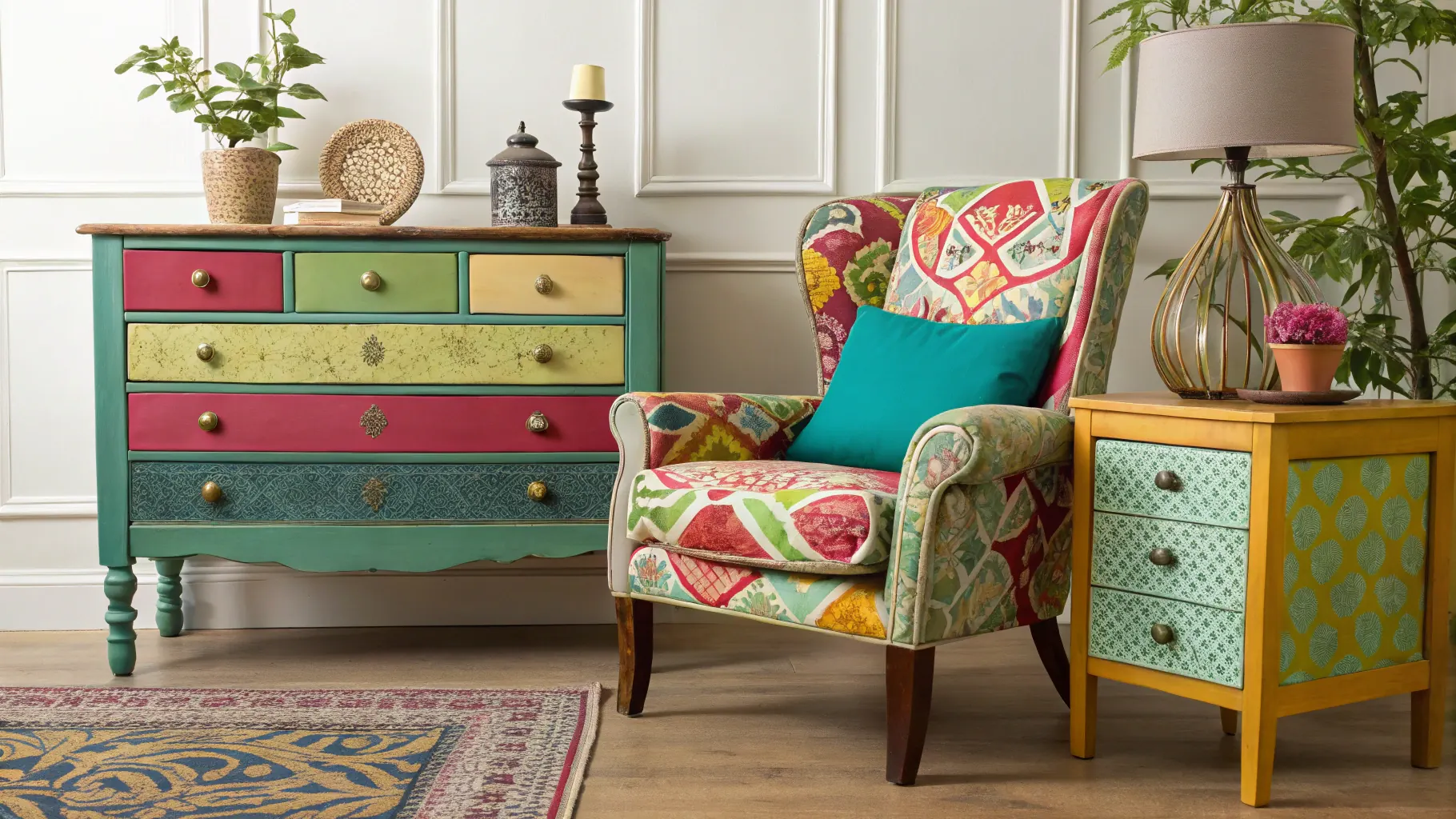
1. Fresh Paint and New Knobs for a Dresser
A fresh coat of paint plus new knobs can change a dresser from dated to design-forward. Sand lightly, prime, and choose a durable enamel or chalk-style paint. Swap old hardware for matte brass or ceramic knobs to modernize the look. Practical tip: remove drawers and label them so reassembly is seamless. The tactile shift from rough old paint to a smooth new finish feels instantly clean and satisfying.
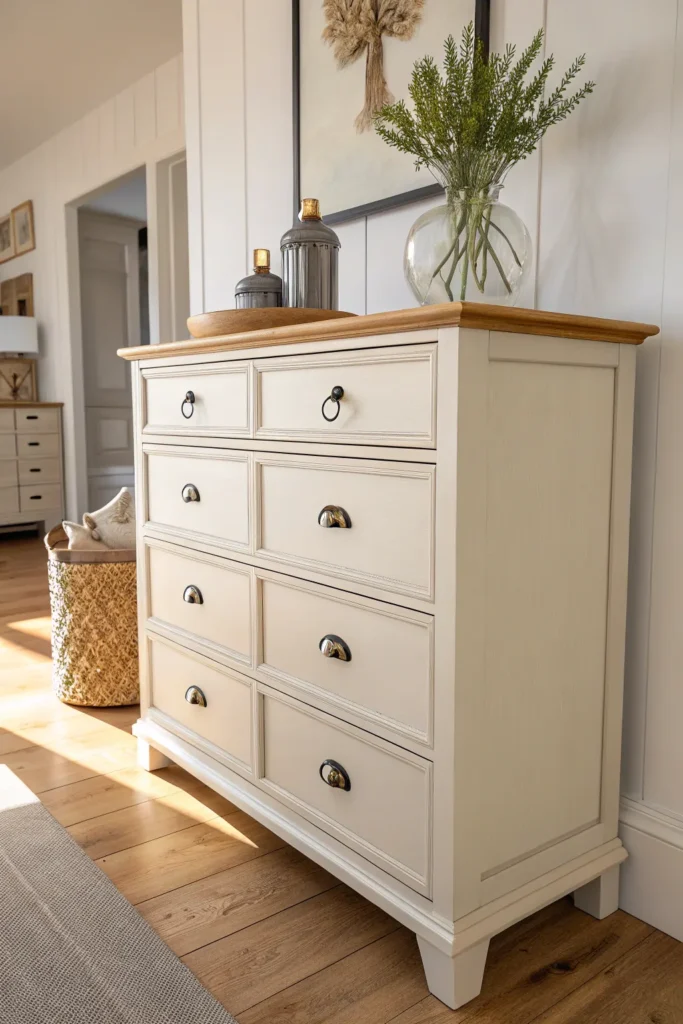
2. Reupholster a Chair with a Textural Linen
Replace worn fabric with a durable, warm linen for a refreshed chair. Simple seat cushion recoveries are a good starting point for beginners. Practical tip: use foam with a soft top layer to improve comfort and cover seams with a welt for a tailored look. Reupholstery brings tactile softness and a refreshed silhouette to a room.
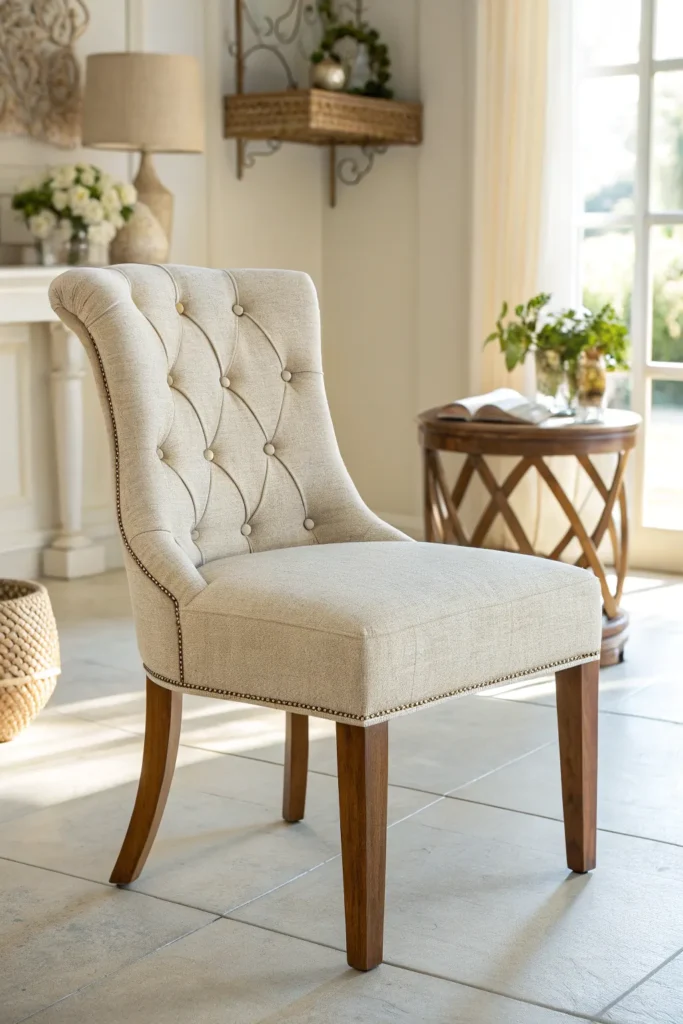
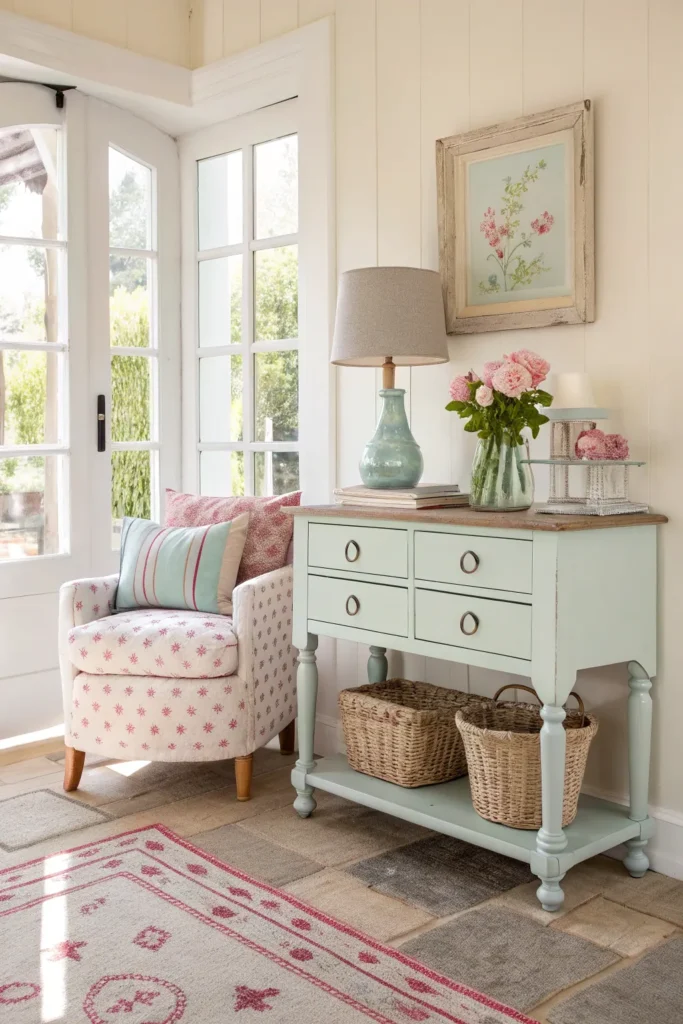
3. Paint and Stain Mix for Two-Tone Charm
Create a two-tone effect by painting the body of a piece and staining the top, like a console or sideboard. The contrast adds dimension and a custom, high-end look. Practical tip: use painter’s tape and sand between coats for crisp lines. The warm grain against matte paint is a strong sensory combination.
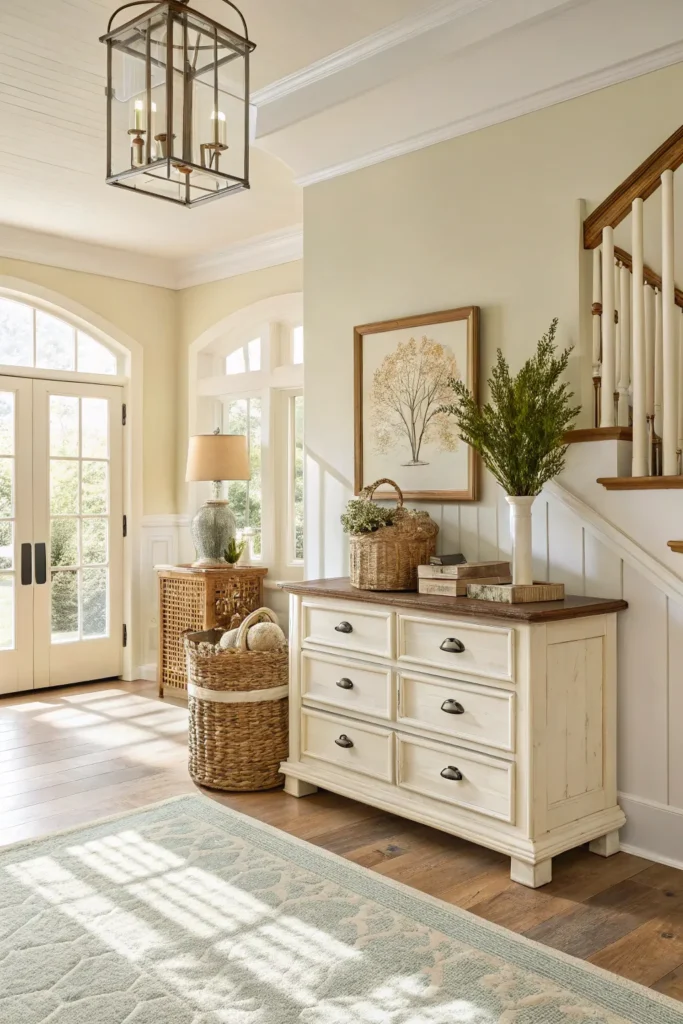
4. Replace Legs for a Mid-Century Lift
Swapping short, dated legs for tapered mid-century style legs instantly modernizes tables and sofas. Use threaded leg adapters for easy installation. Practical tip: measure thread sizes or use universal plates, and test on a spare piece first. The new silhouette feels lighter and more intentional.
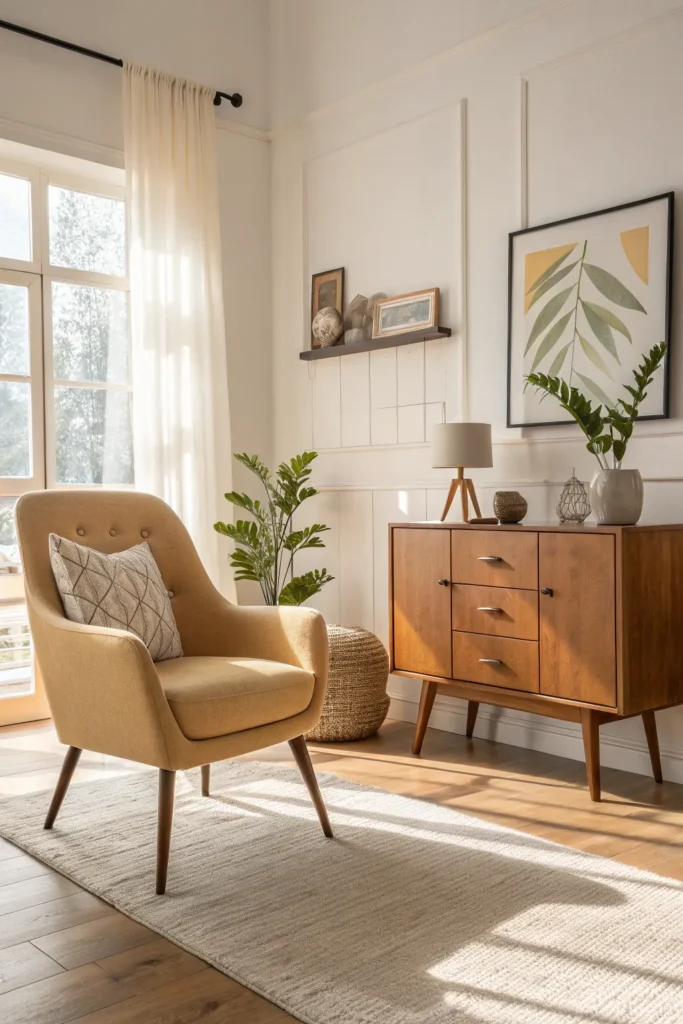
5. Decoupage Drawer Faces for Pattern Play
Use decorative paper or fabric with decoupage medium to refresh drawer faces with pattern. Seal thoroughly to ensure durability. Practical tip: pick repeat patterns and align seams carefully for a professional look. This technique brings a tactile and visual surprise to everyday furniture.
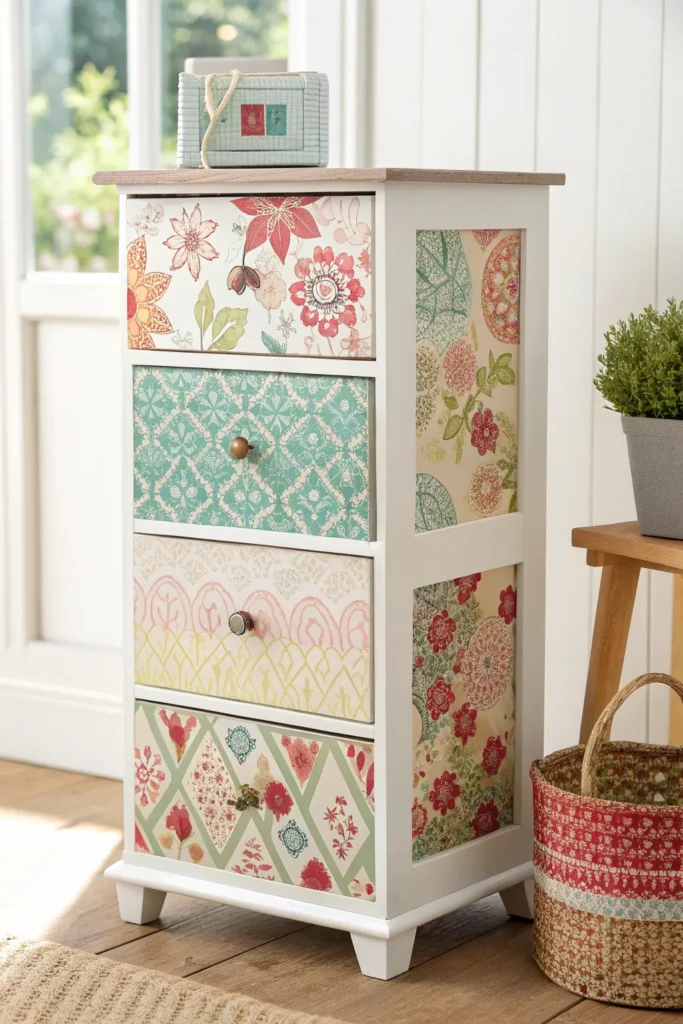
6. Turn a Dresser into a Bathroom Vanity
Cut the top and create an opening for a sink to repurpose a dresser as a vanity. Reinforce internal shelving and add a water-resistant top. Practical tip: consult a plumber about drain locations and waterproofing details. The transformation feels bespoke and adds a vintage, lived-in charm to bathrooms.
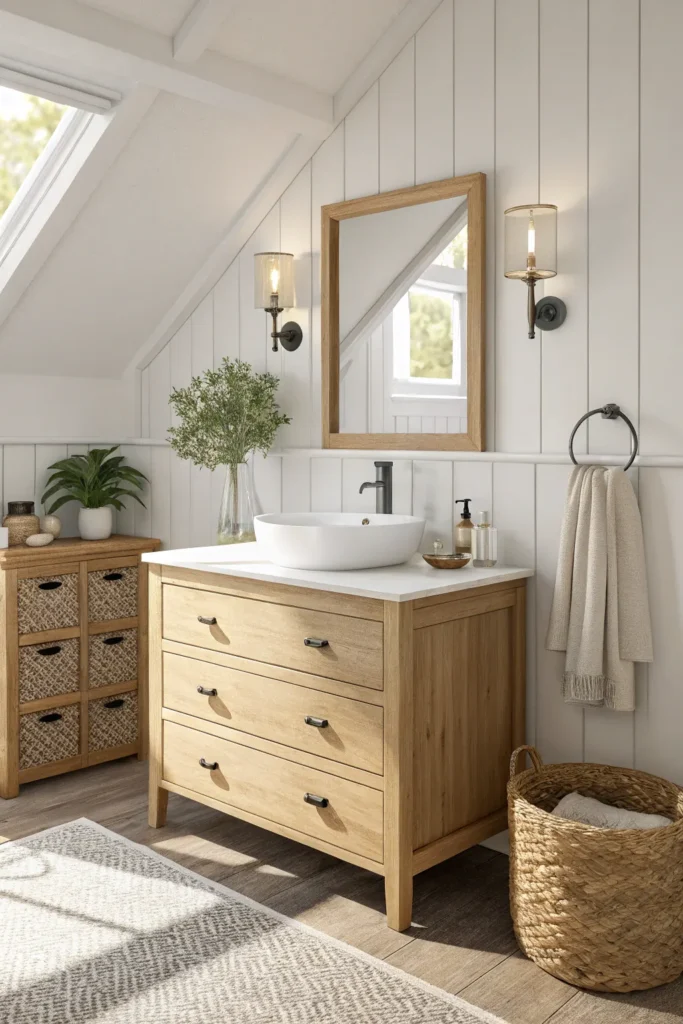
7. Create a Bench from an Old Coffee Table
Shorten legs and add a cushioned top to a coffee table to make an entryway bench. Upholster the top for comfort and add storage baskets beneath. Practical tip: reinforce the frame and use outdoor-grade fabric in high-traffic entryways. The bench reads practical and welcoming, perfect for shoes and quick sits.
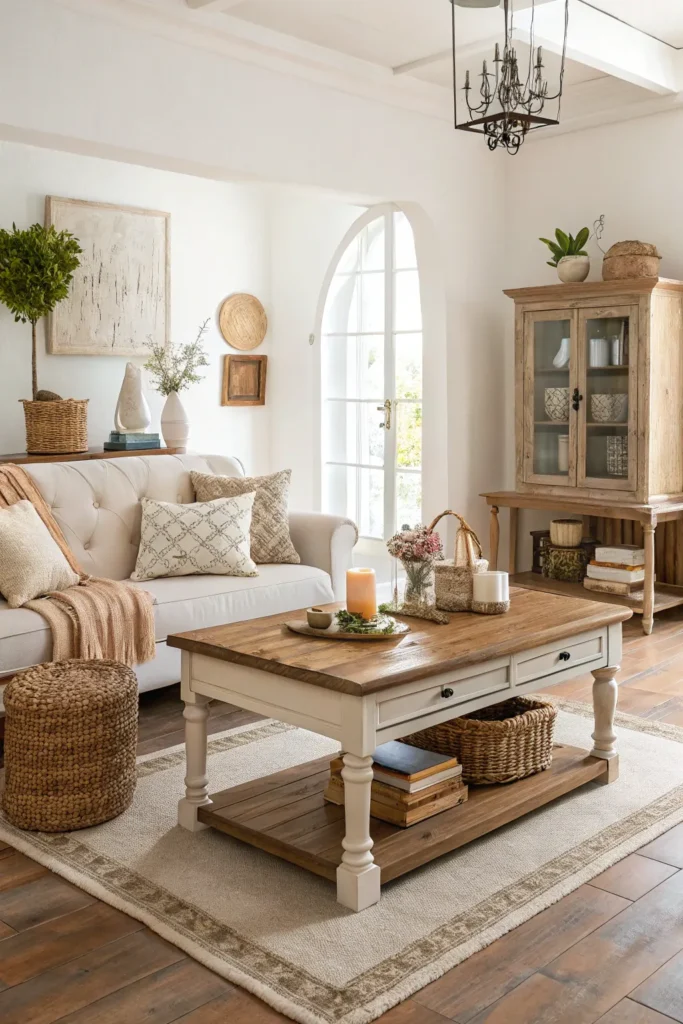
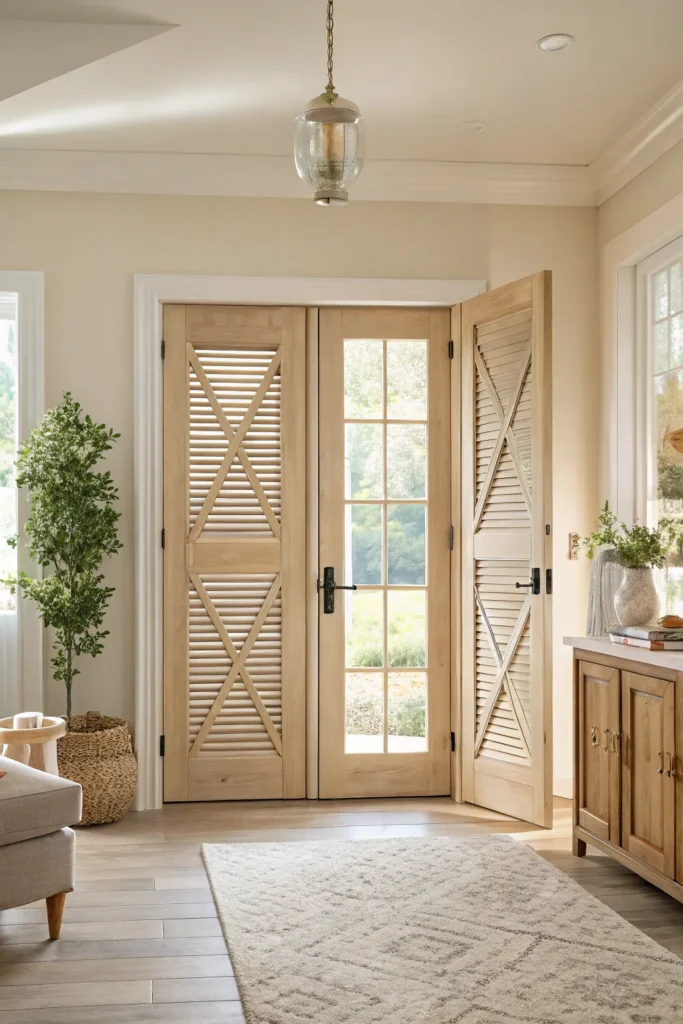
8. Swap Doors and Add Slatted Details
Add slatted wood overlays or replace cabinet doors with beadboard inserts for a fresh coastal or cottage vibe. Practical tip: measure carefully and consider soft-close hinges for modern convenience. Slatted textures add rhythm and a tactile, sun-warmed look.
9. Add Veneer to Hide Imperfections
Use wood veneer to cover large worn areas or laminate surfaces that are dated. Veneer can be stained to match existing wood tones for a seamless update. Practical tip: use contact adhesive and a veneer roller for even application. The result is a smooth, tactile surface that looks custom.
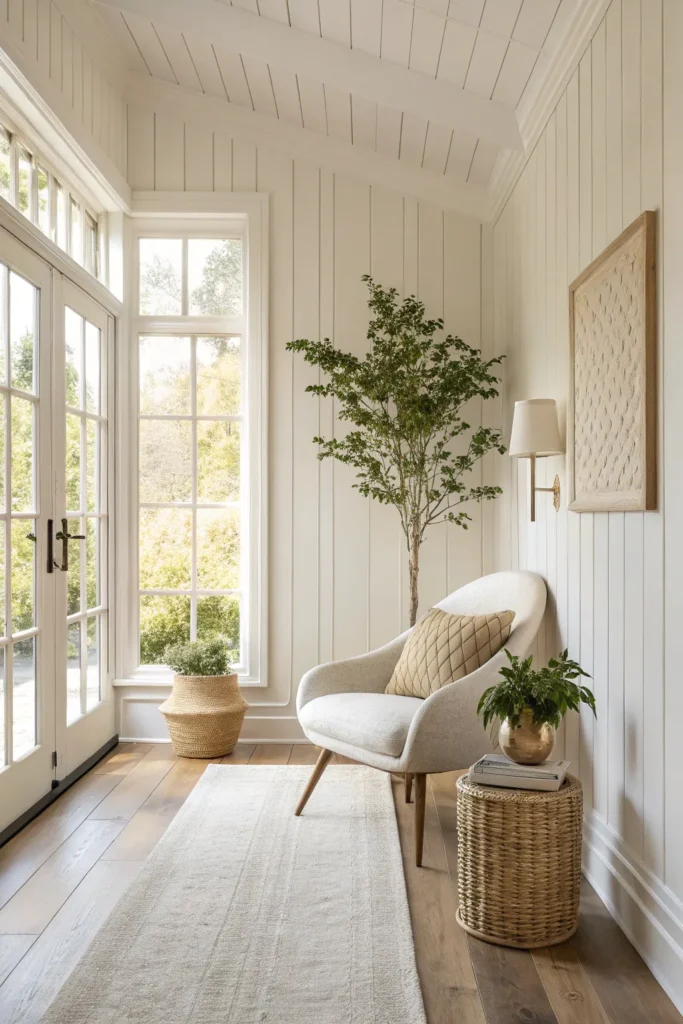
10. Chalk Paint Distress for Soft Vintage Charm
Use chalk-style paint to create a soft, matte finish then gently distress edges for a lived-in look. Seal with wax or matte topcoat for durability. Practical tip: practice distressing on scrap wood to control the effect. This technique produces a warm, tactile finish that’s forgiving and cozy.
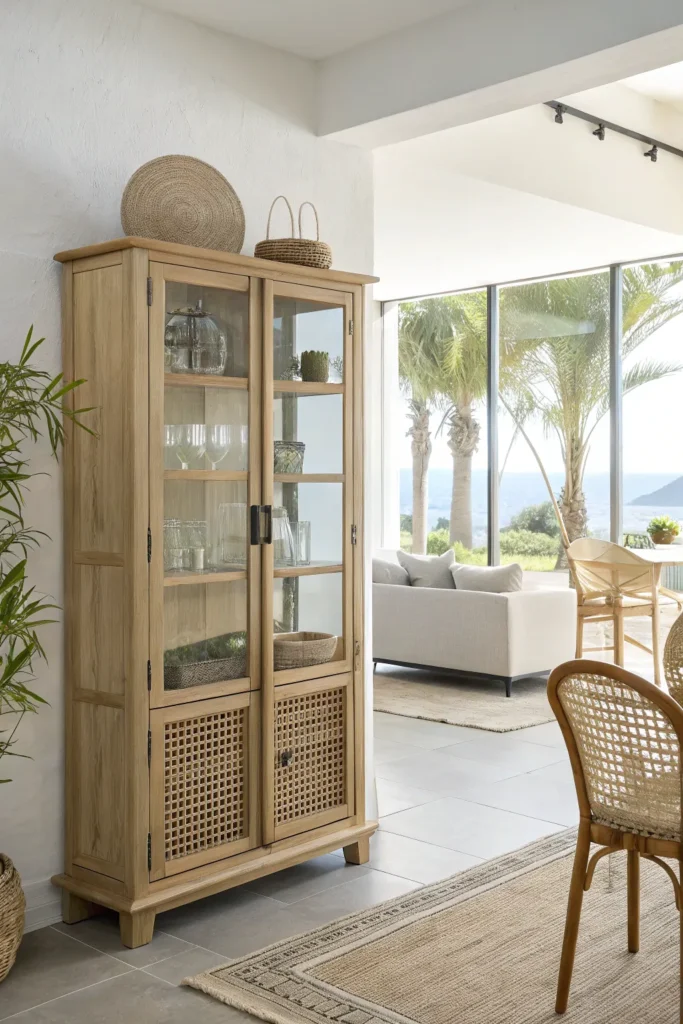
11. Replace Glass Insets with Cane or Rattan
Swap opaque glass in cabinet doors for cane webbing or rattan panels to update a piece and add texture. This works beautifully in media consoles and sideboards. Practical tip: use spline or a discreet frame to secure panels and protect edges. The sensory result is light, breathable texture that softens cabinetry.
12. Build a Custom Top from Reclaimed Boards
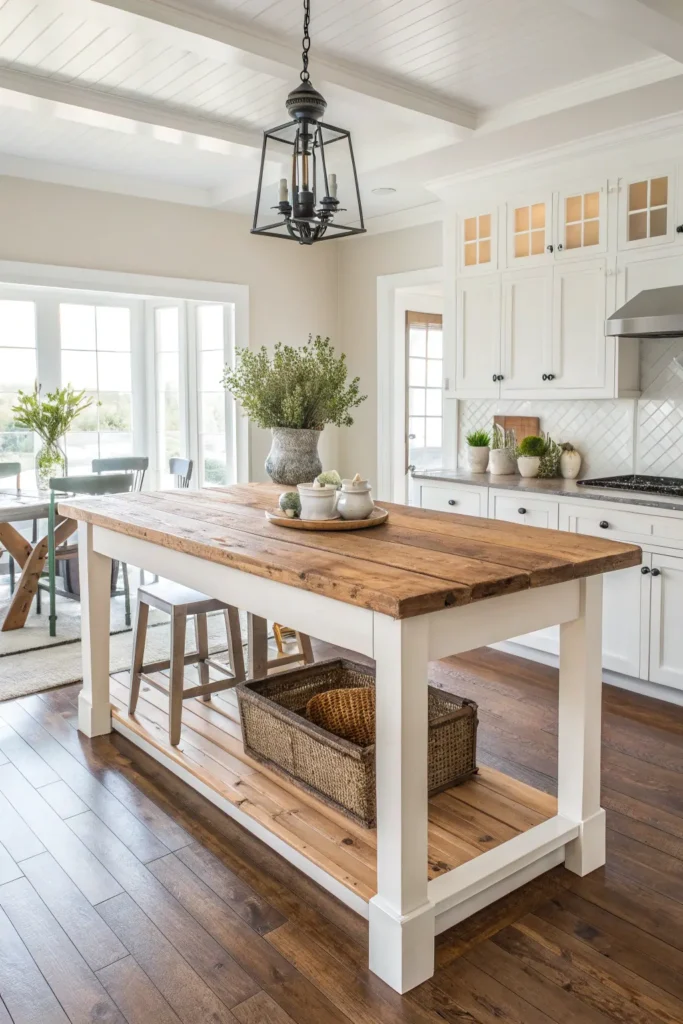
Create a new top from joined reclaimed boards for a table or console for a show-stopping surface. Plane and sand carefully, then finish with a protective oil. Practical tip: allow wood to acclimate and use biscuits or dowels to keep boards aligned. The tactile grain and slight imperfections are part of the charm.
Common Mistakes to Avoid
– Skipping proper preparation like sanding and priming can lead to poor adhesion.
– Ignoring structural repairs, always fix wobbles before cosmetic updates.
– Using incompatible paints or finishes that may crack or peel over time.
Recommended Tools and Materials
– Orbital sander
– Primer
– Quality brushes
– Stains
– Chalk paint
– New hardware
– Leg plates
– Upholstery foam
– Adhesive
– Veneer tools
– Protective gloves
– Respirator
FAQs
Is it safe to use secondhand furniture in kitchens or bathrooms? Yes, with the right finish and waterproofing; avoid porous untreated wood without proper sealing near water.
How durable is chalk paint? Chalk-style paint can be very durable if sealed with wax or a topcoat, but it will have a softer sheen than enamel.
Can I reupholster a chair myself? Yes, basic seat cushion recovery is accessible; full frame reupholstery may need professional tools and skill.
How do I match stains between old and new wood? Test stains on scraps and adjust by mixing tones, or consider a two-tone approach to avoid exact matching pressure.
What is the easiest upcycle with the biggest impact? Paint and hardware swaps are low cost and high impact, great for beginners.
Conclusion:
Upcycling is creative, sustainable, and deeply rewarding. These 12 projects offer a range of approaches to suit your budget, time, and skill level. Pick a piece that sparks joy, set aside a weekend, and enjoy the transformation of a thrift find into something you are proud to own and display.