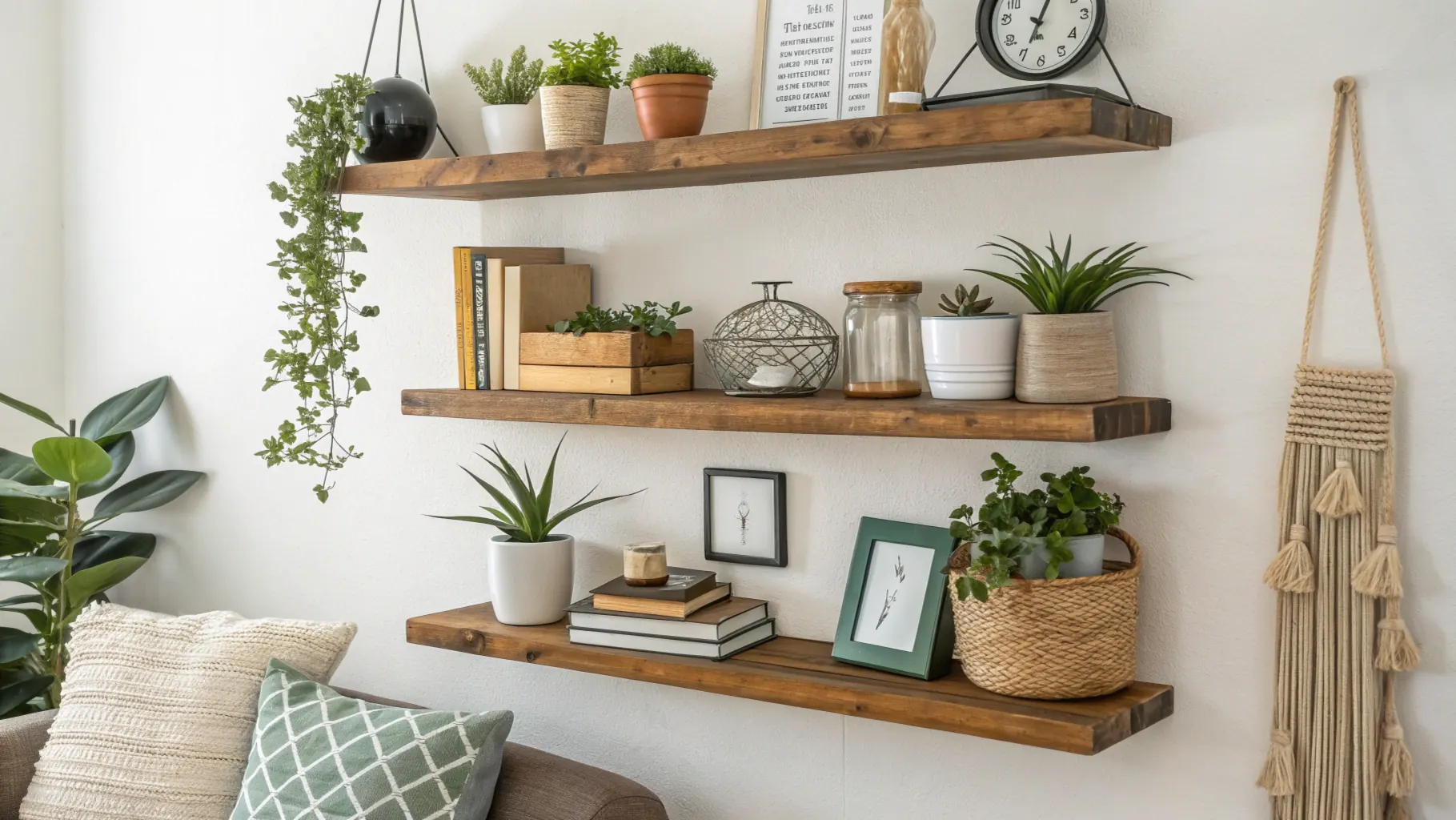
12 Charming DIY Wall Shelves for Weekend Projects, Budget-Friendly Upgrades
Introduction
There is something quietly satisfying about building your own shelf. It is a small weekend project that rewires how you feel about a wall, turns an unused patch of vertical real estate into a display stage, and gives you the pleasure of using something you made. Over years of helping homeowners refresh their spaces, I have found that well-designed DIY shelves are one of the fastest ways to lift a room visually and emotionally. These 12 charming DIY wall shelf projects are designed to be approachable for a range of skill levels, and each includes practical tips for styling, materials, and safety. Whether you want a tapered floating shelf for a hallway, a rustic ledge for plants, or a stacked corner system for books, there is an idea here you can tackle this weekend.
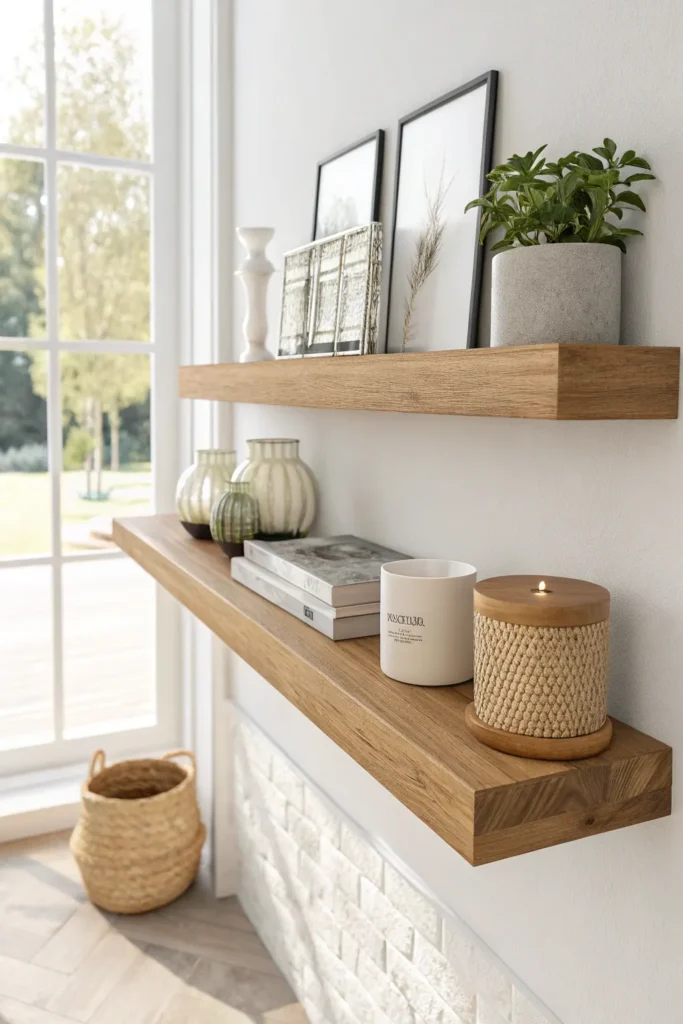
Simple Floating Shelf in Warm Oak
A single floating shelf in warm oak reads modern and intentional. Use a concealed bracket kit, a 2cm thick oak board cut to size, and a clear satin finish for durability. This shelf is perfect above a console or small desk and creates a clean line that lets objects breathe. Practical tip: anchor the bracket into studs or use heavy-duty anchors for secure mounting. Sensory note: the warm grain of oak under your fingertips against painted plaster gives a soft, tactile contrast that feels grounded and finished.
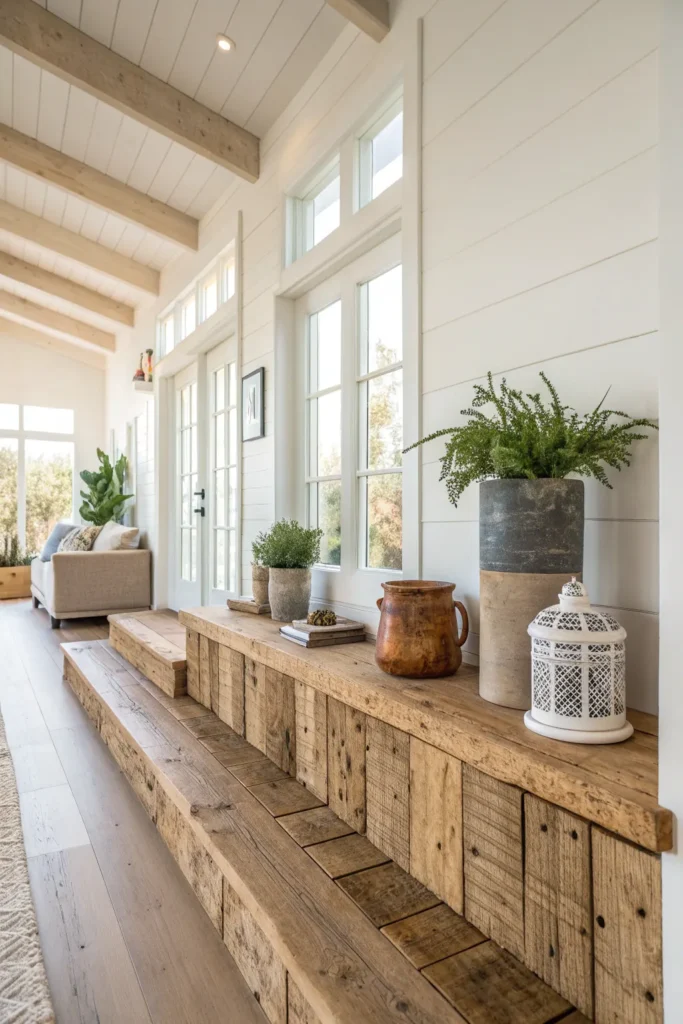
Rustic Reclaimed Plank Ledge
Use a reclaimed plank for a ledge that carries character, nail holes, and a hint of history. A plank with a thin profile functions beautifully as a picture ledge for art leaning against the wall. Practical tip: sand enough to remove splinters, and seal with a matte water-based finish to preserve patina. Emotionally, reclaimed wood reads nostalgic and warm, and it pairs beautifully with potted greenery.
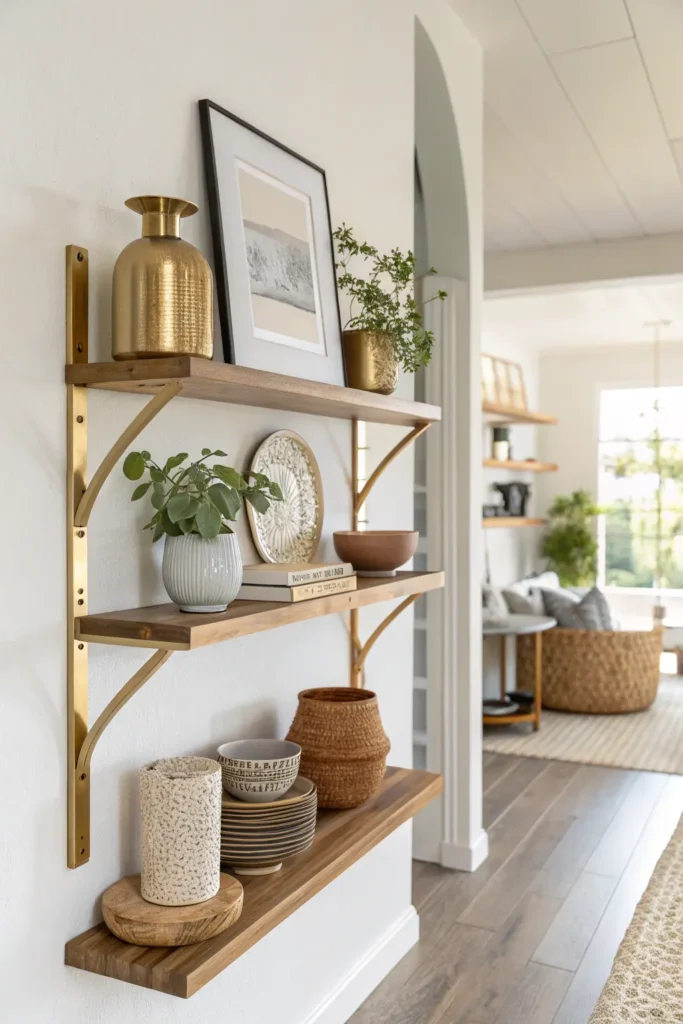
Brass-Bracket Minimal Shelf
Combine a thin wood shelf with simple brass L-brackets for an airy, slightly luxe look. The brass catches light and anchors vignettes without heavy weight. Practical tip: use matching hardware finishes for consistency and protect brass with a lacquer if you live in a humid climate. Sensory detail: the cool metal against the warm timber produces a pleasing contrast that photographs beautifully.
Corner Stacked Shelves for Plants
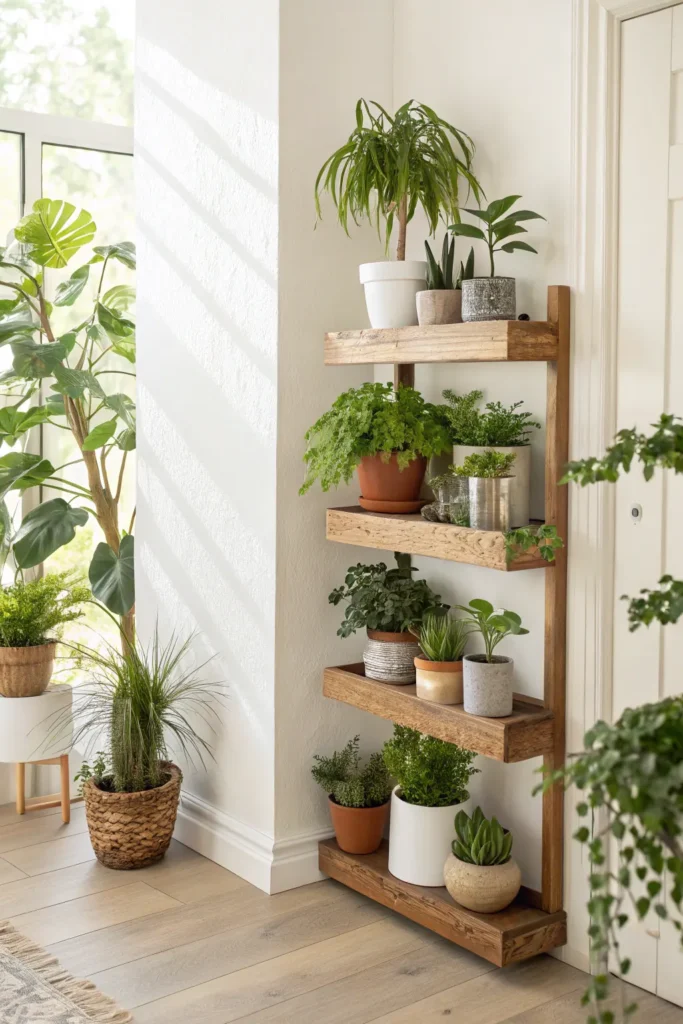
Turn an awkward corner into a plant nook with stacked shelves that step down. Use pine or poplar boards, bracketed to studs, and stagger depths for visual interest. Practical tip: keep heavier plants lower and ensure each shelf has enough depth for pots and saucers. The result is a vertical green moment that brings life and movement to a room.
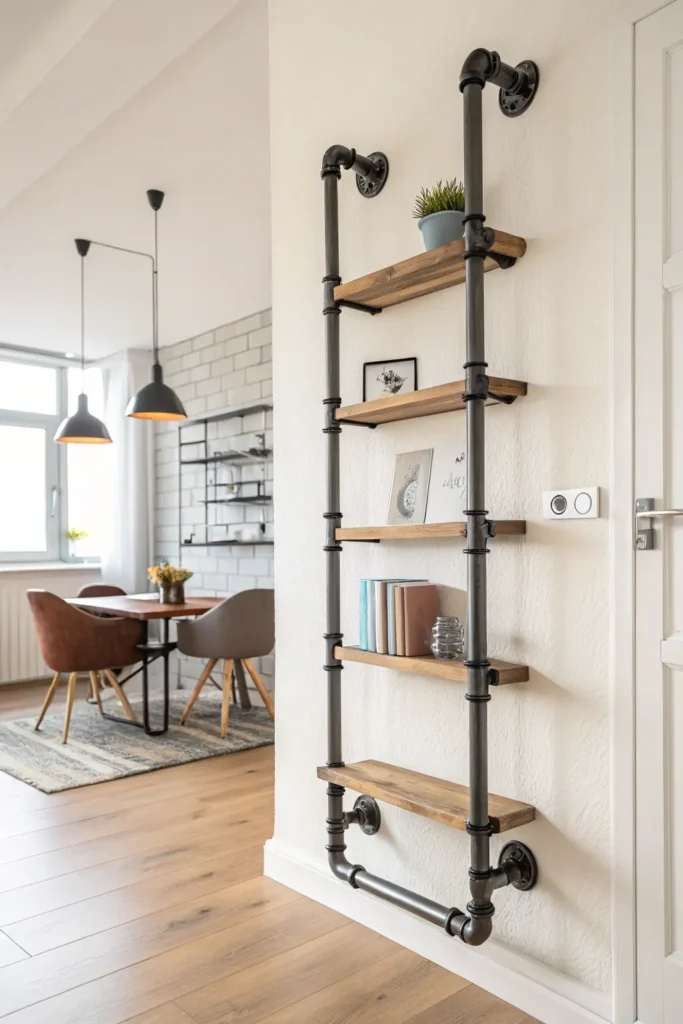
Industrial Pipe Shelf for an Edgy Look
Combine black iron pipe brackets with unfinished or stained wood for an industrial statement. This look works well in kitchens or loft-style spaces. Practical tip: pre-drill holes and use thread-locking compound on metal fittings to keep them steady over time. Sensory note: the matte black pipe feels solid and contrasts crisply with softer textiles and ceramics.
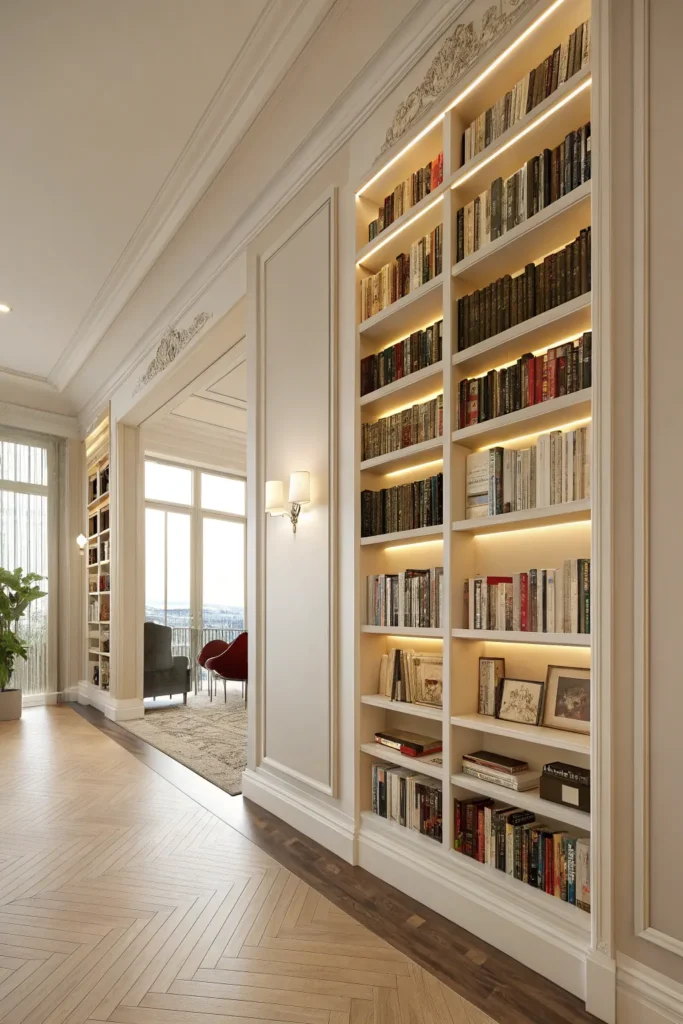
Hidden-Bracket Bookshelf for a Sleek Library
Create a small floating bookshelf using hidden steel brackets, ideal for a bedroom or reading nook. Stack books horizontally and add a slim sculptural object for a collected feel. Practical tip: use plywood faced with veneer for cost-effectiveness, and secure brackets into studs.
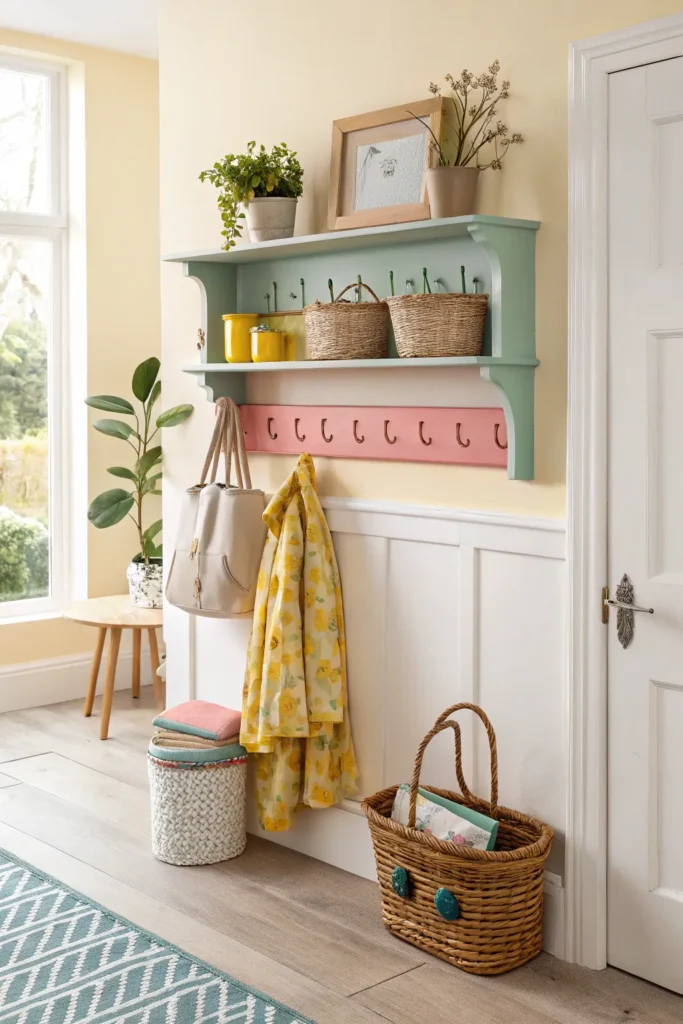
Painted Peg Shelf for Playful Pop
A peg shelf painted in a cheerful but soft hue can be a kid-friendly, functional accent. Use dowels as pegs to hang lightweight items and display toys or baskets. Practical tip: sand and prime before painting, and choose non-toxic paint if used in a child’s space. The sensory result is playful and approachable, with a tactile appeal that kids will enjoy.
Floating Corner Triangle for Tight Spaces
Craft a triangular floating shelf to fit a narrow corner near a door or beside a window. It offers a place for keys, a small plant, or a candle. Practical tip: measure carefully and triangulate bracing points to ensure stability. The small footprint makes this a useful, friendly detail in a compact home.
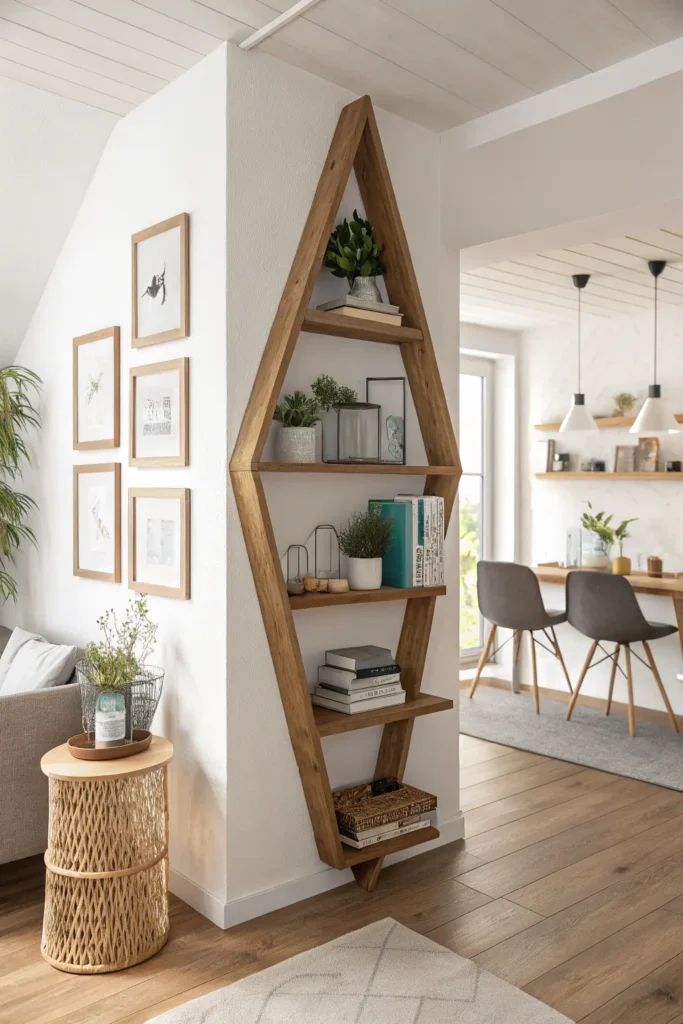
Ladder-Style Leaning Shelf for Layered Display
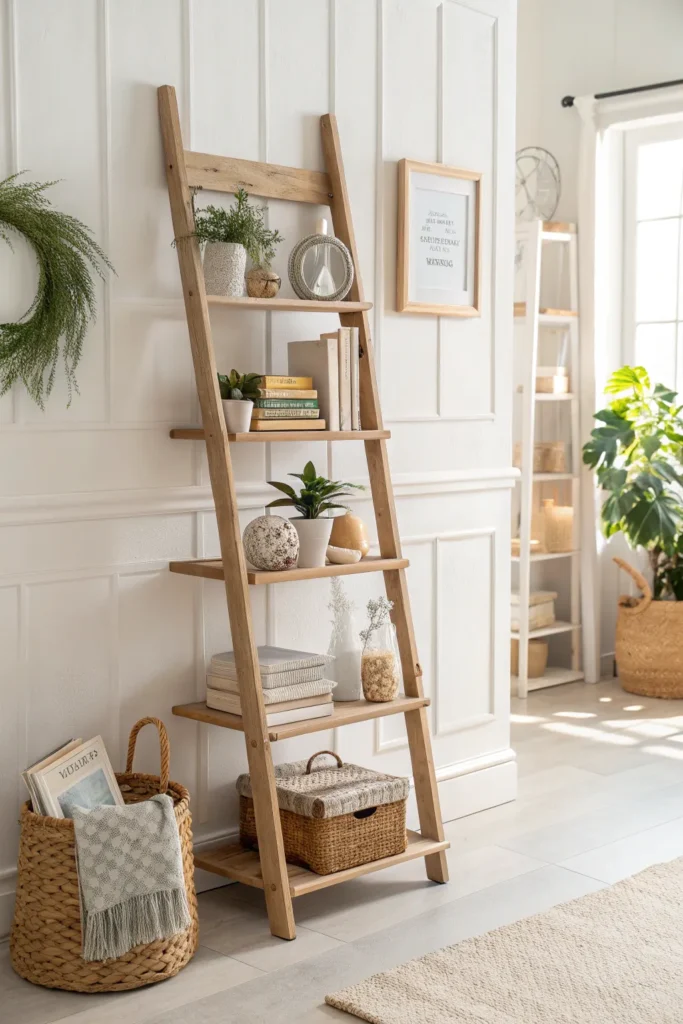
A leaning ladder shelf is an easy build that requires no wall fasteners, ideal for renters or temporary displays. Use tapered legs and staggered shelf depths for balance. Practical tip: secure the top with a safety strap in homes with children or pets. Emotionally, this shelf feels casual and approachable, perfect for everyday objects.
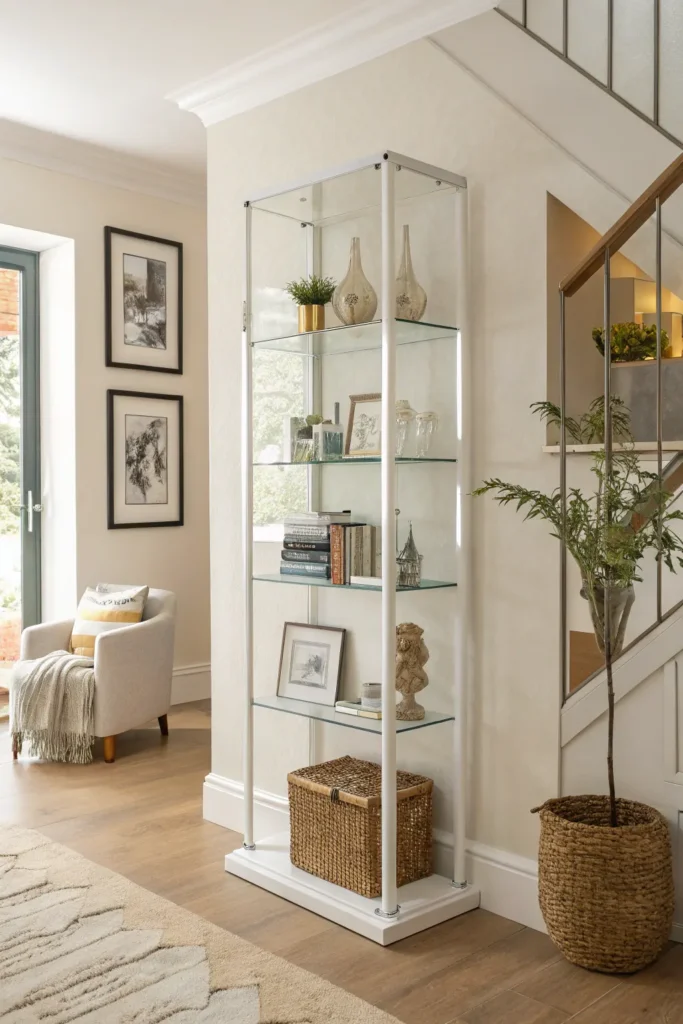
Minimal Acrylic Shelf for Gallery-Like Display
Acrylic shelves make objects appear to float and feel modern. Use thick clear acrylic with hidden supports and keep styling minimal to let the objects pop. Practical tip: avoid scratches by placing felt pads under heavier items. The sensory effect is clean and light, ideal for small collections.
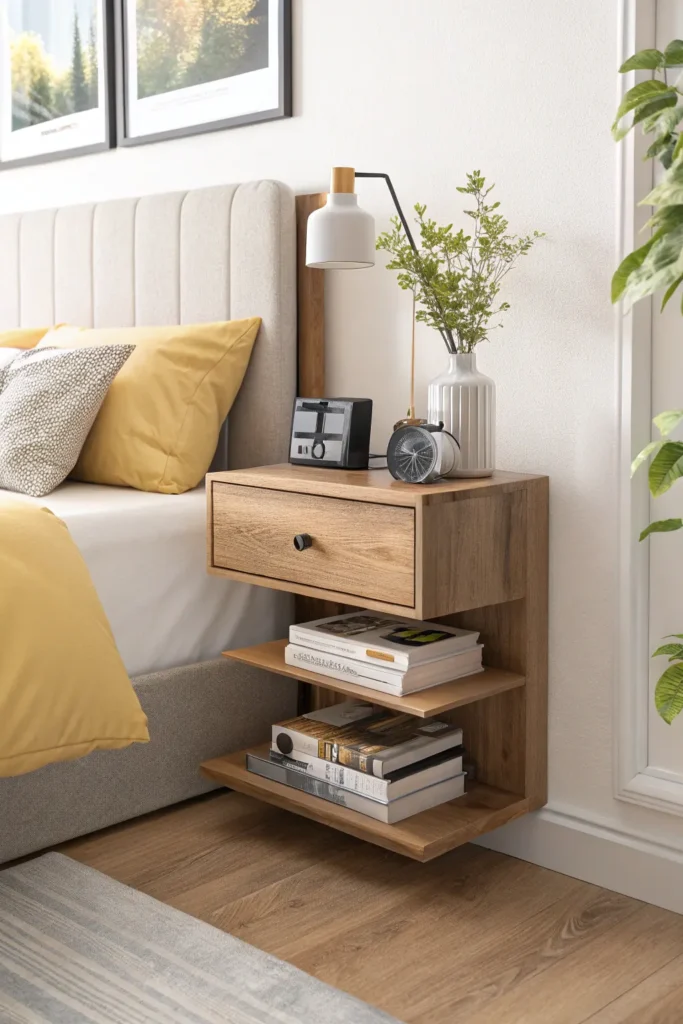
Floating Nightstand Shelf for Small Bedrooms
A wall-mounted shelf at bedside height functions as a nightstand and keeps floors clear. Use a walnut or oak board with a concealed bracket and add a dimmable reading light above. Practical tip: leave about 45 centimeters between the mattress top and the shelf surface for comfortable reach.
Modular Grid Shelves for a Custom Wall System
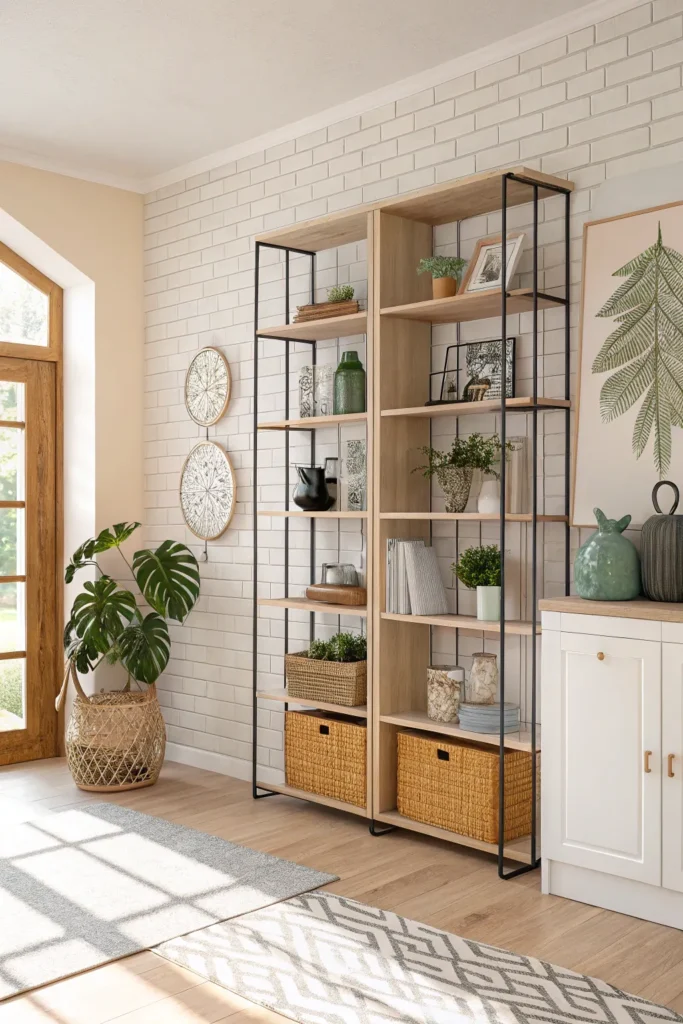
Build a modular grid of small shelves that can be reconfigured or expanded, perfect for a hobby corner or kitchen display. Use consistent board widths and metal corner brackets for a cohesive look. Practical tip: plan the grid spacing on paper first and use a level during installation to keep lines straight. This system feels both practical and playful, letting your collection evolve over time.
Common Mistakes to Avoid
– Skipping stud checks, always locate studs or use rated anchors for load-bearing shelves.
– Overloading shallow shelves, select appropriate depth and weight limits.
– Neglecting finish, sealed wood lasts longer and is easier to clean.
– Rushing measurements, careful measuring, and dry-fitting save time and material.
Recommended Tools and Materials
– Drill and driver, stud finder, level, sander, wood glue, concealed bracket kits, weather-resistant sealant, painter’s tape, safety goggles, and appropriate anchors.
FAQs
How deep should a wall shelf be for books? Aim for 20 to 30 centimeters of depth for most paperback and trade hardcover books, deeper for large coffee table volumes.
Can I install floating shelves in plaster walls? Yes, but use toggle or molly anchors rated for the expected load, or find studs for the most secure fix.
How do I style a shelf without clutter? Limit items to two to four per shelf, vary heights, and leave negative space so each piece can breathe.
What finish should I use for kitchen shelves? Choose a waterproof, food-safe finish near food preparation zones, and a semi-matte or satin finish for a balanced look.
How do I hang multiple shelves evenly? Use a laser level or mark a horizontal guideline and measure vertical spacing consistently between shelves.
Shelves are a deceptively powerful design tool. These 12 projects range from the ultra-simple to slightly adventurous, but all are approachable, budget-friendly, and designed to make your home feel more personal. Pick one, gather your supplies, and carve out a weekend to transform a wall into something you made and love.