16 Stunning Raised Flower Beds for a Glorious Garden
Creating a stunning outdoor space often begins with well-designed raised flower beds, offering both aesthetic appeal and practical benefits. These elevated garden structures provide better drainage, warmer soil, and improved accessibility, making them a favorite among home gardeners for cultivating vibrant blooms and lush foliage. From rustic wood to sleek metal, the options for incorporating beautiful raised flower beds into your landscape are virtually limitless, allowing for personalized expressions of your green thumb. This guide explores 16 exceptional ideas to inspire your next gardening project, ensuring your garden becomes a true oasis of color and texture. Get ready to transform your backyard into an extraordinary haven with these clever and stylish solutions for elevated gardening.
- Understanding Raised Flower Beds
- Key Benefits for Every Gardener
- Classic Wood Raised Beds
- Elegant Stone and Brick Beds
- Sleek Metal Raised Beds
- Durable Composite Material Options
- DIY Raised Bed Projects
- Tiered Designs for Visual Interest
- Optimal Placement Considerations
- Crafting the Perfect Soil Mix
- Efficient Watering Solutions
- Selecting the Best Plants
- Designing Beautiful Raised Flower Beds
- Raised Beds for Accessibility
- Seasonal Maintenance Tips
- Integrating Decor and Lighting
Understanding Raised Flower Beds
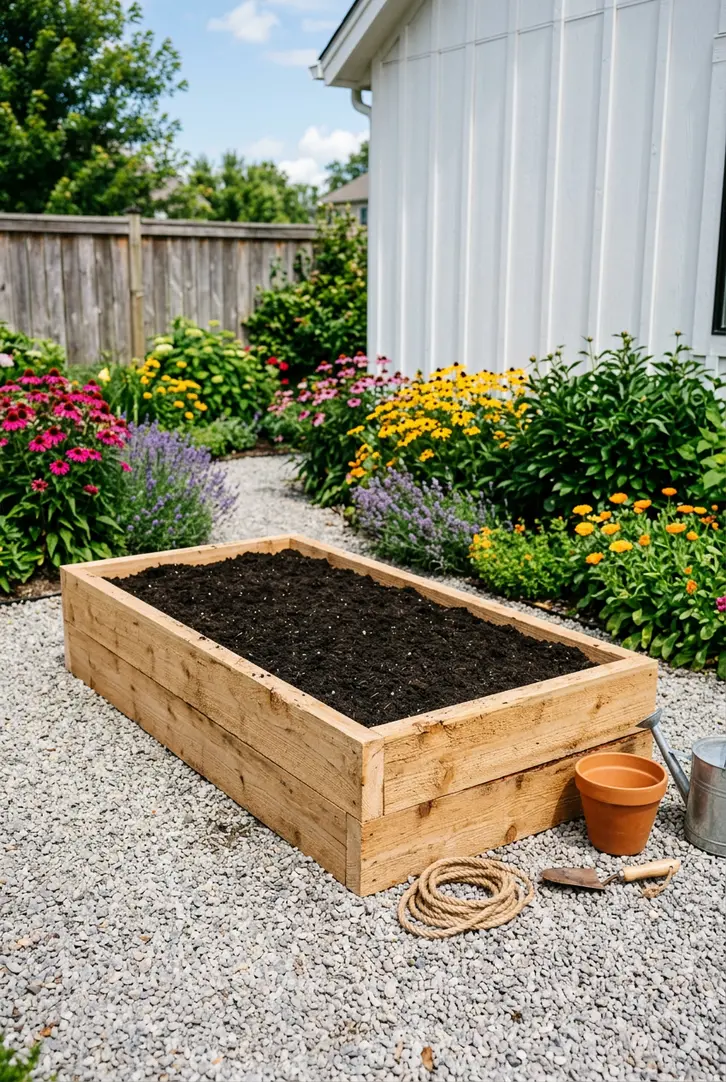
Raised flower beds are essentially contained gardening spaces built above ground level, typically with sturdy sides made from various materials like wood, stone, or metal. They vary in height, from a few inches to several feet, offering gardeners precise control over soil composition, drainage, and planting arrangements. This elevated structure helps prevent soil compaction and creates a distinct visual border within your garden, making them a foundational element for structured landscaping. Understanding their basic construction is the first step towards choosing the ideal design for your outdoor aesthetic and practical needs, ensuring a successful growing season.
Key Benefits for Every Gardener
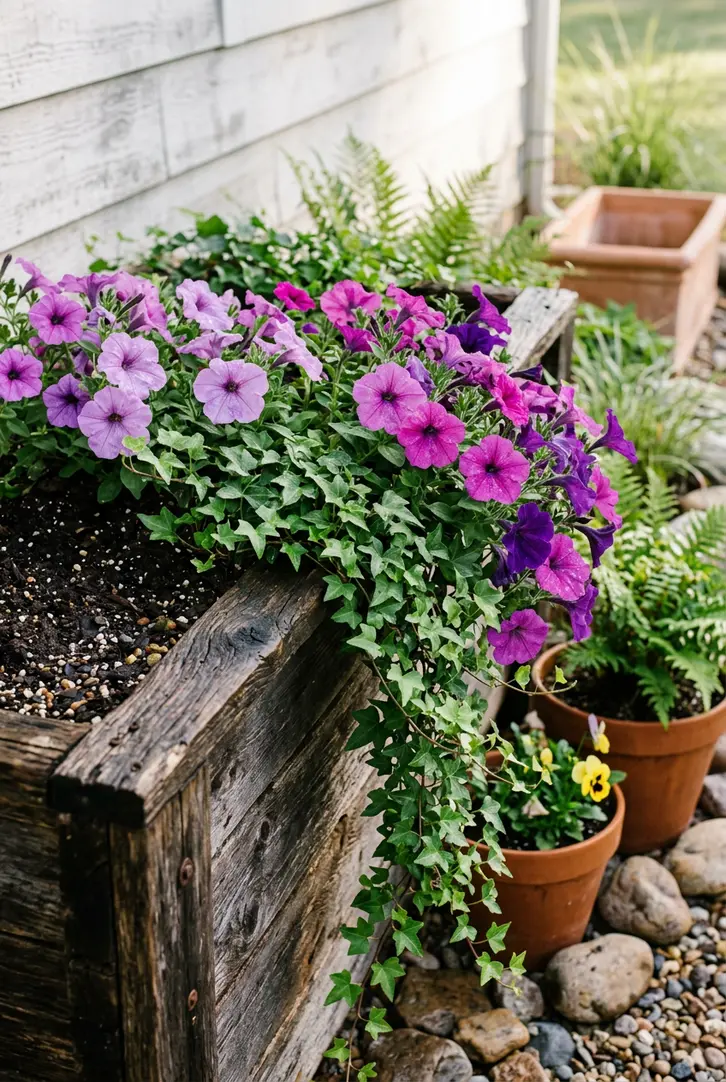
The advantages of incorporating raised flower beds into your garden are numerous, offering solutions to common gardening challenges. They provide superior drainage, which is crucial for plants sensitive to waterlogged roots, and the soil within warms faster in spring, extending your growing season. Additionally, the contained environment allows for custom soil mixes tailored to specific plant needs, while the raised height significantly reduces bending and kneeling, making gardening more accessible and enjoyable. These benefits translate into healthier plants and a more comfortable gardening experience for enthusiasts of all ages and abilities.
Classic Wood Raised Beds
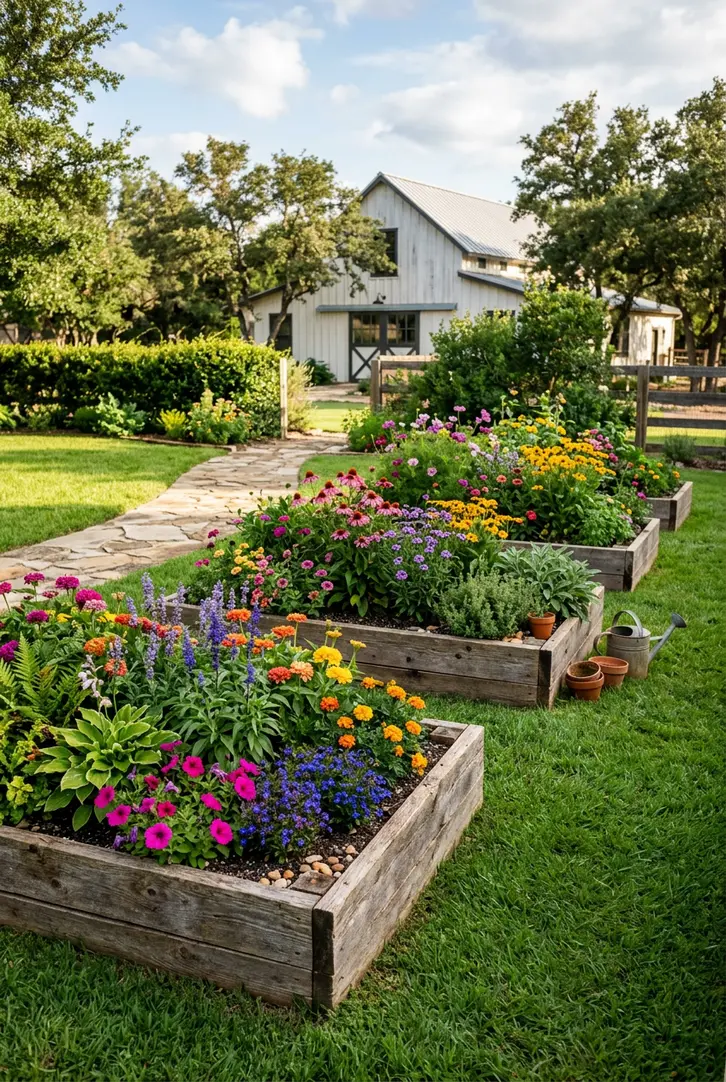
Wooden raised flower beds offer a timeless, organic appeal that blends seamlessly with nearly any garden style, from rustic to modern farmhouse. Cedar, redwood, and cypress are popular choices due to their natural resistance to rot and insects, ensuring longevity and durability for your garden planters. For a truly classic look, opt for untreated wood planks joined with sturdy corner brackets, allowing the material to weather naturally into a beautiful silvery gray. Consider applying a non-toxic sealant to prolong their life, especially in damp climates, while maintaining the wood’s inherent charm and strength against the elements.
Elegant Stone and Brick Beds
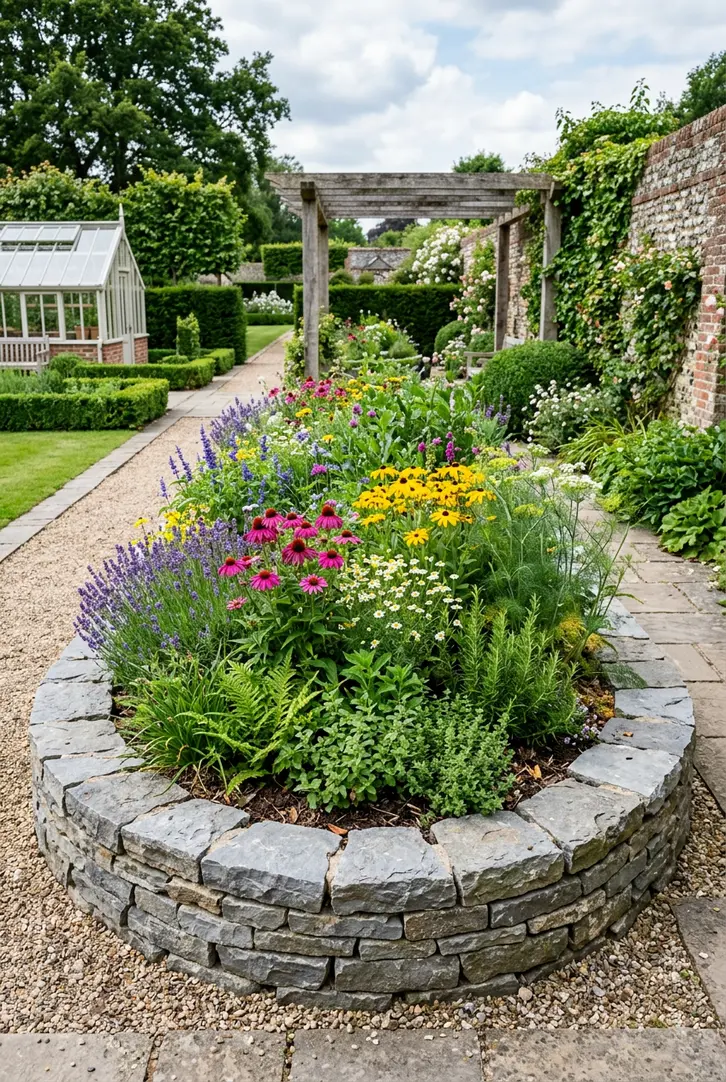
For unparalleled durability and a sophisticated aesthetic, stone and brick raised flower beds are an excellent choice that adds a sense of permanence and classic elegance to any landscape. Natural stone, such as granite or limestone, offers a rugged, organic texture, while reclaimed bricks provide a charming, historic feel with their varying patinas. These materials hold heat well, which can benefit certain plants, and create a strong architectural element in your garden design. Mortared construction ensures maximum stability, though dry-stacked stone can offer a more informal, natural appearance for your durable garden planters.
Sleek Metal Raised Beds
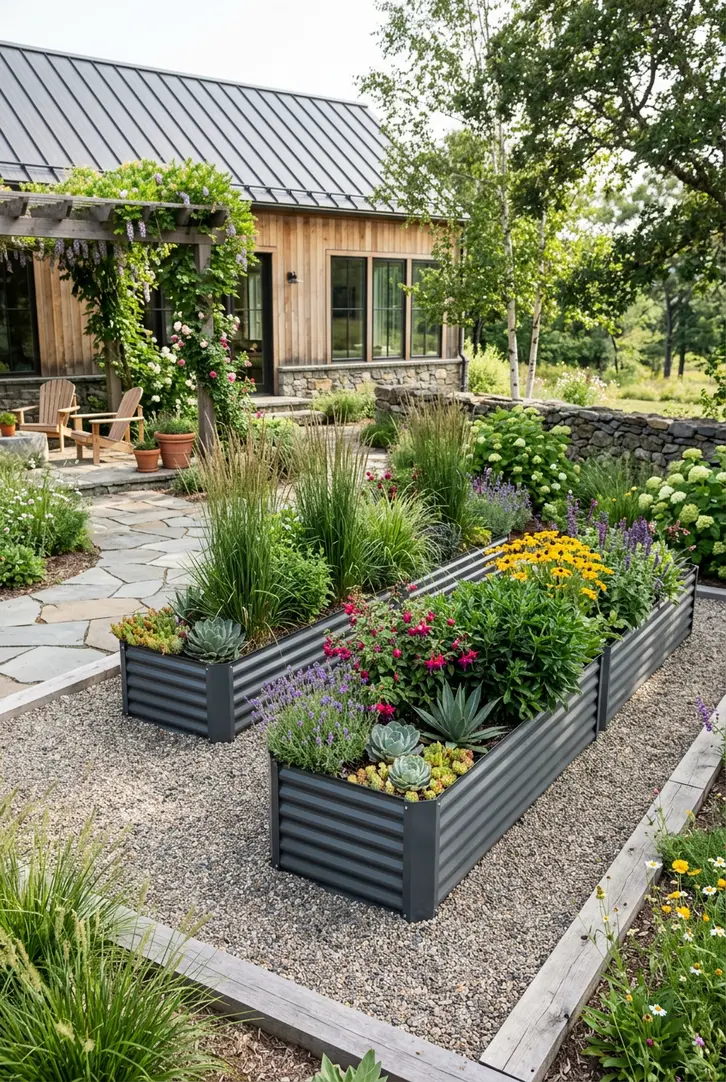
Metal raised flower beds provide a striking, contemporary edge to modern garden designs, with options ranging from galvanized steel to corten steel, which develops a beautiful rust-like patina over time. Their clean lines and minimalist aesthetic make them ideal for urban gardens or spaces seeking a sleek, industrial look. Metal warms up quickly in the sun, which can be advantageous for heat-loving plants, but good watering practices are essential to prevent rapid drying. These garden planters are exceptionally durable and resistant to pests, offering a low-maintenance, long-lasting solution for your planting needs.
Durable Composite Material Options
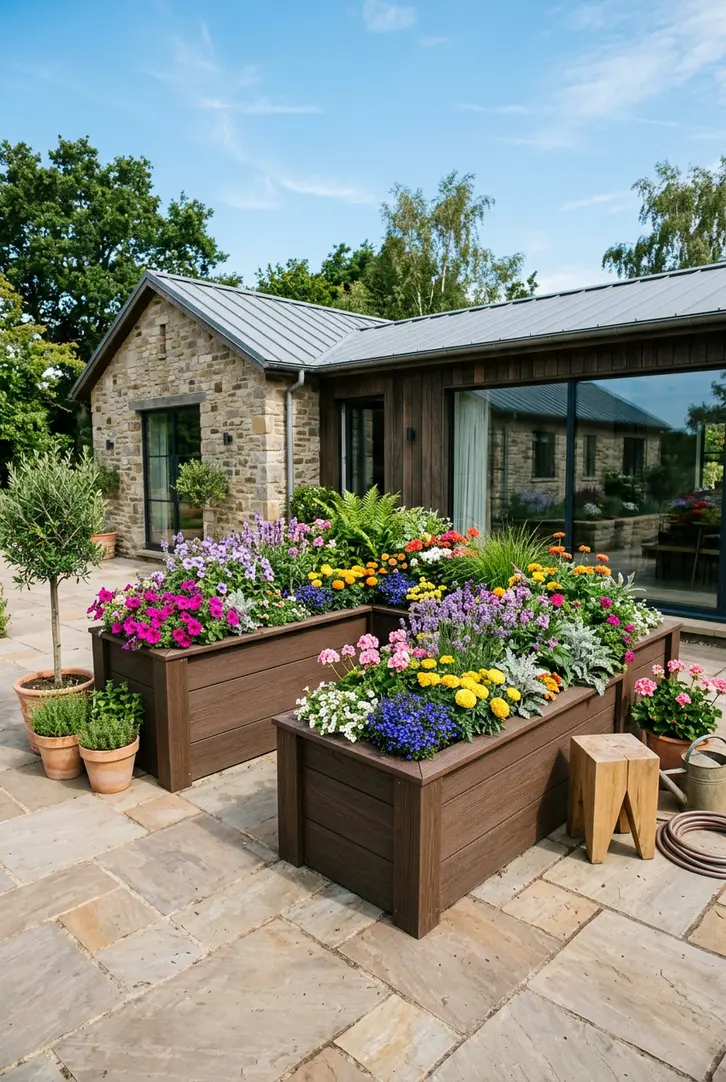
Composite materials, often made from recycled plastic and wood fibers, present a durable and low-maintenance option for raised flower beds, mimicking the look of wood without the susceptibility to rot, warping, or insect damage. These garden planters come in various colors and finishes, allowing for versatile design integration into contemporary or traditional settings. They require no sealing or painting, making them a fantastic ‘set it and forget it’ choice for busy gardeners seeking longevity and consistent aesthetics. Explore options with UV inhibitors to ensure the color remains vibrant against sun exposure for years.
DIY Raised Bed Projects
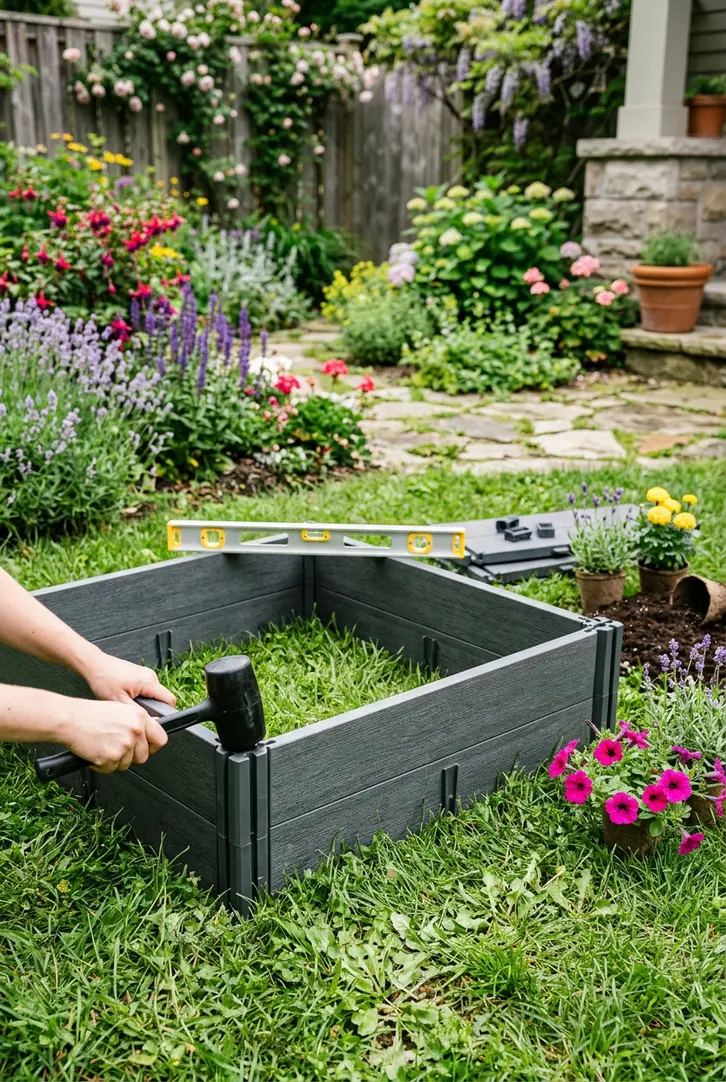
Building your own raised flower beds can be a rewarding and cost-effective project, allowing for complete customization of size, shape, and material. Simple designs using untreated lumber like pine or cedar can be constructed with basic carpentry skills, requiring only a saw, drill, and screws. Reclaimed materials such as pallets, tires (with caution for leaching), or cinder blocks also offer creative, budget-friendly options for garden planters. Always ensure materials are safe for edibles if you plan to grow vegetables alongside your flowers. Numerous online tutorials offer step-by-step guidance for various DIY raised bed configurations. A great resource for sustainable gardening is Garden Design Magazine, offering plenty of inspiration.
Tiered Designs for Visual Interest
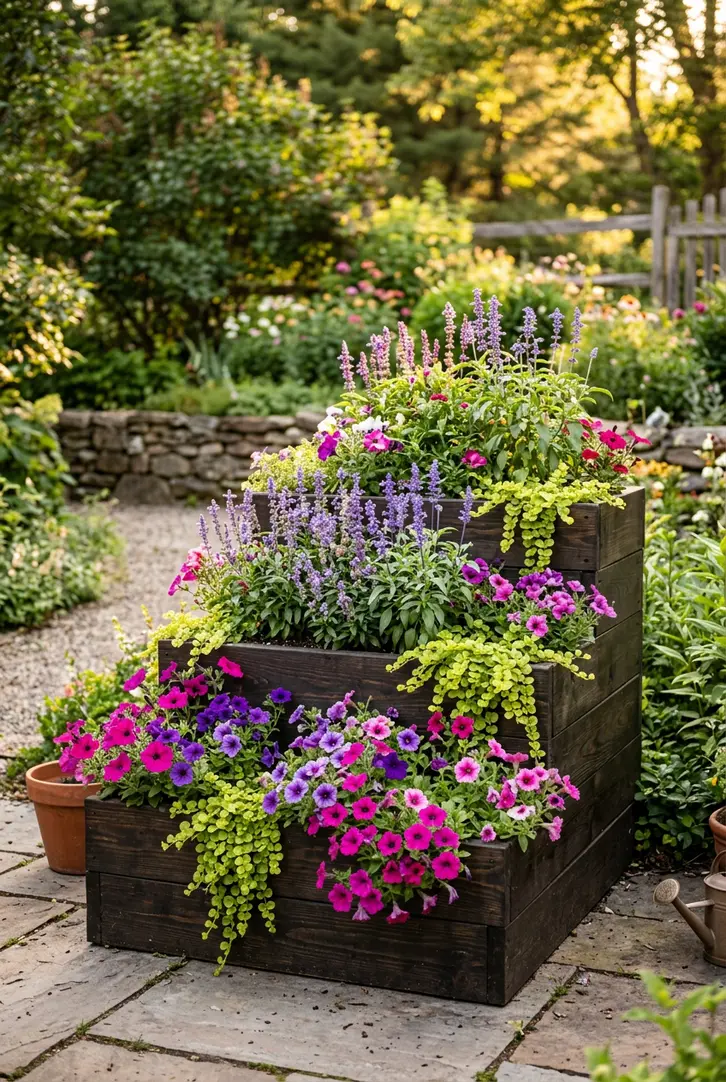
Tiered raised flower beds create dynamic vertical interest in your garden, perfect for small spaces or for showcasing a diverse range of plants. By stacking beds of different heights, you can achieve a visually appealing cascade of foliage and blooms, adding depth and dimension to your outdoor area. This design is also excellent for separating plants with different soil or watering needs, as each level can be tailored. Consider materials like stone or composite for structural integrity in multi-level configurations. These garden planters are particularly effective for creating stunning focal points.
Optimal Placement Considerations
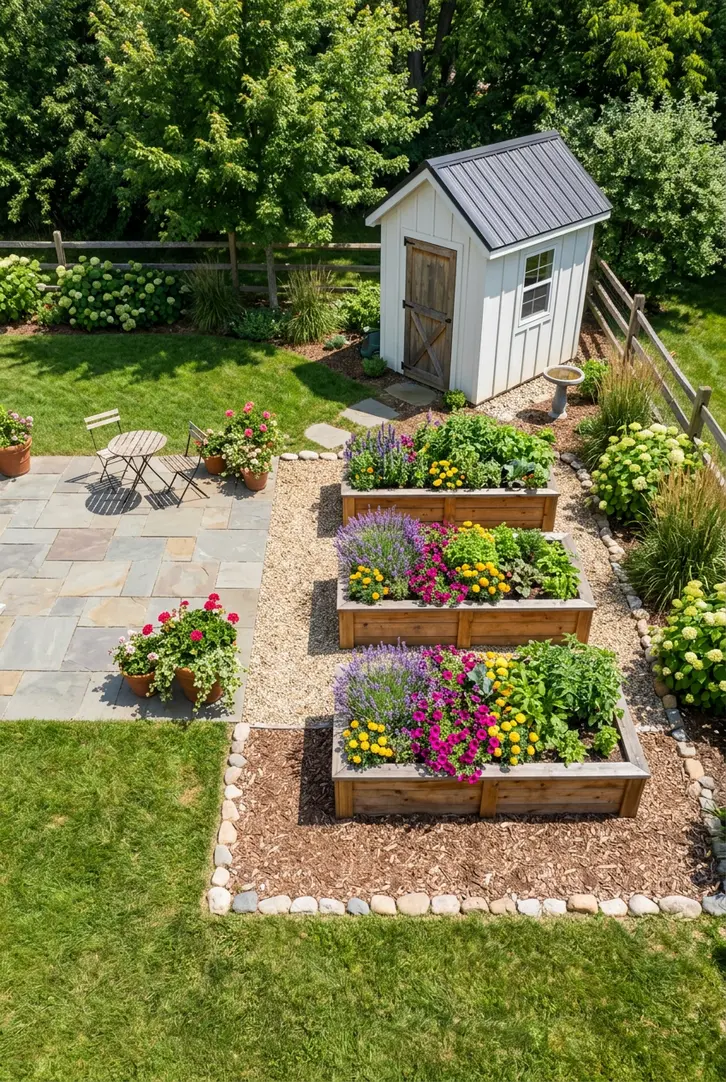
Strategic placement is crucial for the success of your raised flower beds. Most flowering plants require at least six hours of direct sunlight per day, so choose a location that receives ample sun exposure throughout the growing season. Consider proximity to a water source for convenient irrigation and ensure there is enough space around the beds for easy access for planting, weeding, and harvesting. Avoid areas prone to excessive shade from large trees or buildings, which can hinder plant growth and lead to damp conditions. Proper site selection sets the stage for thriving garden planters.
Crafting the Perfect Soil Mix
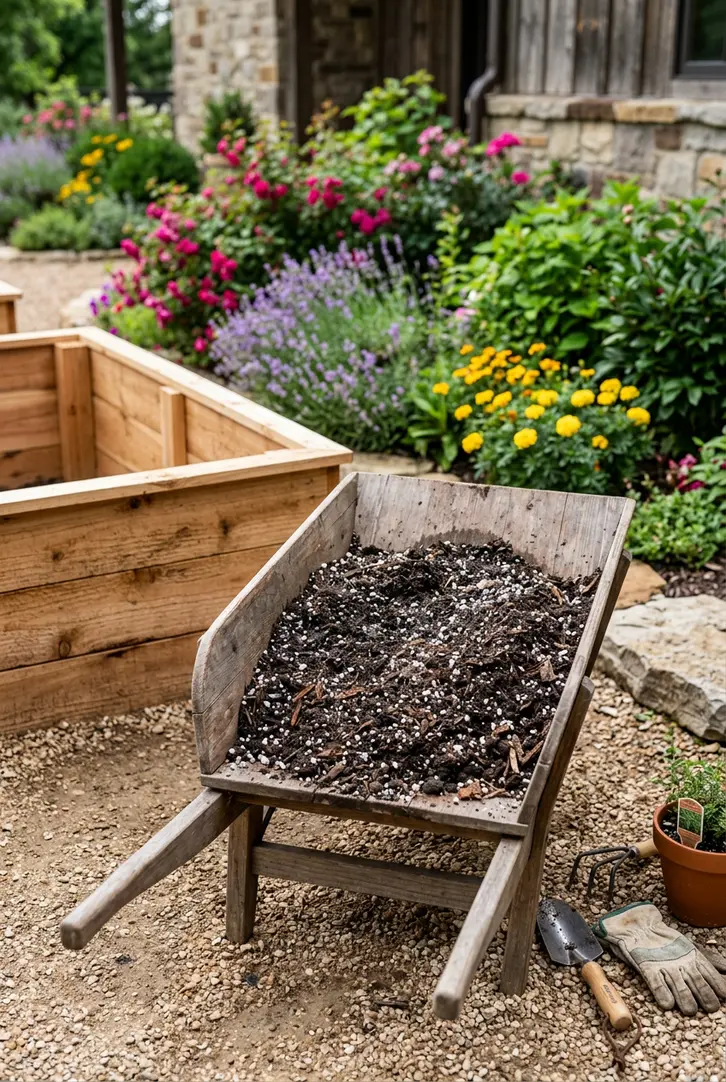
The beauty of raised flower beds lies in your ability to control the soil composition, making it ideal for plant health. A premium soil mix typically consists of equal parts good quality topsoil, compost, and an aeration amendment like perlite or vermiculite. This blend provides excellent drainage, essential nutrients, and good air circulation for roots, promoting vigorous growth and abundant blooms. Avoid using dense garden soil directly from your yard, as it may not drain effectively in a confined bed. Investing in a high-quality organic mix ensures your plants receive the best possible start.
Efficient Watering Solutions
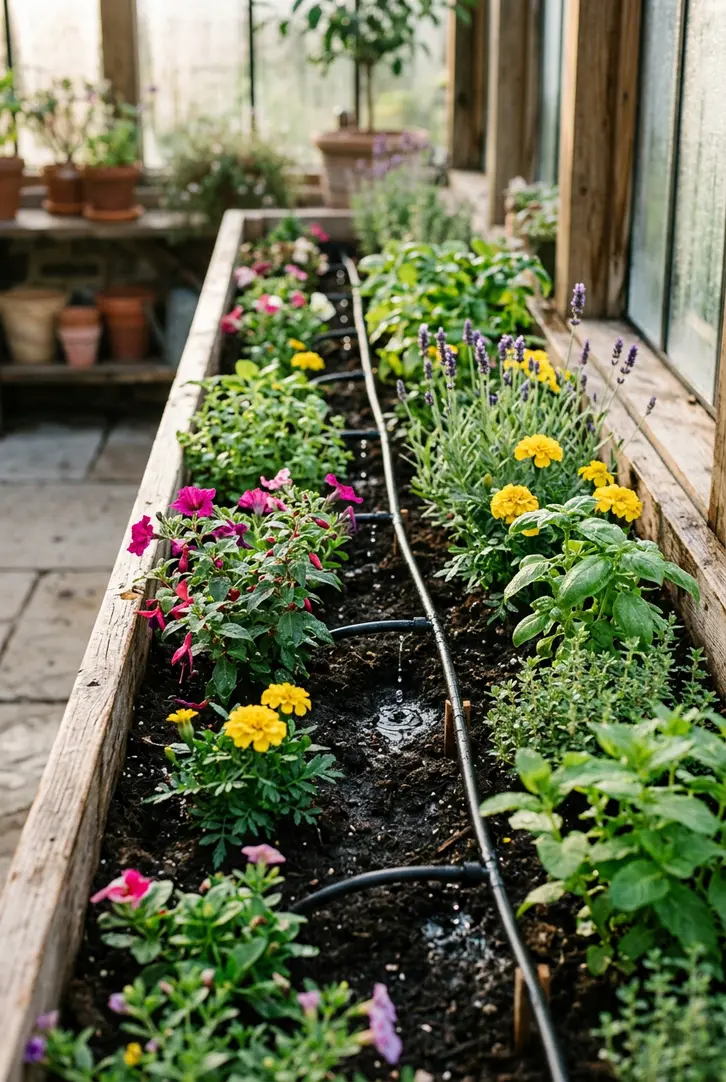
Due to their excellent drainage and faster-warming soil, raised flower beds often require more frequent watering than in-ground gardens. Implementing efficient watering solutions is key to maintaining consistent moisture levels. Drip irrigation systems or soaker hoses deliver water directly to the plant roots, minimizing waste and preventing foliar diseases. A well-placed spigot nearby will make manual watering with a hose and wand much easier. Consider installing a timer for automated watering, especially during hot summer months, ensuring your garden planters remain hydrated even when you’re away.
Selecting the Best Plants
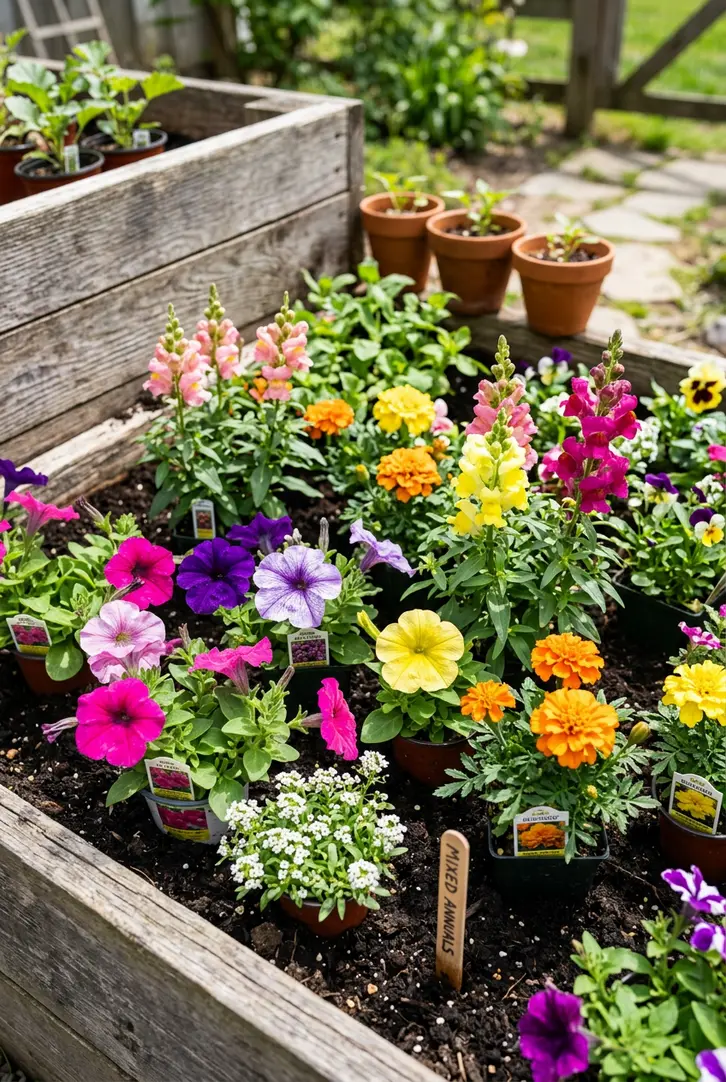
The plant selection for your raised flower beds largely depends on your local climate, sun exposure, and personal aesthetic preferences. Consider a mix of ‘thriller, filler, and spiller’ plants for a dynamic arrangement: a tall focal plant (thriller), mounding plants that fill space (filler), and trailing plants that spill over the edges (spiller). Annuals provide continuous color throughout the season, while perennials return year after year, offering long-term structure. Ensure you choose plants with similar light and water requirements to simplify care and maximize their potential in your garden planters.
Designing Beautiful Raised Flower Beds
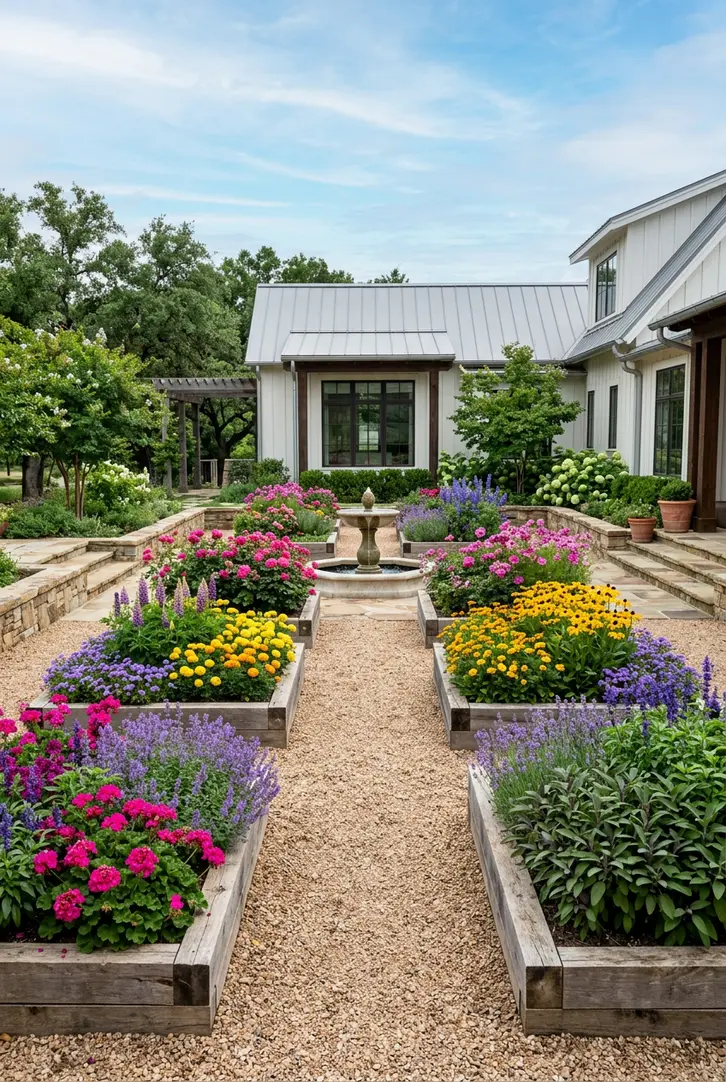
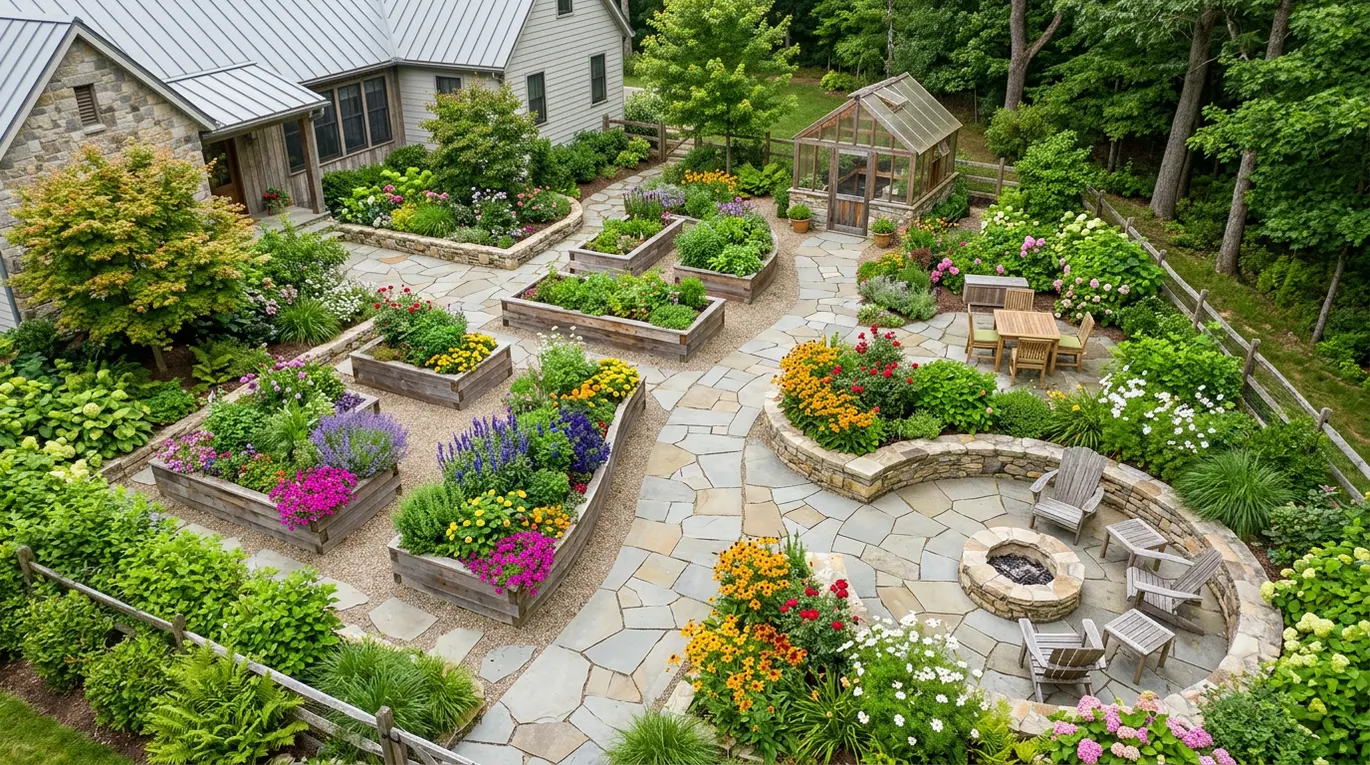
Designing beautiful raised flower beds involves more than just planting; it’s about creating a cohesive visual statement. Consider the overall layout: symmetrical beds offer a formal look, while organic, curving shapes create a softer, more naturalistic feel. Play with height variations within and between beds to add interest. Color theory is also crucial; use a monochromatic scheme for elegance, or complementary colors for vibrant contrast. Integrate textures through diverse foliage shapes and sizes. Think about how these raised flower beds will connect with surrounding pathways, patios, and other garden elements to form a harmonious landscape.
Raised Beds for Accessibility
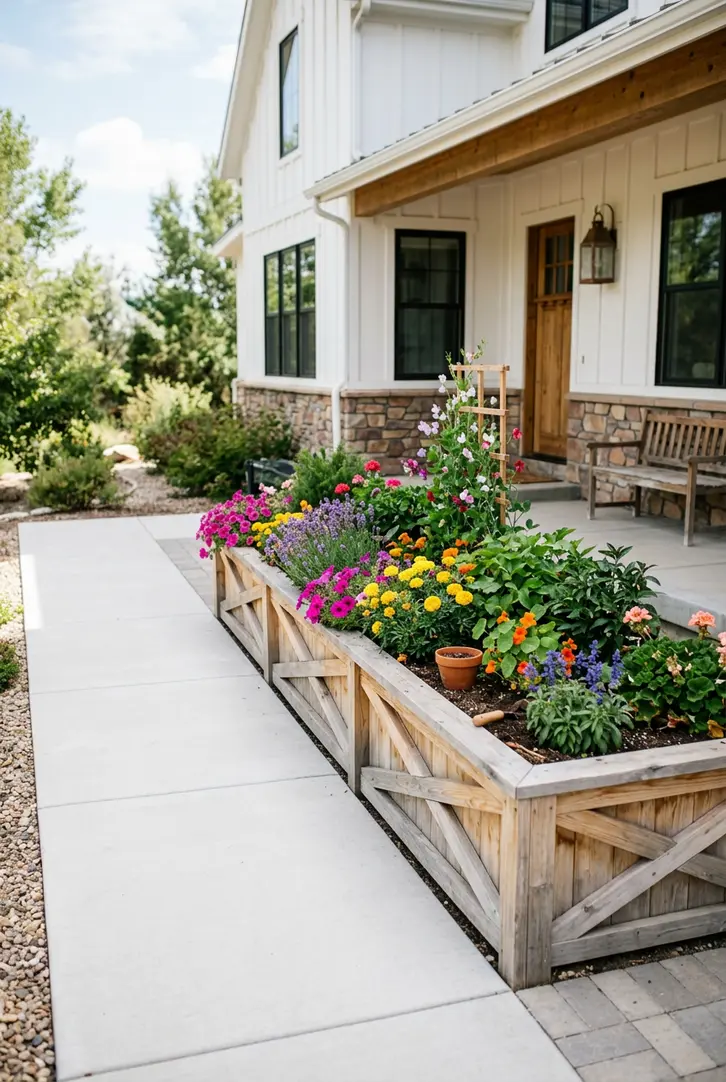
One of the most significant advantages of raised flower beds is their ability to enhance gardening accessibility for individuals with mobility challenges or those who prefer to avoid bending. Designing beds at waist height or higher allows for comfortable gardening from a standing or seated position. Ensure pathways around these accessible garden planters are wide enough for wheelchairs or walkers and are made from smooth, stable materials. This thoughtful design consideration opens up the joy of gardening to a wider audience, creating inclusive outdoor spaces where everyone can participate.
Seasonal Maintenance Tips
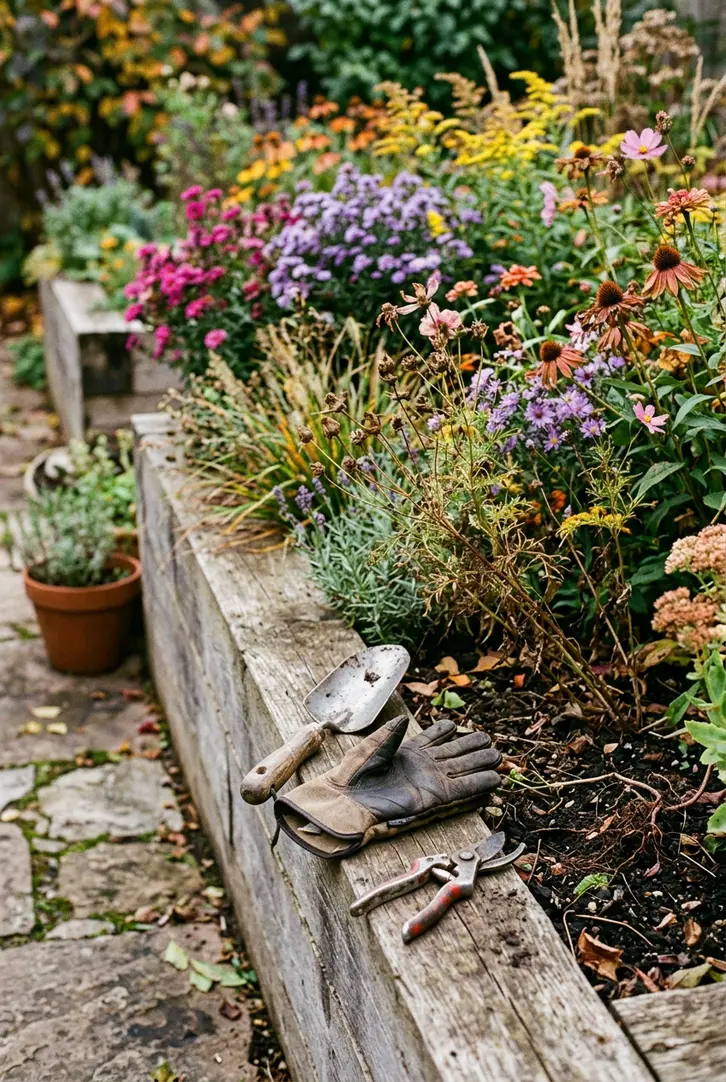
Maintaining your raised flower beds throughout the seasons ensures their longevity and your plants’ continued health. In spring, replenish soil with fresh compost and slow-release fertilizer. Summer requires consistent watering and deadheading spent blooms to encourage new flowers. Autumn is ideal for clearing out annuals, cutting back perennials, and adding a layer of mulch for winter protection. Regularly check the structural integrity of your garden planters, especially wooden ones, for signs of wear. Proper seasonal care minimizes issues and keeps your beds looking their best year after year.
Integrating Decor and Lighting
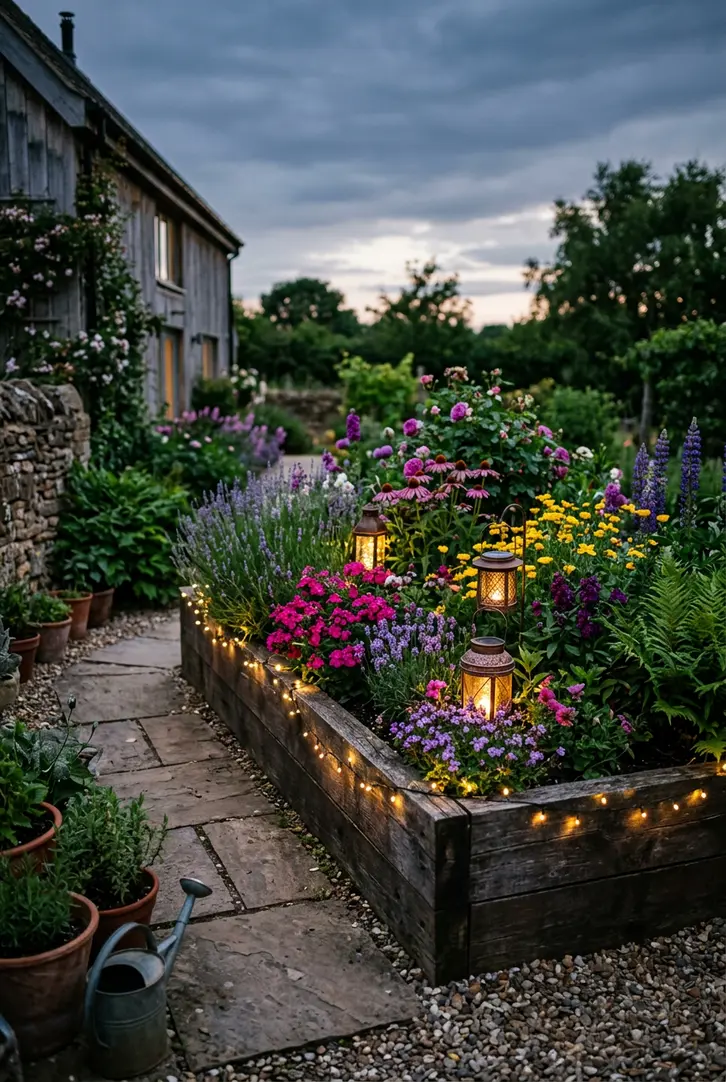
Extend the enjoyment of your raised flower beds beyond daylight hours by integrating thoughtful decor and lighting. Solar-powered spotlights can highlight specific plants or bed structures, while string lights woven along the perimeter create a magical, inviting ambiance. Decorative elements like small garden statues, whimsical wind chimes, or colorful ceramic pots placed on the edges add personality and charm. Choose items that complement your garden’s overall aesthetic and withstand outdoor conditions. These finishing touches truly complete the look of your garden planters, making them a focal point day and night.
Inspiration Gallery Recap
Swipe through all the ideas below to find your perfect match.