

15 Calm Decluttering Habits for a Tidy Home, Gentle Daily Routines
Introduction
Decluttering does not have to be dramatic. Over two decades of helping homeowners simplify their spaces, I have found that small daily habits compound into a calmer, more livable home. These 15 gentle routines are designed to be sustainable, sensory-friendly, and easy to build into everyday life. Each habit includes a practical step, a quick sensory note, and a small win you can try today.
1. The 10-Minute Daily Reset
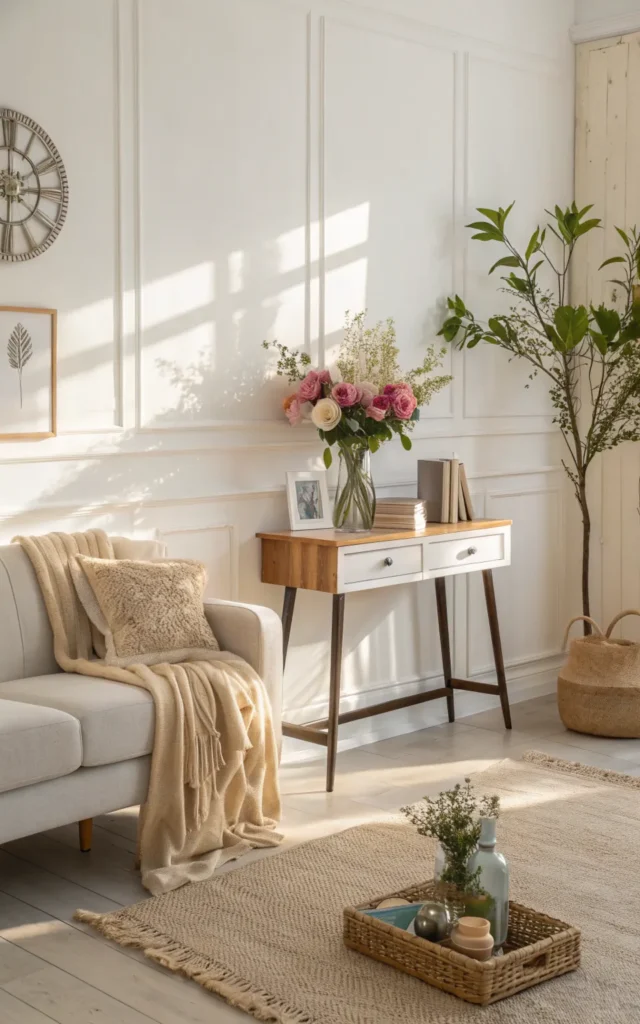
Set a timer for ten minutes each evening to clear surfaces, fold throws, and return items to their home. Doing a short reset keeps daily clutter from piling up and creates a calm visual baseline. Sensory note: the soft weight of a folded throw and the smooth surface of a cleared table signal order and peace. Practical tip: choose a playlist or a tea to make the ritual pleasant and repeatable.
2. One-In, One-Out Wardrobe Rule
For every new clothing item you bring in, remove one. This habit prevents your closet from growing unchecked and keeps the tactile connection to clothes fresh. Sensory note: fewer, beloved garments are easier to touch, choose, and enjoy. Practical tip: Store outgoing items in a donation bag by your door so removal is effortless.

3. The Moments Method for Mail
Sort mail immediately into three piles: action, file, recycle. Handling paper in the moment prevents stacks and the sticky visual weight of unopened envelopes. Sensory note: the crispness of sorted paper and the relief of an empty tray are disproportionately satisfying. Practical tip: place a small desktop sorter near your usual landing spot for quick decisions.
4. Daily Surface Sweep in High-Use Zones
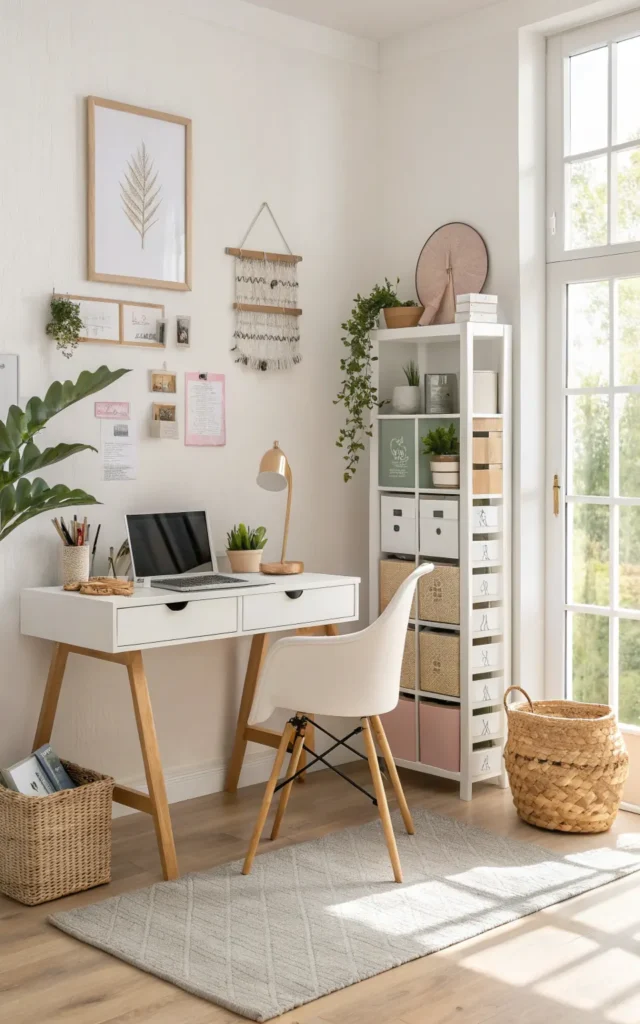
Wipe kitchen counters and clear TV consoles each evening to maintain a sense of calm. A quick sweep removes crumbs and visual noise. Sensory note: the cool, clean touch of a wiped surface helps the brain relax. Practical tip: keep a small caddy with all-purpose cleaner and cloths nearby for speed.
5. Capsule Drawer Strategy
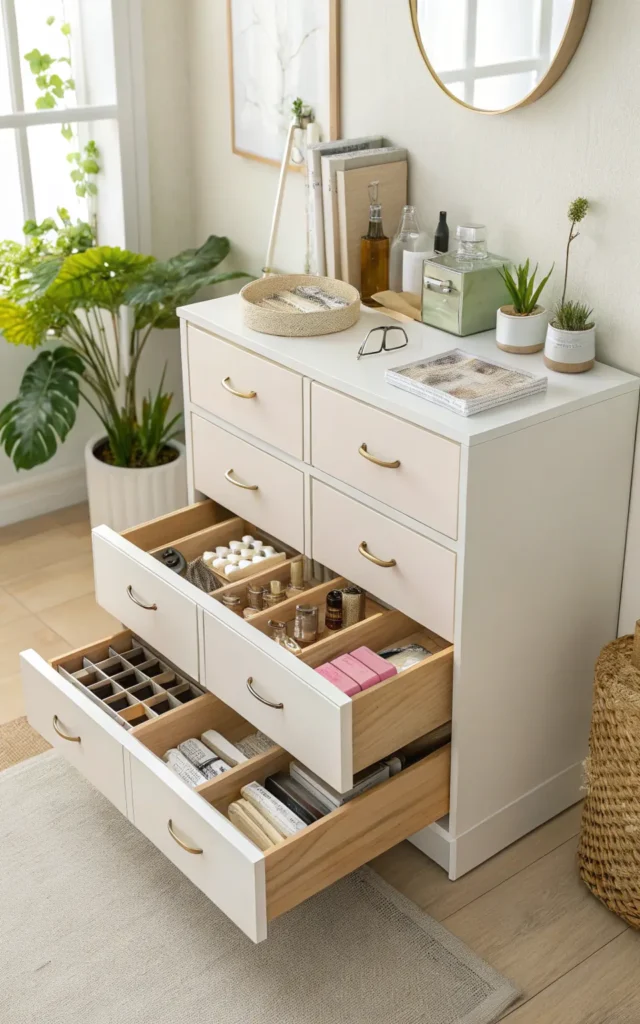
Designate drawers for categories like ‘everyday papers’ or ‘chargers’ and keep them minimal. A drawer with a clear purpose reduces open-surface clutter. Sensory note: sliding open a tidy drawer and finding the expected item is quietly satisfying. Practical tip: use small boxes or dividers to keep things visually organized.
6. Nightly Clothes Ritual
Place next-day outfits in a low basket or on a chair each night to prevent closet chaos in the morning. The ritual reduces rushed decisions and makes mornings smoother. Sensory note: the soft fabrics ready to wear feel welcoming at sunrise. Practical tip: keep the basket near the bedroom door for easy access.
7. Immediate Kitchen Wash-Up
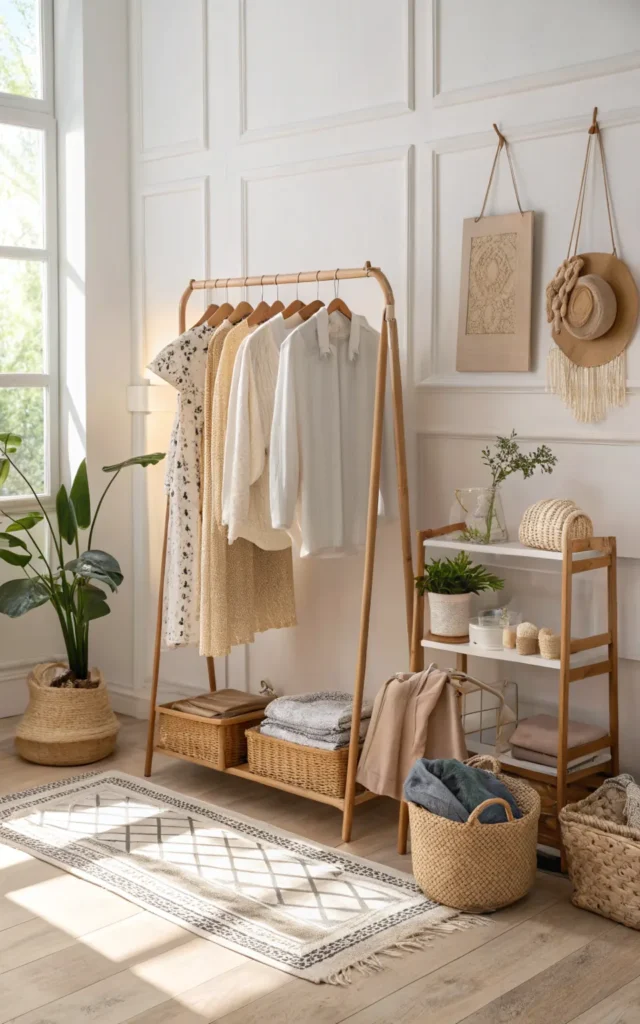
Wash or load dishes promptly after meals to stop sink clutter from breeding stress. Clean dishes create a breathable kitchen that invites cooking. Sensory note: the warmth of a freshly rinsed mug and the shine of a clean sink are surprisingly calming. Practical tip: run a quick rinse cycle or soak pans while you tidy other areas.
8. One-Spot Toy Rotation
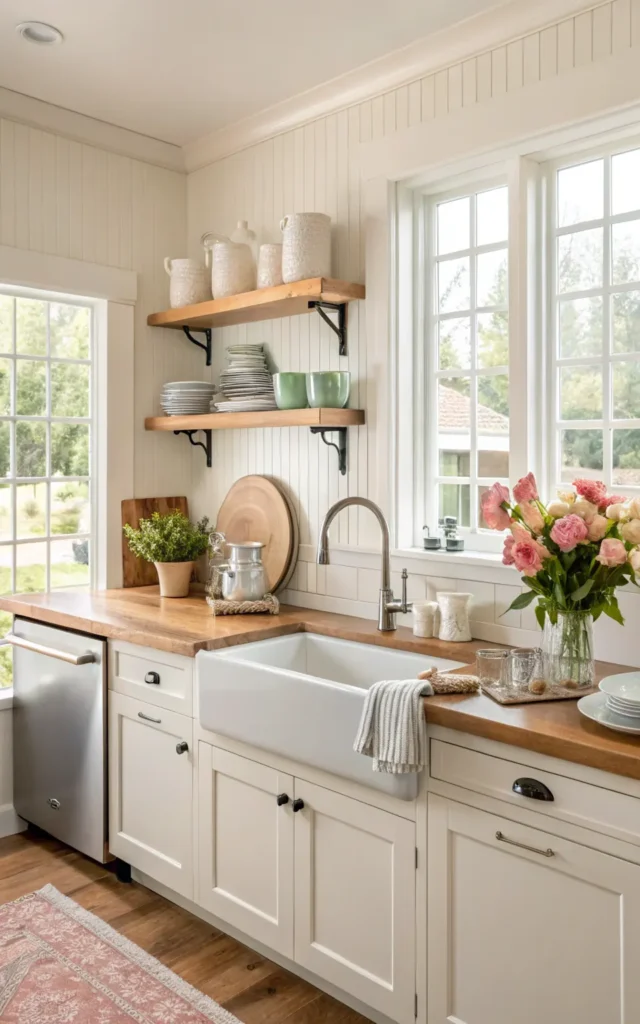
For homes with kids, rotate toys from a storage bin to keep play fresh and surfaces manageable. Limiting the number of items out reduces cleanup time and keeps spaces visually light. Sensory note: the novelty of a rotated toy sparks joy without permanent mess. Practical tip: label bins and rotate weekly to keep systems simple.
9. Purge While You Wait
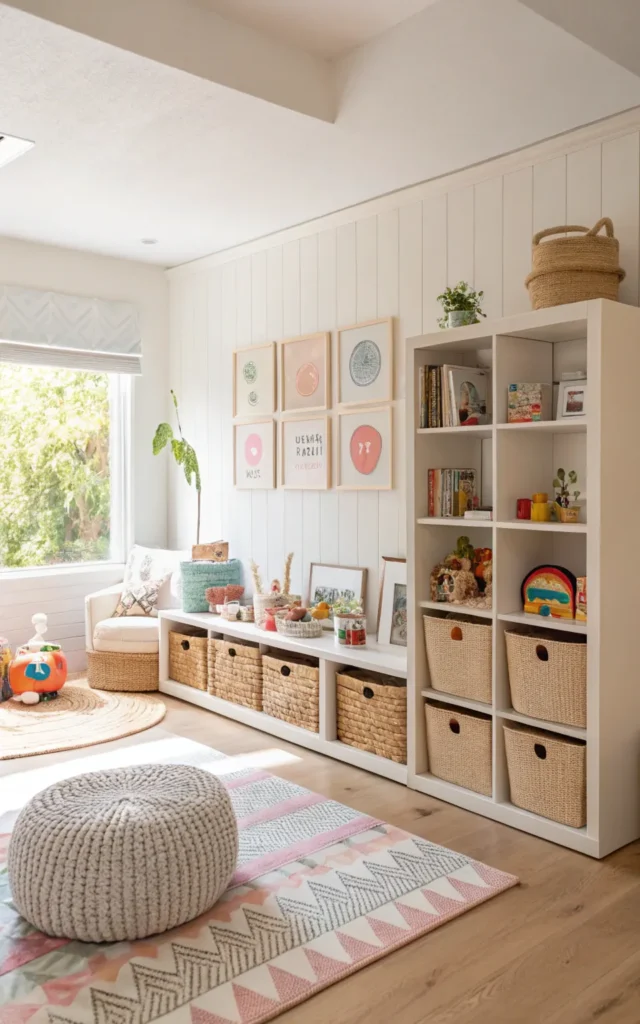
Use idle moments like waiting for the kettle or the dryer to go through a small drawer or shelf and remove one unnecessary item. Tiny actions compound into big changes. Sensory note: the small tactile task of folding or filing during waiting time feels productive and calming. Practical tip: keep a small discard box nearby for quick decisions.

10. Seasonal Clothing Edit
At the start of each season, edit your wardrobe and store off-season items. Seasonal shifts are natural prompts for decluttering clothes and reassessing what you actually wear. Sensory note: the fresh smell and lighter weight of seasonal fabrics renew the closet’s feel. Practical tip: use clear labeled bins for easy retrieval when seasons change.
11. Quick Declutter Stations
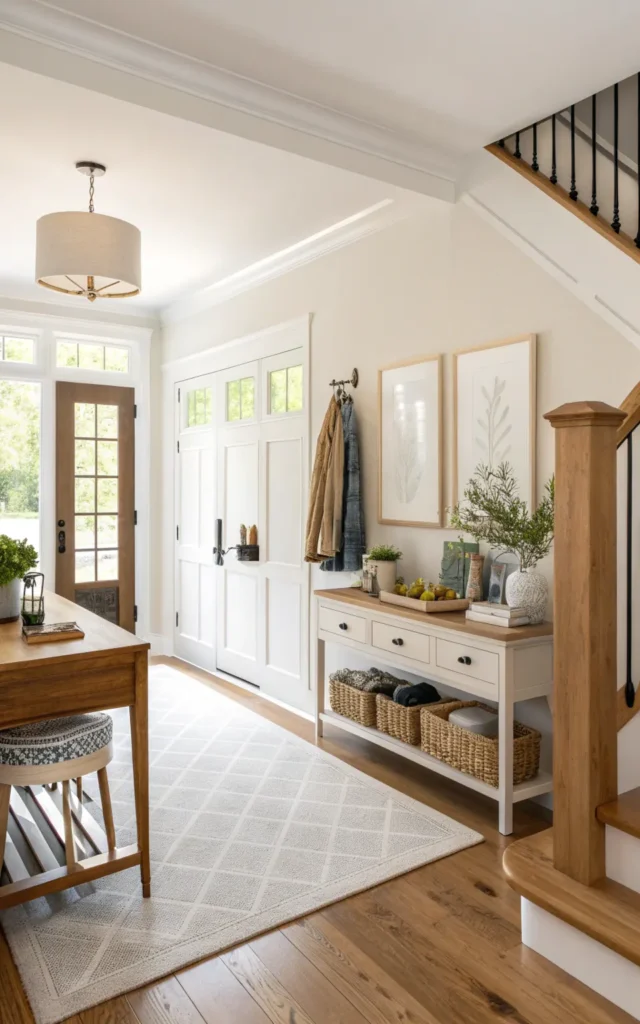
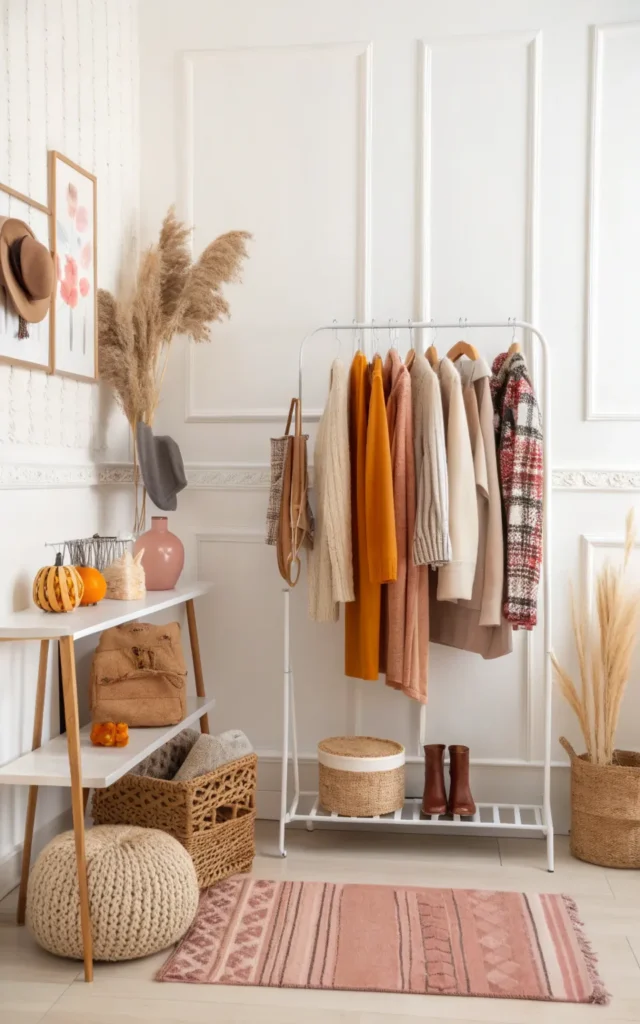
Create mini stations—entry bench, kitchen drawer, bathroom basket—where small daily items are returned. These stations reduce roaming objects and make tidying intuitive. Sensory note: the tactile act of placing keys into a tray or towel on a hook completes the day. Practical tip: keep essential items at eye level to make the habit stick.
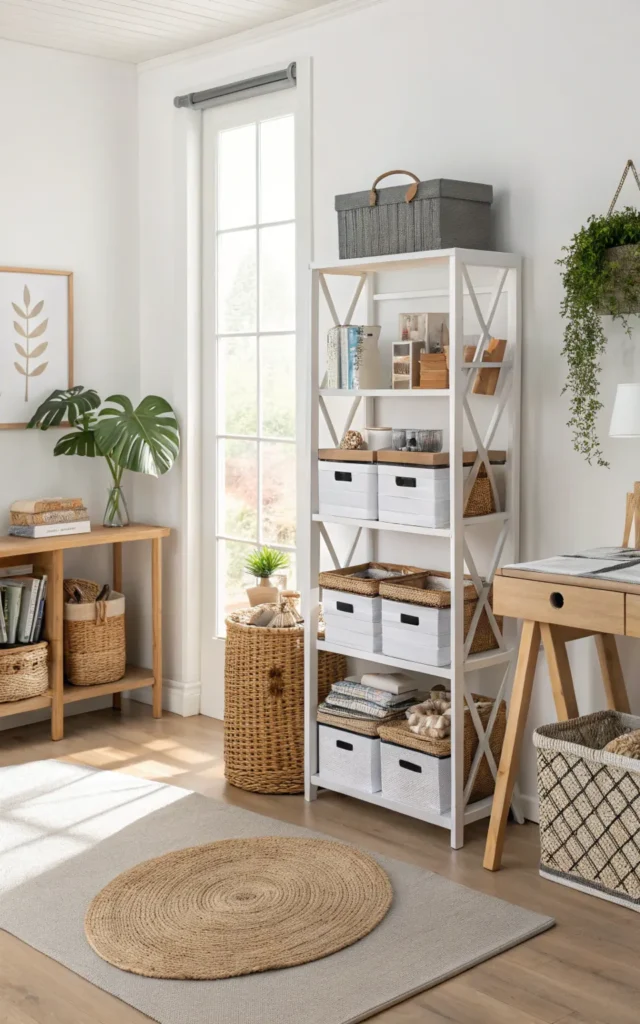
12. One-Box Donation Rule
Keep one donation box in a closet; when it fills, schedule a drop-off. This removes friction from giving items away and encourages regular editing. Sensory note: knowing an item will help someone else makes letting go easier. Practical tip: mark a calendar reminder to drop off donations monthly or quarterly.
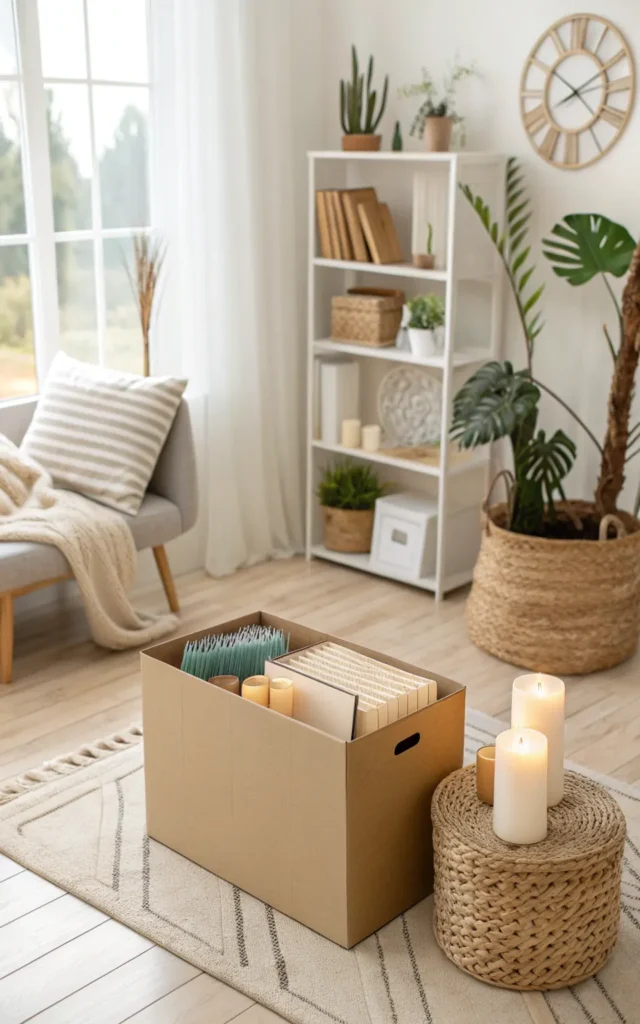
13. Digital Declutter Sunday
Spend 20 minutes each Sunday cleaning your phone and computer desktop—delete downloads, organize folders, and clear photos. Digital space affects mental clarity similarly to physical clutter. Sensory note: the clean glow of an organized screen reduces cognitive friction. Practical tip: use folders named by month or project and archive rather than hoard files.
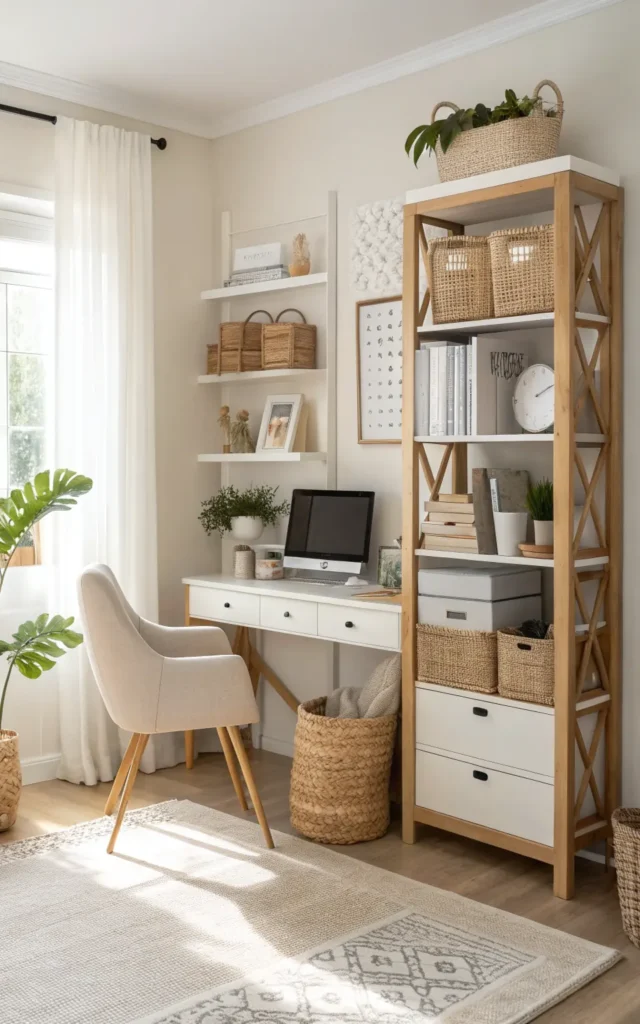
14. Label for Return
Label storage boxes and shelves with simple tags so everyone in the household knows where things belong. Clear labels reduce question time and return items to their home more reliably. Sensory note: consistent labeling brings a sense of order and ease. Practical tip: use a label maker or simple printed labels in matching tape for a neat look.
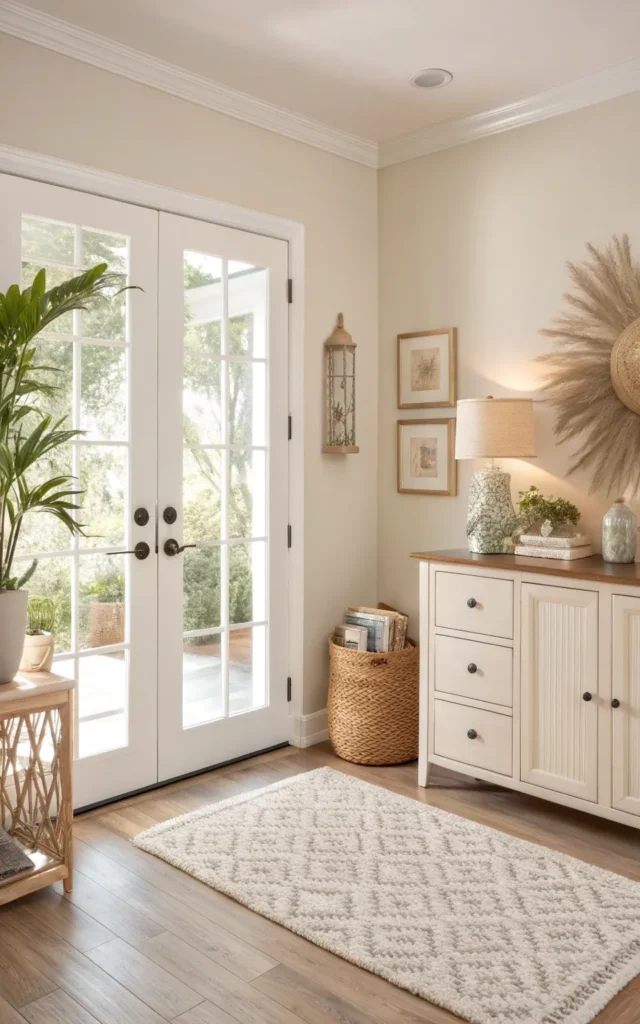
15. Celebrate Small Wins
At the end of each week, note one small decluttering win—a cleared shelf or donated bag—and celebrate the progress. Positive reinforcement builds momentum and keeps systems alive. Sensory note: the small moment of recognition feels warm and motivating. Practical tip: keep a habit journal or checklist to track wins and repeat successes.
Common Mistakes to Avoid
– Starting with overwhelming projects, choose bite-sized tasks instead.
– Keeping sentimental items without limits, set rules for keepsakes.
– Using unclear storage that hides items and increases search time.
Recommended Items
– Small storage baskets
– Label maker
– Drawer dividers
– Donation box
– Timer or phone app
– Stackable clear bins
FAQs
How long does it take to form a daily decluttering habit? Consistency matters more than time; many people feel a habit forming after three weeks of small daily actions.
What is the best place to start decluttering? Begin where you see clutter most: entryway, kitchen counter, or bedside table to get quick wins.
How do I involve family members in decluttering? Assign small, age-appropriate tasks and keep donation boxes accessible to make participation easy.
Can decluttering improve my sleep? Yes, a calmer environment with fewer visual distractions supports better rest for many people.
What should I do with items I can’t decide on? Place them in a time-boxed box for three months; if untouched, donate or pass them on.
Conclusion
These 15 calm decluttering habits are designed to be gentle and sustainable. Start with one small change and allow the habit to grow. Over time, the cumulative effect of tiny routines will create a tidier, more peaceful home.