14 Stylish Entryway Organization Ideas, Welcoming First Impressions
Introduction
The entryway is the home’s first handshake with guests and daily life. A well-designed entry balances function and style, giving you easy places for keys, shoes, and outdoor layers while setting a warm tone. Below are 14 ideas that range from compact solutions for small homes to layered setups for larger foyers, each with practical tips and textural notes you can implement quickly.
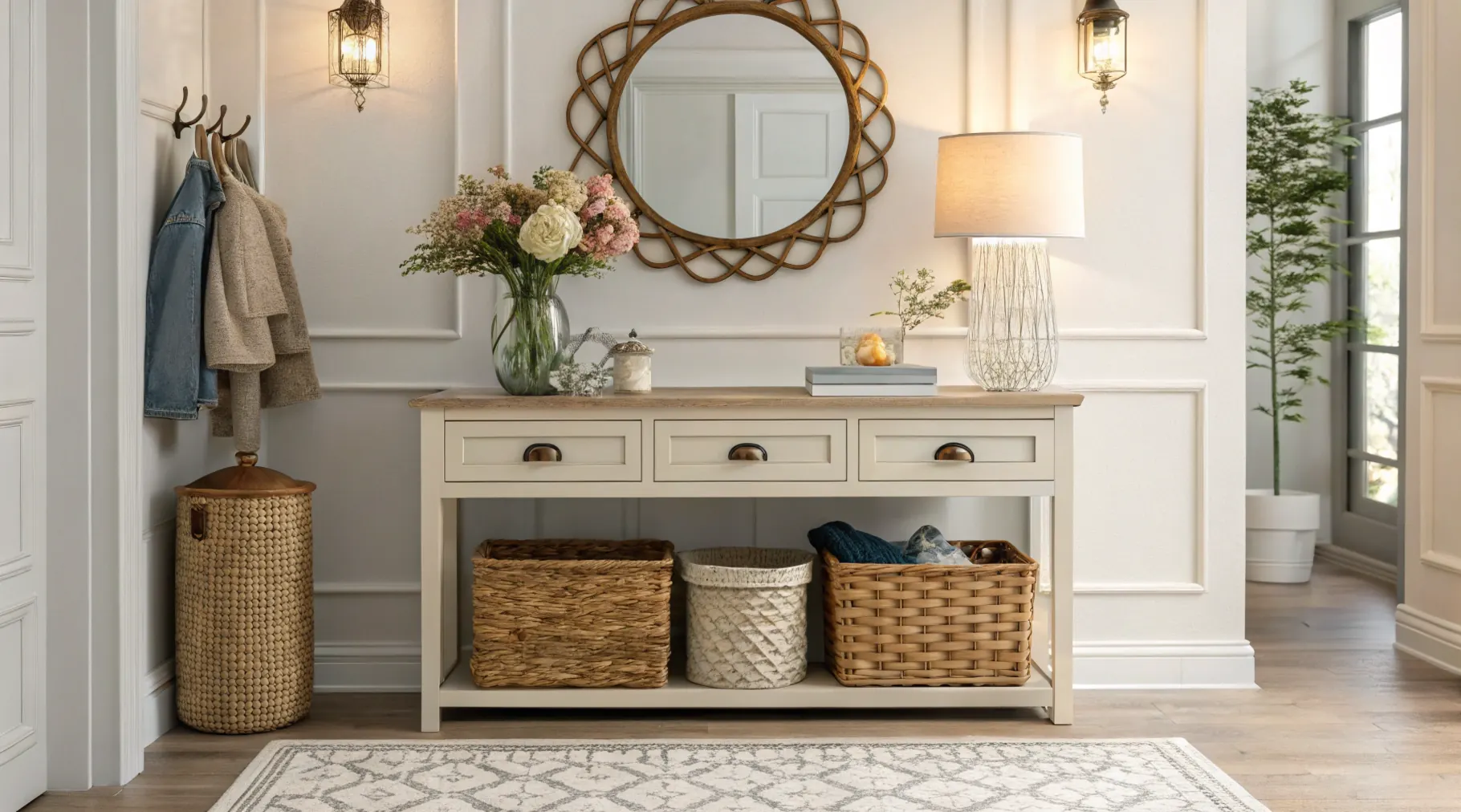
1. Slim Console with Drawer
Choose a narrow console with a single drawer to catch keys, sunglasses, and mail. Top with a shallow tray to corral small items. Sensory note: the tactile ease of dropping keys into a tray is surprisingly satisfying. Practical tip: mount a small hook underneath for a daily bag.
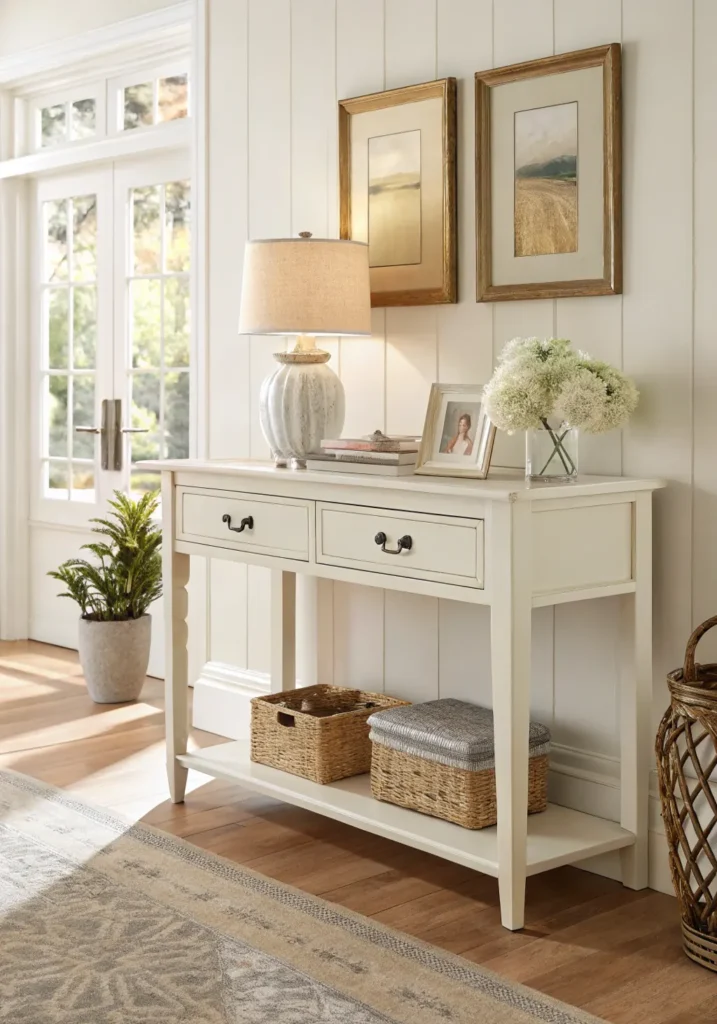
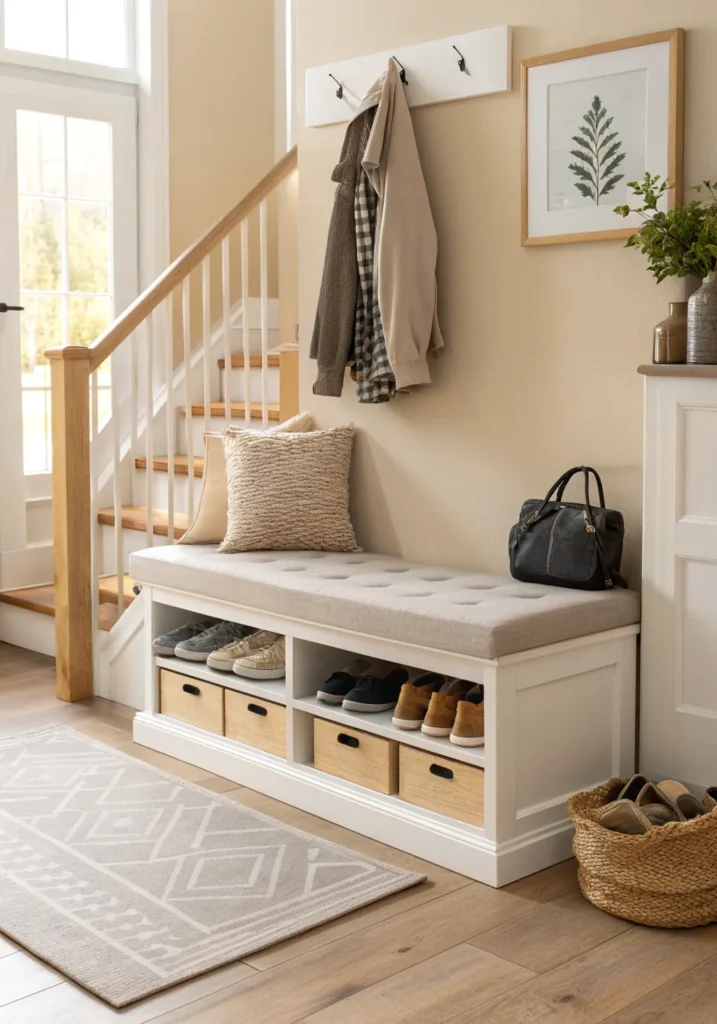
2. Bench with Shoe Storage
A bench with cubbies or baskets underneath provides seating and hidden shoe storage. Sensory note: the soft fabric cushion invites pause when putting on shoes. Practical tip: use labeled baskets for each family member.
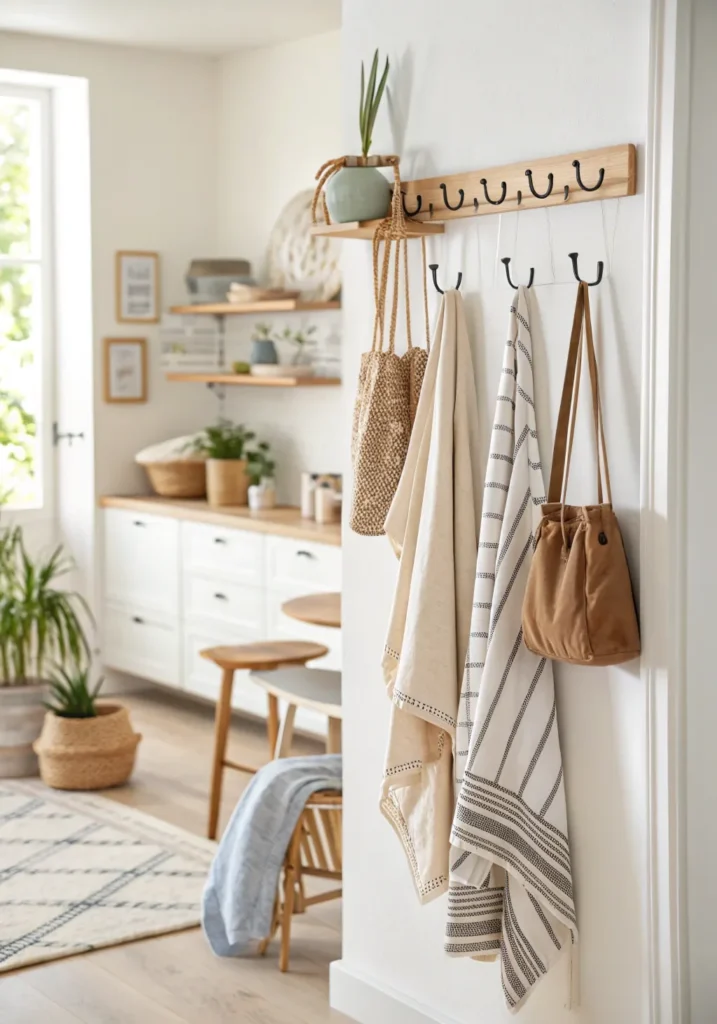
3. Wall-Mounted Peg Rail
A peg rail offers flexible hanging for coats, bags, and hats with minimal footprint. Sensory note: the simple act of hanging a coat can feel neatly finished. Practical tip: install pegs at two heights for adults and kids.
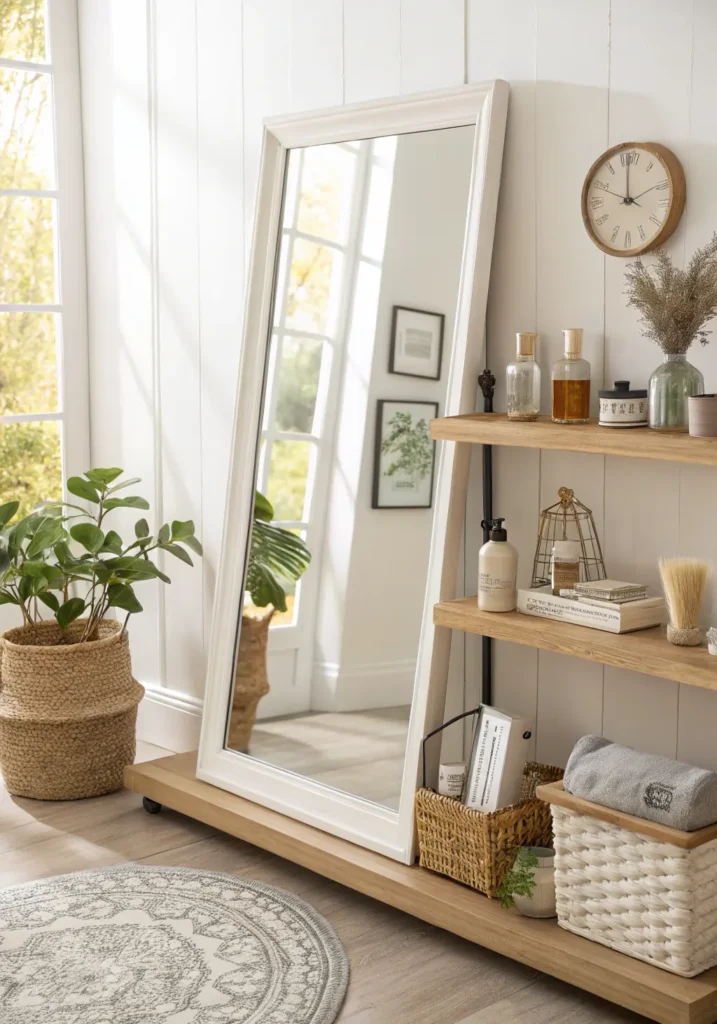
4. Mirror with Shelf
A mirror above a slim shelf visually expands the entry while offering a last-minute check and a small shelf for essentials. Sensory note: reflected light brightens the space and lifts mood. Practical tip: choose a shelf depth that fits a bowl for keys but does not crowd the walkway.
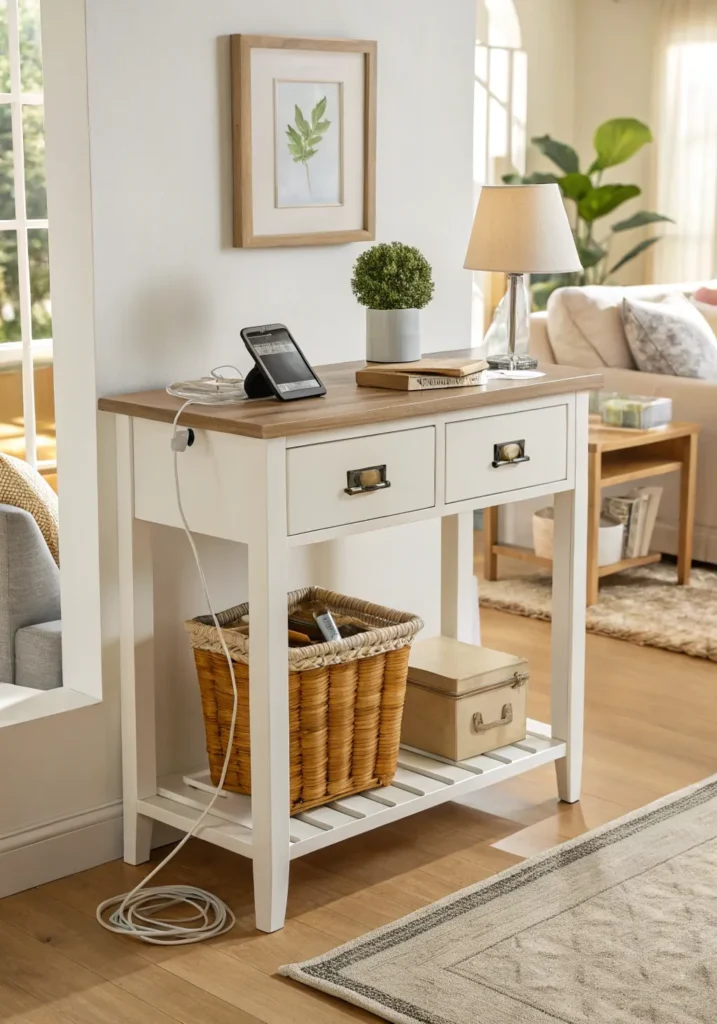
5. Drop Zone with Charging Station
Create a small drop zone with a charging station and cable management to keep devices organized. Sensory note: the smooth cable-free surface reduces visual noise. Practical tip: use a docking tray and conceal excess cords behind the console.
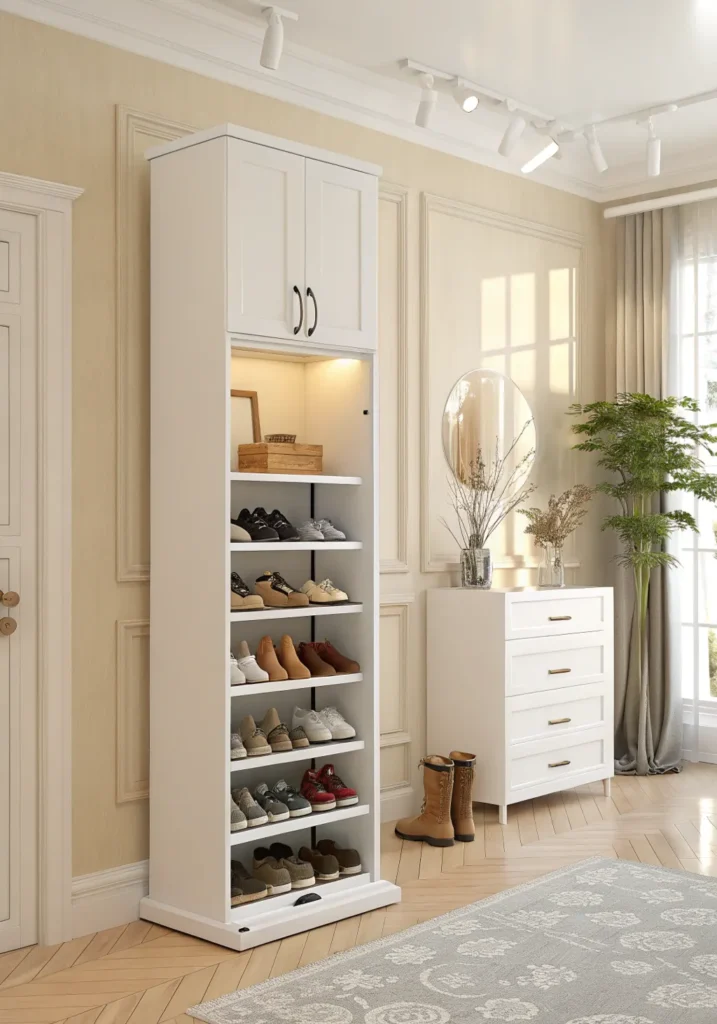
6. Vertical Shoe Cabinet
A tall shoe cabinet with pull-down doors saves floor space while keeping footwear concealed. Sensory note: the tidy, closed front gives a calm first impression. Practical tip: choose adjustable shelves to fit boots and flats.
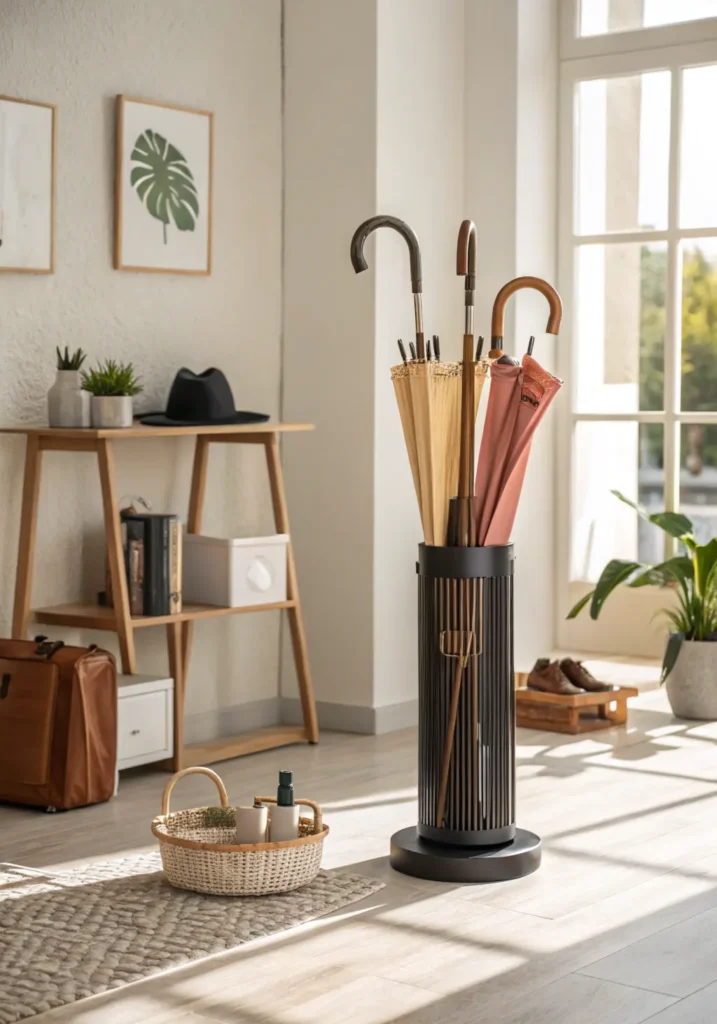
7. Stylish Umbrella Stand
Place a narrow umbrella stand by the door to catch drips and keep umbrellas organized. Sensory note: a metal or ceramic stand gives a grounded, tactile moment when coming in from rain. Practical tip: add a small mat underneath to protect floors.
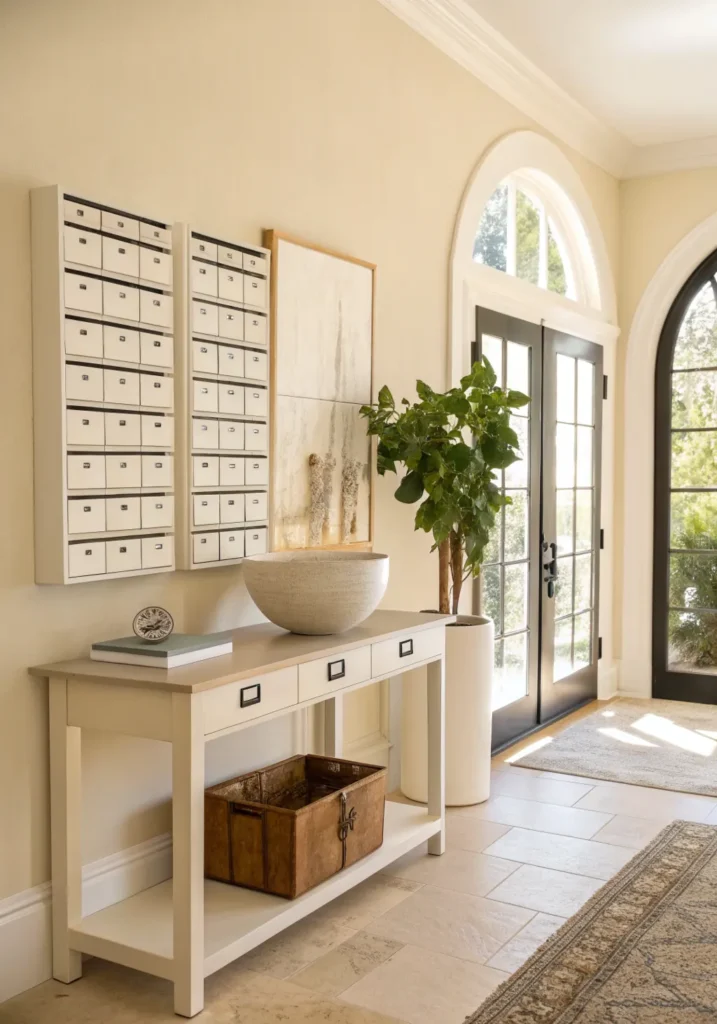
8. Key Bowl and Mail Slots
A dedicated key bowl and vertical mail slots keep small items from cluttering surfaces. Sensory note: the soft clink of keys in a bowl signals the end of the day. Practical tip: empty mail slots once a day to avoid buildup.
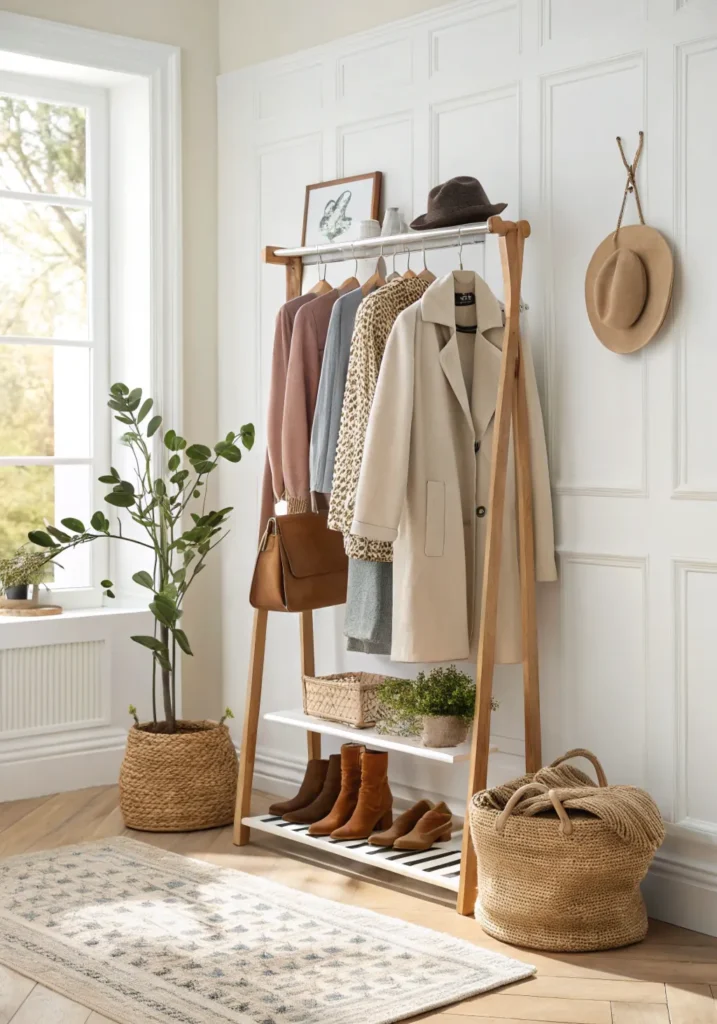
9. Seasonal Coat Swap Rack
Keep one visible rack for current season outerwear and store off-season items elsewhere. Sensory note: seasonal rotation keeps textures and weights appropriate to the weather. Practical tip: use labeled bins for off-season hats and gloves.
10. Accent Rug for Dirt Control
Choose a durable, textured rug that traps dirt and adds warmth. Sensory note: the coarse weave underfoot signals practical function and comfort. Practical tip: select machine-washable or easy-to-clean fibers.
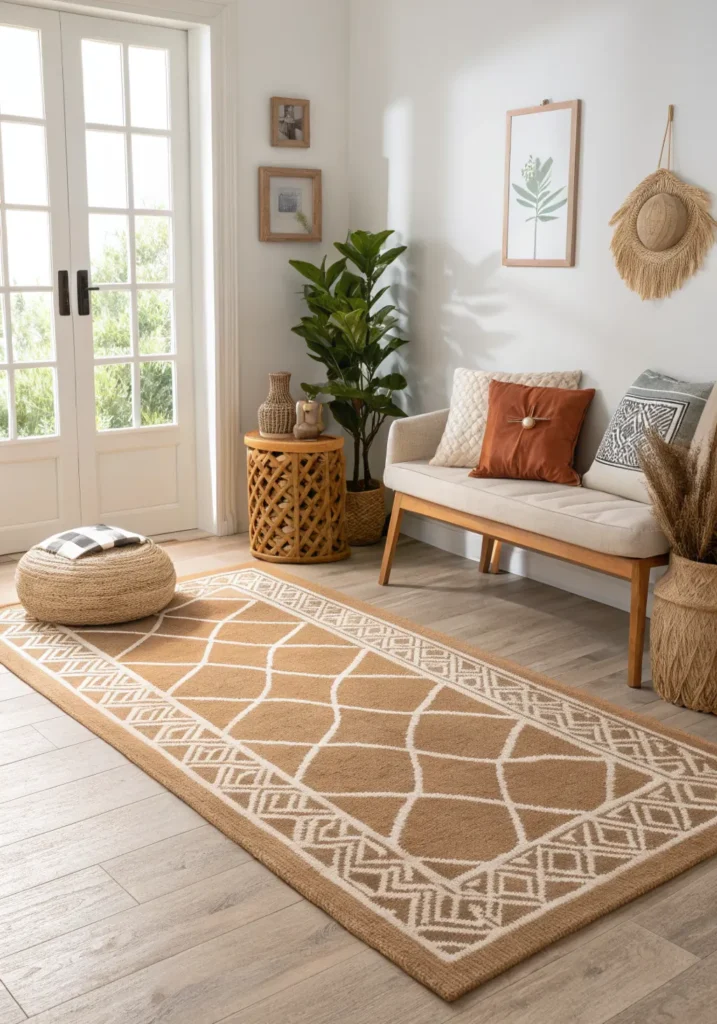
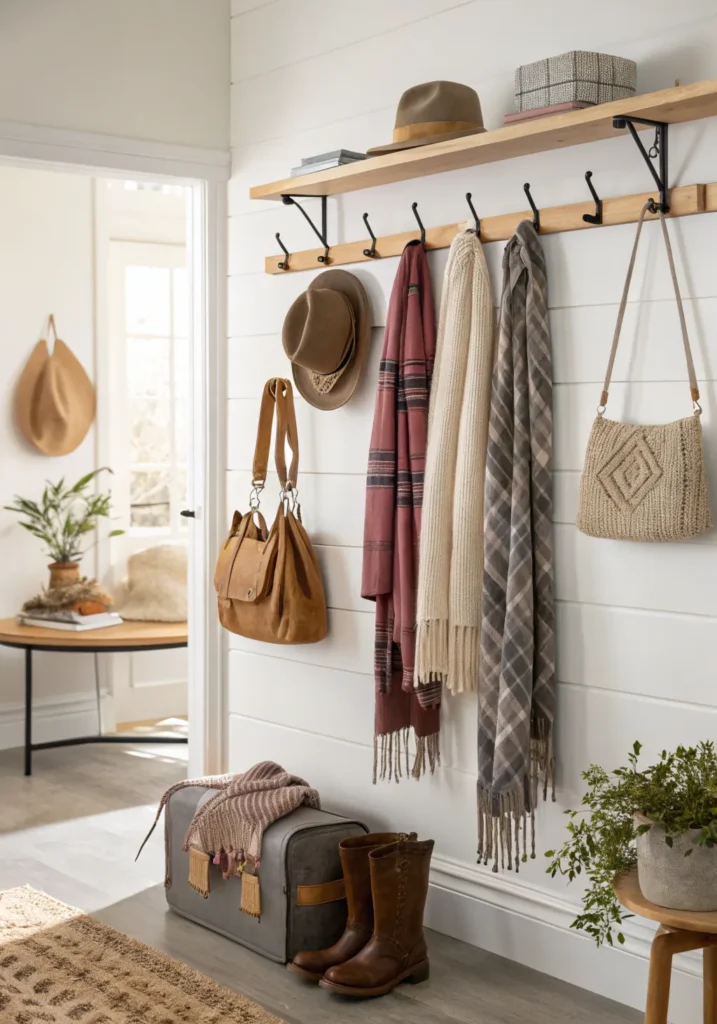
11. Floating Shelf with Hooks
A floating shelf with hooks underneath provides display space above and hanging below for scarves and leashes. Sensory note: the layered shelf adds visual depth without bulk. Practical tip: keep the shelf shallow to maintain traffic flow.
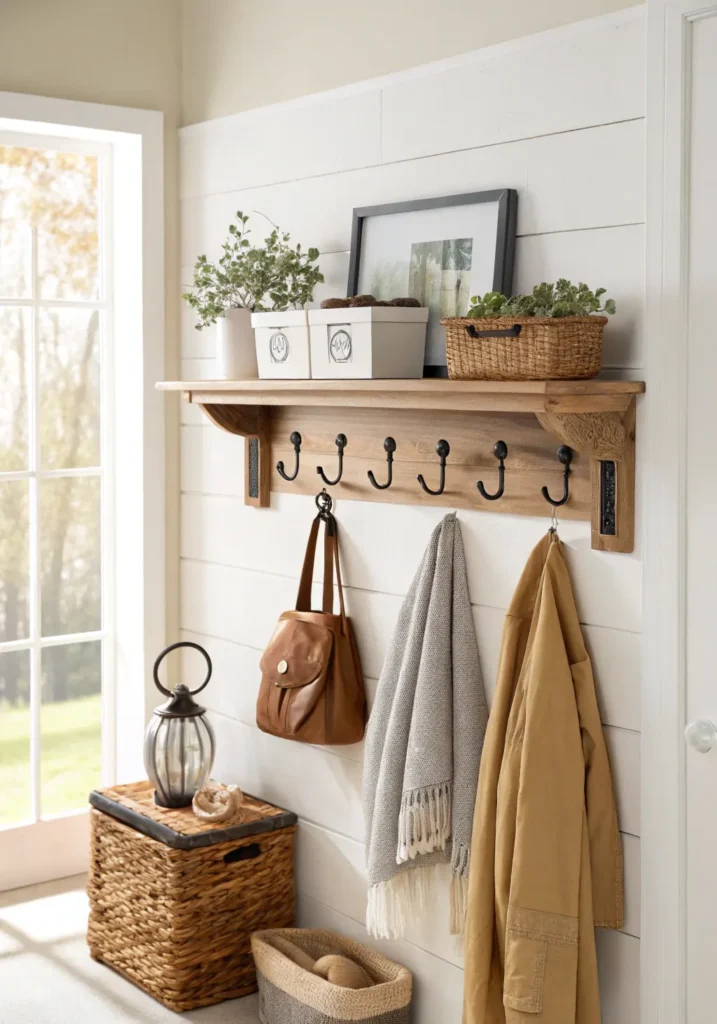
12. Built-In Nook with Cubby Organization
If space allows, create a built-in nook with cubbies for each household member for bags and shoes. Sensory note: cubby systems feel orderly and family-friendly. Practical tip: add name tags or photos for children to encourage independence.
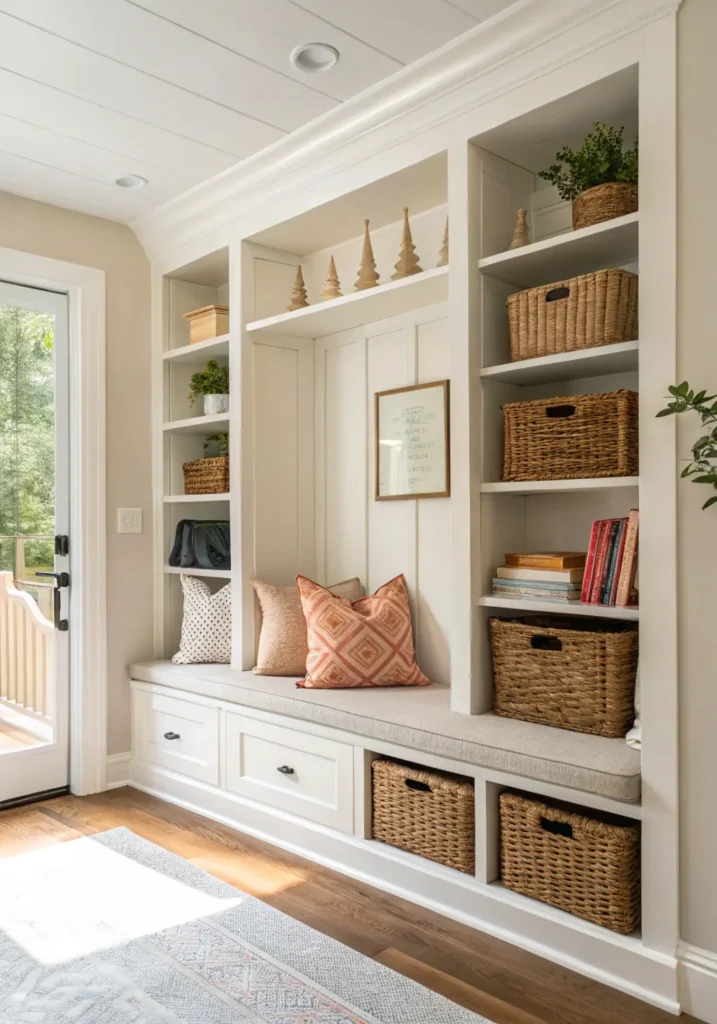
13. Small Plant for Freshness
Add a small potted plant or vase of stems to bring life and a fresh scent to the entry. Sensory note: green leaves and natural smell offer an immediate welcome. Practical tip: choose low-light plants if the entry lacks windows.
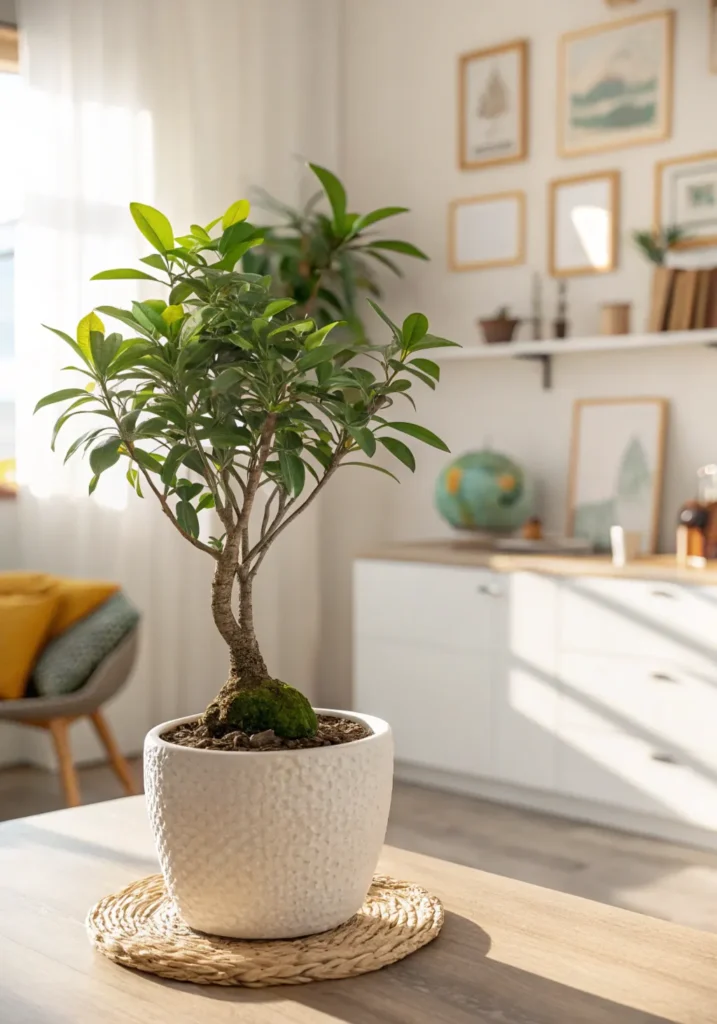
14. Overhead Hook Rail for Seasonal Gear
An overhead rail near the door holds items like backpacks and seasonal gear out of the main flow but accessible. Sensory note: the visual order of hanging items feels reassuring. Practical tip: ensure hooks are sturdy and anchored into studs.
Common Mistakes to Avoid
– Ignoring floor protection which leads to wear and stains.
– Overcrowding entries with too much furniture, reduce to essentials.
– Using slippery rugs that create hazards.
Recommended Items
– Narrow console
– Storage bench
– Peg rail
– Decorative mirror with shelf
– Charging tray
– Vertical shoe cabinet
– Umbrella stand
– Durable entry rug
FAQs
What is the ideal width for an entry console? Aim for 25 to 35 centimeters for narrow entryways to keep traffic flowing.
How can I keep entryways tidy with kids? Create reachable storage, labeled bins, and a simple routine to encourage habits.
What rug material works best for entries? Coir, flatweave wool blends, and washable indoor-outdoor rugs trap dirt and are easy to clean.
Should I have seating in a small entry? If space allows, a slim bench is helpful for putting on shoes and provides visual balance.
How do I manage wet umbrellas in the entry? Use a tray or umbrella stand and add a mat to catch drips.
Conclusion
A stylish entryway balances function and welcome. Implement one or two of these ideas to create a smoother arrival and departure ritual that feels intentional and warm.