14 Best Rules for Mixing Wood Tones
Matching every piece of wood furniture in a room makes the space feel like a showroom rather than a home. Mixing different wood tones is the secret to creating a layered collected interior that feels authentic. This approach adds depth and visual interest that matching sets simply cannot achieve.Successfully combining different woods requires understanding undertones and establishing a clear hierarchy in the room. By following a few straightforward guidelines you can confidently mix dark walnut with pale oak and create a perfectly harmonious beautifully styled living space.
What’s inside this article
Establish a Dominant Tone
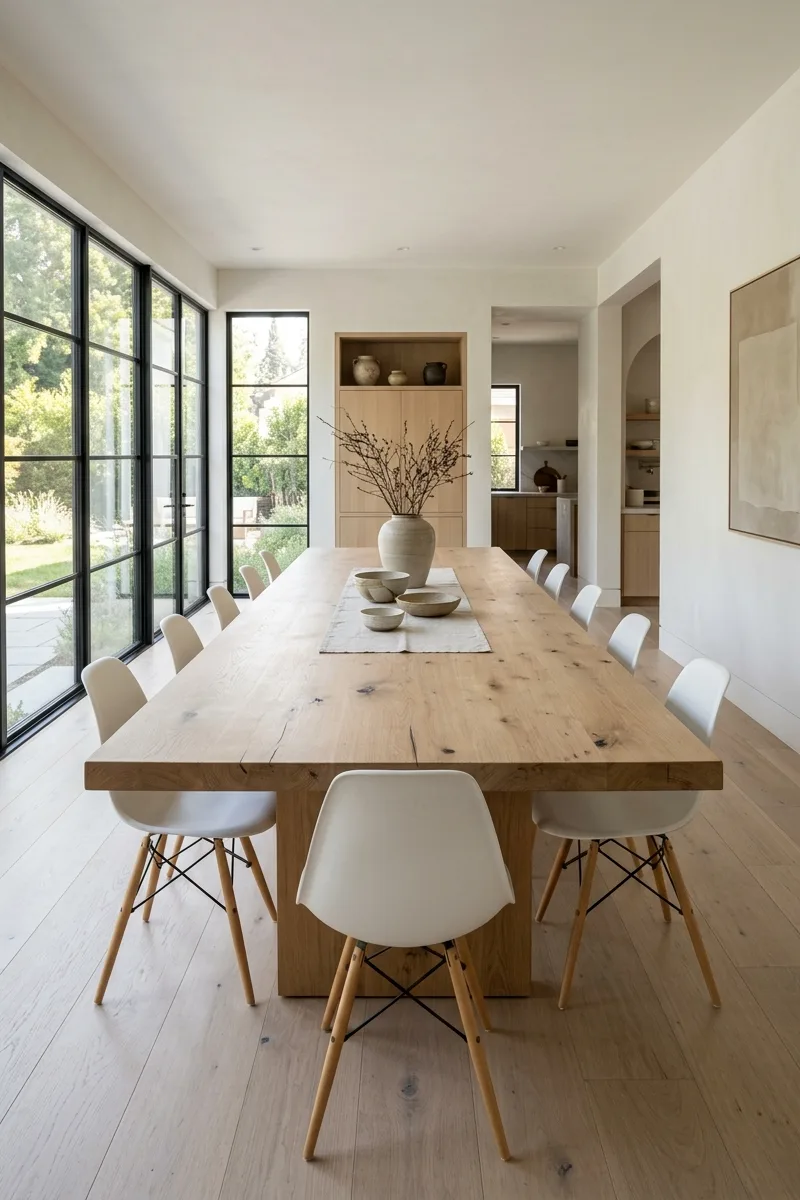
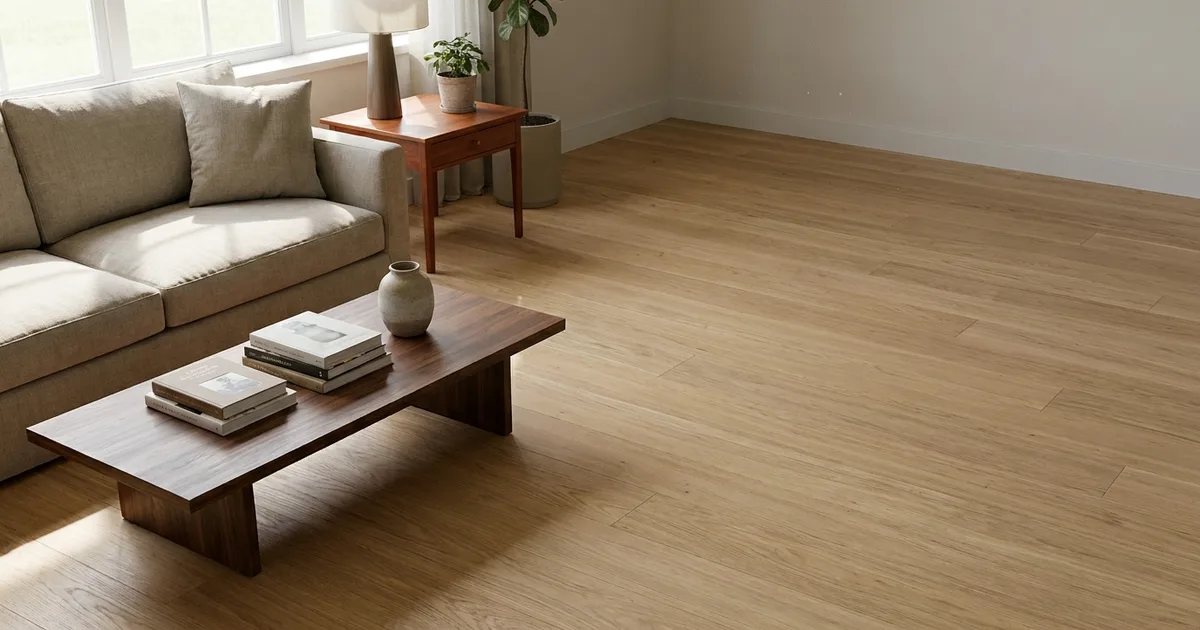
Before introducing multiple finishes you must identify the primary wood tone that anchors the entire room. This dominant tone is usually determined by your largest surface area such as the hardwood flooring or a massive dining table. Establishing this baseline provides a visual anchor that keeps the room from looking chaotic. Once this primary color is clear you can confidently select smaller accent pieces in contrasting woods. A strong dominant tone ensures the space feels intentional cohesive and beautifully organized.
Match the Undertones
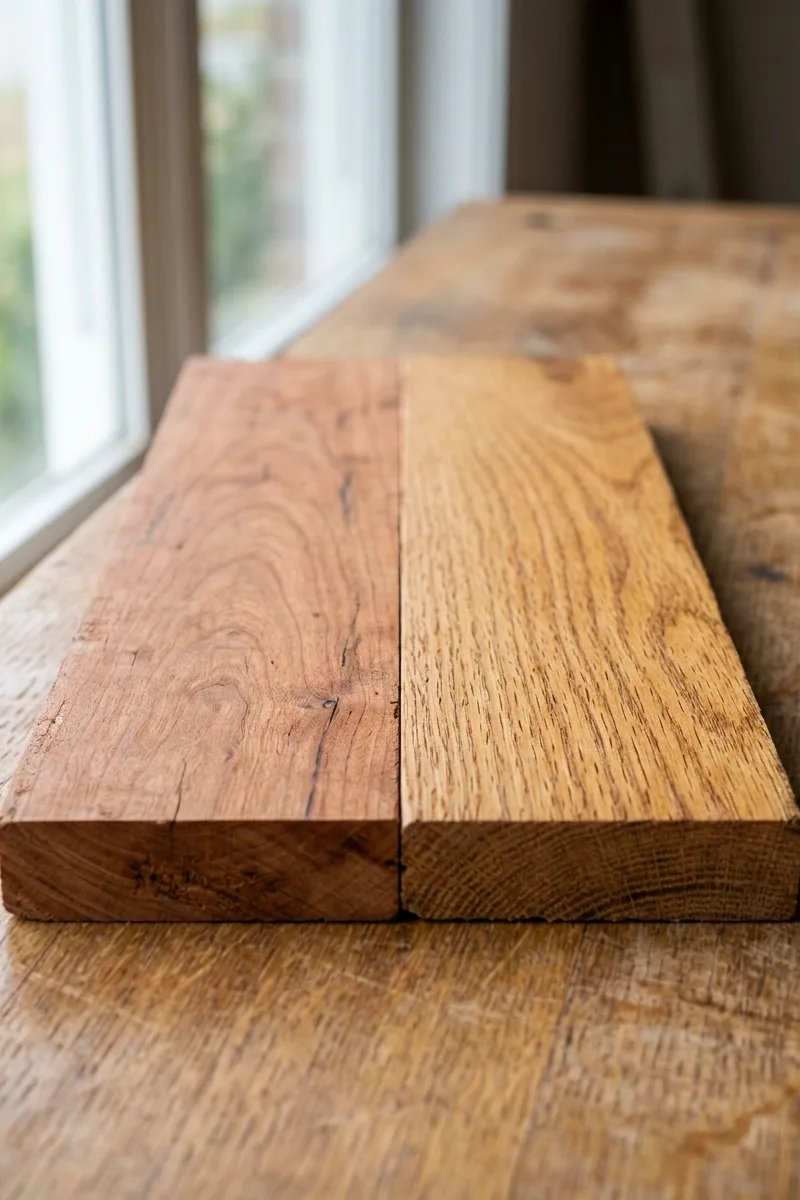
The secret to harmony lies in the underlying color temperature of the wood grain itself. Woods generally have warm yellow or red undertones or cool ashy gray undertones. Mixing a warm golden oak with a warm reddish cherry feels natural because they share a similar temperature. Conversely pairing a cool gray-washed floor with a stark red mahogany often clashes uncomfortably. Keeping your mixed woods within the same tonal family guarantees a smooth cohesive transition across the entire room layout.
Create High Contrast
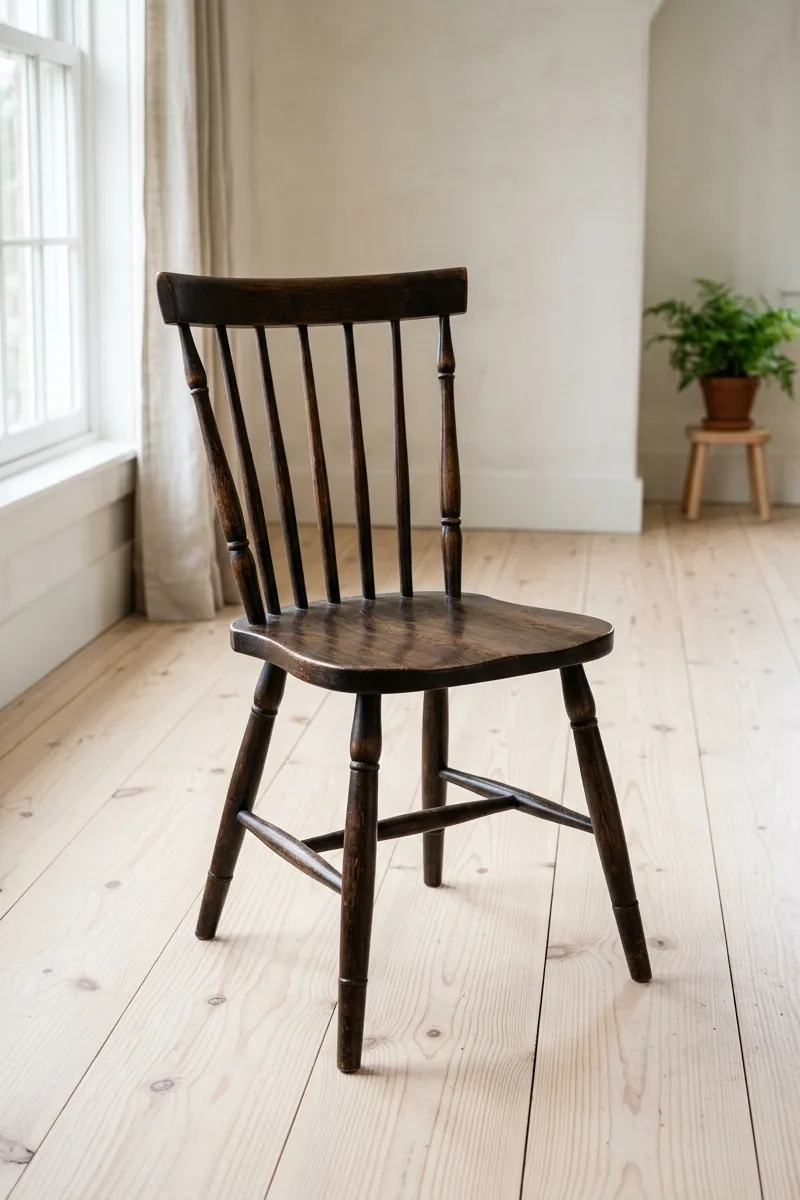
When mixing woods bolder differences usually look much better than subtle near-matches that appear accidental. Deliberately pairing a very dark espresso table with pale bleached floors creates a striking intentional design moment. This high contrast allows each piece of furniture to stand out beautifully against its background. If pieces are too similar in color but not exact they will look like a mistake. Embrace the dramatic difference to make your mixed wood choices look entirely confident and highly styled.
Use a Buffer Material
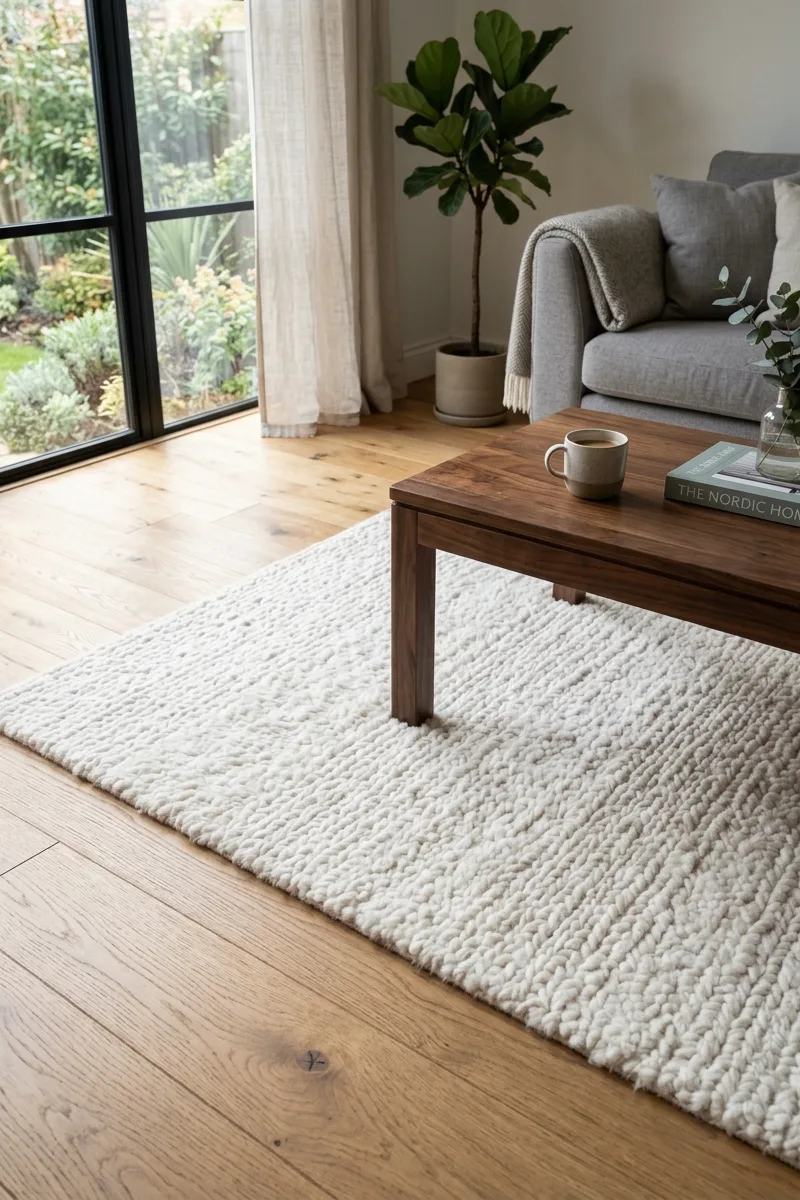
Directly stacking two different woods against each other can sometimes highlight their visual differences too aggressively. Introducing a buffer material like a thick area rug physically separates the contrasting wood tones gracefully. A neutral rug placed under a dark table on a light floor eases the visual transition significantly. This breaking element gives the eye a rest and helps the contrasting finishes exist harmoniously in the same space. It is a vital technique for softening sharp breaks in flooring.
Repeat Each Tone
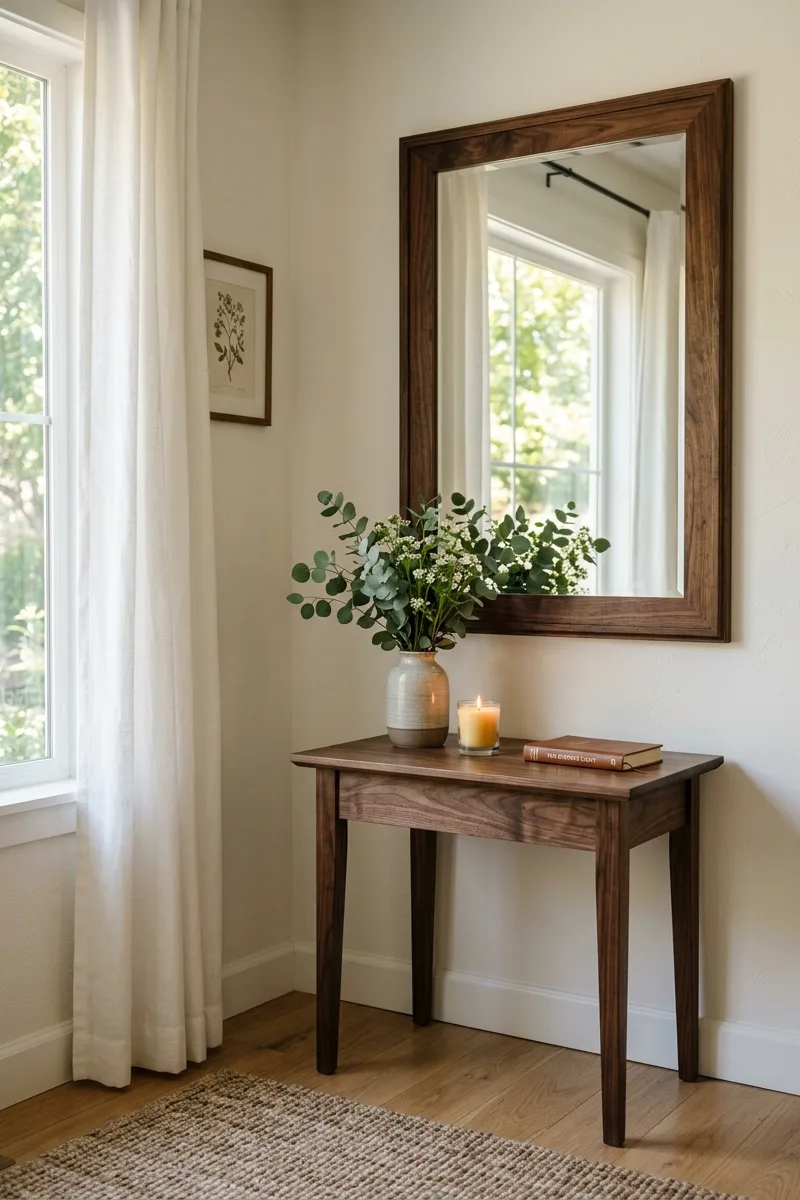
A single piece of contrasting wood can look isolated and out of place if it stands completely alone. To make a secondary wood tone feel integrated you must repeat it at least once elsewhere in the room. If you bring in a dark walnut chair add a dark walnut picture frame or floating shelf nearby. This repetition creates a subtle visual echo that ties the disparate elements together. It signals that the color choice was deliberate and highly planned.
Mix Grain Patterns
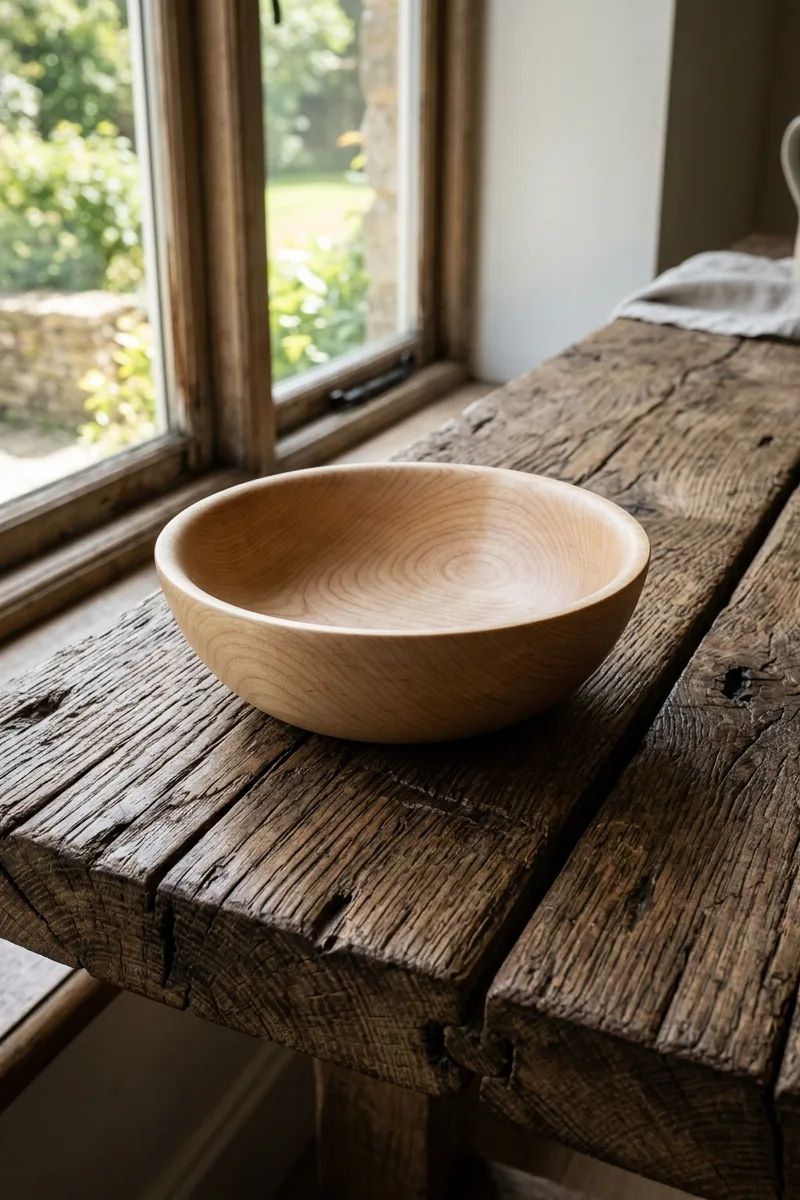
Color is not the only variable you should consider when layering different wooden elements in a room. Combining woods with drastically different grain patterns adds immense tactile and visual depth to the space. Pair a tightly grained polished maple with a highly visible rustic oak to create beautiful structural contrast. This variation in texture prevents the room from feeling flat and highly manufactured. It emphasizes the natural organic beauty of the materials adding genuine character to your daily living environment.
Incorporate Painted Wood
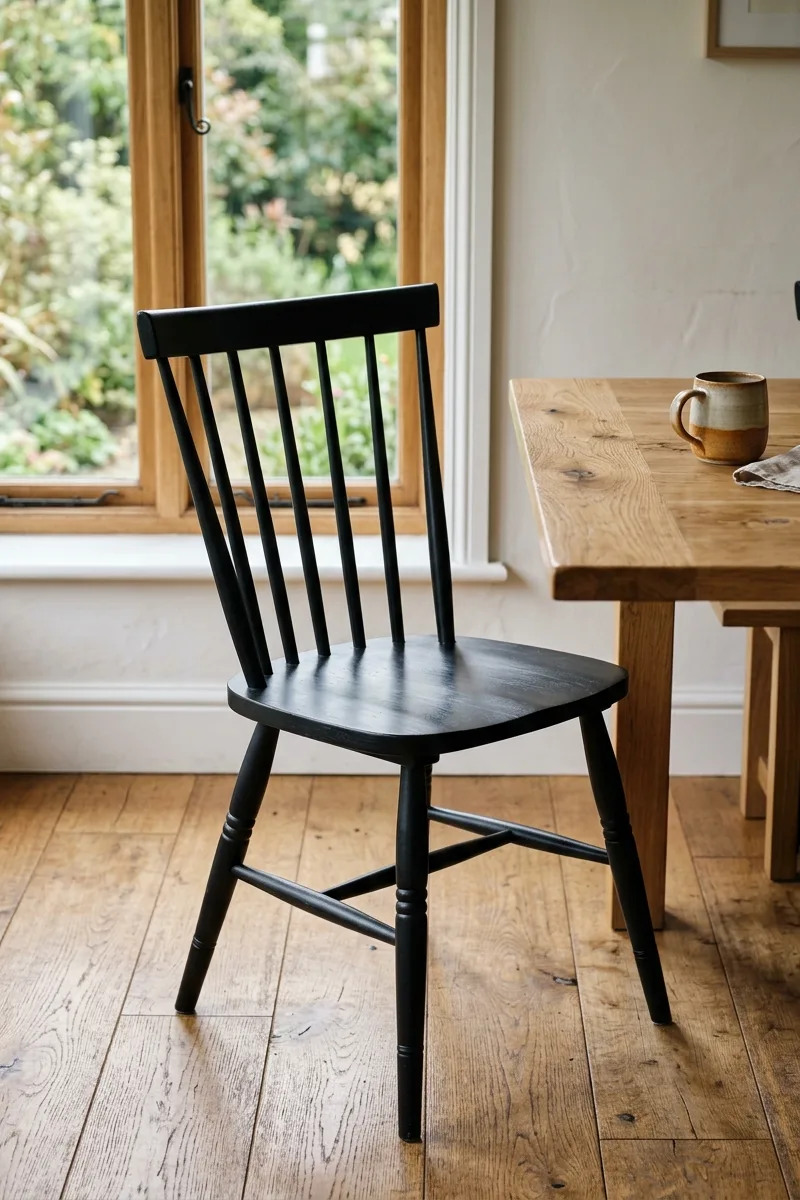
If the room starts feeling overwhelmed by too many competing brown tones you must introduce solid colors. Painted wood furniture provides a necessary visual break while maintaining the structural warmth of timber. A crisp black or soft white painted chair cuts through the heavy natural grains beautifully. This technique dilutes the intensity of the mixed stains allowing the beautiful unpainted pieces to shine clearly. It balances the room ensuring the organic textures do not completely dominate the interior visual landscape.
Bridge with Neutrals
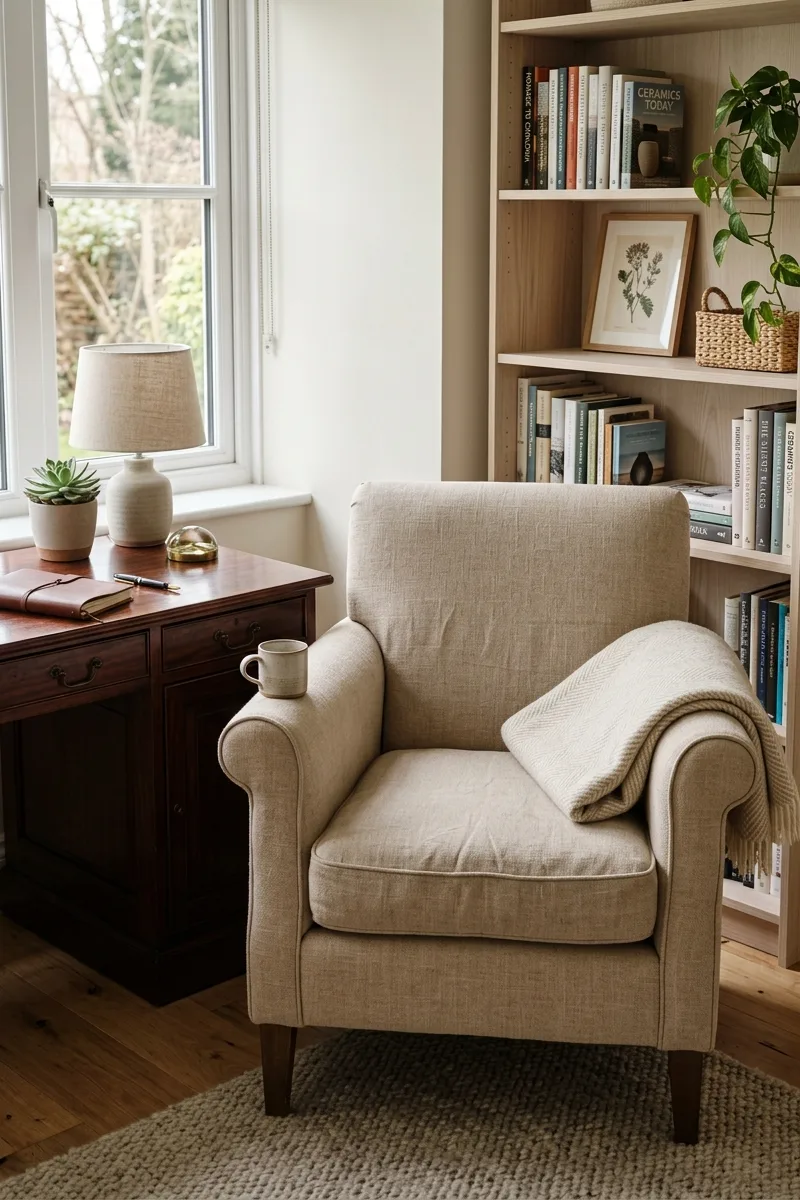
Soft neutral fabrics act as a massive visual palate cleanser in a room filled with heavy mixed woods. Incorporating large pieces of upholstery in beige cream or soft gray helps absorb and balance the varying brown tones. A linen sofa physically separates competing wooden side tables easing the tension between them perfectly. These soft matte textures provide a quiet background that allows the distinct wood finishes to coexist peacefully. They form a necessary neutral bridge connecting the entire eclectic design.
Limit to Three Tones
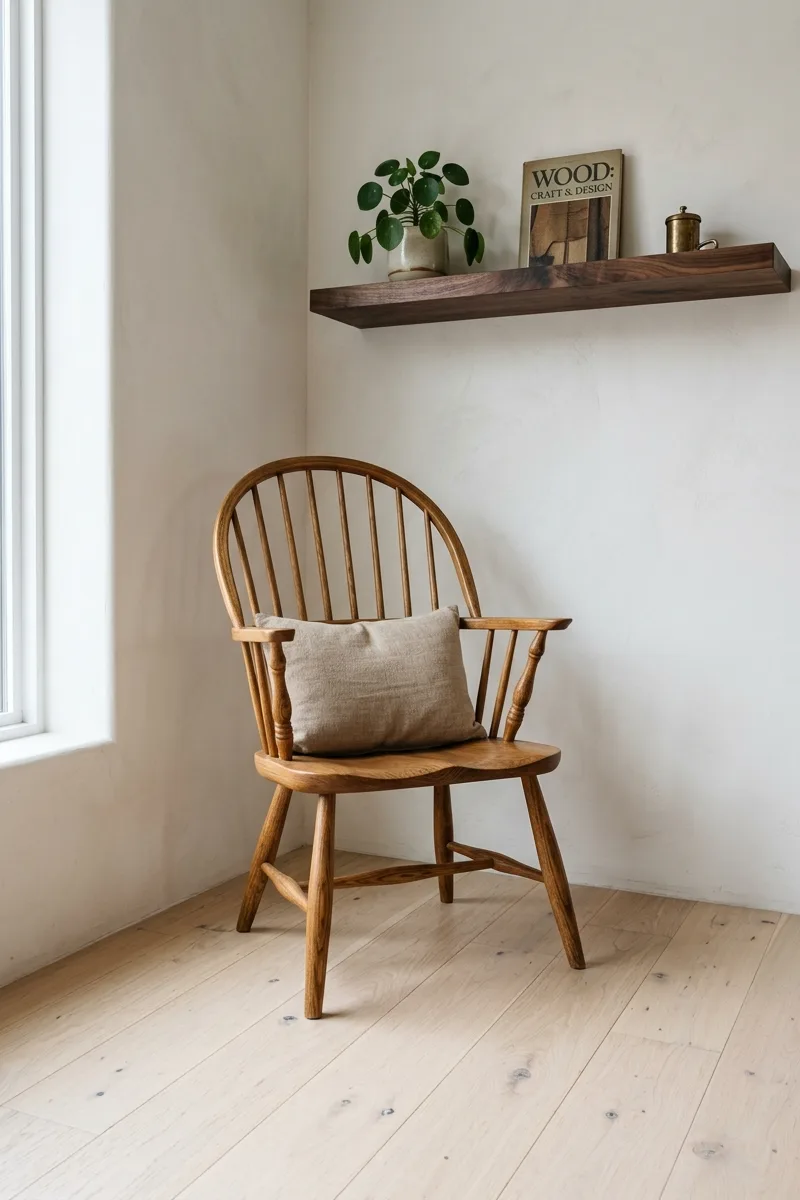
While mixing woods is encouraged adding too many distinct finishes quickly creates a chaotic cluttered environment. Restricting your palette to a maximum of three different wood tones keeps the design feeling disciplined and curated. You need one dominant base one strong secondary contrast and one minor accent tone for detail. This strict limitation ensures the room looks eclectic rather than looking like a messy thrift store. It provides enough variety for interest without overwhelming the senses completely.
Distribute Tones Evenly
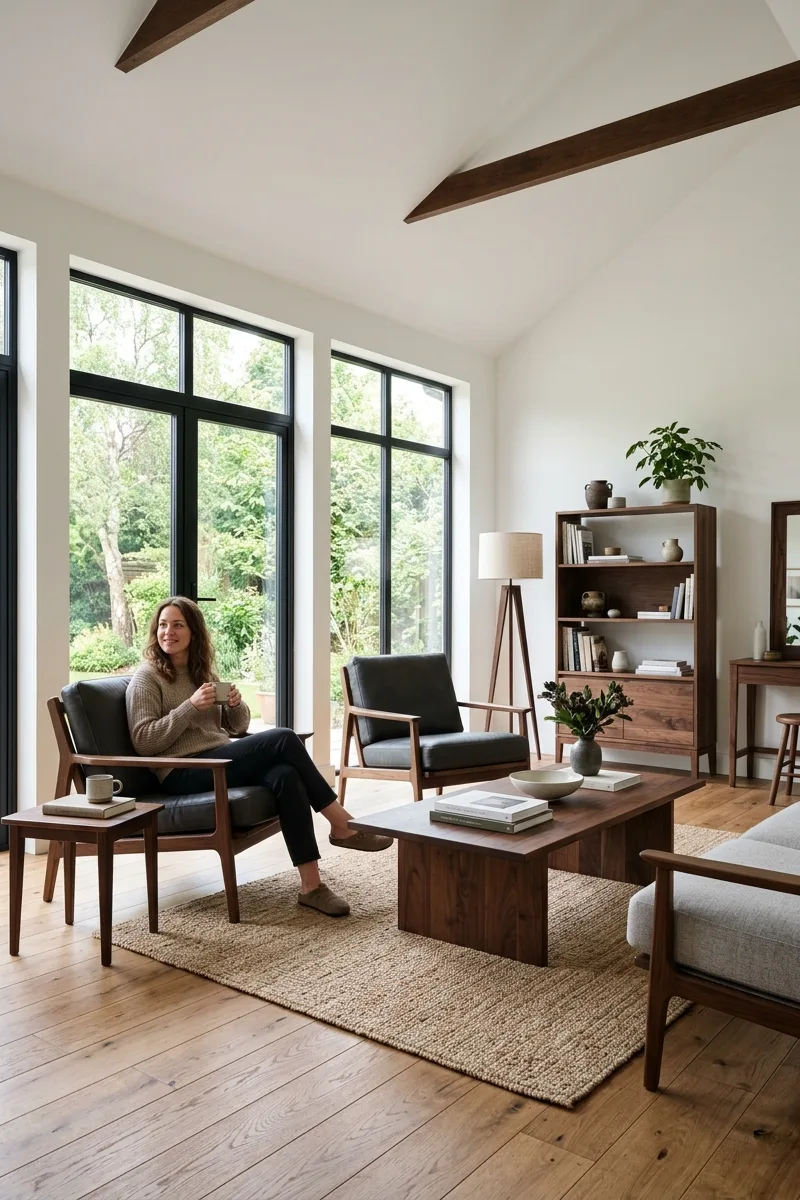
Clustering all your dark wood pieces on one side of the room makes the space feel physically lopsided. You must spread your contrasting finishes evenly across the entire floor plan to maintain balance. If you place a heavy dark cabinet on the left place a dark chair or dark frames on the right. This careful distribution guides the eye smoothly around the space creating a sense of calm equilibrium. It ensures the room feels stable grounded and visually comfortable.
Use Transition Pieces
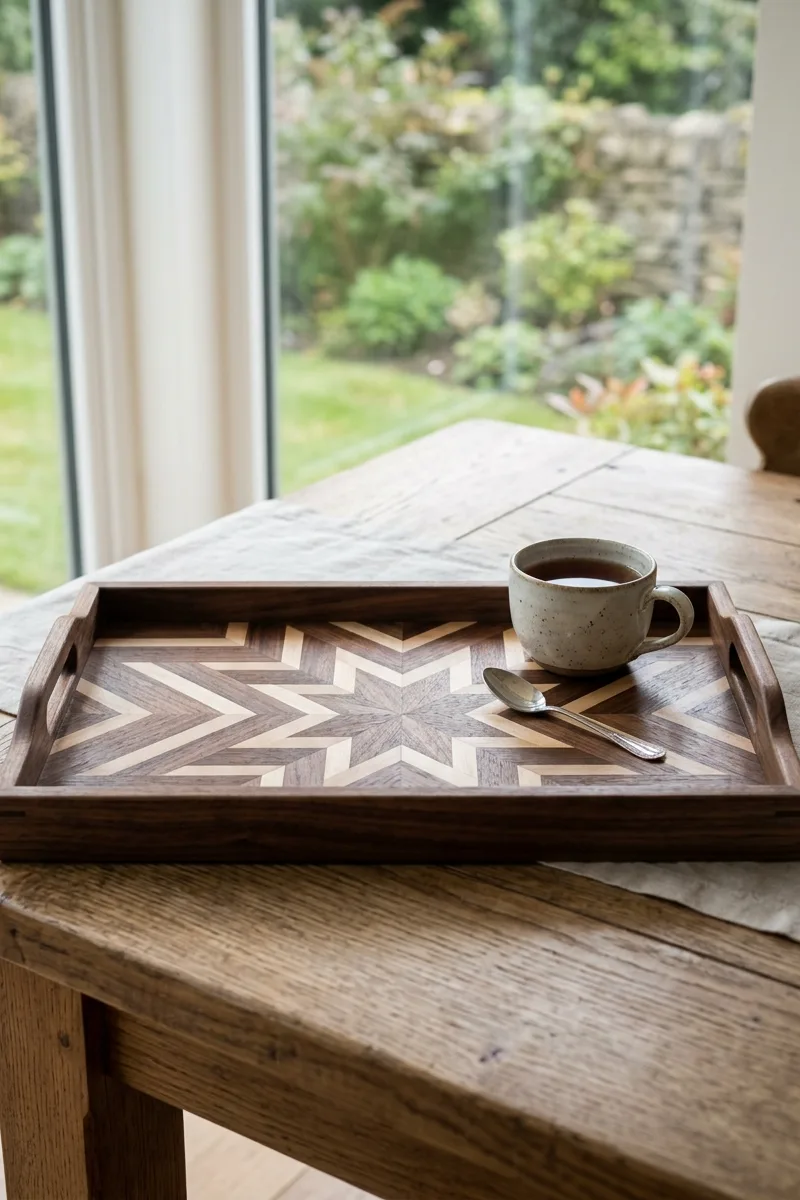
Finding a single item that incorporates both your dominant and accent woods ties the entire room together effortlessly. A patterned inlay tray or a chair with mixed wood detailing acts as a perfect visual bridge. This transition piece proves that the contrasting colors belong together and were chosen intentionally. It serves as the design keystone locking the disparate finishes into a single cohesive aesthetic. These small details make a massive difference in how polished the room ultimately appears.
Add Metallic Accents
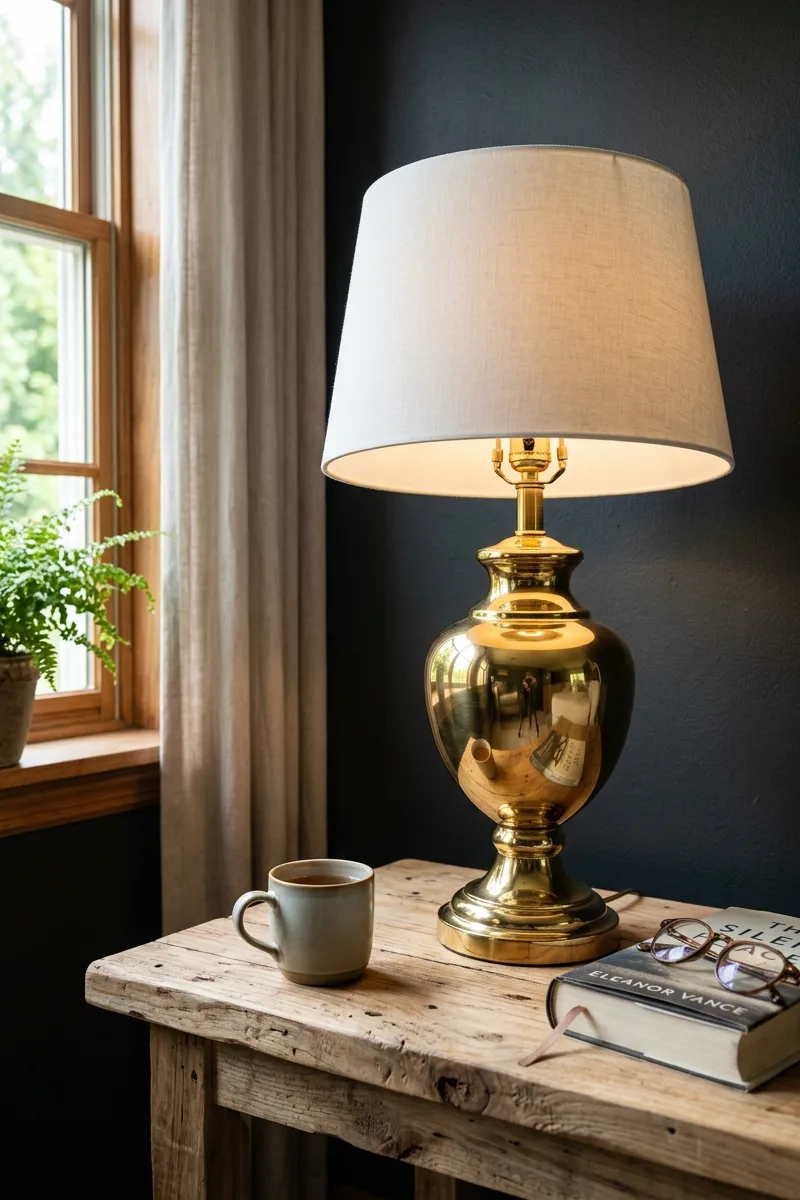
Sharp metallic details provide a brilliant contrast that cuts through the visual weight of heavy mixed woods. Introducing brass chrome or matte black hardware adds a necessary layer of modern polish to organic surfaces. A sleek metal lamp on a rustic table highlights the beauty of both materials perfectly. These non-wood elements distract the eye slightly easing the tension between mismatched timber stains. They elevate the overall styling preventing the room from feeling like a heavy dark cabin interior.
Consider the Finish
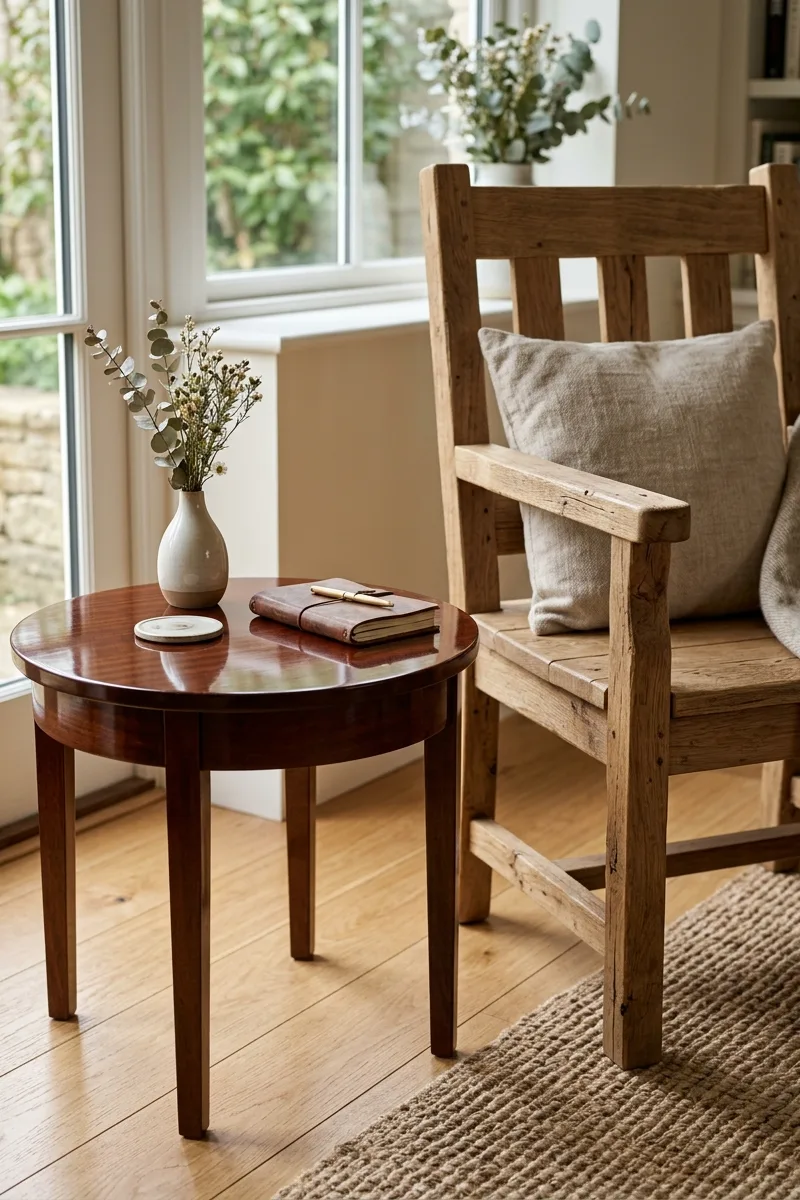
Mixing the sheen level of your woods is just as important as mixing their actual colors. Pairing a high-gloss polished antique with a dry matte raw edge table creates fascinating tactile contrast. If all your mixed woods share the exact same glossy polyurethane finish the room will look flat. Varying the surface texture from smooth and shiny to rough and dull adds incredible depth. This careful attention to finish makes your collected furniture look incredibly sophisticated and deeply considered.
Trust White Space
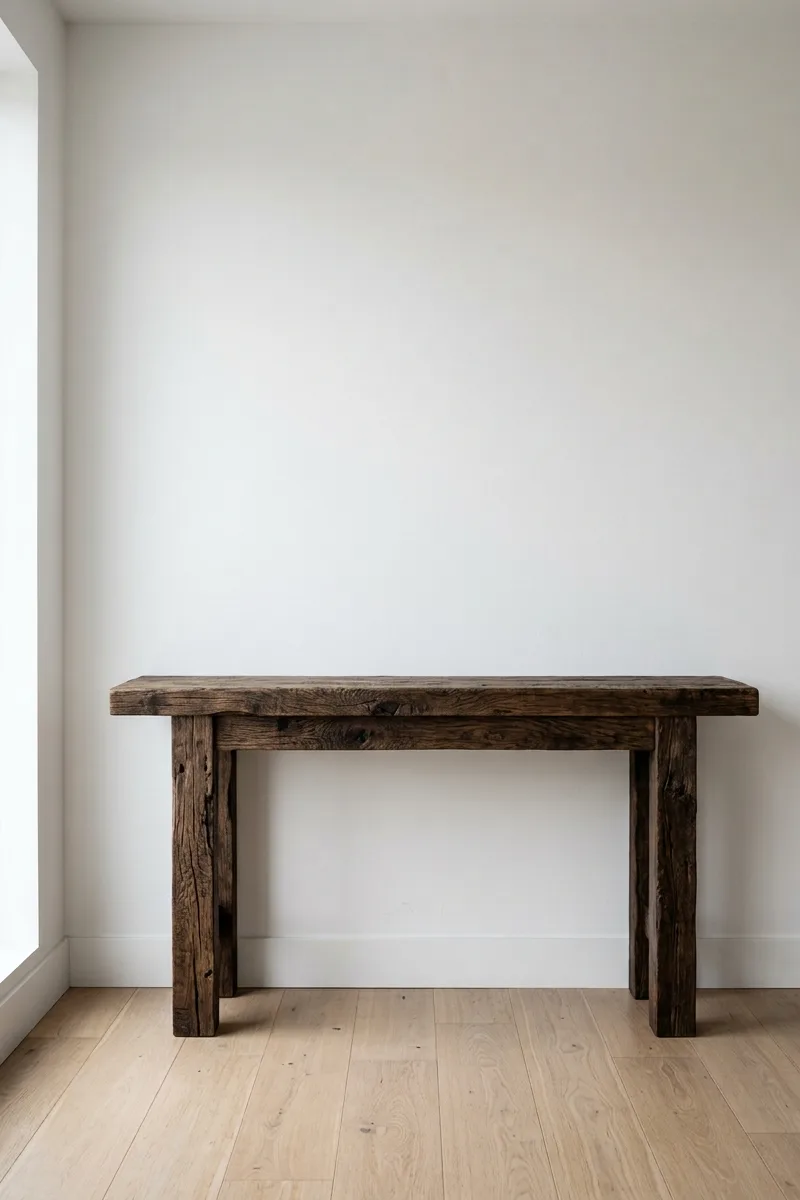
Allowing plenty of negative space around your mixed wood furniture lets the distinct materials breathe properly. Crowding too many different wooden pieces together makes the room feel heavy cramped and visually stressful. Crisp white or soft neutral walls provide a quiet backdrop that highlights the unique grain of each piece. This generous spacing ensures the contrasting tones do not clash aggressively. Embracing empty space is crucial for making an eclectic mix of furniture look clean modern and beautifully intentional.
Inspiration gallery recap
Tap any image to open the slideshow — use arrows or swipe to browse.