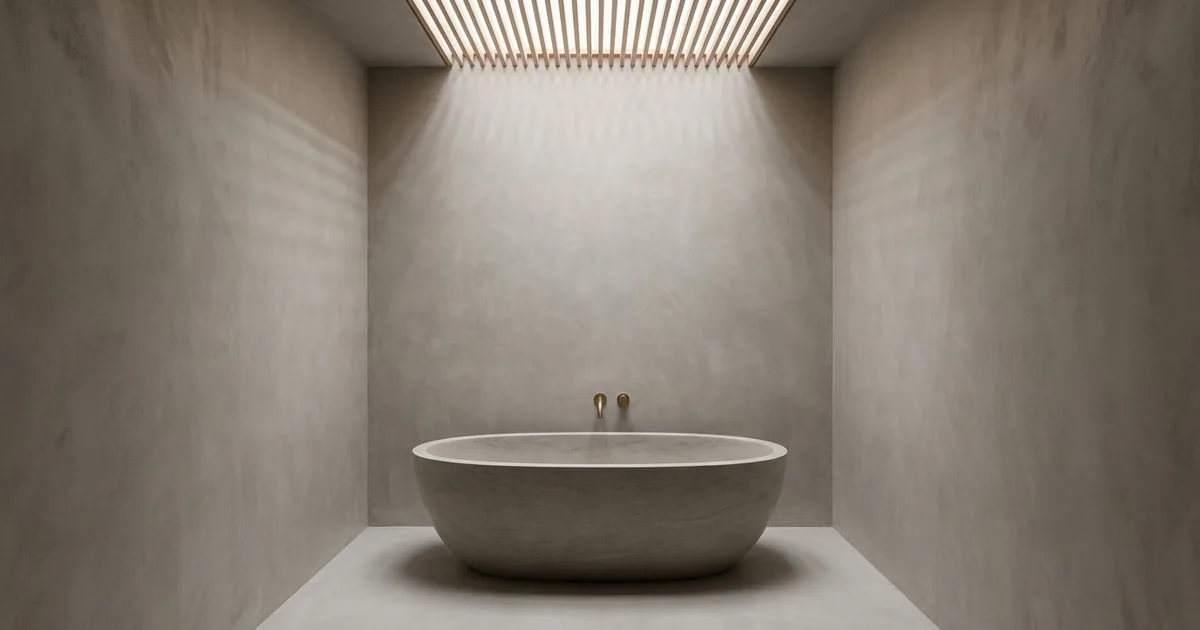
14 Microcement Bathroom Ideas for a Grout-Free Modern Finish
The war on grout is officially over, and microcement has won decisively. In 2026, the most forward-thinking bathrooms are shedding the dated, fussy grid of traditional tiles in favor of a continuous, velvety-smooth finish that flows effortlessly from floor to wall. Microcement, a polymer-modified cementitious coating, is the magic wand of modern renovations, rendering surfaces seamlessly waterproof without a single grout line in sight. It is the tool that turns any bathroom into a monolithic sanctuary of minimalist calm.
More than just a practical fix for moldy grout, microcement is a profound design statement. Its subtle, hand-troweled texture and cloud-like softness add a depth of warmth that sterile, polished porcelain can never achieve. Whether you are craving the raw edge of an industrial loft, the crisp serenity of a Scandinavian spa, or the quiet heat of a Mediterranean retreat, this material adapts. Join us as we explore 14 transformative ways to work the microcement magic into your own space, proving that the most luxurious bathrooms are the ones where the walls seem to gently breathe and the floor flows like silk beneath your feet.
The Seamless Envelope: Walls and Floor as One
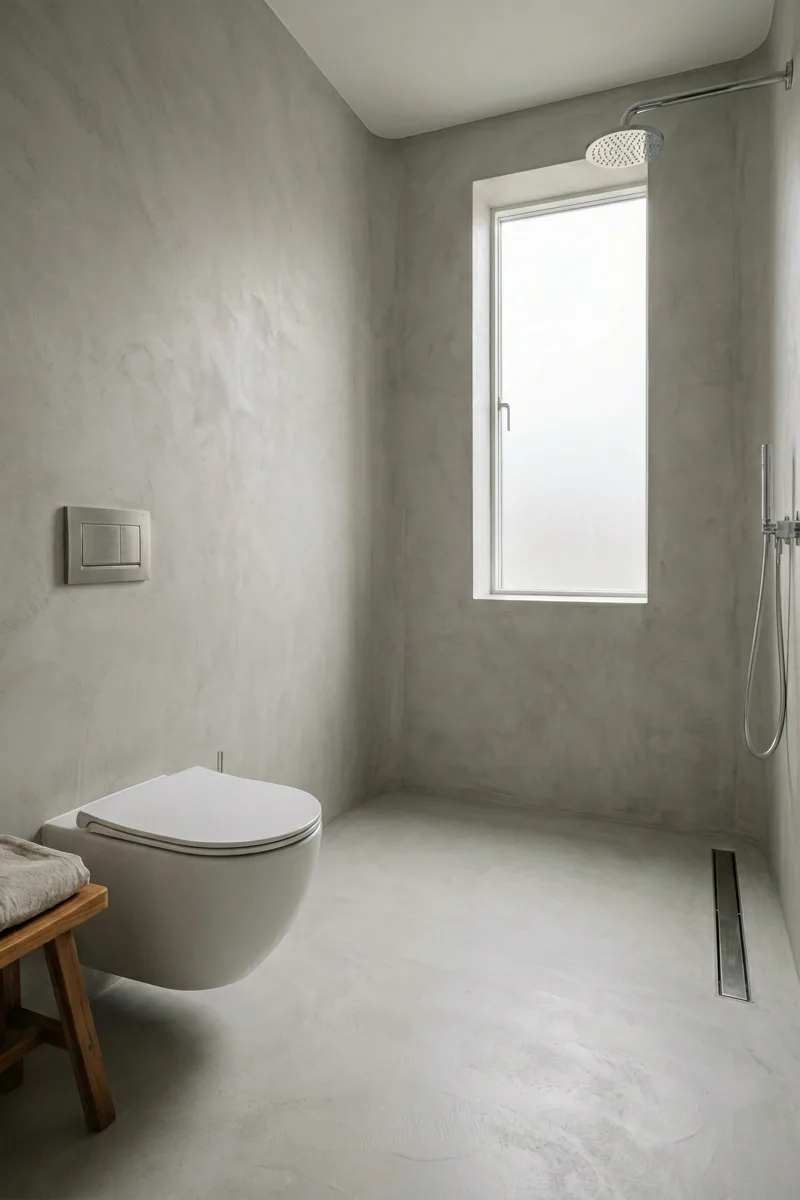
The defining superpower of microcement is its ability to create a continuous waterproof envelope that demolishes visual boundaries. By applying the same warm, tactile finish across the floor and up the walls, you erase the clunky angles and tile edges that make small rooms feel chopped up. The space instantly expands, feeling more like a sculpted cave or a private spa room than a standard bathroom. This seamless junction is not just beautiful; it is exceptionally hygienic, giving dirt and moisture nowhere to hide. A gently radiused cove where the floor meets the wall is the ultimate upgrade, eliminating the sharp, sterile 90-degree angle that catches dust. The final look is profoundly architectural and serene, wrapping the room in a calming, earthy cocoon. This is how you transform a purely functional box into a breathing, unified sanctuary where the boundaries softly dissolve.
A Textural Masterclass in Matte Warmth
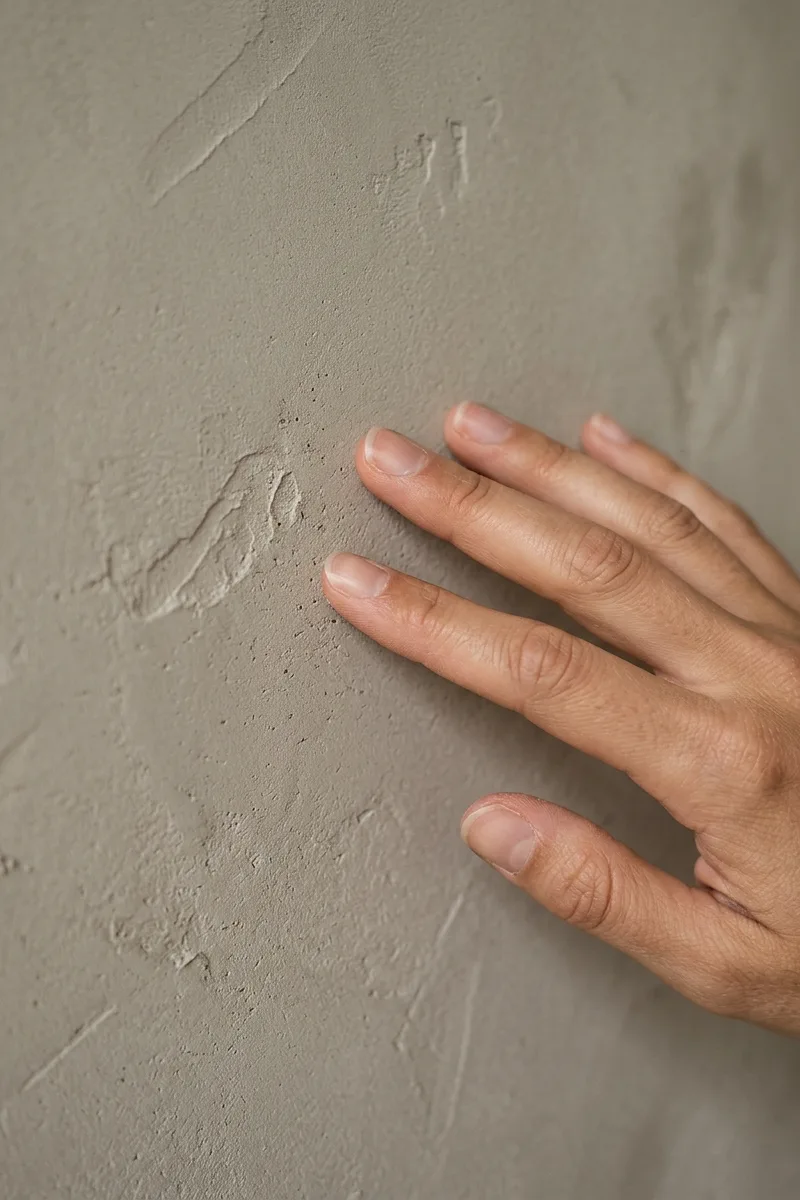
Unlike the cold, slick uniformity of oversized porcelain tiles, microcement offers a profoundly tactile, organic warmth. It is a living finish, hand-applied, which means it retains the subtle, undulating shadow lines of the artisan’s trowel. This movement is vital; it traps light softly, preventing the harsh, sterile glare of perfectly flat manufactured surfaces. The material feels dense and stone-like to the touch, yet because it is not a traditional tile, it is never icy underfoot. The deep matte finish absorbs and diffuses light, adding a layer of cozy softness that invites you to linger. This visual warmth makes the bathroom feel inherently more inviting, transforming a space often dominated by hard reflections into a relaxing, high-end retreat. It is the material equivalent of an unpolished gemstone, stoic, beautiful, and grounded, proving that true luxury lies in how a surface feels, not just how it gleams.
Microcement Vanities for a Monolithic Look
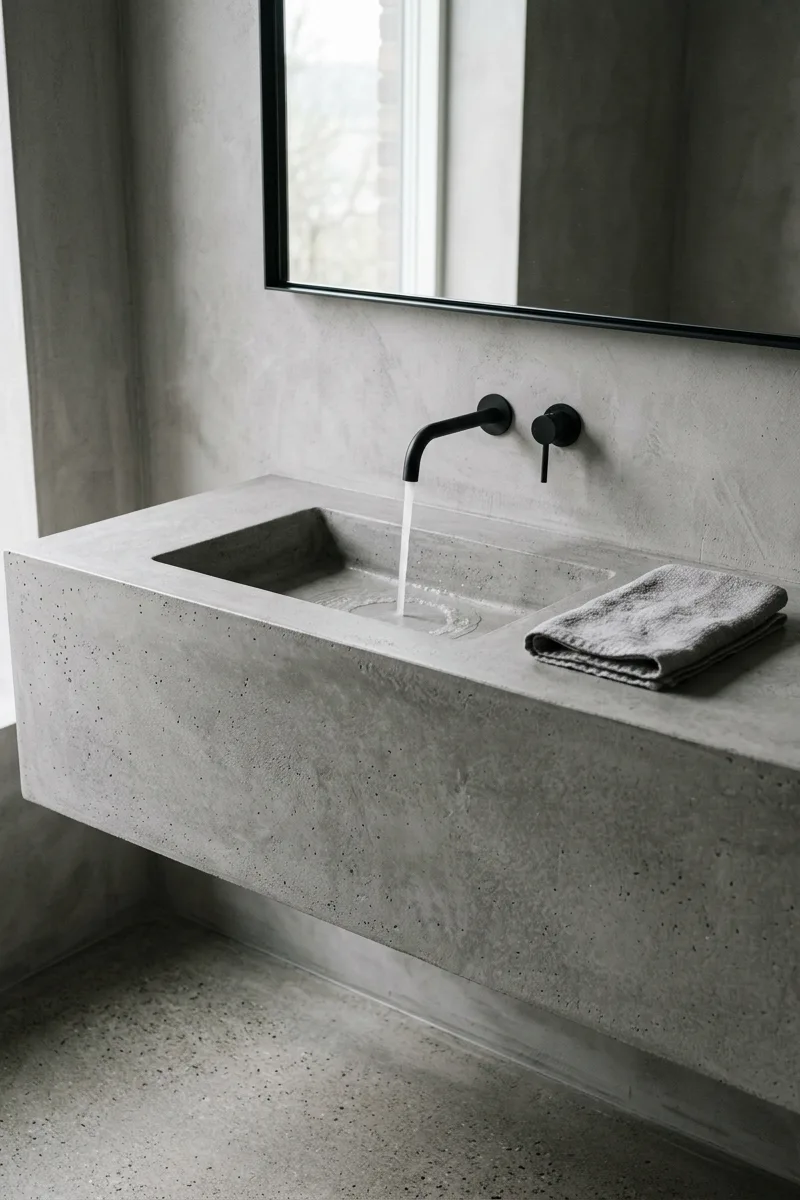
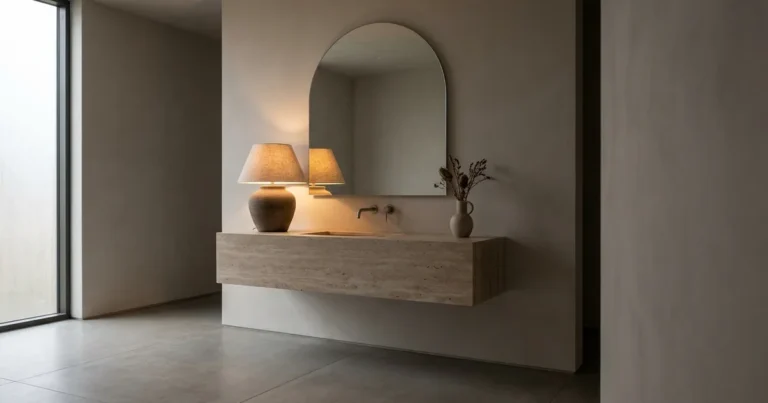
The zenith of the grout-free revolution is the custom-crafted microcement vanity. By abandoning wooden boxes and ceramic basins entirely, you can construct a fully bespoke, monolithic structure that appears to grow from the very floor or wall. The countertop and sink are fused into one sweeping, sculptural block, devoid of seams or silicone. This allows for dramatic, custom dimensions, a chunky, extra-deep counter or a sleek, floating shelf, that off-the-shelf cabinetry simply cannot achieve. The result is a piece of functional art that dominates the room with its sheer weight and permanence. Water draining into an integrated, barely-there slot feels like magic. The aesthetic is elemental and heavy, reminiscent of ancient stone troughs. This is a strictly bespoke undertaking that signals absolute confidence in materiality, turning the simple act of brushing your teeth into a daily interaction with an object of artisanal, permanent beauty.
The Curbless Walk-In Shower Dream
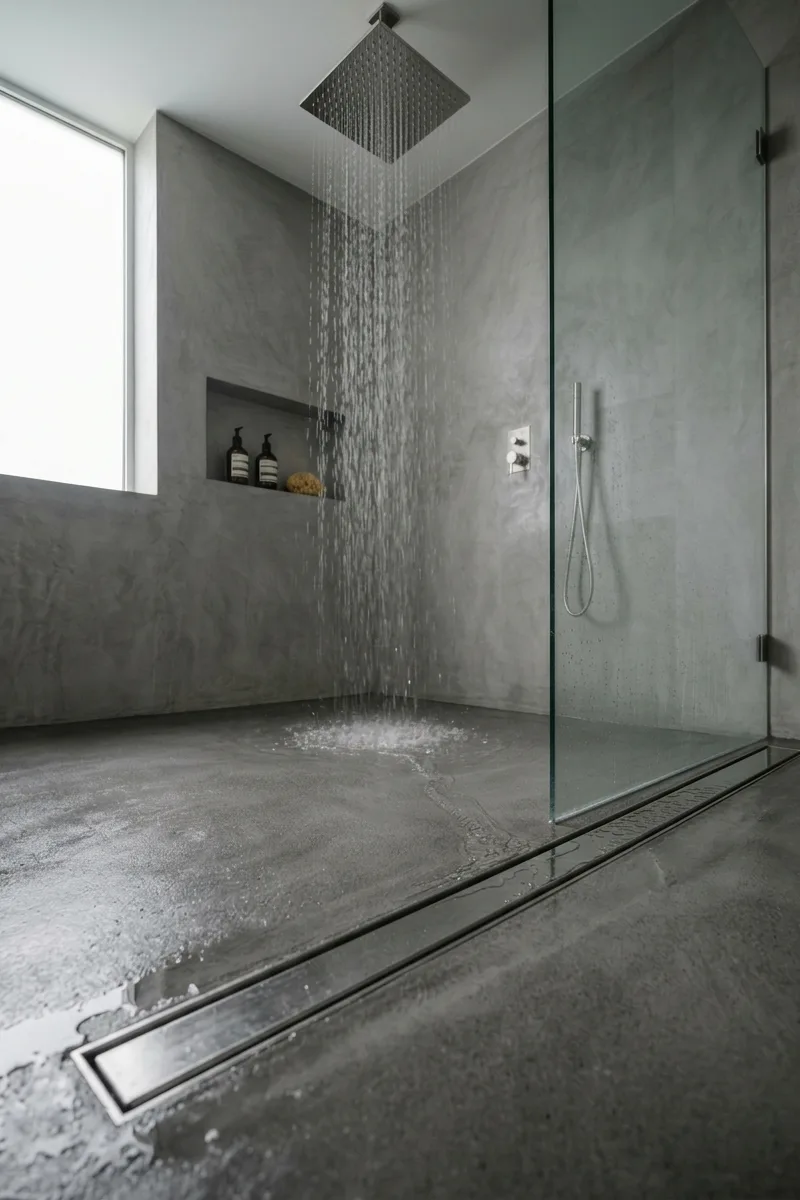
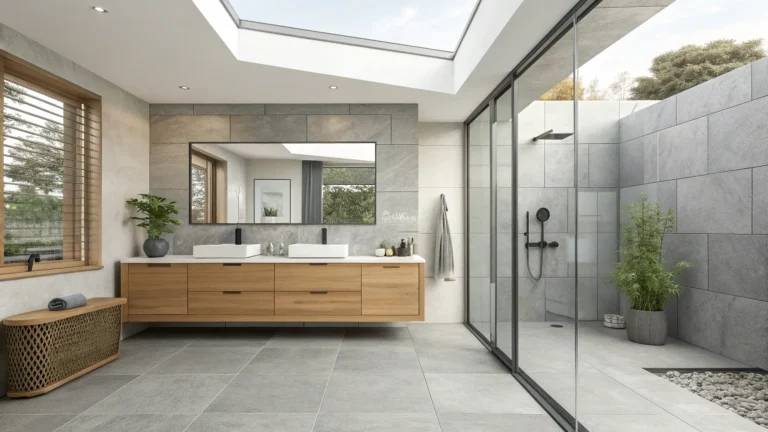
Microcement is the perfect accomplice for the ultimate spa feature: the curbless, zero-threshold shower. The fluid nature of the coating allows an installer to seamlessly sculpt the floor with the precise, gentle slope required to guide water to a discreet linear drain. There is no metal frame, no plastic shower tray, and no awkward step to trip over. The same microcement finish runs from the main bathroom floor straight into the shower area, making the whole room feel like one cohesive, vast wet room. This barrier-free design is not only aesthetically superior, creating a visually expansive floor plan, but is also profoundly practical for accessibility and cleaning. Pairing this with a single frameless glass wall, or no enclosure at all, completes the illusion. You step directly onto a warm, textured floor that welcomes water without any of the visual barriers that typically segment a bathroom.
Raw Industrial Charm with a Polished Edge
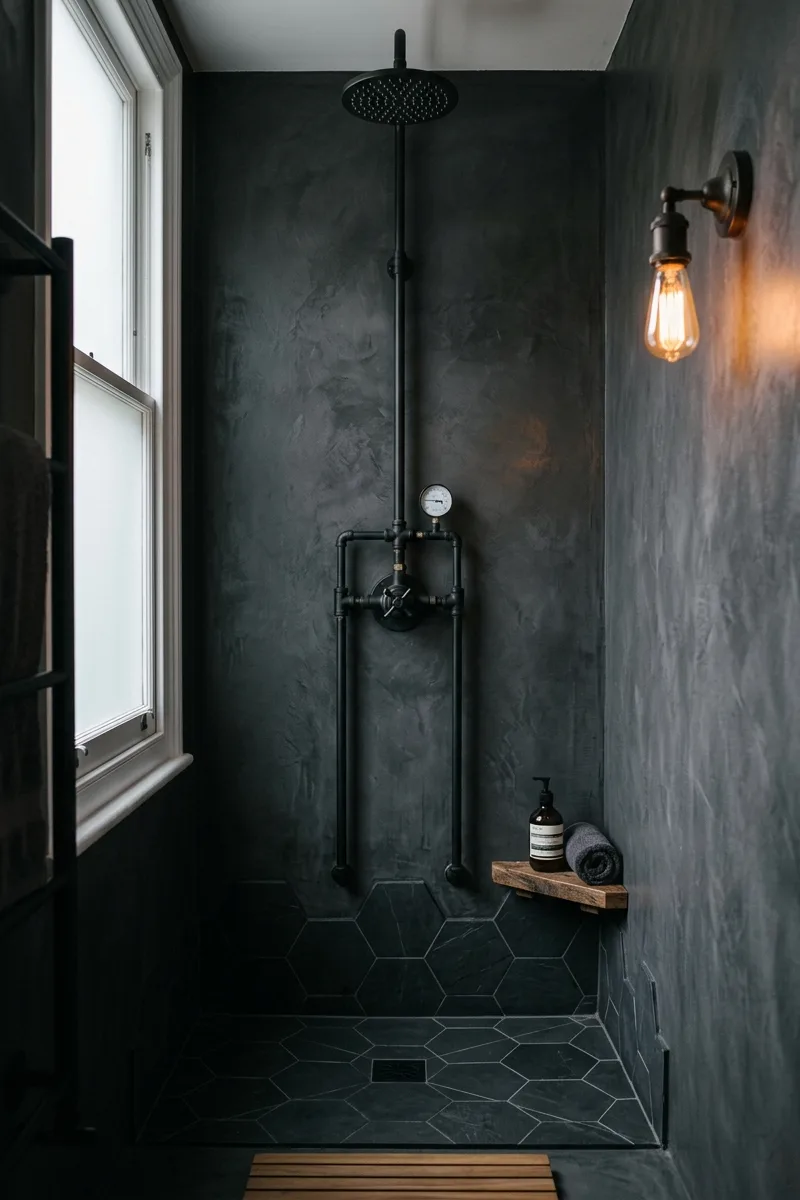
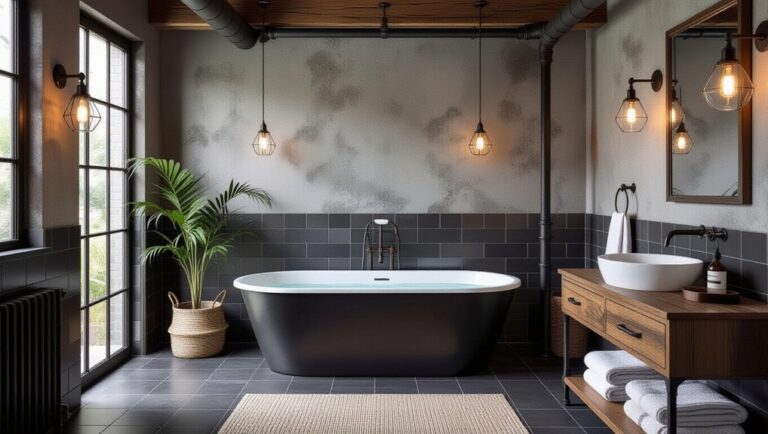
While microcement excels in soft minimalism, it is also the hero of the industrial-luxe trend. Tinted in deep graphite, charcoal, or raw cement grey, it provides the authentic, unrefined texture of a warehouse loft without the dust and cold of actual concrete. The key is pairing it with bold, masculine materials. Think exposed black steel plumbing for the sink and shower, reclaimed wood shelving, and cage-style lighting. The microcement sets the stage for these harder elements, allowing them to pop with crisp contrast. It absorbs the light, letting the metals glow. The finish can be left slightly rawer here, with more visible trowel marks and a jelly-mottled effect that celebrates the manual application. This is a celebration of material honesty and structural expression, wrapping the space in a cool, edgy, and unmistakably urban envelope that feels curated and deeply intentional, not simply unfinished.
Warm Earth Pigments and Desert Tones

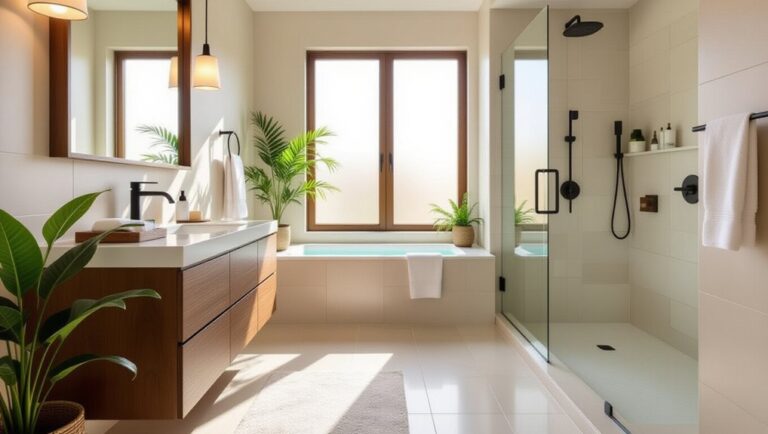
Move over, sterile grey; the 2026 microcement color story is shifting toward warm, sun-baked earth tones. By integrating natural pigments into the mix, the finish can take on the hue of desert sand, ancient clay, or pale adobe. This palette immediately infuses the bathroom with a sense of grounding and soulful warmth that stark white walls can never achieve. The monolithic terracotta-blush or soft oatmeal envelope becomes a backdrop for organic materials like rattan, raw oak, and brushed brass. The effect is reminiscent of a high-end boutique hotel in Tulum or a Moroccan riad, turning the daily shower into a transportive escape. The warmth of the pigment also enhances the tactile nature of the surface; the room visually exudes heat, balancing the refreshing coolness of the water. This is a masterclass in using color to create a deeply nurturing, womb-like sanctuary that feels both ancient and fiercely modern.
Waterproof Integrity Without Sacrificing Style

Skeptics often question the waterproofing of a troweled-on finish, but modern microcement systems offer bulletproof integrity when sealed correctly. The science lies in the primer and the final polyurethane or acrylic sealer, which create an impenetrable yet breathable barrier. This means the wall does not just repel water like a glazed tile; it actively prevents moisture from becoming trapped, reducing the risk of structural mold. This makes it ideal for full wet rooms where every surface, including the ceiling, is exposed to steam. Unlike a cracked tile or a leaking grout joint that requires demolition to fix, a scratch in microcement can be spot-repaired invisibly. This technical superiority is the true luxury, a finish that delivers a seamless, undulating aesthetic while outperforming traditional tile systems in dynamic, wet environments. It is the ultimate peace-of-mind material, proving that high-performance engineering can wear a beautifully soft, organic face.
The Art of the Integrated Shelf and Niche
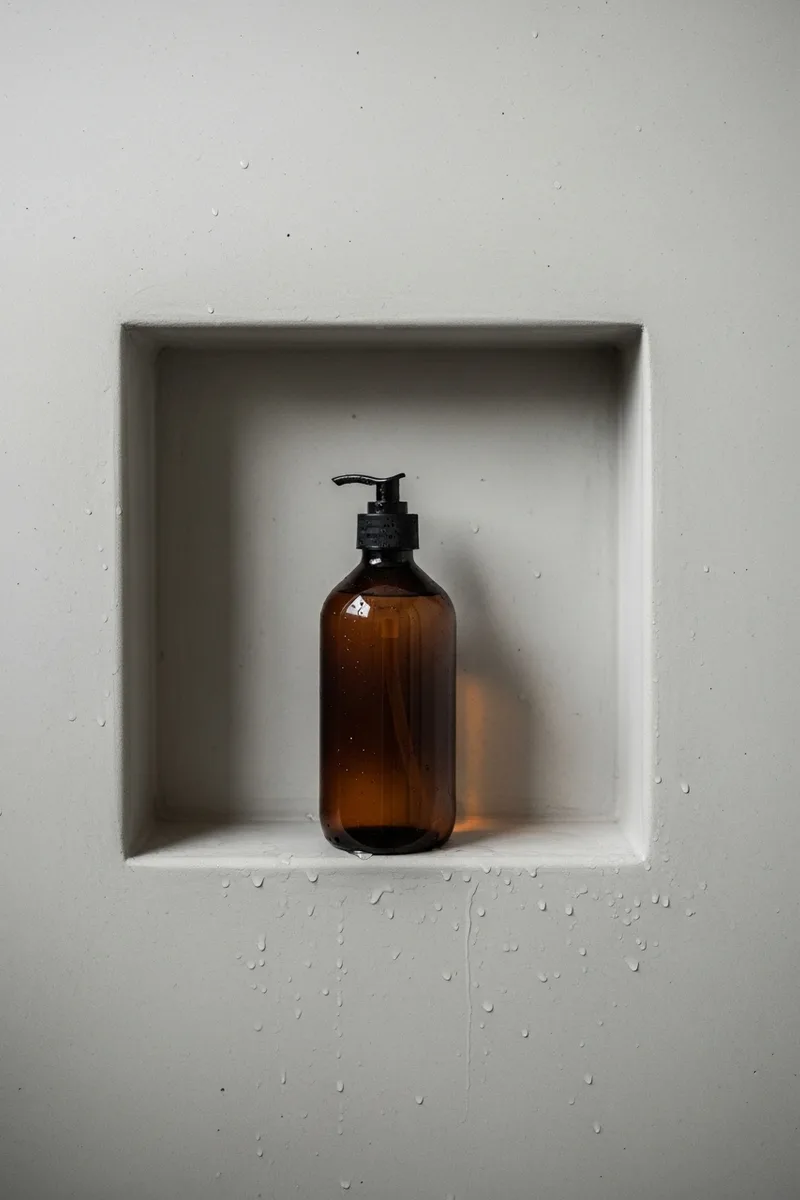
The magic of microcement extends to the functional details, turning awkward storage into architectural moments. Because the material is a coating and not a panel, recessed shower niches and floating shelves can be carved directly into the structure and coated for a perfect, seamless finish. These are not clumsy, pre-formed plastic inserts slotted between tiles but smooth, radiused coves that look as if they were hollowed out of a solid block. The absence of a metal or tile trim around the edge of the shelf elevates the entire shower to a couture level of design. Shampoo bottles sit inside a gently sloping, perfectly waterproofed cubby that merges with the wall. This same technique can be used to create floating benches or toe-kicks under the vanity, all seamlessly waterproofed. It is a bespoke, made-to-measure solution that transforms the mundane storage of toiletries into a sleek, sculptural feature.
Rapid Renovation and the Overlay Advantage
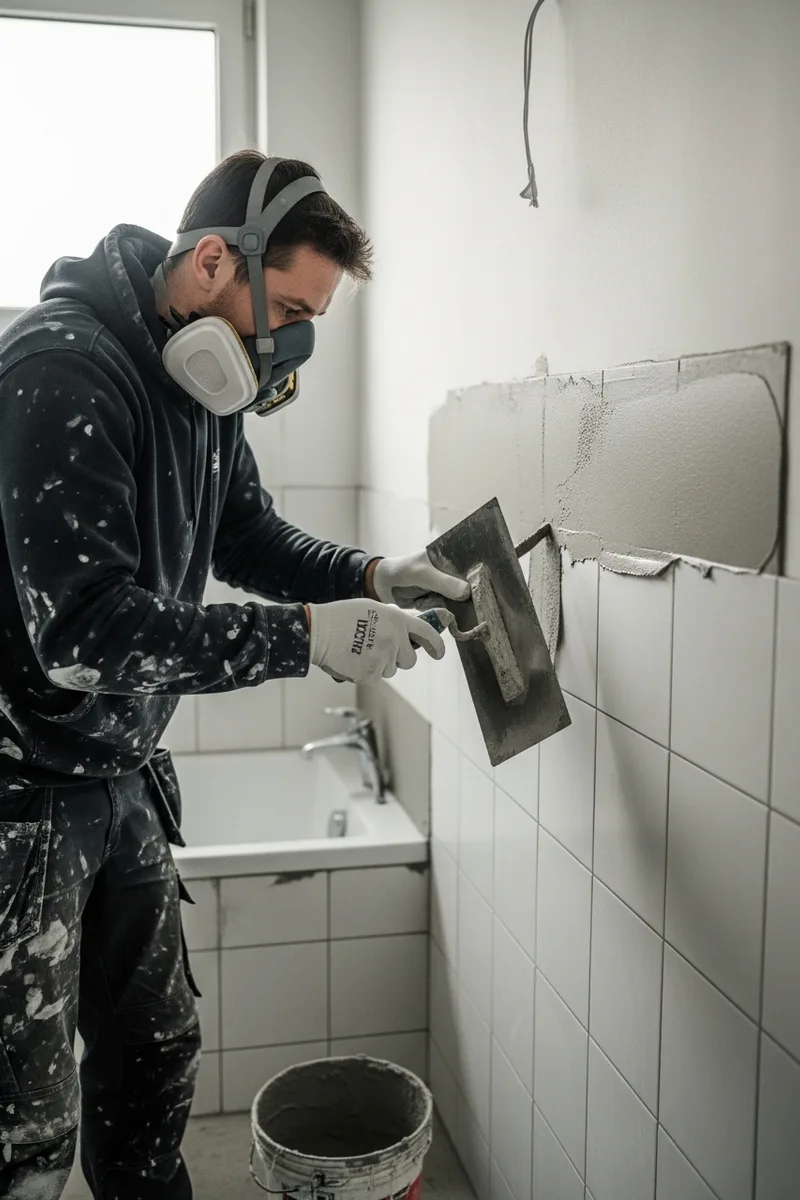
The magic part of microcement often happens before the first trowel even touches the wall. Its most dramatic practical benefit is the ability to overlay existing surfaces. A tired, dated bathroom clad in ugly ceramic tiles does not need to be demolished to the studs. Microcement bonds directly over the old tile, eliminating the dust, noise, and landfill waste associated with a gut renovation. This overlay capacity is a game-changer for budget-conscious luxury seekers and apartment dwellers who cannot alter plumbing. The application is relatively fast, curing within days, transforming a space from dated to designer without moving a single pipe. The thin coat adds minimal load to the structure yet mimics the heft of solid stone. It is a genuinely sustainable and efficient route to a high-end finish, proving that you can achieve a breathtaking, seamless monolith right on top of yesterday’s ugly bathroom.
Playing with Contrast and Expansion Joints
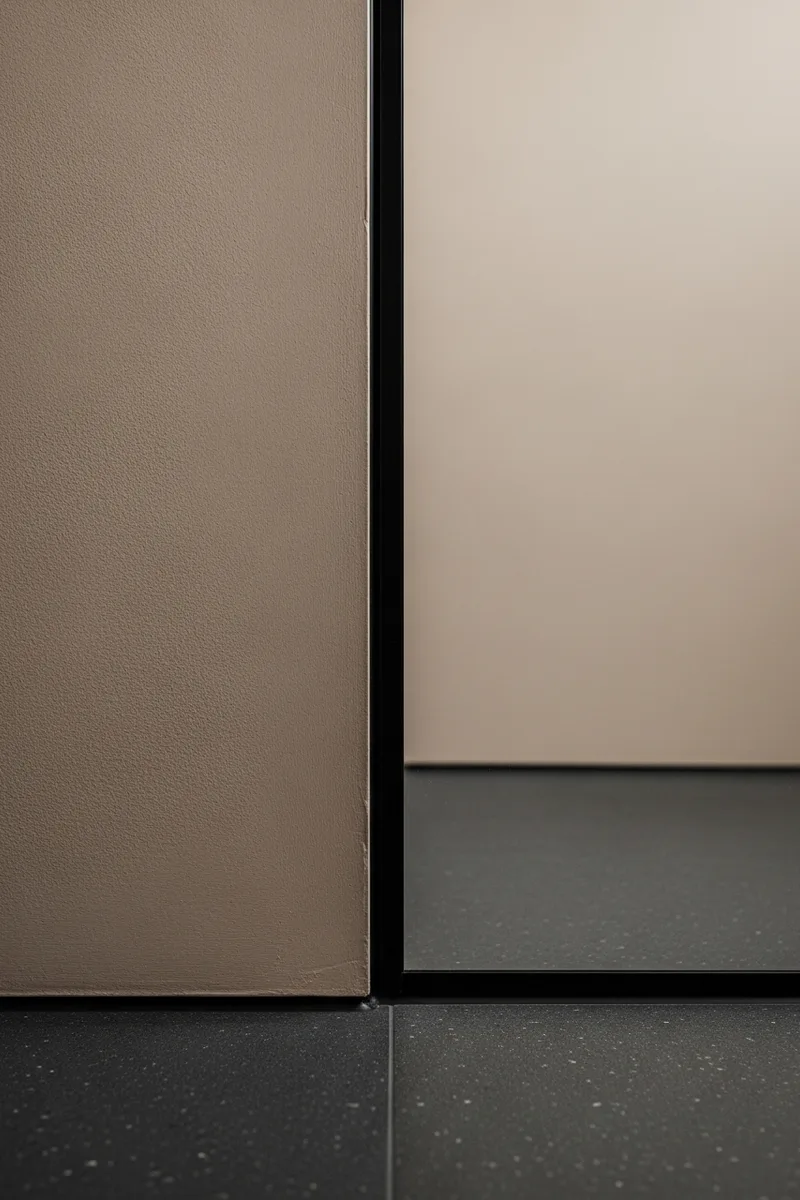
A masterclass in microcement design lies in the strategic use of expansion joints not as a flaw, but as a graphic element. Because the material shifts minutely, engineers require periodic seams. Instead of hiding them awkwardly, savvy designers celebrate them as crisp, dark shadow gaps that define the geometry of the room. A stark, vertical black line separating a pale wall from a darker floor creates a powerful horizontal datum line that anchors the space. This intentional detail turns a technical necessity into a sharp, architectural feature, giving the room a precise, modernist edge. Conversely, matching the joint to the floor color allows it to almost disappear for a purer monolith look. The choice dictates the visual rhythm of the room. This is the intersection of physics and poetry, proving that acknowledging the material’s living, breathing nature with a sharp, deliberate line results in a detail that is far more sophisticated than a bland, seamless disguise.
The Canvas for Sculptural Fixtures
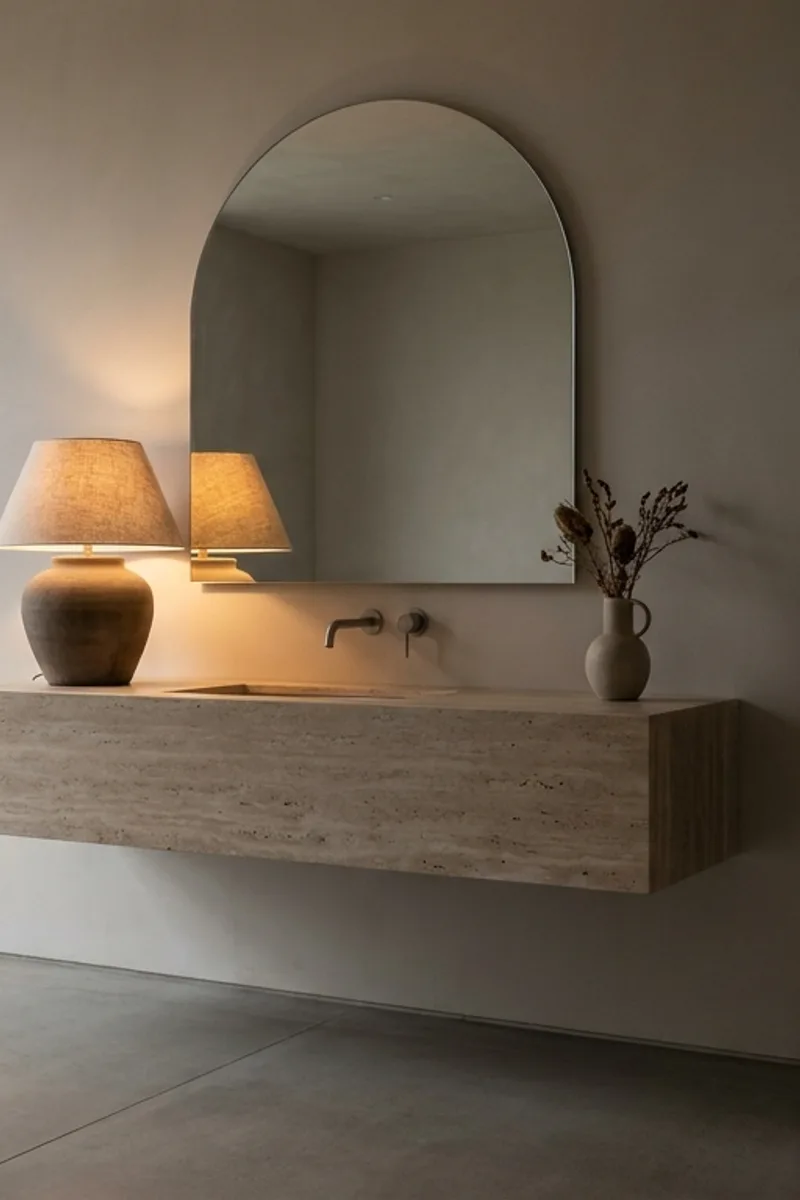
Microcement’s greatest aesthetic gift is its ability to play the supporting role perfectly. Its subtle, consistent texture provides the ultimate quiet canvas for your more flamboyant, sculptural fixtures to sing. Against the soft, matte skin of a microcement wall, an architectural freestanding tap, a dramatically veined marble countertop, or a wildly asymmetrical ceramic vessel sink pops with immediate, gallery-like impact. The absence of competing grout lines and tile edges means the eye goes directly to the hero piece. This allows you to invest in artisan lighting or a vintage wooden stool, which will stand out with crystal clarity. The room feels layered and collected, rather than busy. The cement finish provides the cohesive, restful silence that the room needs, allowing the jewelry to shine without ever creating visual cacophony, achieving a perfectly balanced tension between bold form and serene texture.
Extending the Finish to the Ceiling

For the truly committed, the microcement application should not stop at the walls; the ceiling is the final frontier in creating a complete, immersive box. Extending the same troweled finish overhead wraps the entire room in a single, uninterrupted material blanket. This technique is especially dramatic in a dark, moody palette, where the charcoal ceiling blurs the boundaries of the room, making it feel infinite and deeply cocooning. The matte texture absorbs the light from a central fixture or perimeter LED cove, eliminating any cold, white plaster glare. It makes the space feel less like a domestic room and more like a high-end hammam or a bespoke sensory deprivation chamber. It is a bold move that requires confidence but yields an unmatched level of immersion. The result is an architectural hug, a room where the materiality is so complete that stepping inside feels like leaving the world entirely behind.
Underfloor Heating and the Barefoot Luxury

The only common complaint about hard surfaces is thermal shock, but microcement and electric underfloor heating are a marriage made in heaven. Cementitious coatings are highly conductive, meaning they transfer heat from an embedded mat with incredible efficiency, warming up fast and retaining that cozy feeling. This combination solves the cold tile problem definitively, making the seamless floor a genuine pleasure for bare feet in winter. The uniform heat radiating upward also eliminates the need for wall-hogging radiators, preserving the pristine, minimal walls for their pure aesthetic purpose. No clunky metal panels interrupt the sweeping plaster canvas. It is a completely hidden luxury, a true stealth wealth detail that prioritizes physical comfort above all else. The surface delivers a dry, consistent warmth that wraps the body, turning the simple act of walking across the room into a soothing, sensory moment of daily joy.
Maintaining the Microcement Magic
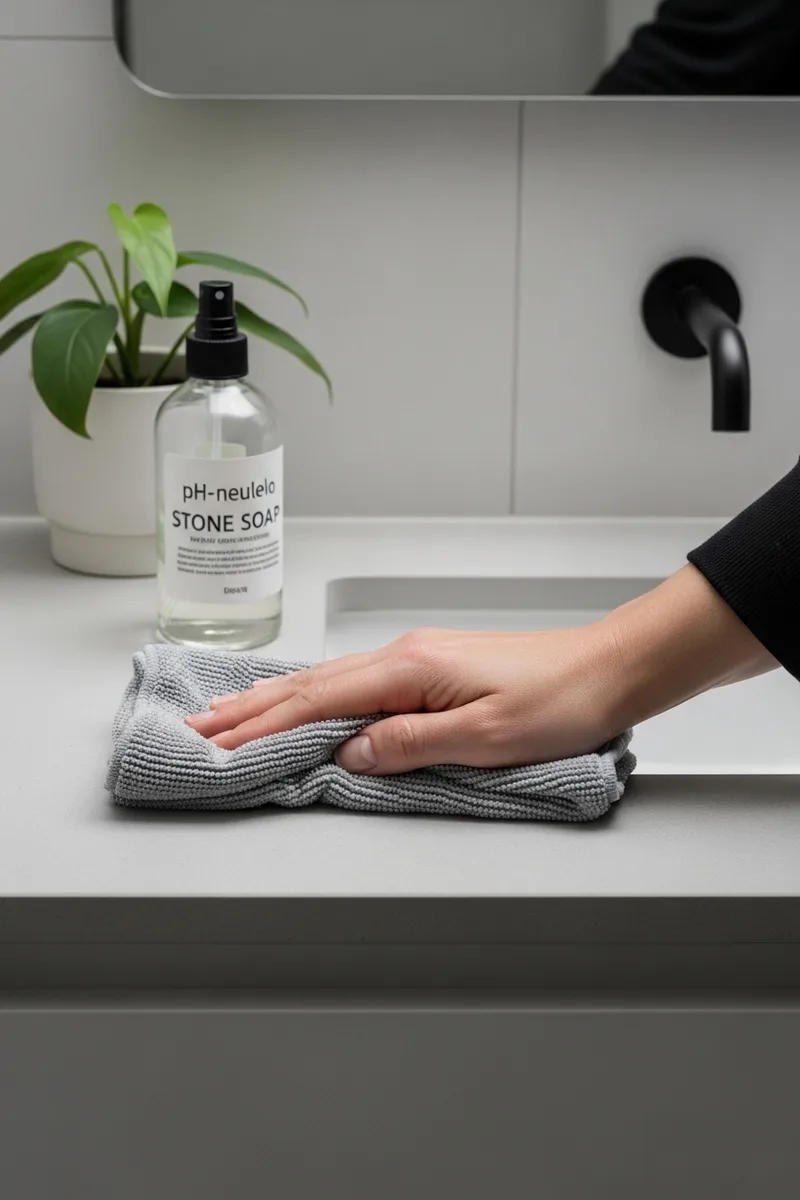
To keep the microcement magic alive for years, a gentle, informed maintenance ritual is required. This is a sealed surface, not an indestructible one. Harsh bleach, acidic vinegar, or abrasive cream cleansers are the enemy; they can etch the sealant and dull the finish. The daily care routine should be minimal and soft: a wipe-down with a pH-neutral cleaner and a microfiber cloth after showering prevents soap scum build-up. Occasional replenishment of the protective top seal, perhaps annually, ensures the waterproof integrity remains ironclad. Think of it less as scrubbing and more as curating a patina. Small, natural hairline cracks may appear, reflecting the building’s movement. These are not failures but part of the material’s living charm. Caring for microcement is a quiet discipline, a small investment of attention that rewards you with an enduringly beautiful, seam-free sanctuary that feels as fresh as its first day.