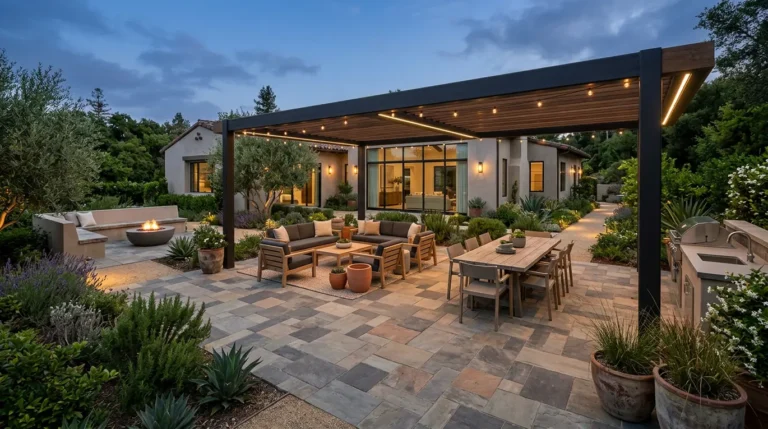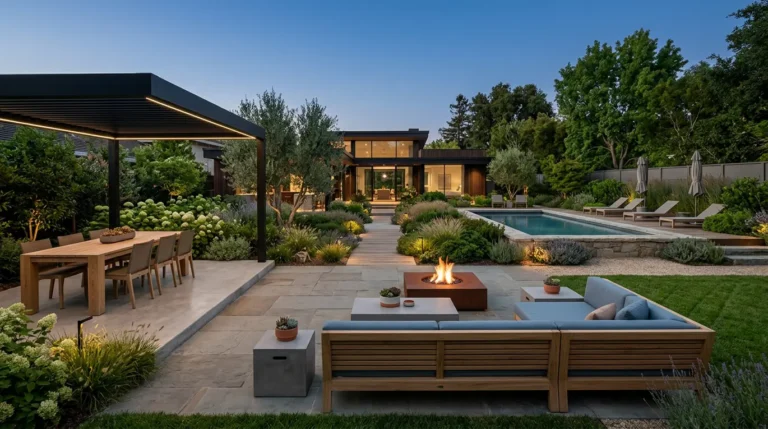
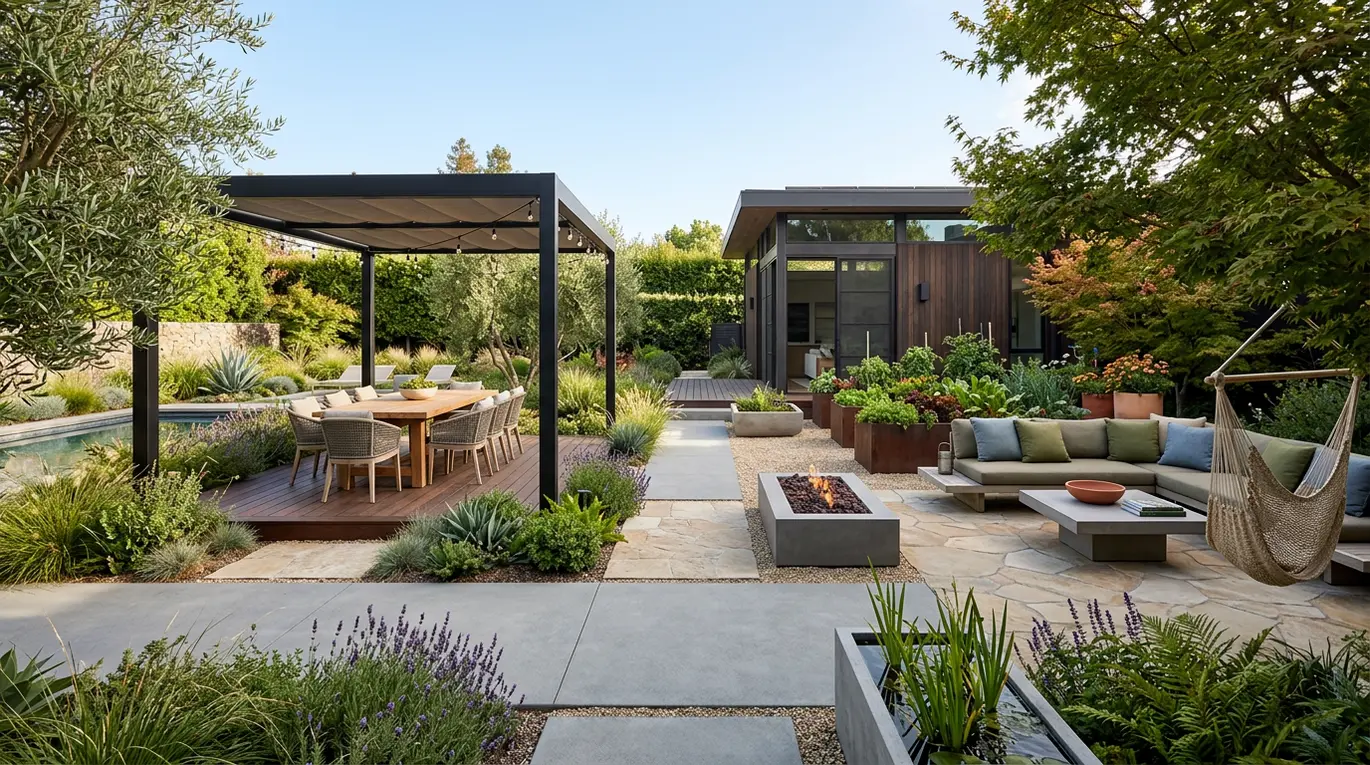
21 Brilliant Backyard Layout Ideas for Stunning Outdoor Living
Crafting the perfect outdoor sanctuary starts with thoughtful backyard layout ideas. Whether you’re dreaming of a sprawling entertainment hub or a serene garden retreat, a well-planned design makes all the difference, especially when considering small backyard design. This guide offers expert strategies to maximize functionality and beauty, ensuring every inch of your space serves a purpose and delights the eye. From defining distinct zones to selecting the right materials, prepare to reimagine your outdoor living spaces with precision and flair, making every moment spent outside pure enjoyment. These garden zone planning principles will guide you to a stunning transformation.
- Define Your Zones
- Incorporate Lush Landscaping
- Choose Durable Hardscaping Materials
- Integrate Water Features
- Create a Cozy Fire Pit Area
- Design an Outdoor Kitchen or Bar
- Build a Privacy Screen or Wall
- Install Thoughtful Lighting
- Introduce Vertical Gardens
- Select Multifunctional Furniture
- Establish Clear Pathways
- Develop a Play Zone
- Plan for an Edible Garden
- Design a Pet-Friendly Corner
- Optimize for Small Backyard Layout Ideas
- Consider Sustainable Practices
- Add Shade Structures
- Incorporate Garden Art
- Seasonal Planting Strategy
- Smart Storage Solutions
- Connecting Indoor and Outdoor Spaces
Define Your Zones
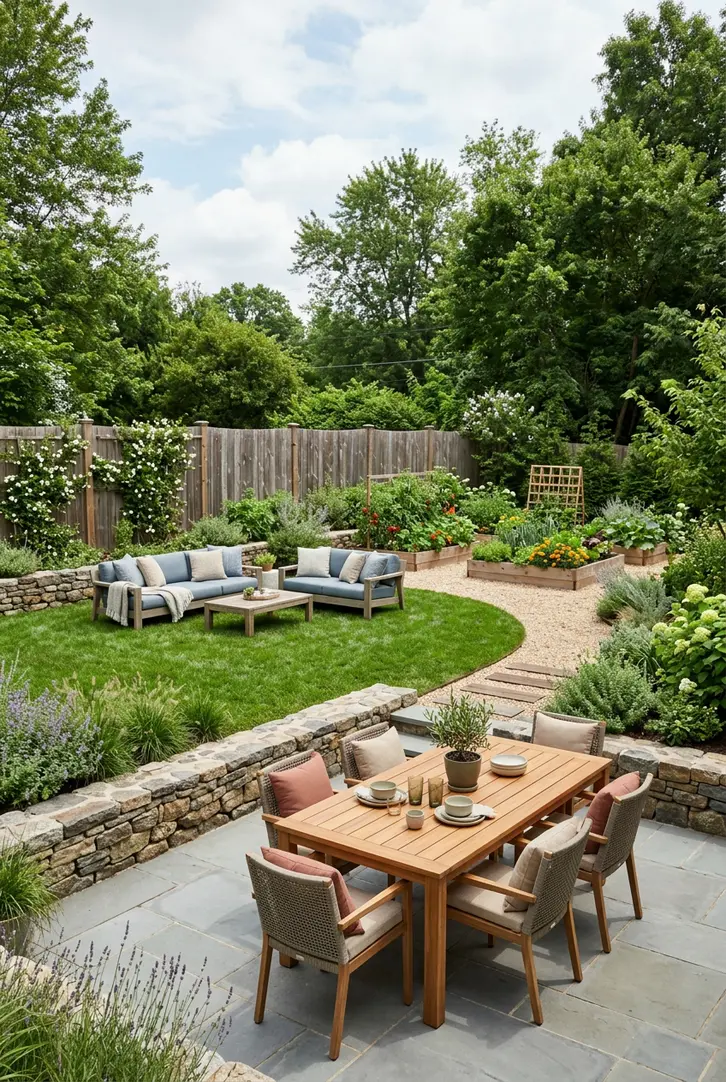
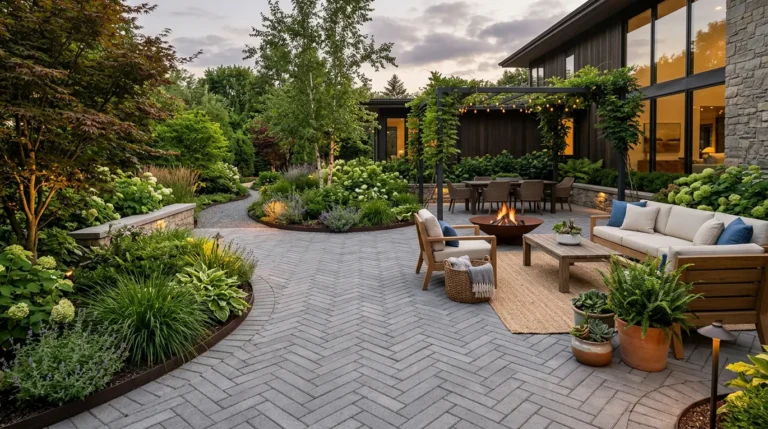
Start by mapping out distinct areas within your backyard for specific activities like dining, lounging, or gardening, which is crucial for effective backyard layout ideas. Use low walls made of natural stone or wood, varying ground covers such as pavers, gravel, or turf, and strategic planting to visually separate these zones without heavy barriers. For example, a raised cedar deck defines a dining area, while an adjacent flagstone patio creates a cozy conversation pit, providing a clear function for each segment of your outdoor space, even in a small backyard design.
Incorporate Lush Landscaping
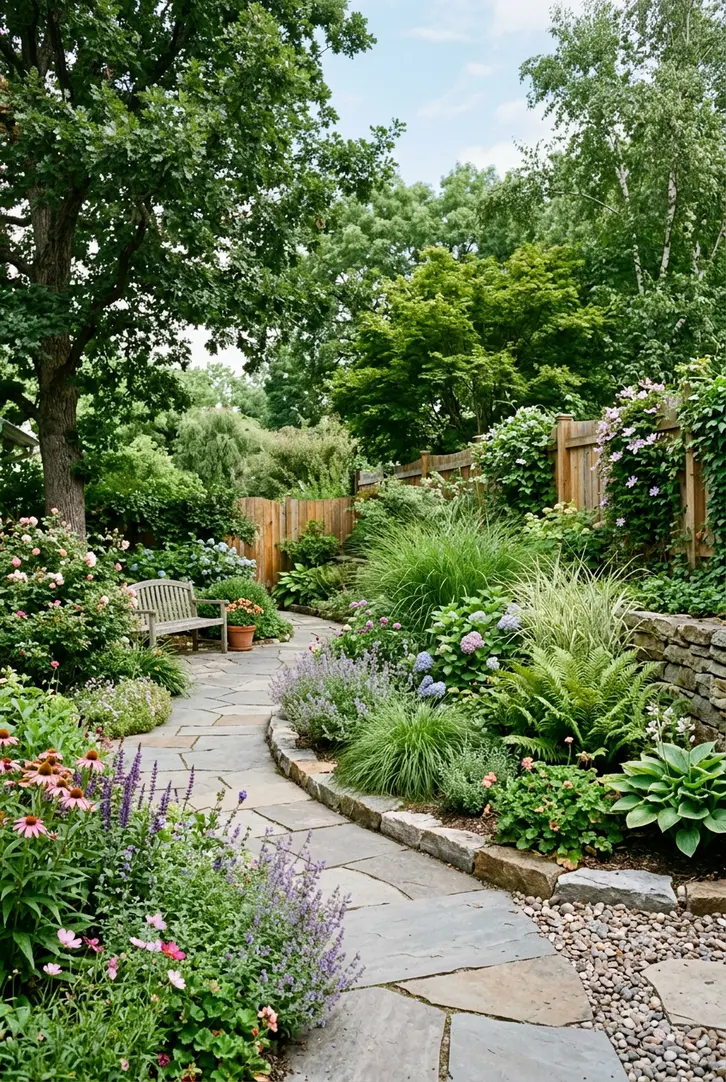
Strategic planting adds texture, color, and life to any backyard layout. Choose a mix of evergreen shrubs for year-round structure, deciduous trees for seasonal interest and shade, and perennial flowers for continuous blooms. Group plants with similar water and light needs, creating tiered beds with taller specimens at the back and smaller groundcovers in front. Consider drought-tolerant natives like lavender or sedum for low maintenance, adding vibrance while conserving resources, ensuring your garden zone planning is both beautiful and practical.
Choose Durable Hardscaping Materials
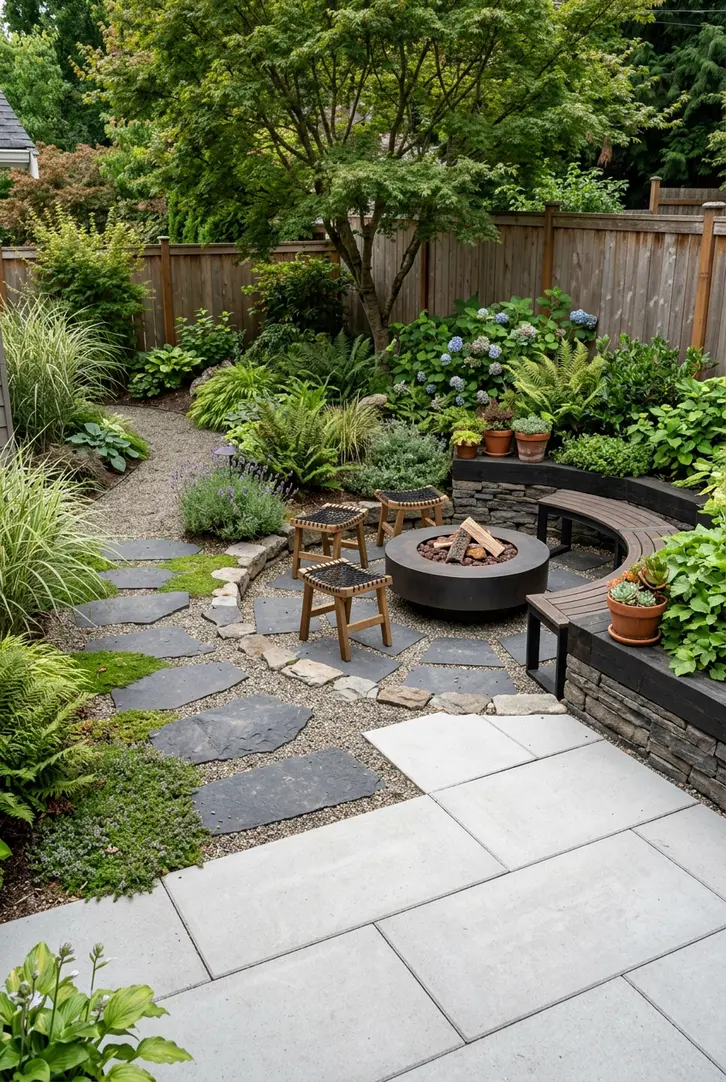
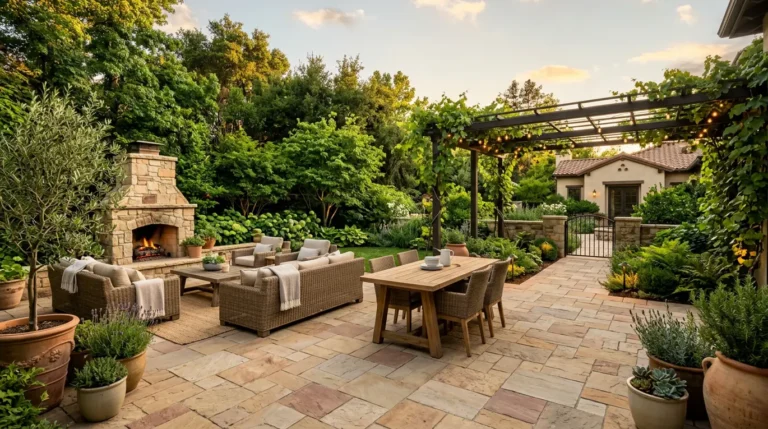
Selecting the right hardscaping materials is vital for both aesthetics and longevity in your backyard layout. Options like natural stone (slate, travertine), concrete pavers, or composite decking offer different textures and durability. For instance, large format porcelain tiles provide a sleek, modern look for a patio, while crushed gravel paths offer a rustic, permeable surface. Ensure materials are slip-resistant and weather-resistant for your climate, providing a sturdy foundation for all your outdoor living spaces and furniture arrangements.
Integrate Water Features
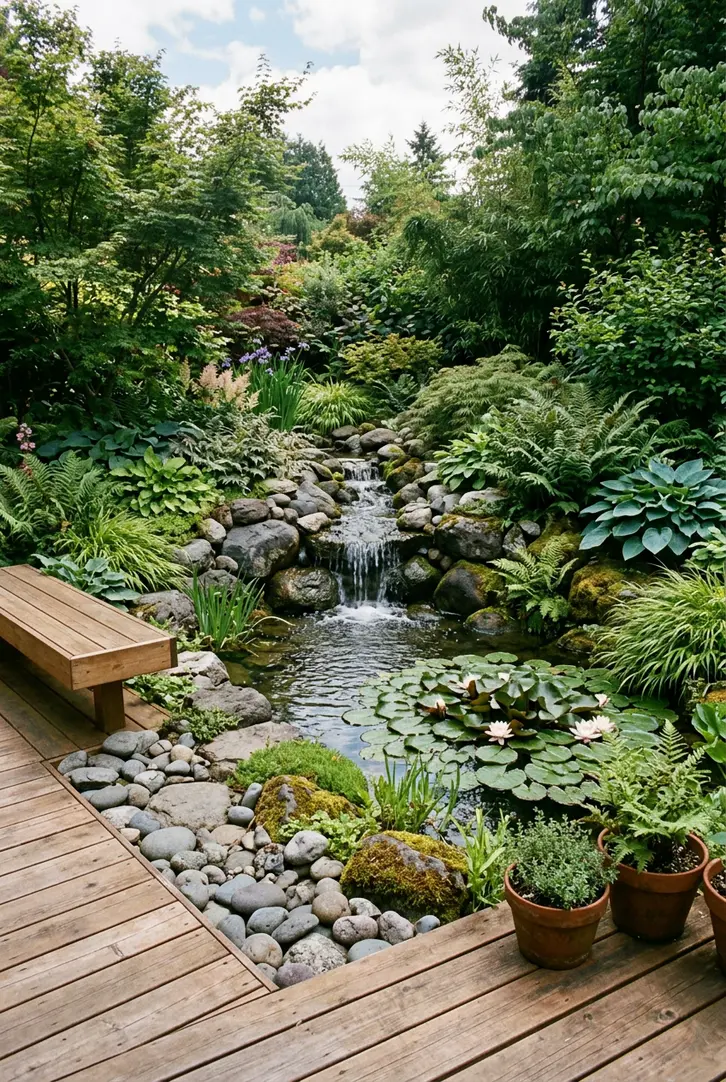
Adding a water feature introduces soothing sounds and visual interest to your backyard layout. Consider a small pond with aquatic plants and a circulating pump for a natural feel, or a contemporary wall-mounted fountain for a minimalist aesthetic. Even a simple bird bath can attract wildlife and provide a calming focal point. Ensure proper drainage and filtration, and place features where their sound can be enjoyed from key outdoor living spaces, enhancing the ambiance without requiring excessive maintenance.
Create a Cozy Fire Pit Area
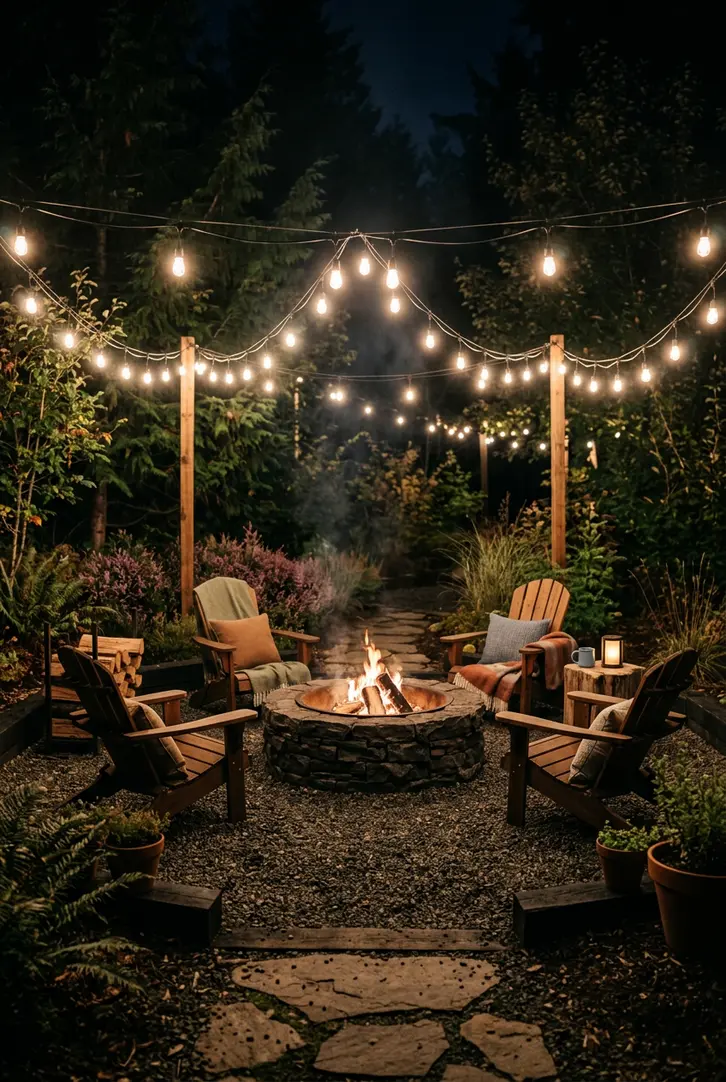
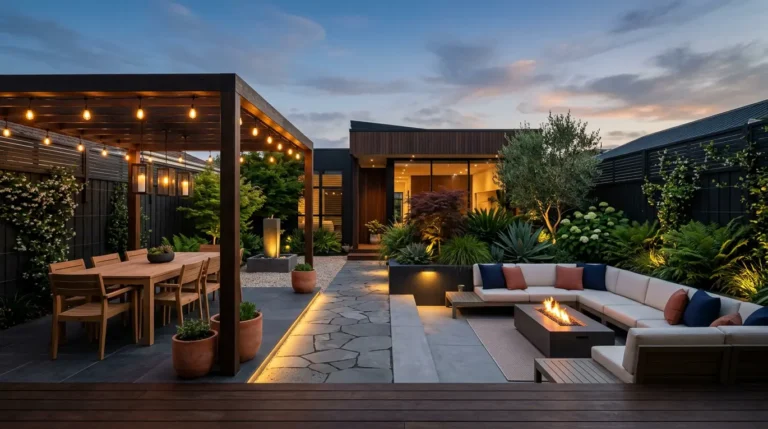
A fire pit area provides a warm gathering spot, extending the usability of your backyard layout into cooler evenings. Design a circular or square pit using materials like concrete blocks, natural stone, or steel. Surround it with comfortable, weather-resistant seating such as Adirondack chairs or built-in benches with cushions. Position the fire pit safely away from structures and overhanging branches, on a non-combustible surface like gravel or pavers, making it an ideal central feature for outdoor living spaces.
Design an Outdoor Kitchen or Bar
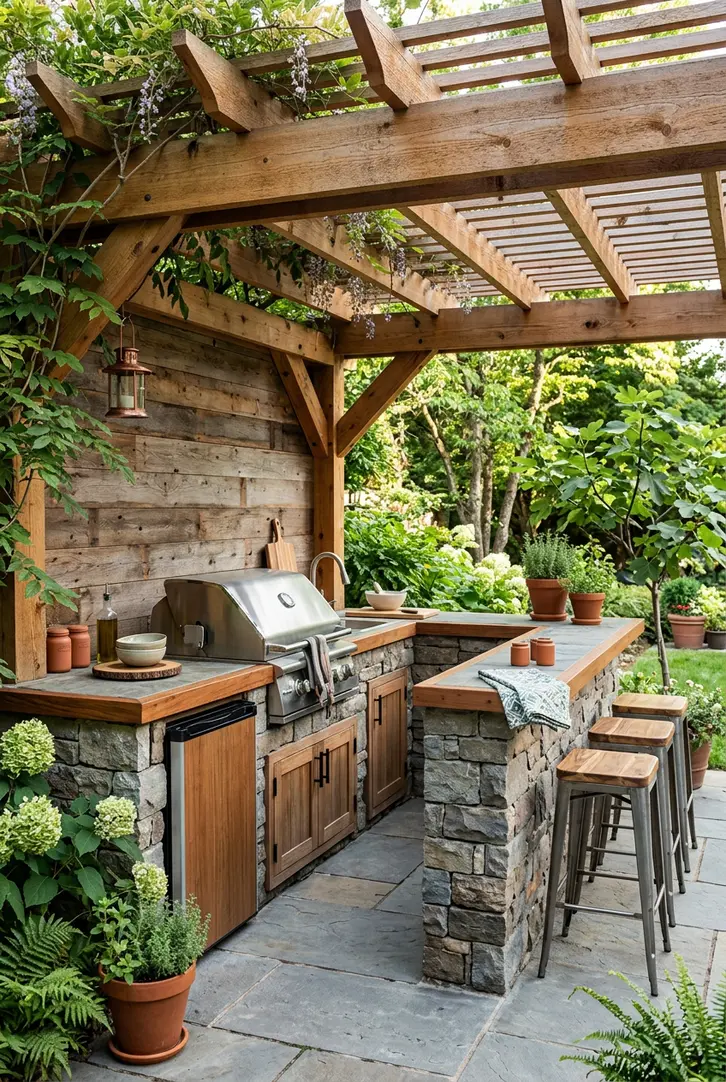
For those who love to entertain, an outdoor kitchen or bar elevates your backyard layout significantly. Integrate a built-in grill, a small refrigerator, a sink, and ample counter space using durable materials like stainless steel, natural stone, or marine-grade plywood. Consider a partial roof or pergola for shade and protection. This allows for seamless outdoor dining and entertaining, transforming your backyard into a culinary hub and making every meal feel like a special occasion, ideal for expansive outdoor living spaces.
Build a Privacy Screen or Wall
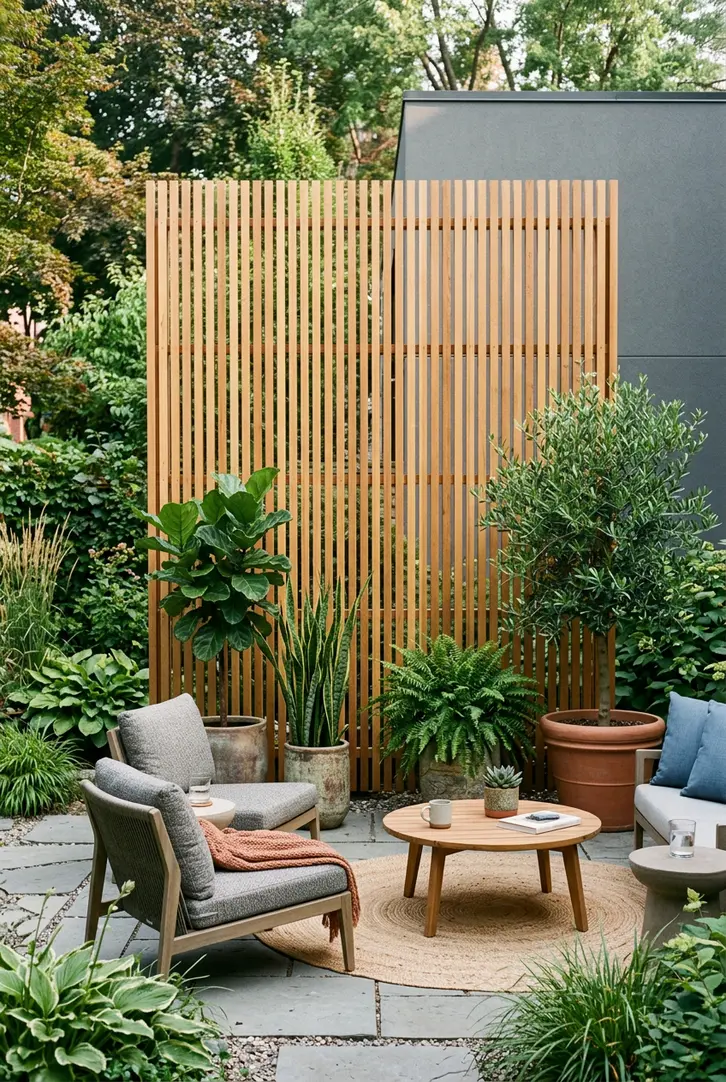
Achieving seclusion is key for relaxation, making privacy screens a thoughtful addition to any backyard layout. Options range from slatted cedar panels for a modern look to dense bamboo hedges or espaliered fruit trees for a natural barrier. A gabion wall filled with river stones offers a unique, sturdy alternative. Strategically place these elements to block undesirable views from neighbors or street, creating intimate outdoor living spaces without completely enclosing the area, ensuring comfort and peace in your personal retreat.
Install Thoughtful Lighting
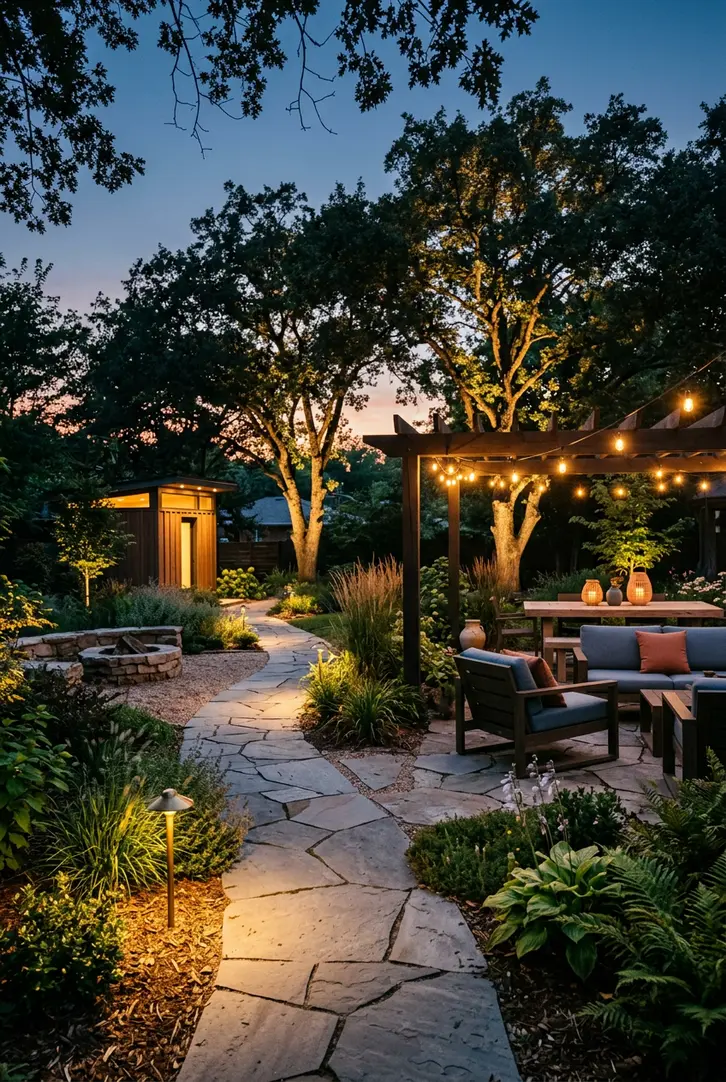
Effective lighting extends the enjoyment of your backyard layout into the evening hours and enhances safety. Use a combination of path lights for walkways, up-lights to accentuate trees or architectural features, and string lights or lanterns for ambient glow over dining and lounge areas. Consider solar-powered options for ease of installation and energy efficiency. Well-placed lighting defines spaces, highlights features, and creates a magical atmosphere, making your outdoor living spaces inviting after sunset.
Introduce Vertical Gardens
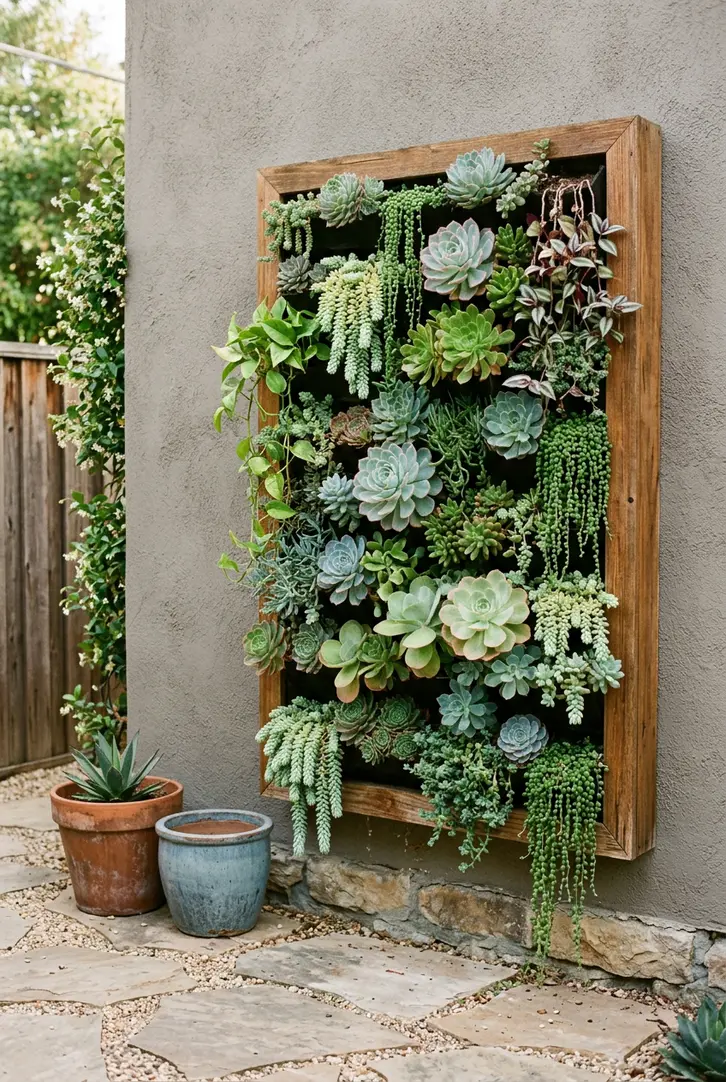
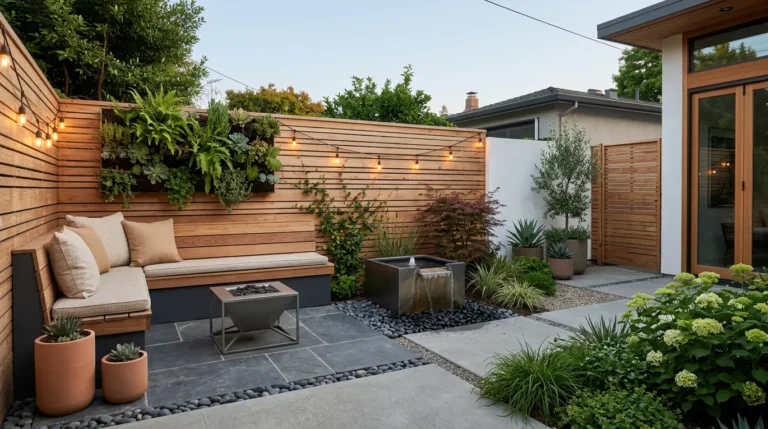
Vertical gardens are excellent for maximizing greenery in a small backyard design or adding a striking focal point to any backyard layout. Utilize wall-mounted planters, repurposed pallets, or custom-built trellises for climbing plants like ivy, clematis, or edible herbs. This technique frees up valuable ground space while adding visual texture and absorbing heat. A living wall can also serve as a natural privacy screen or a vibrant backdrop for an outdoor seating area, making the most of every dimension.
Select Multifunctional Furniture
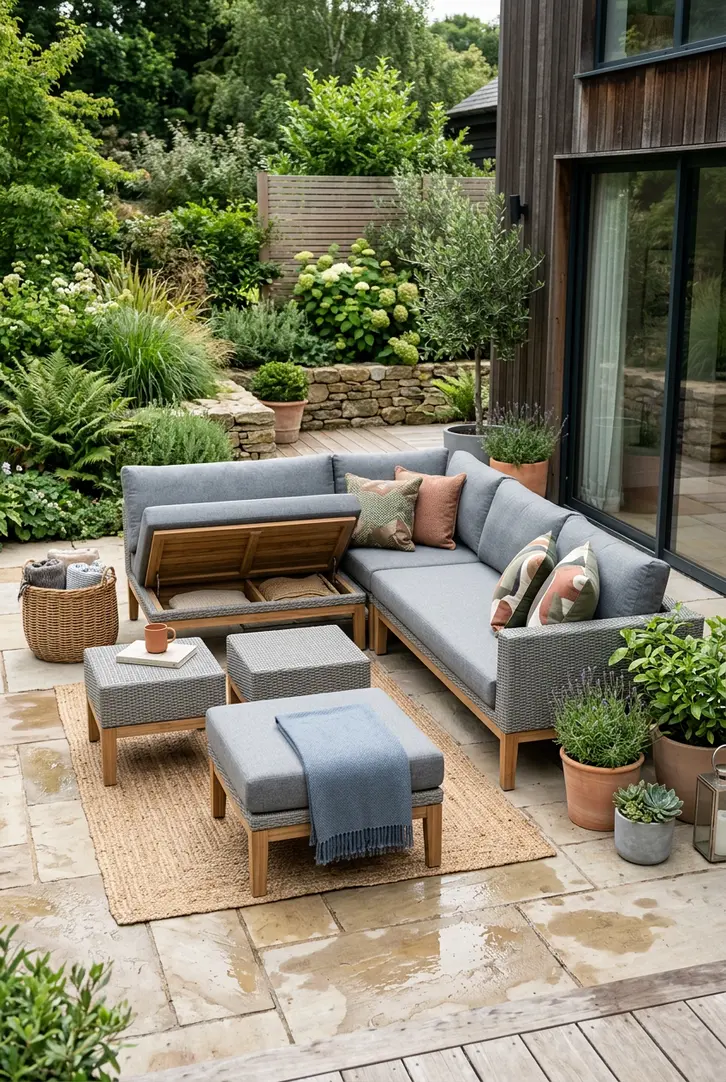
In any backyard layout, especially a small one, choosing furniture with multiple uses is a smart strategy. Opt for ottomans that double as extra seating or side tables, benches with hidden storage compartments for cushions or garden tools, or modular sectionals that can be rearranged for various social settings. Materials like aluminum, teak, or all-weather wicker offer durability and style. This approach maximizes utility without cluttering your outdoor living spaces, providing flexibility for different activities.
Establish Clear Pathways
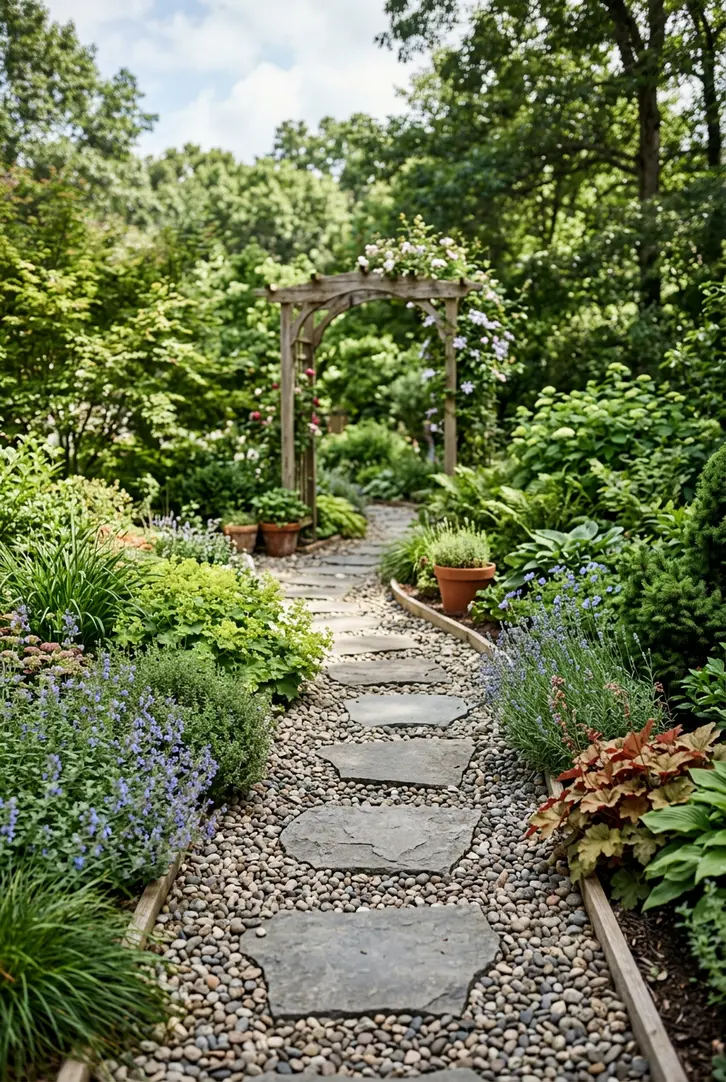
Well-defined pathways are essential for navigating your backyard layout and connecting different zones. Materials can range from flagstone stepping stones set in grass or gravel for a natural feel, to smooth concrete pavers for a contemporary look. Consider the width for comfortable passage and ensure surfaces are level and stable. Pathways guide the eye and direct foot traffic, preventing wear and tear on lawns and garden beds, enhancing the flow and functionality of your garden zone planning.
Develop a Play Zone
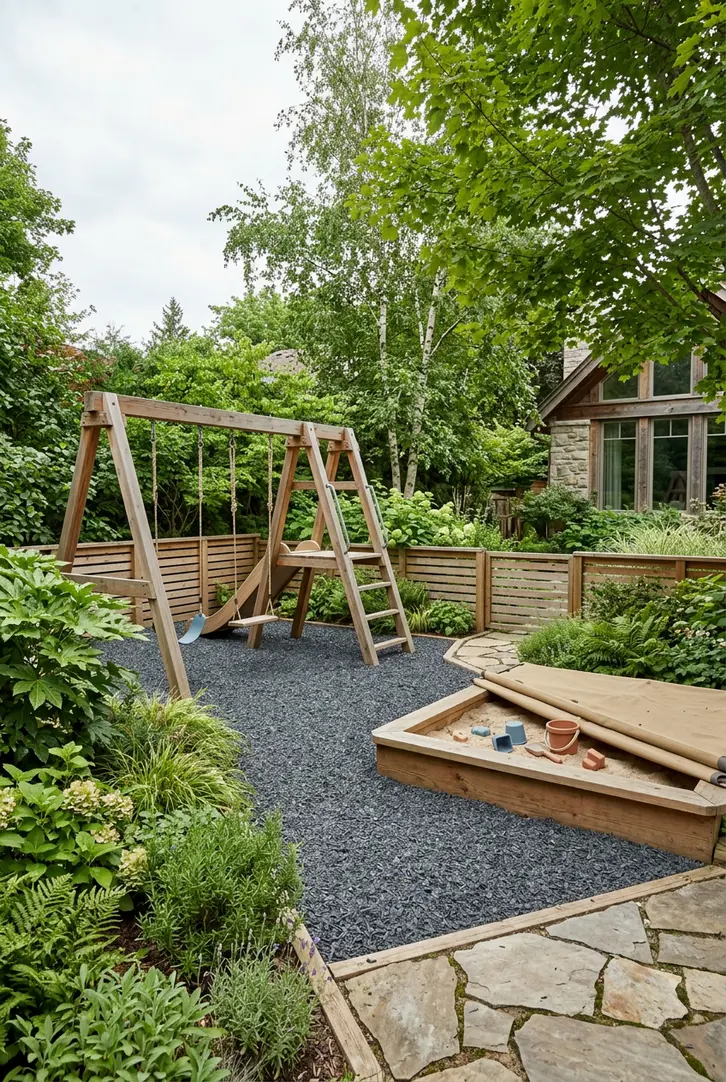
If you have children, incorporating a dedicated play zone into your backyard layout is paramount. Designate an area with soft surfacing like rubber mulch or wood chips. Install a swing set, a sandbox, or even a small climbing structure. Ensure all equipment meets safety standards and is appropriate for the age of your children. This separate zone keeps play contained, allowing other areas of your outdoor living spaces to remain serene and organized, blending fun with functional garden zone planning.
Plan for an Edible Garden
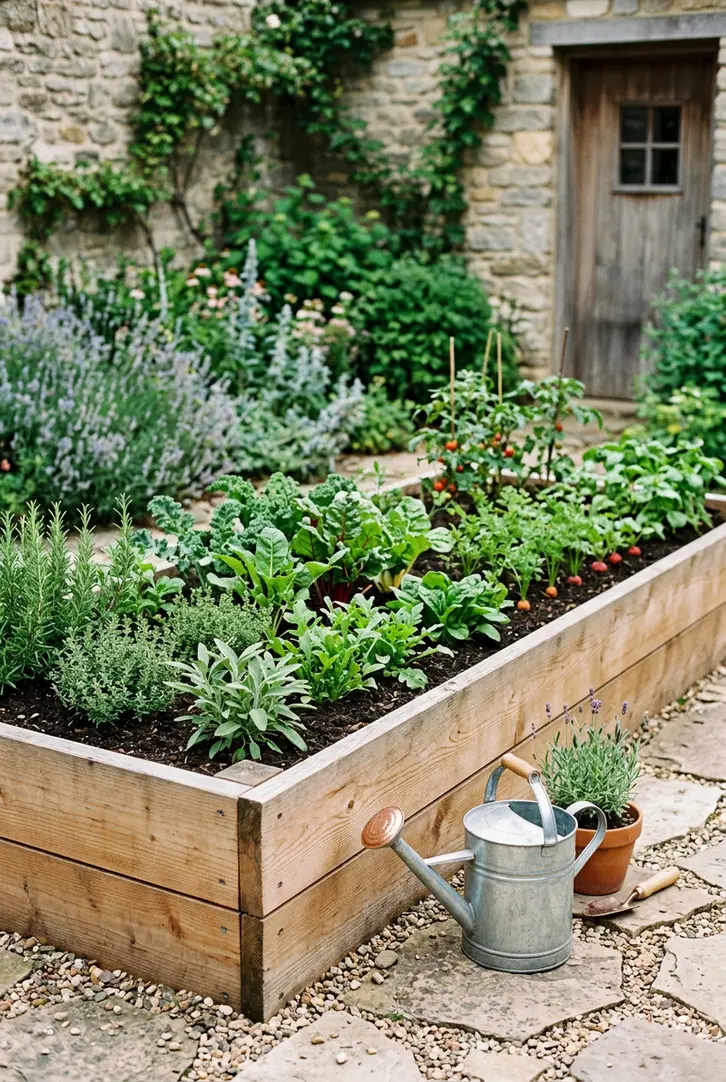
Integrate an edible garden for fresh produce and a rewarding hobby within your backyard layout. Raised garden beds made from cedar or recycled plastic are excellent for managing soil quality and drainage. Choose a sunny spot and plan for easy access for watering and harvesting. Consider companion planting to deter pests naturally. Even a small plot or a collection of pots can yield herbs, vegetables, or berries, adding a practical and sustainable element to your outdoor living spaces.
Design a Pet-Friendly Corner
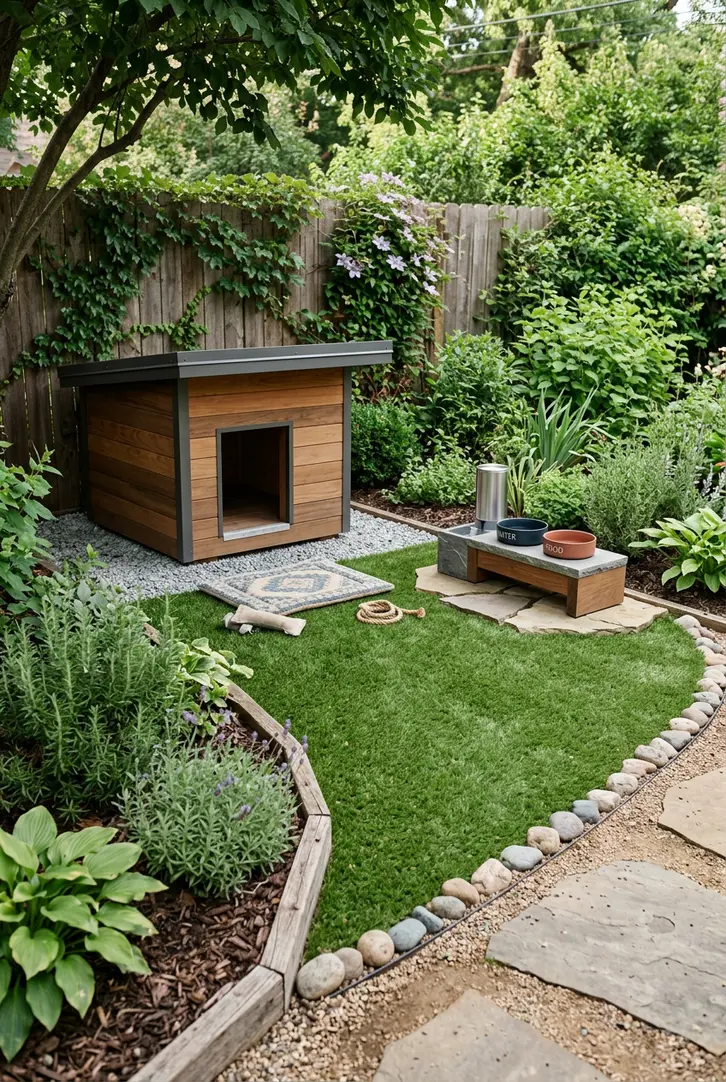
Create a designated area for your furry friends as part of your backyard layout. This might include a patch of durable artificial turf for easy cleanup, a shaded spot for napping, or a digging zone filled with sand. Ensure all plants in this area are non-toxic to pets. A fenced-off run can also provide a safe space for exercise. This thoughtful consideration keeps pets happy and minimizes potential damage to other garden areas, enhancing overall harmony within your outdoor living spaces.
Optimize for Small Backyard Layout Ideas
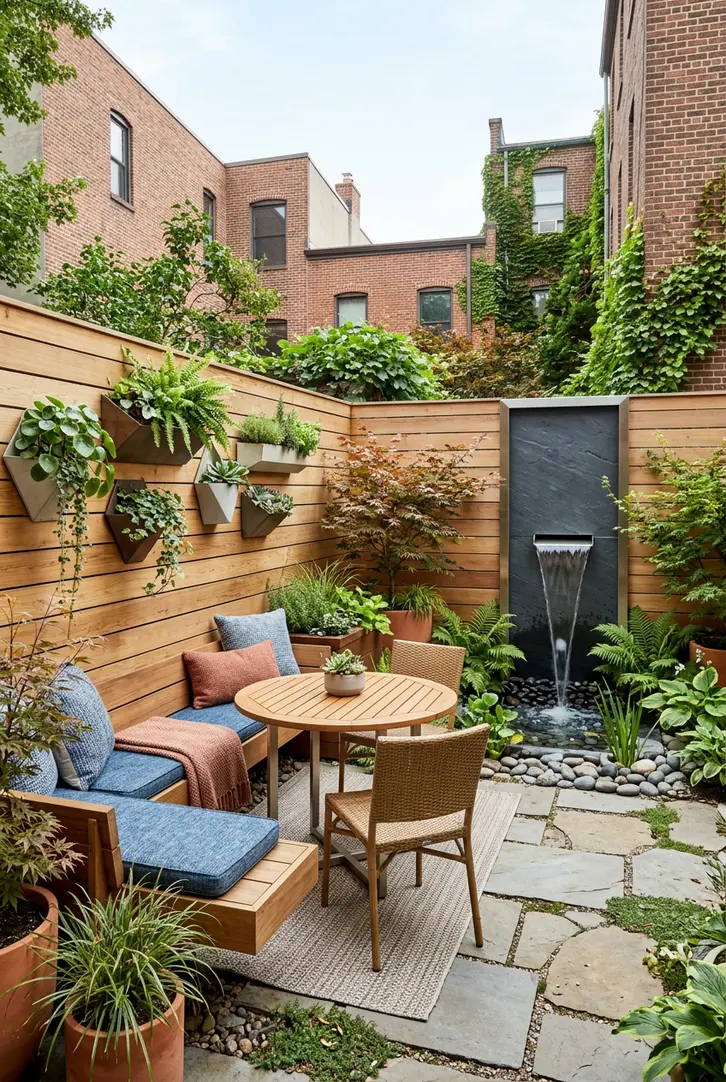
When dealing with a small backyard design, every element must earn its place. Use built-in seating along fences to save space, select slim-profile furniture, and embrace vertical gardening. Utilize mirrors on walls to create an illusion of depth and light. Keep the color palette cohesive and simple to avoid visual clutter. Prioritize one or two key functions, like a dining nook or a lounge area, rather than trying to fit too many features. These backyard layout ideas make compact spaces feel larger and more purposeful.
Consider Sustainable Practices
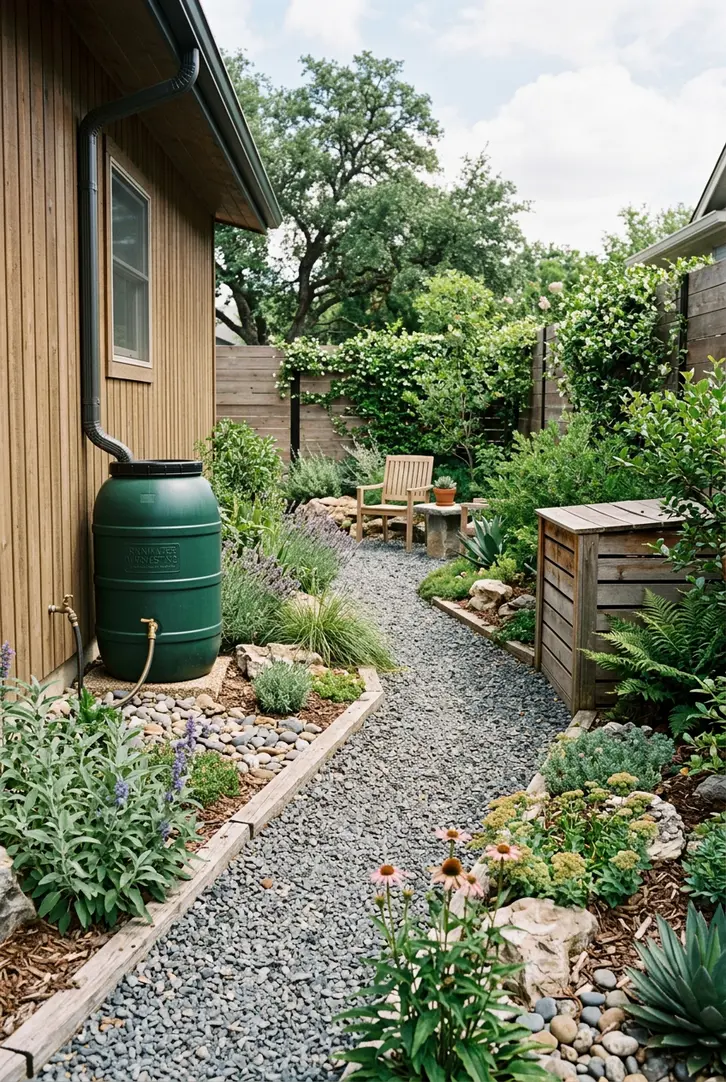
Incorporate eco-friendly elements into your backyard layout for a more sustainable space. Install a rainwater harvesting system to irrigate plants, choose permeable paving materials like gravel or decomposed granite to reduce runoff, and select drought-tolerant native plants that thrive with minimal water. Start a compost bin for kitchen scraps and yard waste. These practices conserve resources, support local ecosystems, and reduce your environmental footprint, making your outdoor living spaces responsible and beautiful.
Add Shade Structures
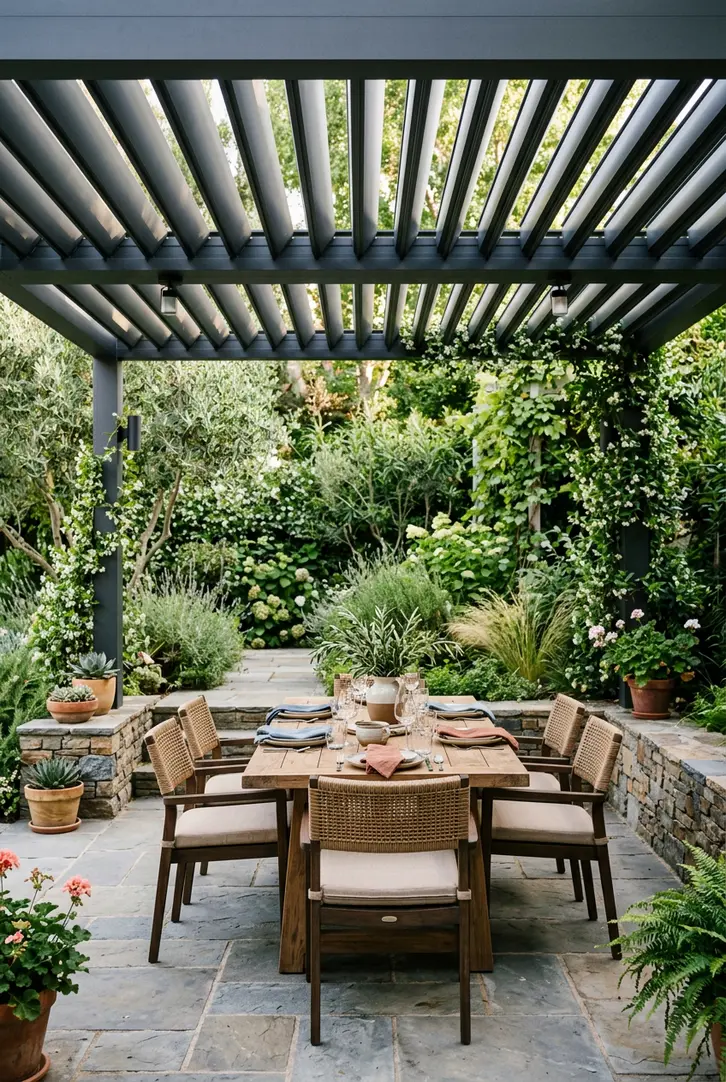
Shade is crucial for comfortable outdoor living, especially in sunny climates, and integral to smart backyard layout ideas. Consider a permanent structure like a pergola for a classic look, a modern louvered awning for adjustable sun protection, or a large cantilever umbrella for flexible shade. These structures not only provide relief from the sun but also add an architectural element to your backyard. Materials such as aluminum, wood, or sailcloth offer various aesthetic and functional benefits for your outdoor living spaces.
Incorporate Garden Art
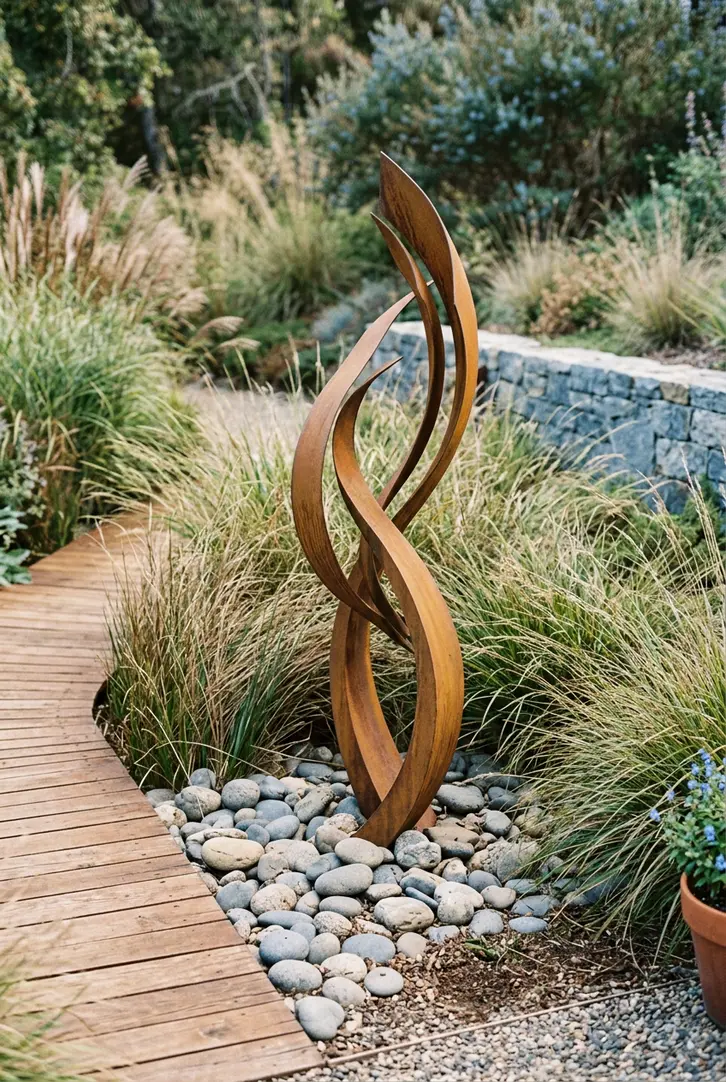
Introduce garden art to add personality and visual intrigue to your backyard layout. This could be a unique sculpture, a colorful ceramic pot, a wind chime, or a reflective gazing ball. Position art pieces where they can be appreciated from key vantage points, ensuring they complement the overall aesthetic of your space. Too much can clutter, so select one or two impactful pieces that resonate with your style, creating a curated feel within your outdoor living spaces and enhancing garden zone planning.
Seasonal Planting Strategy
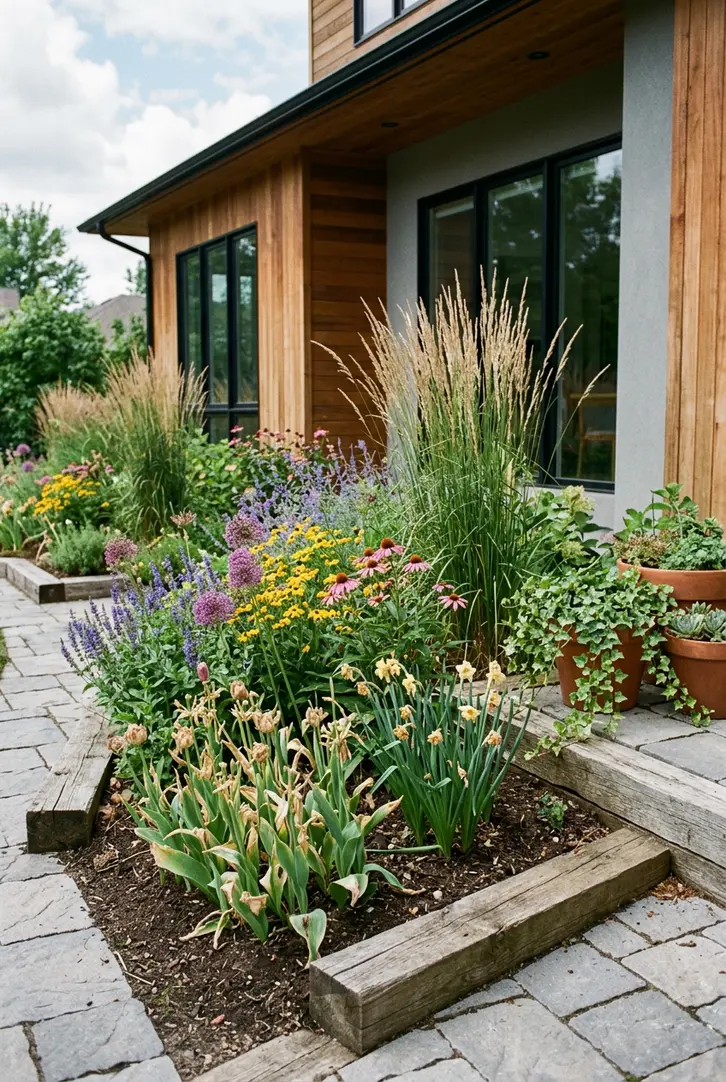
Plan your planting strategy to ensure continuous interest in your backyard layout across all seasons. Include spring-flowering bulbs like tulips and daffodils, summer perennials such as coneflowers and hostas, and fall foliage shrubs like hydrangeas or vibrant maples. Evergreens provide structure during winter months. This layering of bloom times and textures ensures your garden remains dynamic and appealing throughout the year, maximizing visual enjoyment from your outdoor living spaces. For more inspiration on diverse plant choices, visit Better Homes & Gardens.
Smart Storage Solutions
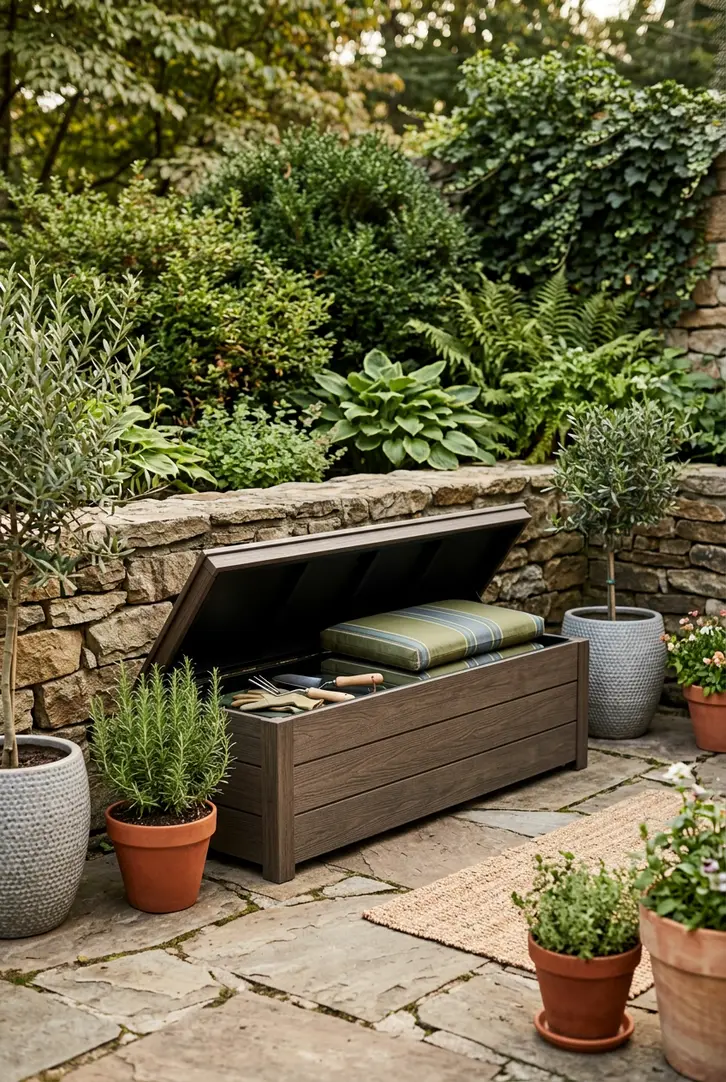
Maintain a tidy and functional backyard layout by integrating smart storage solutions. Consider benches with hidden compartments for cushions or gardening tools, or a stylish shed that complements your home’s exterior for larger equipment. Outdoor storage chests made from weather-resistant materials like resin or treated wood keep items dry and organized. Efficient storage reduces clutter, makes your outdoor living spaces more inviting, and simplifies seasonal transitions, ensuring everything has its proper place for a clean look.
Connecting Indoor and Outdoor Spaces
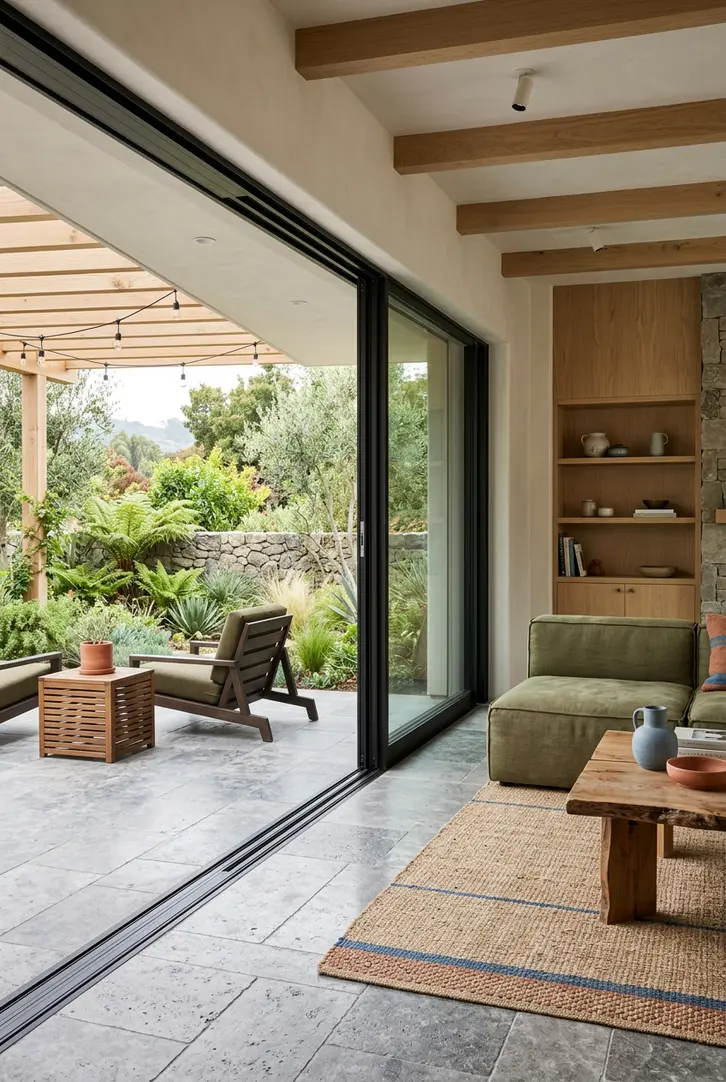
Seamlessly merge your indoor and outdoor living areas by applying cohesive backyard layout ideas. Use similar flooring materials, like extending large format porcelain tiles from your living room onto the patio, or choose a consistent color palette for both interior and exterior decor. Large sliding glass doors or French doors blur the physical boundary, allowing for natural light and easy flow. This connection creates a larger, more harmonious living environment, enhancing the overall functionality and appeal of your entire home, even for small backyard design.
Inspiration Gallery Recap
Swipe through all the ideas below to find your perfect match.