20 Edible Bentos for Small Patios
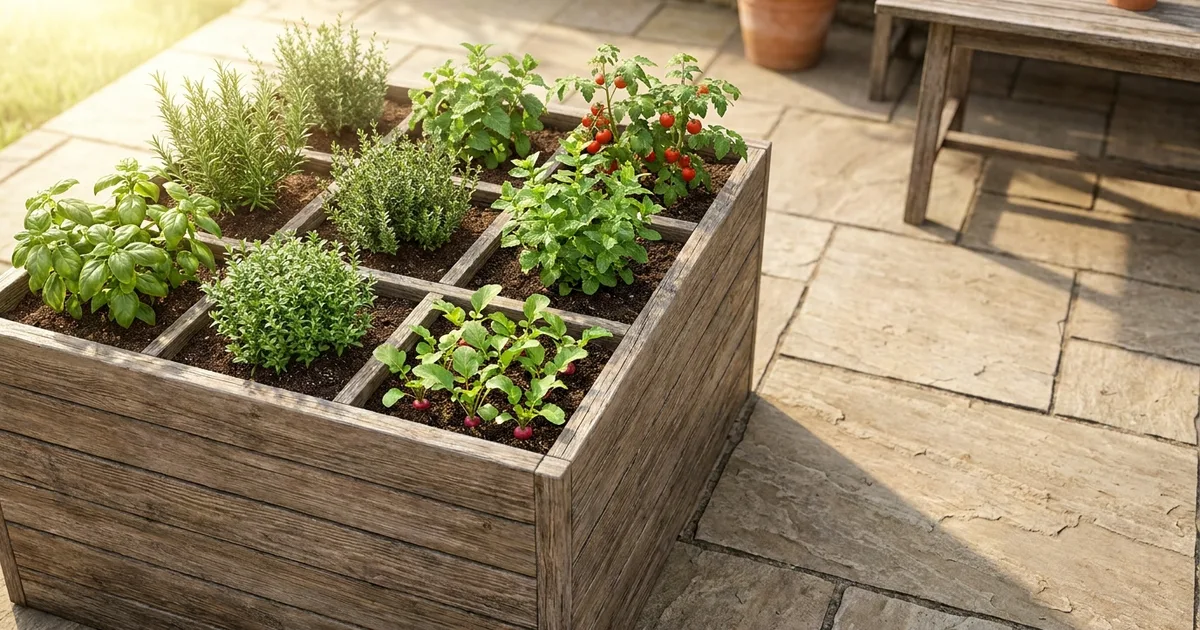
Growing food on a small patio often results in a chaotic jumble of mismatched plastic pots that ruin the aesthetic of your seating area. The edible bento approach solves this by using segmented divided planters to organize your crops beautifully. This method maximizes your limited square footage while creating a stunning structured visual display.By treating each compartment as a mini garden bed you can manage soil quality and watering needs precisely. This highly organized system allows you to harvest fresh herbs and compact vegetables daily without sacrificing the clean style of your outdoor living space.
What’s inside this article
- Segmented Raised Beds
- Square Foot Spacing
- Dedicated Herb Squares
- Companion Planting Grids
- Vertical Trellis Integration
- Color Blocked Crops
- Succession Planting Control
- Compact Micro Varieties
- Custom Soil Blends
- Drip Irrigation Grids
- Root Crop Depth
- Edible Flower Accents
- Mobile Caster Bases
- Overhanging Strawberries
- Quick Cut Greens
- Aesthetic Plant Markers
- Perennial Base Squares
- Shade Tolerant Corners
- Pest Netting Frames
- Clear Top Dressing
Segmented Raised Beds
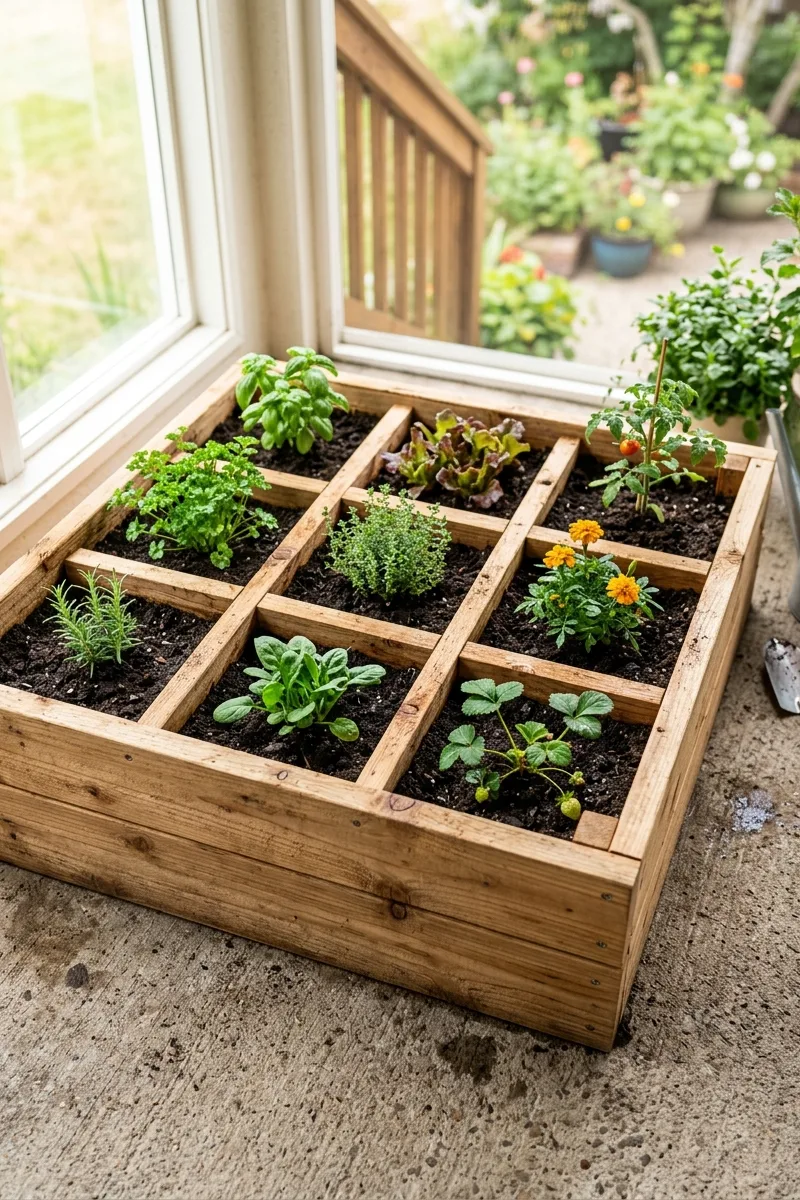
The core of this system is a container physically divided into a strict grid. Using a wooden raised bed with internal dividers prevents different plant roots from tangling and competing aggressively for nutrients. This strict architectural separation makes it incredibly easy to manage crop rotation and soil replacement in small batches. The clean geometric lines provide a highly organized sharp look that elevates a basic vegetable patch into a stylish patio feature. It brings immediate order to the usually messy process of urban gardening.
Square Foot Spacing
Dividing your planter into exact square foot sections allows you to maximize yields in incredibly tight spaces. This strict measurement dictates exactly how many seeds or seedlings can fit perfectly into each block without overcrowding. You can plant nine spinach plants in one square and a single pepper plant in the next. This dense planting method blocks weeds from growing and retains soil moisture brilliantly by shading the dirt completely. It is a highly efficient mathematical approach to generating maximum food from minimal patio space.
Dedicated Herb Squares
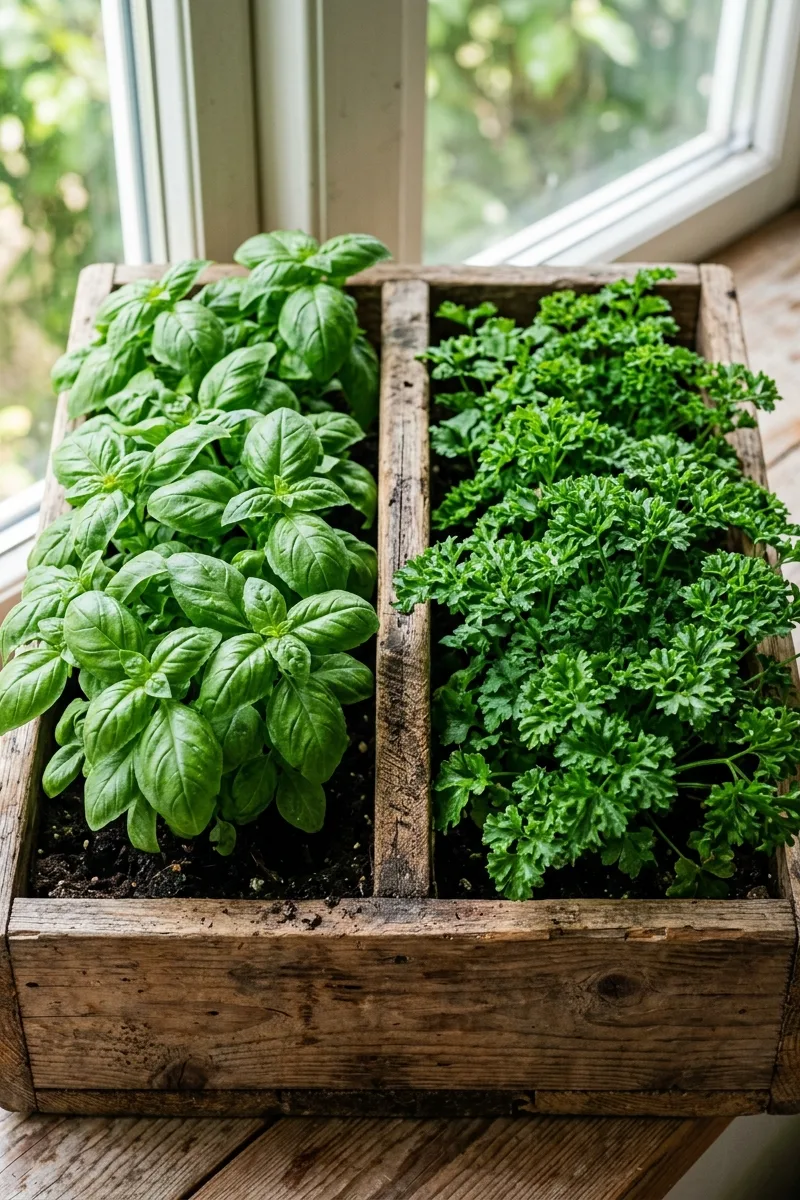
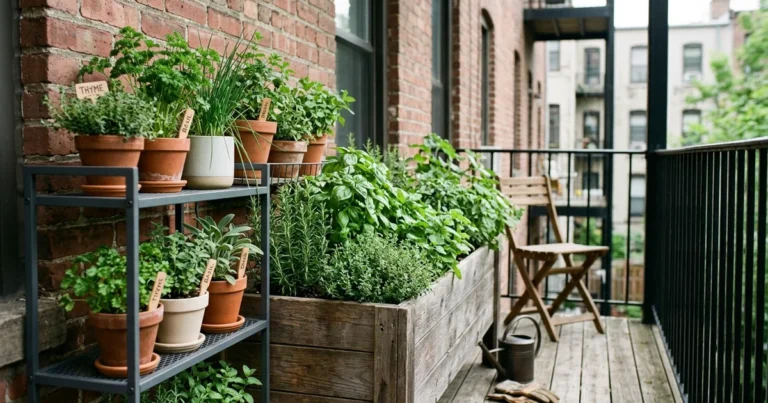
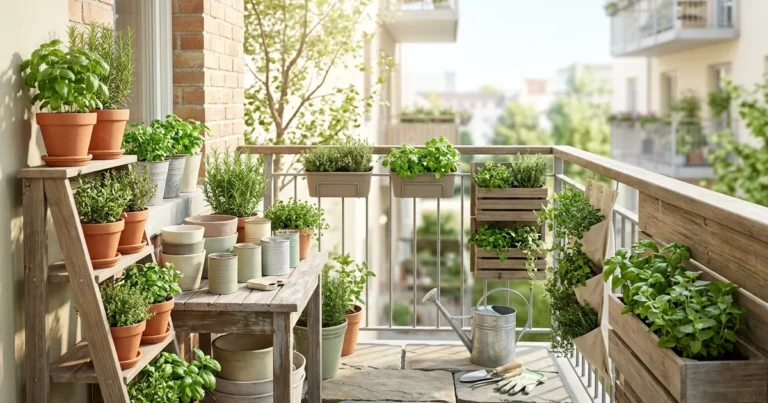
Dedicating specific compartments solely to culinary herbs guarantees you always have fresh seasoning exactly steps from your kitchen door. Mint and oregano are notorious for aggressively taking over entire garden beds if left unchecked. The solid wooden dividers of the bento box keep these spreading herbs perfectly contained within their designated squares. This allows you to grow a wide variety of flavors right next to each other safely. It creates a beautiful fragrant patchwork quilt of green textures that is incredibly useful daily.
Companion Planting Grids
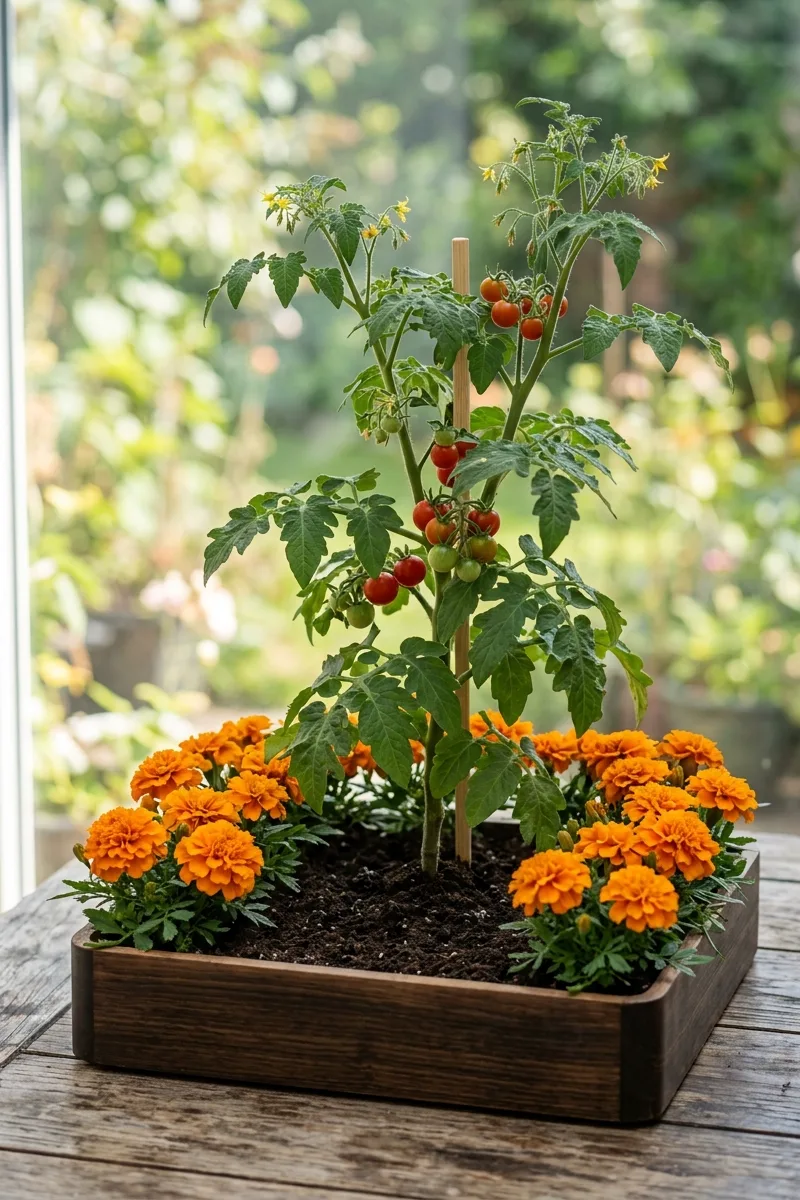
The segmented layout makes strategic companion planting incredibly simple and highly effective. You can intentionally place a square of pest-deterring marigolds directly adjacent to a square of vulnerable tomatoes. This close proximity allows the beneficial plants to protect your crops without competing for the exact same root space. Managing these relationships within the rigid grid is much easier than trying to interplant in a large open bed. This natural defense strategy keeps your small patio garden healthy and thriving without requiring harsh chemical sprays ever.
Vertical Trellis Integration
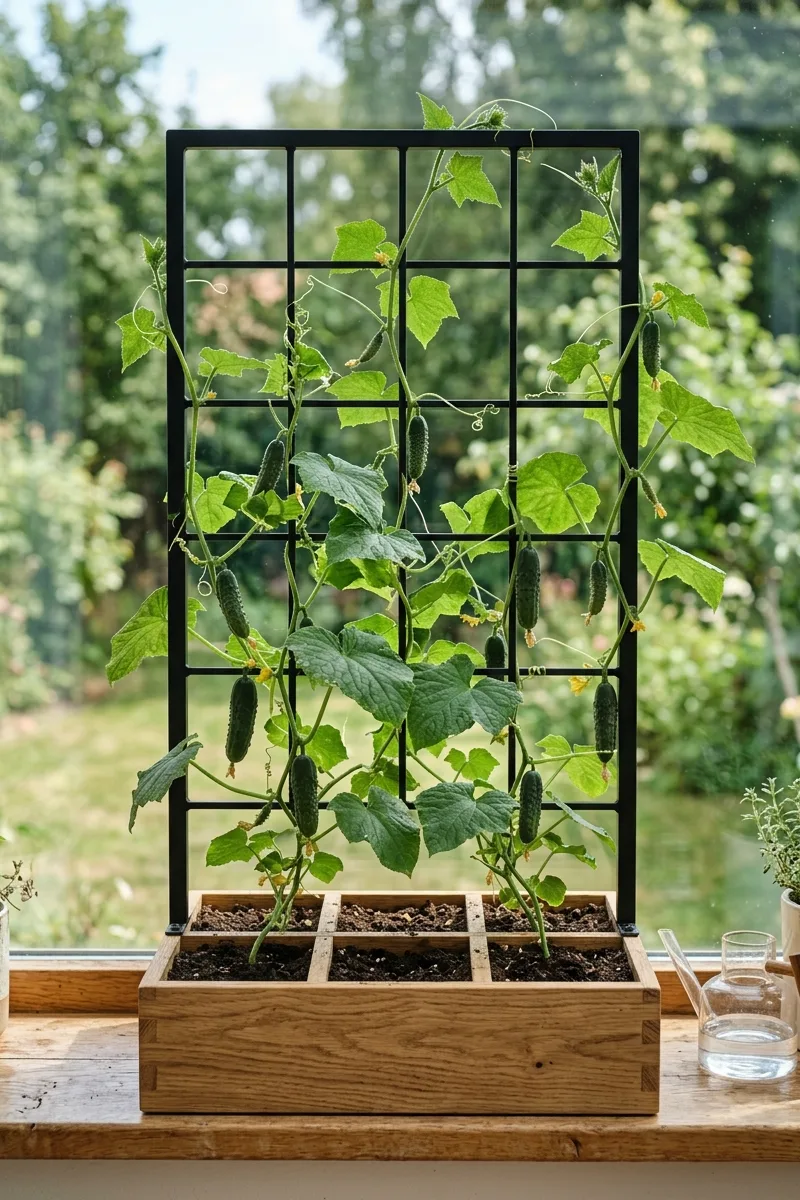
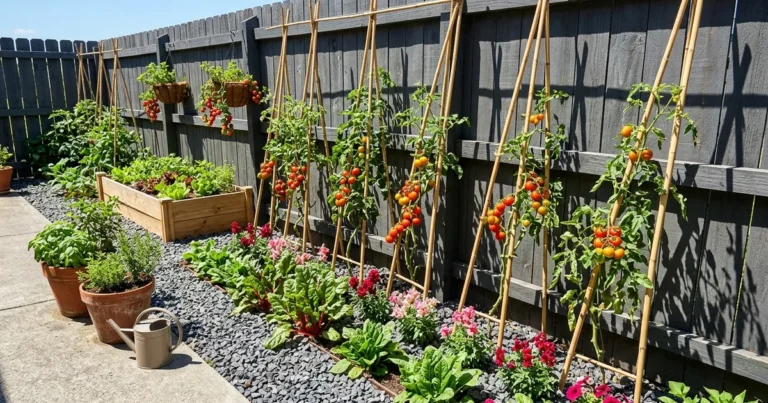
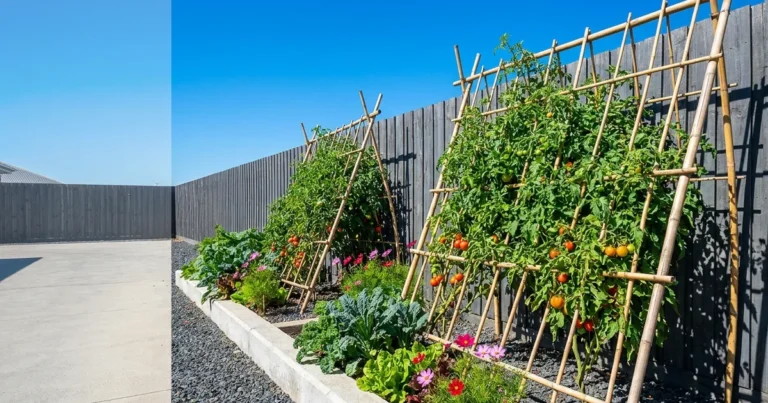
When floor space is limited you absolutely must grow upward to achieve a meaningful harvest. Attaching a simple vertical trellis to the back compartments of your bento box allows you to grow climbing crops like peas or cucumbers. This structural addition draws the eye up making the patio feel taller while providing massive planting real estate. The vining plants create a beautiful living green wall that can provide excellent privacy from close neighbors. It is a critical technique for maximizing tiny urban balconies efficiently.
Color Blocked Crops
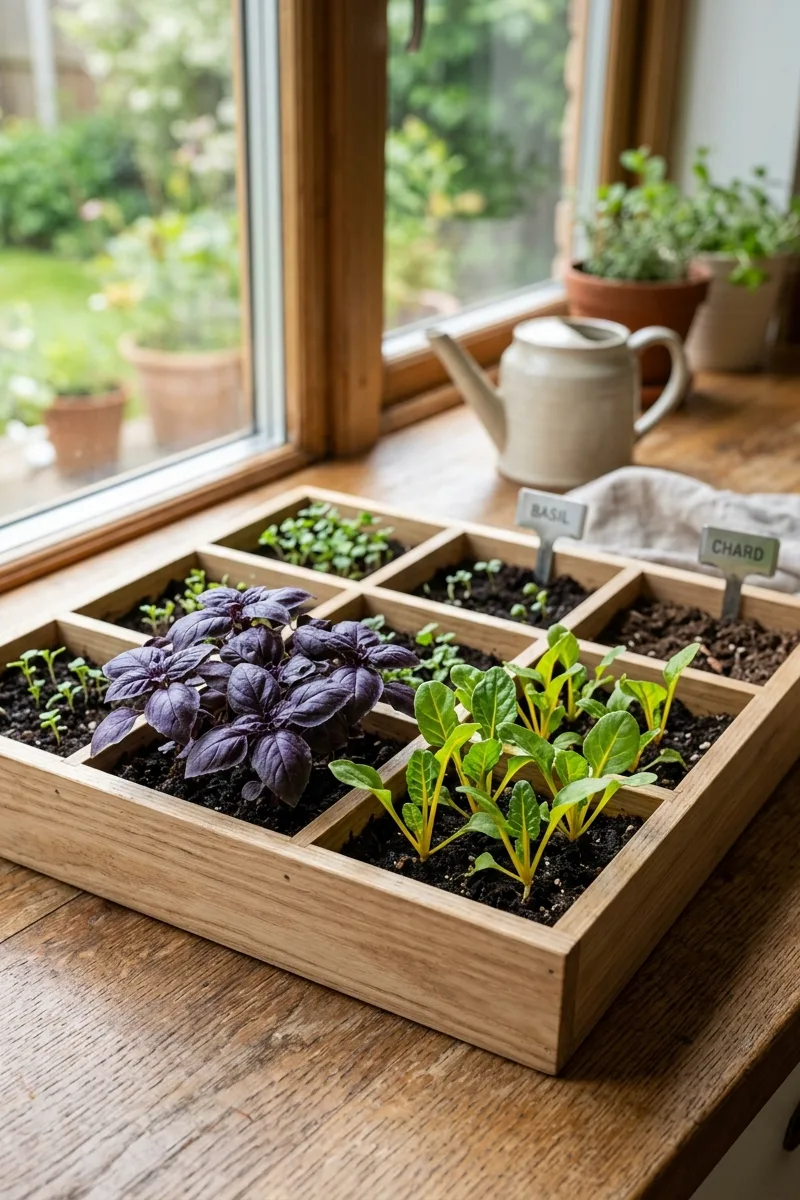
Treating your edible plants like decorative landscaping elevates the patio aesthetic completely. You can intentionally organize your crops by color dedicating one square to dark purple basil and another to bright yellow chard stems. This deliberate color blocking turns a functional food source into a stunning piece of graphic outdoor art. The rigid wooden dividers make the color transitions sharp and visually striking. It proves that a vegetable garden can be just as beautiful and highly styled as an expensive ornamental flower bed.
Succession Planting Control
The isolated compartments make managing continuous harvests incredibly easy and highly organized. When you harvest a square of radishes you can immediately refresh the soil and replant that single section without disturbing the mature crops next door. This allows you to stagger your planting dates perfectly so you never have empty dirt or overwhelming simultaneous harvests. The grid system visually tracks exactly where you are in the growing cycle at a glance. It ensures your tiny patio remains productive and green all season long.
Compact Micro Varieties

Choosing the correct seeds is absolutely vital for success in these small restrictive planting zones. You must seek out specific micro or patio varieties of vegetables bred specifically for container growth. A compact bush tomato will thrive and produce heavily within its single square without shading out the rest of the box. Avoiding massive sprawling heirloom varieties prevents your organized bento from turning into a tangled unmanageable jungle. This strict curation guarantees high yields and keeps the patio looking neat and intentionally styled.
Custom Soil Blends
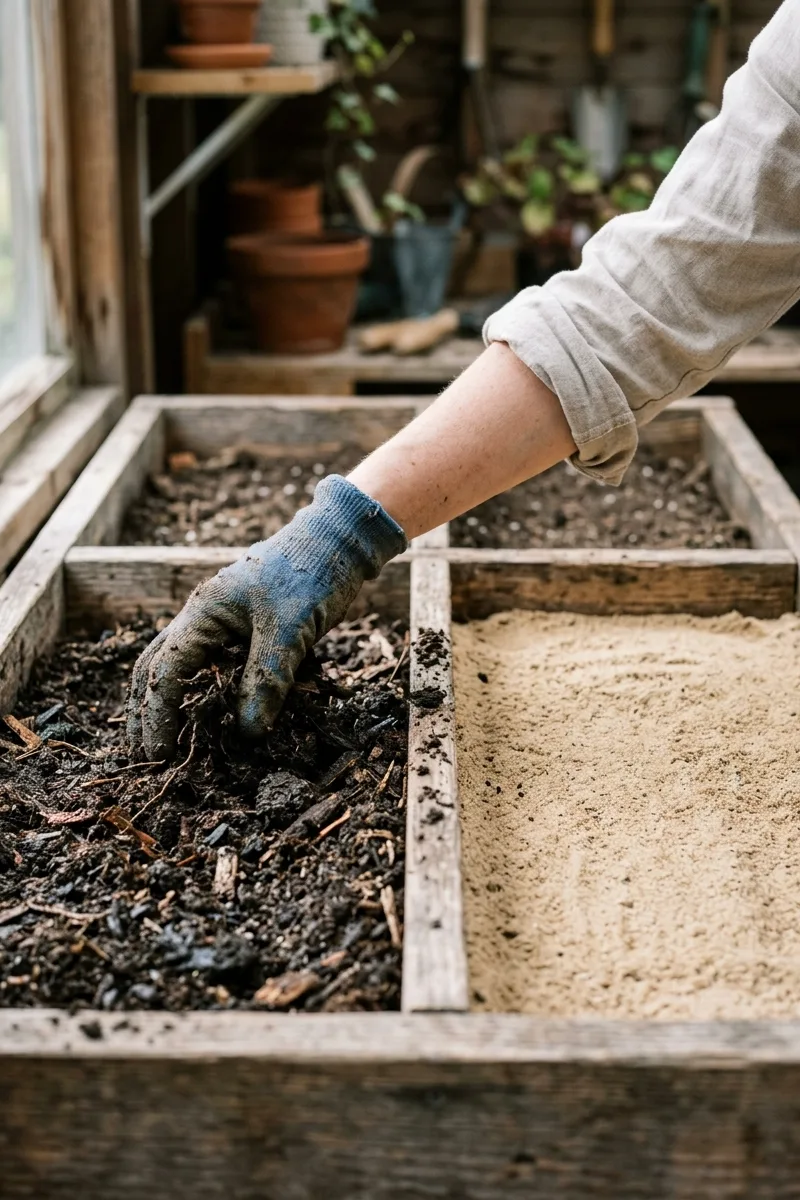
One of the greatest advantages of the divided bento box is the ability to tailor the soil perfectly for different plants. Carrots require loose sandy soil to grow straight while heavy feeding tomatoes need rich dense compost. The solid dividers allow you to fill adjacent squares with completely different dirt blends successfully. This hyper-local soil management guarantees every single plant has the exact foundation it needs to thrive. It eliminates the difficult compromise of trying to find one generic potting mix that suits everything poorly.
Drip Irrigation Grids
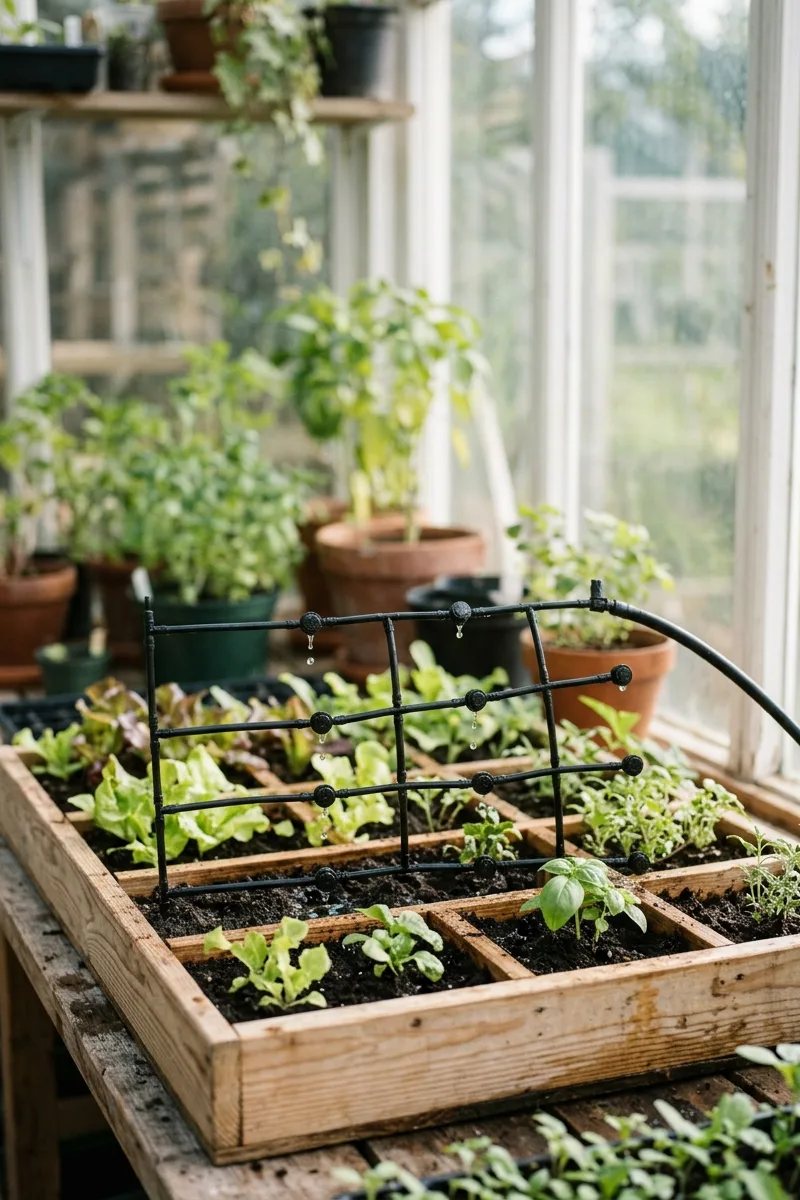
Watering a densely packed grid from above often leads to moldy leaves and massive water waste on a concrete patio. Installing a simple drip irrigation line that runs along the wooden dividers delivers water exactly to the roots. This precise system keeps the foliage dry and ensures the soil moisture remains perfectly consistent throughout the hot days. Hiding the thin black tubing along the wooden grid keeps the setup looking incredibly clean and professional. It automates your success and saves significant daily maintenance time.
Root Crop Depth
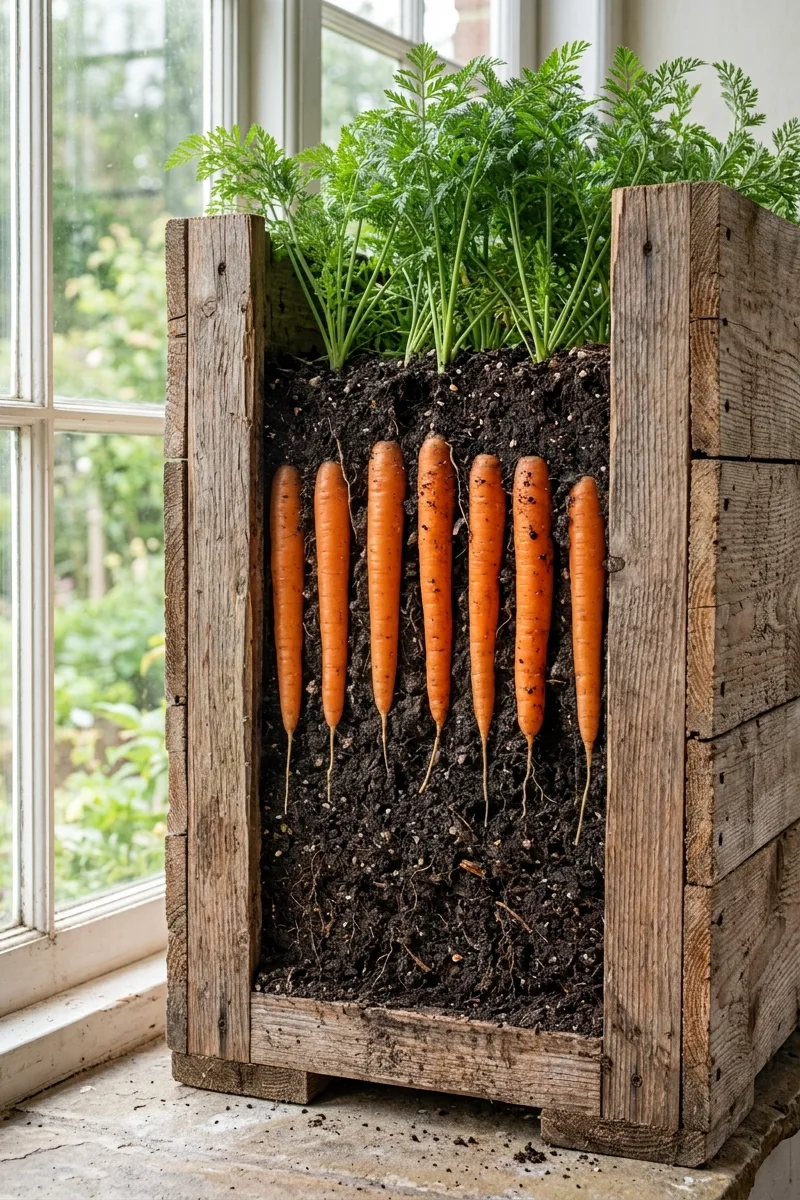
If you intend to grow root vegetables your bento box must have adequate vertical depth built into the design. A planter that is at least twelve inches deep allows carrots and radishes to grow straight down without hitting the bottom and deforming. Ensuring the soil in these specific deep compartments remains incredibly loose and free of rocks is critical for a good harvest. The tall profile of a deep planter also brings the garden closer to eye level making maintenance much more comfortable daily.
Edible Flower Accents
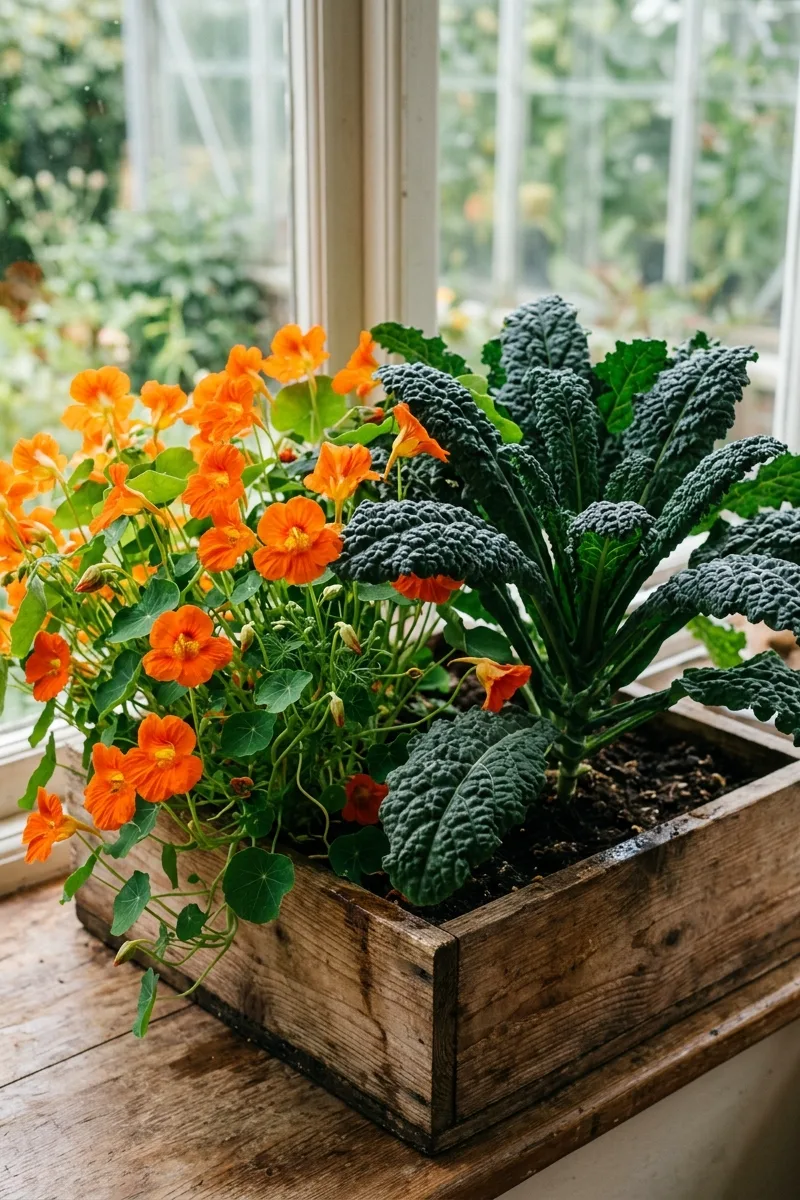
Integrating edible flowers into your grid brings massive visual beauty and attracts crucial pollinators to your patio. Dedicating a square to bright nasturtiums or pansies breaks up the solid blocks of green foliage brilliantly. These flowers provide a beautiful peppery garnish for your salads making your harvests even more exciting. The vibrant colors contrast sharply against the strict wooden dividers making the bento box look incredibly lush and professionally landscaped. This addition proves a highly functional food garden can be absolutely stunning.
Mobile Caster Bases
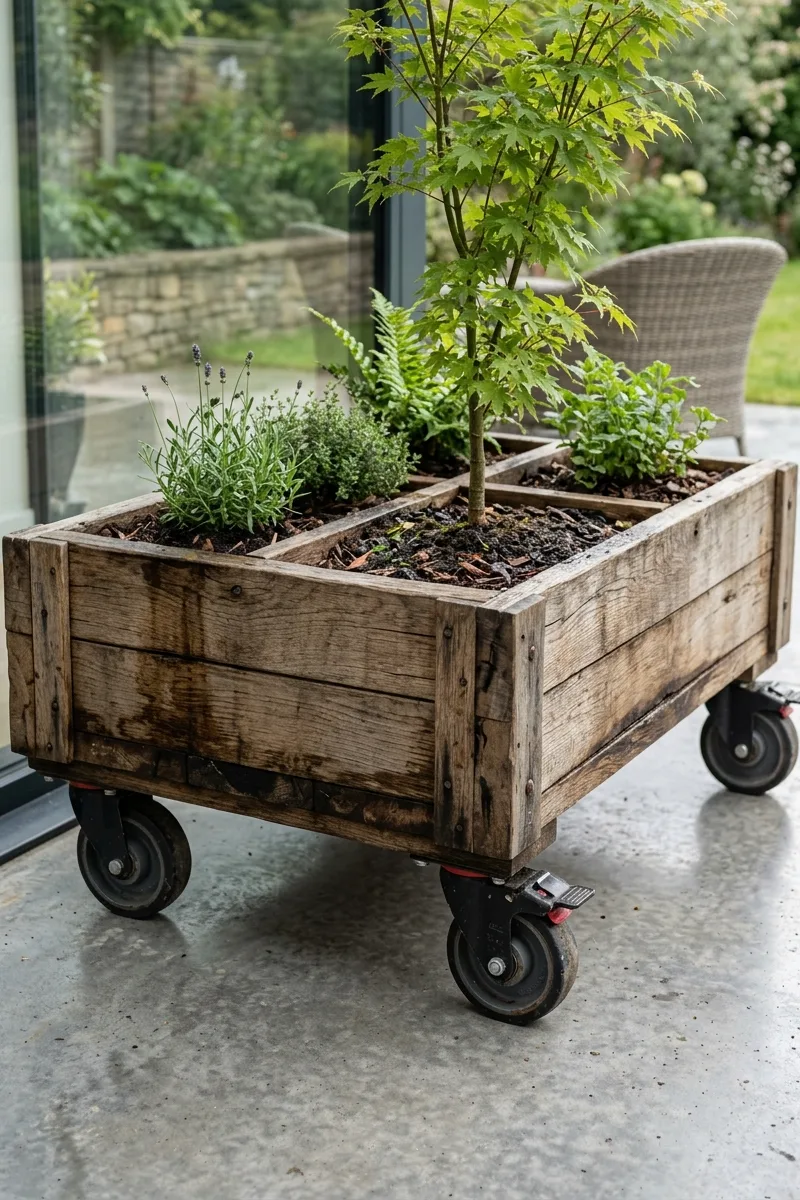
Sunlight on a small patio often shifts dramatically as the seasons change and buildings cast long shadows. Building your heavy bento box on heavy-duty locking casters allows you to chase the sun effortlessly. This mobility ensures your sun-loving crops like peppers never get stuck in the shade during crucial growing months. It also makes cleaning the patio surface underneath the massive planter incredibly easy. This practical structural upgrade maximizes the efficiency and health of your urban garden entirely.
Overhanging Strawberries
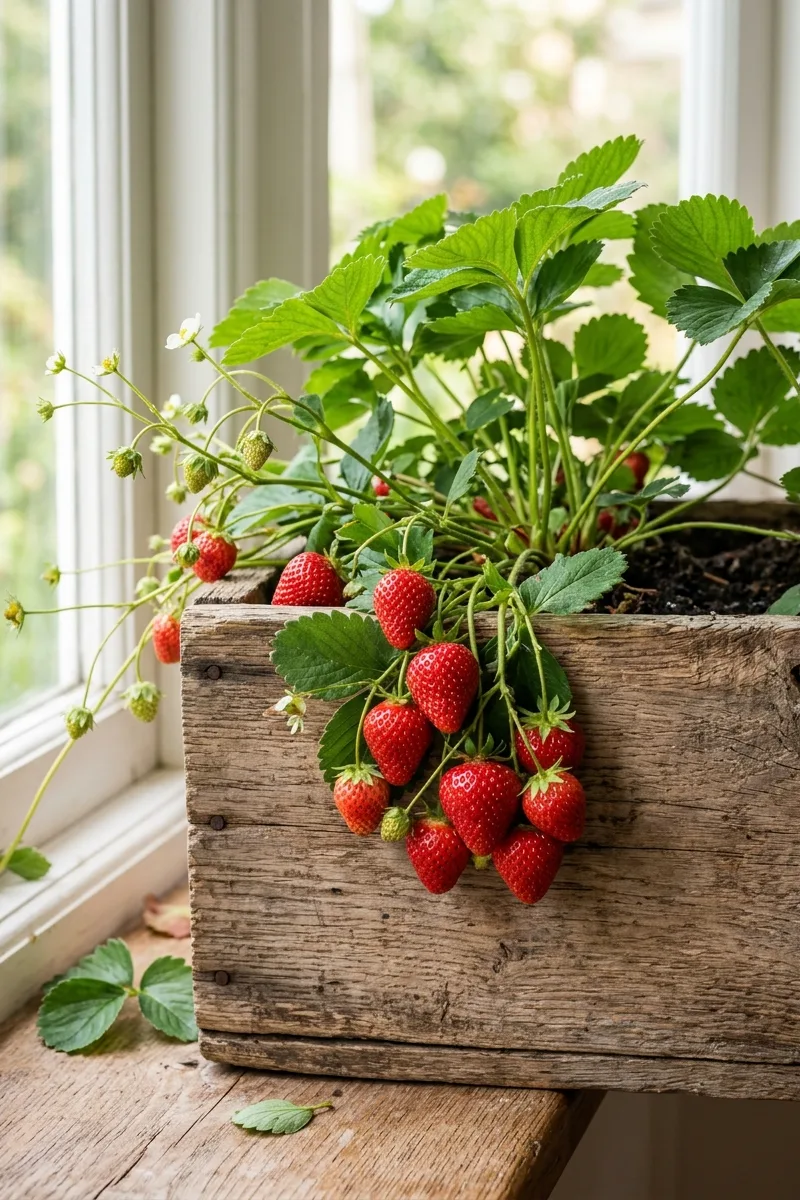
Utilizing the vertical space outside the box is just as important as managing the square footage inside. Planting strawberries in the front perimeter compartments allows the heavy fruit to hang cleanly over the wooden edge. This keeps the berries off the wet soil preventing rot and making them incredibly easy to harvest. The cascading green leaves soften the hard geometric lines of the bento box beautifully. It is a highly efficient way to increase your yield without consuming any additional patio floor space.
Quick Cut Greens
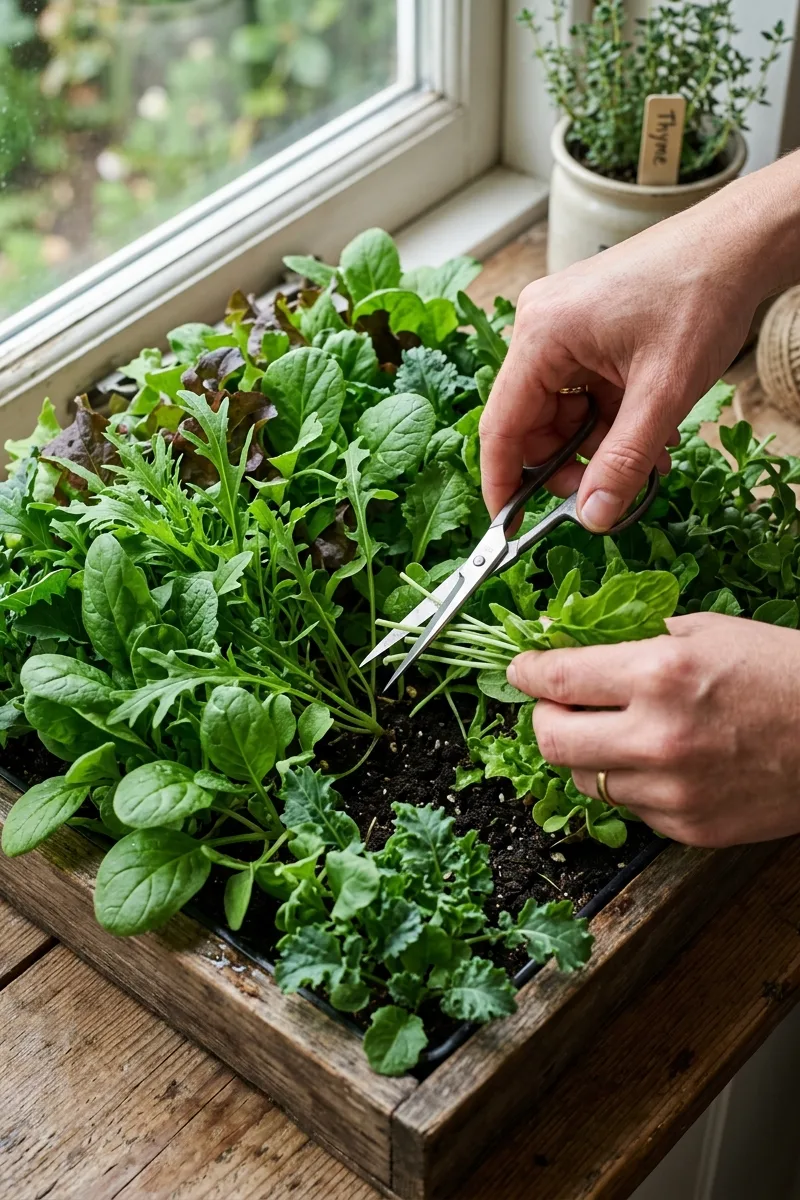
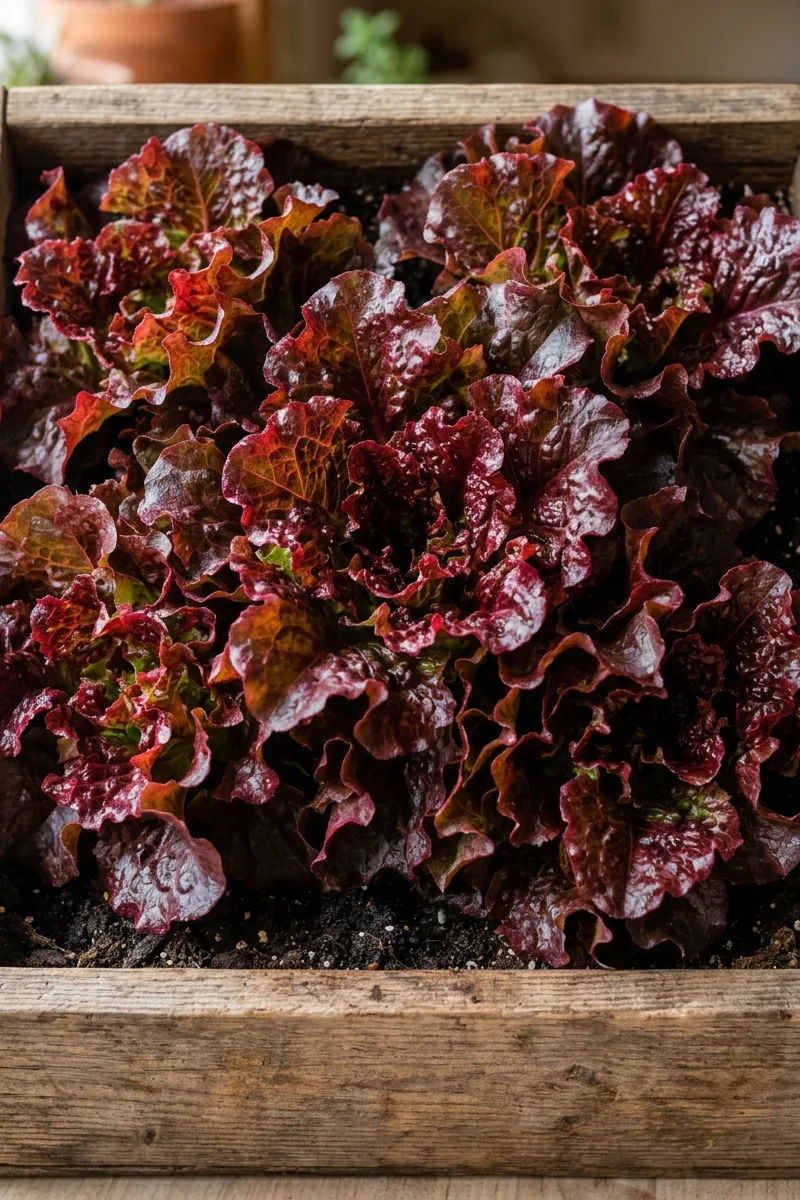
Dedicating several squares exclusively to cut-and-come-again salad greens provides the highest continuous yield for a small space. Packing a compartment tightly with mixed lettuce seeds creates a dense carpet of food very quickly. You simply trim the tops with scissors for dinner and the plants will regrow completely within weeks. This fast cycle ensures the square remains constantly green and highly productive. It is the absolute best return on investment for patio gardeners wanting fresh daily harvests with minimal ongoing effort.
Aesthetic Plant Markers
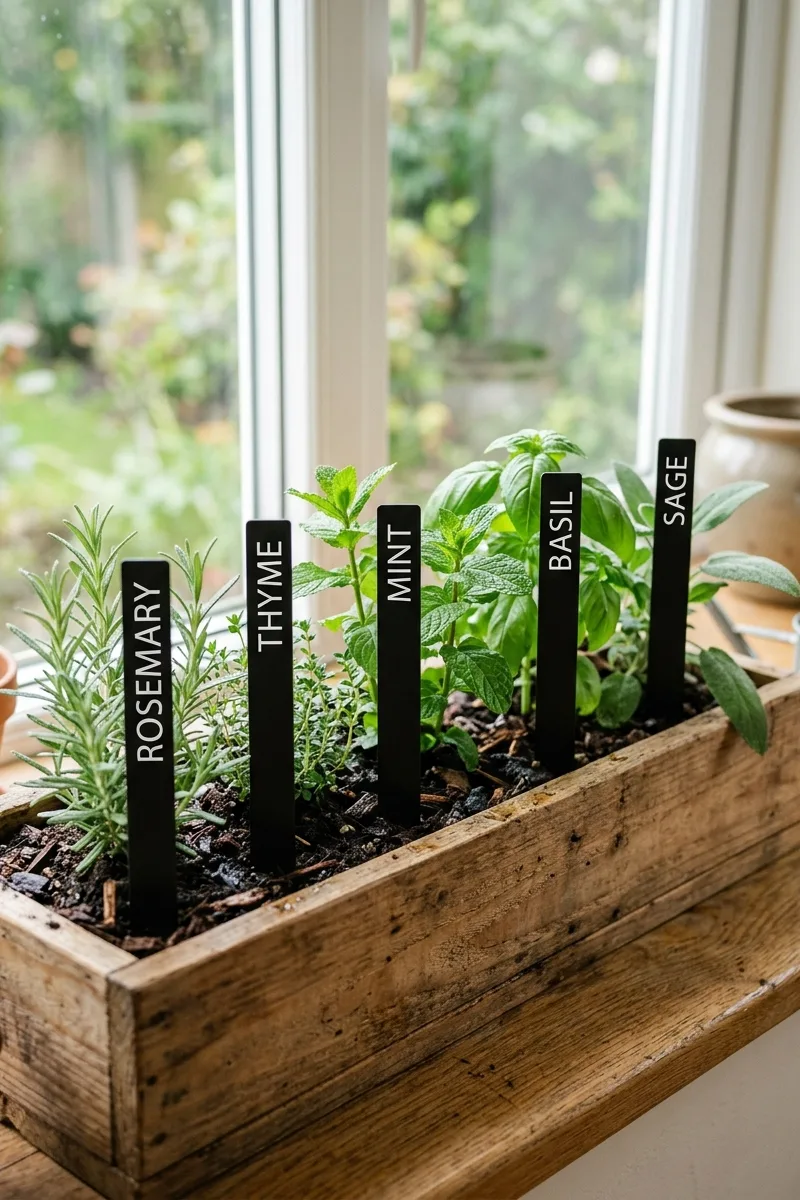
Keeping the garden looking highly styled requires avoiding cheap plastic nursery tags completely. Upgrading to sleek metal or etched wooden plant markers adds a crucial layer of polished organization to the bento box. Placing one identical marker uniformly in the corner of each square reinforces the strict geometric grid perfectly. This clear labeling is highly functional when trying to distinguish different herb varieties quickly while cooking. It is a small inexpensive detail that makes the patio setup look incredibly professional and highly curated.
Perennial Base Squares
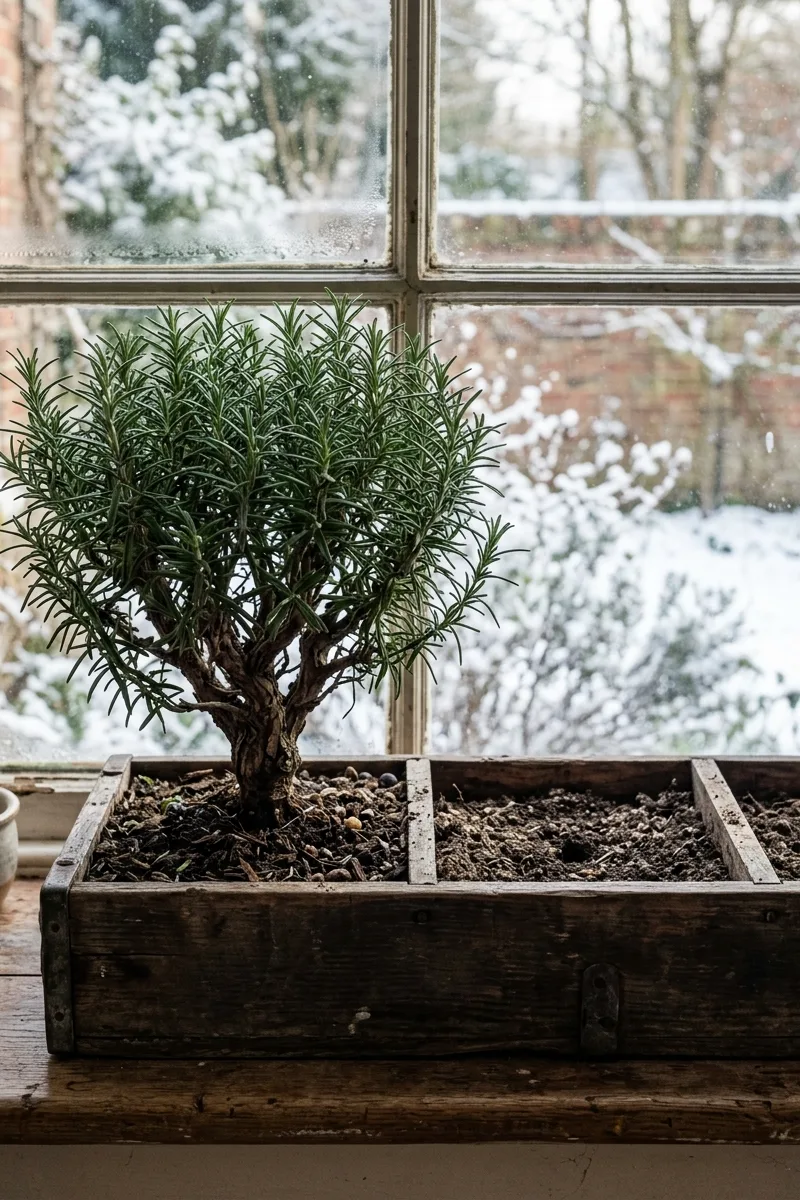
Anchoring your grid with a few permanent perennial plants ensures the box never looks completely empty during the off-season. Dedicating a back square to a hardy rosemary or thyme bush provides structural greenery year-round. These woody plants establish deep roots and form a consistent visual baseline while the surrounding squares rotate through seasonal annuals. This strategic planning keeps the patio looking styled and alive even in the depths of winter. It provides crucial architectural structure to the evolving edible landscape completely.
Shade Tolerant Corners
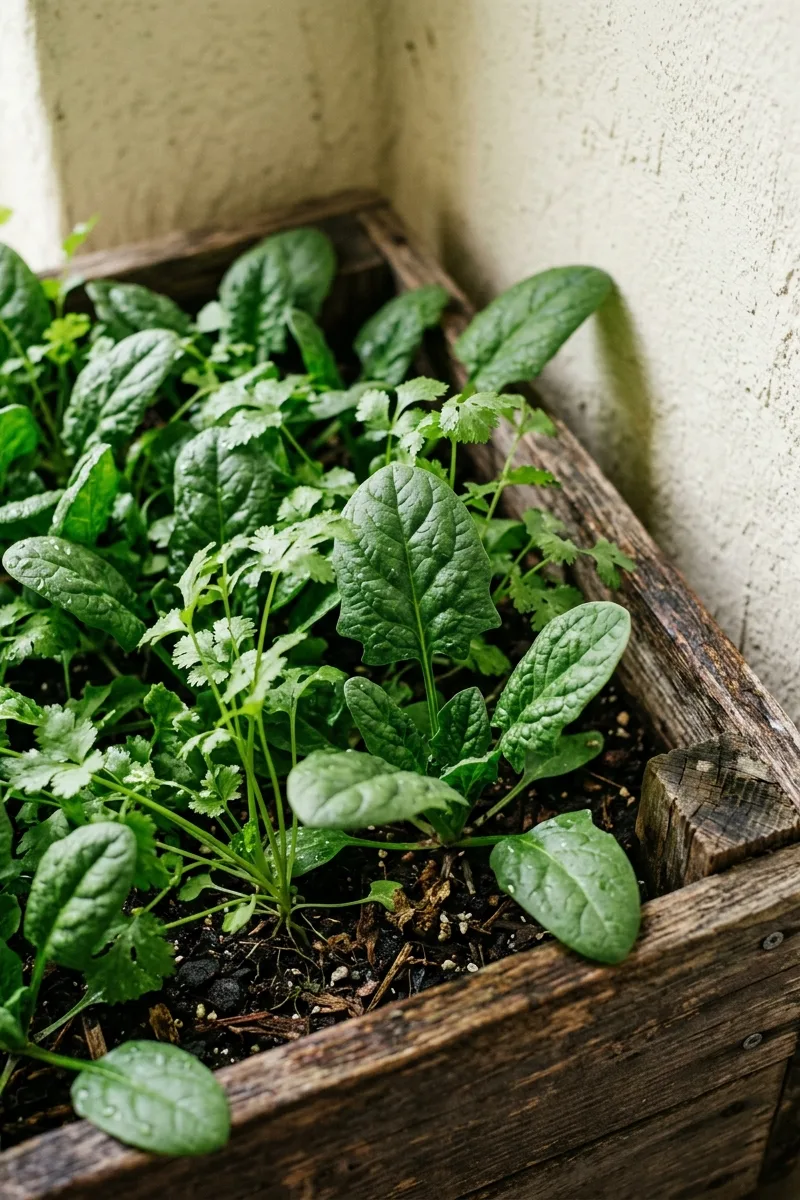
Every bento box will inevitably have a compartment that receives less direct sunlight due to the patio walls or taller adjacent plants. Recognizing this and planting shade-tolerant crops like spinach arugula or cilantro in those specific corners is critical. Attempting to grow sun-loving basil in the shadow of a tomato plant guarantees failure and wasted space. This micro-climate management within the grid ensures every single square inch is producing food efficiently. It turns a potential negative shading issue into a highly productive growing zone.
Pest Netting Frames
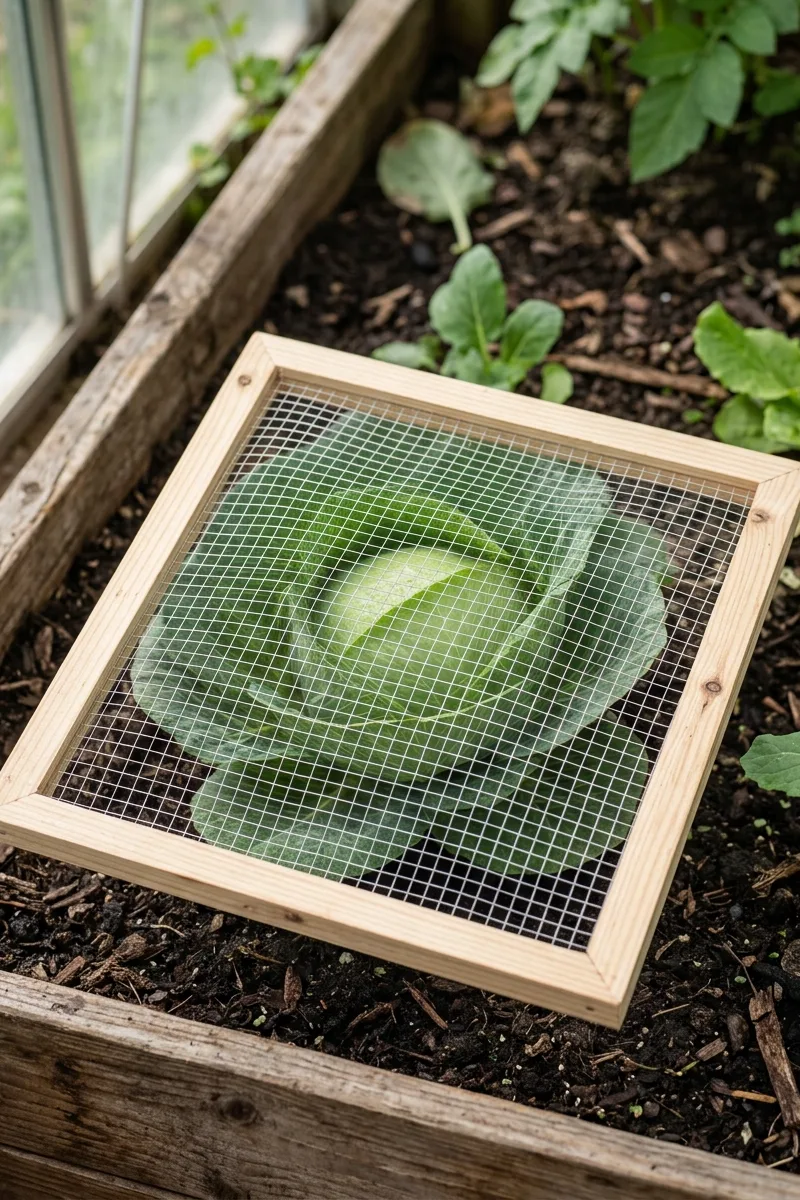
Protecting vulnerable crops from insects usually involves draping ugly loose netting over the entire garden ruining the aesthetic completely. The rigid squares of the bento box allow you to build perfectly sized structured mesh lids for individual compartments. A clean wooden frame covered in white netting drops neatly over a square of kale keeping butterflies out while looking highly engineered. This targeted protection keeps the rest of the garden fully visible and beautiful. It is a highly organized sharp looking solution for organic pest control.
Clear Top Dressing
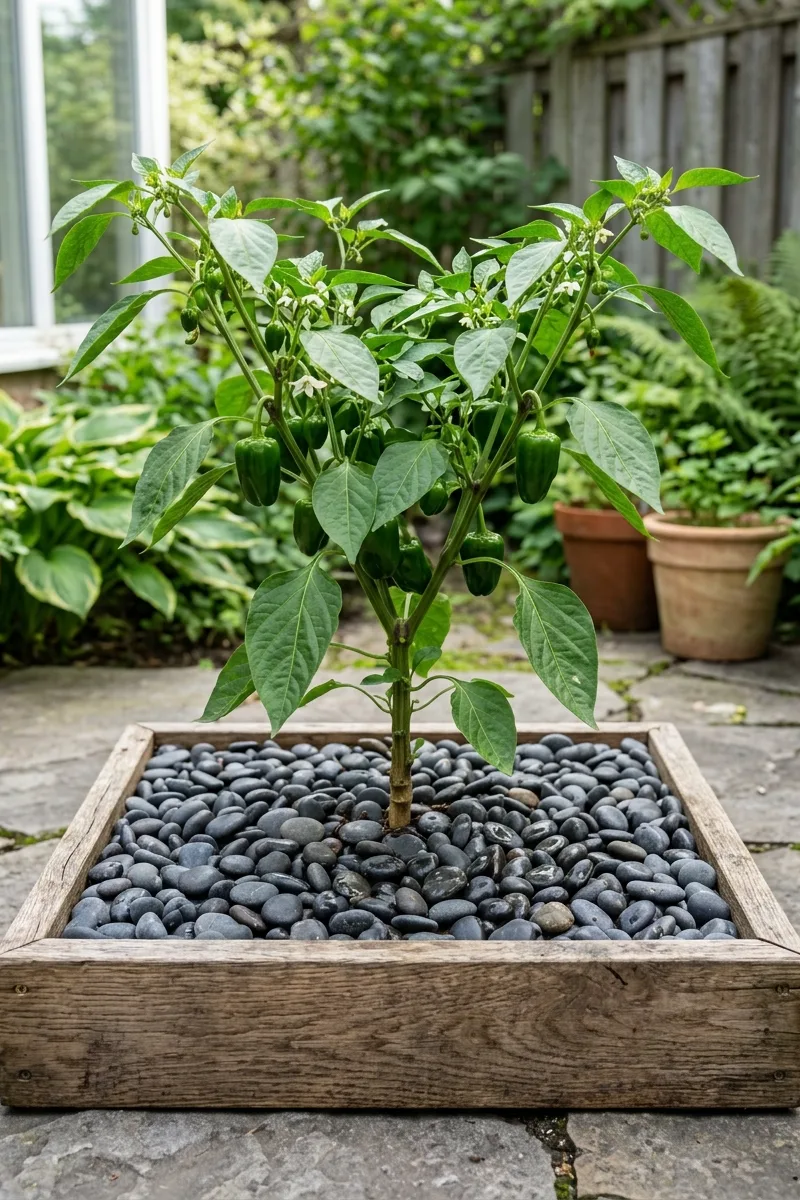
Applying a clean top dressing over the exposed dirt elevates the bento box from a farming project to a piece of outdoor decor. Covering the soil in every compartment with smooth dark pebbles or clean straw hides the messy dirt entirely. This layer prevents soil from splashing onto the leaves during heavy rain keeping your edible crops incredibly clean. It also suppresses weeds and locks moisture into the dirt significantly reducing watering needs. This final finishing touch guarantees the planter looks crisp organized and highly styled always.
Inspiration gallery recap
Tap any image to open the slideshow — use arrows or swipe to browse.