20 Vegetable Garden Layouts for Maximum Yield
Planning your vegetable garden layout is one of the most important steps in ensuring a bountiful harvest. The right layout can maximize your space, improve plant health, and make gardening more efficient and enjoyable.
These 20 layouts offer a variety of approaches for different garden sizes and styles. Whether you’re a beginner or an experienced gardener, you’ll find a design that helps you grow more food with less effort.
What’s inside this article
- Traditional Row Garden
- Raised Bed Gardening
- Square-Foot Garden
- Vertical Gardening Layout
- Keyhole Garden Layout
- Interplanting Layout
- Succession Planting Layout
- Three Sisters Garden
- Mandala Garden Layout
- Container Garden Layout
- Four-Bed Rotation Layout
- Walk-in Bed Layout
- Spiral Herb Garden
- Hügelkultur Layout
- Trellised Tunnel Layout
- Strip Cropping Layout
- Perimeter Planting
- Edible Landscaping Layout
- No-Dig Garden Layout
- Scattered Bed Layout
Traditional Row Garden
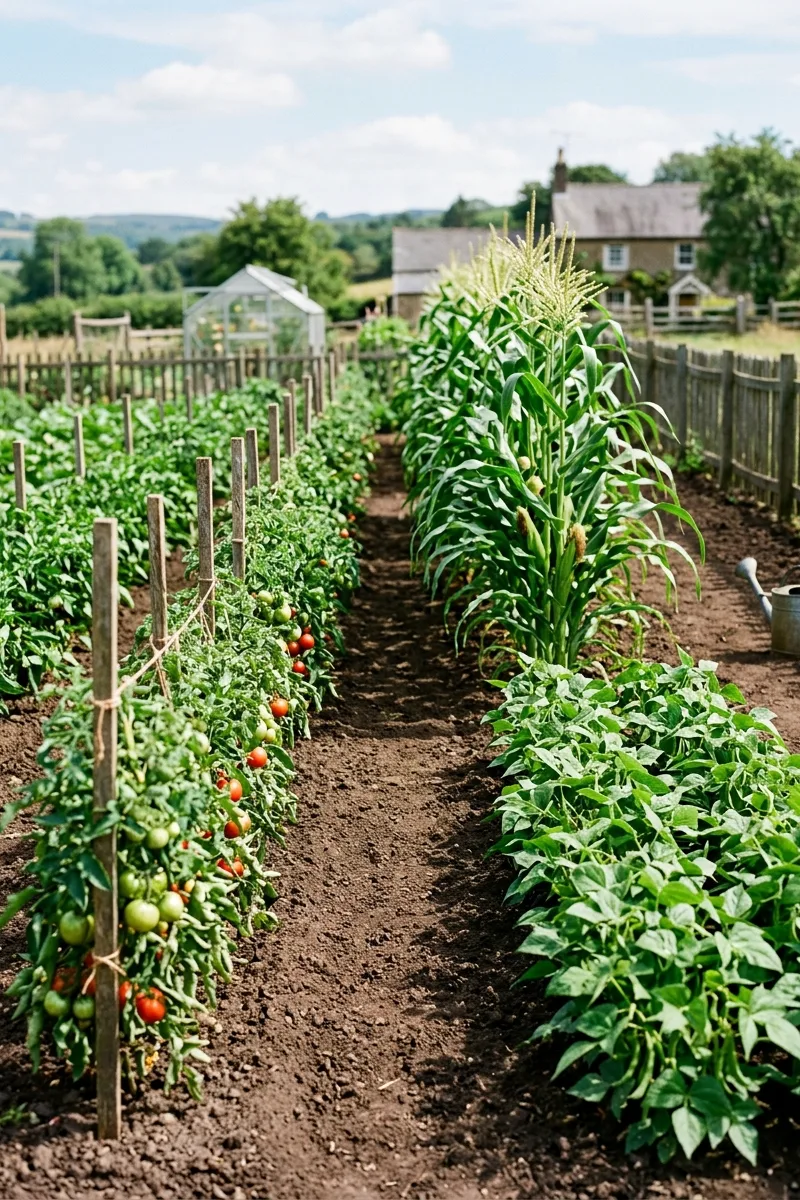
Traditional row planting is straightforward and effective. Space rows about 30 inches apart to allow for walking, weeding, and harvesting. Plant taller crops like corn and sunflowers on the north side to avoid shading shorter plants. This layout is ideal for large gardens and makes crop rotation simple. It’s the classic choice for good reason.
Raised Bed Gardening
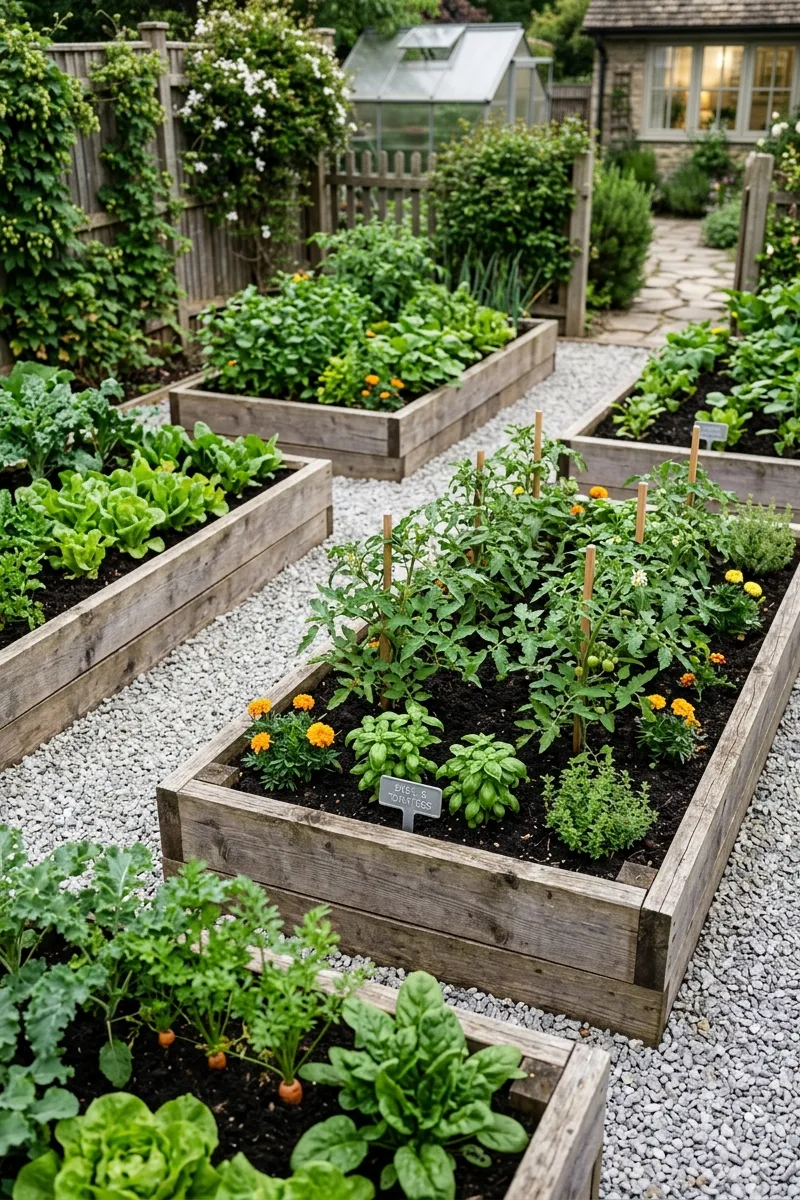
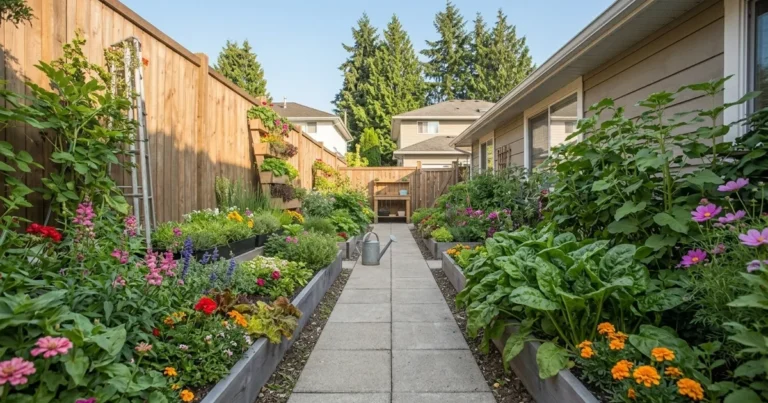
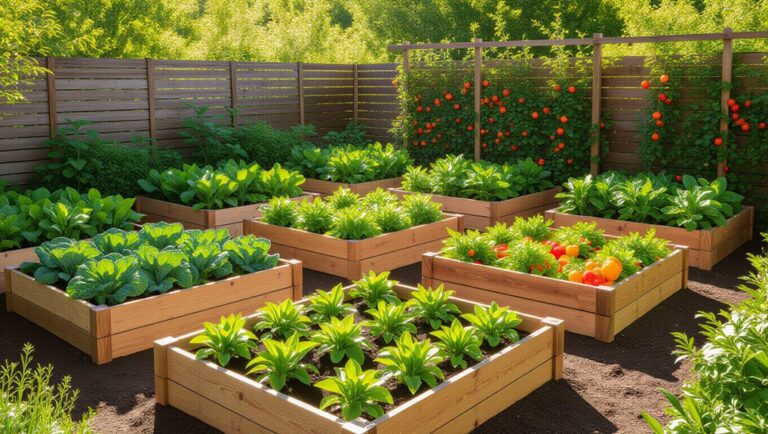
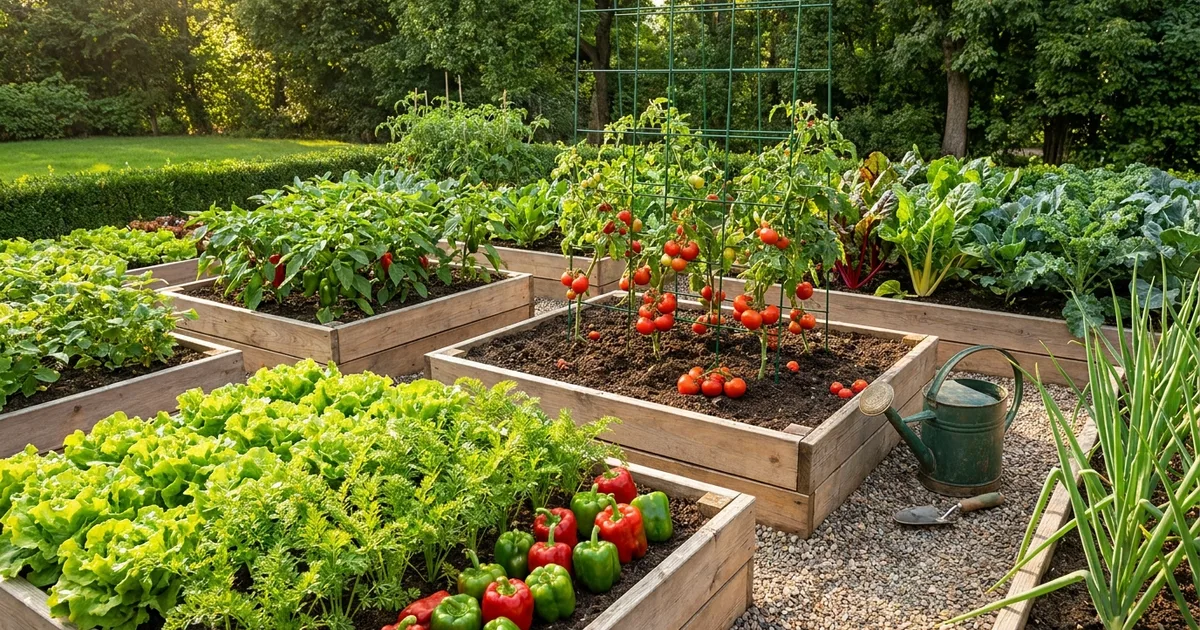
Raised beds are a popular and effective gardening method. The elevated soil warms faster in spring, drains well, and reduces weed pressure. Beds are typically 4 feet wide so you can reach the center from both sides. This layout is great for small spaces and offers excellent soil control for a productive vegetable garden.
Square-Foot Garden
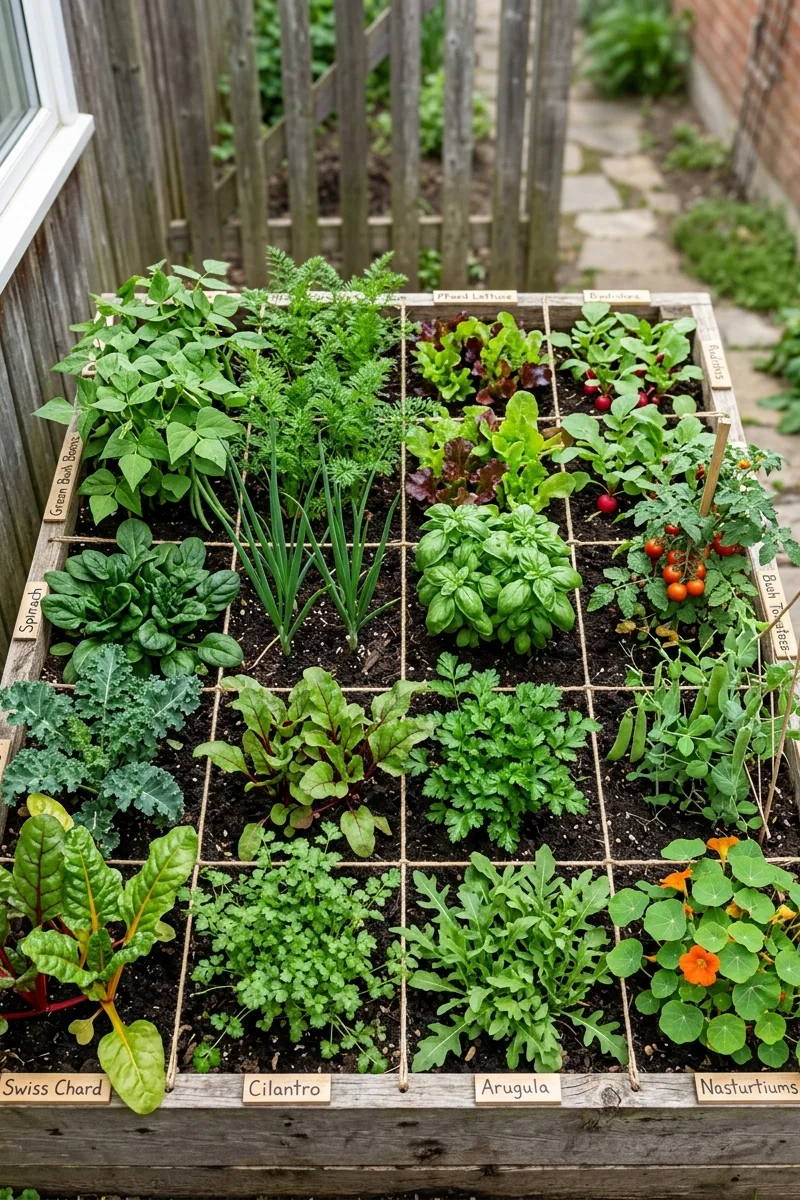
Square-foot gardening maximizes production in a small area. Divide a 4×4 bed into sixteen 1-foot squares. Plant a different crop in each square, using intensive planting techniques. This method reduces weeding and watering and is perfect for beginners or those with limited space. It’s a highly efficient and organized way to garden.
Vertical Gardening Layout
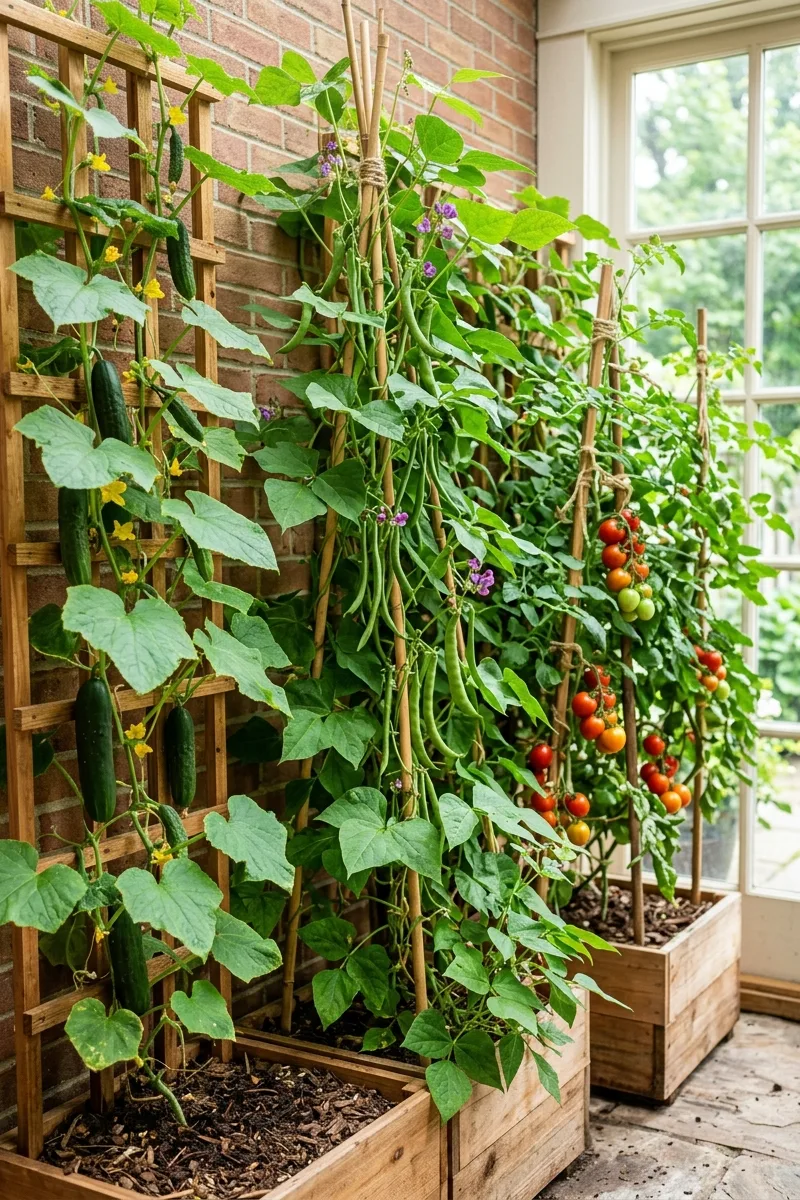
Vertical gardening uses trellises, stakes, and cages to grow plants upward. This layout is excellent for small spaces and increases air circulation, reducing disease. Vining crops like cucumbers, beans, and indeterminate tomatoes are ideal for this method. It makes harvesting easier and keeps fruit clean and off the ground.
Keyhole Garden Layout
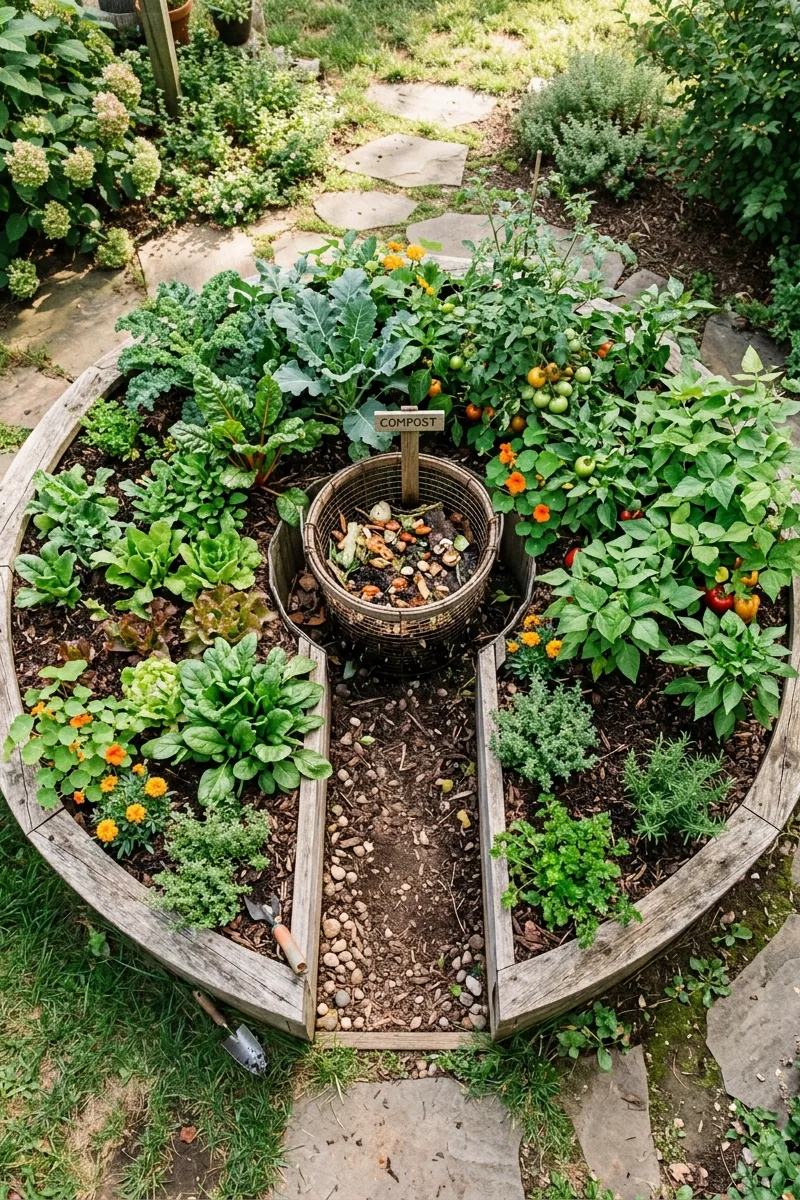
The keyhole garden is an efficient and sustainable design. The circular bed has a path to the center, making all plants easily accessible. A central composting basket feeds the soil as it breaks down. This layout is water-efficient and productive, ideal for dry climates and small yards. It’s a smart and beautiful garden design.
Interplanting Layout
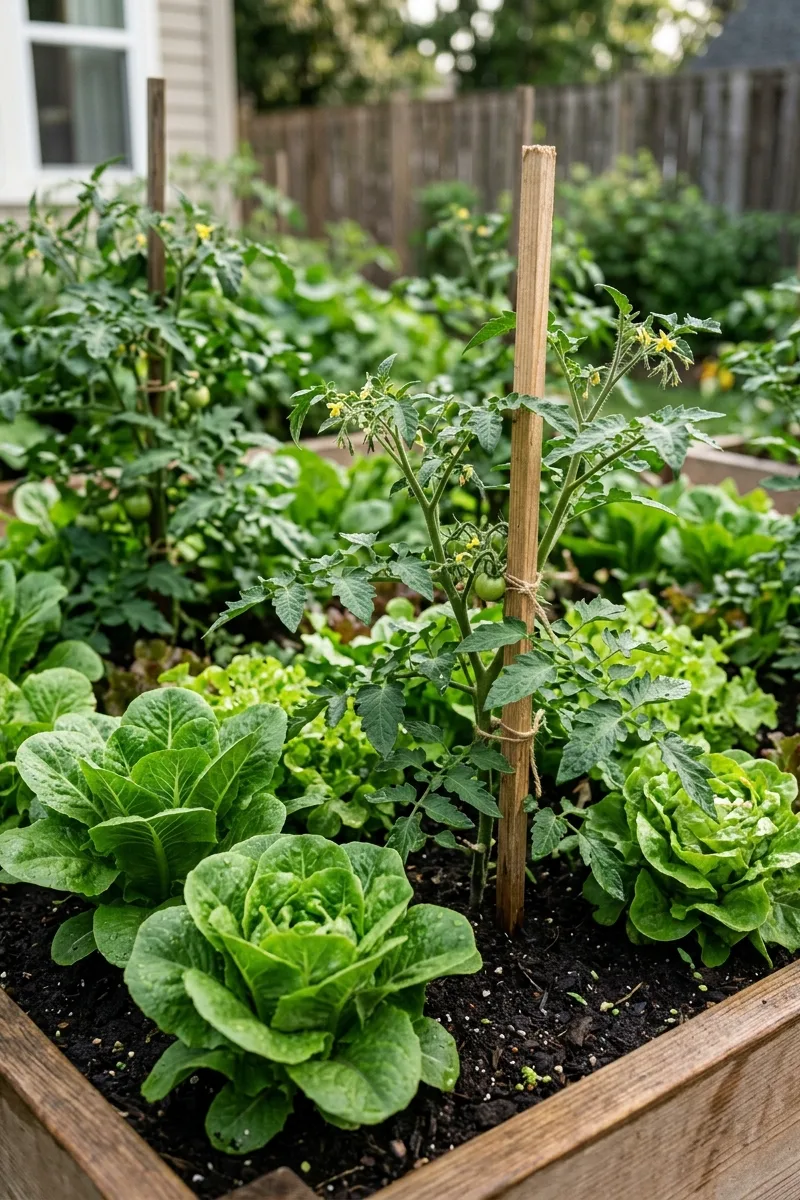
Interplanting involves growing fast-maturing crops between slower-growing ones. Lettuce and radishes can be sown between rows of tomatoes or peppers. The fast crops are harvested before the main plants need the space. This technique makes the most of your garden area and provides early harvests throughout the growing season.
Succession Planting Layout
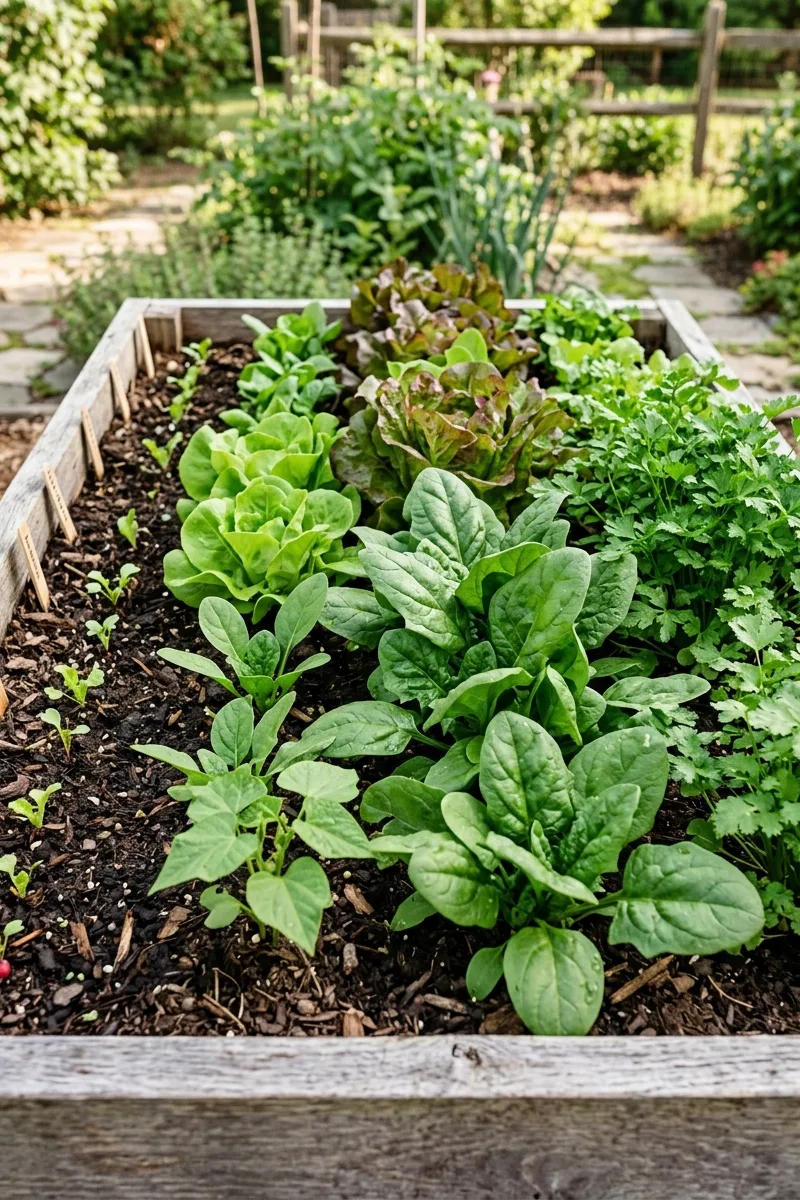
Succession planting keeps your garden producing all season long. Sow a new batch of vegetables every few weeks instead of all at once. As one crop finishes, another is ready to take its place. This layout ensures a continuous supply of fresh vegetables and makes the most of your garden space throughout the growing season.
Three Sisters Garden
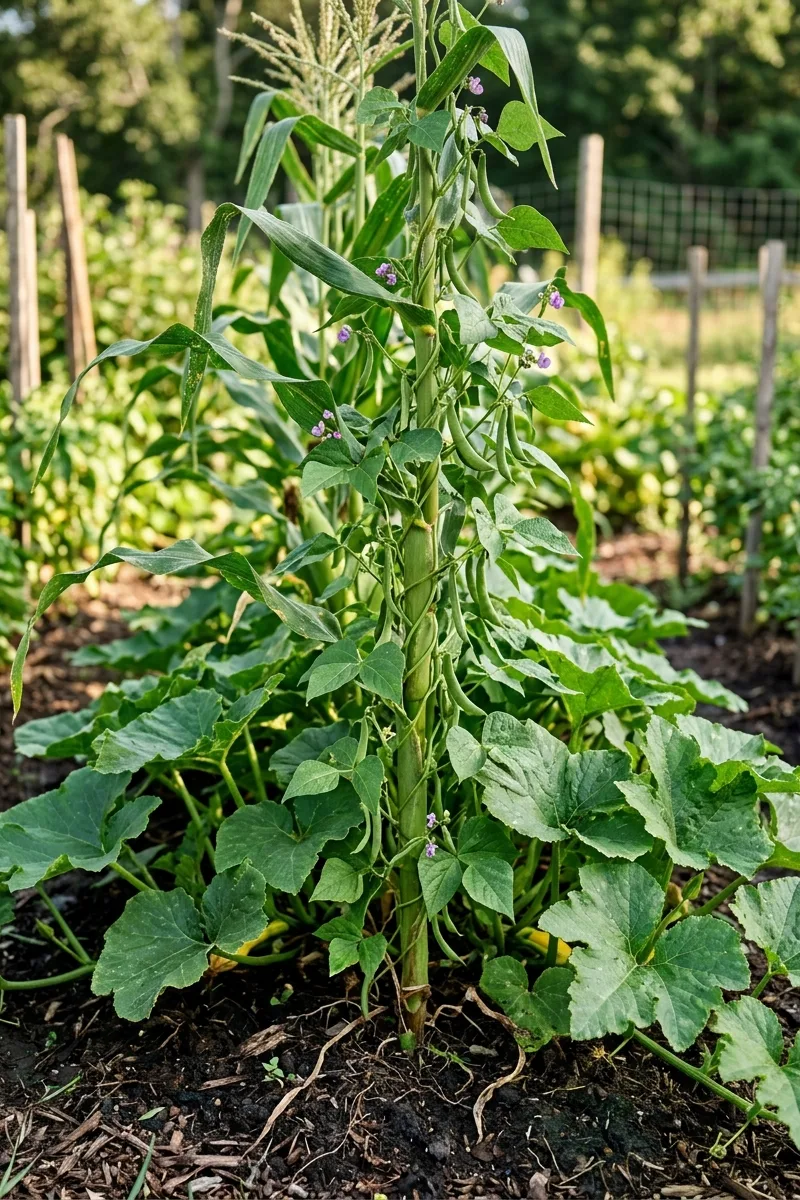
The three sisters is a traditional Native American companion planting. Corn provides a structure for beans to climb. Beans fix nitrogen in the soil for the corn. Squash spreads along the ground, shading the soil and suppressing weeds. This symbiotic trio works together for a healthy and high-yielding garden bed.
Mandala Garden Layout
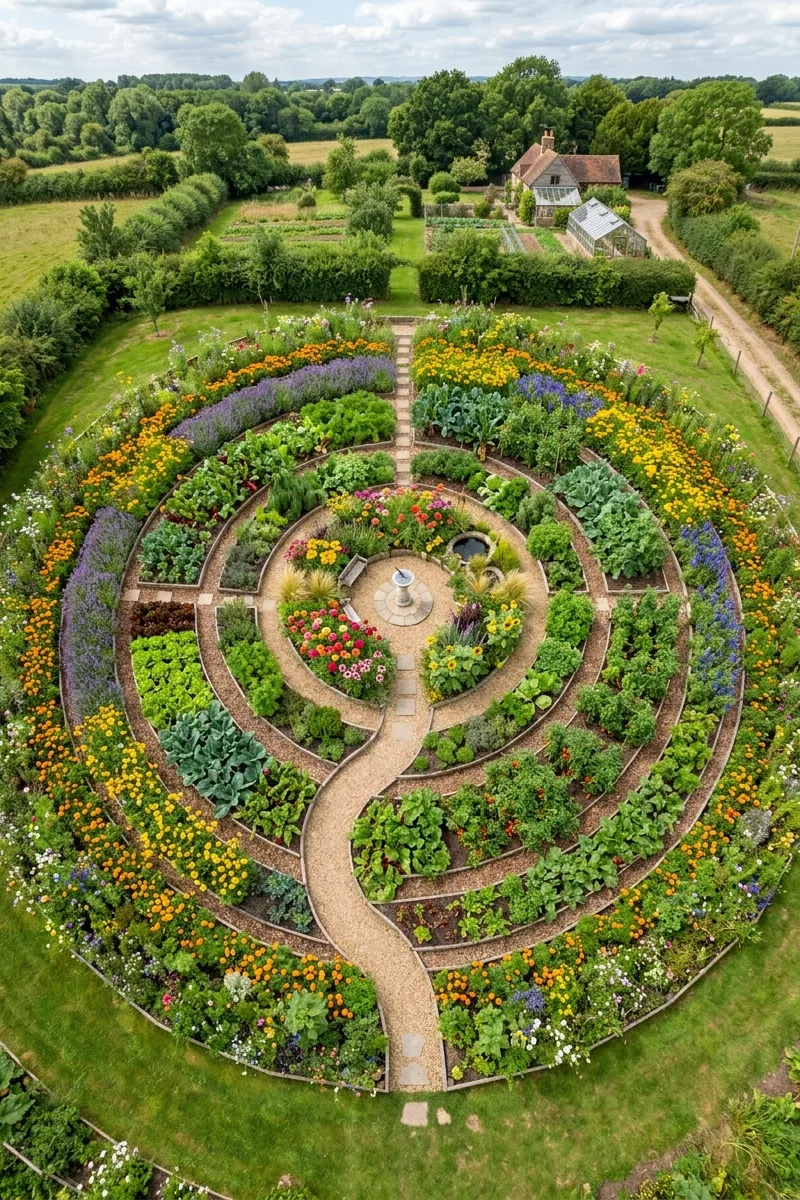
The mandala garden is a circular, symmetrical design. Plant in concentric rings or a spiral pattern. The layout is visually stunning and can be very productive. The curved shape creates diverse microclimates, with the center being warmer. It’s a beautiful and functional garden layout that is both art and food production.
Container Garden Layout
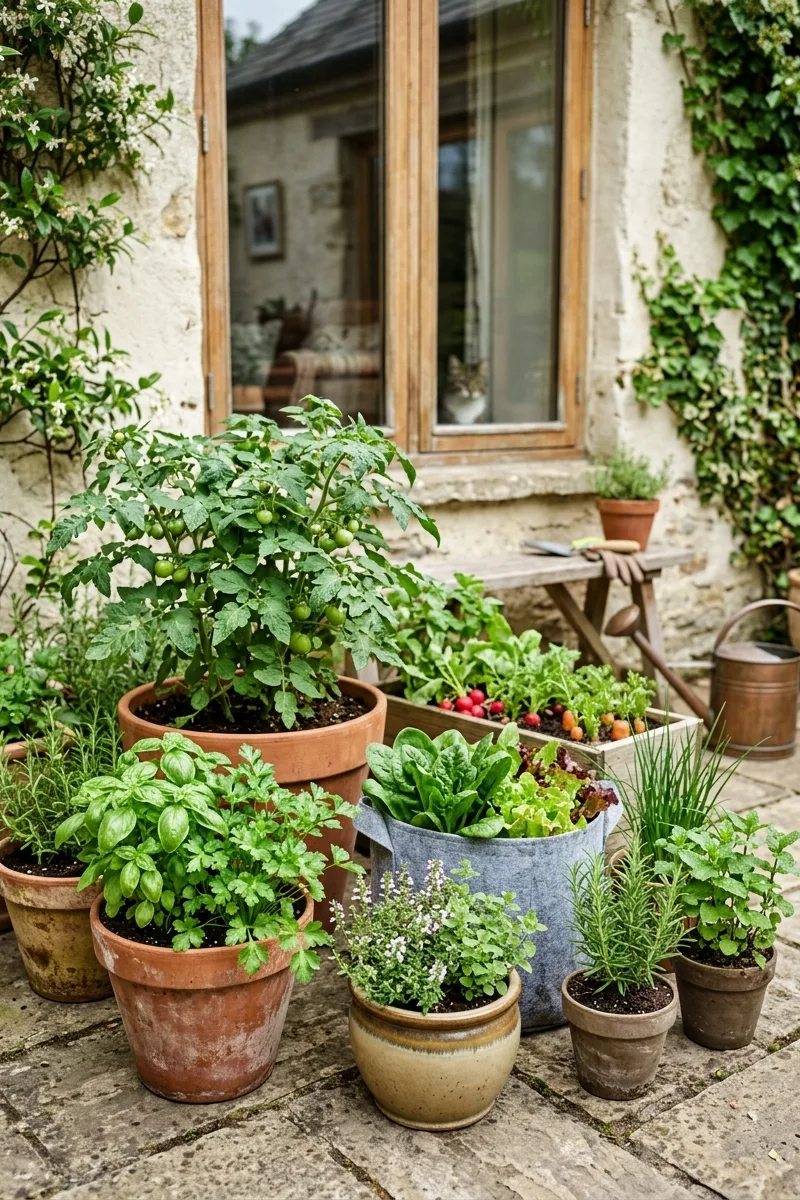
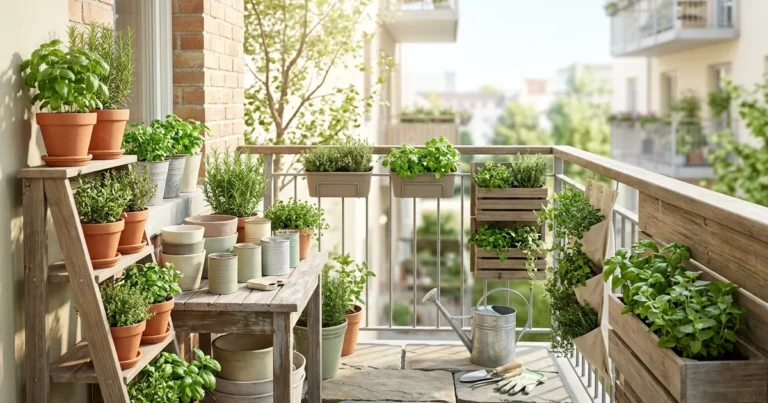
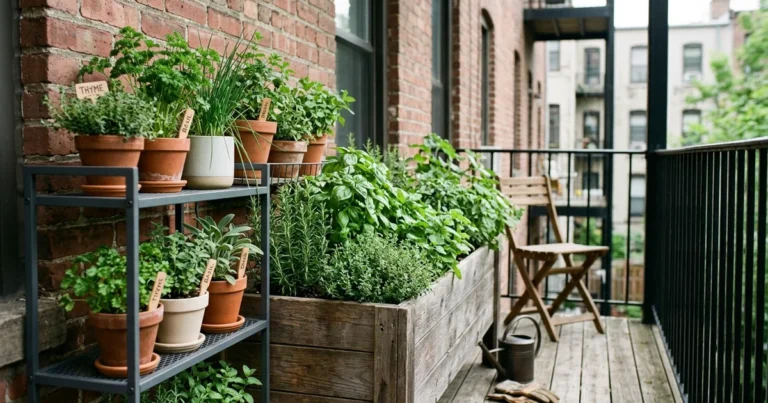
Container gardening is perfect for patios, balconies, and small yards. Use pots, grow bags, and planters to grow vegetables and herbs. The containers can be arranged to make the most of available space and sunlight. This layout is flexible, portable, and a great way to start gardening without a large ground area.
Four-Bed Rotation Layout
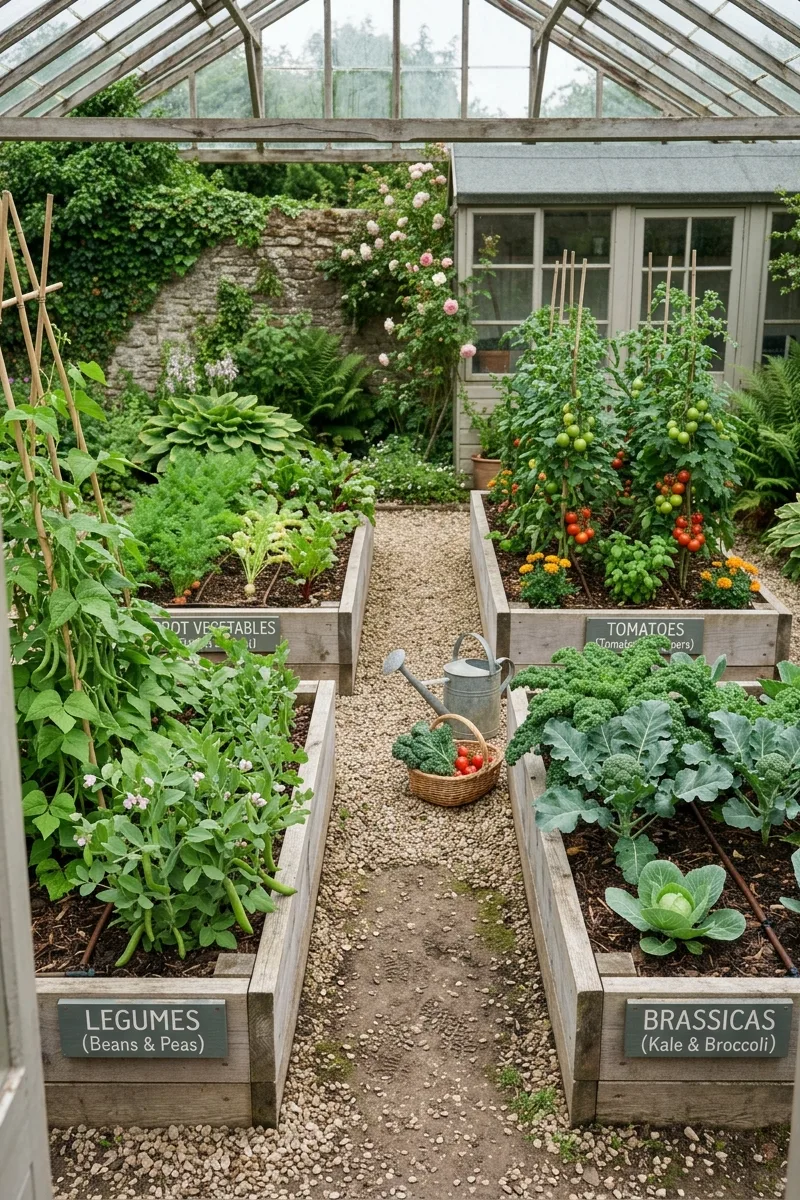
A four-bed crop rotation divides your garden by plant families. Rotate each family to a different bed each year. This prevents soil-borne diseases and nutrient depletion. It’s an organic practice that keeps your soil healthy and your plants vigorous. This layout is systematic and highly effective for long-term garden health.
Walk-in Bed Layout
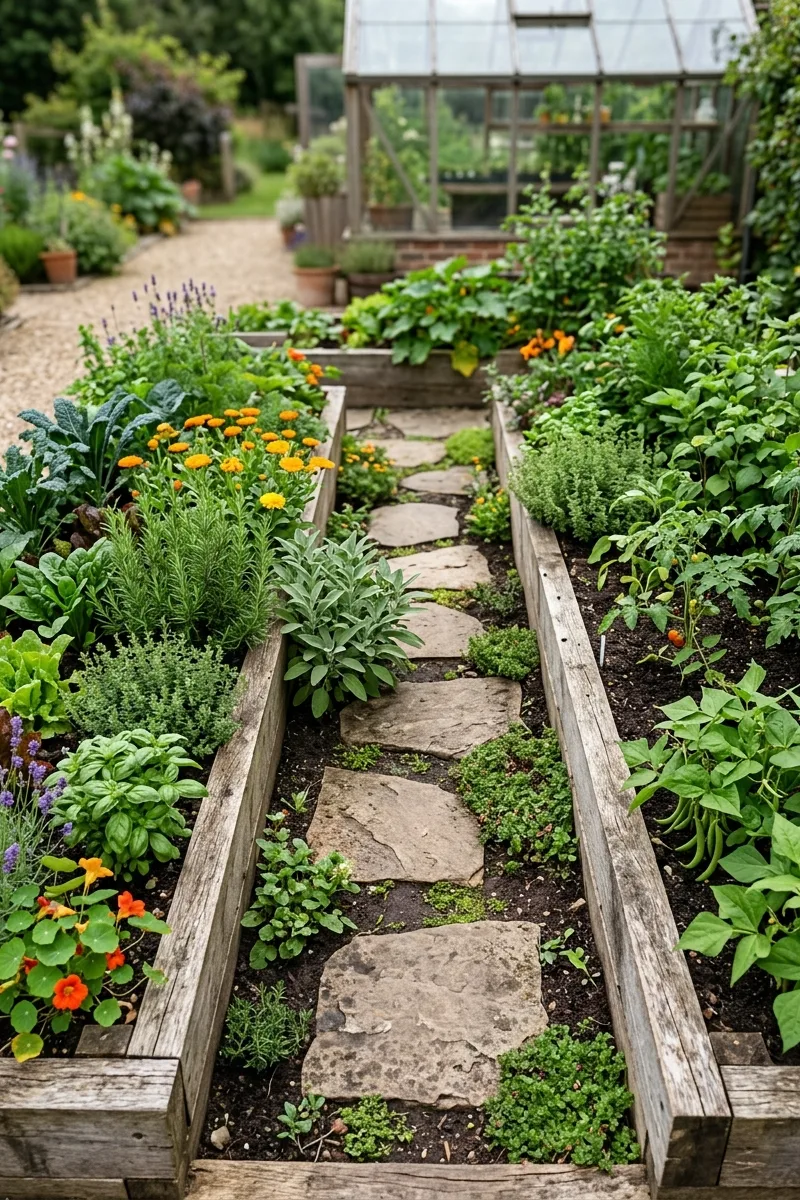
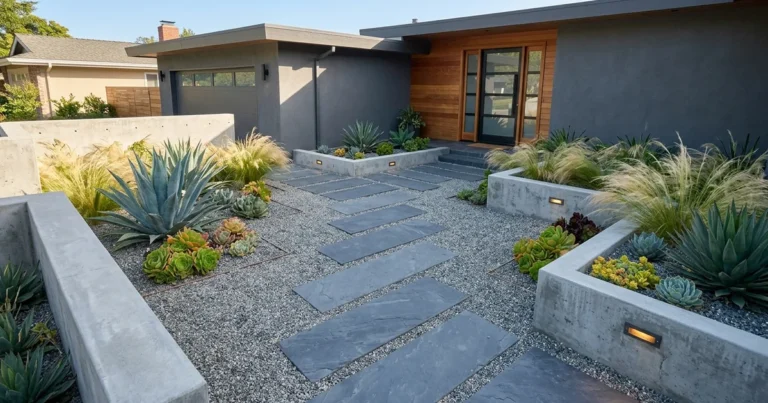
A walk-in bed layout allows you to step into the middle of a wide garden bed. Place stepping stones through the center to prevent soil compaction. This design gives you access to all your plants without reaching or leaning. It’s ideal for accessible gardening and makes weeding and harvesting more comfortable.
Spiral Herb Garden
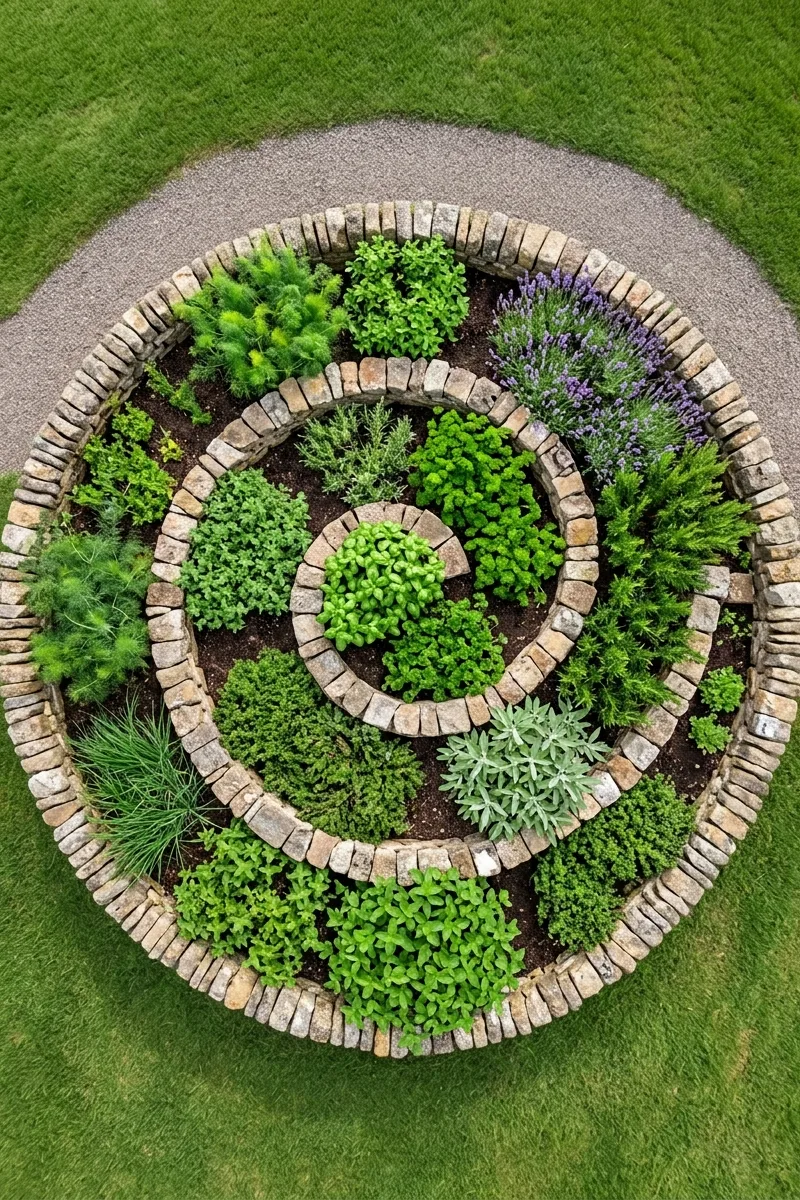
A spiral herb garden is a compact and sculptural design. The spiral shape creates a range of microclimates. The top is warm and dry for Mediterranean herbs; the lower edges are cooler and moister for other varieties. This efficient layout grows a wide variety of herbs in a small footprint and makes harvesting easy.
Hügelkultur Layout
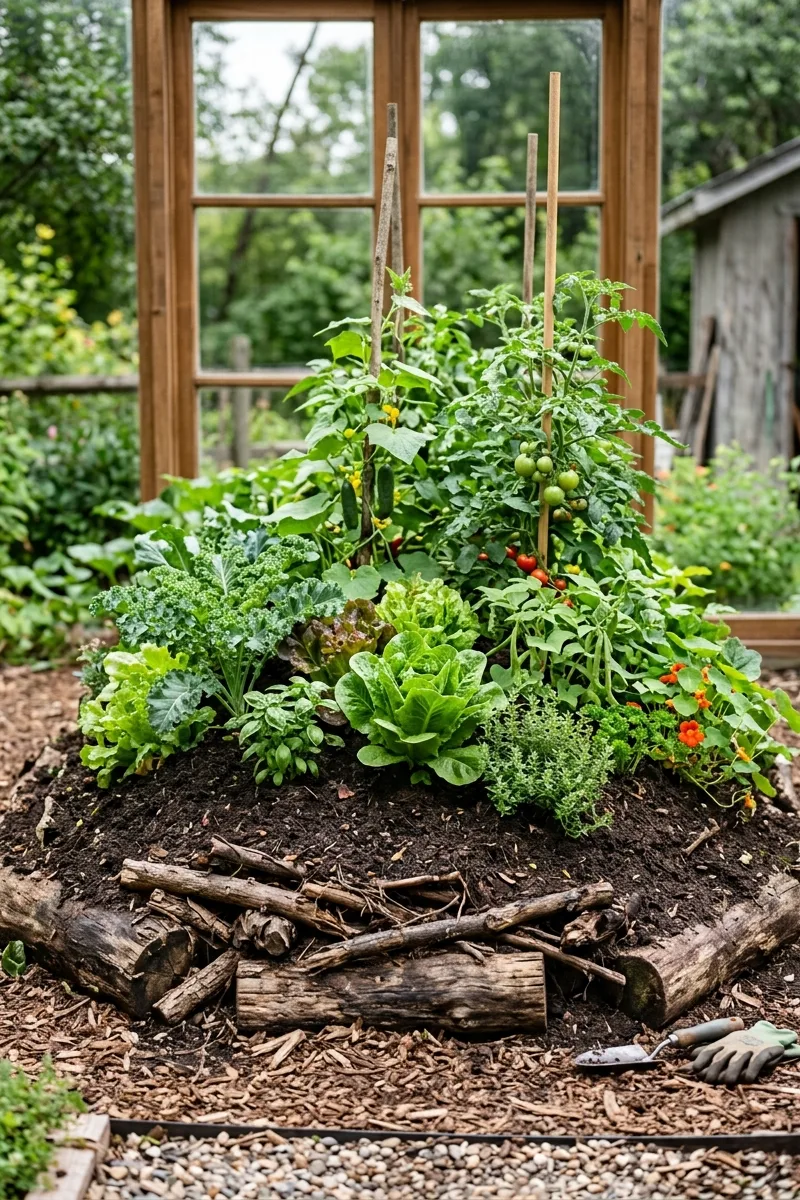
Hügelkultur is a German method of building raised beds on a base of logs and branches. As the wood decomposes, it releases nutrients and holds water like a sponge. The mound is planted with vegetables and requires little irrigation after the first year. It’s a sustainable and productive gardening technique for the long term.
Trellised Tunnel Layout
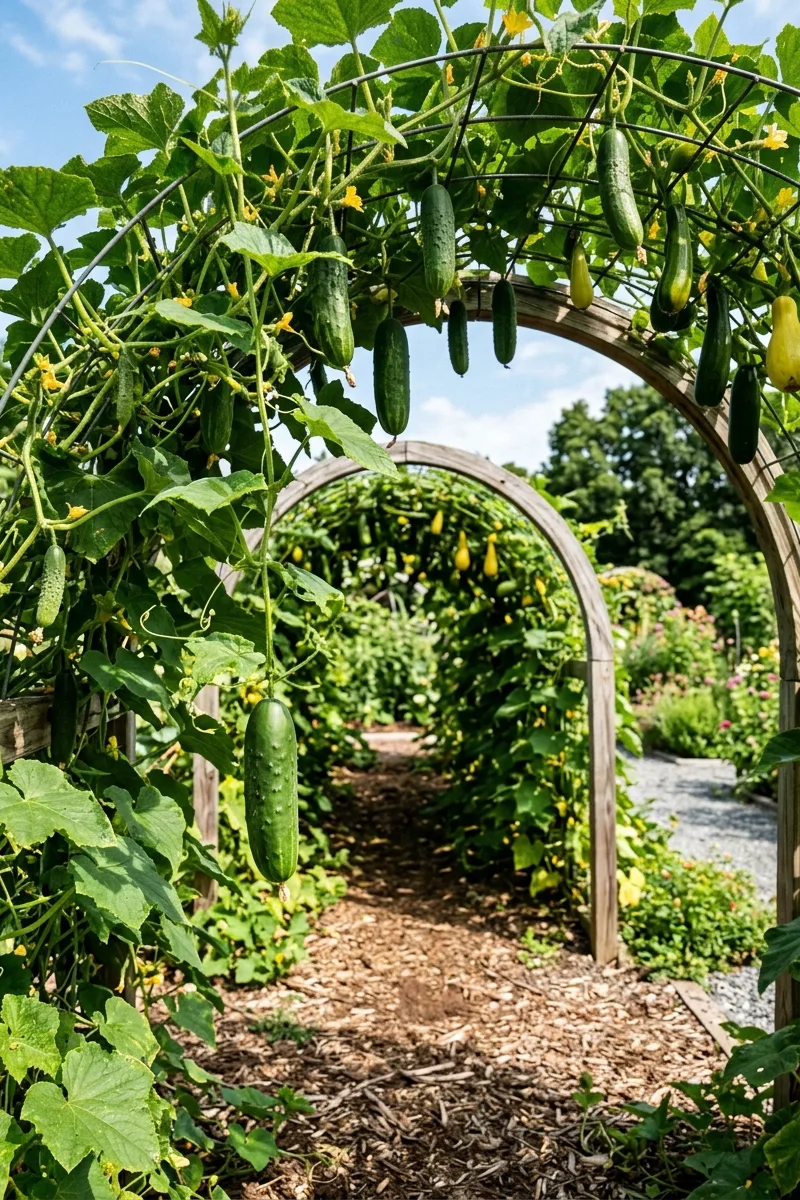
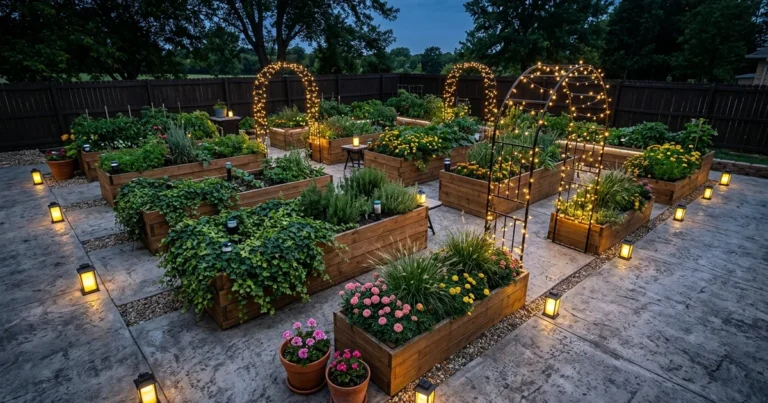
Arched trellises create tunnels of edible plants. Vining crops like cucumbers and squash grow over the arches, providing shade and a beautiful structure. The plants are easy to harvest and air circulation is improved. This layout is both functional and visually striking, adding a unique architectural element to the garden.
Strip Cropping Layout

Strip cropping is a method for sloped ground where crops are planted in alternating strips along the contour. This reduces soil erosion and runoff. It’s a practical layout for hilly gardens, improving soil and water conservation. This technique helps maintain the health and productivity of the garden on challenging terrain.
Perimeter Planting
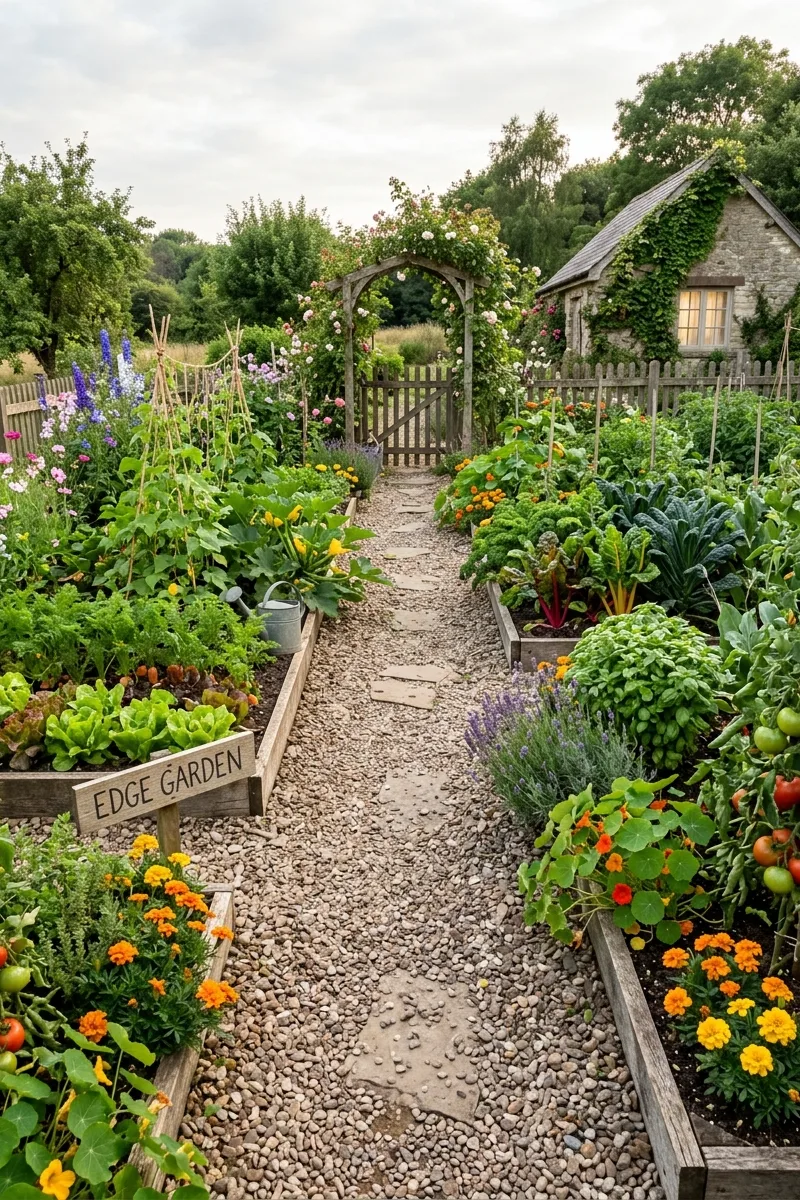
Perimeter planting places vegetables and flowers along the edges of a bed, keeping the center open for access. The edge is the most productive zone in the garden. This layout makes it easy to reach all plants and works well for accessible gardening. It’s a simple and efficient way to structure a garden bed.
Edible Landscaping Layout
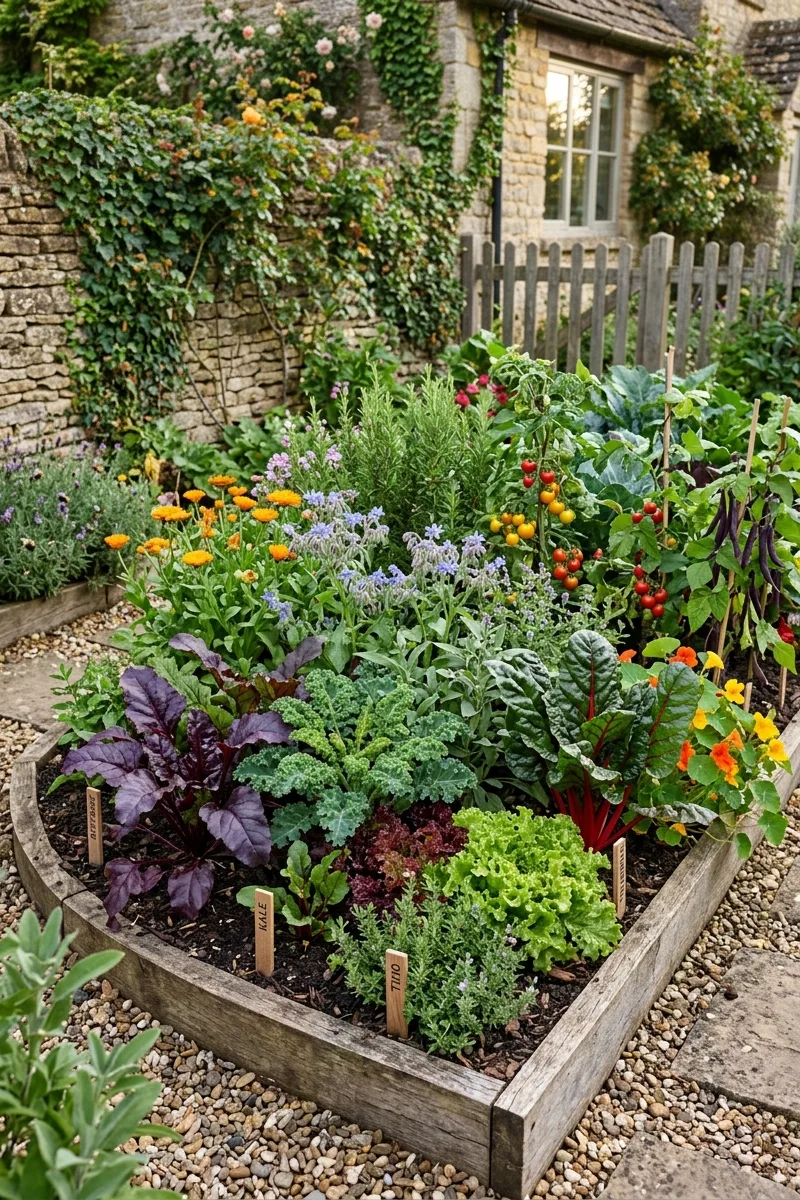
Edible landscaping combines food production with ornamental beauty. Vegetables and herbs are integrated into flower beds and borders. Colorful varieties like rainbow chard, purple kale, and red peppers provide visual interest. This layout is perfect for front yards and visible spaces, creating a beautiful and productive landscape.
No-Dig Garden Layout
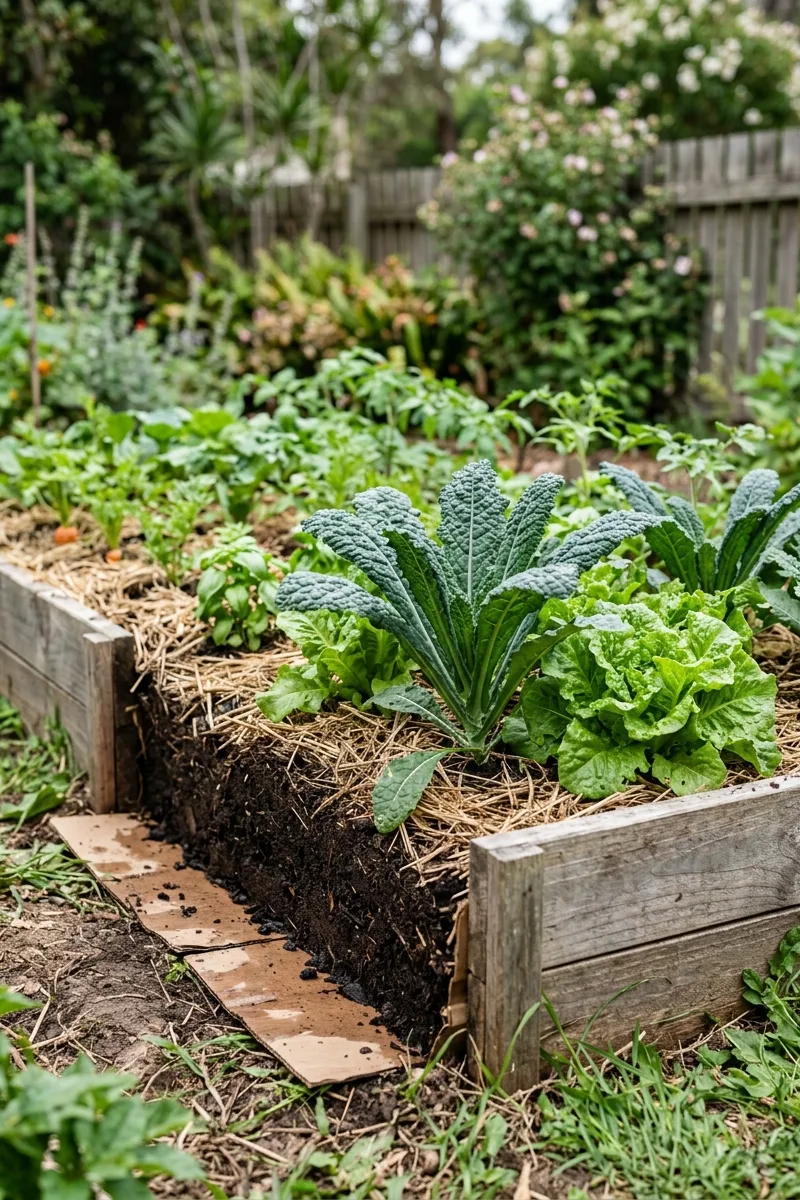
No-dig gardening builds soil health without tilling. Layers of compost and organic matter are placed directly on the ground. Soil organisms do the work of breaking it down. This layout reduces weeds, retains moisture, and creates a fertile environment. It’s a low-effort, sustainable method that leads to high yields with less disturbance to the soil ecosystem.
Scattered Bed Layout
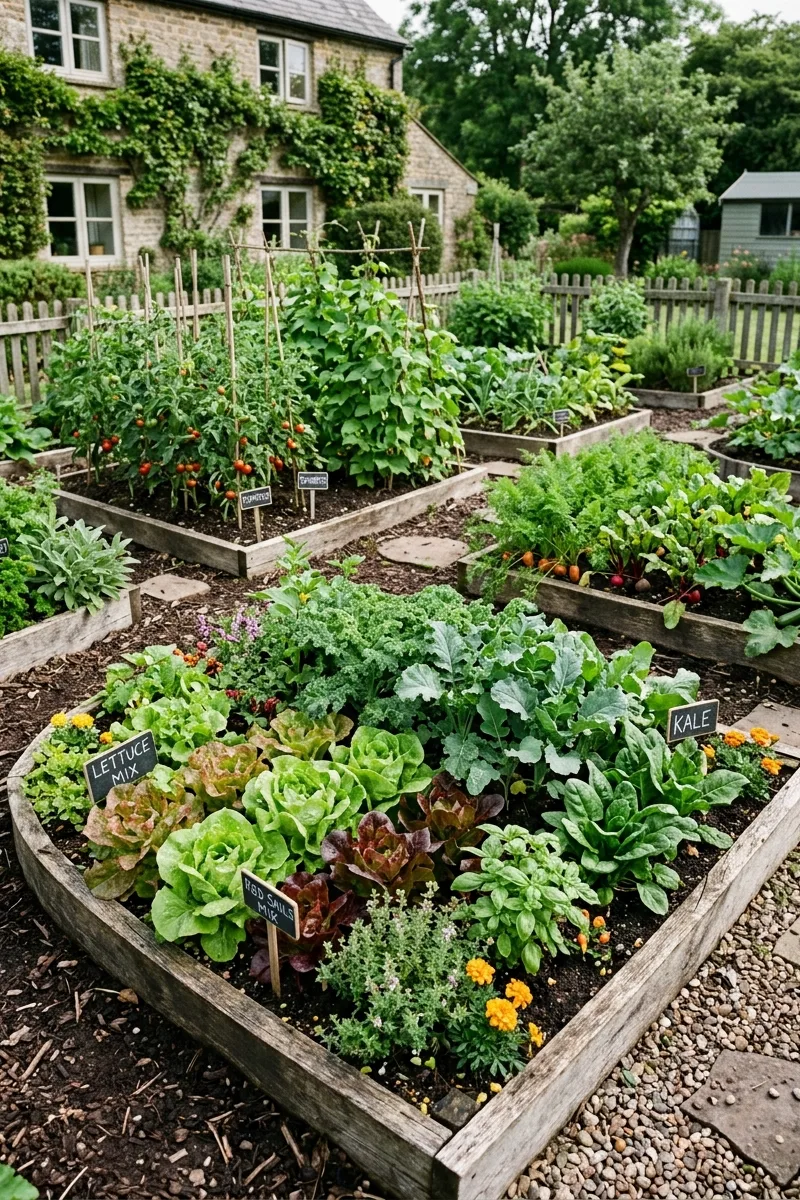
Scattered beds are small beds placed around a property to use available spaces. Each bed can be dedicated to a different crop. This layout fits well into existing landscapes and can be adapted to any yard shape. It’s a flexible way to integrate food production into the garden without a single, formal layout.
Inspiration gallery recap
Tap any image to open the slideshow — use arrows or swipe to browse.