19 Smart Raised Bed Gardens on Patios and Concrete
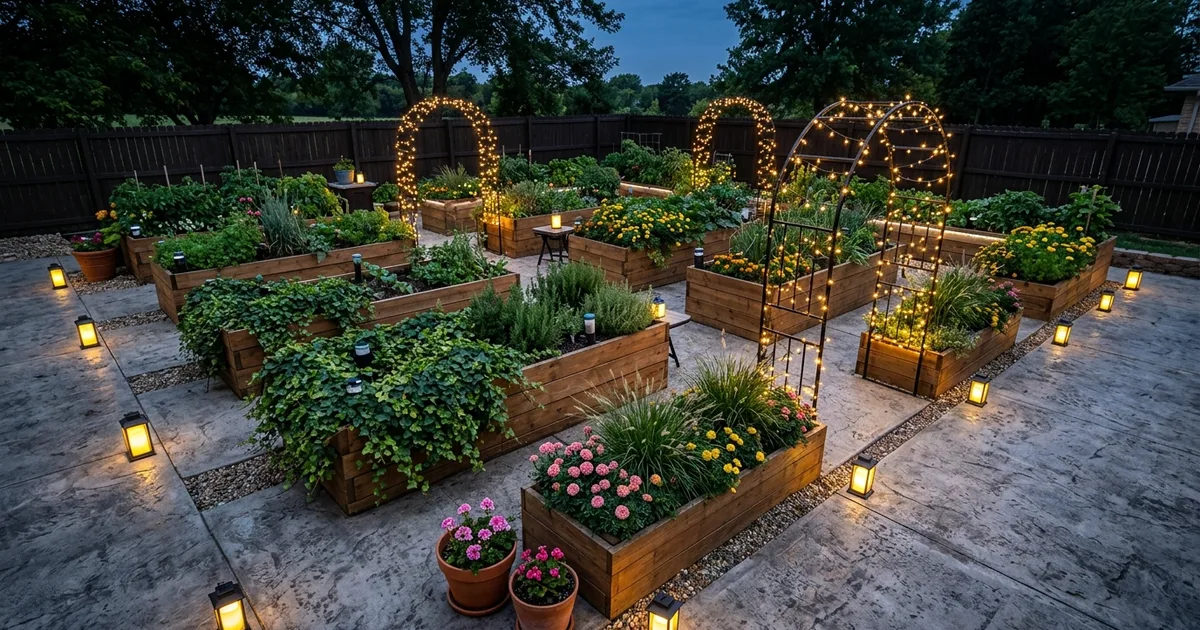
You don’t need a sprawling yard to grow your own vegetables. Patios, driveways, and even balconies can become productive garden spaces with the right raised bed setup. These 19 smart solutions help you maximize every inch of concrete while keeping plants healthy and happy.
From clever drainage hacks to space-saving layouts that actually work, each idea solves a specific challenge of gardening on hard surfaces. Whether you’re working with a tiny balcony or a wide driveway, you’ll find a raised bed design that fits your space and style.
What’s inside this article
- Cedar Plank Boxes on Pavers
- Galvanized Steel Trough Planters
- Pallet Collar Raised Beds
- Cinder Block Corner Beds
- Tiered Wooden Shelf Planters
- Fabric Grow Bags on Driveways
- Wheeled Mobile Planter Boxes
- Stepped Terraced Planters
- Corrugated Metal Raised Beds
- Repurposed Stock Tank Gardens
- Railing-Mounted Herb Planters
- Ollas for Self-Watering Beds
- Scrap Wood Modular Grids
- Drip Irrigation on Balconies
- Vertical Grow Towers
- Shade Cloth Over Patio Beds
- Propagation Station Beds
- Living Mulch Cover Crops
- Wicking Bed Design
Cedar Plank Boxes on Pavers
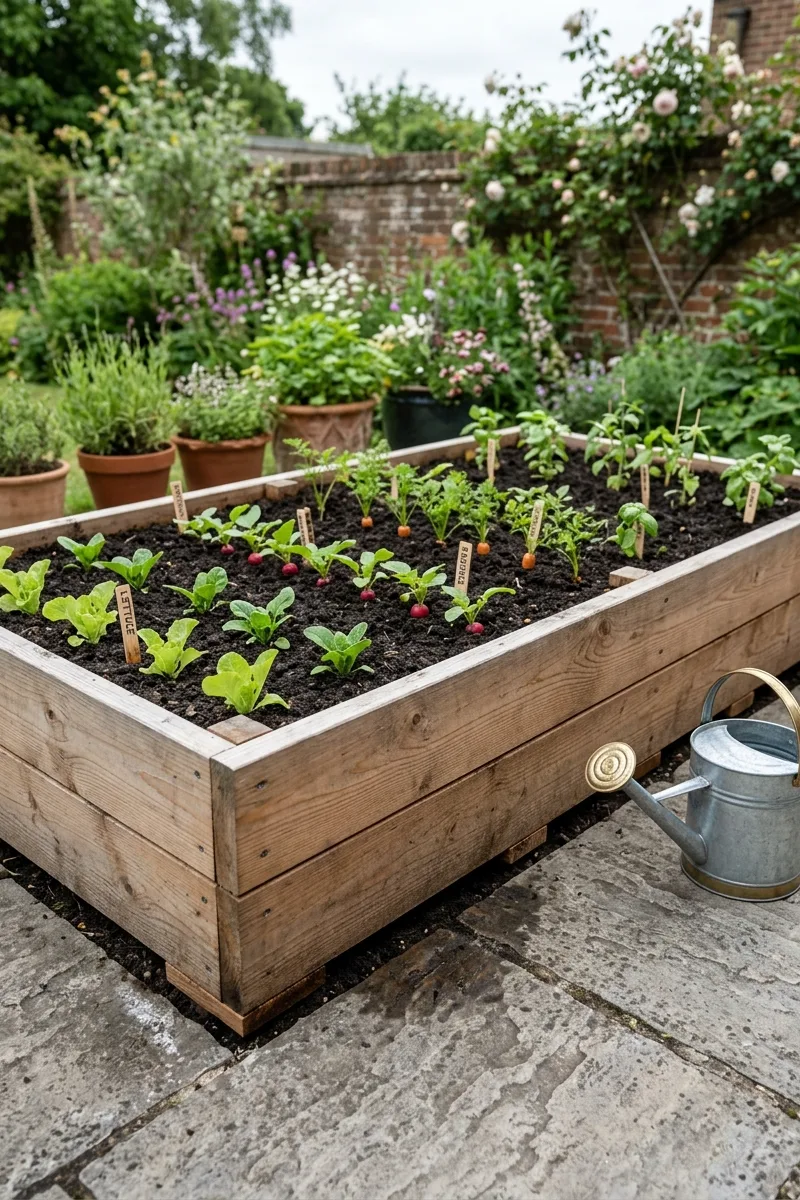
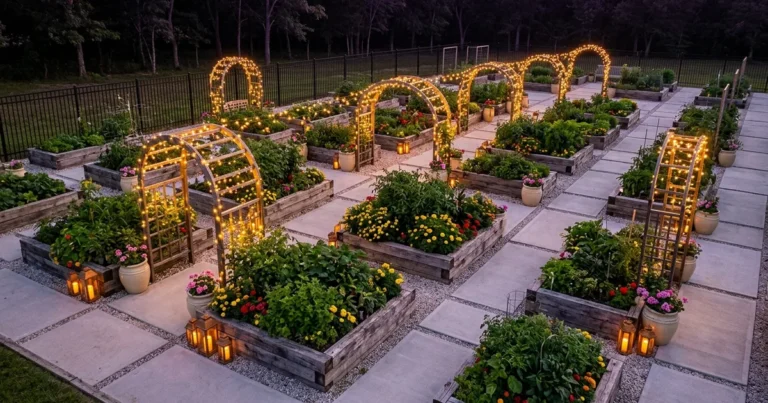
Cedar is naturally rot-resistant, making it an ideal choice for raised beds on concrete. Build a simple rectangular box using cedar planks and leave a half-inch gap between the bottom and the patio surface for drainage. Fill it with a high-quality potting mix rather than garden soil to prevent compaction. Position it where it gets at least six hours of sunlight. This design works beautifully on driveways and patios where in-ground gardening isnt possible.
Galvanized Steel Trough Planters
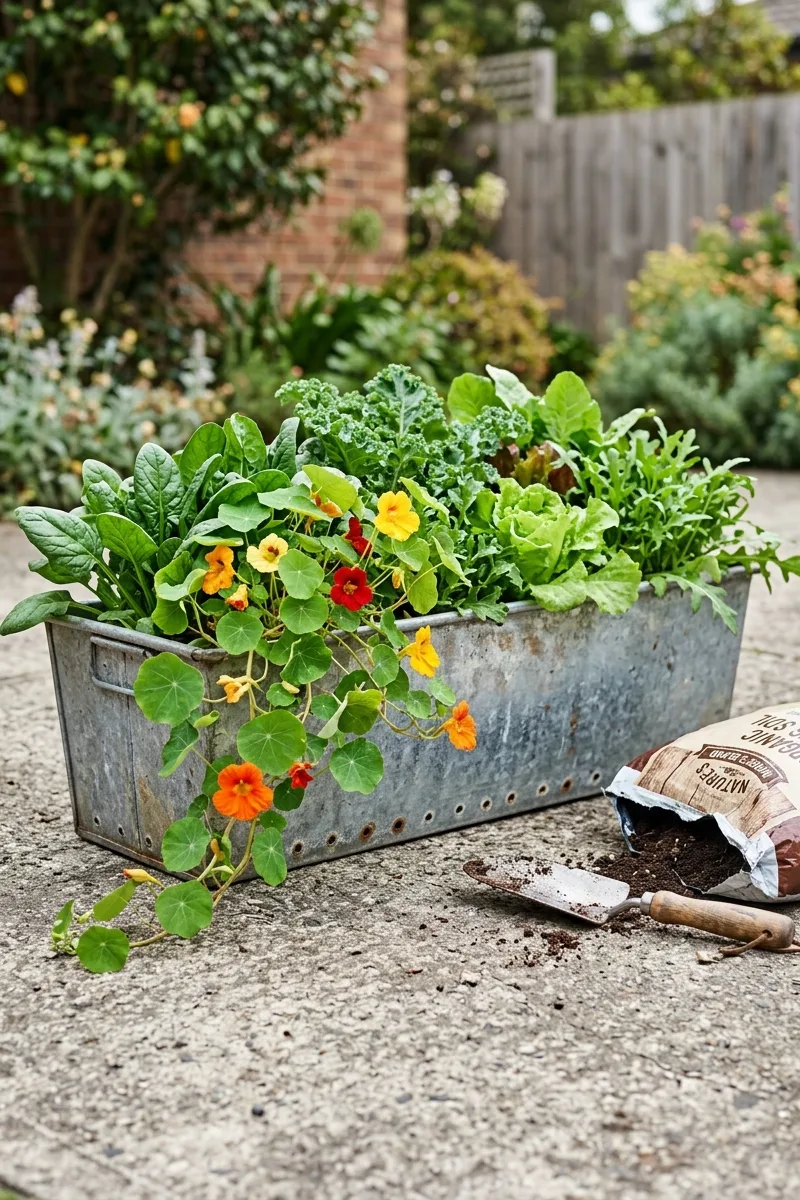
Galvanized troughs bring a farmhouse feel to any concrete surface. Drill drainage holes about an inch from the bottom and elevate the trough on bricks or wood scraps to allow water to escape. These planters retain heat well, which is great for warm-season crops like peppers and tomatoes. They’re also deep enough for root vegetables like carrots and radishes. Add a layer of gravel at the bottom to improve drainage further.
Pallet Collar Raised Beds
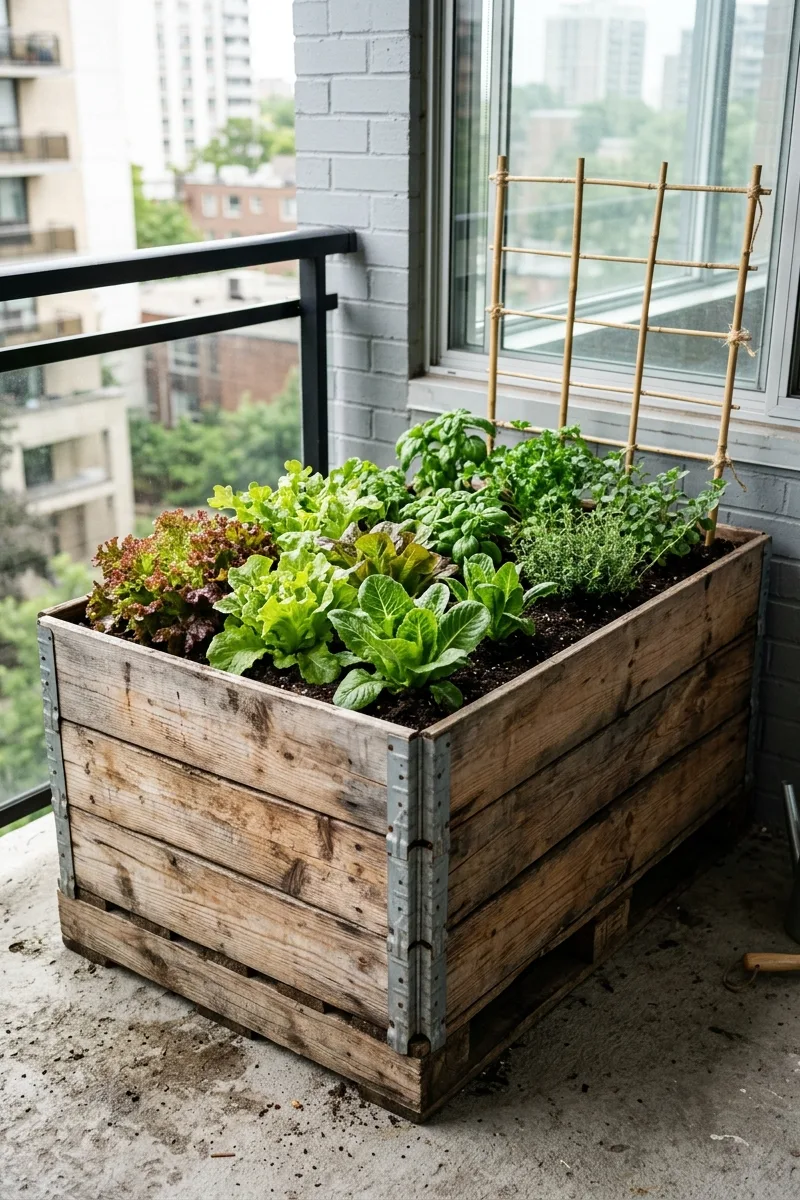
Pallet collars offer a cheap and easy way to create instant raised beds on concrete. Simply stack two or three collars to achieve the desired depth, then line the interior with landscape fabric to hold soil. These beds are portable enough to rearrange as needed. They work exceptionally well for shallow-rooted crops like lettuce, herbs, and strawberries. The wood weathers to a rustic grey over time that blends nicely with outdoor spaces.
Cinder Block Corner Beds
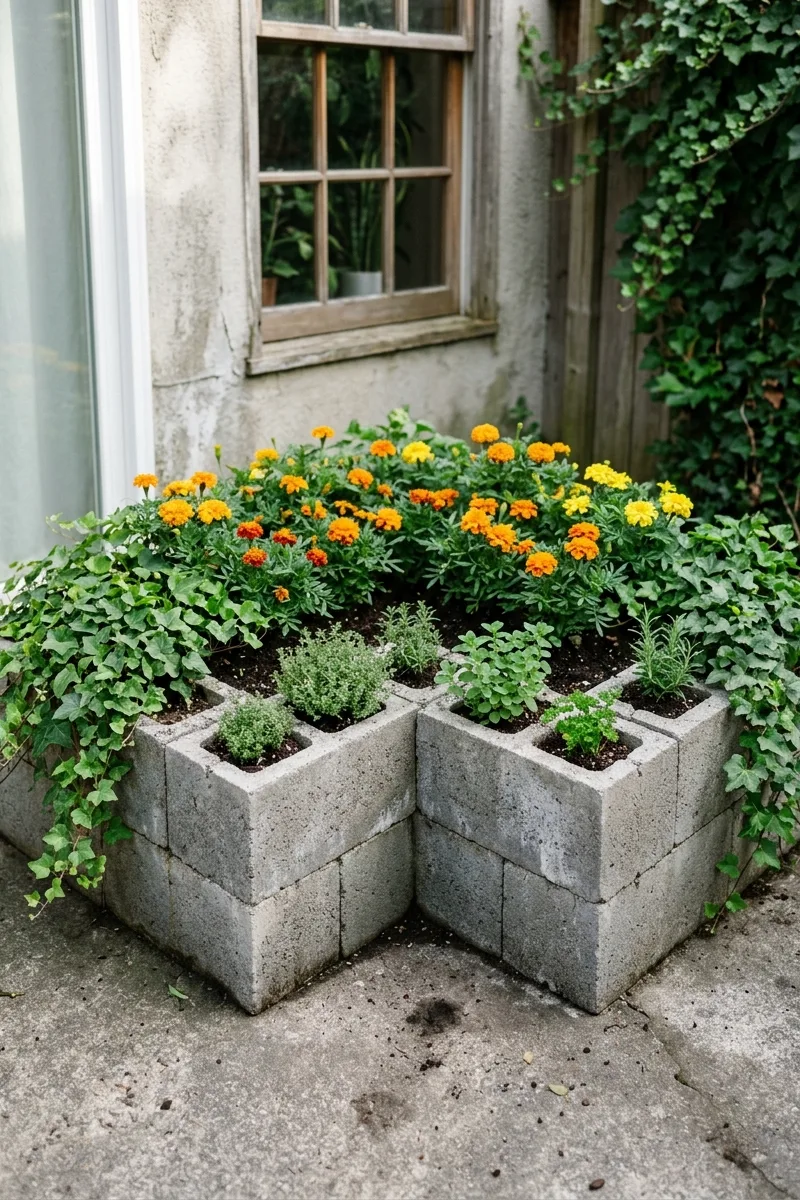
Cinder blocks create sturdy, permanent raised beds that double as planters for trailing flowers or herbs. Arrange them in a corner to save space while maximizing growing area. The hollow cavities in the blocks are perfect for planting compact herbs or annuals that soften the hard edges. Fill the main area with a rich soil mix and plant vegetables or perennials. This structure holds up well in all weather conditions.
Tiered Wooden Shelf Planters
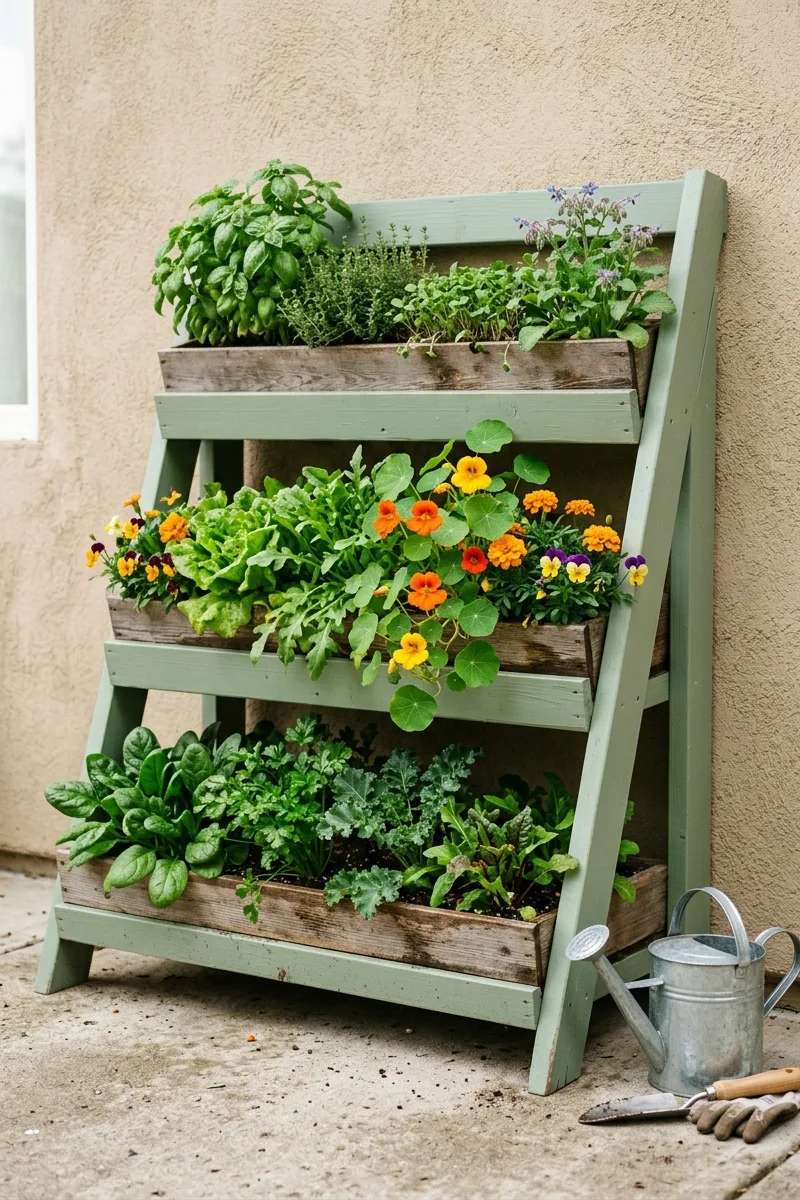
Tiered wooden planters maximize vertical space on narrow patios and balconies. Build or buy a sturdy shelf unit with slatted shelves that allow water to drain through. Place long rectangular pots on each level and fill them with shallow-rooted crops like lettuce, arugula, and herbs. This arrangement keeps plants accessible and makes harvesting easy. Position the shelves against a south-facing wall for the best light exposure.
Fabric Grow Bags on Driveways
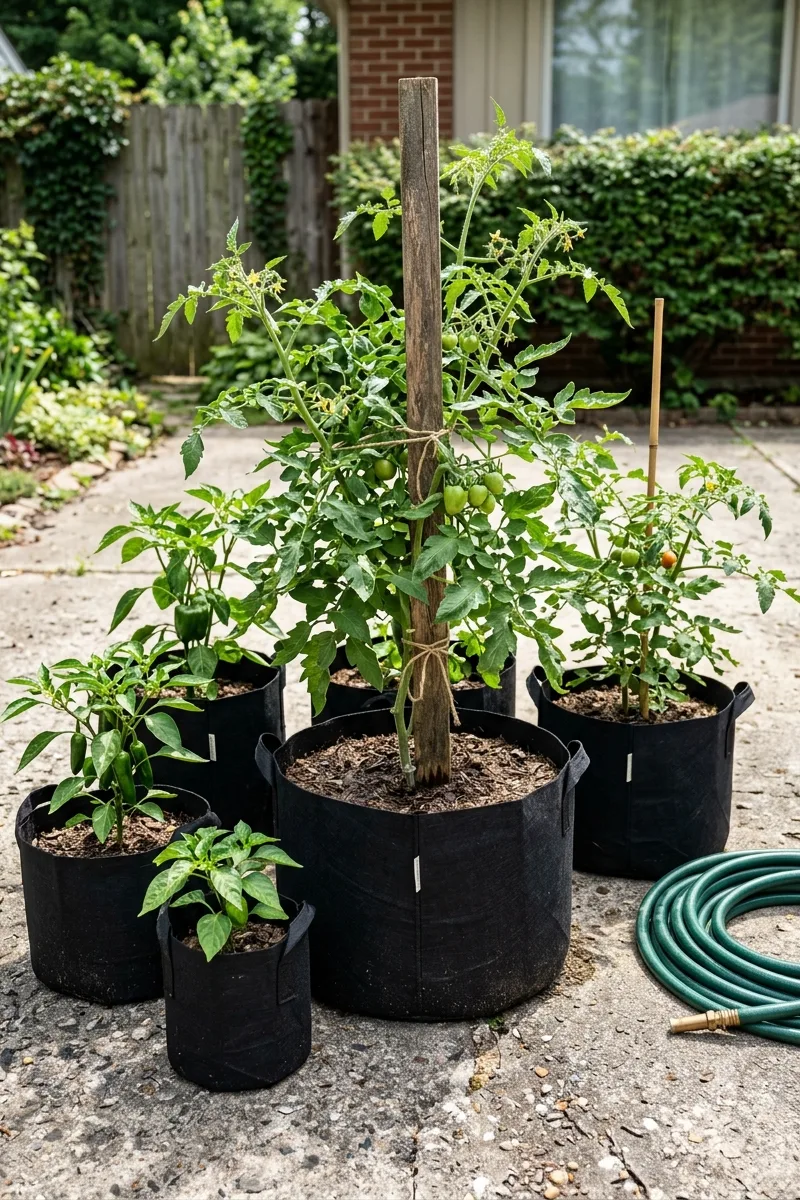
Fabric grow bags are lightweight, portable, and affordable for concrete gardening. They provide excellent aeration and prevent root circling, which promotes healthier plants. Choose five or ten-gallon sizes for tomatoes and peppers. Place them on a level section of your driveway or patio and add a saucer underneath to catch excess water. These bags are easy to move around to follow sunlight patterns throughout the day.
Wheeled Mobile Planter Boxes
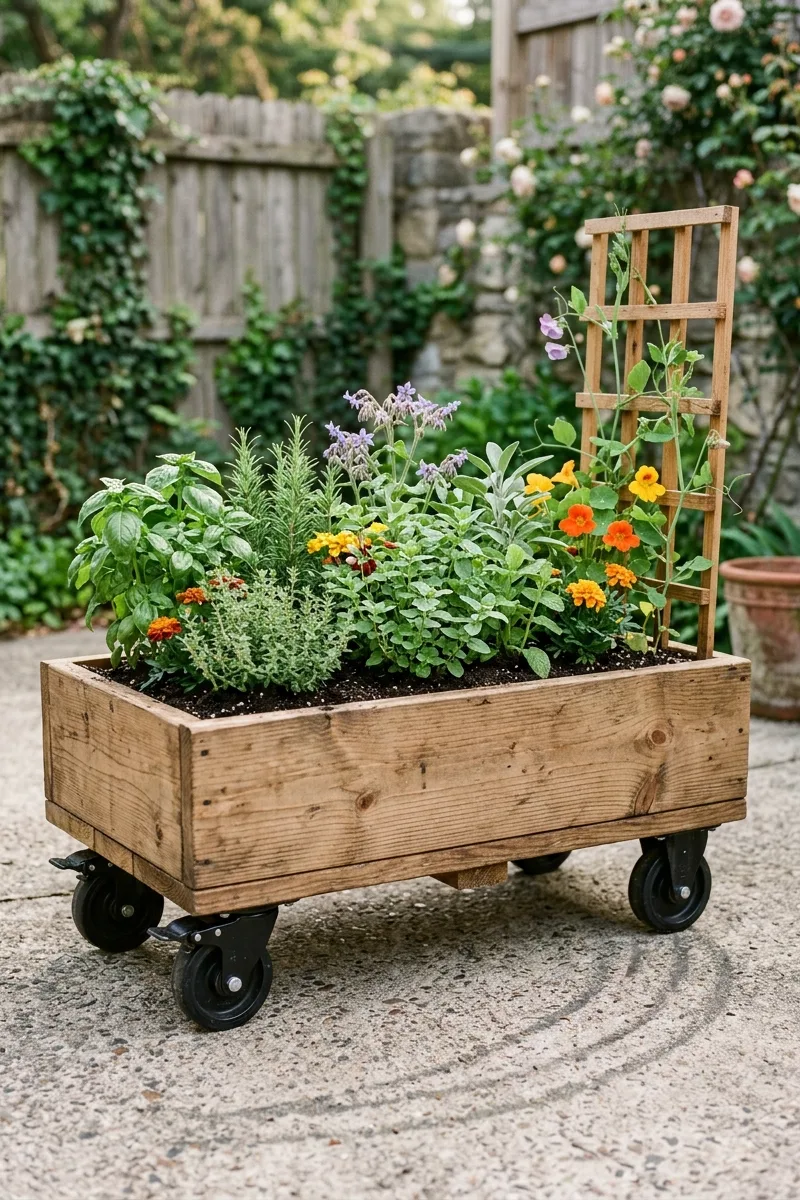
Mobile planter boxes give you flexibility in concrete spaces. Attach locking casters to the bottom of a standard raised bed so you can roll it to different spots for optimal sun exposure or to reconfigure your patio layout. These work especially well on balconies and driveways where you want to adjust your garden arrangement seasonally. Choose casters rated for outdoor use and lock them in place once positioned.
Stepped Terraced Planters
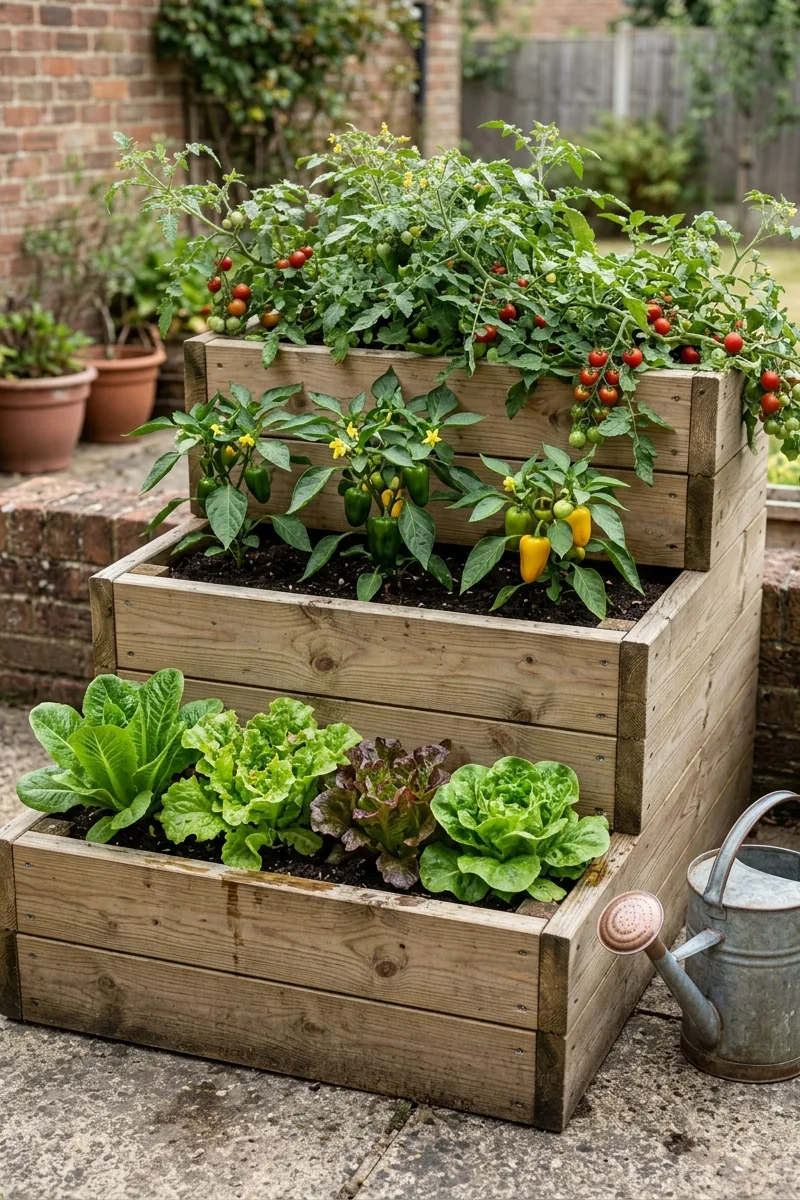
A stepped terraced planter creates visual interest while maximizing growing space on concrete. Build three ascending levels using pressure-treated lumber and line each section with landscape fabric. Plant shorter crops like lettuce on the lower levels and taller plants like tomatoes on the top. This design ensures all plants receive adequate sunlight without shading each other. Its compact footprint makes it ideal for small patios.
Corrugated Metal Raised Beds
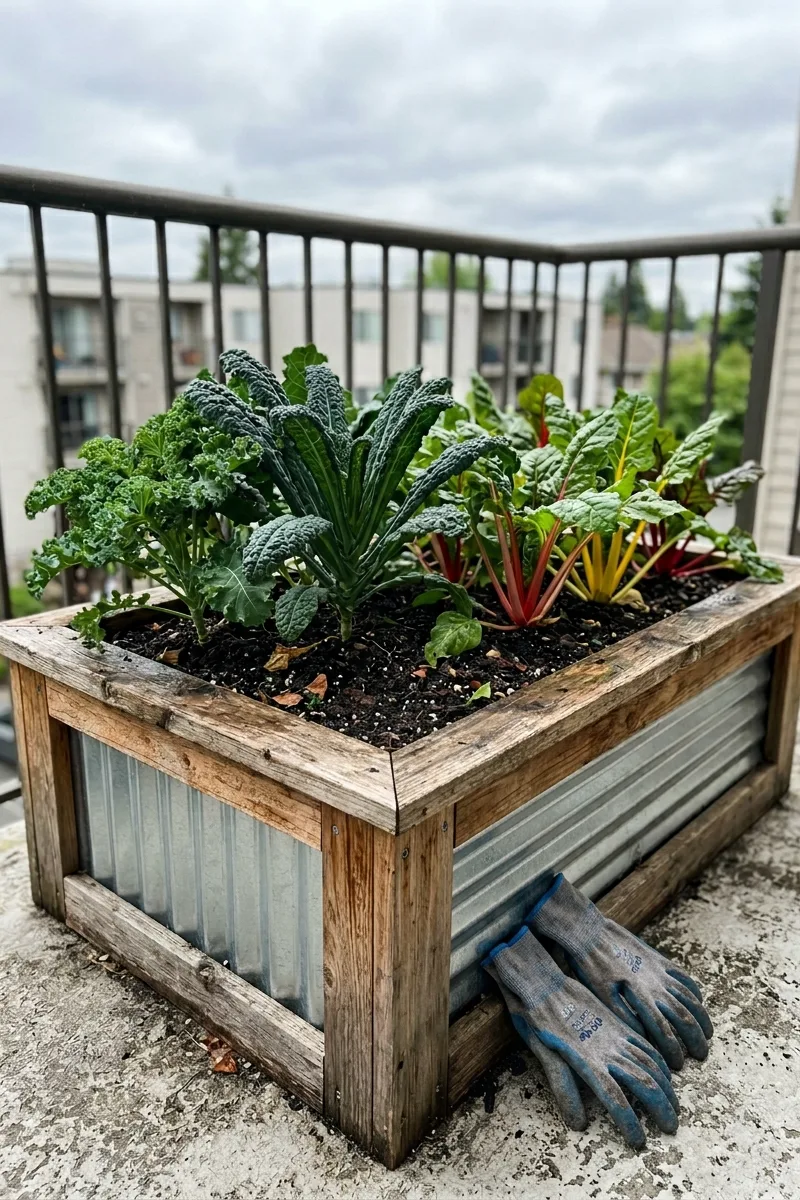
Corrugated metal raised beds bring an industrial modern look to concrete gardens. The metal panels are durable and hold up well against the elements. Pair them with a wooden top frame for a polished finish. These beds warm up quickly in spring, extending your growing season for cool-weather crops. Ensure you drill drainage holes in the bottom and elevate the bed slightly on bricks to prevent water pooling on concrete.
Repurposed Stock Tank Gardens
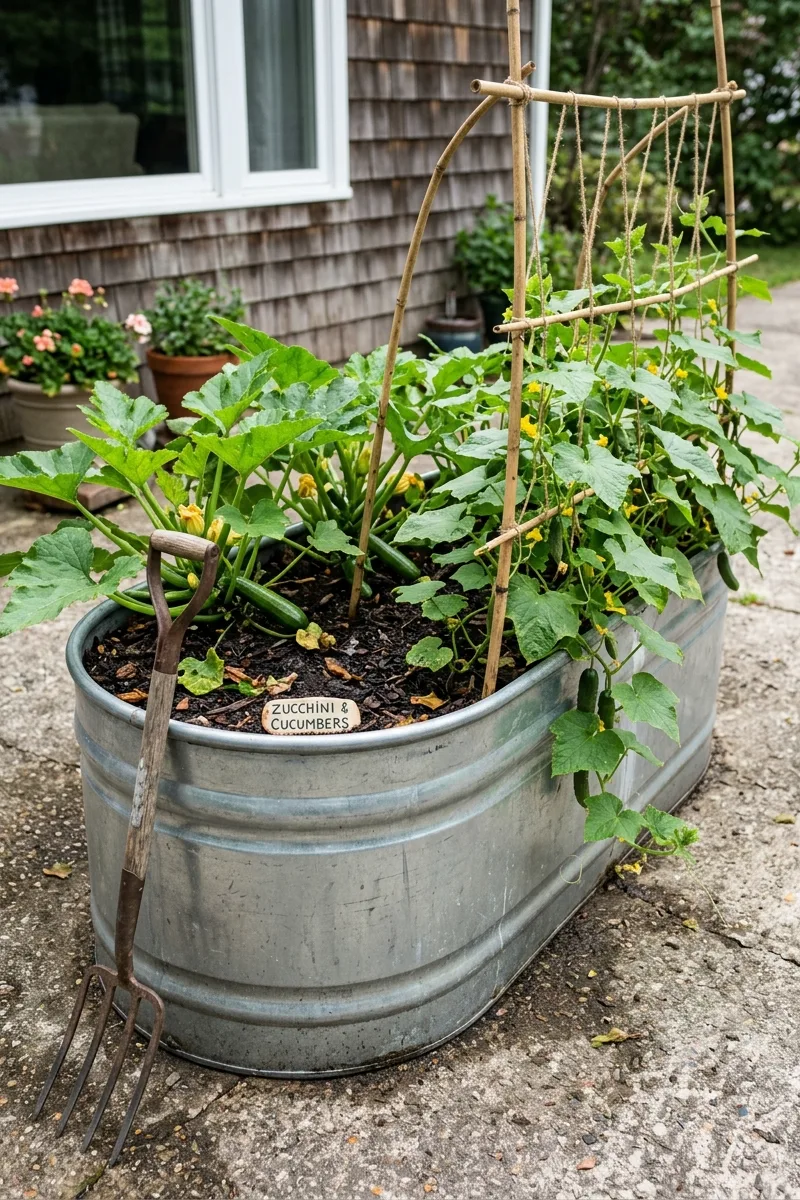
Stock tanks make incredibly sturdy raised beds for concrete surfaces. These deep containers hold plenty of soil for large vegetables like zucchini, squash, and cucumbers. Drill drainage holes a few inches above the bottom and add a layer of gravel. The tanks are heavy once filled, so position them where you want them permanently. Their reflective surfaces help warm the soil, promoting faster growth.
Railing-Mounted Herb Planters
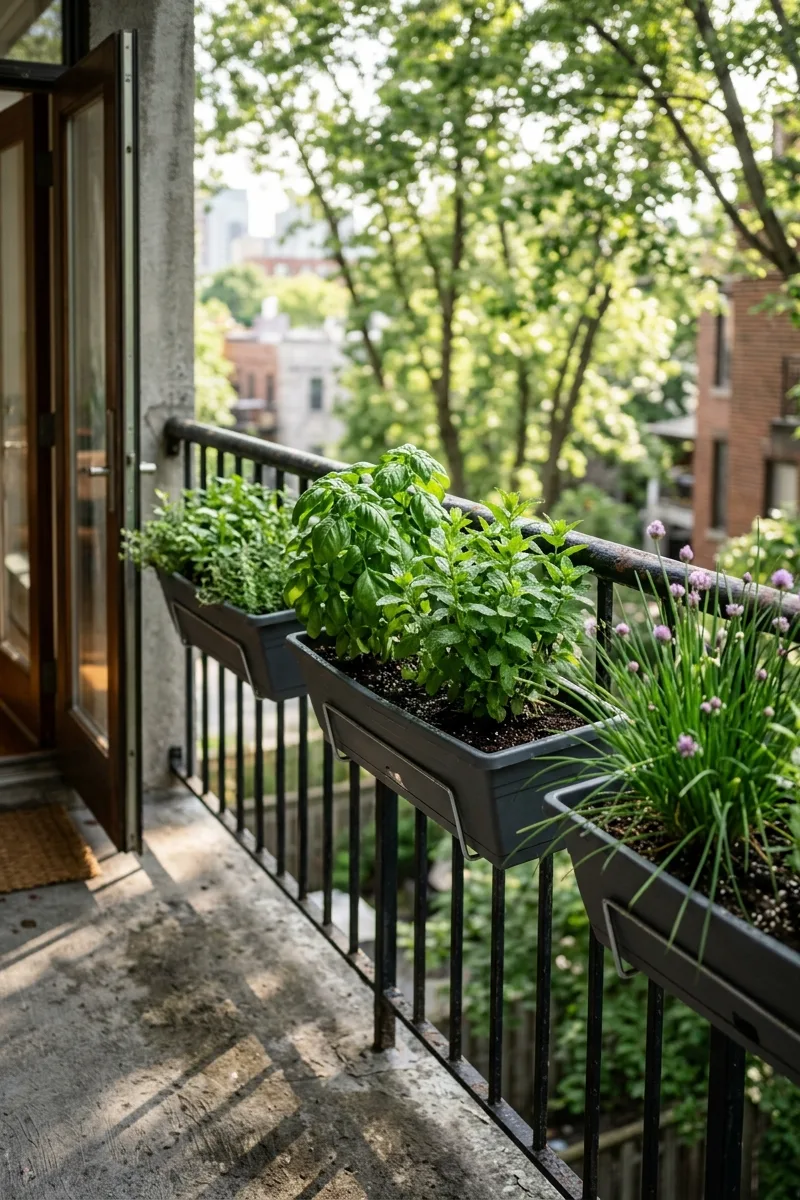
Railing-mounted herb planters use vertical space on balconies and patios without taking up floor area. Choose planter boxes with adjustable brackets that fit your railing securely. These work well for herbs like basil, mint, and chives that thrive in confined spaces. Ensure the planters have drainage holes and consider adding a drip tray to protect the concrete below. This approach is ideal for renters looking to garden without permanent installations.
Ollas for Self-Watering Beds
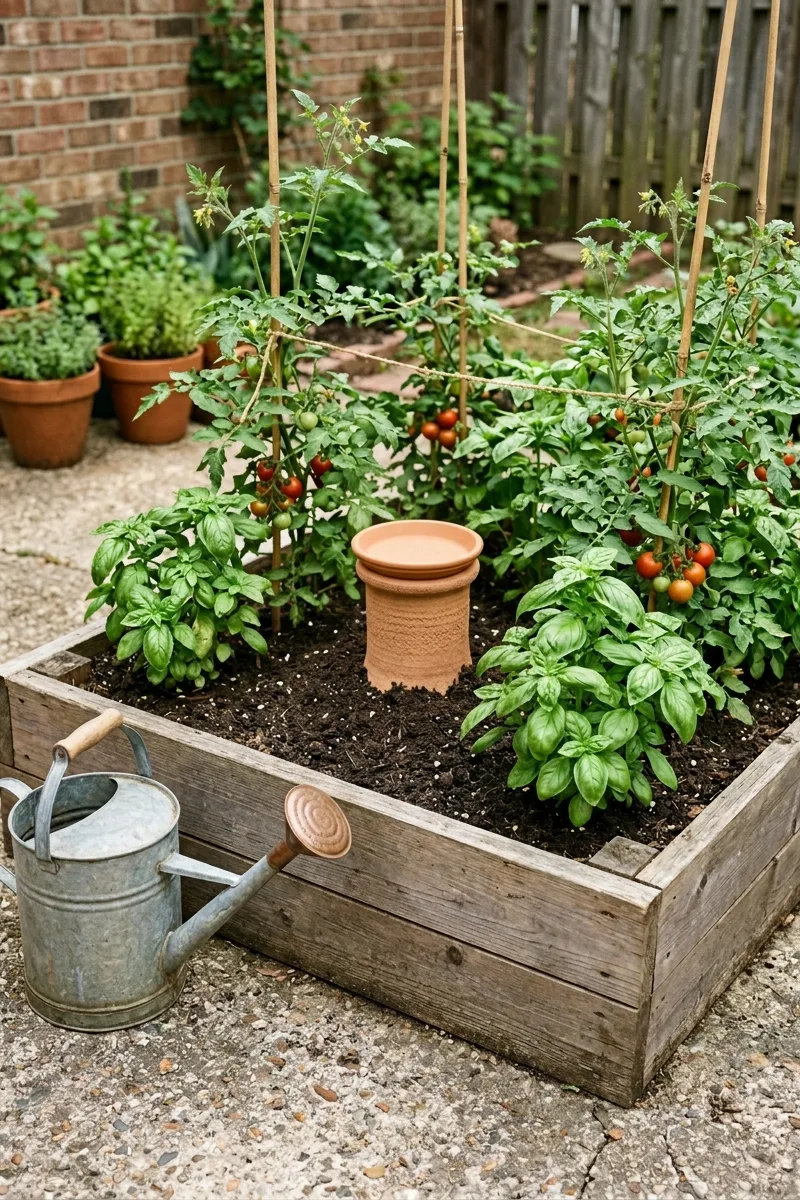
Ollas are unglazed terracotta pots buried in the soil that slowly release water to plant roots. These self-watering systems are ideal for concrete gardens where water runoff is an issue. Bury a large olla in your raised bed with its neck visible above the soil and fill it with water once or twice a week. The clay slowly seeps water into the surrounding soil, reducing evaporation and keeping plants hydrated even on hot patios.
Scrap Wood Modular Grids
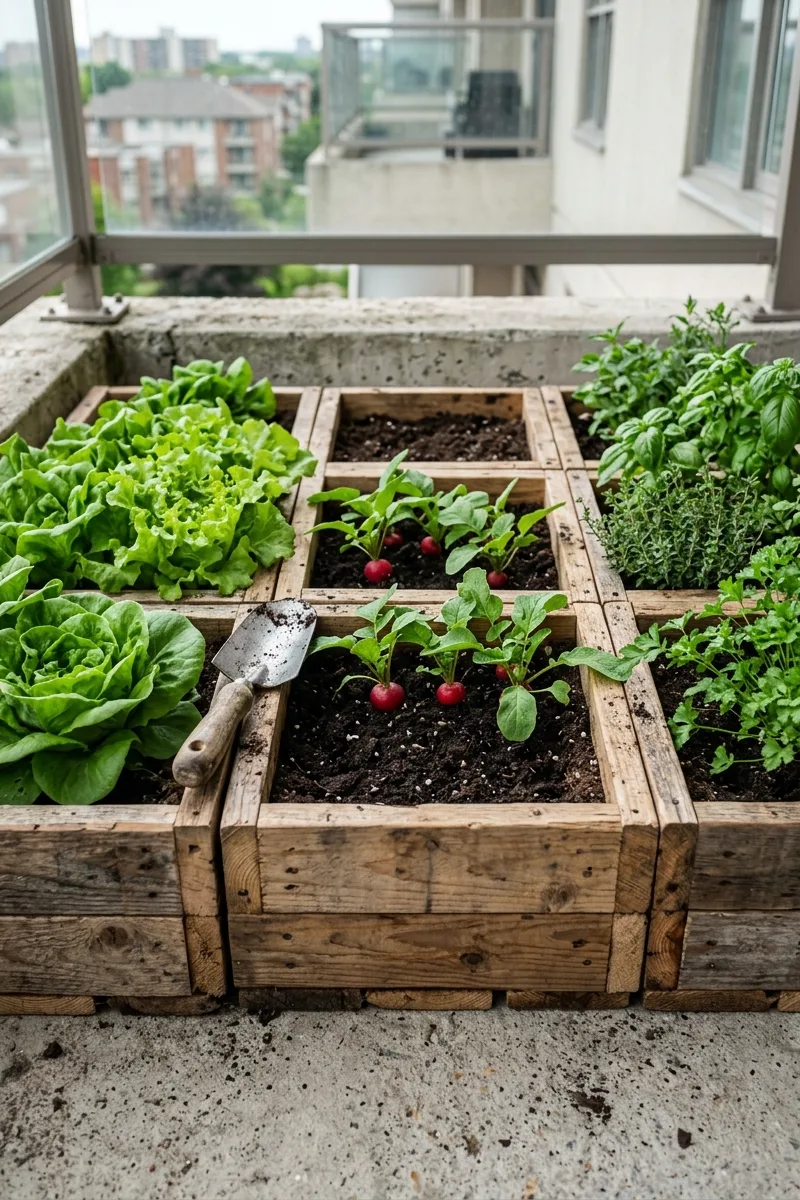
Modular grid beds made from scrap wood let you customize your garden layout on concrete. Build individual square boxes and arrange them in different configurations to suit your space. This approach makes crop rotation and companion planting easy. Each box can be planted with a different crop, reducing the risk of disease spread. The modular design also allows you to replace individual sections if needed.
Drip Irrigation on Balconies
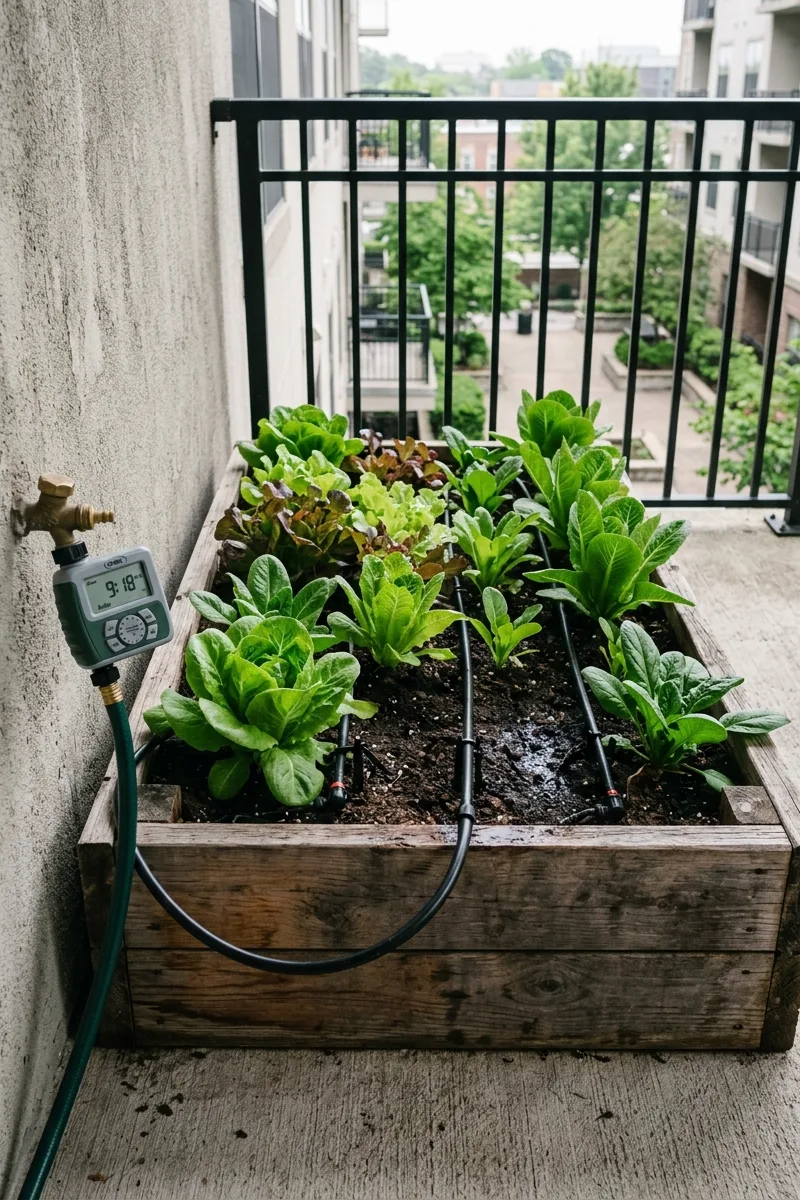
Drip irrigation simplifies watering on concrete patios and balconies where hand-watering can be messy. Install a simple drip system with a timer connected to your outdoor spigot. Run the tubing along the soil surface of your raised bed to deliver water directly to plant roots. This method conserves water and prevents leaf diseases common with overhead watering. It also ensures consistent moisture during hot periods.
Vertical Grow Towers
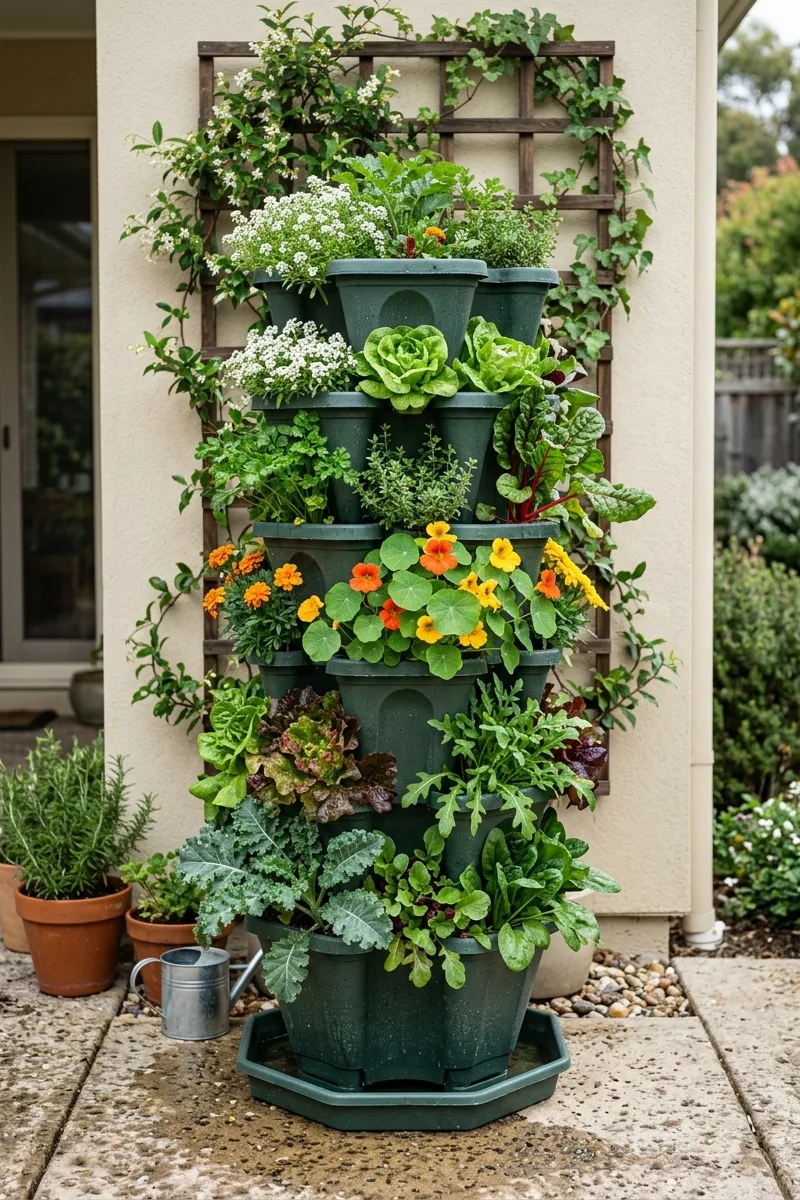
Vertical grow towers pack a lot of planting into a small concrete footprint. Stack large plastic planters on a central pole, with each tier holding several plants. These towers work well for lettuce, herbs, and strawberries that cascade over the edges. Place a saucer at the base to collect drainage and protect your concrete surface. The tower’s height makes harvesting easy and adds a sculptural element to your garden.
Shade Cloth Over Patio Beds
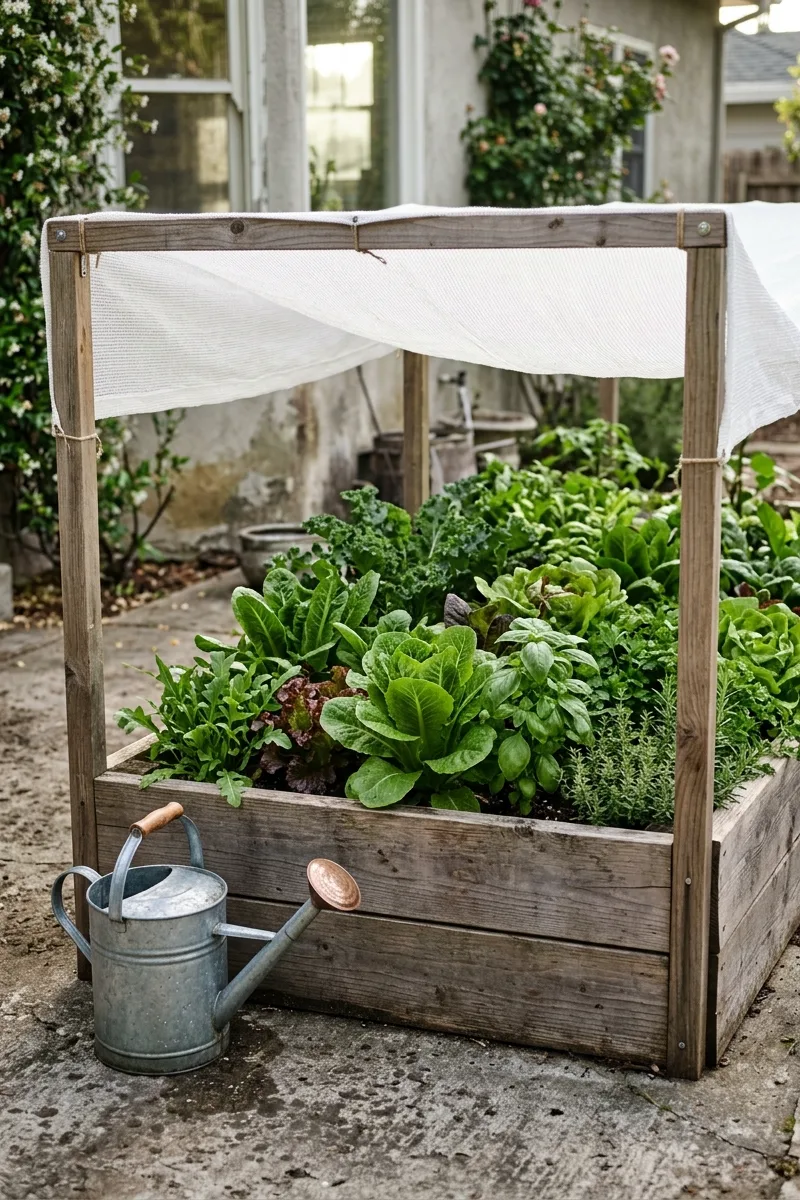
Concrete surfaces can create intense heat that stress plants during summer. Protect your raised bed with a shade cloth suspended from a wooden frame. Choose a cloth that blocks thirty to fifty percent of sunlight to reduce heat stress on leafy greens and delicate herbs. This allows you to extend your growing season well into hot weather. The frame also provides a support structure for climbing plants like beans and cucumbers.
Propagation Station Beds
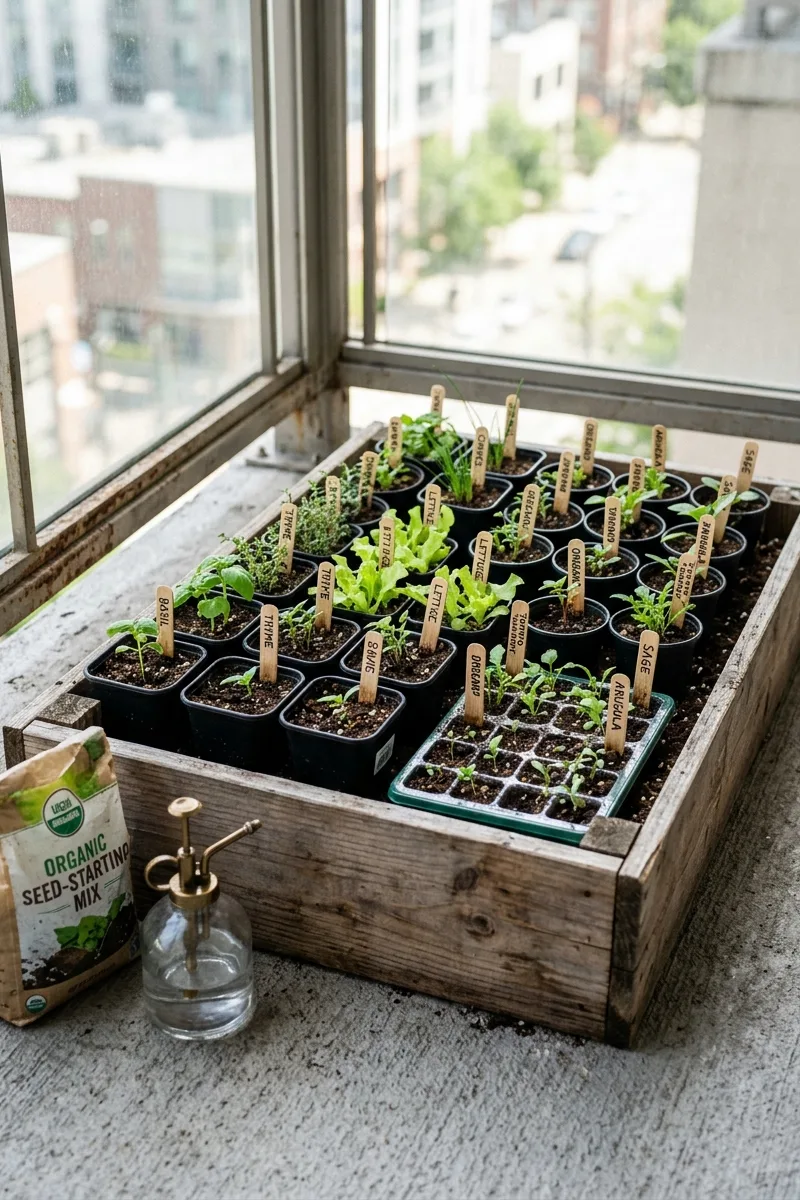
A propagation station bed lets you start seeds and nurture young plants on concrete surfaces. Fill a small raised bed with seed-starting mix and place nursery pots or trays directly in it. This setup keeps cuttings and seedlings warm and protected from wind. The raised bed makes it easy to monitor moisture and growth. Once plants are established, you can transplant them into larger beds or containers on your patio.
Living Mulch Cover Crops
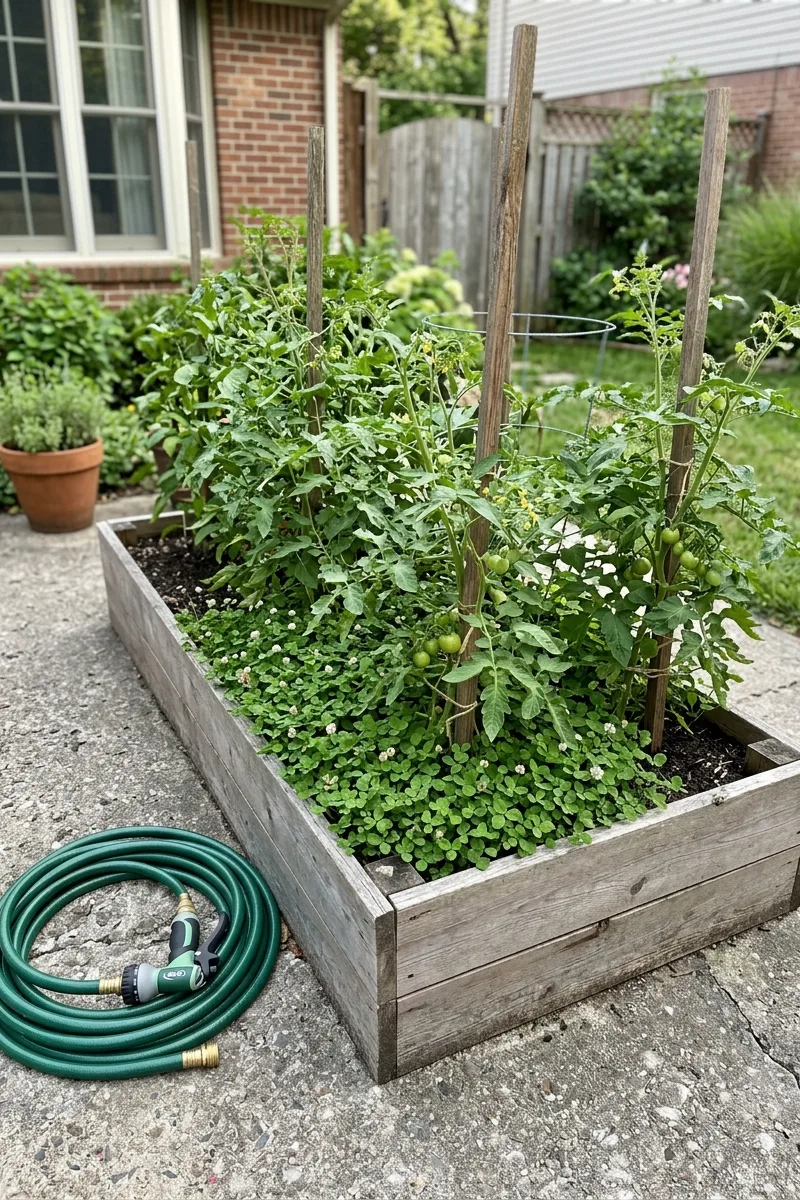
Living mulch keeps soil healthy in raised beds on concrete by reducing evaporation and suppressing weeds. Plant low-growing cover crops like clover or creeping thyme between your vegetable rows. These plants fix nitrogen and add organic matter to the soil. They also keep the soil temperature stable, which is especially important on hot concrete surfaces. Mow or trim the living mulch periodically to maintain a manageable height.
Wicking Bed Design
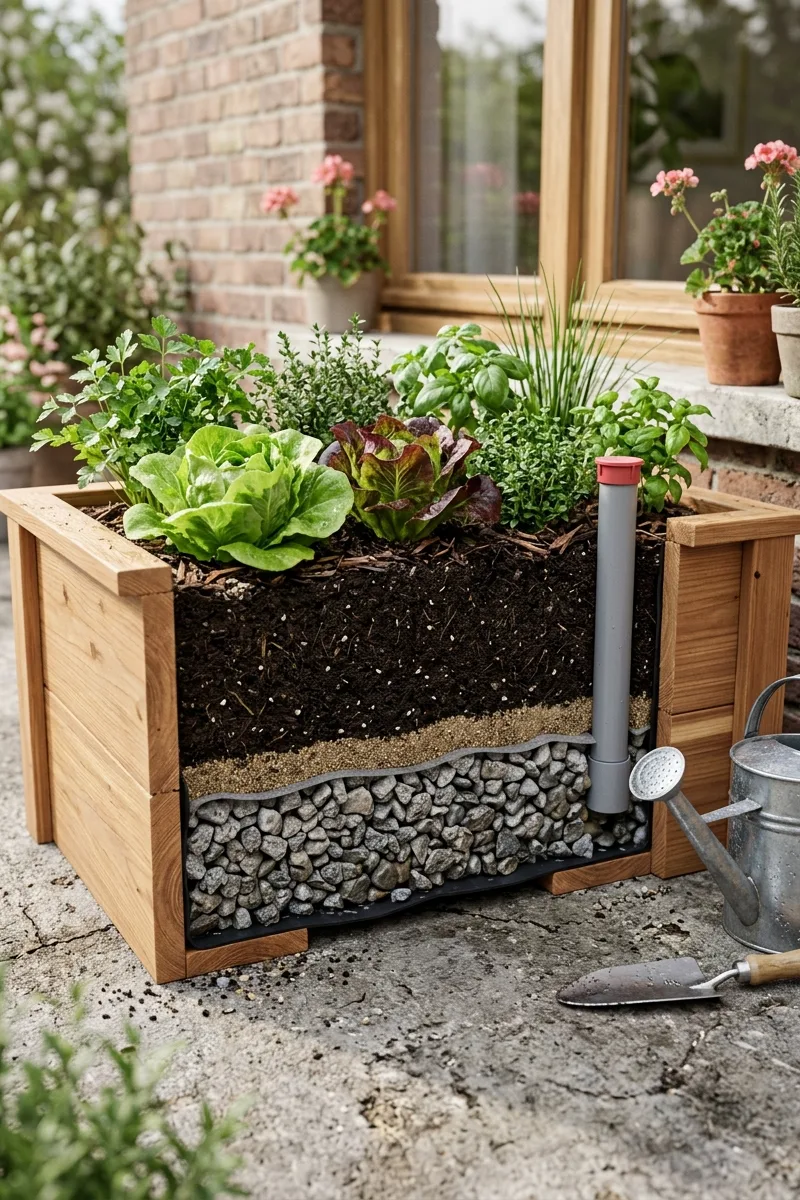
Wicking beds use a water reservoir below the soil that draws moisture upward to plant roots. This self-watering system is perfect for concrete gardens where water runoff is a problem. Build your bed with a gravel reservoir and a pipe for filling it with water. The soil above wicks moisture from the gravel, keeping plants consistently hydrated. This design reduces watering frequency and promotes strong root growth.
Inspiration gallery recap
Tap any image to open the slideshow — use arrows or swipe to browse.