16 Smart Raised Bed Gardens for Patios and Concrete Surfaces
You don’t need a sprawling backyard to enjoy the benefits of a vegetable garden. With raised beds, you can create a productive garden on any hard surface, from a small patio to a concrete driveway. It’s a fantastic way to grow your own food in the city.
We have compiled 16 smart raised bed garden ideas that are perfect for urban gardeners. These solutions are space-saving, functional, and can be tailored to fit any size or style of outdoor area.
What’s inside this article
- Start with a Wooden Raised Bed Kit
- Use Galvanized Steel Troughs for a Modern Look
- Maximize Space with a Tiered Planter
- Essential Drainage Tips for Concrete
- Add a Trellis for Vertical Growth
- Incorporate a Built-in Irrigation System
- Use Wheeled Planters for Flexibility
- Choose Deep Beds for Healthy Roots
- Focus on Space-Saving Layouts
- Incorporate Companion Planting
- Add a Colorful Edge with Annuals
- Protect Your Patio Surface
- Consider a Self-Watering Design
- Use Multi-Functional Benches
- Add a Climbing Frame for Vines
- Light Your Garden for Evening Enjoyment
Start with a Wooden Raised Bed Kit
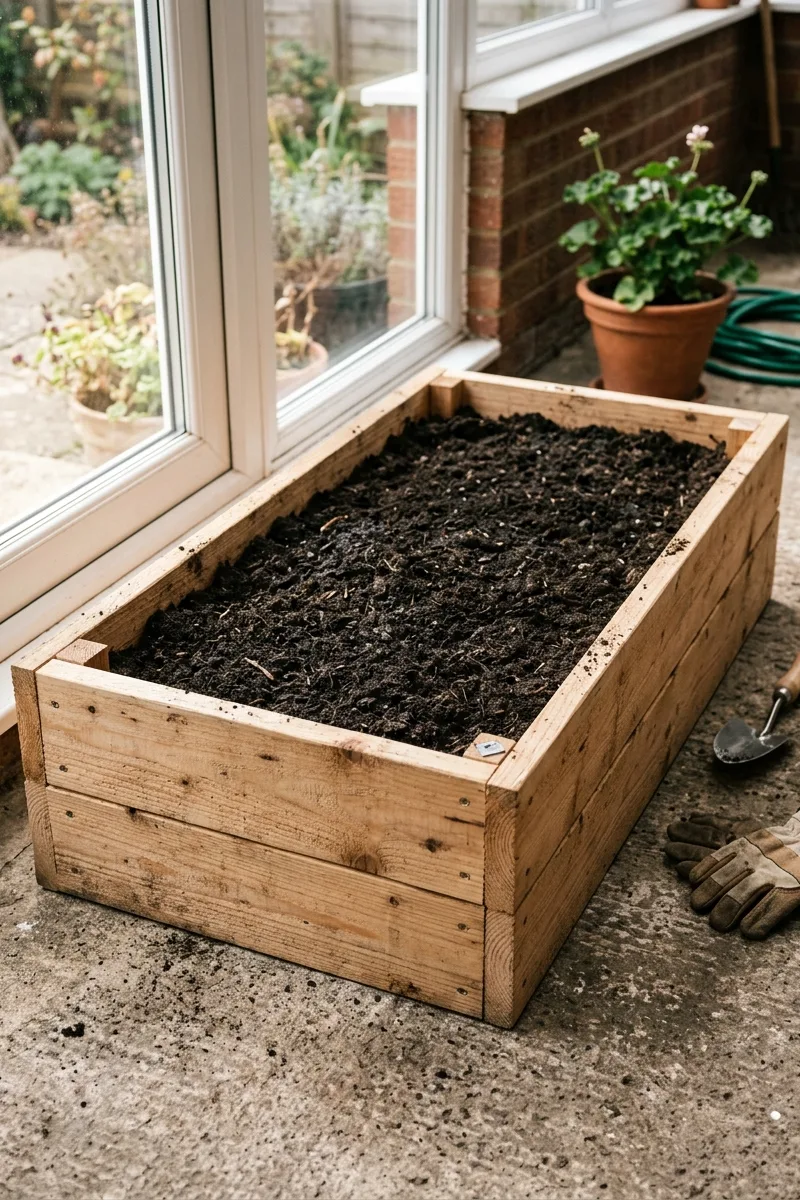
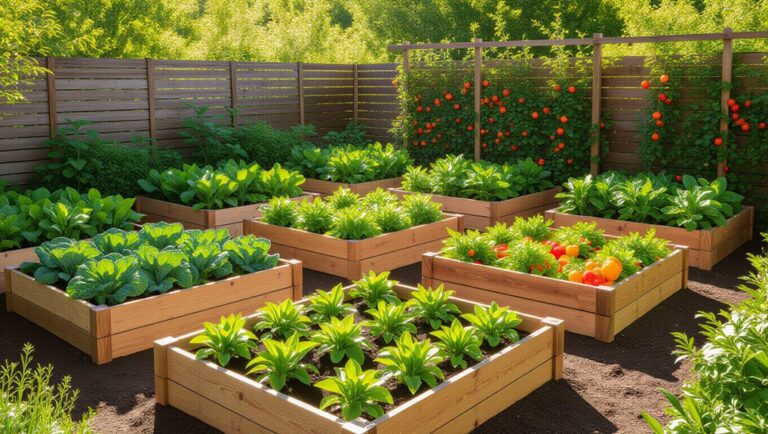
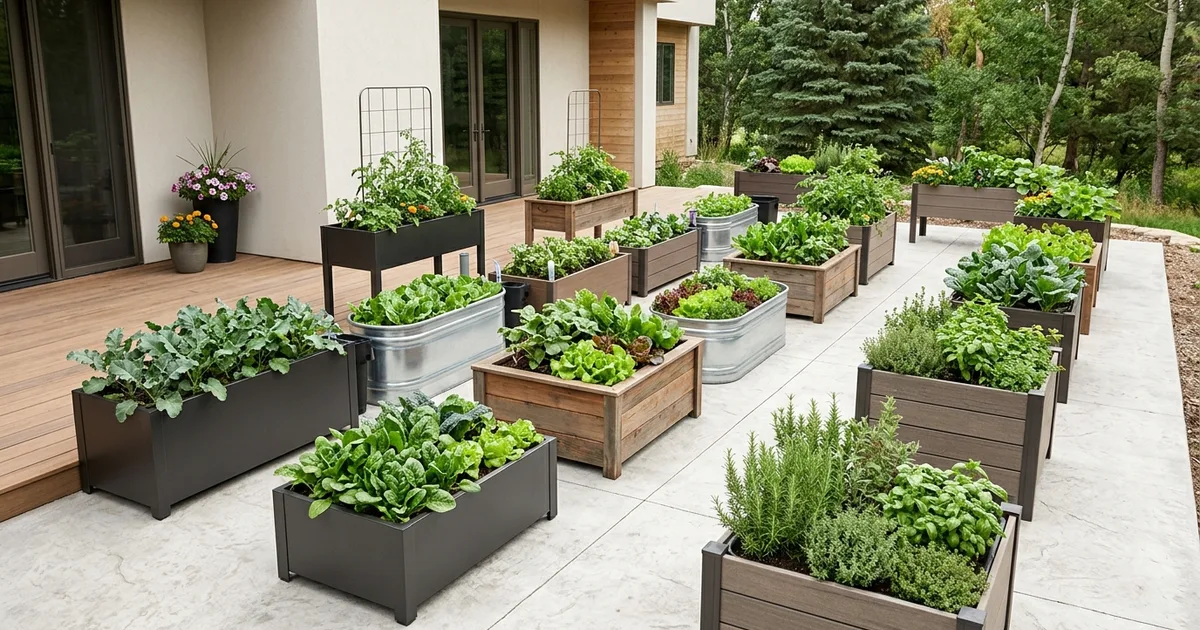
The simplest way to start your raised bed garden on concrete is with a kit. Wooden raised bed kits come in various sizes and are straightforward to assemble. They provide a neat, contained space for your plants. This is the perfect option for beginners or anyone looking for a quick and easy garden setup. They are also easy to move if you need to reconfigure your space.
Use Galvanized Steel Troughs for a Modern Look
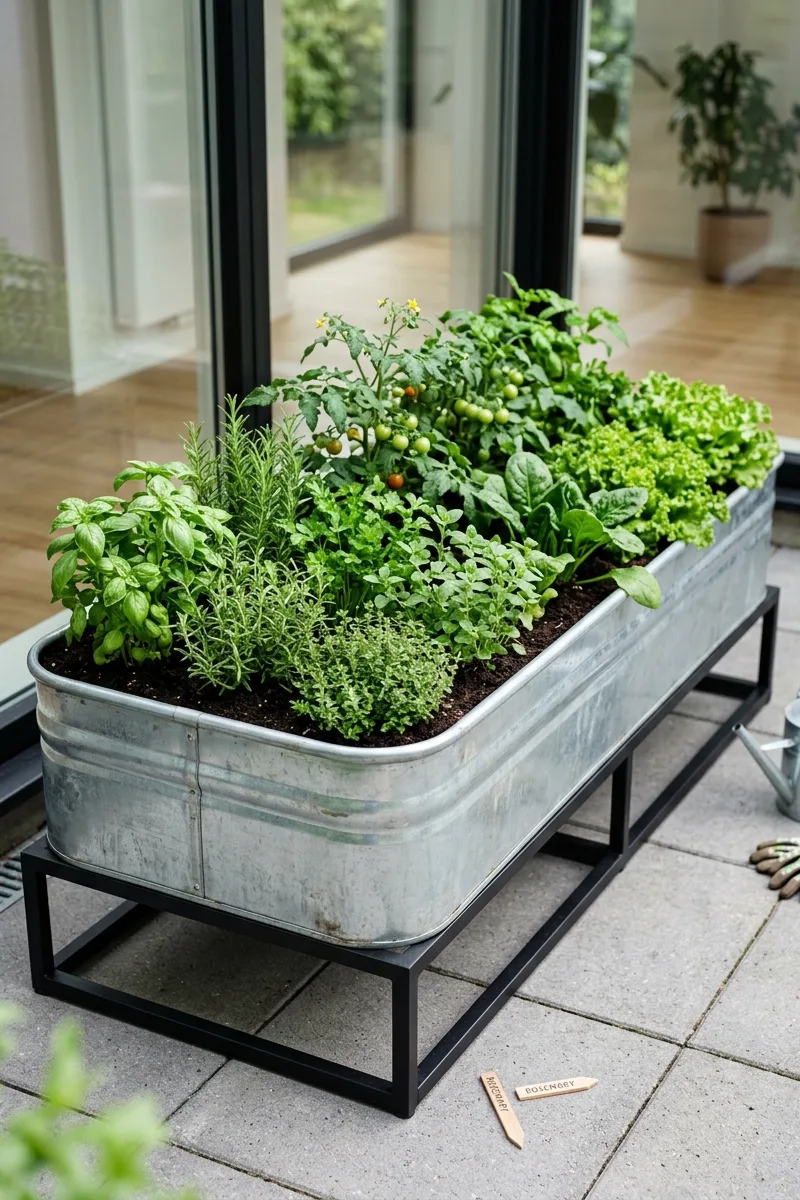
For a sleek and industrial look, consider using galvanized steel troughs. They are incredibly durable and weather-resistant, making them a great long-term choice. Their modern aesthetic works well in contemporary urban settings. They are also available in a variety of sizes, making them versatile for any patio or balcony. Just ensure they have proper drainage holes.
Maximize Space with a Tiered Planter
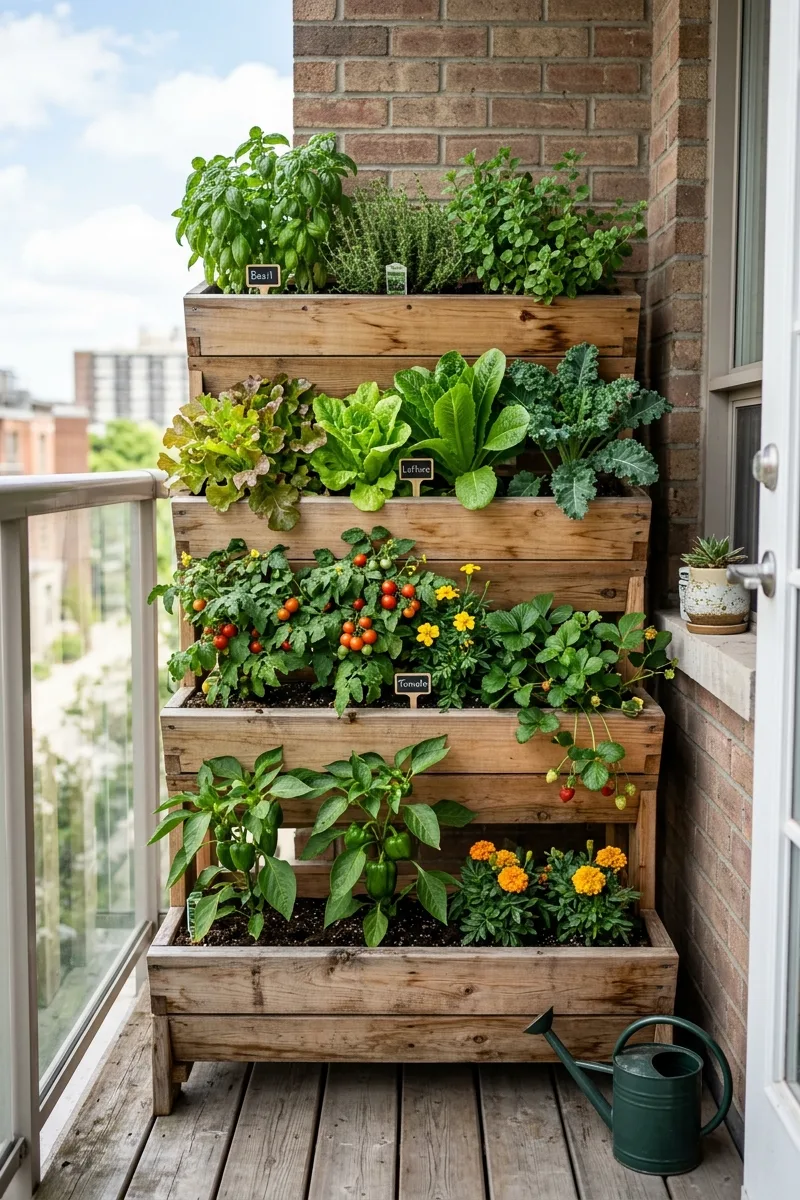
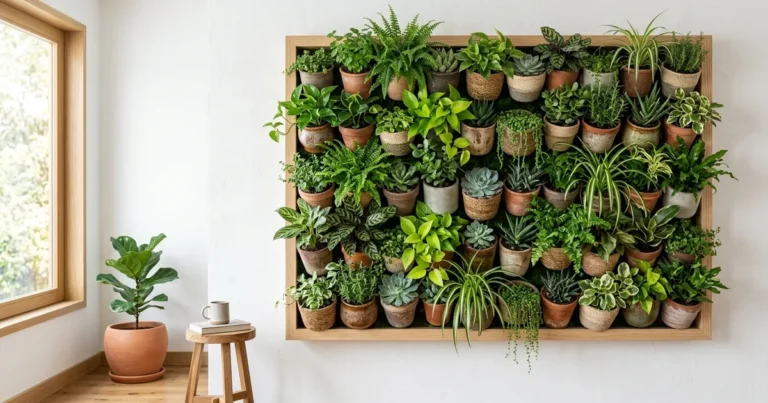
When space is at a premium, a tiered planter is your best friend. These vertical systems allow you to grow a surprising amount of plants in a very small footprint. You can grow herbs on the top tier and trailing vegetables, like strawberries, on the lower ones. They are a fantastic way to maximize your growing potential on a small balcony.
Essential Drainage Tips for Concrete
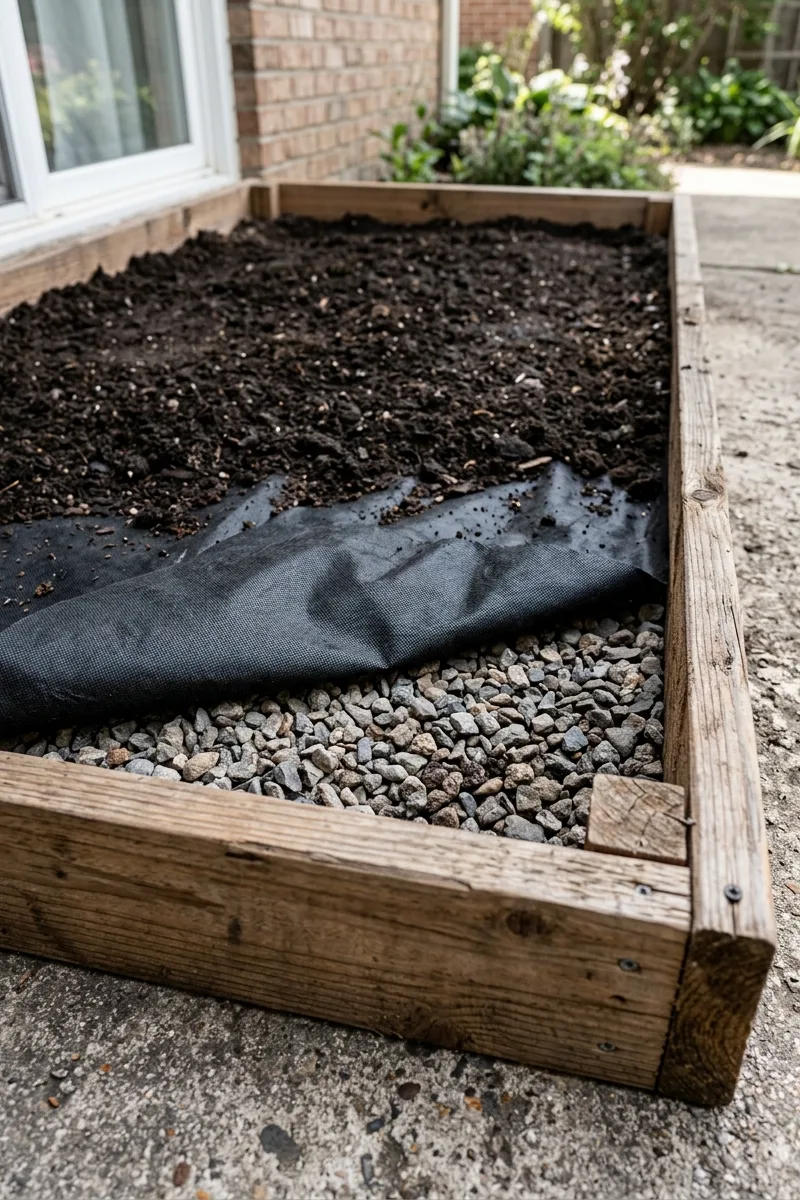
When gardening on concrete, drainage is crucial to prevent waterlogging. Ensure your bed has drainage holes. You can add a layer of gravel or small stones at the bottom of your planter before adding soil. Additionally, raising the bed slightly off the ground on feet or bricks can further improve drainage and prevent the wood from rotting. This is a simple step that ensures healthy plants.
Add a Trellis for Vertical Growth
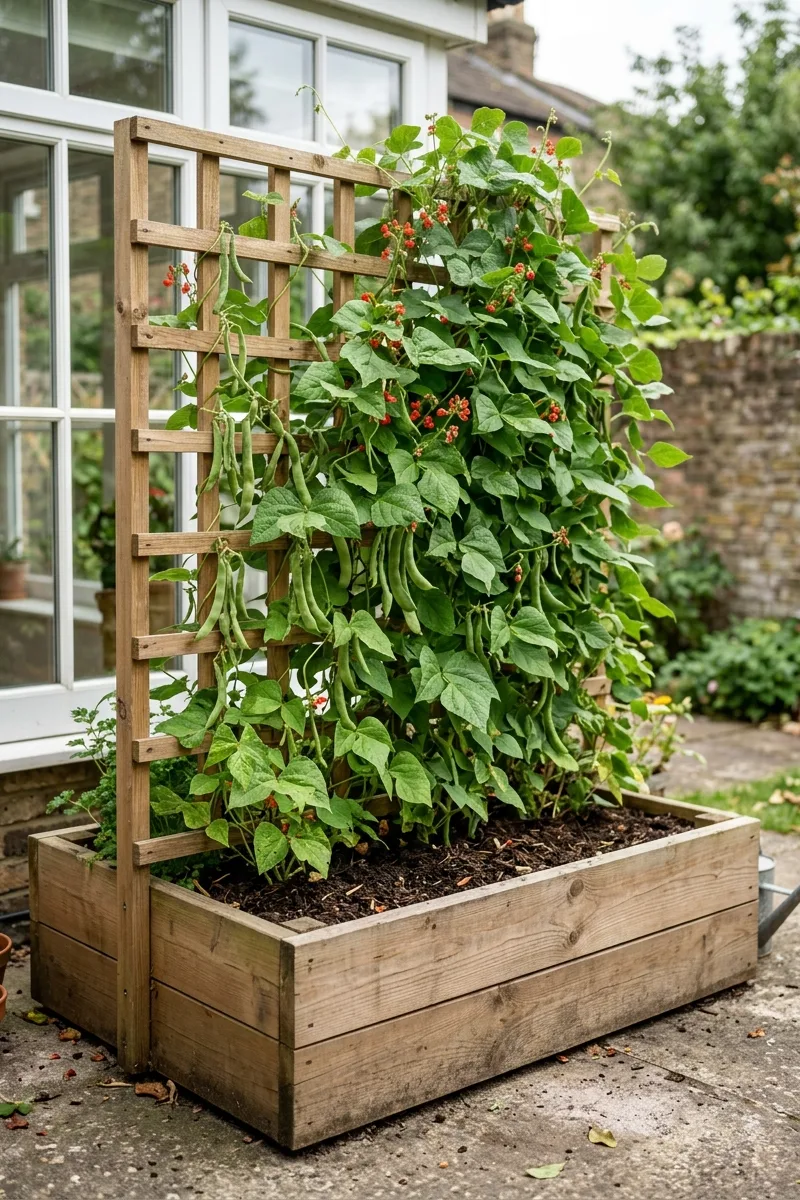
Make the most of your vertical space by incorporating a trellis into your raised bed design. A trellis allows you to grow climbing vegetables like beans, cucumbers, and tomatoes. This maximizes your yield in a small space and creates a beautiful living wall. It’s a fantastic way to add height and structure to your patio garden.
Incorporate a Built-in Irrigation System
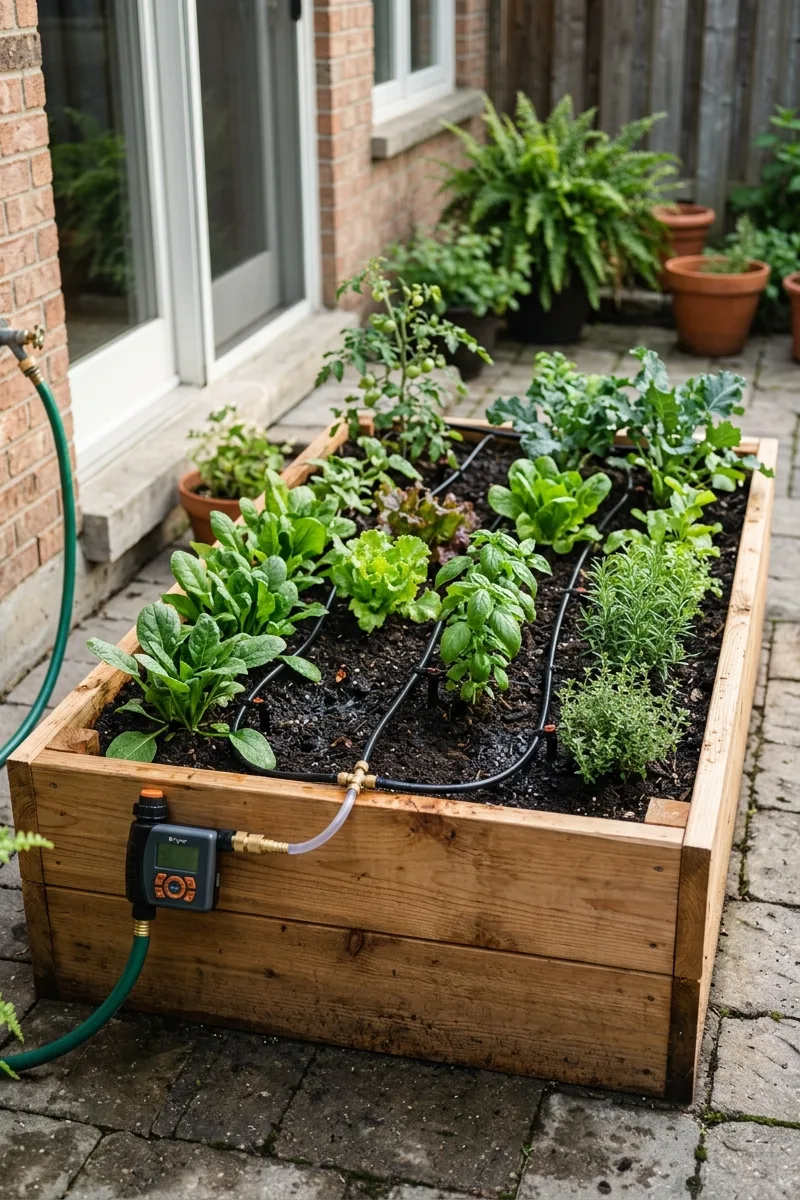
For a low-maintenance garden, consider installing a drip irrigation system. This is a simple system of tubes with small emitters that deliver water directly to the base of each plant. It is incredibly efficient and saves you the daily chore of watering with a hose. A small timer can be added to automate the process. This is especially useful for the summer months.
Use Wheeled Planters for Flexibility
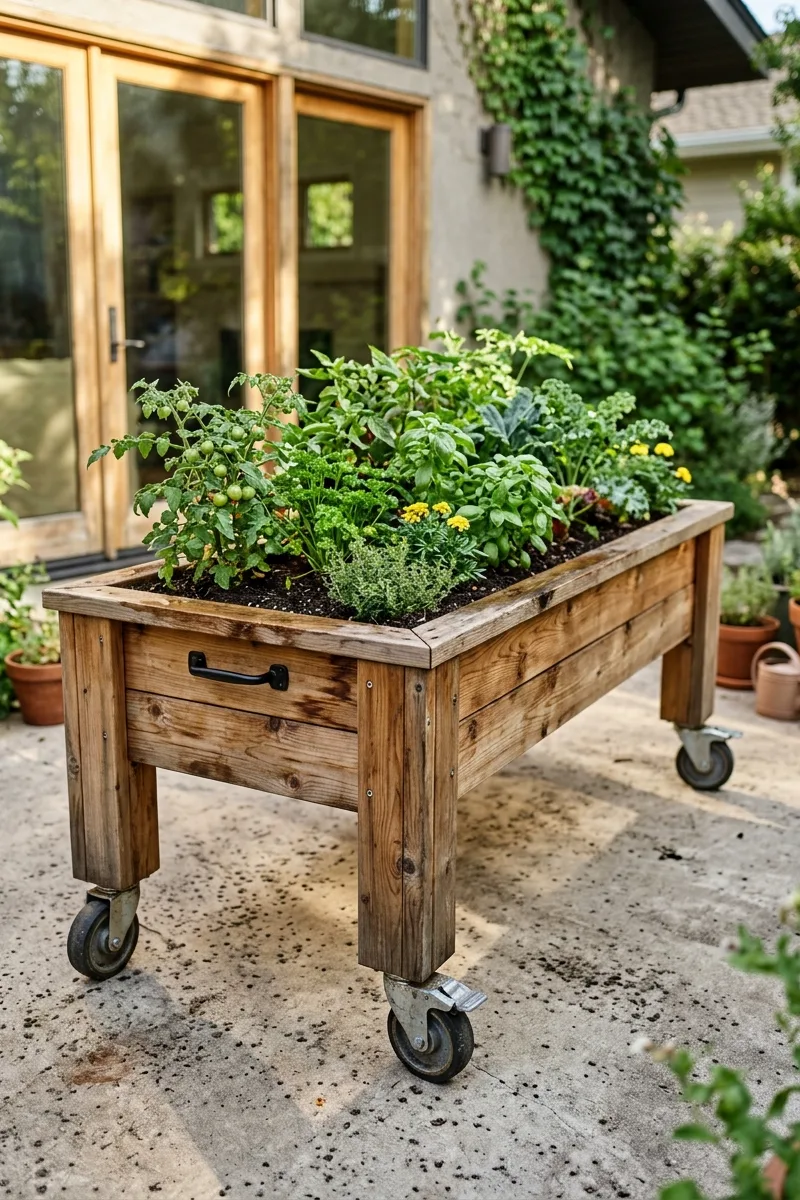
One of the challenges of a patio garden is that the sun moves. To overcome this, place your raised beds on casters or wheeled bases. This allows you to easily move your plants around to catch the optimal sunlight throughout the day. This is also a great way to rearrange your garden for parties or different seasons.
Choose Deep Beds for Healthy Roots
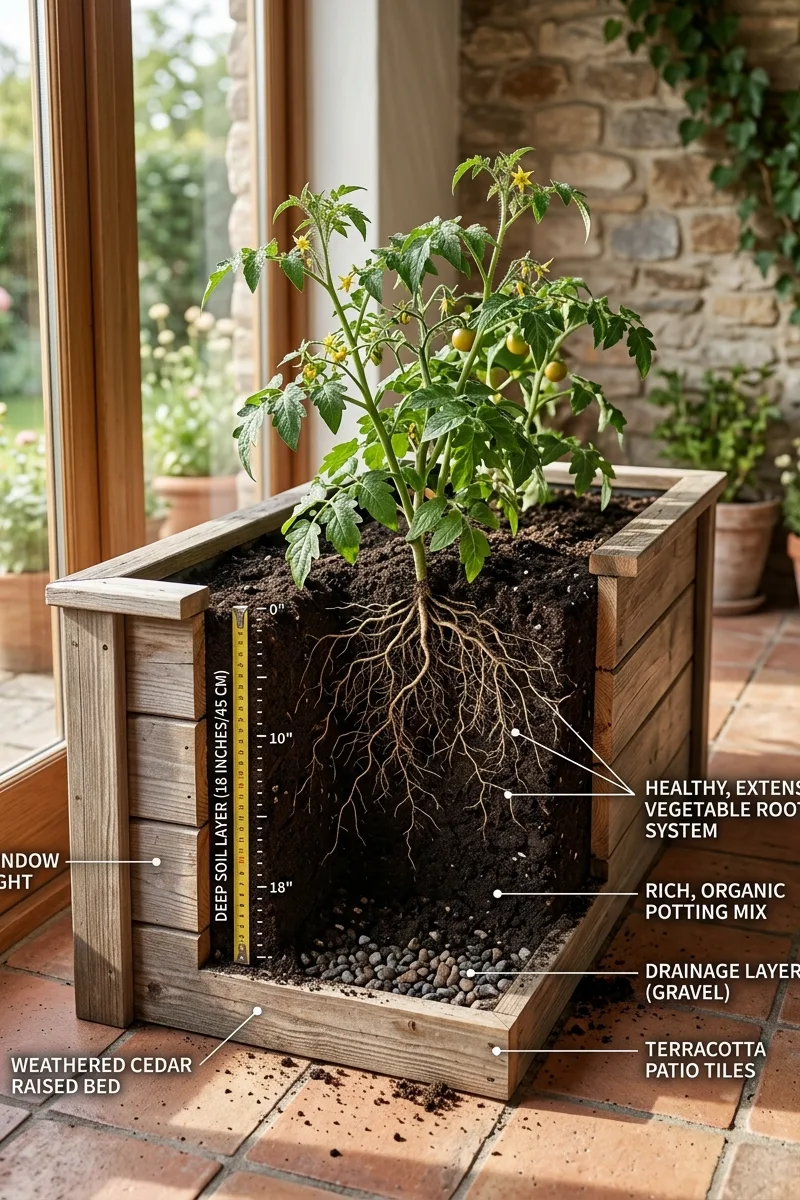
When planting root vegetables like carrots and potatoes, depth is critical. Choose a raised bed that is at least 12 to 18 inches deep to give roots room to grow. Deeper beds also hold more moisture, reducing the need for frequent watering. This ensures your plants have the space they need to develop strong, healthy root systems.
Focus on Space-Saving Layouts
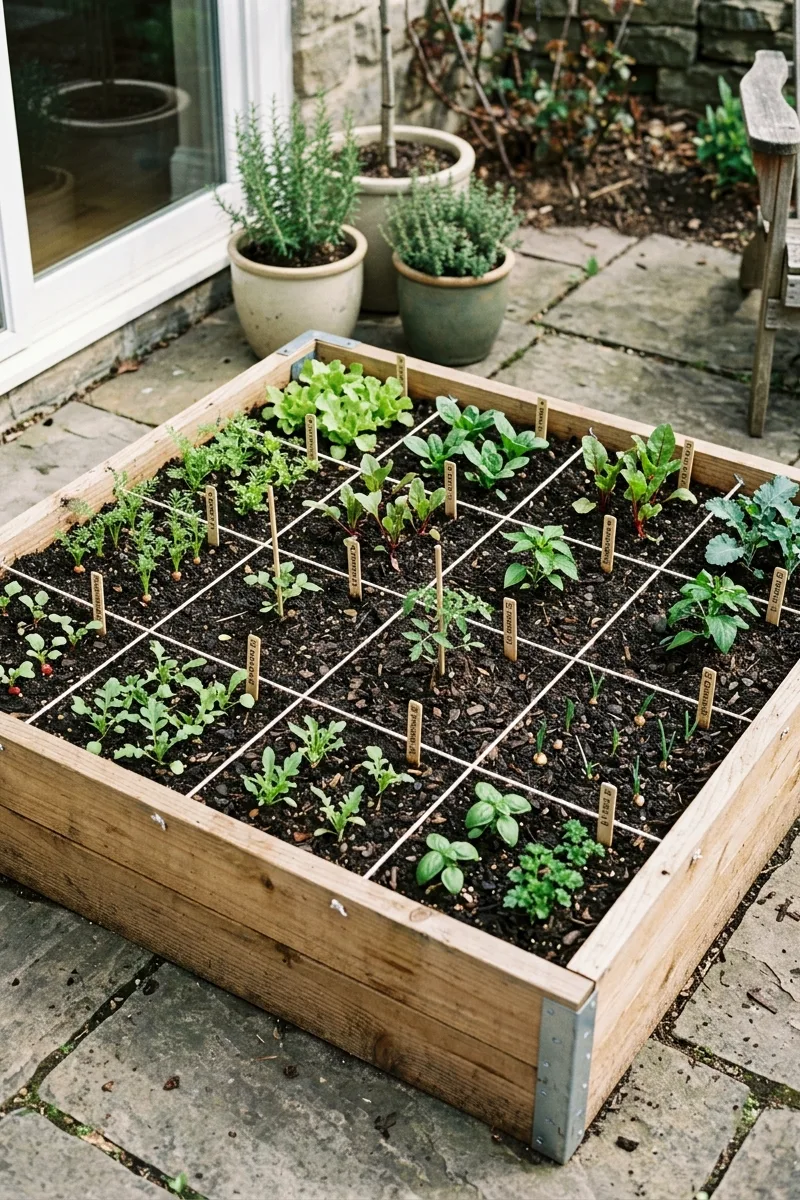
In a small space, every inch of soil counts. Square foot gardening is a fantastic method for maximizing yield. This involves dividing your raised bed into one-foot squares and planting a specific number of plants per square. This approach prevents overplanting and ensures you get the most from your patio garden.
Incorporate Companion Planting
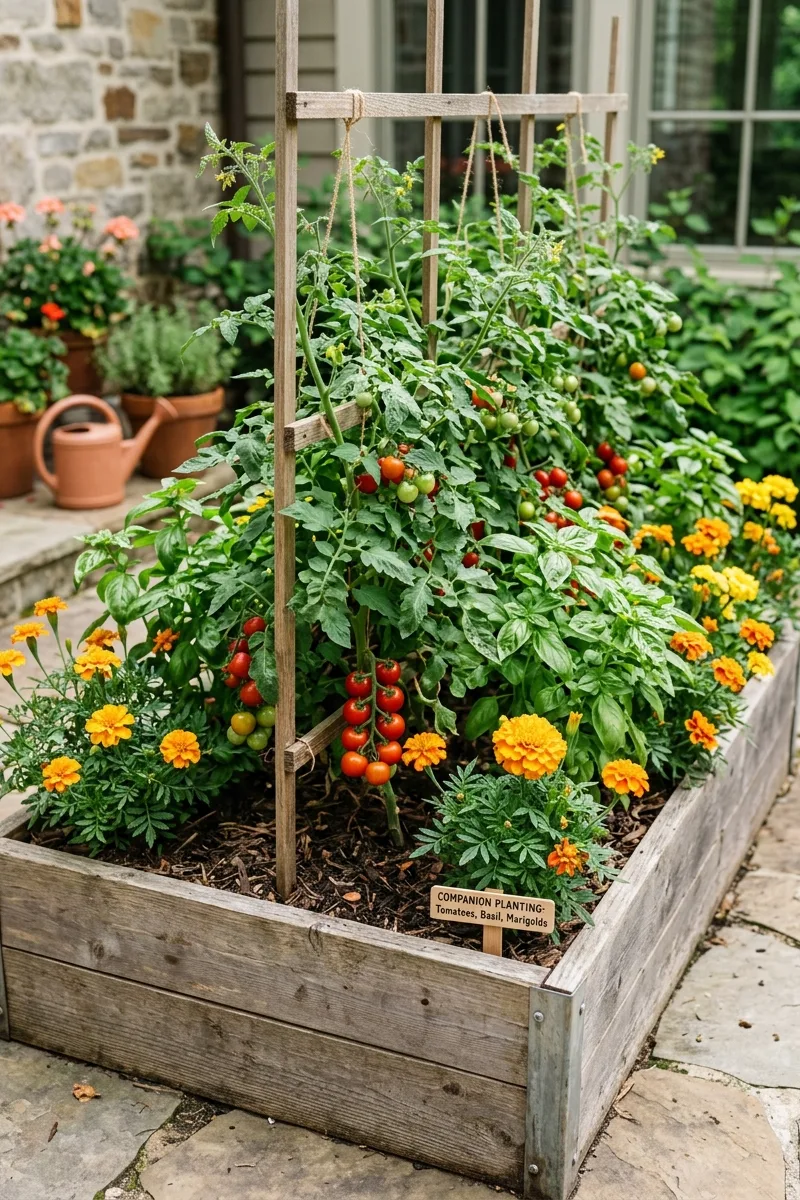
Companion planting is the practice of planting different crops together for mutual benefit. For example, planting basil near your tomatoes can improve their flavor and repel pests. Marigolds are another excellent companion, known to deter nematodes and other harmful insects. It is a smart, natural way to increase your garden’s health.
Add a Colorful Edge with Annuals
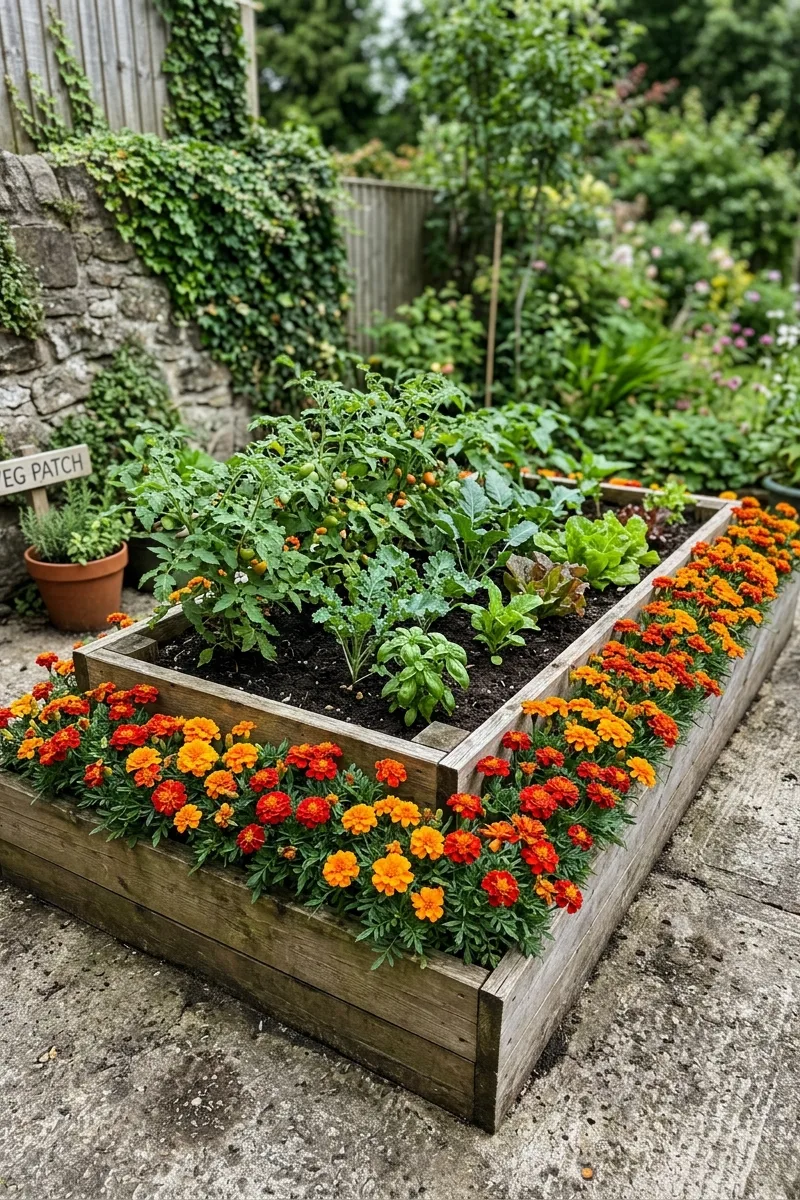
Your raised bed garden can be both functional and beautiful. Plant a border of colorful annual flowers along the edge of your beds. Not only do they add visual appeal, but they can also attract pollinators and deter pests. A mix of vibrant marigolds or zinnias will make your patio garden feel like a true garden room.
Protect Your Patio Surface
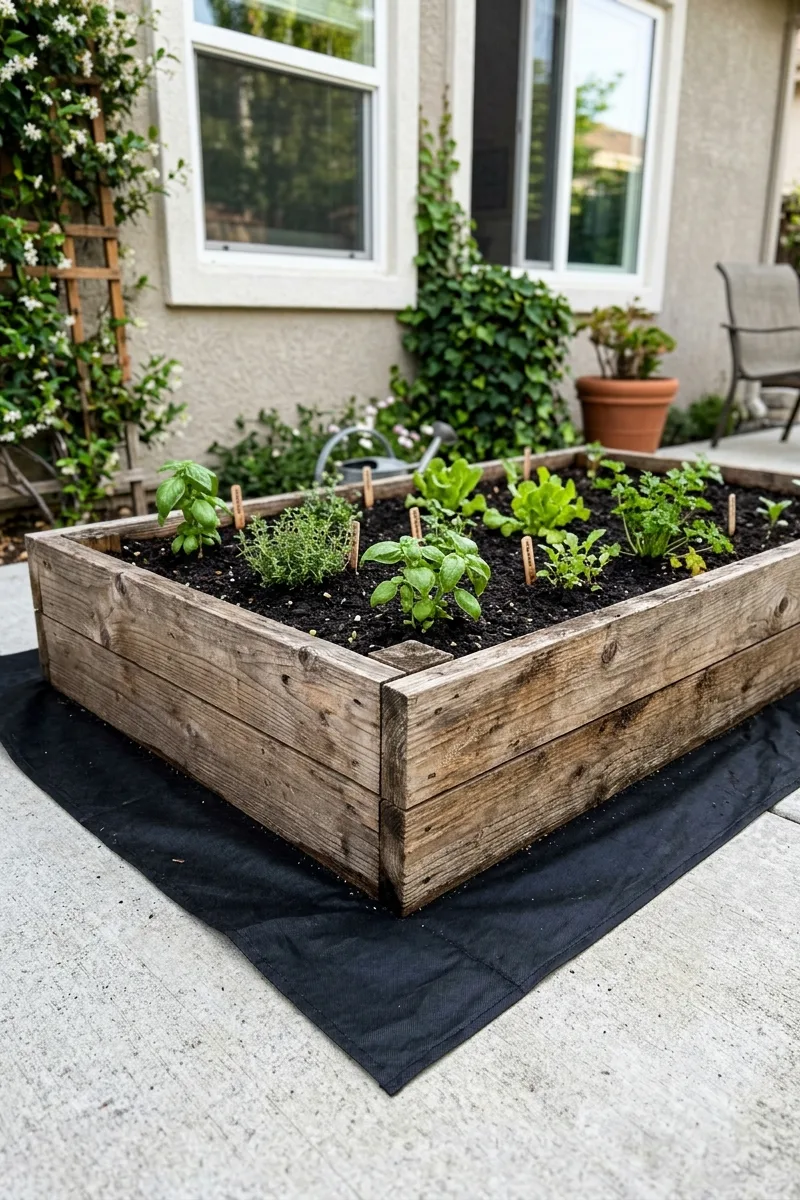
Protecting your concrete patio is a smart long-term move. Place a layer of landscape fabric or a heavy-duty plastic sheet under your raised beds. This prevents soil and moisture from staining or damaging the surface. It also helps to deter weeds from growing up through the bottom of your planter.
Consider a Self-Watering Design
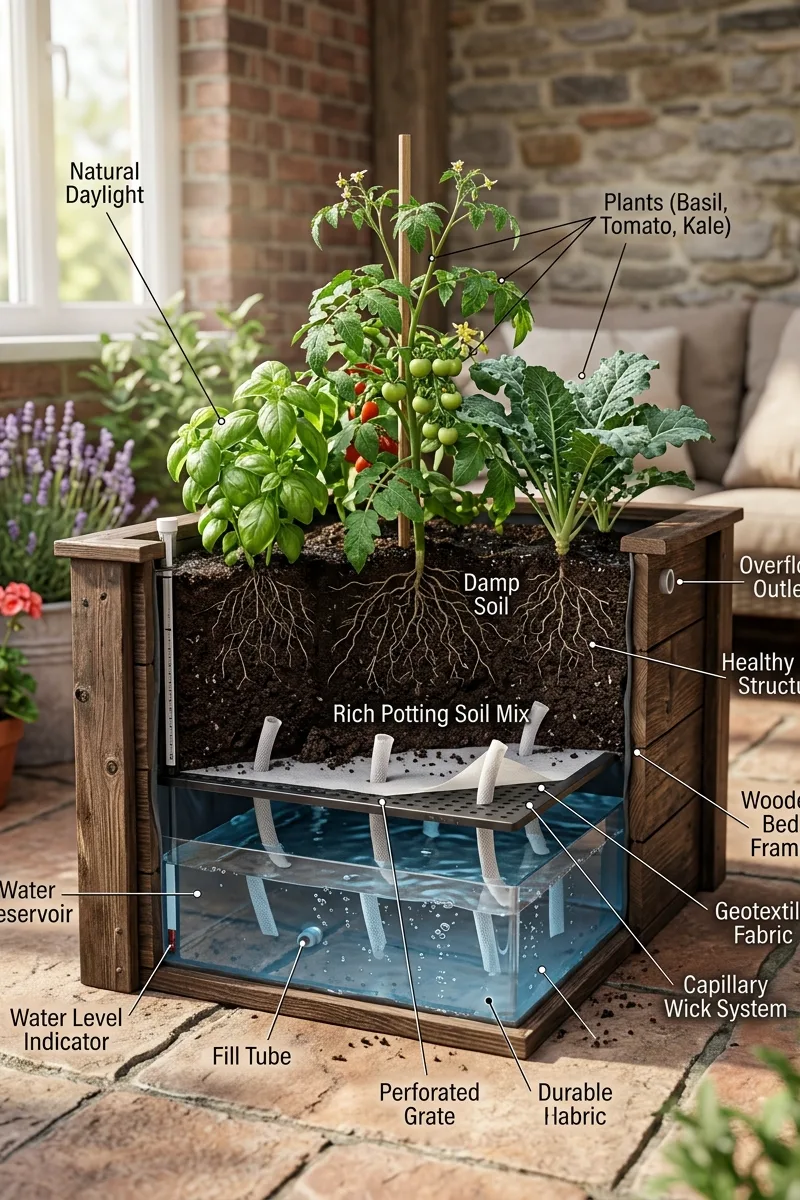
A self-watering planter is a game-changer for busy gardeners. These beds have a built-in water reservoir at the bottom. Plants draw water up through a wicking system, providing a consistent supply of moisture directly to their roots. This reduces watering frequency and ensures plants are never stressed by drought.
Use Multi-Functional Benches
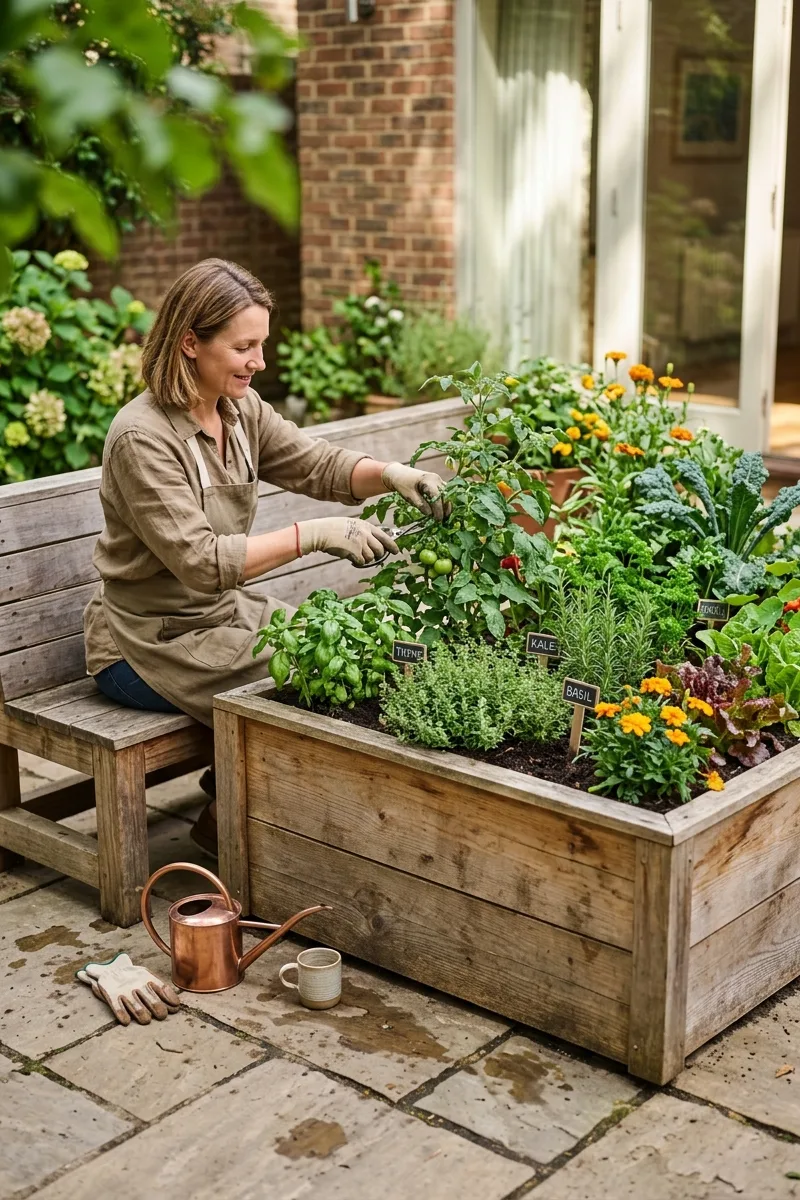
In a small outdoor space, every piece of furniture should serve a dual purpose. Opt for a raised bed with a built-in wooden bench on the side. This provides a comfortable place to sit, tend to your garden, or simply enjoy your morning coffee, making your patio feel like a true extension of your living space.
Add a Climbing Frame for Vines
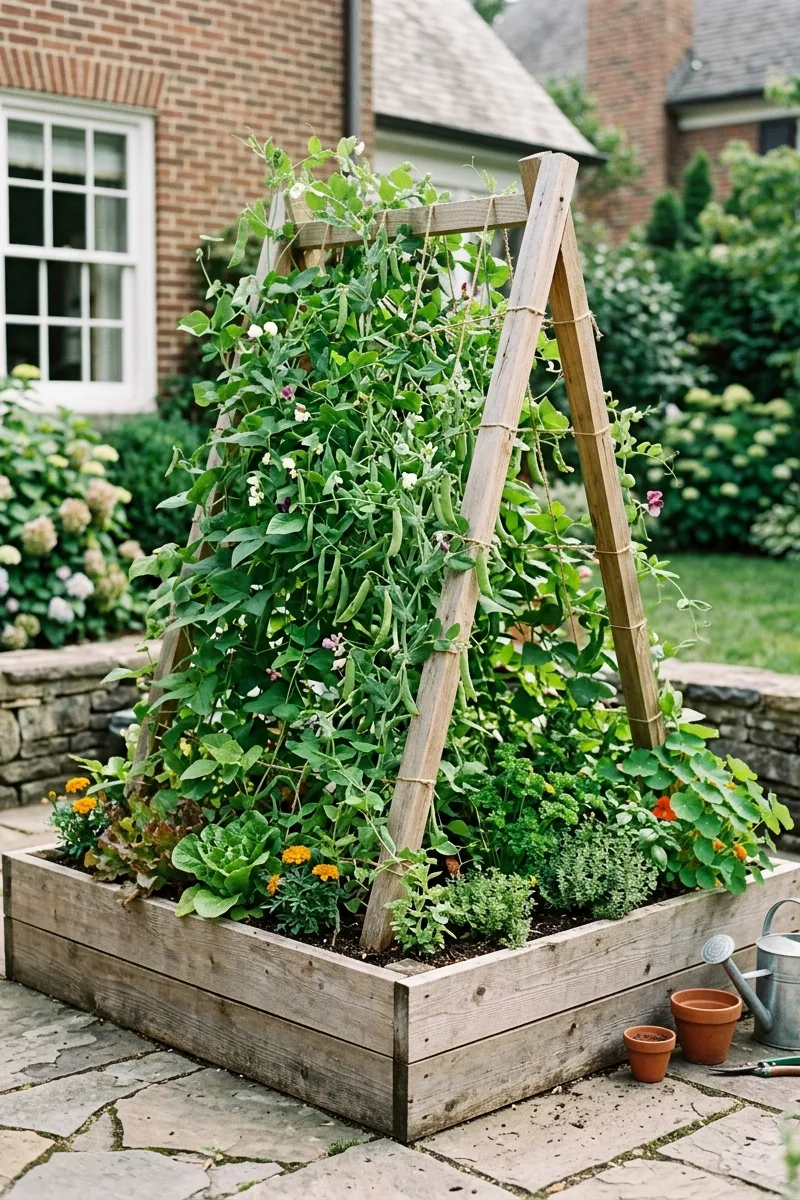
An A-frame trellis is a beautiful and functional addition to any raised bed. The tepee-like structure is perfect for climbing plants such as peas, beans, and even cucumbers. It adds a sculptural element to your patio garden and provides strong support for your crops, keeping them off the ground and promoting air circulation.
Light Your Garden for Evening Enjoyment
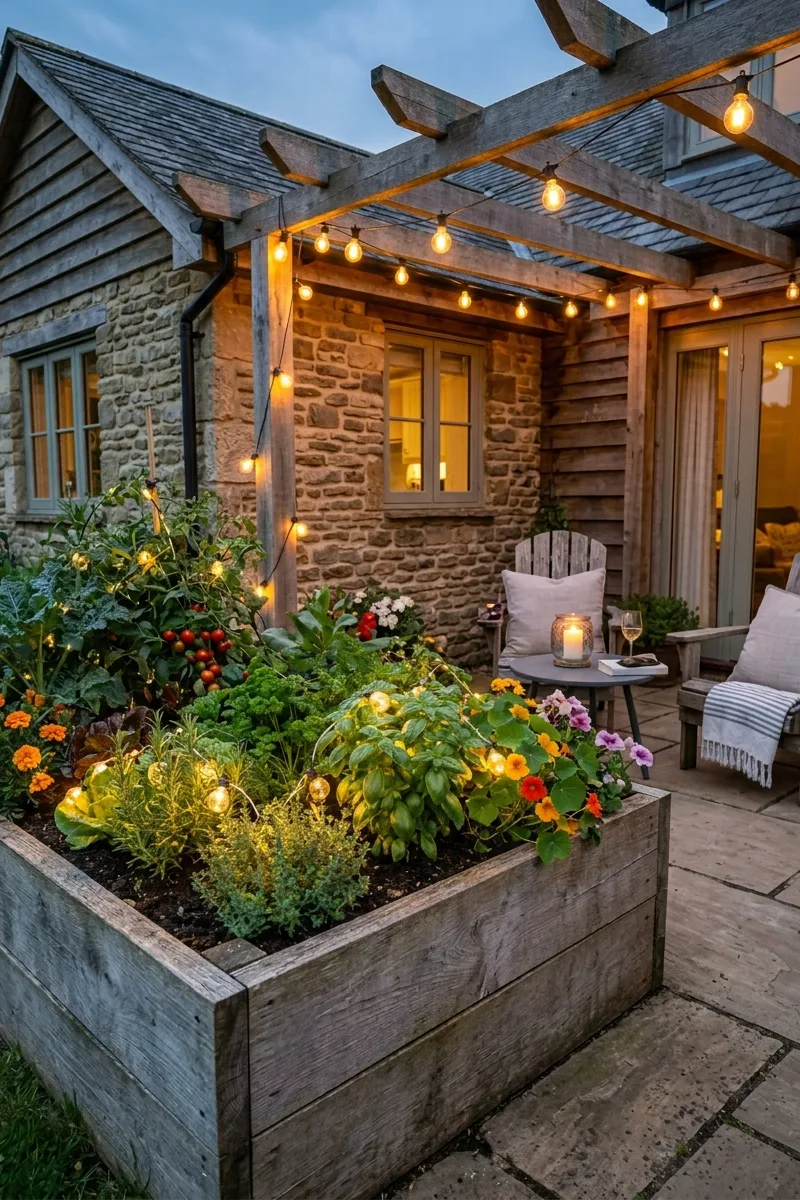
Your patio garden is not just for daytime. Hang string lights or place solar-powered lanterns around your raised beds to create a magical ambiance for the evening. This allows you to enjoy your garden after the sun goes down. It also makes the space feel more intimate and inviting for entertaining.
Inspiration gallery recap
Tap any image to open the slideshow — use arrows or swipe to browse.