
18 Clever Ways to Grow Giant Pothos Without Fertilizer
There is a special kind of plant parent pride that comes from seeing your pothos push out a new leaf the size of your hand. Those giant, lush, tropical leaves make a massive statement in any room, transforming a simple houseplant into a cascading piece of living art. While many people turn to store-bought fertilizers to achieve this growth, the secret to massive pothos leaves is actually much simpler, cheaper, and more natural than you might think. You do not need a single bottle of commercial plant food to get stunning results.
By tapping into common household items and understanding a few key care techniques, you can unlock your pothos’s full potential organically. From the nourishing power of a simple banana peel to the importance of a supportive moss pole, these 18 clever tricks will show you exactly how to grow the big, beautiful, glossy pothos of your dreams, all without ever reaching for a chemical fertilizer. Get ready to take your plant game to the next level and enjoy the deep satisfaction of lush, healthy growth.
What’s inside this article
- The Power of Banana Peel Water
- Eggshell Calcium Boost Technique
- The Importance of a Moss Pole
- Used Coffee Grounds as Top Dressing
- Optimizing Natural Indirect Light
- Cooking Water as a Nutrient Source
- Rice Water for Starch and Vitamins
- Proper Humidity for Tropical Leaves
- The Role of Well-Draining Soil Mix
- Green Tea Leaf Nutrient Infusion
- Regular Pruning for Fuller Growth
- Aquarium Water as Natural Elixir
- Cleaning Leaves for Maximum Light Absorption
- Consistent, Mindful Watering Routine
- Stylish Dark Walnut Shelf Display
- Choosing Glossy White Ceramic Pots
- Cascading Vines as Living Decor
- A Tranquil and Modern Botanical Mood
The Power of Banana Peel Water
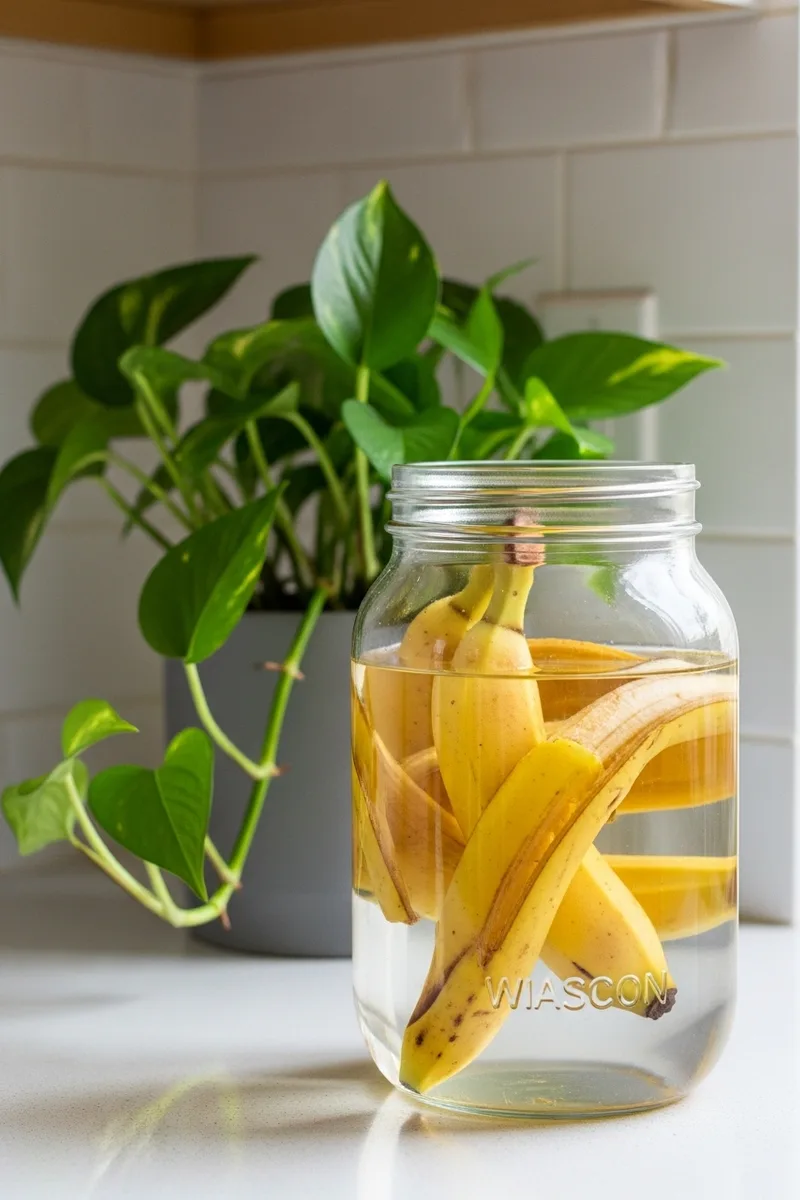
Don’t throw away that banana peel—it is a potassium powerhouse for your pothos. Potassium is the key nutrient for overall plant health and strong, vibrant leaf development. To make a simple, natural fertilizer, place a clean banana peel in a jar of water and let it soak overnight. The water will absorb a gentle dose of potassium and other trace minerals from the peel. The next day, remove the peel and use the enriched water to water your pothos as usual. This gentle, organic method provides a slow-release of nutrients without any risk of the chemical burn that can come from synthetic fertilizers. It is a completely free, zero-waste way to give your plant a loving, natural boost that encourages larger, healthier leaf growth over time.
Eggshell Calcium Boost Technique
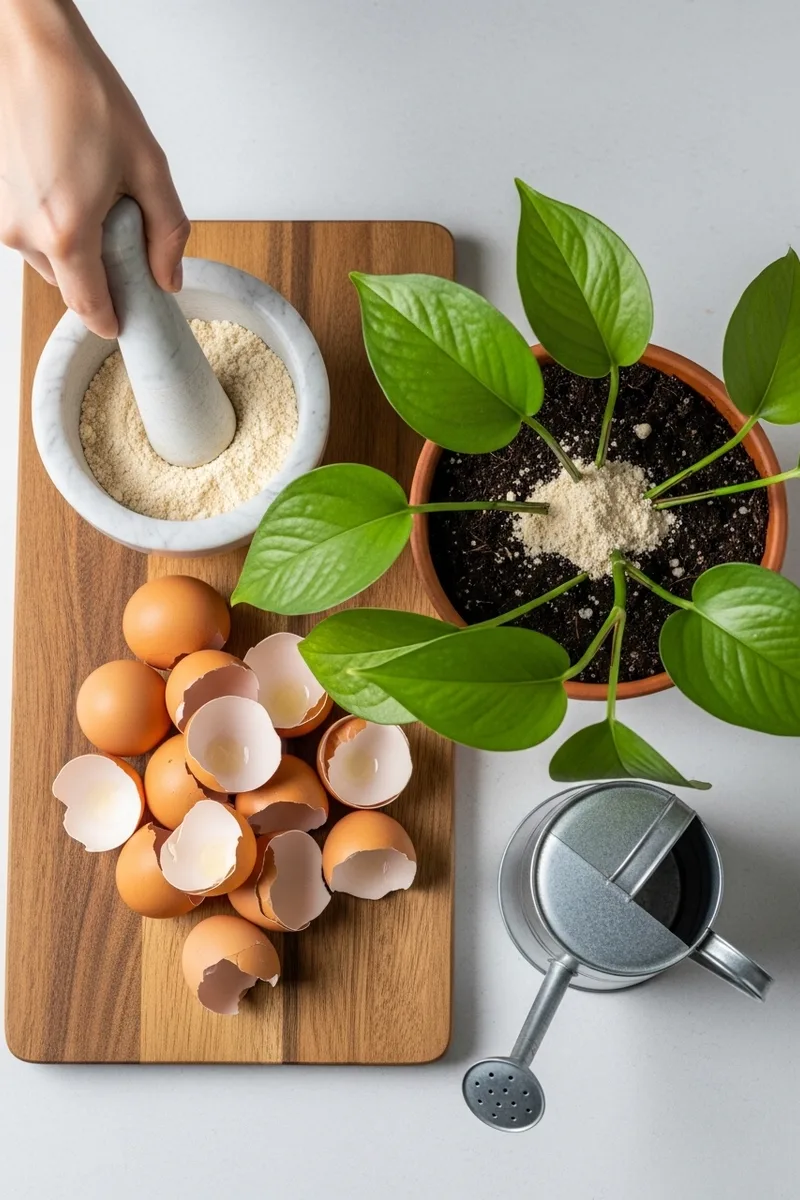
Calcium is a vital micronutrient for plant cell wall strength, and a deficiency can lead to stunted, distorted growth. Eggshells, which are almost pure calcium carbonate, are an incredible, free way to supplement your pothos. After cooking, rinse the shells thoroughly and let them dry completely. Then, crush them into a fine powder using a mortar and pestle or a coffee grinder. You can either mix this powder directly into the top layer of your pothos’s soil or soak the crushed shells in water for a few days to create a calcium-rich ‘tea’ to water with. This simple, organic amendment strengthens the plant from the inside out, leading to larger, more robust, and glossier leaves over time as the plant’s very cell structure is fortified.
The Importance of a Moss Pole
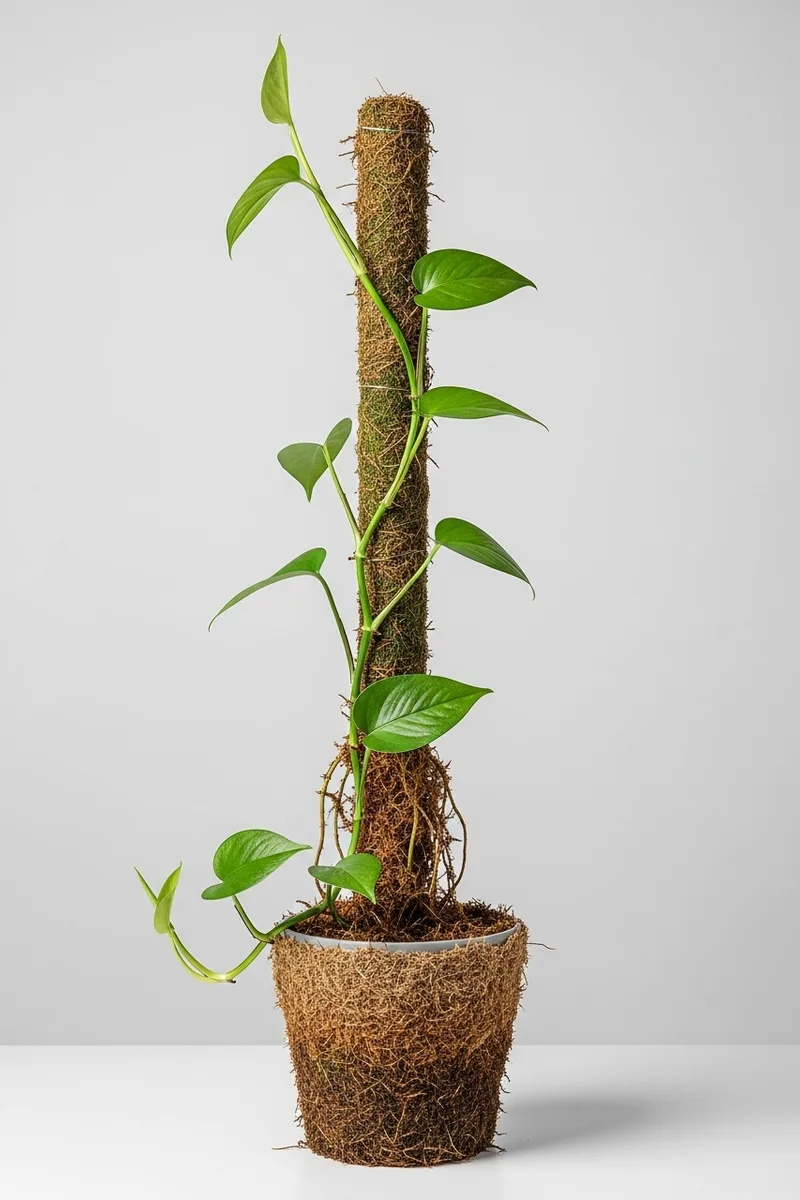
If you want your pothos to produce truly giant, split leaves, you must give it a moss pole to climb. In nature, pothos are climbing vines that attach themselves to the bark of trees and grow upward toward the light. Their leaves only reach their mature, massive size when they are given a vertical surface to cling to. A damp moss pole mimics this natural environment, providing support and constant humidity for the plant’s aerial roots. As the roots attach to the moist moss, the plant shifts its energy from making long, leggy vines to producing larger and larger leaves at each new node. This single change in support is often the number one secret to unlocking jaw-dropping leaf size.
Used Coffee Grounds as Top Dressing
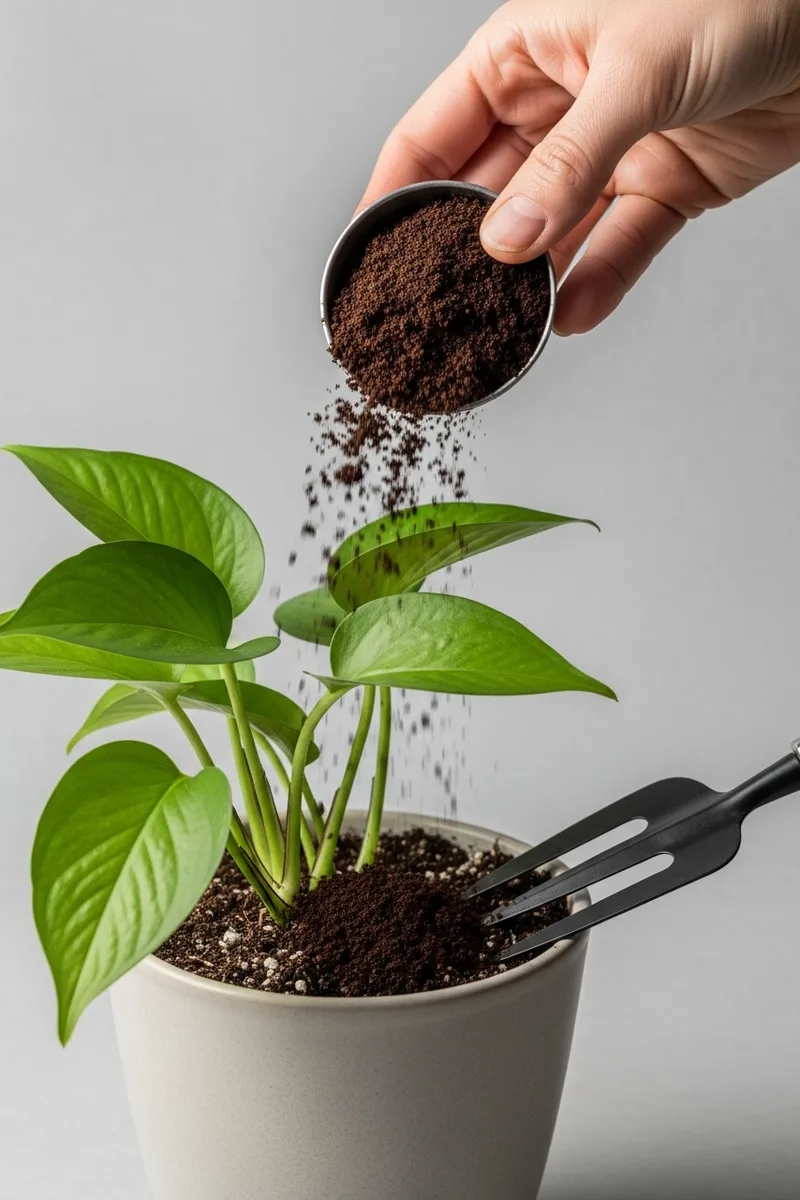
Your morning coffee habit can also benefit your pothos, provided you use the grounds correctly. Used coffee grounds are rich in nitrogen, a vital element for lush, green leaf growth. The key is to use them sparingly as a slow-release top dressing, not as a soaking wet clump that can mold. Simply take the spent grounds from your coffee maker, spread them on a tray, and allow them to dry out completely. Then, lightly sprinkle a thin layer of the dry grounds onto the surface of the potting mix, gently mixing them into the very top layer. When you water, they will slowly release nitrogen and improve soil drainage, feeding your plant gradually and naturally over time without making the soil overly acidic. This is a wonderful, mindful way to recycle your daily coffee waste.
Optimizing Natural Indirect Light
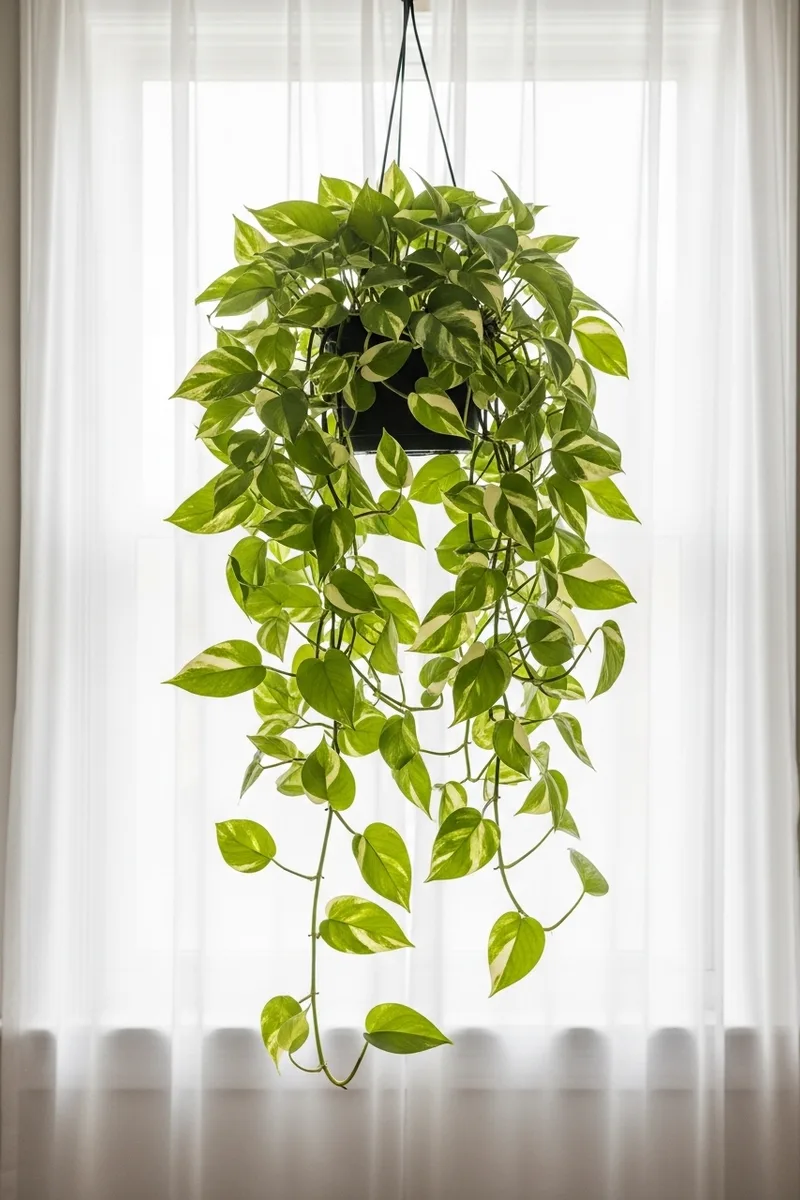
No amount of homemade plant food can compensate for poor lighting. Light is the most fundamental food source for any plant, providing the energy it needs to grow through photosynthesis. A pothos aiming for large leaves requires bright, indirect light. This means placing it within a few feet of a sunny window, but protecting its leaves from harsh, direct midday sun rays which can scorch and bleach them. A spot behind a sheer curtain is ideal, as it filters the light into a bright, diffused glow that mimics the dappled light of a forest floor. In this sweet spot, the plant has the maximum energy to produce huge, healthy leaves. If your pothos is living in a dark corner, move it to the light.
Cooking Water as a Nutrient Source
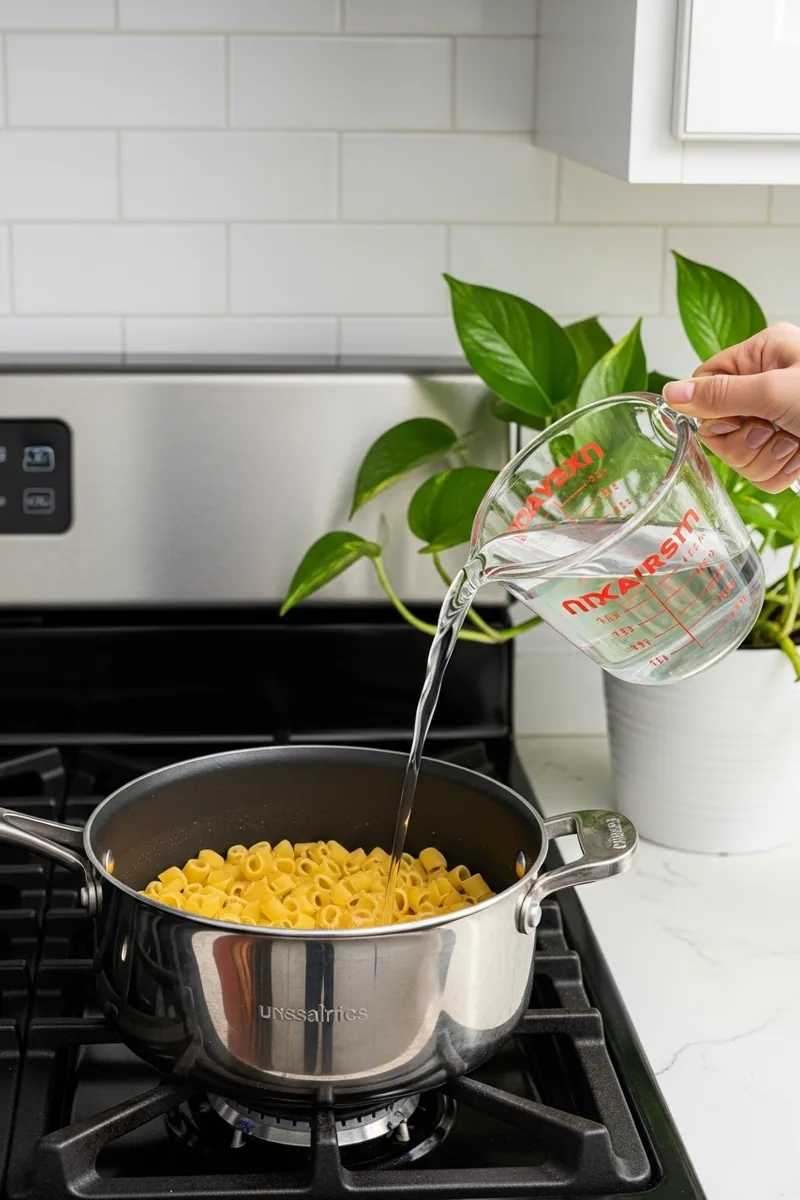
The next time you boil vegetables, pasta, or eggs, do not send that nutrient-rich water down the drain. The water left behind after boiling is packed with trace amounts of starch, calcium, and other minerals that can gently feed your pothos. The essential rule is that the water must be completely unsalted and cooled to room temperature before use. Salt can severely damage plant roots. The starchy water from pasta or potatoes, or the mineral-rich water from boiled eggs or spinach, acts as a mild, organic tonic. Use it in place of a regular watering session once or twice a month. It is a wonderfully simple, zero-waste way to recycle kitchen waste into free plant food for bigger, healthier leaves.
Rice Water for Starch and Vitamins
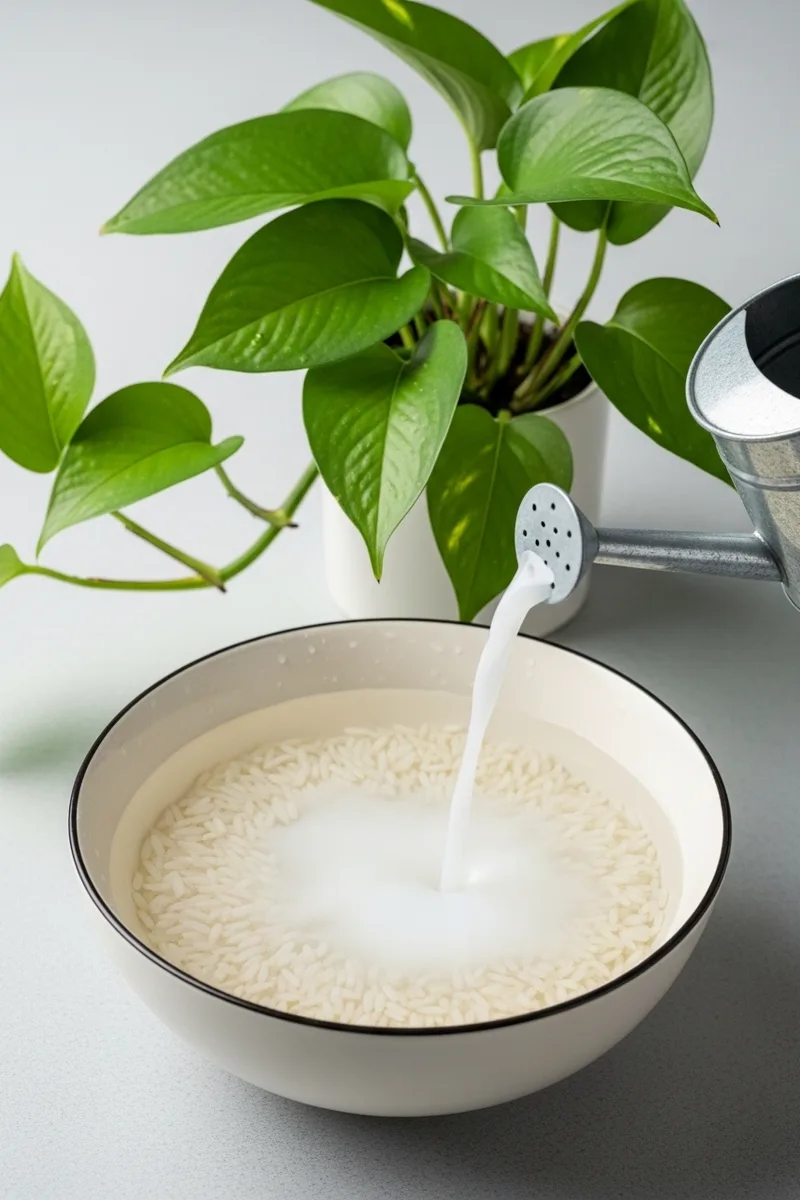
Rice water, the milky white liquid left over from rinsing or soaking uncooked rice, is a gentle, starch-rich tonic that your pothos will absolutely love. It contains trace amounts of starches, B vitamins, and minerals that can boost beneficial soil microbes. To make it, simply rinse a cup of uncooked rice in water and save the cloudy water, or soak the rice for 15-20 minutes and strain it. The resulting water can be used to water your pothos immediately. It acts as a very mild, natural stimulant for healthy soil, which in turn feeds your plant. Use this simple, cost-free method in rotation with your other household tricks for a holistic, organic approach to feeding your plant. This is another fantastic way to use something that would normally be discarded.
Proper Humidity for Tropical Leaves
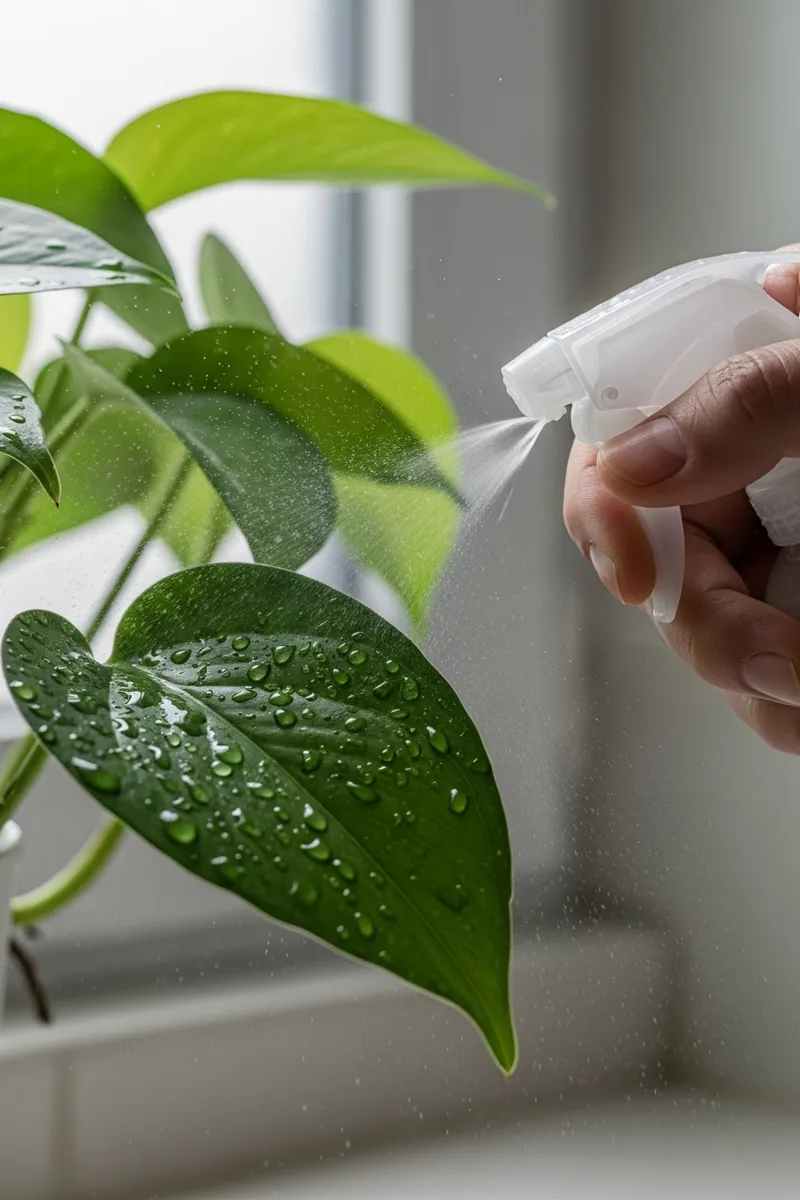
Pothos are tropical plants, and they crave the humidity of their native rainforest environment. Dry air, especially from indoor heating or air conditioning, can cause leaf tips to brown and stunt overall growth. To encourage large, lush leaves, you must increase the humidity around the plant. The simplest method is to regularly mist the leaves and the aerial roots with a spray bottle. An even more effective trick is to place the pot on a shallow tray filled with pebbles and water, ensuring the pot sits on the pebbles, not in the water. As the water evaporates, it creates a personal micro-climate of moist air for your plant, mimicking its natural habitat and telling its leaves to grow big and strong.
The Role of Well-Draining Soil Mix
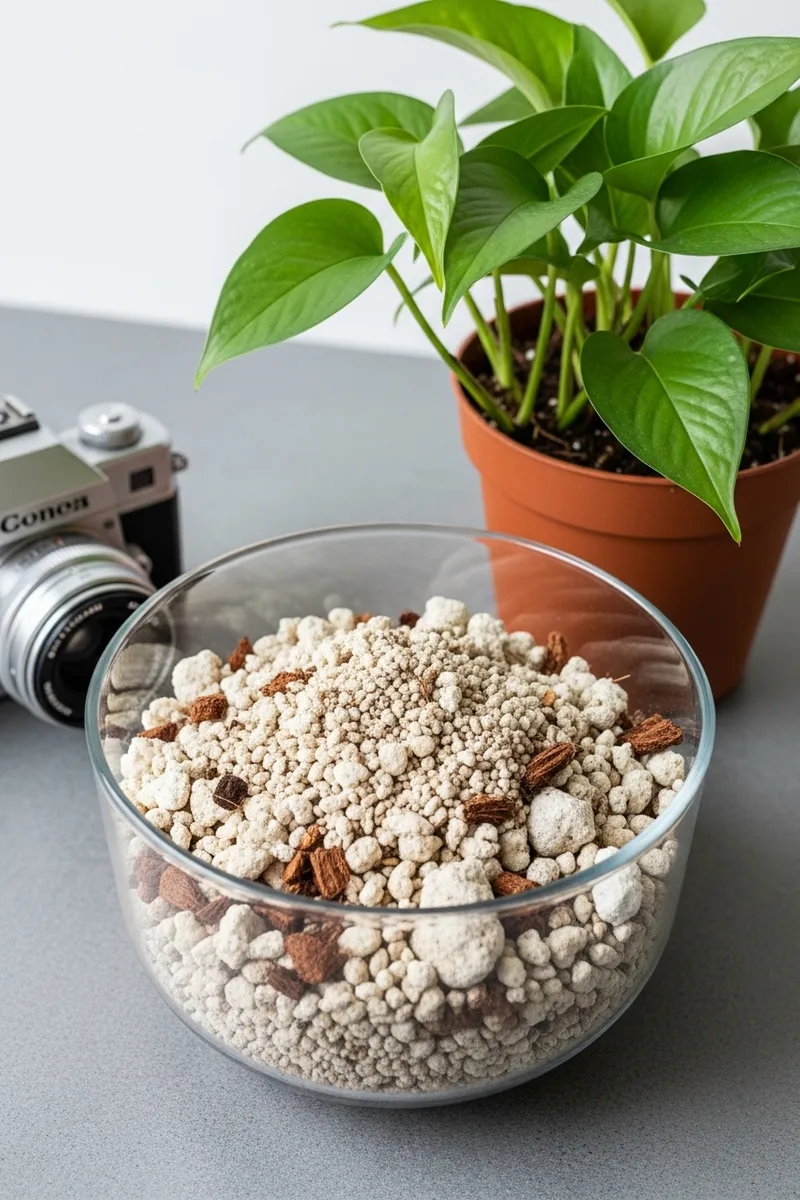
Even with the best homemade nutrients, your pothos will struggle to produce giant leaves if its root system is suffocating in heavy, compacted soil. A well-draining, chunky soil mix is essential. The roots need air as much as they need water. A heavy, peat-based mix that stays soggy will lead to root rot and a dying plant. A perfect, simple blend is a mix of standard indoor potting soil, a generous handful of perlite for aeration, and some orchid bark for chunkiness and drainage. This light, airy mix allows water to flow through freely and oxygen to reach the roots, creating the perfect underground environment for a healthy, vigorous root system that can support massive, lush leaf growth above the soil. Repotting into this custom mix is one of the kindest things you can do for your plant.
Green Tea Leaf Nutrient Infusion
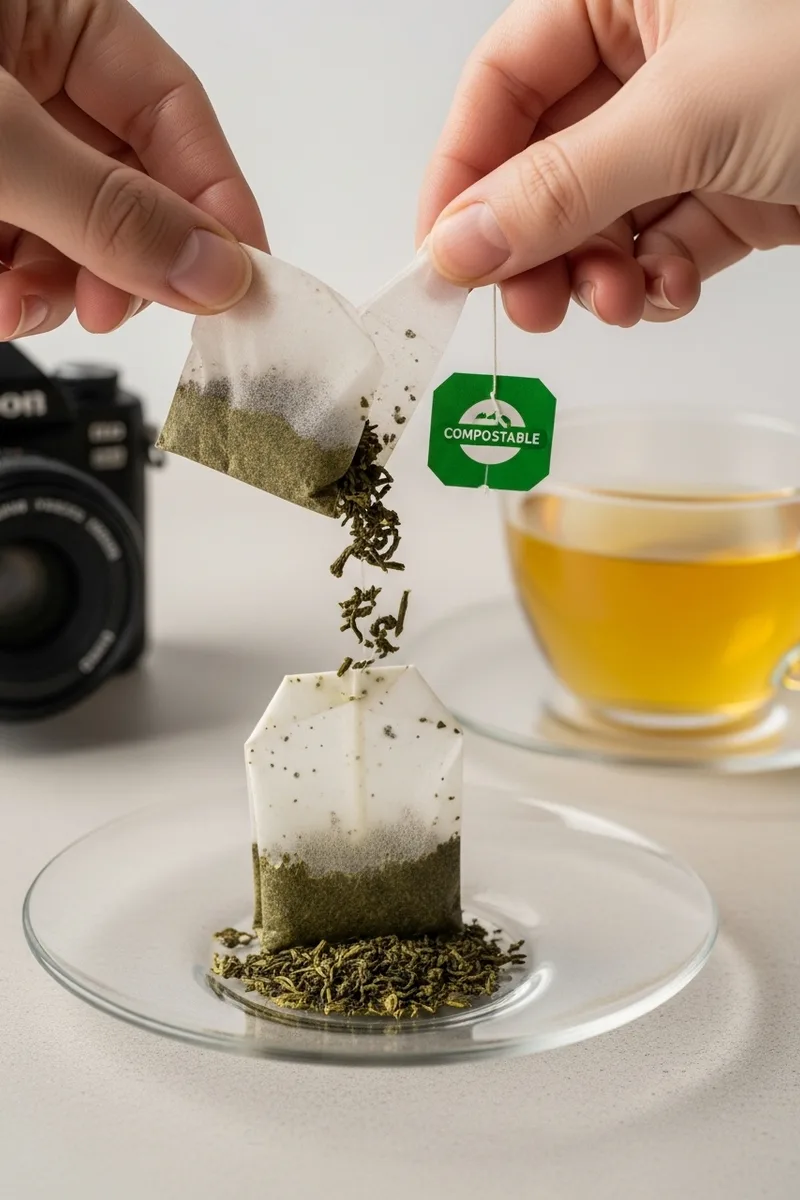
Green tea is not just good for you, it is good for your pothos too. Used green tea leaves are rich in antioxidants and tannic acid, which can help improve soil quality. To use them, simply save the leaves from your brewed green tea bag and allow them to dry out completely to prevent mold. Once dry, you can work them very gently into the top layer of the potting mix. As you water, the leaves will slowly break down, releasing a mild dose of nitrogen and other beneficial compounds into the soil. This is a very gentle, slow-release method, so use it sparingly. It is a wonderful way to give your plant a little antioxidant boost and reduce kitchen waste at the same time, adding another layer of slow-release nutrition to your organic care routine.
Regular Pruning for Fuller Growth
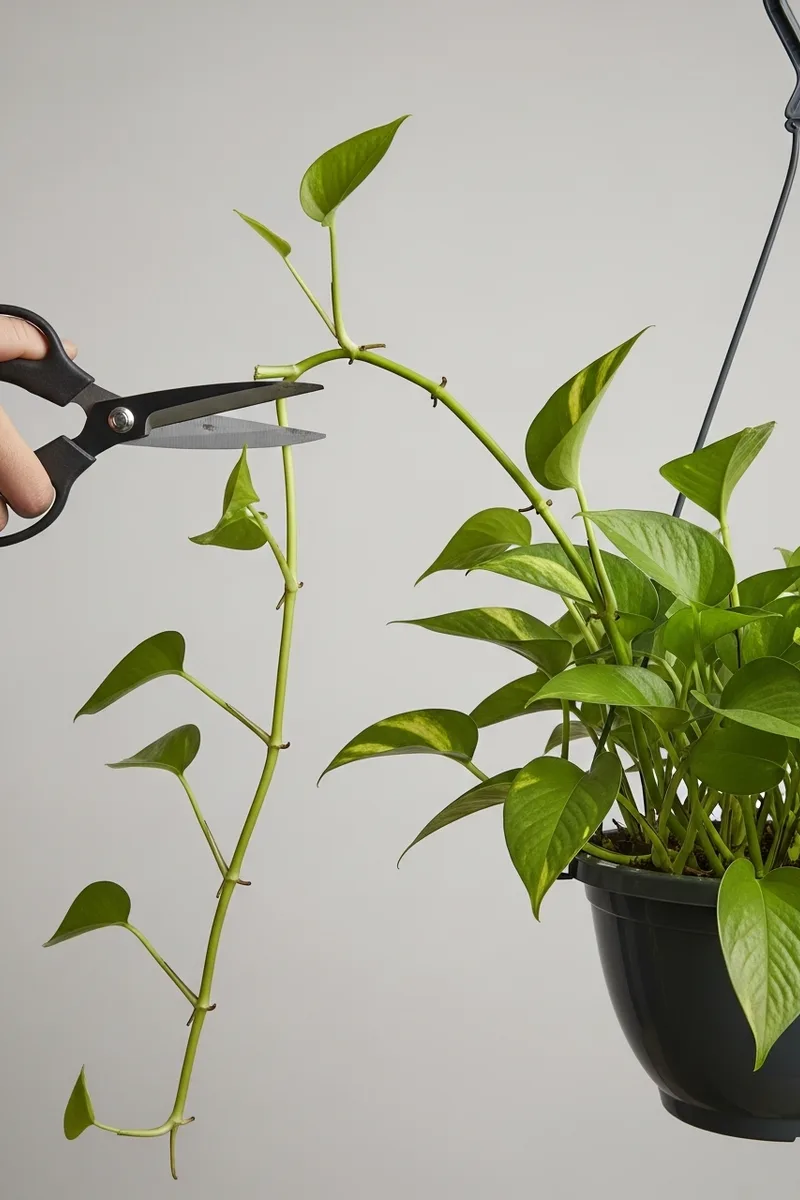
It can feel counterintuitive to cut your plant, but regular pruning is a powerful trick for making your pothos grow bigger and fuller. When you snip off long, leggy vines that have small leaves, you redirect the plant’s energy away from maintaining those weak, stringy vines and back into the main body of the plant. This encourages the plant to push out new, larger, and healthier growth from the base and from the nodes just below the cut. Always use clean, sharp scissors and prune just above a node (the small bump where a leaf attaches to the vine). Do not throw the cuttings away! You can propagate them in water to create new plants, making your collection even more lush and full over time. This regular haircut is essential for a dense, vibrant appearance.
Aquarium Water as Natural Elixir
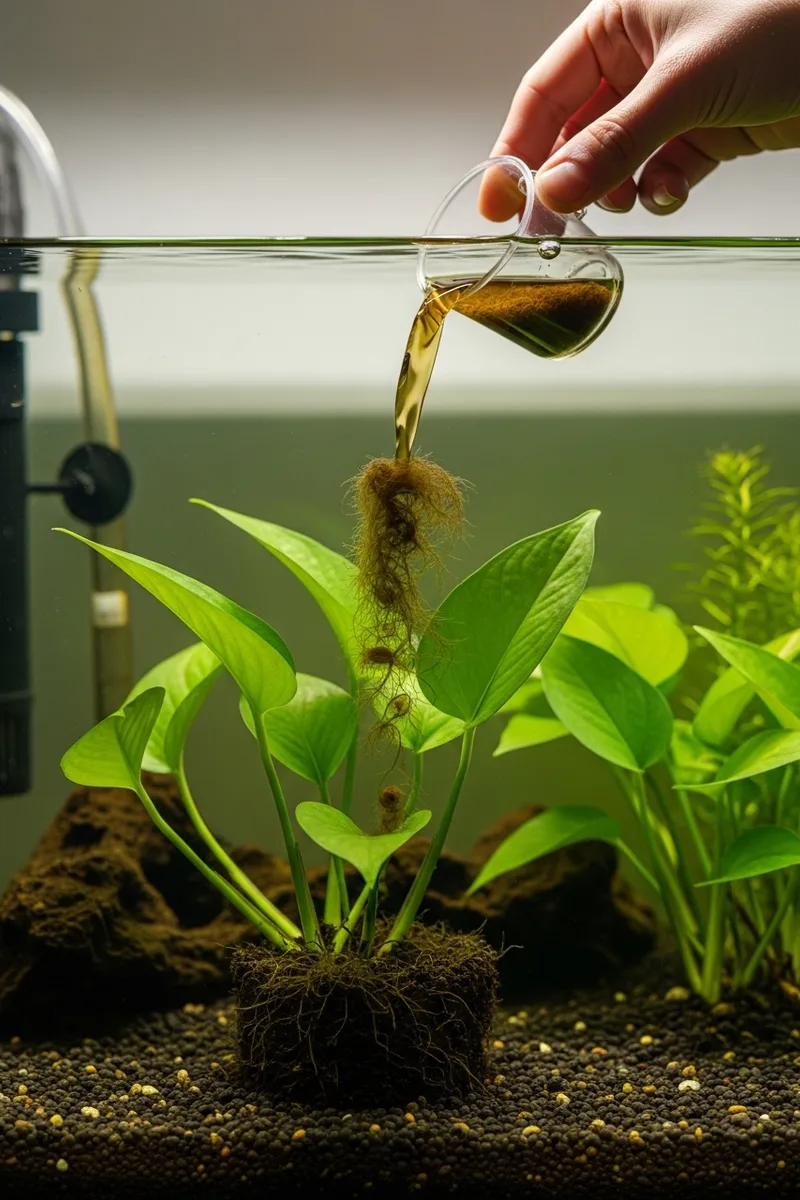
If you or a friend has a freshwater aquarium, you have access to what is arguably the single best natural plant food on the planet. When you clean a fish tank, the old water you remove is packed with nitrogen, phosphorus, and potassium from fish waste—all in a perfectly balanced, gentle, and instantly available liquid form. This is often called ‘liquid gold’ by houseplant enthusiasts. Simply use this room-temperature water to water your pothos. It is a complete, organic fertilizer that will make your leaves grow massive and incredibly glossy. Never use water from a saltwater tank, and ensure no chemical treatments have been added to the water recently. This is a truly magical, free elixir for jaw-dropping plant growth that enthusiasts rave about for good reason.
Cleaning Leaves for Maximum Light Absorption
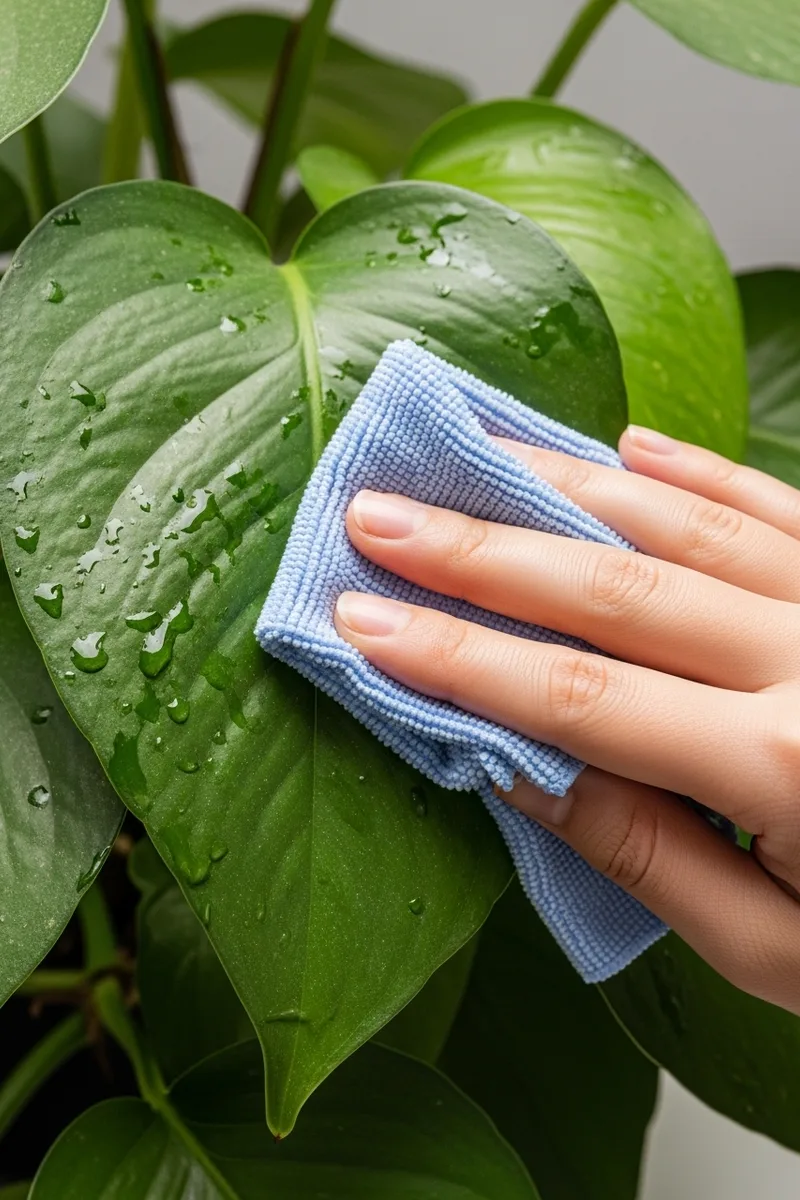
A layer of household dust on your pothos’s leaves does more than just look dull; it actually starves the plant of light. Dust particles act like tiny umbrellas, blocking precious light from being absorbed by the leaf’s surface for photosynthesis. To keep your plant working at maximum efficiency, make a habit of gently wiping down each leaf with a soft, damp cloth every few weeks. This simple act of care instantly restores the leaf’s natural glossy shine and allows it to absorb all the bright, indirect light it needs to produce huge, vibrant new growth. Support the leaf gently from underneath as you wipe to avoid damaging the stem or the delicate leaf surface. This mindful maintenance ritual also gives you a chance to inspect your plant for any pests.
Consistent, Mindful Watering Routine
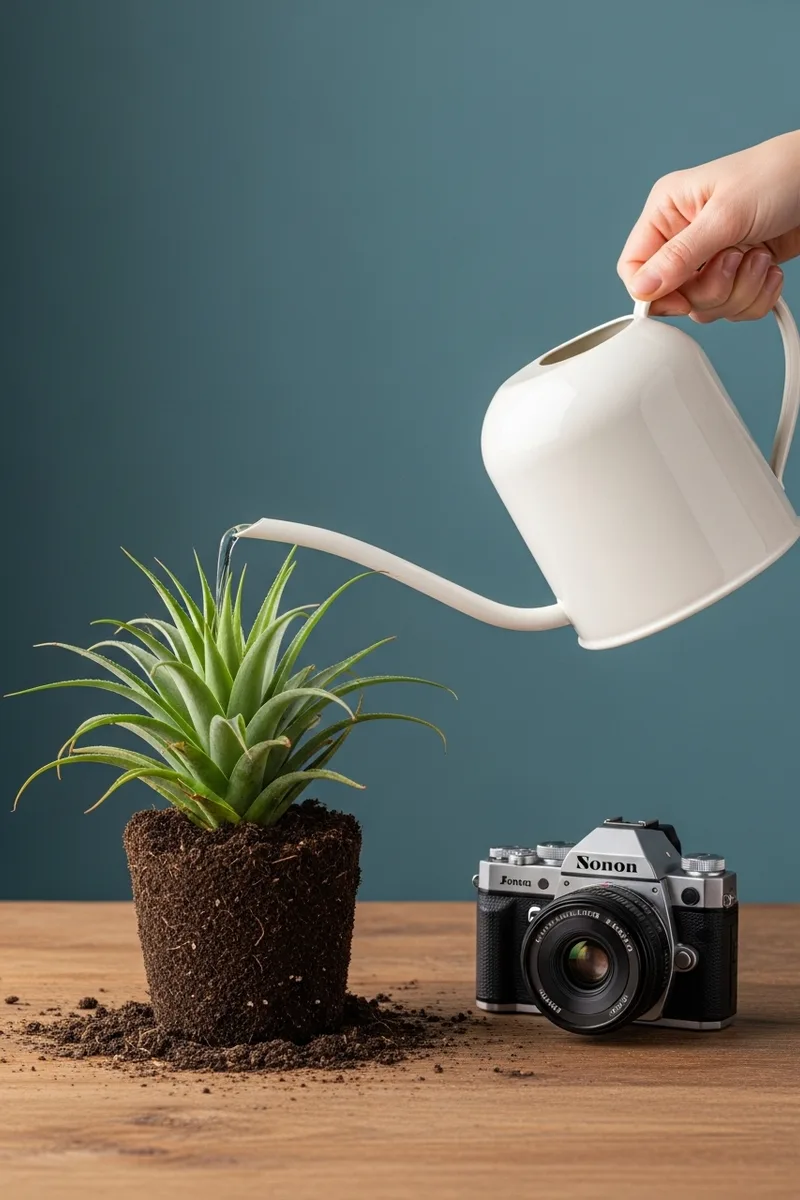
Overwatering is the single most common cause of an unhealthy, stunted pothos. To grow giant leaves, you must master the ‘soak and dry’ method of watering. This means resisting the urge to water on a strict schedule and instead checking the soil moisture yourself. Simply stick your finger about two inches deep into the potting mix. If it feels cool and damp, wait a few more days and check again. Only when the top few inches of soil feel completely dry should you water. When you do, water deeply and slowly until water runs freely from the drainage holes. This practice encourages deep, strong root growth and prevents the root rot that comes from soggy, waterlogged soil, allowing the plant’s root system to fully support massive, lush foliage without the stress of being waterlogged.
Stylish Dark Walnut Shelf Display

While your focus is on growing a healthy plant, do not underestimate the power of a beautiful display. Placing your glossy white ceramic pots on a dark walnut wood shelf creates a stunning, high-contrast presentation that elevates the entire plant. The dark, rich wood acts as a dramatic frame for the vibrant green leaves, making the foliage pop. The geometric design of a modern shelf adds an architectural element, transforming your pothos into a living piece of art. This thoughtful pairing of plant and furniture shows that plant care is not just about horticulture; it is about interior design. A beautiful display inspires you to take better care of your plant, and a healthy, happy plant makes your carefully chosen furniture look even more spectacular. It is a perfect, symbiotic relationship between nature and design.
Choosing Glossy White Ceramic Pots
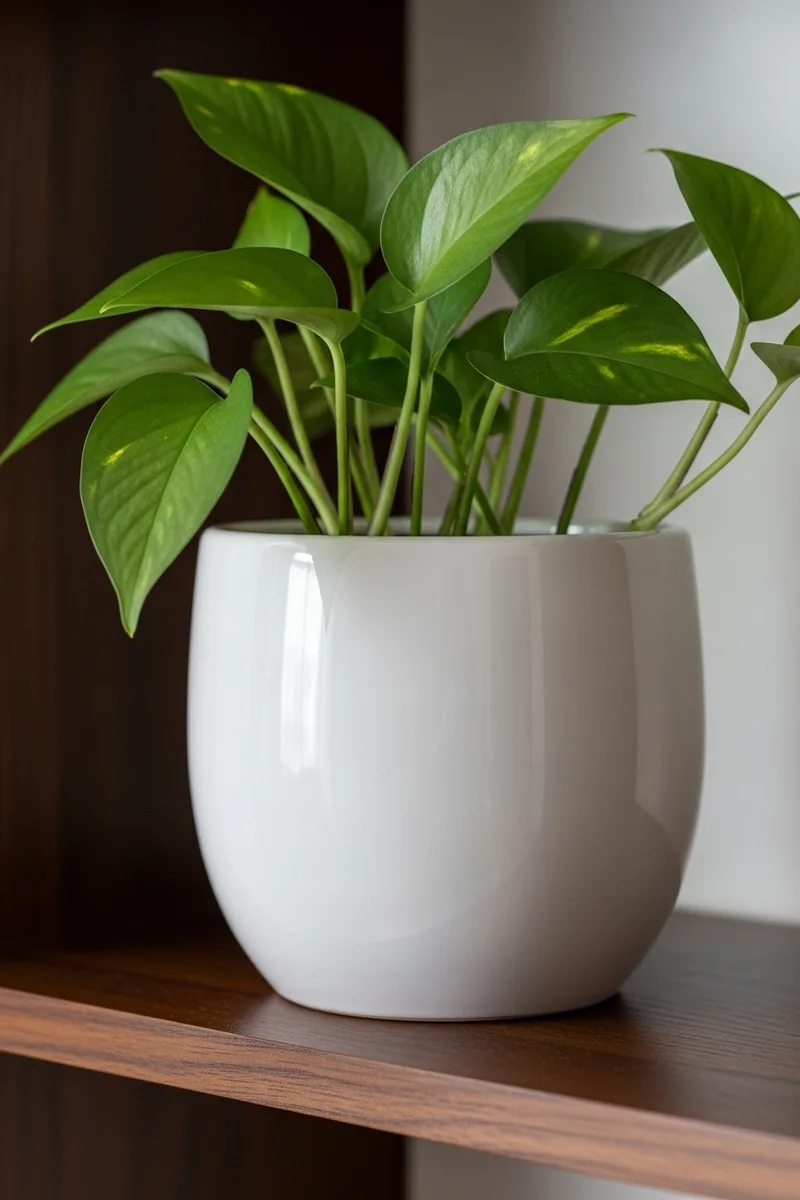
The pot you choose is a functional home for your plant’s roots, and a glossy white ceramic pot is an excellent choice. The smooth, non-porous surface helps the soil retain a bit of moisture longer, which is beneficial in drier indoor environments. The bright white color provides a fresh, modern contrast against the rich green leaves and, crucially, a dark shelf or wall. It acts as a clean, bright anchor that makes the plant’s colors pop. Beyond aesthetics, a sturdy ceramic pot provides a heavy, stable base that prevents a top-heavy, climbing pothos from tipping over. When repotting, always choose a pot that is only an inch or two larger in diameter than the root ball to prevent excess soil from staying wet too long, which can lead to root rot.
Cascading Vines as Living Decor
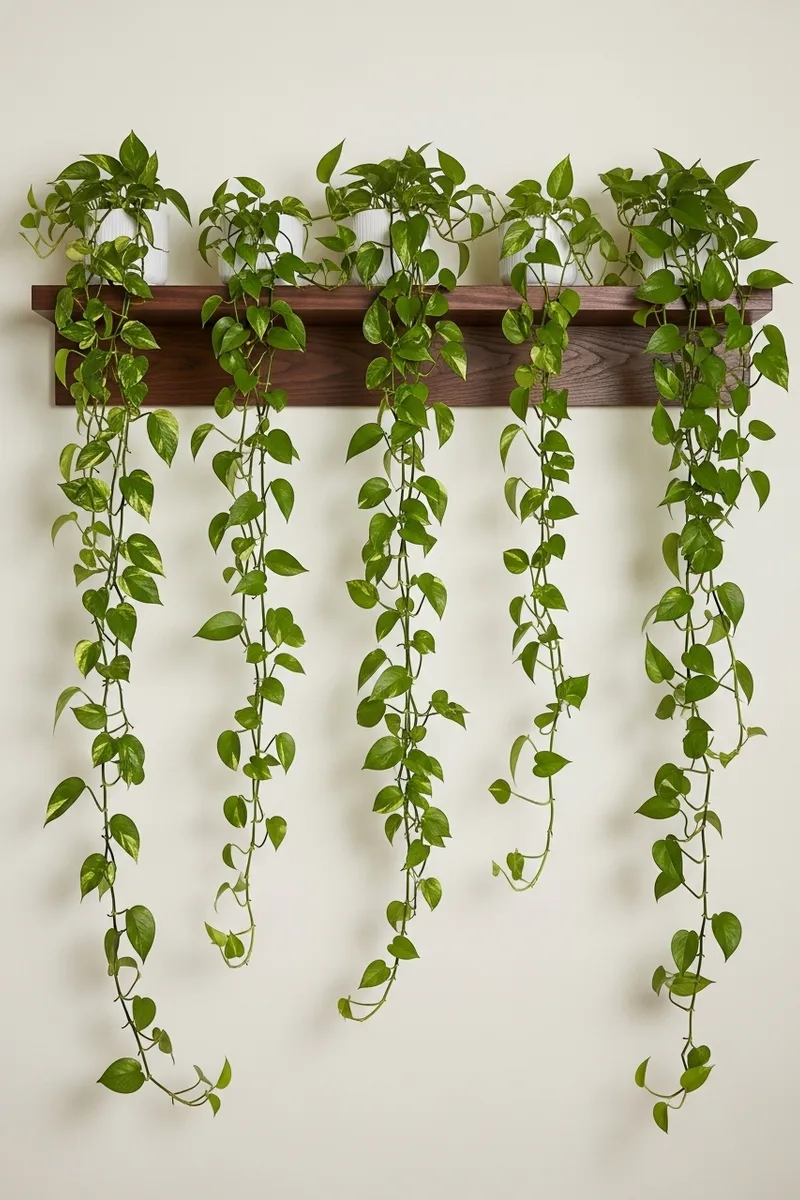
The ultimate reward for all your organic, loving care is the moment your pothos vines begin to cascade down from their shelf, transforming into a stunning waterfall of greenery. This is when your plant truly becomes a piece of living decor, adding vertical drama, movement, and life to the space. The long, healthy vines trailing against a matte cream wall create a breathtaking contrast of texture and color. To encourage this, gently guide the vines in the direction you want them to grow, and make sure to rotate the plant periodically so all sides receive light and it grows evenly. This living curtain of foliage is a testament to your successful, fertilizer-free care, a beautiful, breathing trophy that brings a deep sense of satisfaction and a lush, jungle-like vibe to your modern, tranquil home.
A Tranquil and Modern Botanical Mood

When all the elements of thoughtful plant care and modern design come together, the result is more than just a healthy plant—it is a specific, tranquil mood. The combination of the dark walnut wood’s warmth, the glossy white ceramic’s clean freshness, the organic, wild cascade of the vines, and the soft, neutral backdrop creates an atmosphere of modern serenity. This is a space that feels curated, calm, and deeply restorative. It proves that a single, well-cared-for plant can define the entire feeling of a corner of a room, turning it into a personal sanctuary. This is the ultimate goal: to use the natural beauty of plants, supported by your own mindful, organic care, to craft a home that feels not just decorated, but truly alive, peaceful, and perfectly, uniquely yours.
Inspiration gallery recap
Tap any image to open the slideshow — use arrows or swipe to browse.