13 Dark Academia Touches for a Brooding Study
There is a seductive, romantic pull to the Dark Academia aesthetic that transforms a mundane home office or reading nook into a portal to an older, more cerebral world. It is the aesthetic of whispered secrets in dusty library stacks, the smell of old paper and strong black tea, and the weight of a fountain pen in your hand. It longs for the Gothic arches of an elite university and the quiet thrill of relentless intellectual pursuit, wrapped in deep shadows and mahogany wood.
This is not about creating a sterile, modern office for spreadsheets. It is about crafting a brooding sanctuary where creativity and deep thought flourish. From the amber glow of a banker’s lamp to walls lined with weathered classics, here are 13 touches to summon that scholarly romance and turn your study into a timeless den of learning.
The Warmth of the Banker’s Lamp

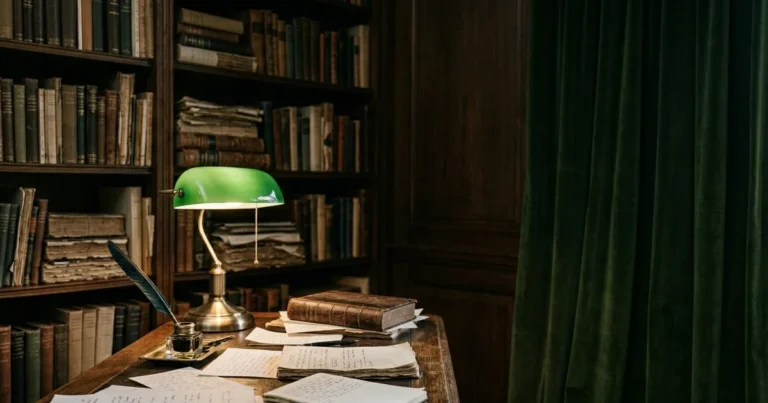
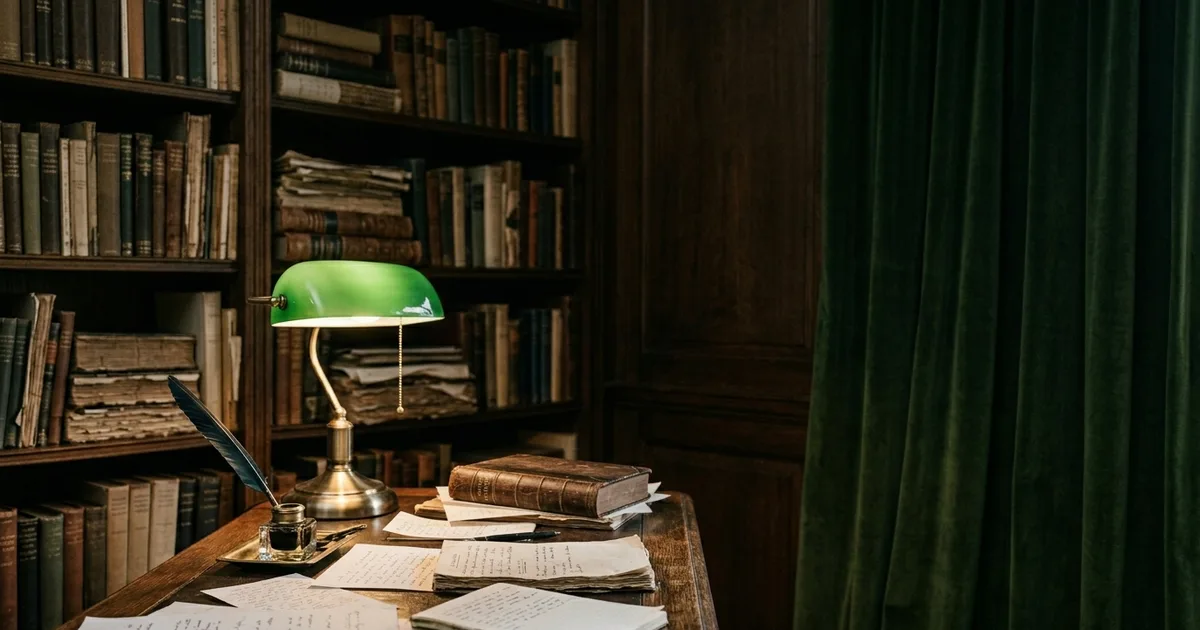
The quintessential icon of Dark Academia lighting is the emerald glass banker’s lamp, a piece that instantly codes a desk as a place of serious, late-night study. Its heavy brass or bronze base anchors the workspace, but it is the green glass shade and the warm incandescent glow it casts that creates the real magic. This specific, soft light is easy on tired eyes and carves a private, intimate circle of visibility out of the surrounding gloom. It banishes the sterile, blue-wave light of modernity, replacing it with an amber hue that feels like candlelight. When you sit under its glow, you are not just working; you are practicing a ritual of scholarship that connects you to centuries of thinkers who hunched under the same glass shade.
Floor-to-Ceiling Bookcases
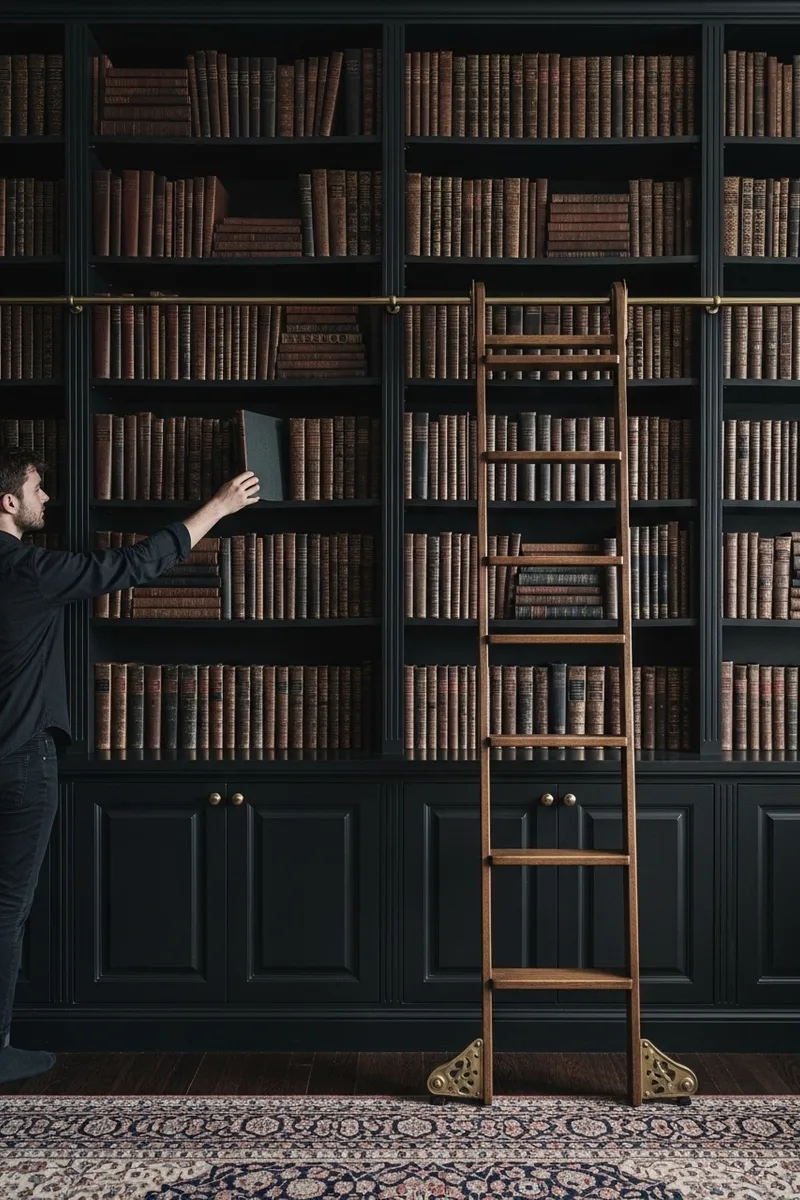
You cannot have a brooding study without the enveloping, quiet presence of a massive wall of books. Even if you are not a voracious collector yet, filling floor-to-ceiling dark wood shelves creates a visually insulating cocoon that dampens sound and radiates intellectual energy. The worn spines—ranging from faded leather to aged linen—introduce a tapestry of muted, scholarly color that is far more textured than any painted wall. Organize them in horizontal and vertical stacks to break the monotony, and intersperse a few small classical busts or fossils. The shelves become a physical archive of your curiosity, a silent, protective army of knowledge staring back at you, inspiring deeper work.
Dark, Moody Wall Hues
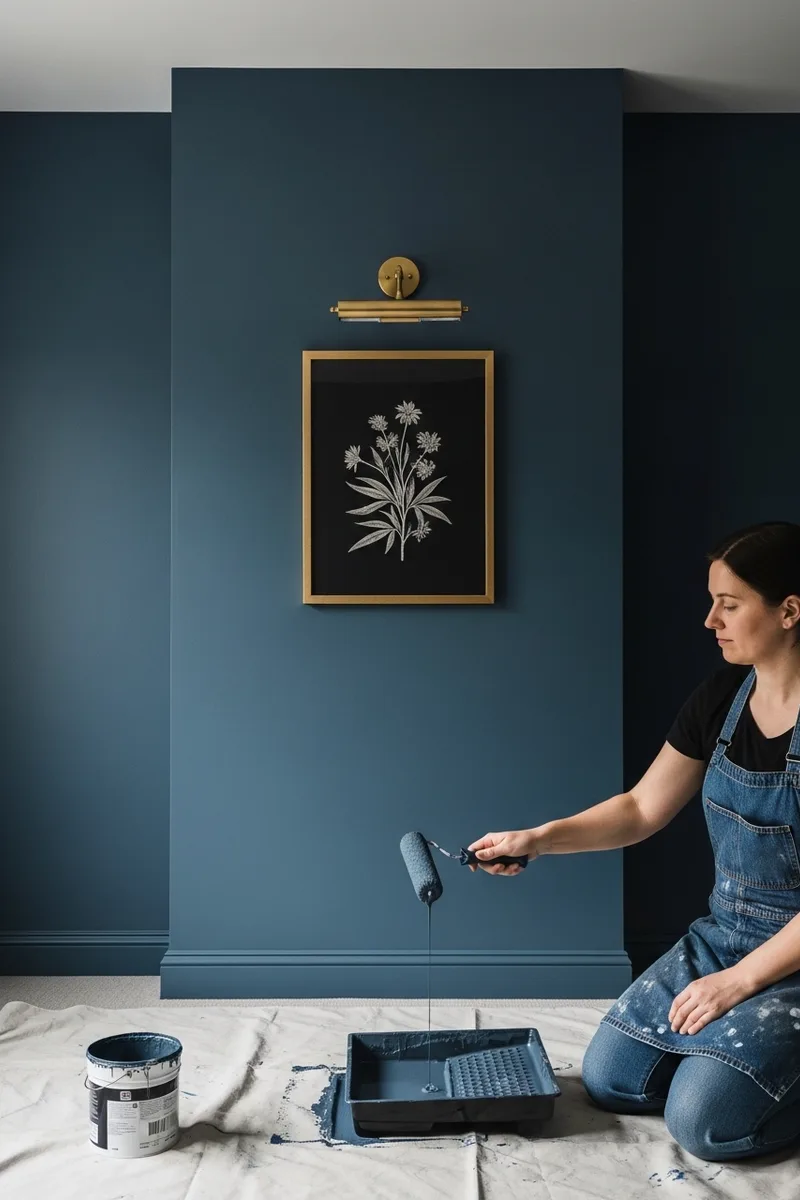
To achieve the necessary depth and shadow, the walls must retreat into the darkness rather than bounce light around the room. Opt for a rich, matte pigment in deep forest green, navy-black, or the darkest warm charcoal. This dark envelope absorbs light, making the boundaries of the room feel indefinite and the space feel deeply private and cave-like. It creates a dramatic contrast that makes your gilt-framed art, brass lamps, and the white pages of open books pop dramatically. This psychological shift is profound; a dark room feels like a secret, a hidden chamber removed from the banal realities of the outside world, perfect for deep creative focus and existential contemplation.
Worn Leather Wingback Chairs

A proper Dark Academia study requires a throne of contemplation: the worn leather wingback chair. Choose a piece in cognac or oxblood brown with a deep patina of scuffs and cracks that tell the story of long, restless nights of reading. The high back and winged sides physically envelop you, blocking drafts and peripheral distractions, creating a micro-environment for focus. Pair it with a small, round pedestal table for your cup of tea or glass of port, and perhaps a heavy wool throw for colder evenings. This chair is your command center for deep thought, a comforting, weighty piece of furniture that invites you to sink in with a dusty, dense classic and lose track of time entirely.
Classical Busts and Plaster Fragments
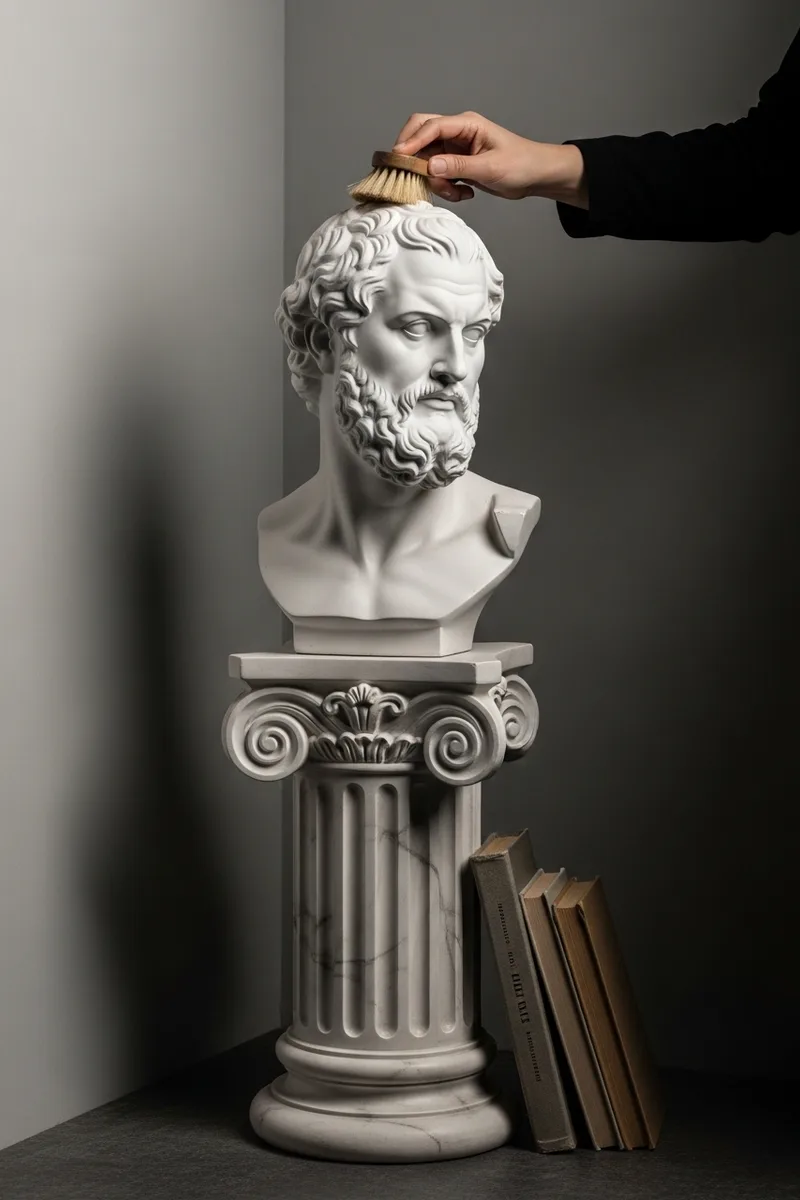
Accessorize your shelves and tabletops with the ghosts of antiquity by introducing weathered plaster casts of classical busts or anatomical models. A chipped bust of Homer, a miniature Venus de Milo, or a plaster Corinthian capital fragment injects an air of archeological romance and scholarly reverence for the ancient world. The stark, matte white of the plaster acts as a striking luminous contrast against the dark wood and moody wall colors, drawing the eye. These pieces suggest a mind preoccupied with philosophy, art, and history. They are not just decor; they are totems of the Western canon, silently observing your own intellectual labors from their shadowy perches.
Vintage Maps and Anatomical Charts

Adorn your vertical space with the tools of the classic explorer and polymath. Frame and hang a large, yellowed vintage pull-down school map, a detailed celestial star chart printed in blue and gold, or a creepy-yet-beautiful antique anatomical diagram of a skeleton or plant cell. These pieces bring a vast, adventurous scope to the room, reminding you that the world is large and mysterious, teeming with things yet to be discovered. The intricate line work and faded typography add an authentic layer of academic grime and visual texture. They transform a simple wall into a canvas of discovery, inspiring a sense of wonder and the insatiable, renaissance-style hunger for knowledge.
Gilt Frames and Dark Portraiture
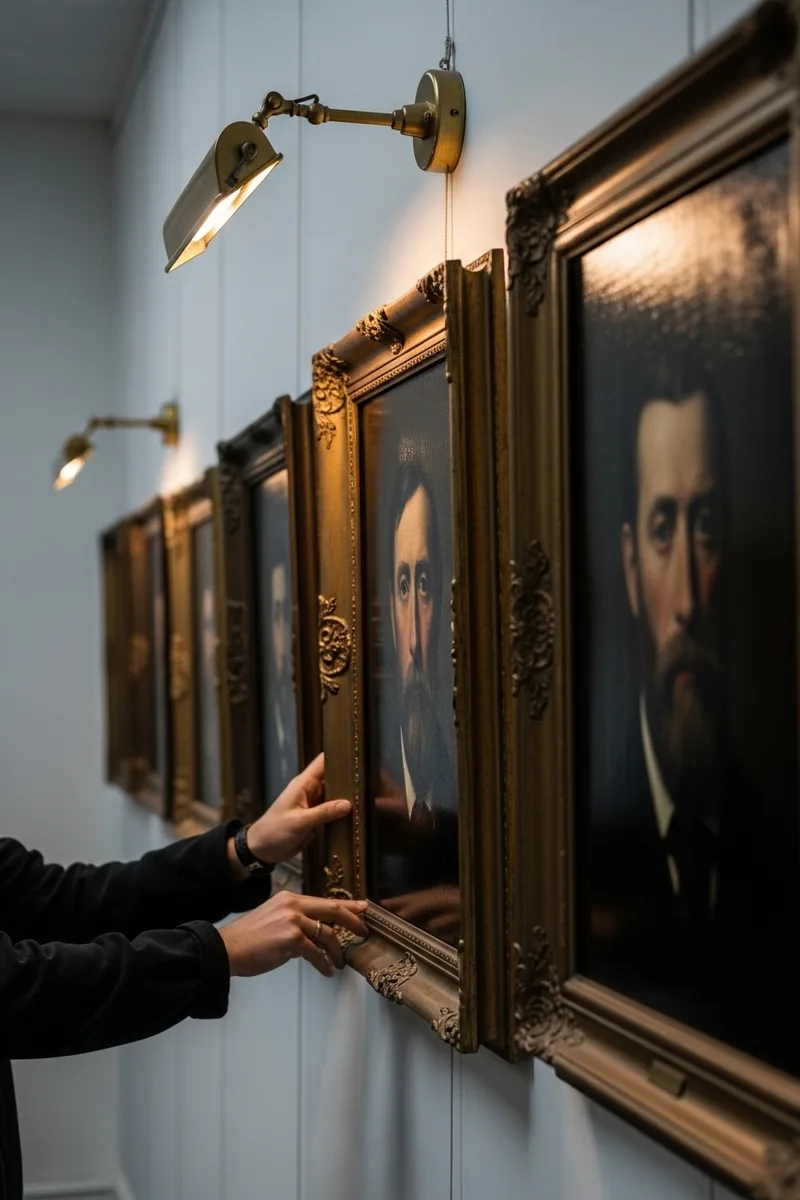
Every brooding study needs a gallery of silent watchers: dark, moody oil portraits in heavy, intricately carved gilt frames that have tarnished black with age. Seek out flea market finds of unsmiling Victorian figures, somber Dutch landscapes, or shadowy religious iconography. The heavy, ornate gold of the frames catches the subtle firelight or lamplight, sparkling dimly in the dark room, while the dark varnish on the painting holds deep, unreadable shadows. Hanging these frames salon-style, tightly clustered together, creates a wall of intense, historical gaze that feels slightly haunted and endlessly inspirational. It is like working in a private wing of a dusty, underfunded art museum.
The Writing Desk as an Altar
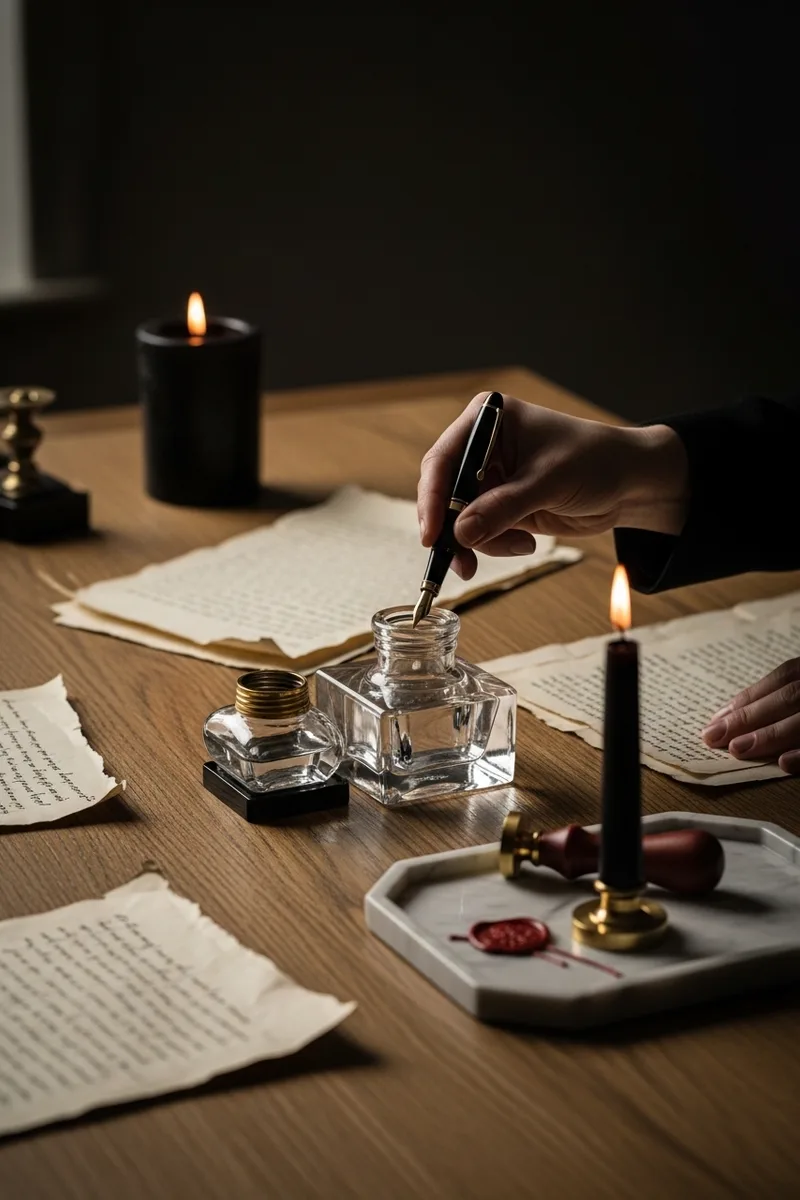
Treat your primary work surface not as a dumping ground for tech, but as a sacred altar to the craft of writing and thinking. A heavy, solid wood desk with turned legs and a distressed finish should be laid out with intentional, beautiful analog tools: a blotter pad, a crystal inkwell, a brass magnifying glass, and a letter opener. Keep the digital clutter to a minimum and let the rich grain of the wood dominate. This space should invite you to journal by hand, to sketch ideas, and to plot narratives with the satisfying scratch of a nib on thick, toothy paper. It is a deliberate rejection of the instantaneous in favor of the slow, messy, and tactile process of creation.
Candles and Flickering Shadows
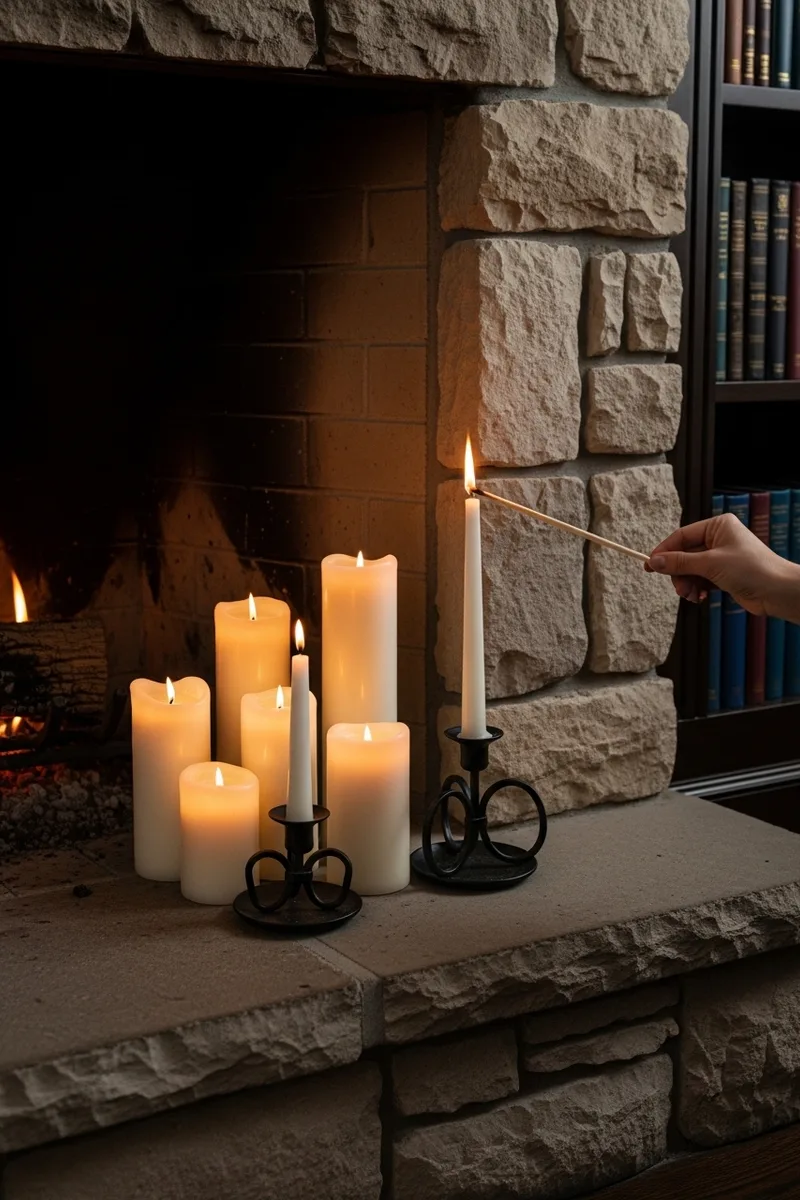
The soul of Dark Academia lives in the kinetic, dancing light of real flame. Scatter heavy, drippy pillar candles in tarnished silver or wrought iron holders across your desk, mantle, and side tables. When lit, the live flame introduces a moving, breathing element of chaos into the static room, the shadows quivering on the walls like restless spirits. The faint scent of beeswax or a smoky wick adds an olfactory layer that a screen can never replicate. Candlelight softens the face and glints off brass and glass, creating an atmosphere of intimate, melancholic beauty perfect for reading poetry or writing in a diary late into the witching hour.
Velvet and Brocade Drapery
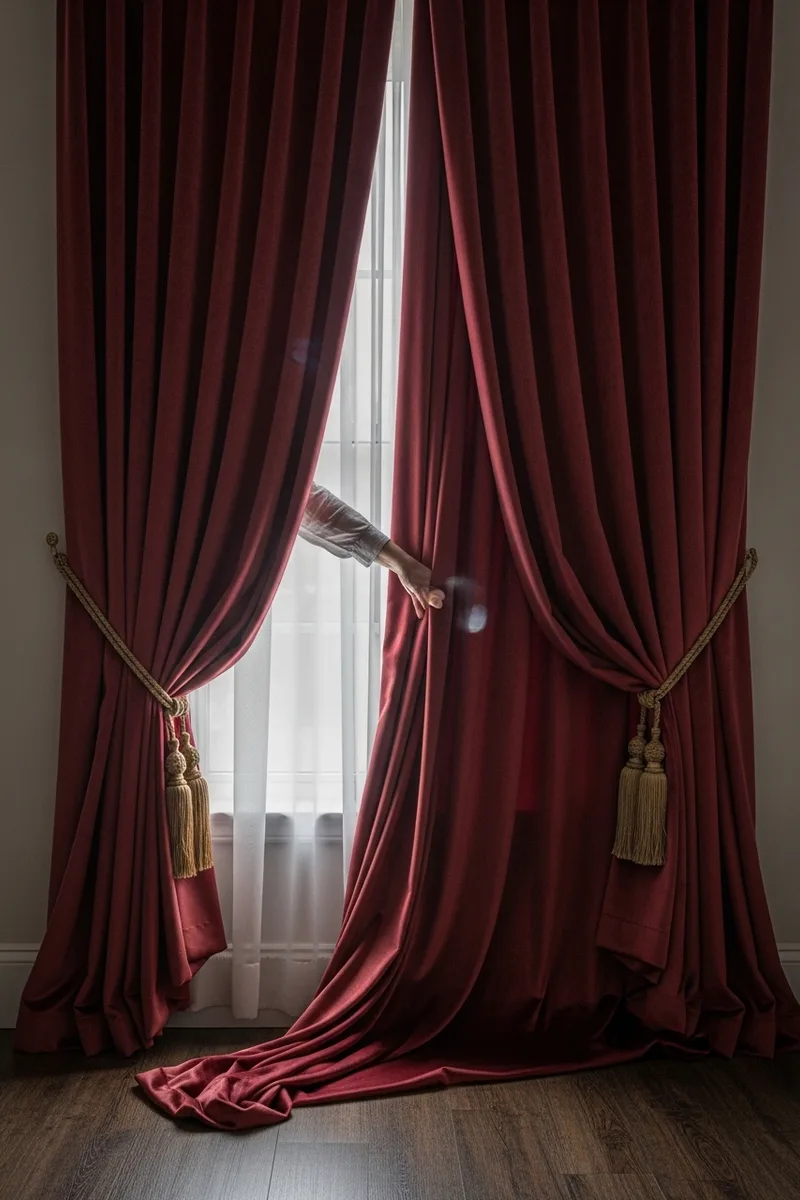
To shut out the modern world completely, hang dramatic, heavy velvet curtains in deep shades of burgundy, emerald, or midnight black. The thick, luxurious fabric blocks out light and muffles sound from outside, creating a sealed, timeless auditory chamber. The soft, plush texture of velvet adds a layer of decadent, visual softness that contrasts with the hard edges of wood and the coldness of stone. Let them pool dramatically on the floor for an extra touch of Gothic grandeur. The heavy drapes act as a definitive visual barrier between the sterile, contemporary reality outside and the warm, romanticized historical fiction you have cultivated inside your study, making the escape feel complete.
Curiosities and Specimen Jars

Channel the spirit of a 19th-century naturalist by displaying a cabinet of curiosities filled with the strange and scientifically fascinating. Glass cloches covering dried butterflies, antique apothecary jars holding preserved specimens in alcohol, and bowls of smooth river rocks arranged like museum exhibits add an edge of Gothic macabre. These objects suggest a mind engaged in taxonomy, geology, and the darker mysteries of the natural world. The glass and brass sparkle subtly in the low light, inviting closer inspection. It turns a corner of your study into a miniature private museum, a space dedicated to the strange beauty of the natural world and the relentless human drive to collect and understand it.
Layered Persian and Animal Hide Rugs
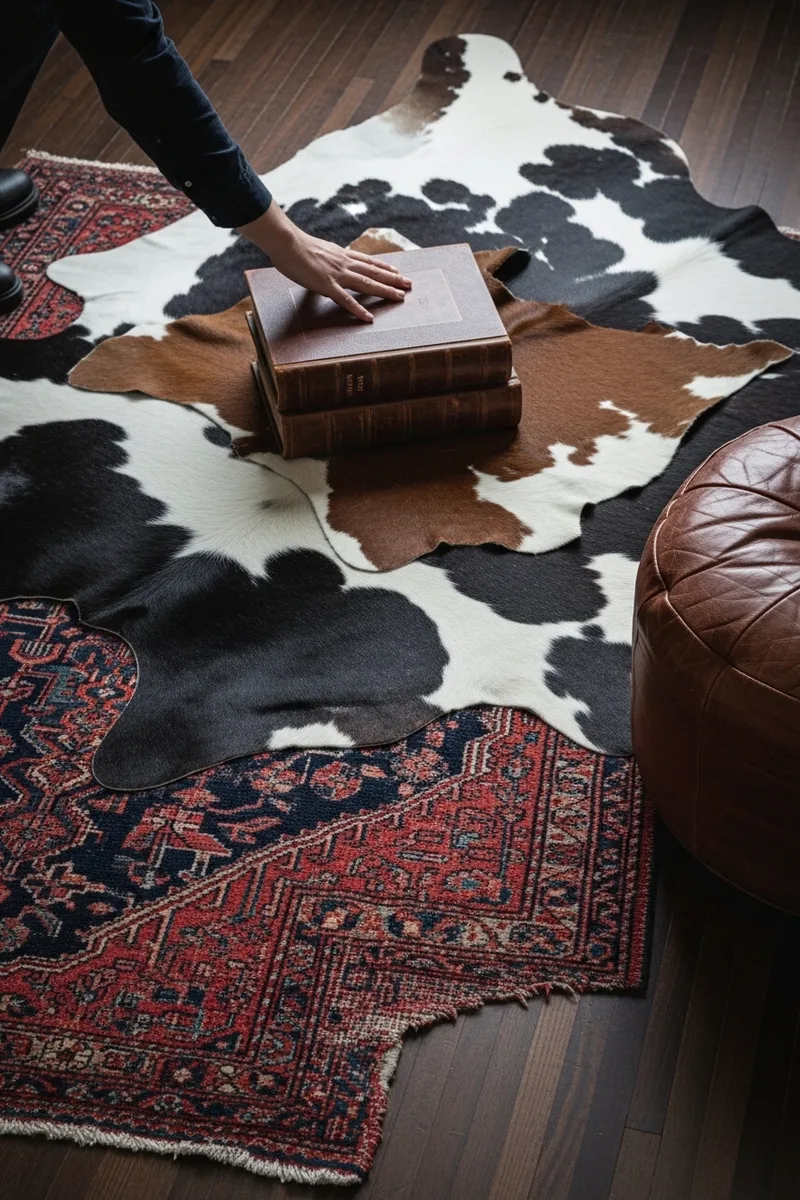
The floor should be a cacophony of aged, textured layers that warm the feet and add to the visual decadence. Start with a large, worn Persian or Turkish rug with a deep, moody palette, then layer a smaller cowhide or sheepskin on top at an asymmetrical angle. This creates a rich, textural collage underfoot that feels like an inherited bohemian estate. The overlapping fabrics dampen sound even further and provide a soft, uneven surface that invites you to kick off your shoes. The mix of geometric tribal patterns and organic animal hide shapes creates a beautifully chaotic, eclectic foundation that perfectly captures the maximalist, collected-over-generations spirit of the Dark Academia aesthetic.
A Hidden Decanter Tray

No scholarly sanctuary is complete without a discreet but well-appointed station for late-night vices. Dedicate a corner of your desk or a side table to a large, heavy brass tray holding a cut-crystal decanter filled with a dark spirit like scotch or brandy, accompanied by a pair of matching tumblers. The act of pouring a finger of whiskey into heavy crystal becomes a sensory punctuation mark in the workflow—a moment to pause and reflect. The amber liquid glowing in the lamplight is a visual comfort, a signal that the working day is done. It is a sophisticated nod to the chain-smoking, hard-drinking writers of the mid-century, adding an adult edge of gritty romance.