19 Masterful Front Yard Landscaping Design Layout Ideas
Crafting the perfect front yard landscaping design layout is crucial for setting your home’s first impression and enhancing its curb appeal. A thoughtful design can not only boost your property value but also create a welcoming outdoor haven for you and your guests. From selecting resilient plantings to defining functional pathways, every element contributes to a cohesive aesthetic. This guide reveals 19 masterful ideas that provide actionable insights and specific details to help you achieve a stunning and sustainable front yard, ensuring your outdoor space reflects both beauty and functionality. Get ready to transform your approach to designing a truly remarkable front yard with these expert tips and strategies for an exceptional front yard landscaping design layout.
- Embrace Layered Plantings
- Define Pathways with Pavers
- Integrate a Welcoming Porch
- Create a Focal Point Tree
- Design with Drought-Tolerant Beds
- Install Subtle Landscape Lighting
- Use Raised Garden Beds
- Incorporate Water Features
- Cultivate a Meadow Style Garden
- Outline Your Space with Low Walls
- Choose a Symmetrical Layout
- Develop an Asymmetrical Balance
- Add Edible Landscaping
- Consider a Rain Garden
- Build a Courtyard Entrance
- Utilize Container Gardening
- Strategize Front Yard Landscaping Design Layout
- Incorporate Artistic Elements
- Select Evergreen Structure
Embrace Layered Plantings
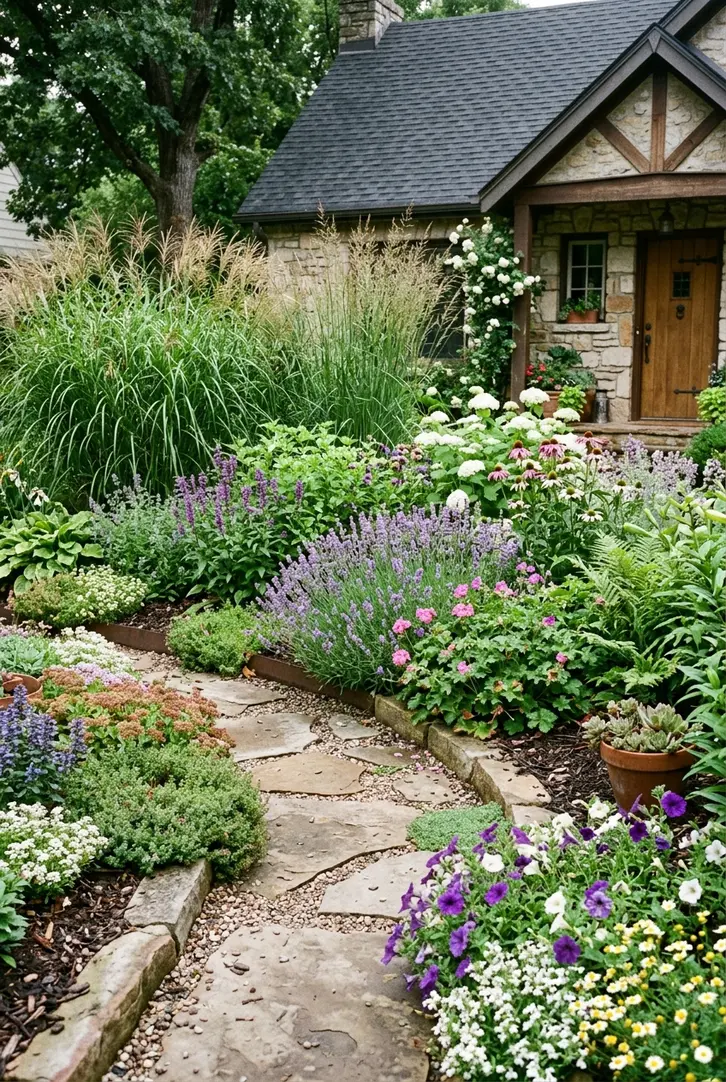
Achieve depth and visual interest in your front yard landscaping design layout by utilizing layered plantings, strategically arranging plants by height and texture. Begin with taller evergreen shrubs like boxwood or arborvitae at the back against the house or property line, providing a structured backdrop. In front, introduce medium-sized flowering perennials such as hydrangeas, lavender, or coneflowers to add seasonal color and soft forms. Complete the layers with low-growing annuals like impatiens or petunias, or groundcovers like creeping phlox, at the very front to spill over edges, creating a lush, full appearance and suppressing weeds effectively. This tiered approach ensures year-round appeal and maximum visual impact from the street, completing your front yard landscaping design layout beautifully.
Define Pathways with Pavers
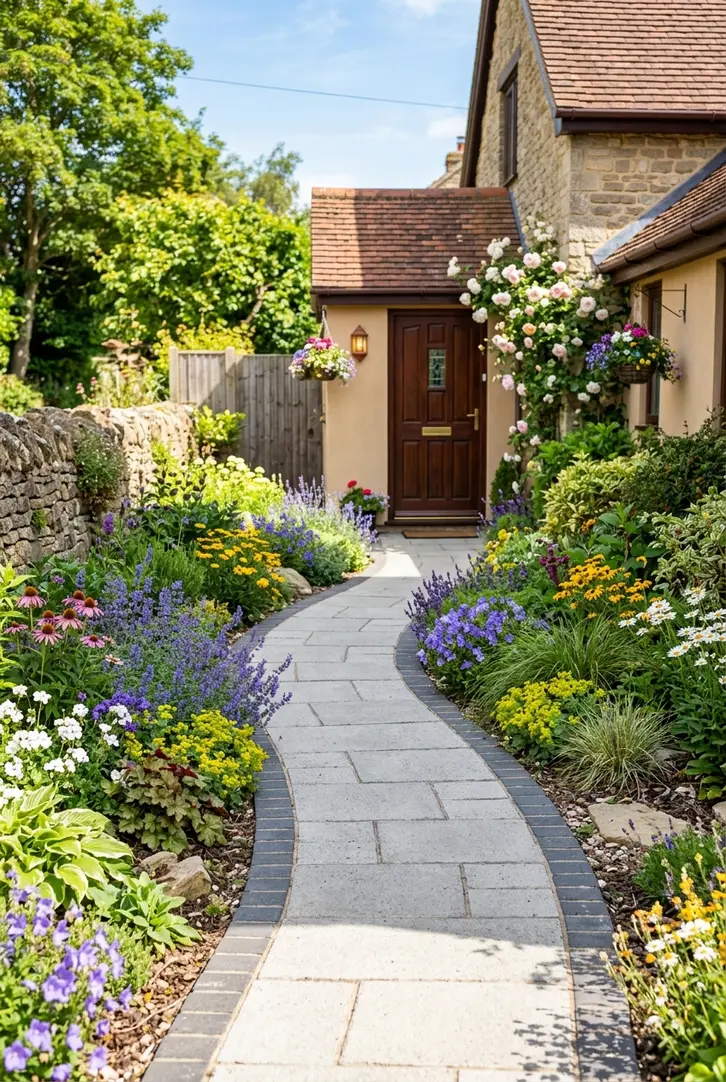
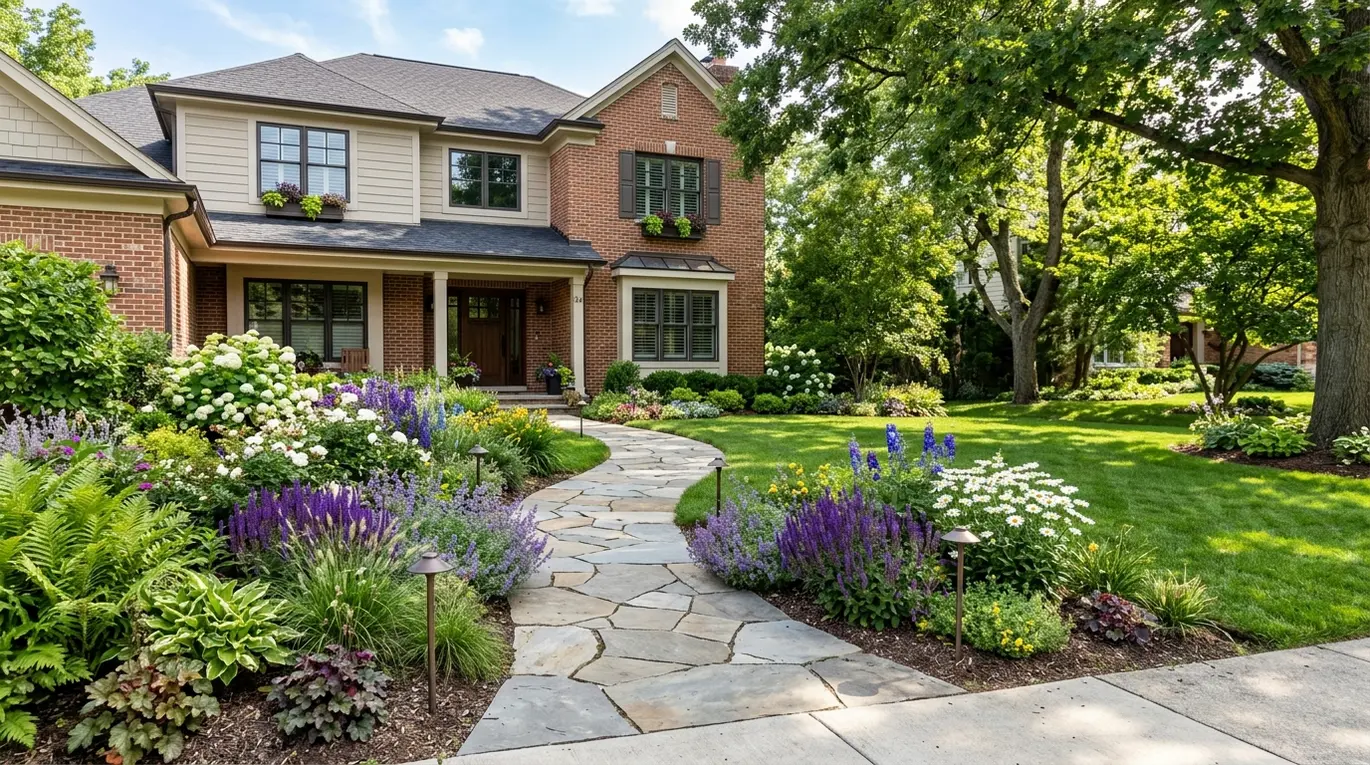
Guide visitors elegantly to your entrance by defining pathways with durable pavers, a key element in any cohesive front yard landscaping design layout. Choose materials that complement your home’s architecture; for instance, bluestone pavers offer a traditional feel, while large format concrete slabs lend a modern edge. Ensure paths are at least 36 inches wide for comfortable two-person passage. Consider edging the pavers with a contrasting material like dark brick or steel to create crisp lines and prevent shifting. Install subtle ground-level lights along the path to enhance safety and highlight the texture of the pavers during evening hours, adding warmth and sophistication to your overall outdoor aesthetic for a perfect front yard landscaping design layout.
Integrate a Welcoming Porch
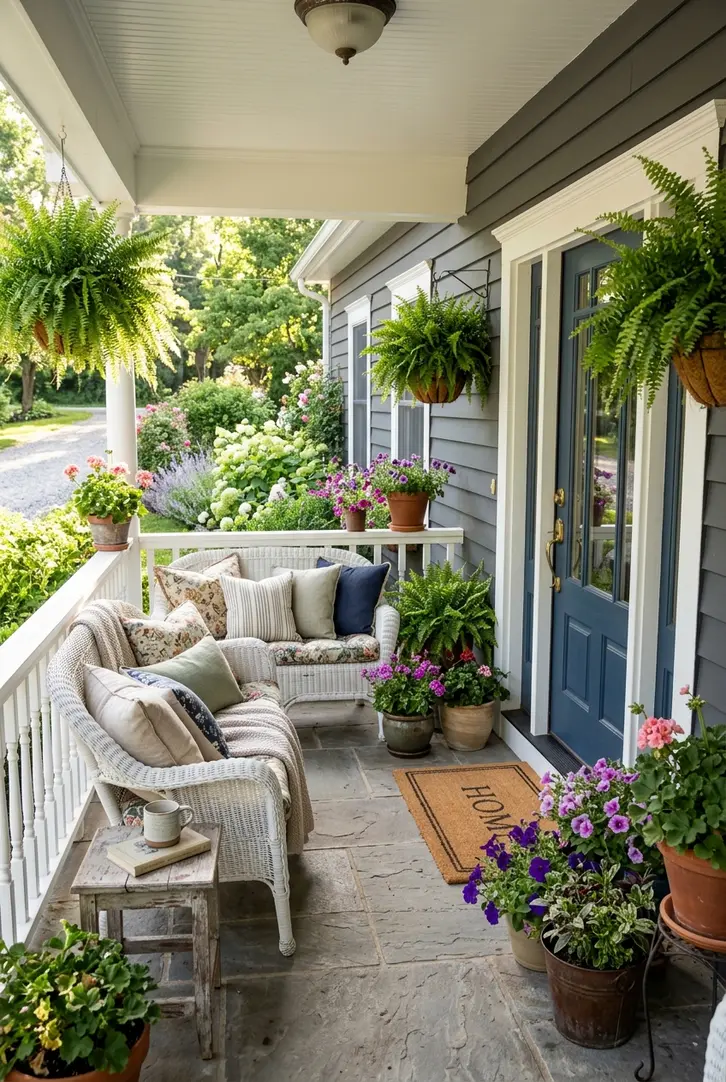
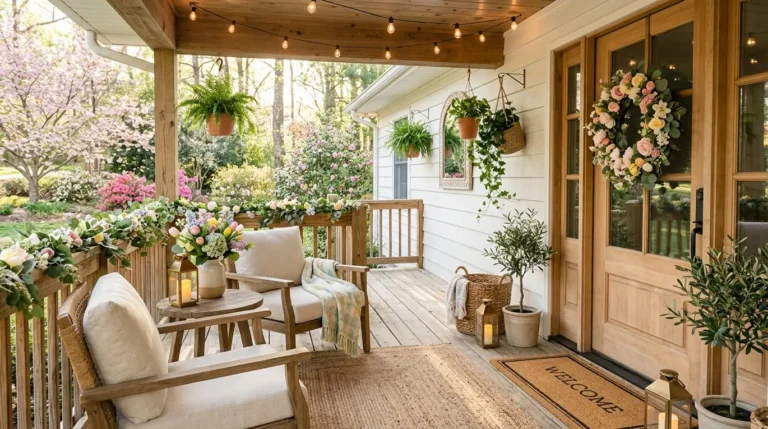
A well-integrated porch extends your living space and creates an immediate sense of welcome within your front yard landscaping design layout. Furnish your porch with comfortable, weather-resistant seating such as wicker chairs with plush cushions in muted tones or a classic wooden bench. Add potted plants like vibrant impatiens or stately ferns in terracotta or ceramic containers to introduce color and greenery. Consider a stylish outdoor rug to define the space and a discreet ceiling fan for comfort during warmer months. Ensure porch railings match or complement the home’s trim color, connecting the architectural elements directly to the surrounding landscape for a harmonious transition and a cohesive front yard landscaping design layout.
Create a Focal Point Tree
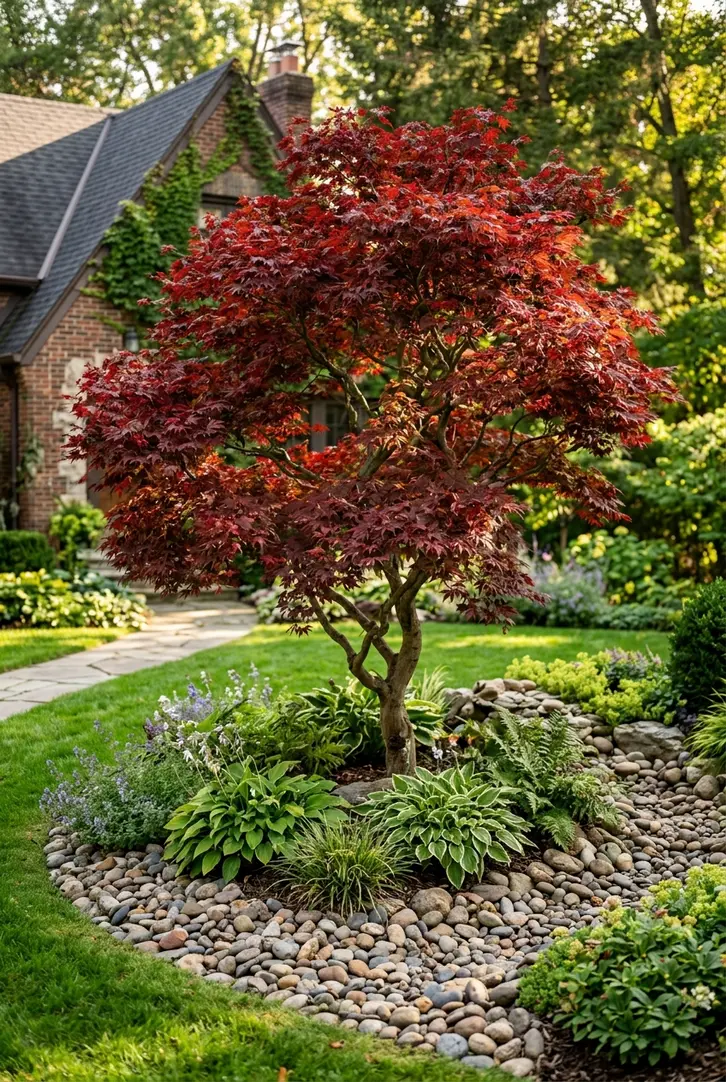
Establish a strong visual anchor in your front yard landscaping design layout by carefully selecting and placing a focal point tree. Opt for a species that offers year-round interest, such as a Japanese maple with its vibrant seasonal foliage, a flowering dogwood for spring blossoms, or a sculptural evergreen like a Colorado blue spruce. Position the tree strategically, often slightly off-center from the main entrance, to draw the eye without obstructing views. Underplant the tree with low-maintenance groundcovers like hostas or creeping jenny, or arrange a border of smooth river stones, to define its base and minimize competition for nutrients, ensuring it stands out majestically in your front yard landscaping design layout.
Design with Drought-Tolerant Beds
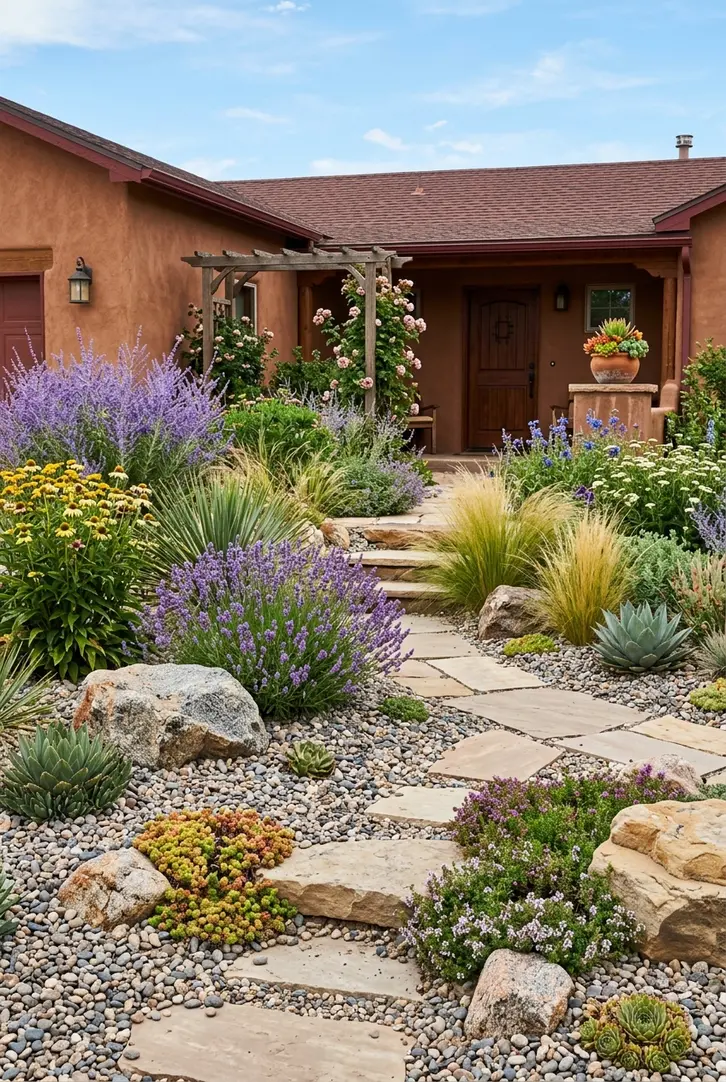
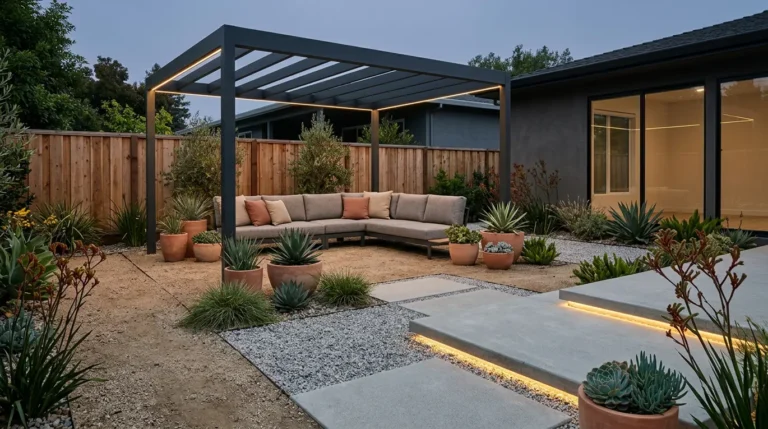
Implement water-wise principles in your front yard landscaping design layout by creating drought-tolerant planting beds, reducing maintenance and conserving resources. Select plants native to your region or those known for their low water needs, such as lavender, sedum, various ornamental grasses, or different types of succulents. Prepare beds with well-draining soil and a thick layer of mulch, like decomposed granite or natural shredded bark, to retain moisture and suppress weeds. Incorporate large decorative boulders or river rock to add textural contrast and define the beds. This approach not only provides a stunning aesthetic but also creates a resilient and sustainable landscape, requiring minimal irrigation once established, especially in arid climates, completing your front yard landscaping design layout effectively.
Install Subtle Landscape Lighting
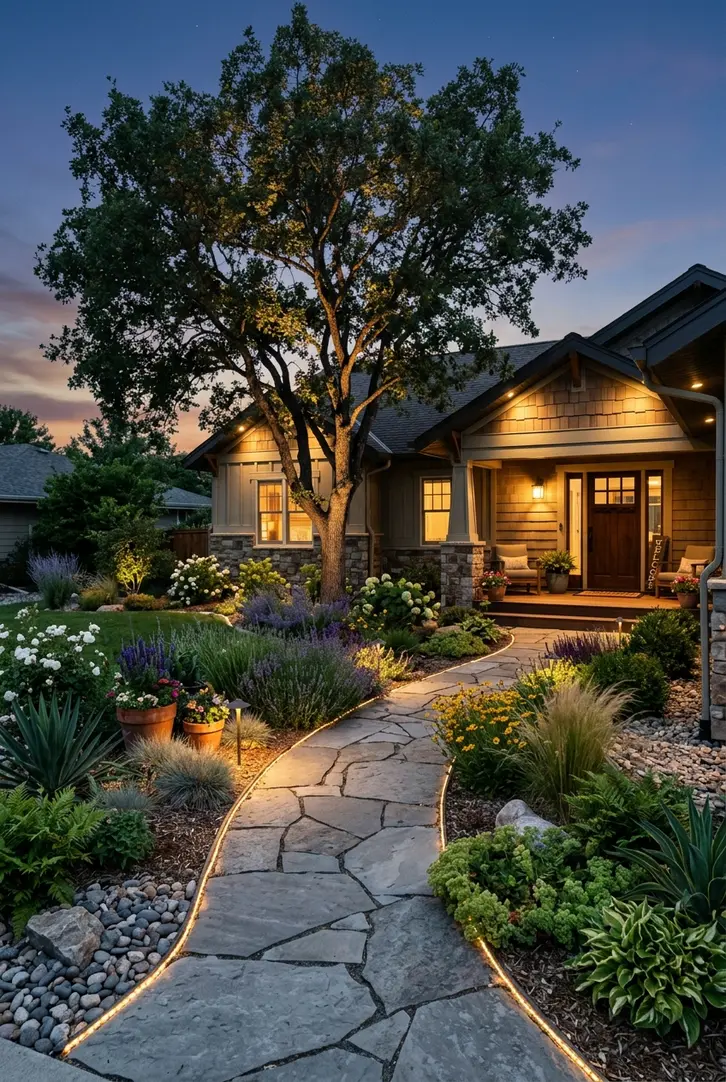
Enhance the safety and allure of your home after dark with carefully installed landscape lighting, a pivotal feature in any sophisticated front yard landscaping design layout. Use low-voltage LED fixtures to illuminate pathways, highlighting changes in elevation and guiding visitors safely to the door. Strategically place spotlights to up-light architectural features of your home, such as stone accents or decorative gables, or to dramatically highlight a specimen tree. Incorporate subtle wash lighting to gently illuminate garden beds, bringing texture and color to life at night. Solar-powered options offer an eco-friendly choice, providing warm, inviting glows without the need for complex wiring, extending the enjoyment of your outdoor space and refining your front yard landscaping design layout.
Use Raised Garden Beds
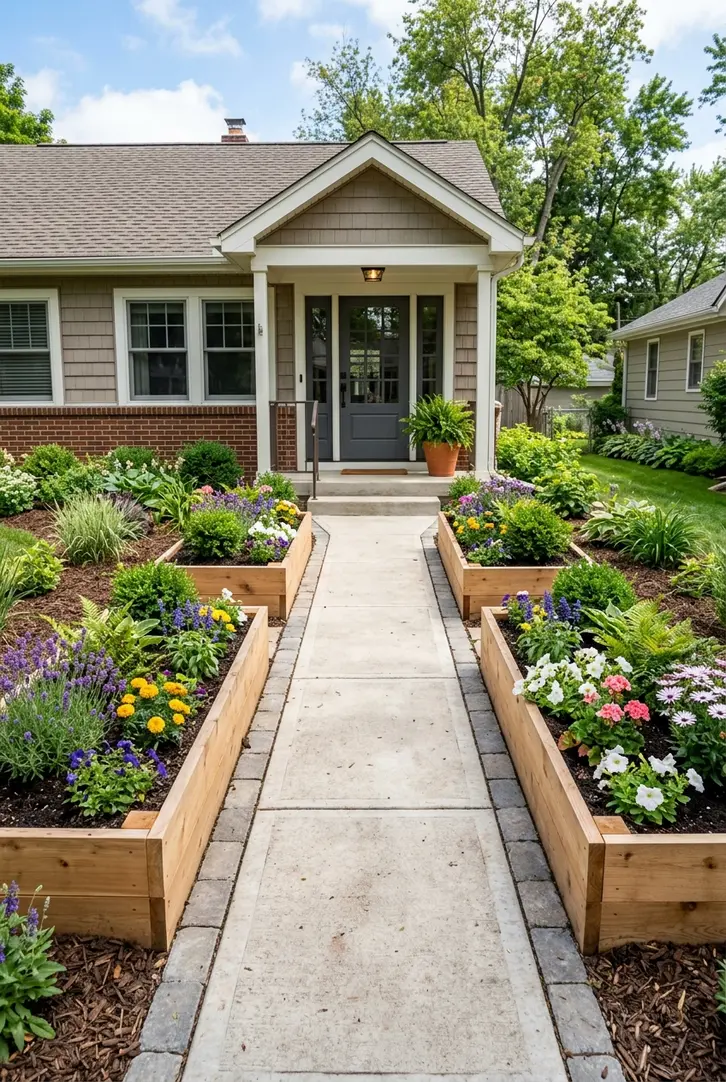
Incorporate raised garden beds into your front yard landscaping design layout to introduce structured planting areas, improve soil conditions, and add a distinctive visual element. Construct beds from durable materials such as natural cedar, stacked stone, or painted composite lumber to complement your home’s exterior. The elevated height makes gardening more accessible and provides excellent drainage, ideal for plants that prefer drier roots. Fill them with nutrient-rich soil and vibrant, low-maintenance flowers like petunias or marigolds, or even small edible herbs. Position raised beds symmetrically around an entrance for a formal look, or in staggered arrangements for a more organic, modern aesthetic, clearly defining distinct planting zones within your front yard landscaping design layout.
Incorporate Water Features
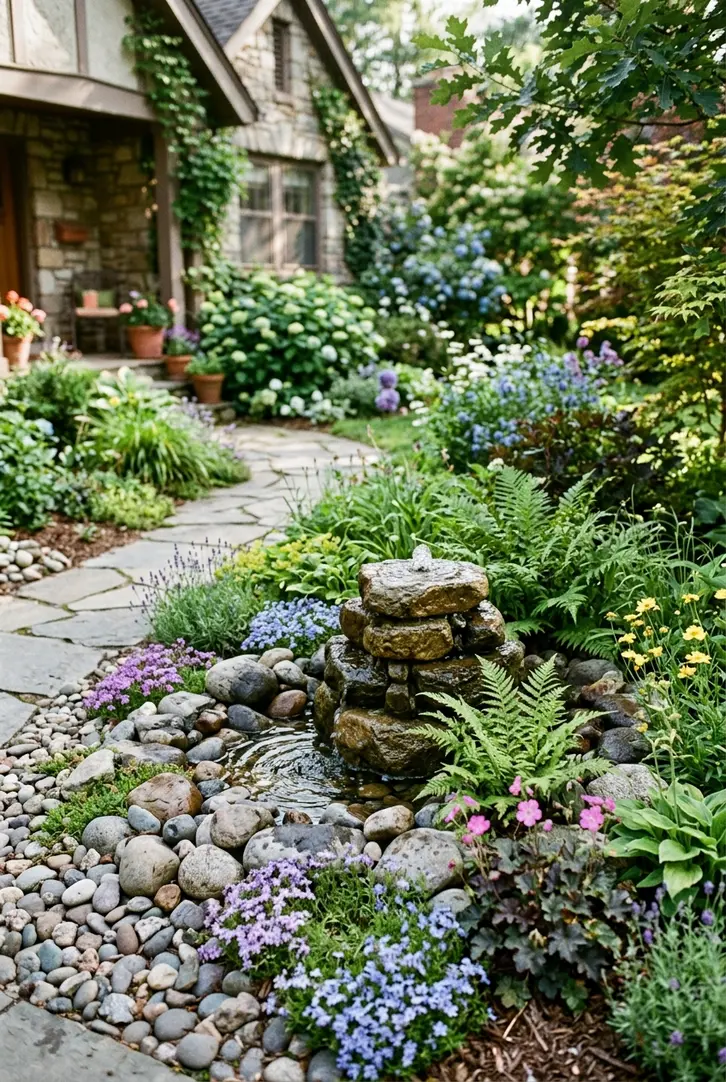
Introduce sensory appeal and a soothing ambiance to your front yard landscaping design layout by incorporating a water feature. A small, recirculating bubbler fountain crafted from natural stone or ceramic can provide gentle sounds without extensive maintenance, requiring only a simple pump and occasional topping off of water. Position it near a seating area or along a main pathway so the calming sounds are easily enjoyed. For a more dramatic effect, consider a tiered fountain as a central courtyard piece, though this requires more space and a robust pump system. Ensure the feature’s size and style harmonize with your home’s overall aesthetic, using submersible lights to enhance its visual impact at night and enhance your front yard landscaping design layout.
Cultivate a Meadow Style Garden
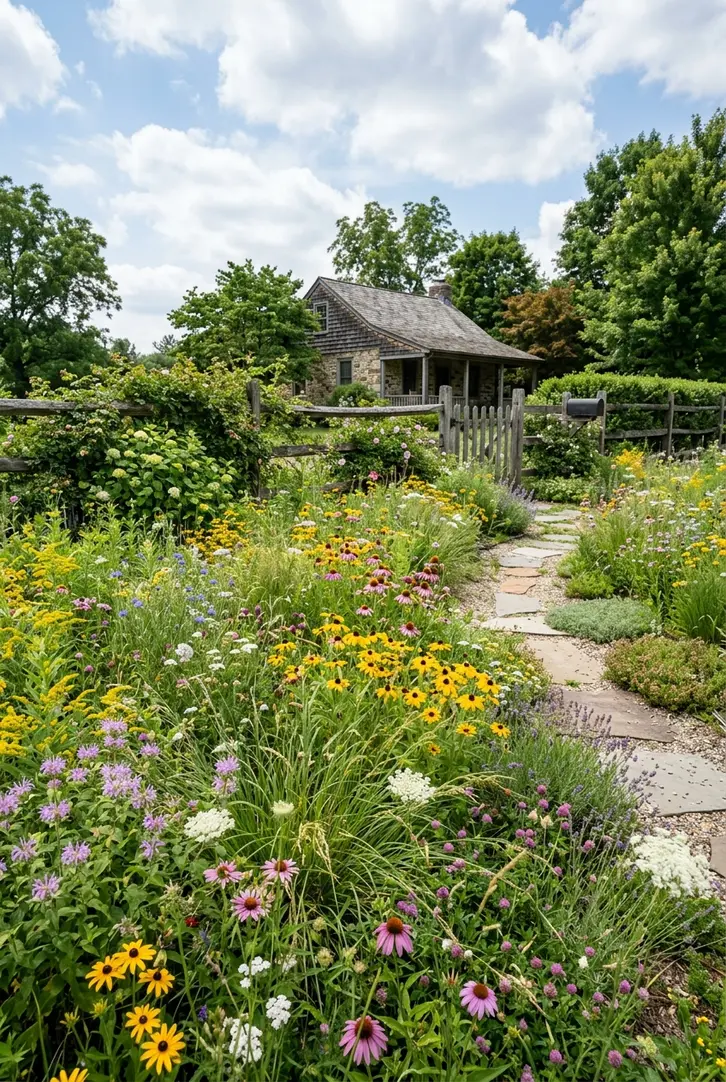
Opt for a naturalistic, low-maintenance approach in your front yard landscaping design layout by cultivating a meadow-style garden. This involves replacing traditional lawns with a biodiverse mix of native wildflowers and ornamental grasses, such as coneflowers, black-eyed Susans, switchgrass, and little bluestem. These plants are adapted to local conditions, requiring less water and fewer fertilizers, while attracting pollinators like bees and butterflies. Define the edges of your meadow with a mown strip of lawn or a low stone border to maintain a tidy appearance and signal intentional design rather than neglect. This creates a visually dynamic landscape that shifts with the seasons, offering continuous beauty and ecological benefits for your front yard landscaping design layout. Visit Better Homes & Gardens for more meadow garden inspiration.
Outline Your Space with Low Walls
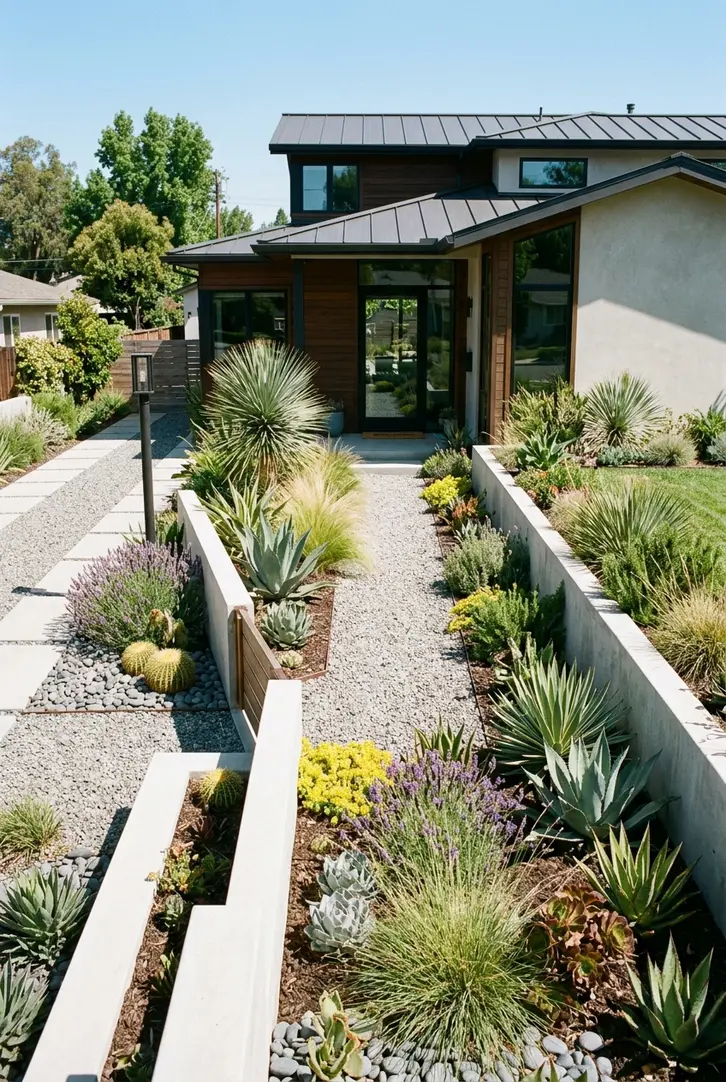
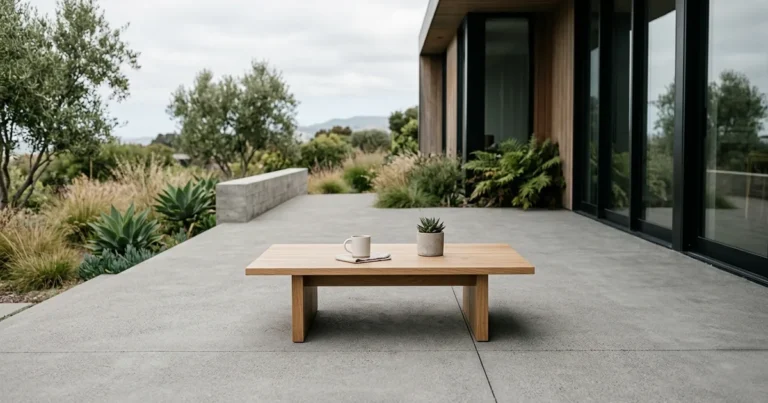
Clearly define distinct areas within your front yard landscaping design layout by incorporating low garden walls, adding structure and visual appeal. Use natural stone, brick, or poured concrete to construct walls that complement your home’s exterior and provide subtle elevation changes. Low walls can serve to retain soil in sloped areas, create defined planting beds along pathways, or delineate seating zones near the entrance. A capstone on top of the wall, such as flagstone or precast concrete, offers a finished look and can even provide additional seating. These structural elements contribute significantly to an organized and aesthetically pleasing front yard layout, offering both form and function to your front yard landscaping design layout.
Choose a Symmetrical Layout
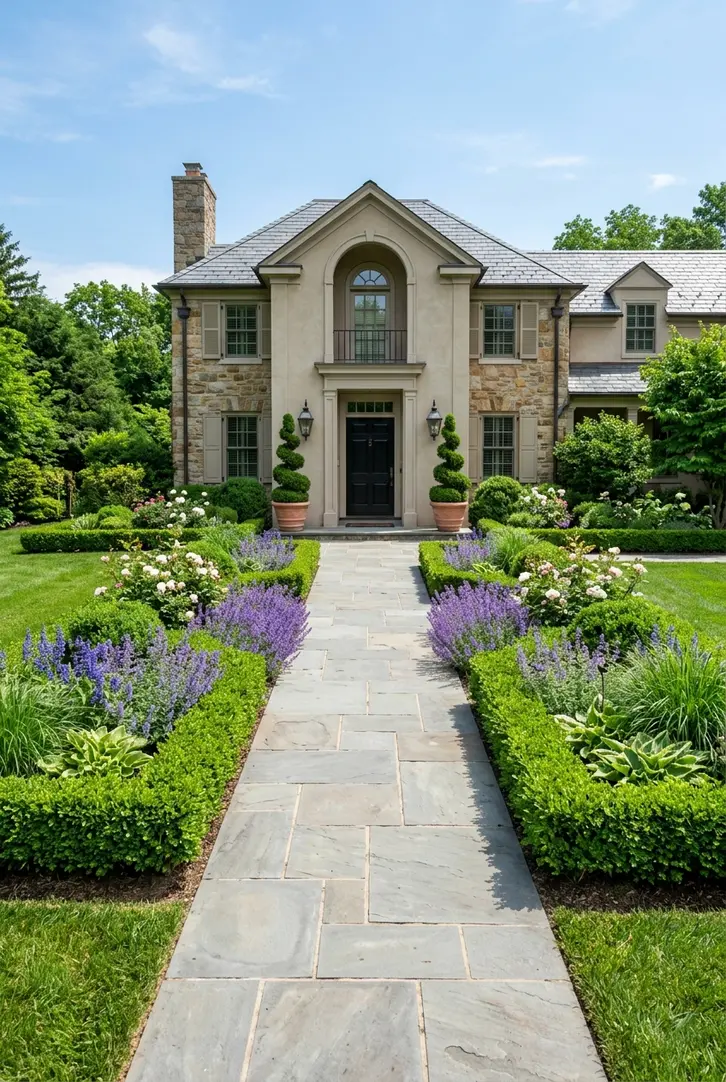
For a classic and orderly aesthetic, opt for a symmetrical front yard landscaping design layout, creating a sense of balance and grandeur. This approach typically involves mirroring elements on either side of a central axis, often the main pathway or the front door. Plant identical shrubs, trees, or flower beds on both sides, ensuring consistent heights, colors, and textures. Place matching urns with topiaries or seasonal flowers at the entrance, and use precisely trimmed hedges like boxwood or privet to define borders. A symmetrical layout often evokes a traditional, formal garden style, providing a calm and harmonious first impression that feels deliberately planned and maintained, offering a timeless curb appeal through its thoughtful front yard landscaping design layout.
Develop an Asymmetrical Balance
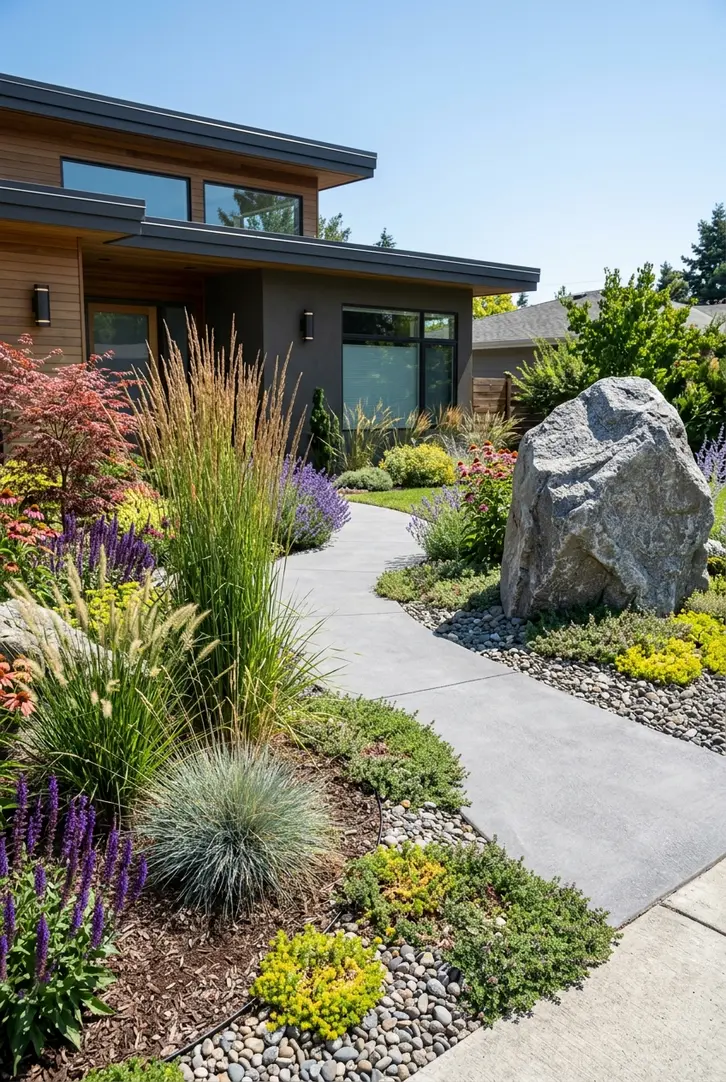
Break from strict formality by developing an asymmetrical balance in your front yard landscaping design layout, achieving visual equilibrium without perfect mirror images. This modern approach often uses varying sizes, shapes, and textures to balance different elements. For example, a single large specimen tree on one side can be balanced by a cluster of smaller, dense shrubs or an artful arrangement of boulders on the opposite side. Consider a curved pathway leading to the entrance, flanked by irregular groupings of perennials and grasses. The key is to distribute visual weight evenly across the landscape, creating dynamic interest and a more organic, relaxed feel while still appearing thoughtful and cohesive in its overall layout and front yard landscaping design layout.
Add Edible Landscaping
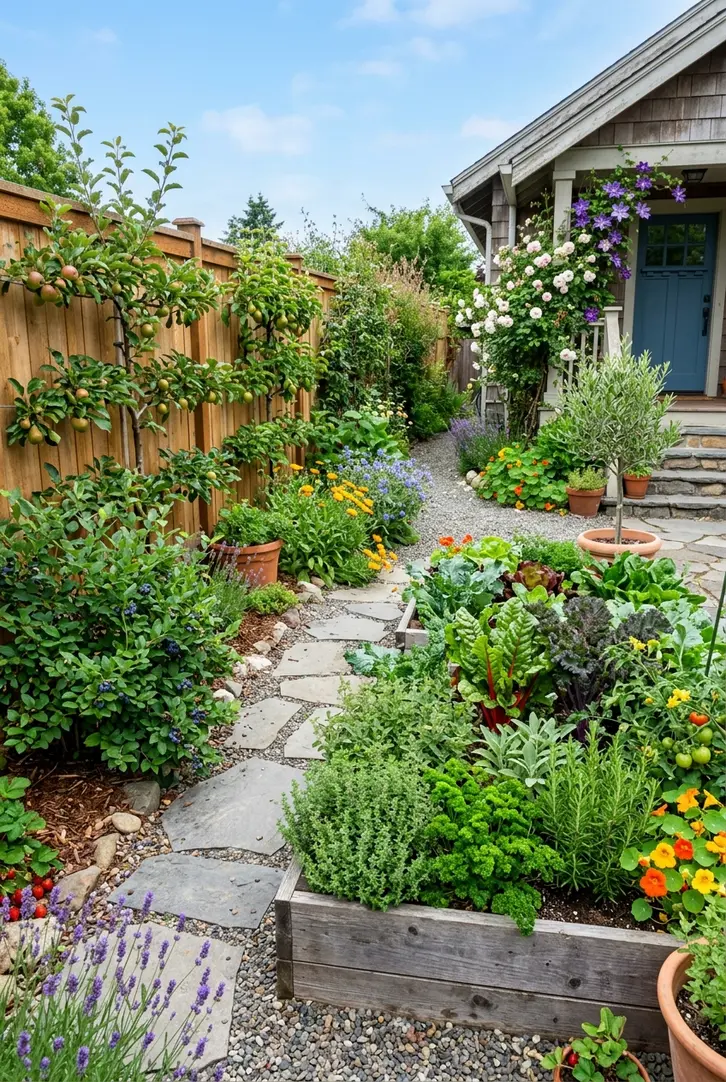
Integrate functionality and beauty into your front yard landscaping design layout by adding edible plants that are both productive and aesthetically pleasing. Consider planting attractive berry bushes like blueberries or raspberries in structured beds, or espalier fruit trees along a fence or wall for a formal look. Herbs such as rosemary, thyme, and sage can be incorporated into border plantings, offering aromatic foliage and culinary uses. Even certain vegetables, like colorful Swiss chard or decorative kale, can be integrated into ornamental beds for seasonal interest. This approach not only provides fresh produce but also adds unique textures and colors to your landscape, creating a conversation-starting and sustainable garden space within your front yard landscaping design layout.
Consider a Rain Garden
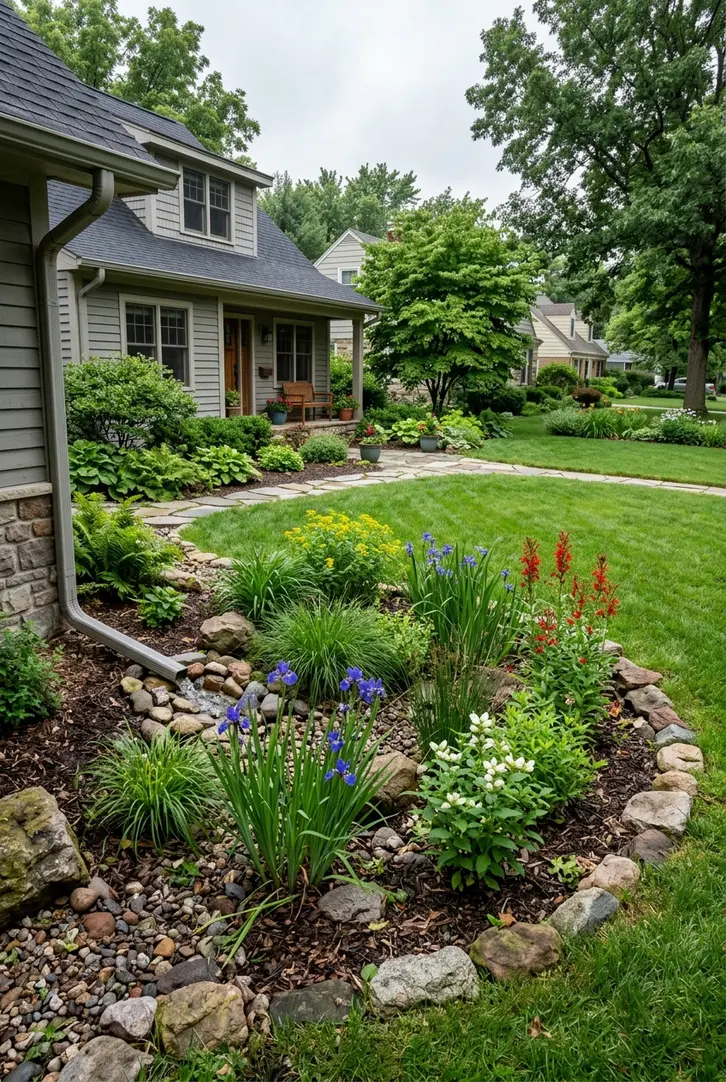
Manage stormwater effectively and sustainably within your front yard landscaping design layout by creating a rain garden. This involves designing a shallow depression, typically 6-12 inches deep, in an area that collects runoff from your roof or driveway. Fill the rain garden with well-draining soil and a selection of native, moisture-tolerant plants like irises, sedges, cardinal flowers, or swamp milkweed, which thrive in periodically wet conditions. The garden temporarily holds and filters rainwater, allowing it to slowly soak into the ground, recharging groundwater and reducing runoff pollution. It’s an eco-friendly and visually appealing solution that supports local ecosystems and adds dynamic seasonal interest to your property’s front yard landscaping design layout.
Build a Courtyard Entrance
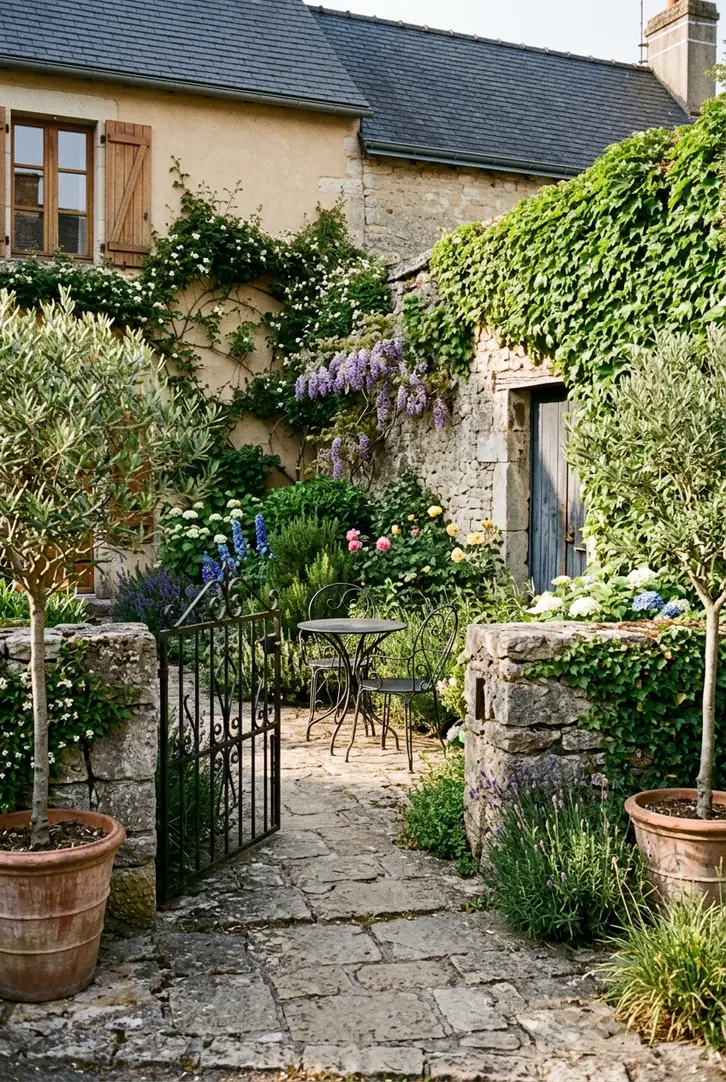
Create an intimate and inviting transition zone in your front yard landscaping design layout by building a courtyard entrance. This semi-private area, typically enclosed by low walls made of stucco, stone, or brick, and perhaps a decorative wrought iron gate, offers a sense of arrival. Furnish the courtyard with a small bistro set for morning coffee or display attractive potted plants like citrus trees or ferns. Incorporate wall sconces for evening ambiance and consider a subtle water feature for soothing background noise. A courtyard defines the entry experience, adding architectural interest and a functional outdoor room that bridges the public front yard with the private interior of your home, enhancing your overall front yard landscaping design layout.
Utilize Container Gardening
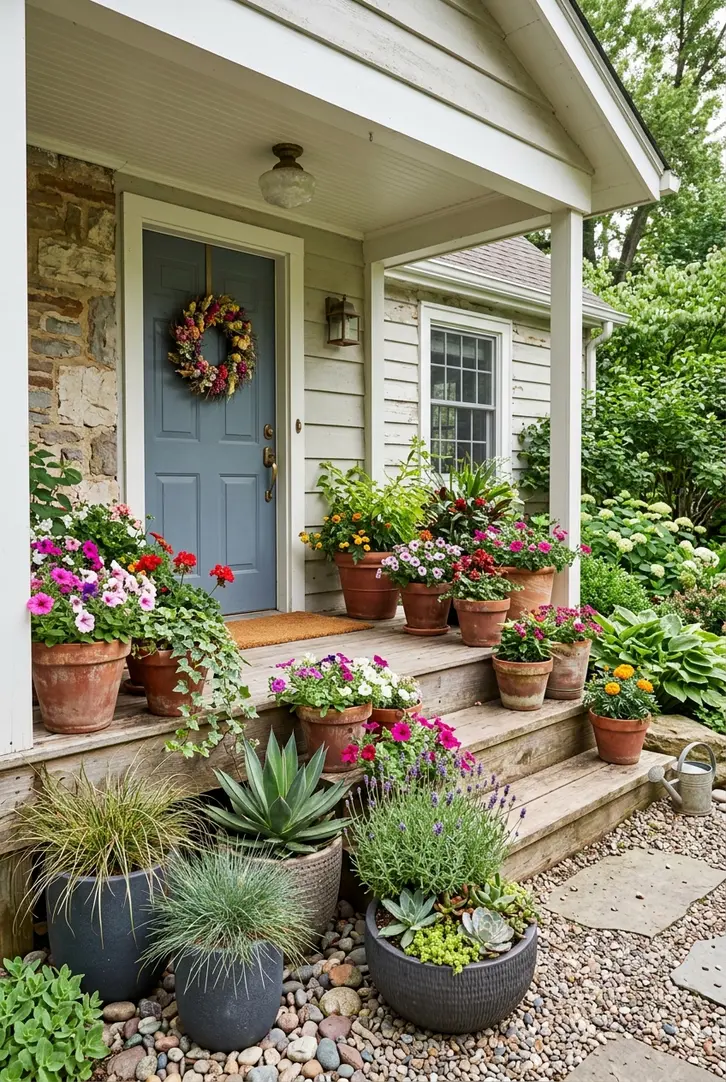
Add flexible bursts of color and texture to your front yard landscaping design layout by effectively utilizing container gardening. Choose planters made from materials like terracotta, glazed ceramic, or lightweight fiberglass that complement your home’s style. Group pots of varying sizes and heights together near the front door, on porch steps, or along pathways to create dynamic visual vignettes. Fill containers with a ‘thriller, filler, spiller’ combination: a tall, striking plant (thriller), mounding plants that fill the pot (filler), and trailing plants that spill over the edges (spiller). This allows for easy seasonal updates and provides instant impact, especially useful for smaller spaces or rental properties needing temporary curb appeal boosts for their front yard landscaping design layout.
Strategize Front Yard Landscaping Design Layout
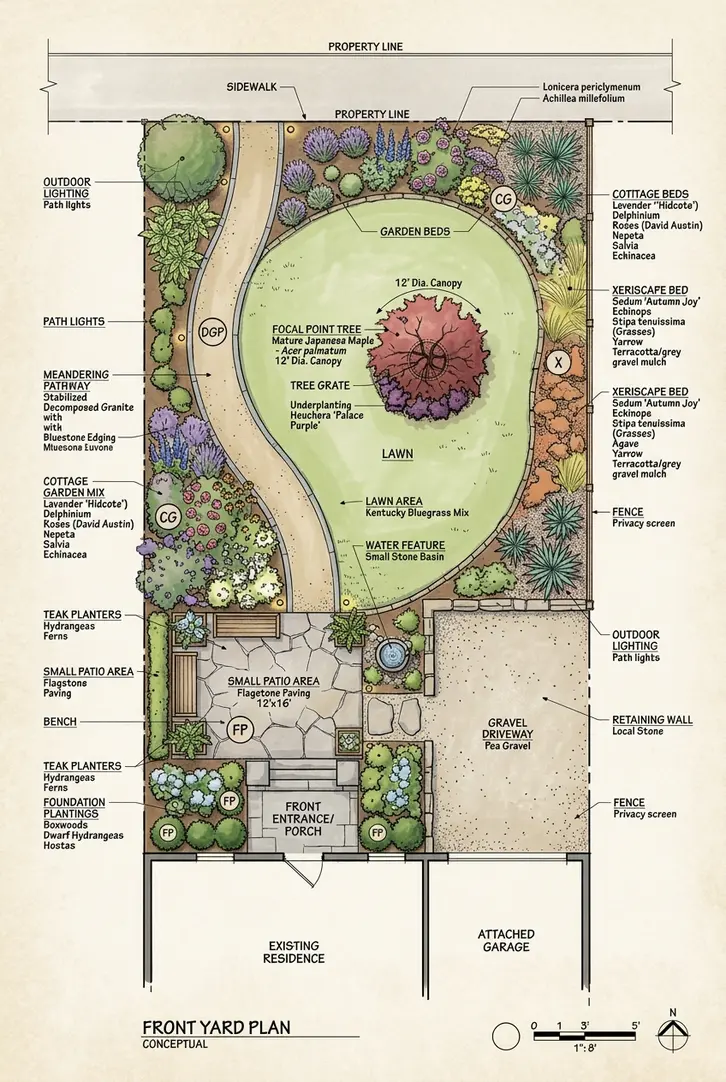
A strategic approach to your entire front yard landscaping design layout is paramount for a cohesive and functional outdoor space. Begin by sketching out your property, noting existing features like mature trees, utilities, and drainage patterns. Define distinct zones: public areas (lawn), semi-private (entry path, porch), and perhaps a small private seating nook. Consider the ‘bones’ of your landscape—hardscaping elements like paths, patios, and walls—before adding ‘flesh’—your plantings. Ensure flow between areas is logical and inviting. A well-thought-out plan anticipates growth, minimizes future maintenance, and guarantees every element contributes positively to the overall aesthetic and usability of your front yard, perfecting its front yard landscaping design layout.
Incorporate Artistic Elements
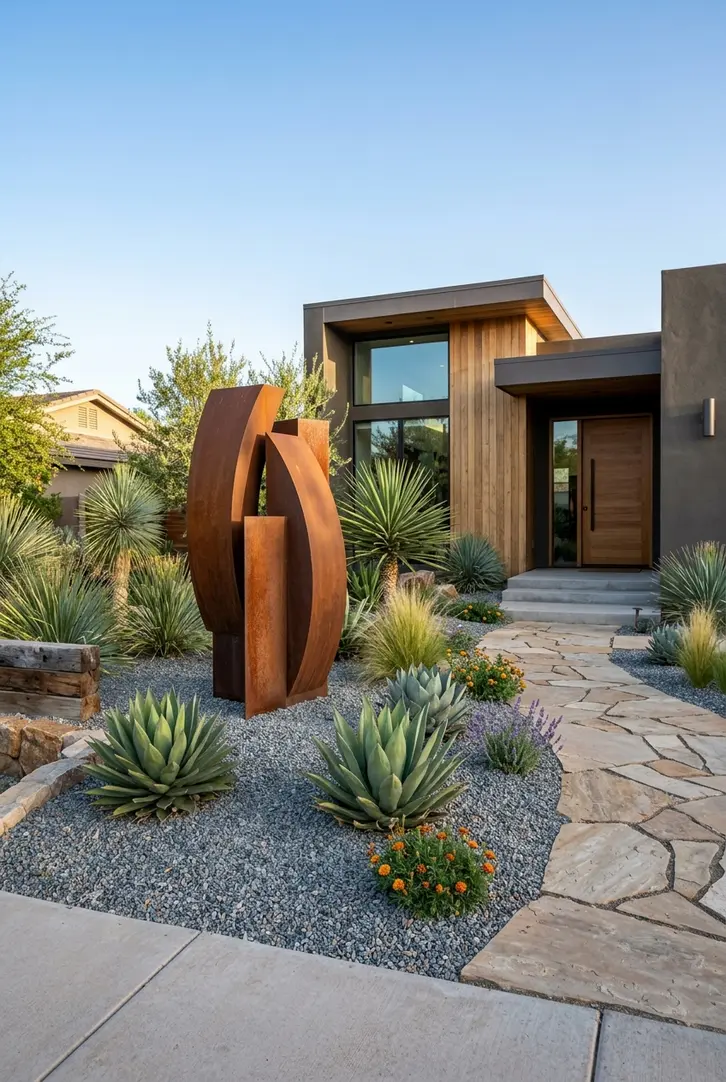
Add personality and intrigue to your front yard landscaping design layout by incorporating artistic elements that serve as unexpected visual highlights. Choose sculptures, wind chimes, or decorative birdbaths that resonate with your personal style and complement your home’s architecture. For a modern aesthetic, consider a sleek corten steel sculpture or a geometric concrete planter. In a cottage garden, a whimsical gnome or a vintage birdcage might fit perfectly. Position these elements thoughtfully within garden beds, near entry points, or as a focal point in a gravel garden. Ensure they are weather-resistant and scaled appropriately for the space, preventing them from overpowering the natural beauty of your plantings and enhancing your unique front yard landscaping design layout.
Select Evergreen Structure
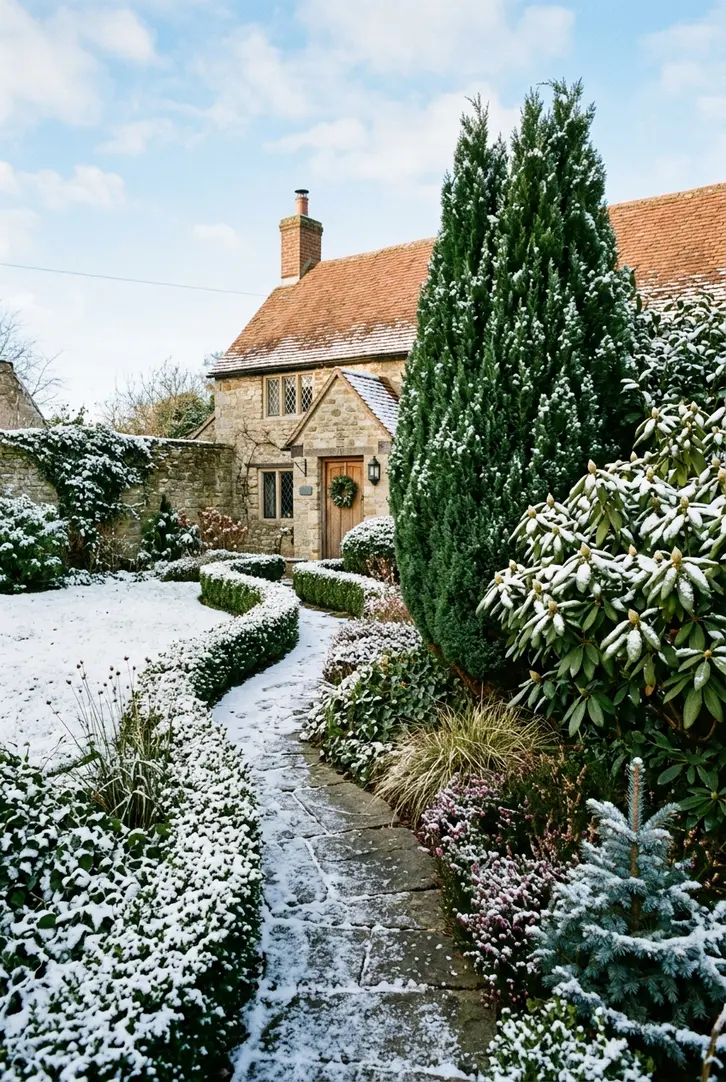
Ensure year-round visual appeal for your front yard landscaping design layout by strategically selecting and incorporating evergreen plants that provide consistent structure and color. Utilize classic options like boxwood for formal hedges or low borders, or consider various junipers for their diverse forms—from creeping groundcovers to upright conical shapes. Rhododendrons and azaleas offer broadleaf evergreen foliage and stunning spring blooms, maintaining greenery even in winter. Place evergreens as foundational plantings near the house, to define pathways, or as specimen plants to anchor garden beds. Their enduring presence provides a constant backdrop against which deciduous plants and seasonal flowers can shine, preventing a barren look in colder months and solidifying your front yard landscaping design layout.
Inspiration Gallery Recap
Swipe through all the ideas below to find your perfect match.